1–40 of 56
Showing 40 of 56 products
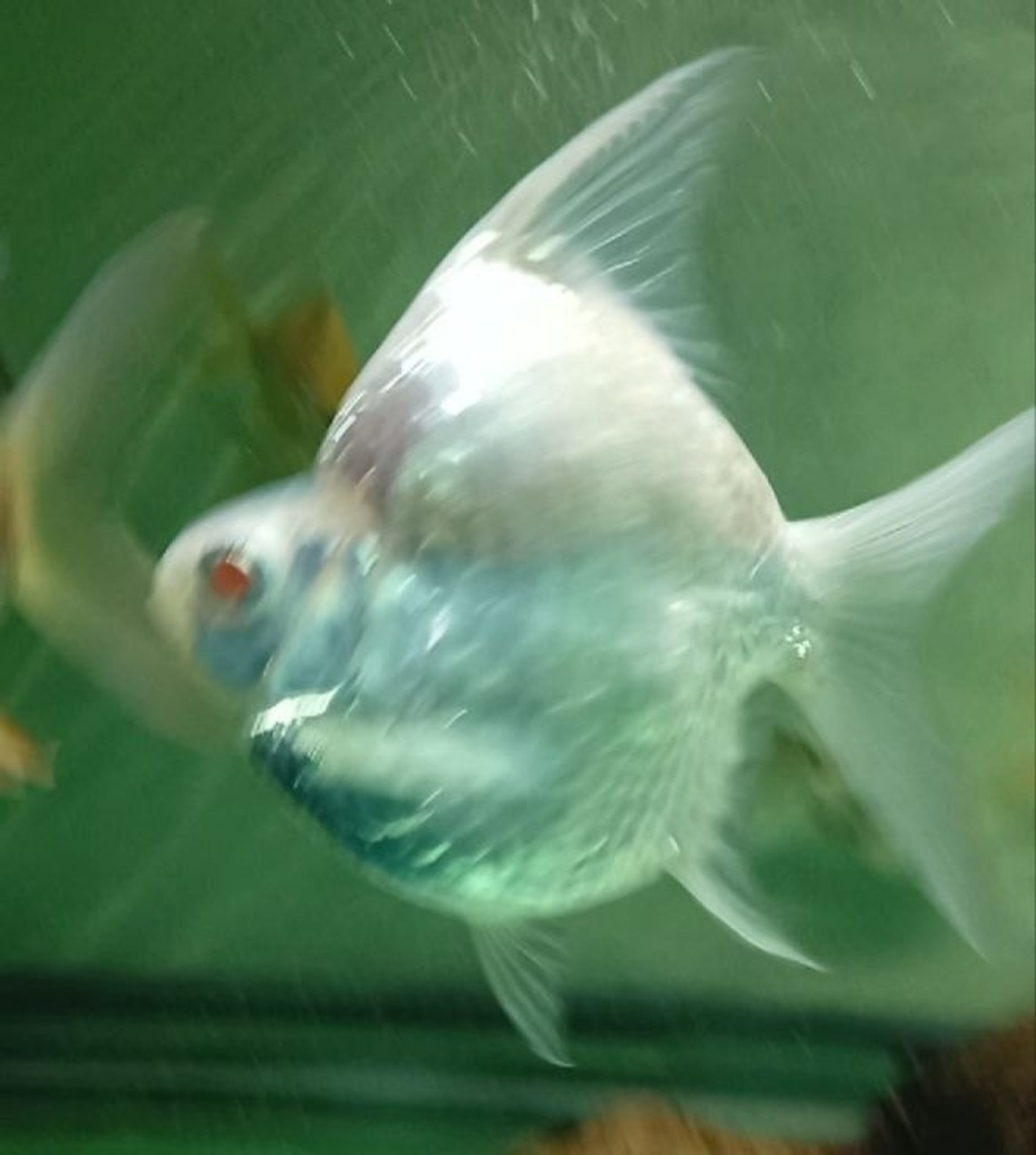


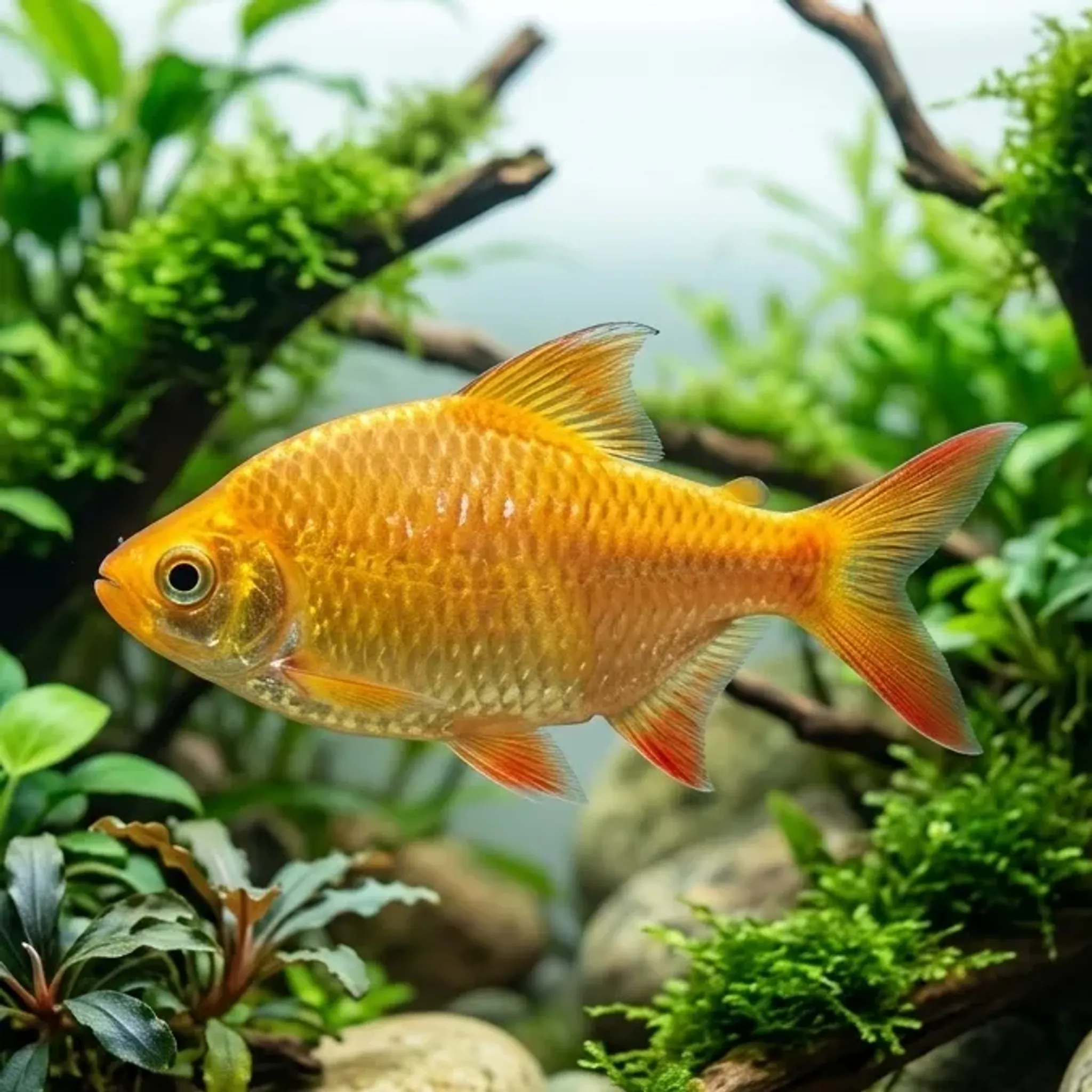
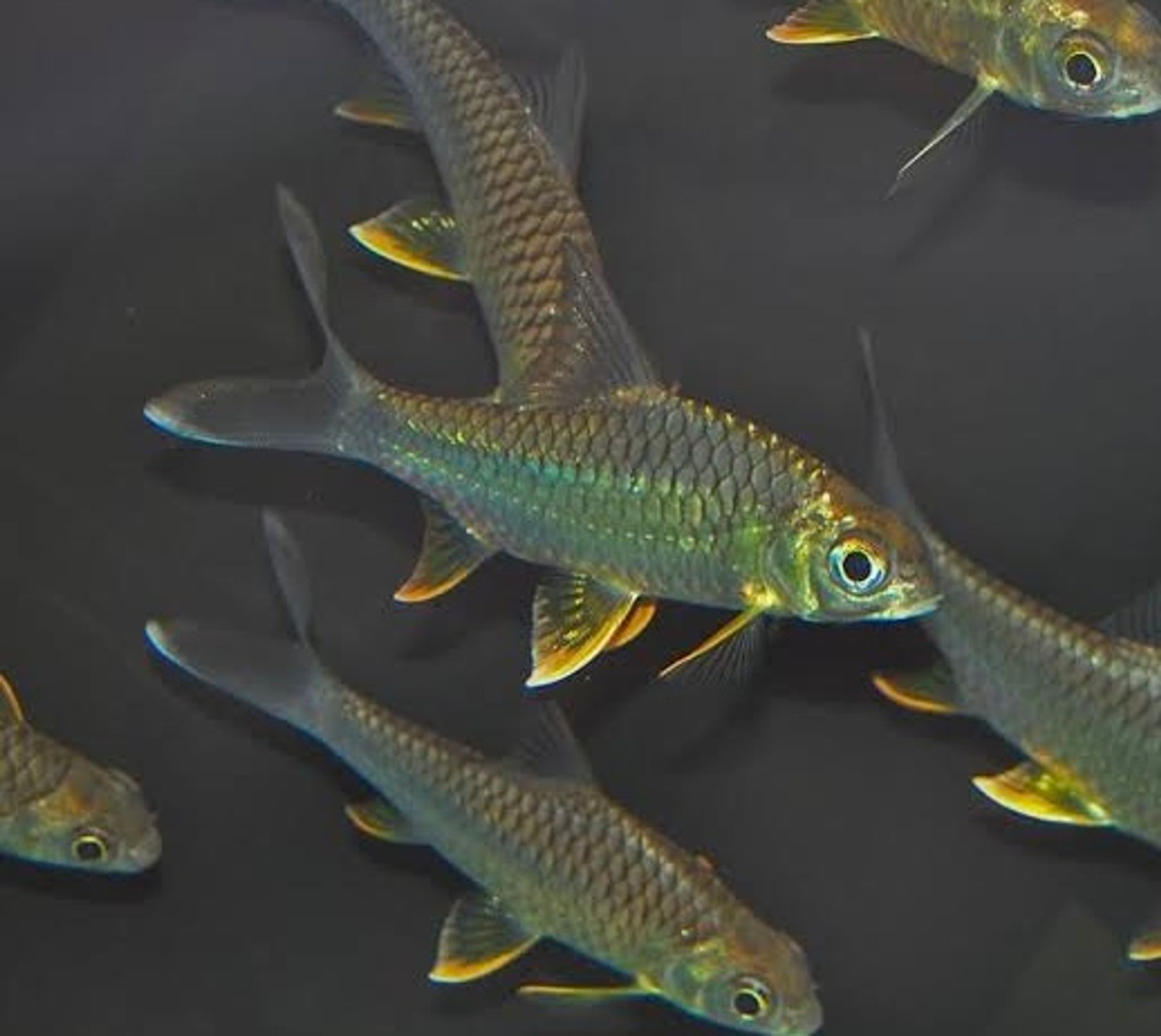
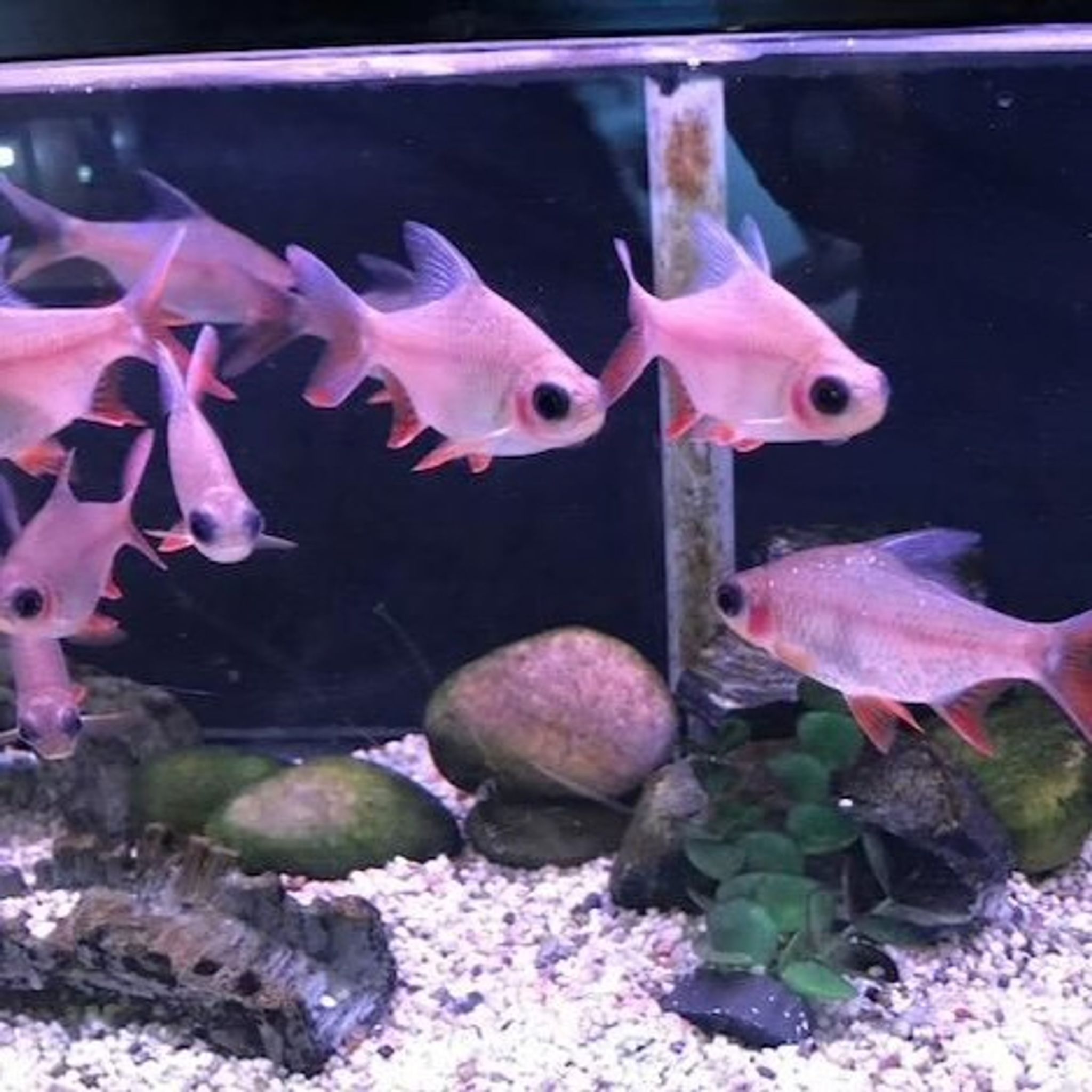
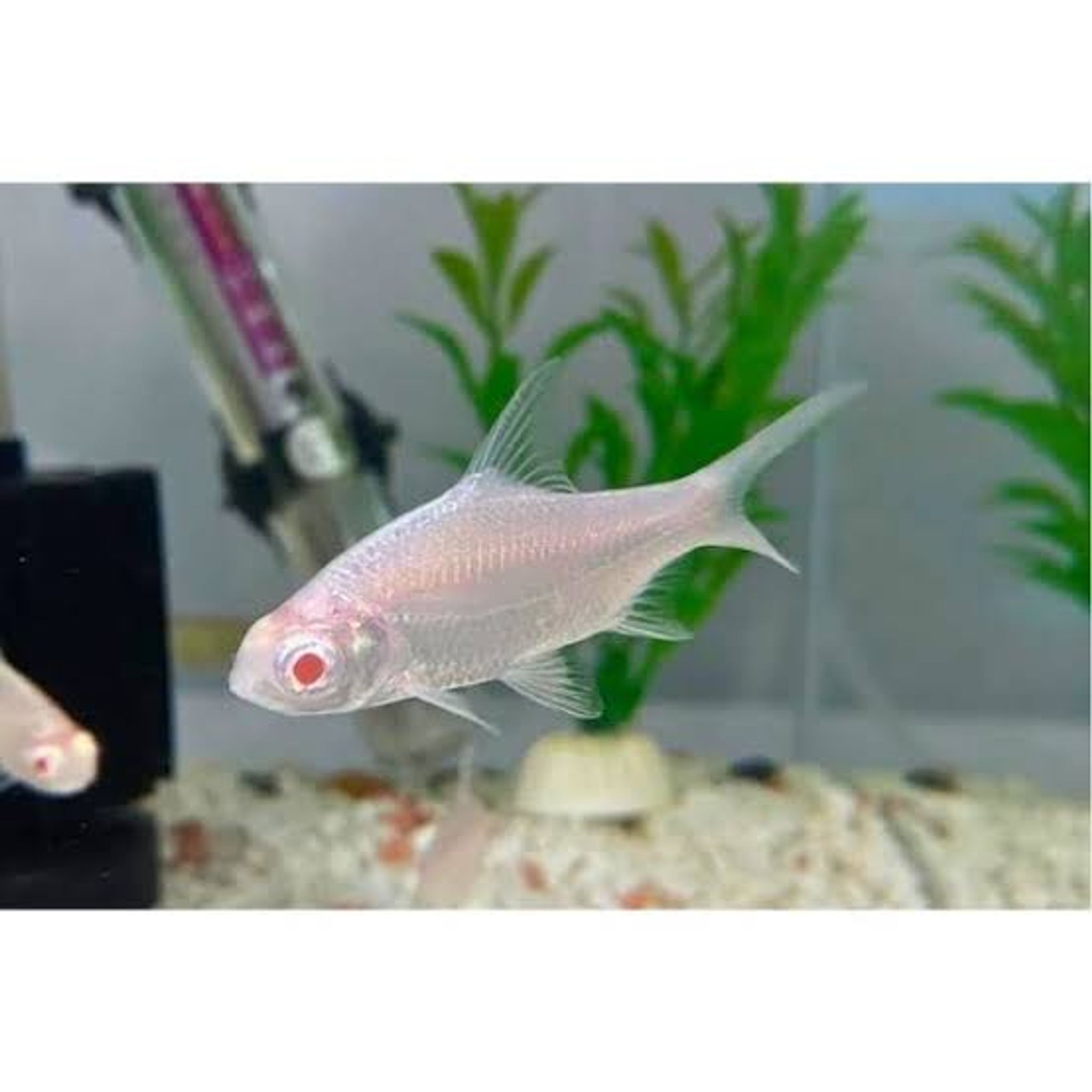
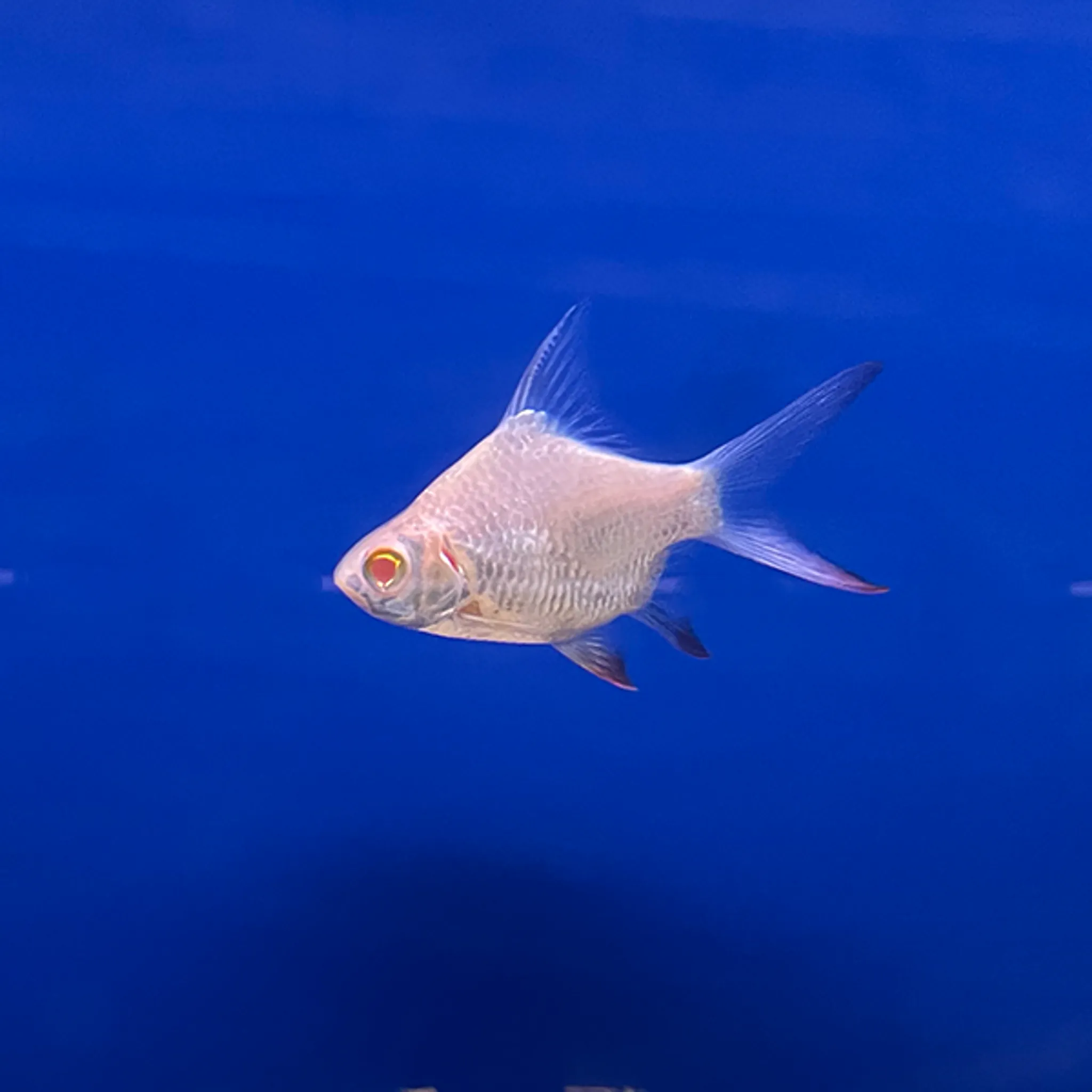
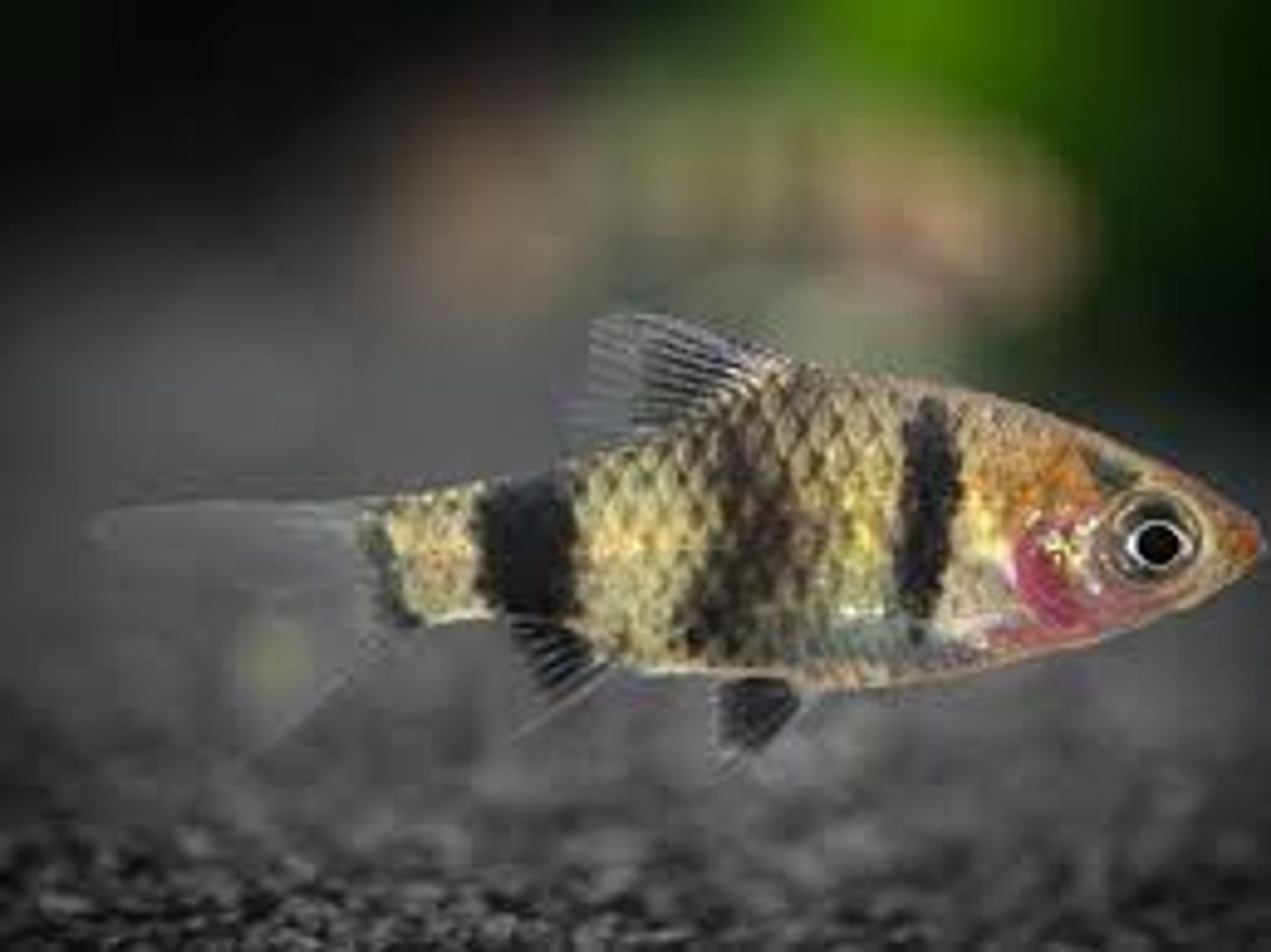
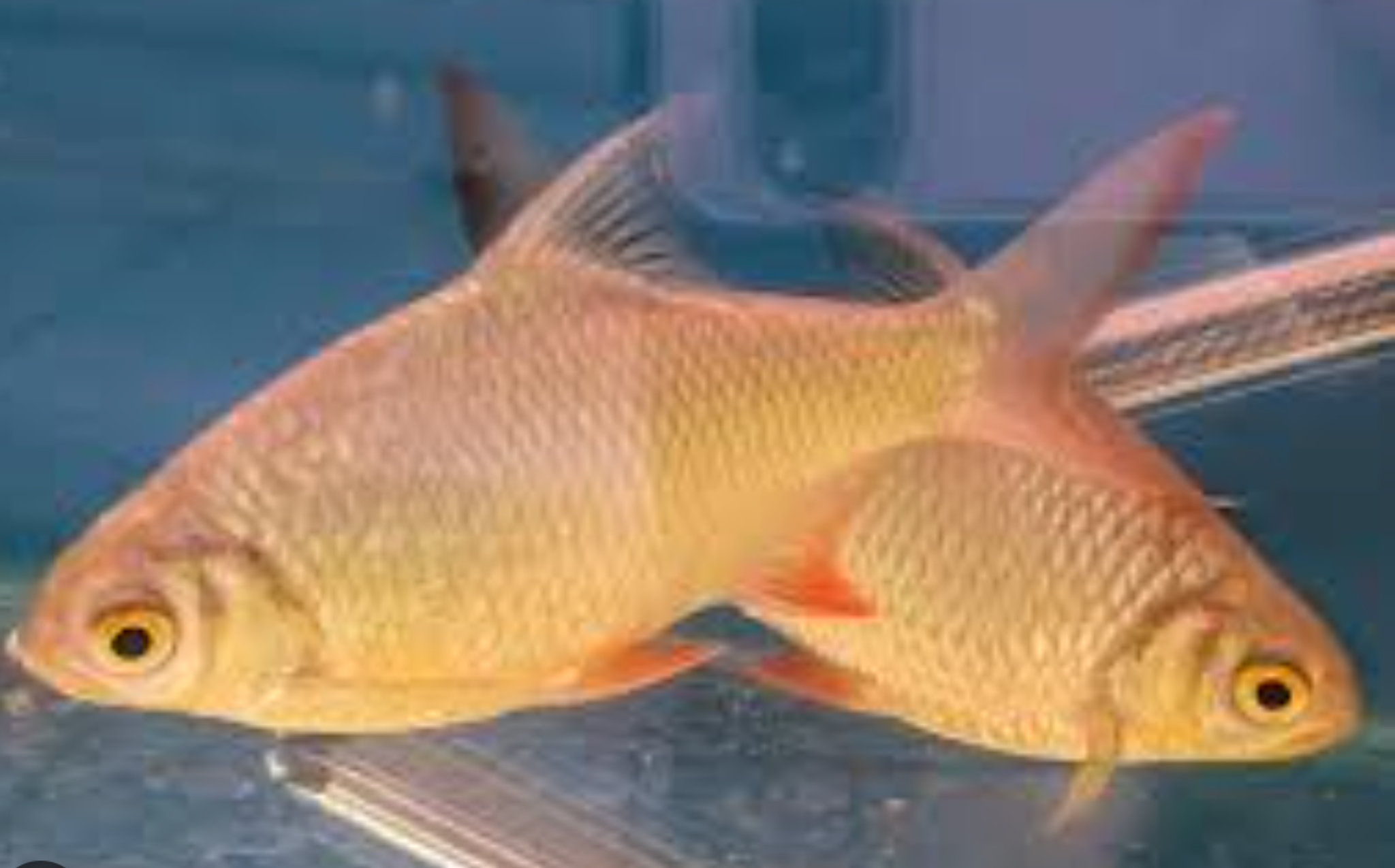
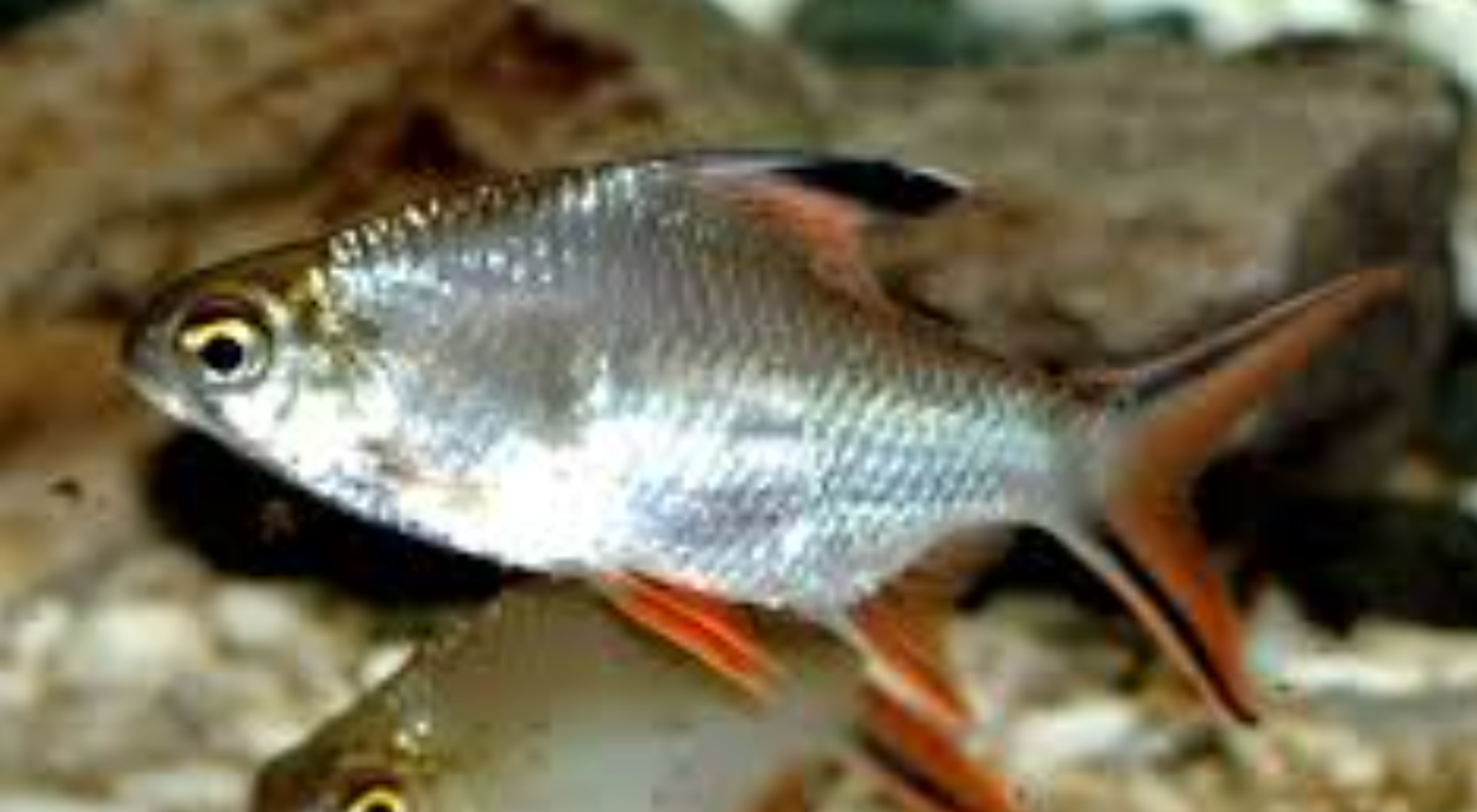
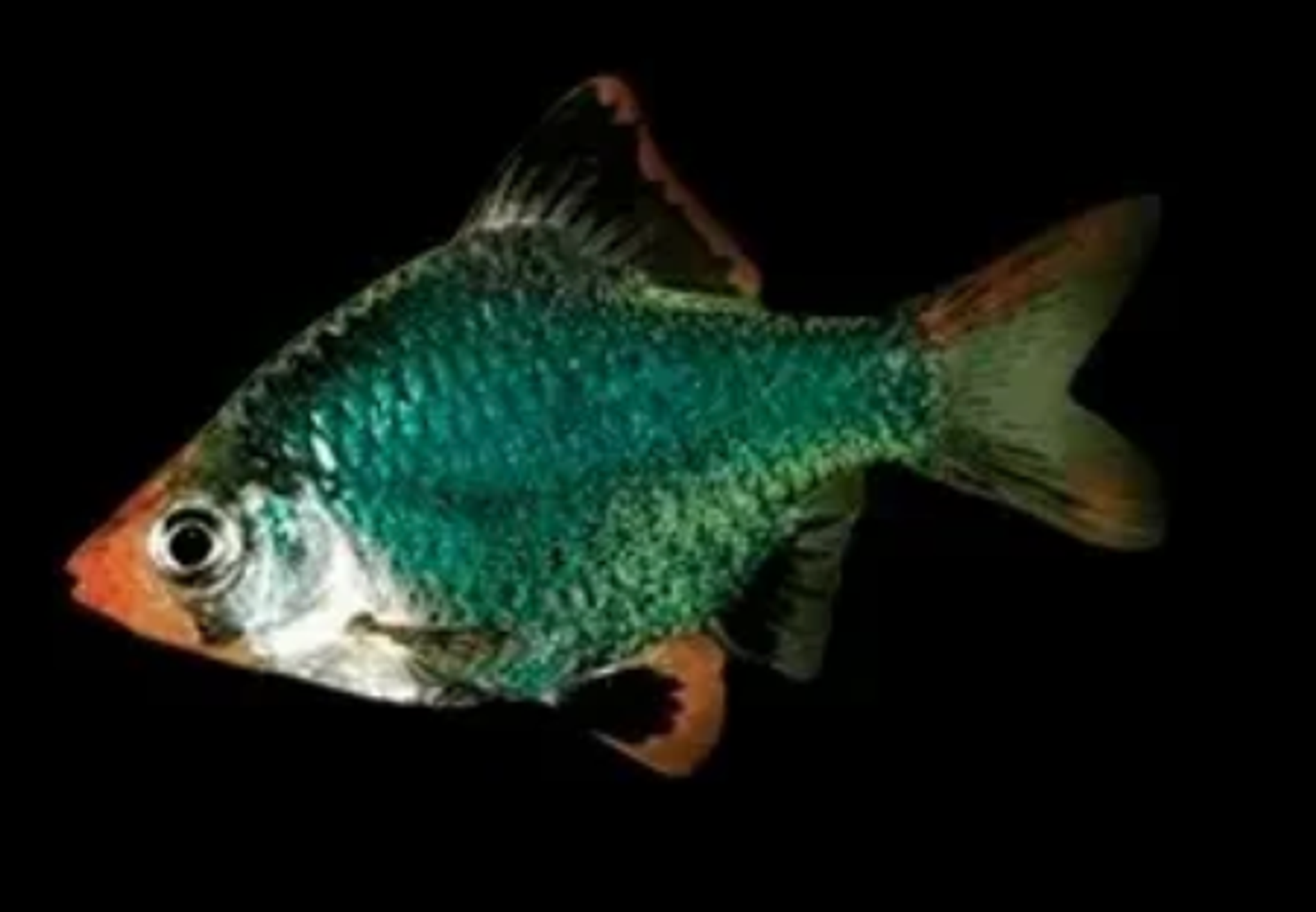
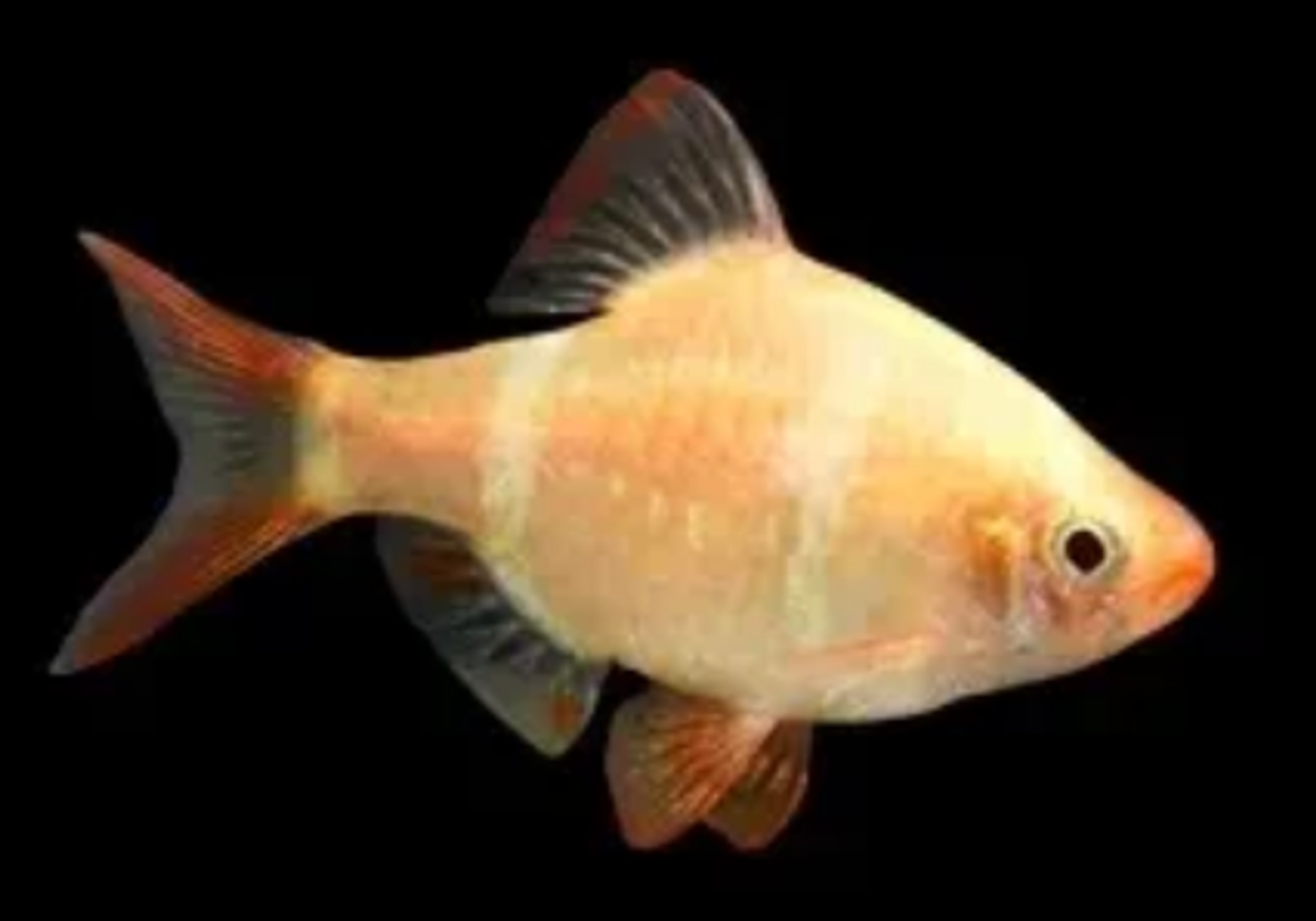
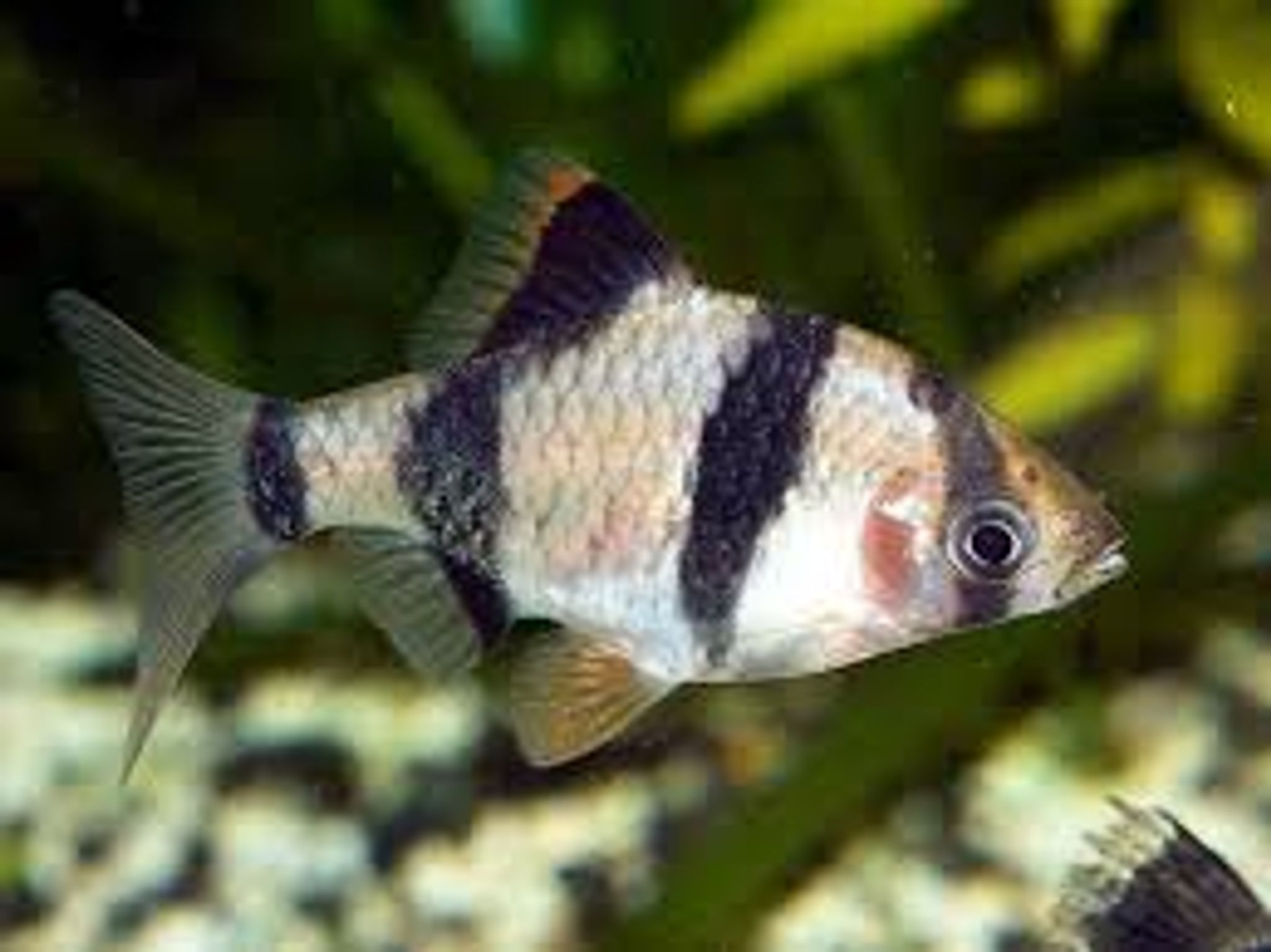
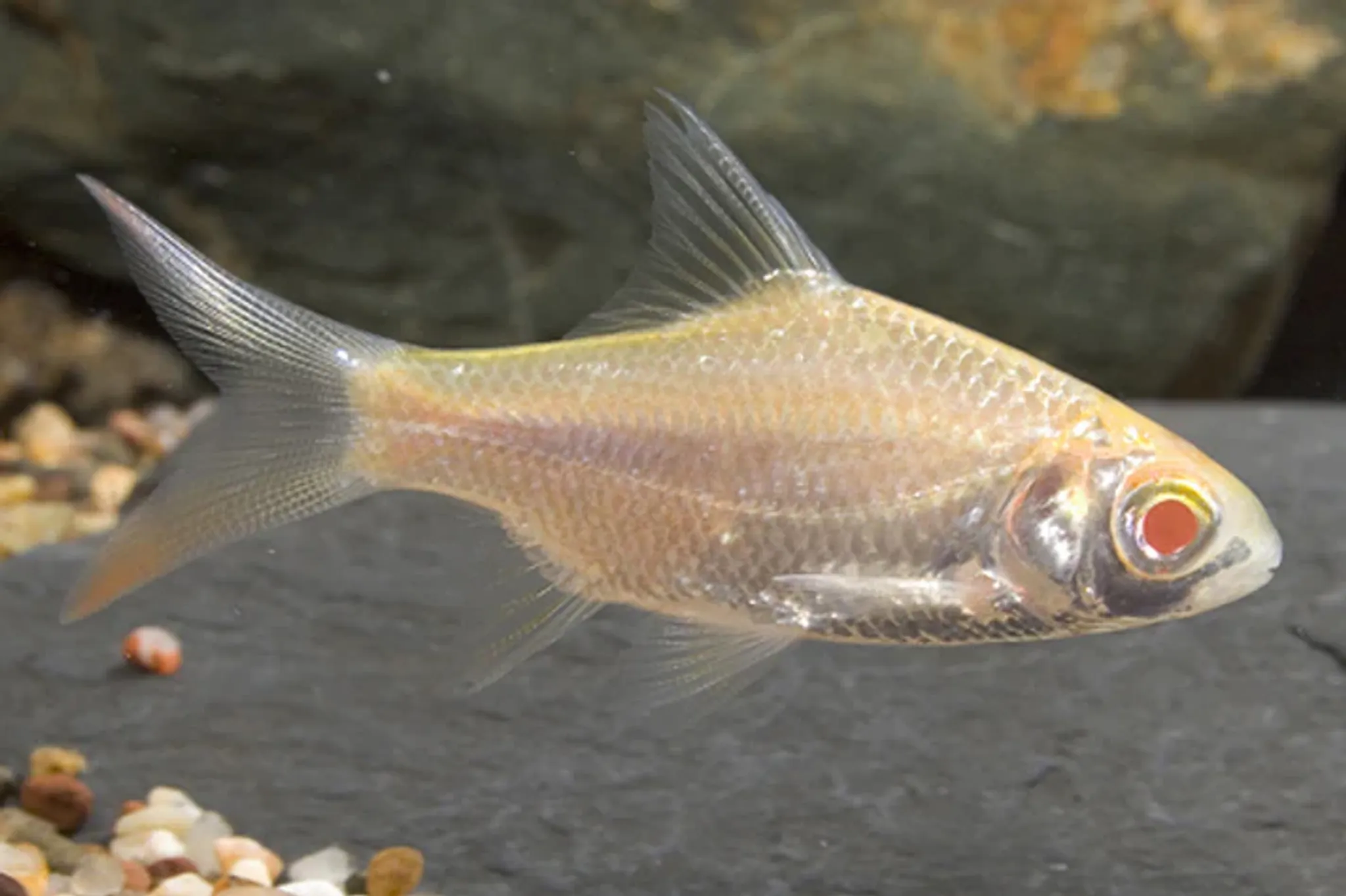
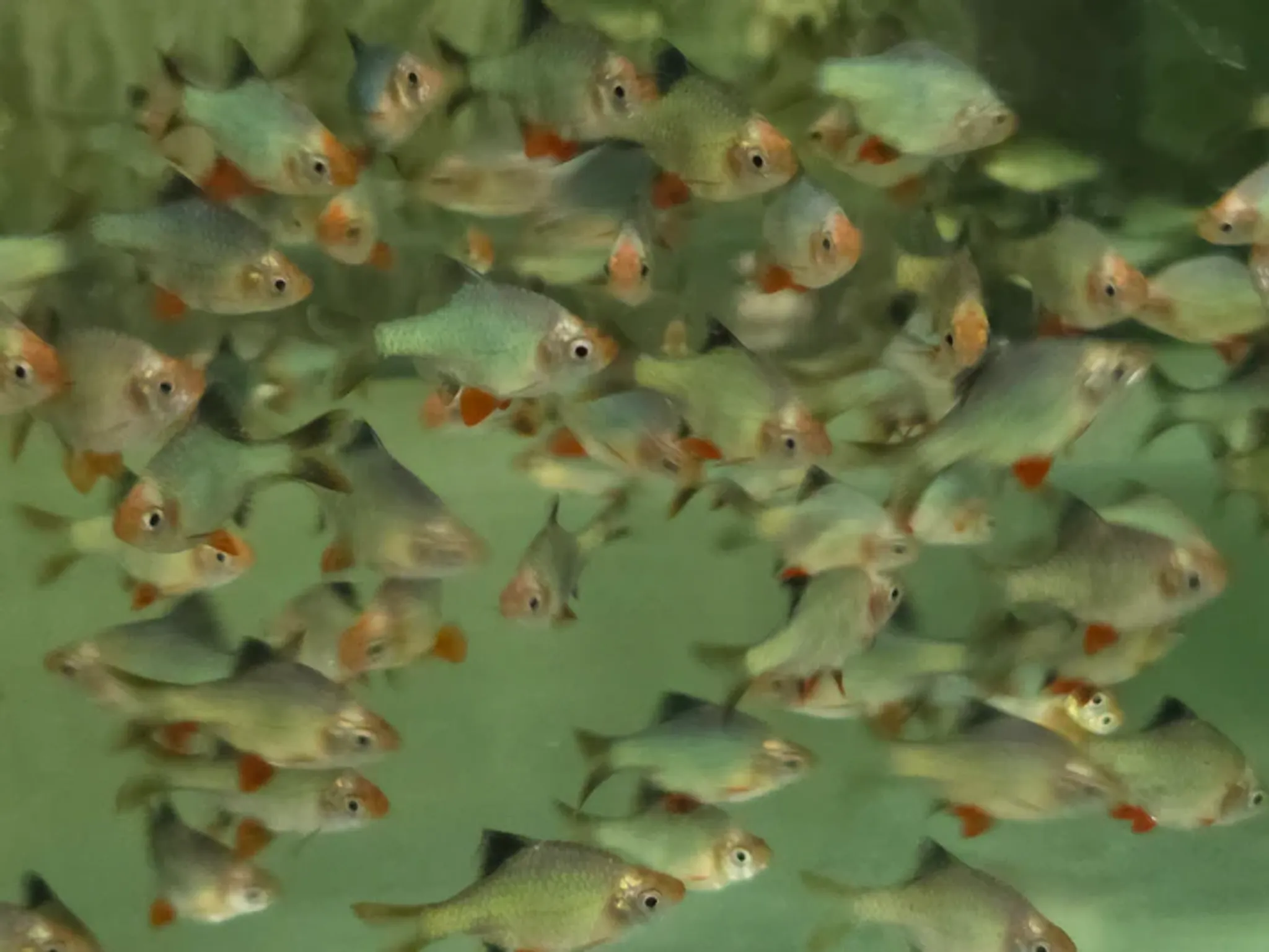
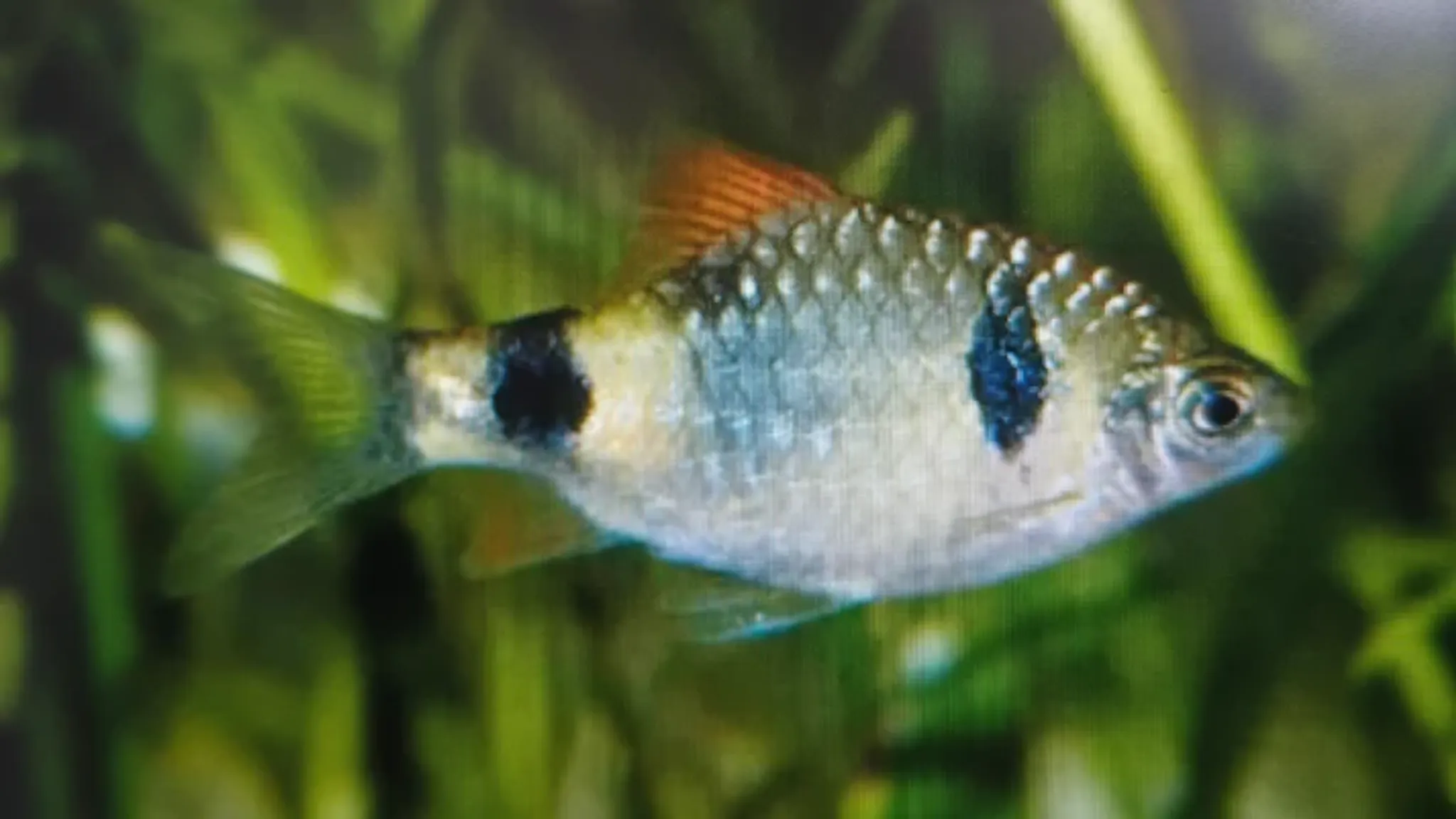
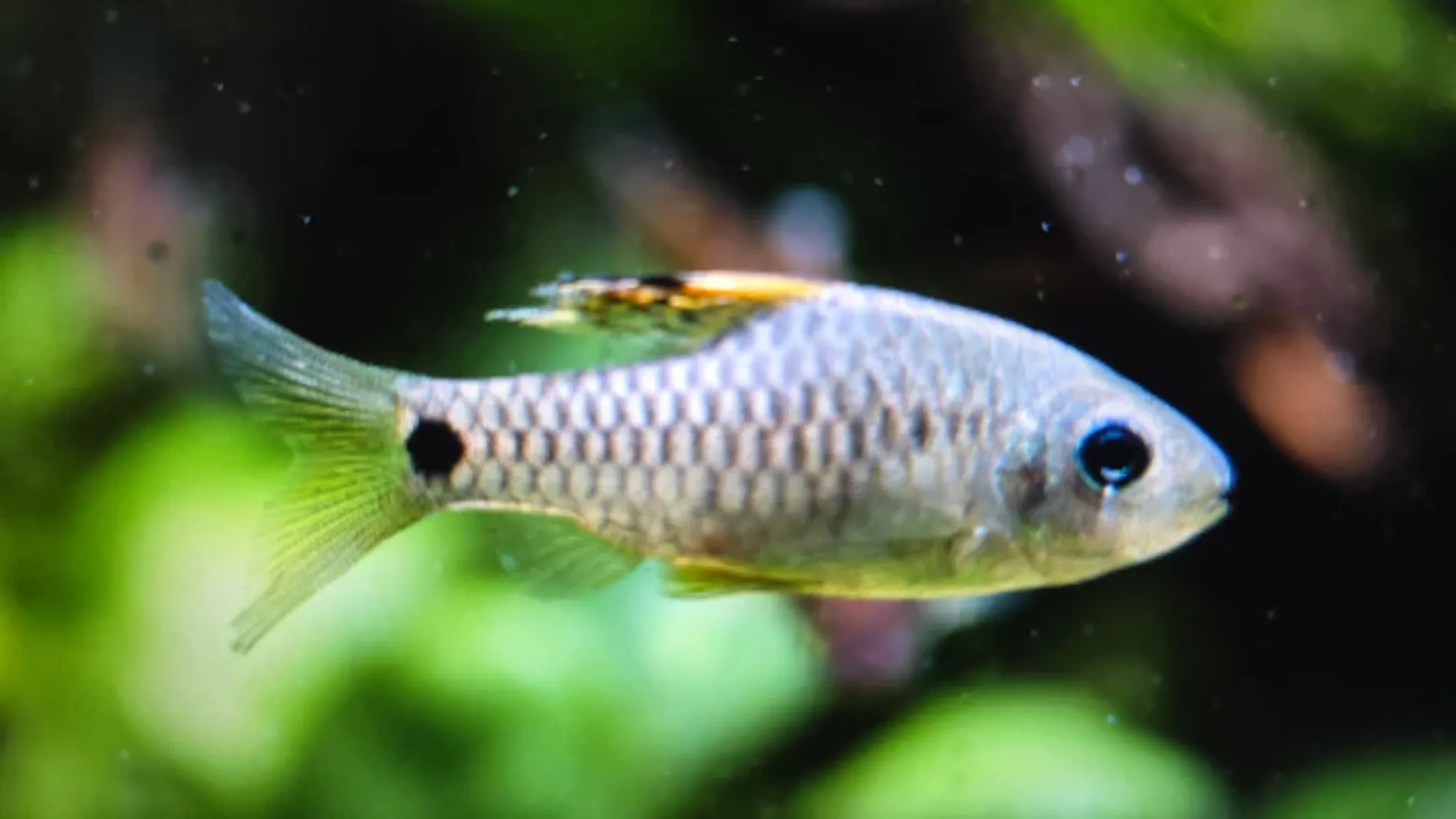
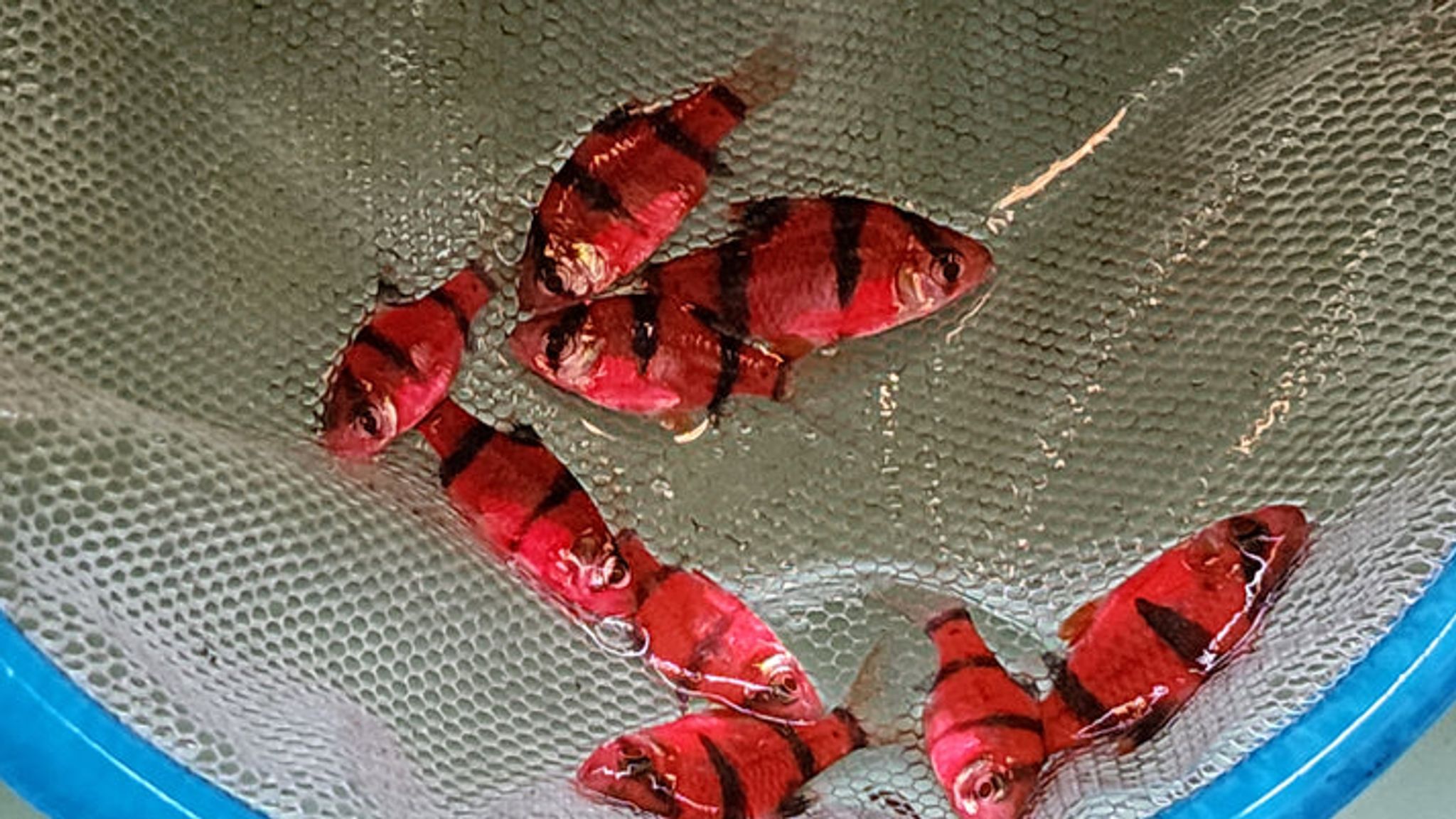
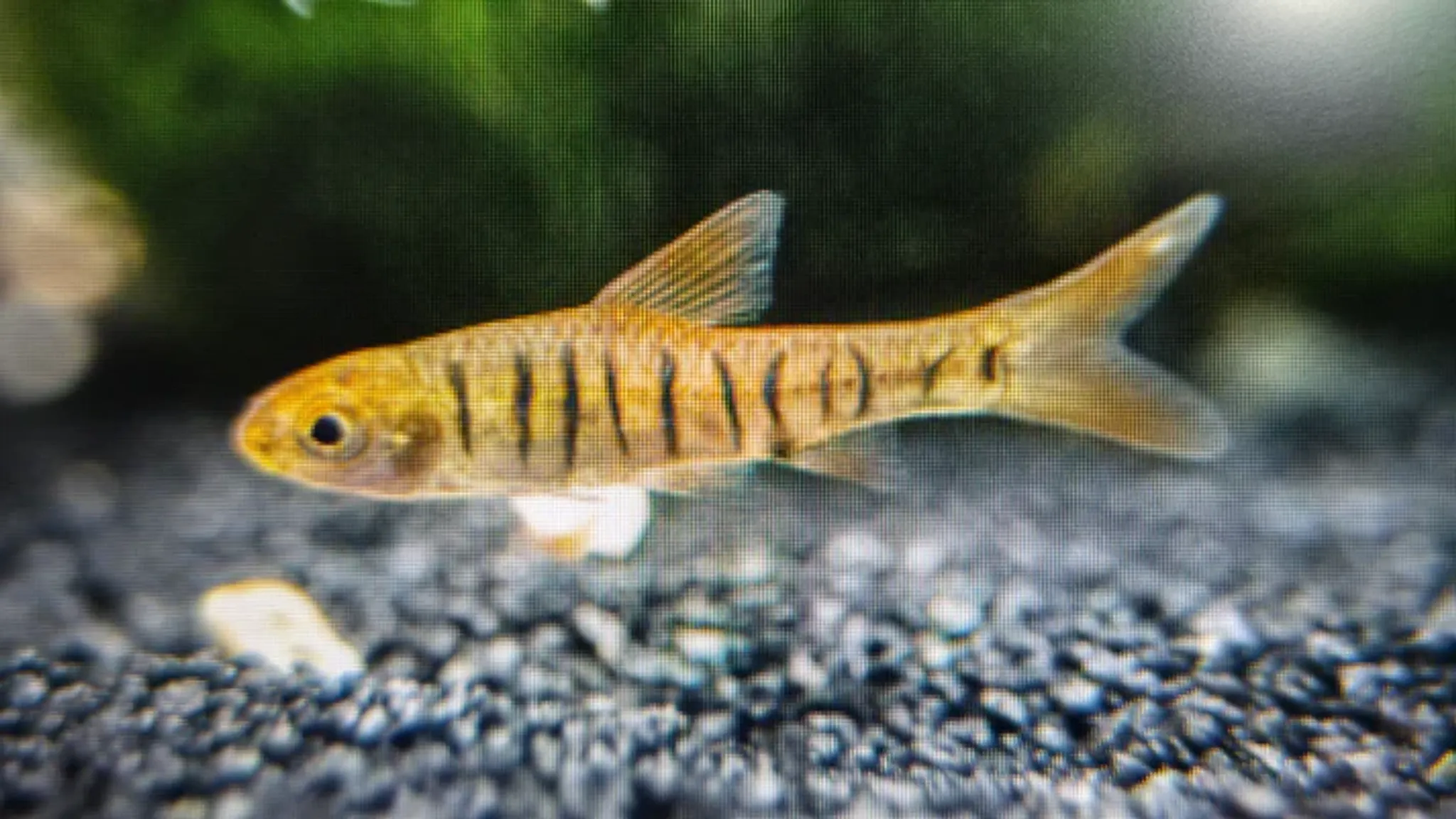
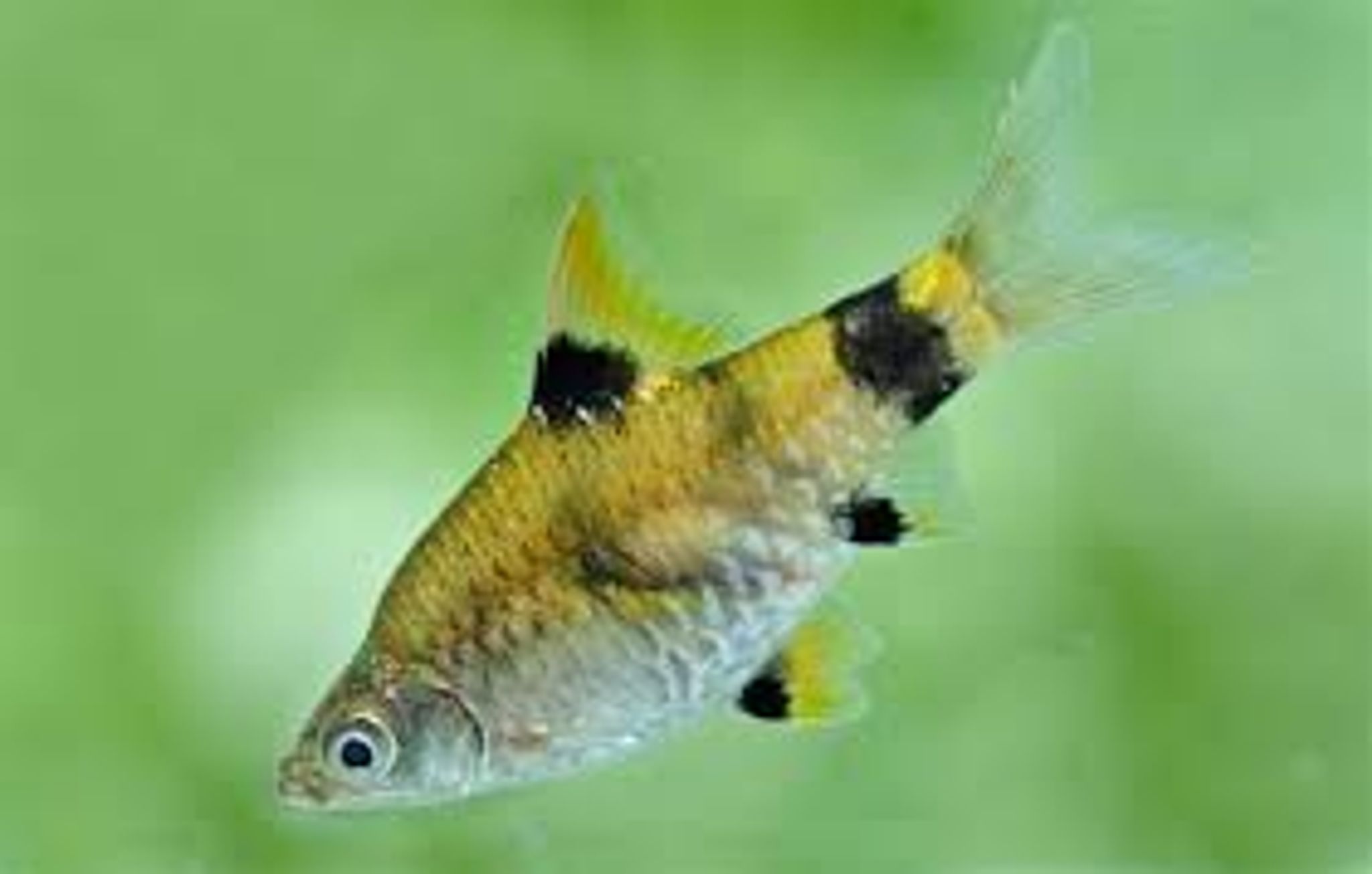

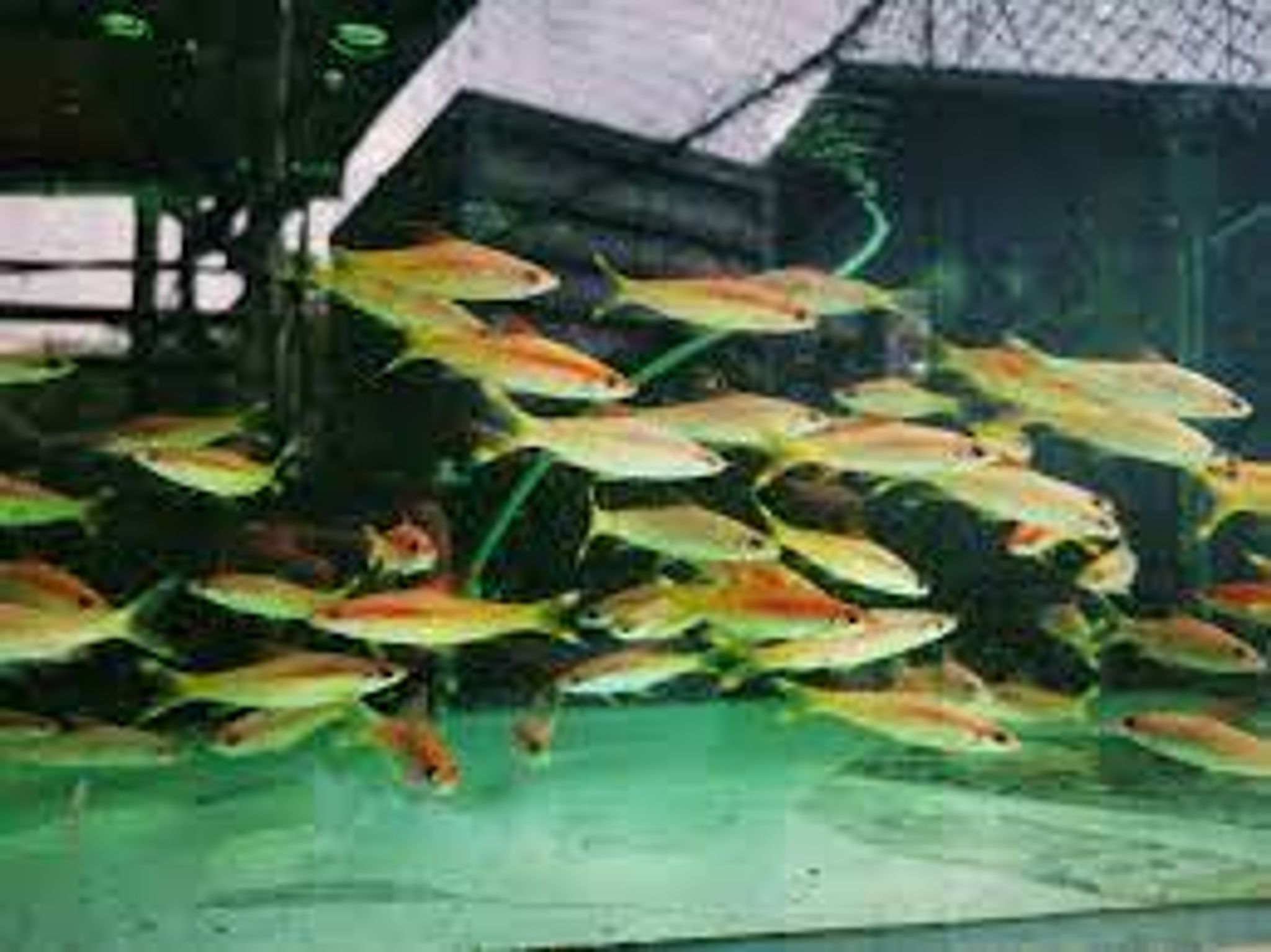
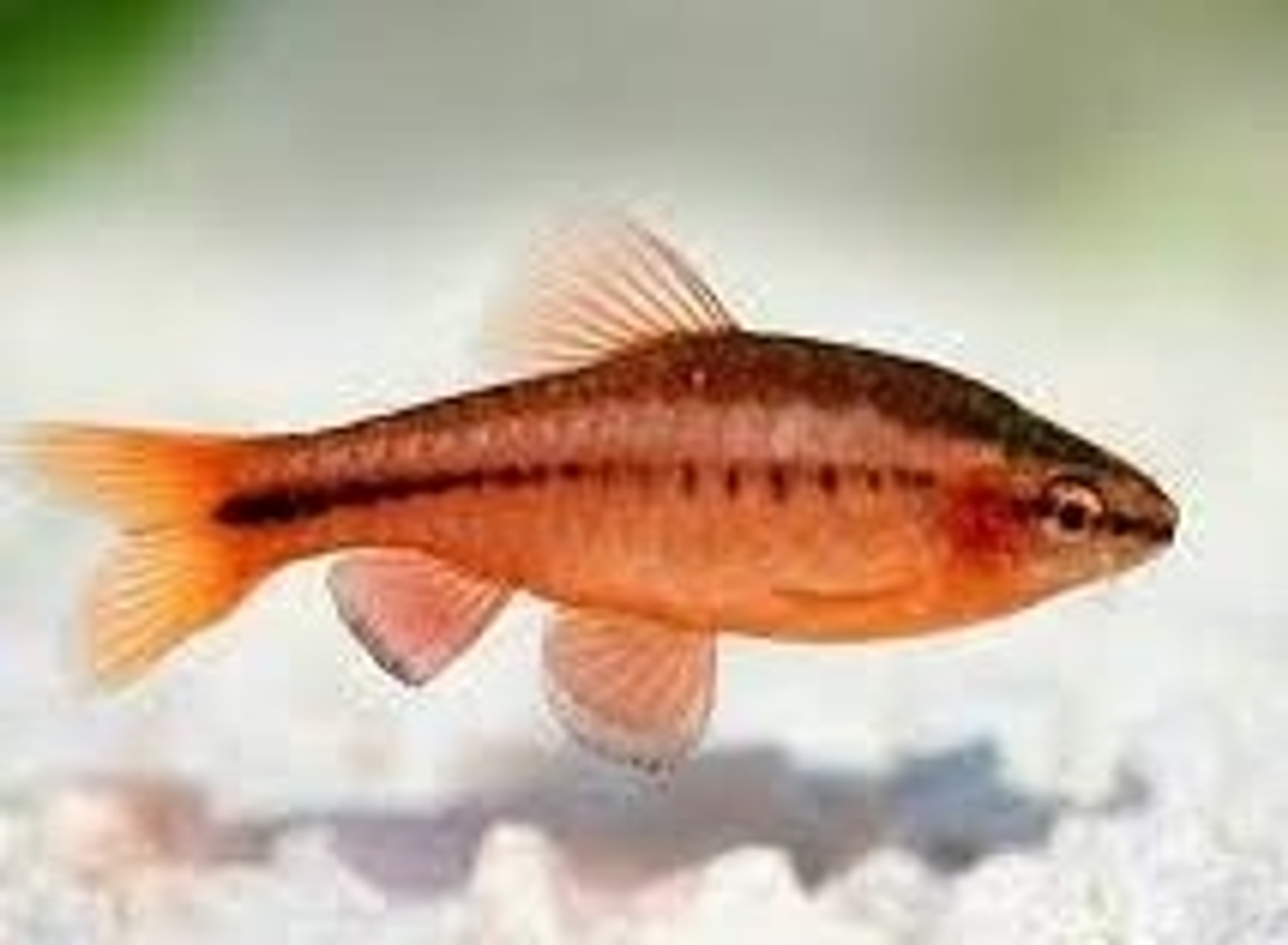
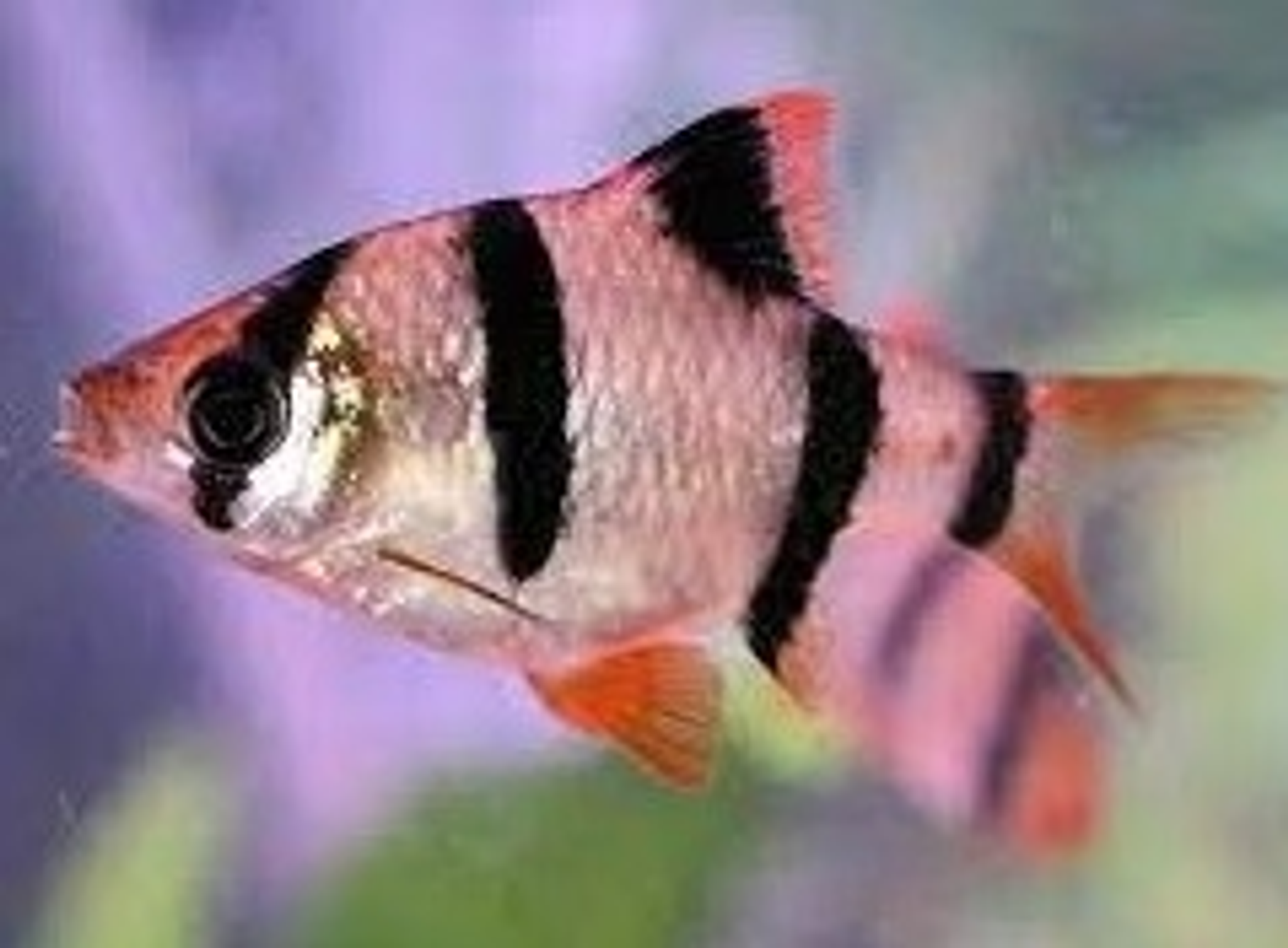

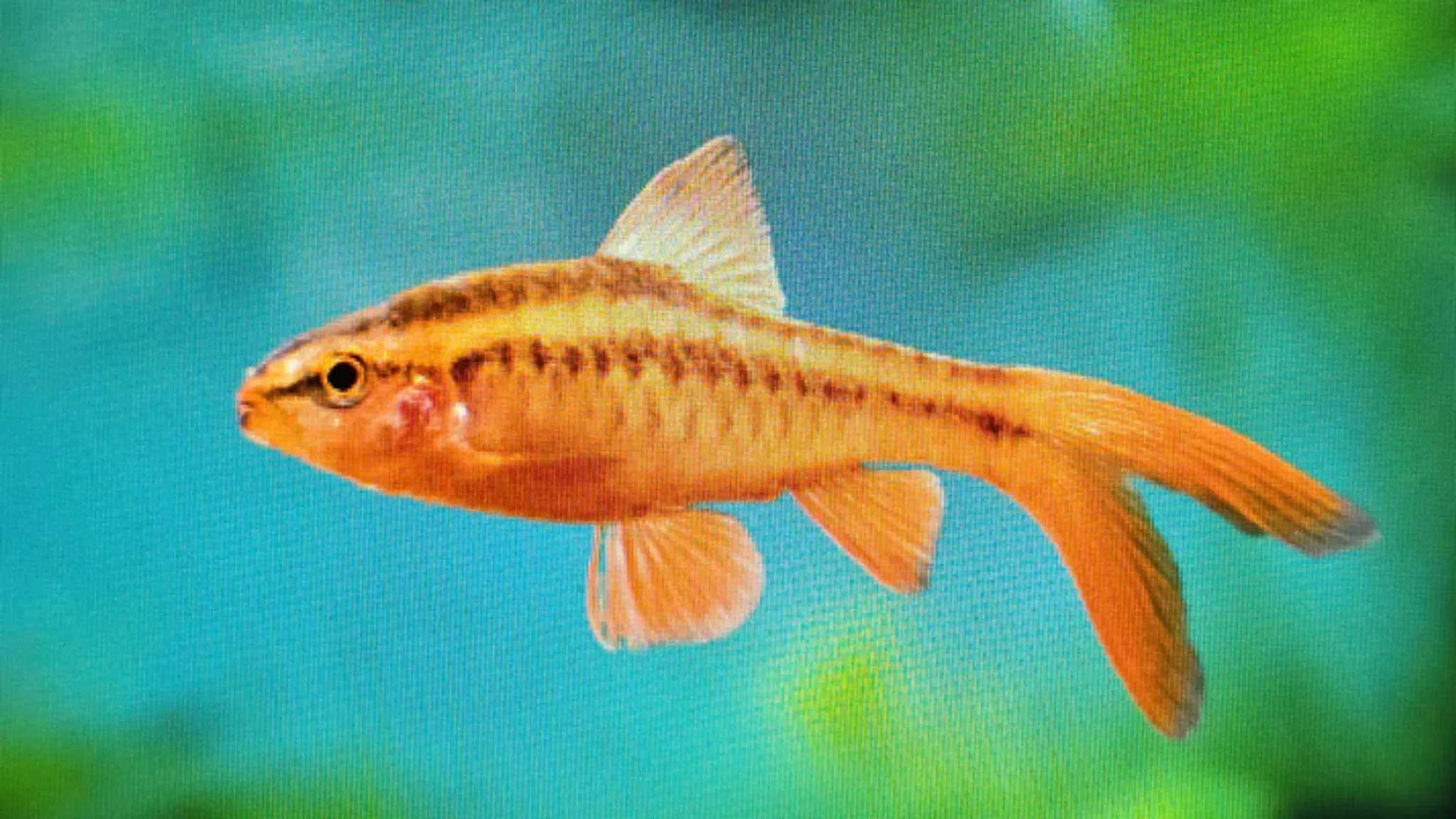
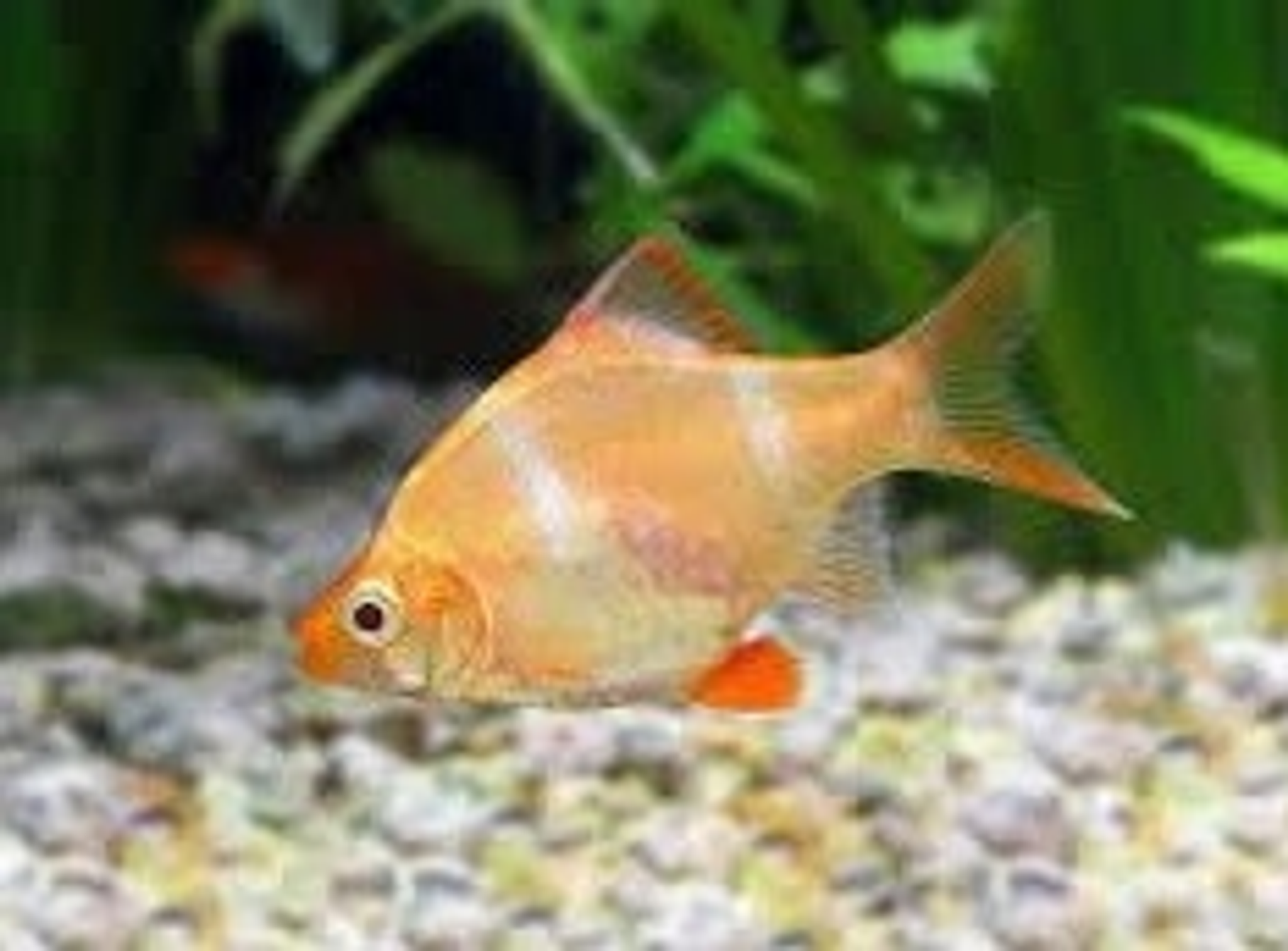
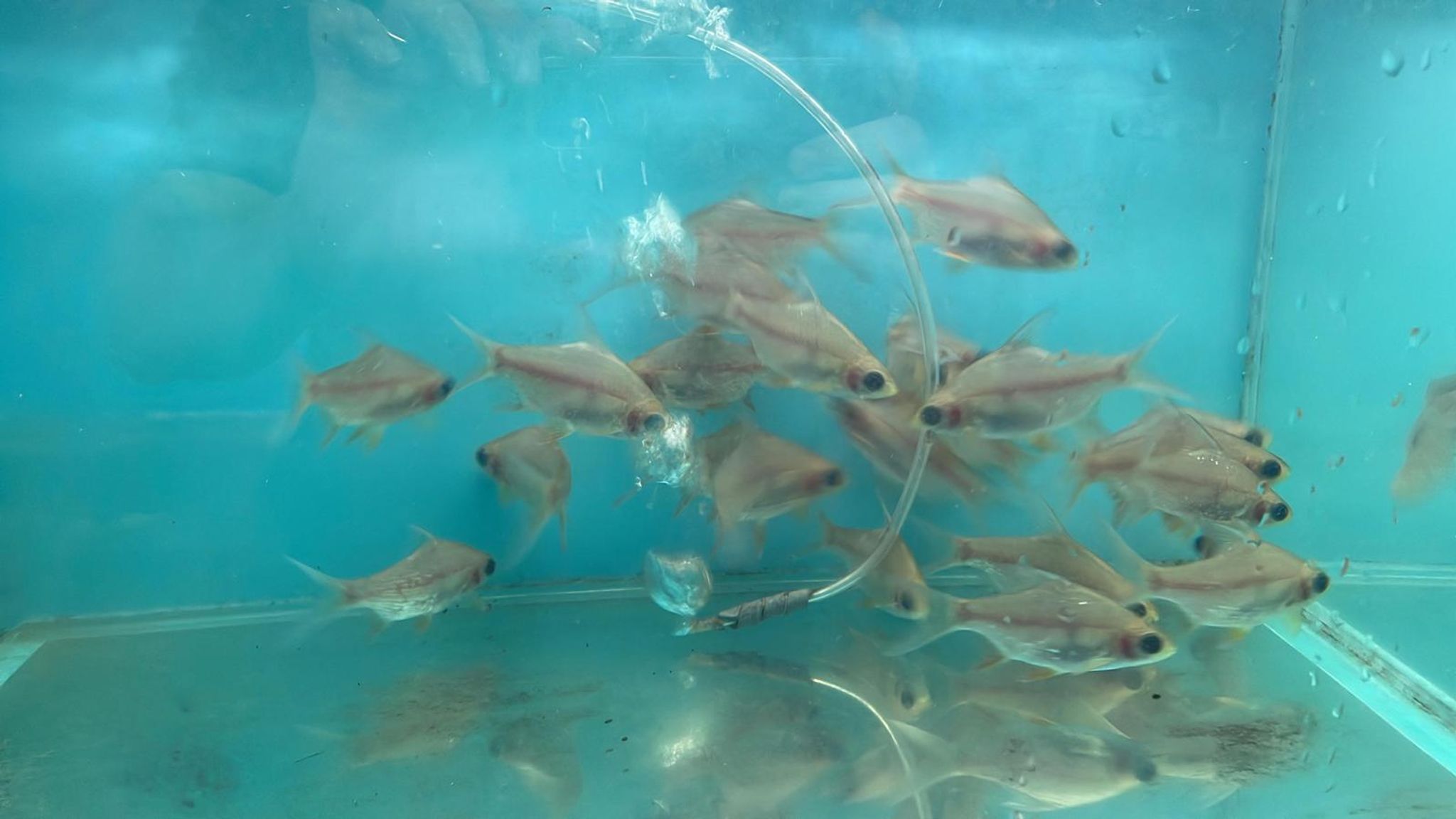
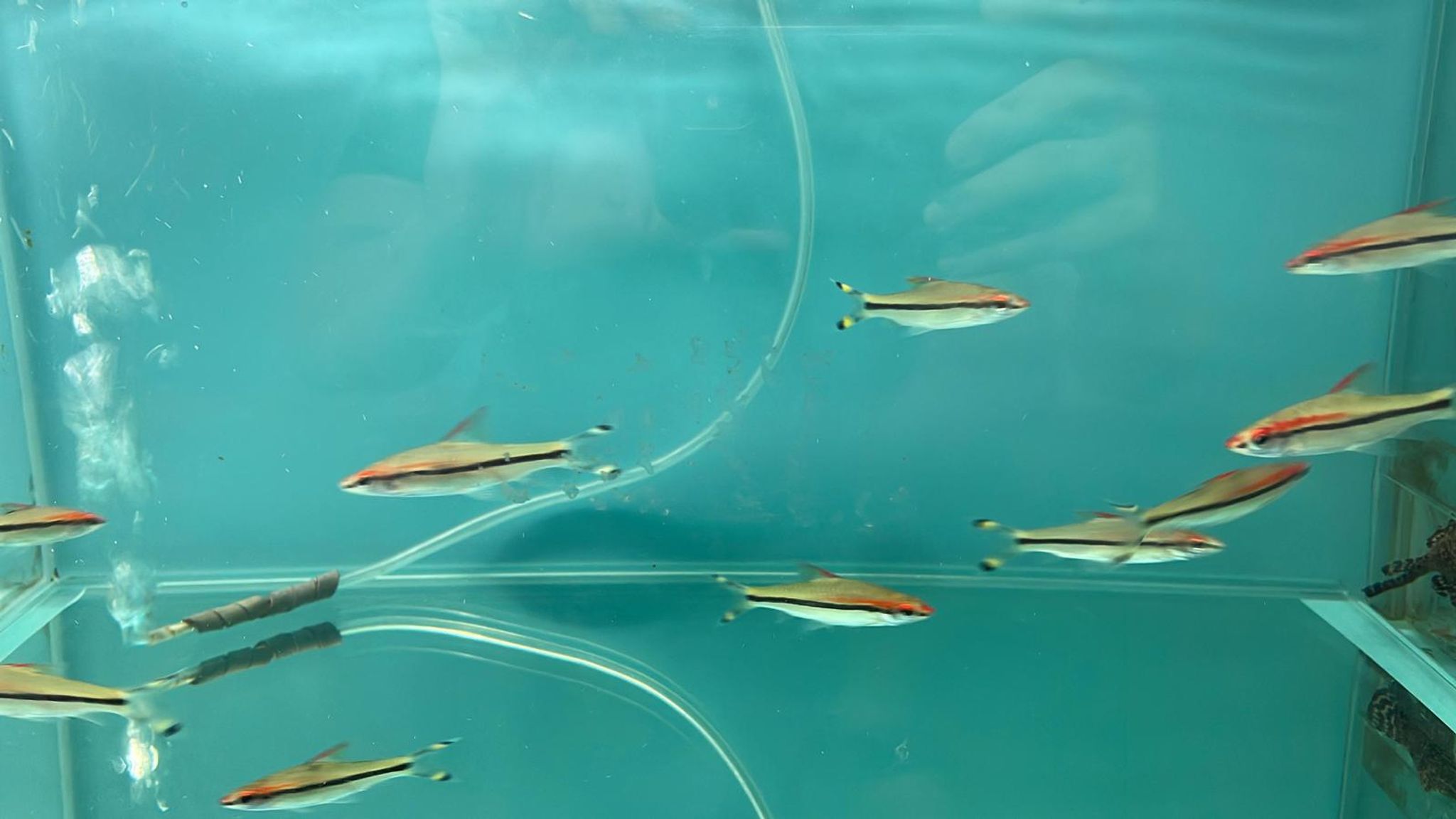
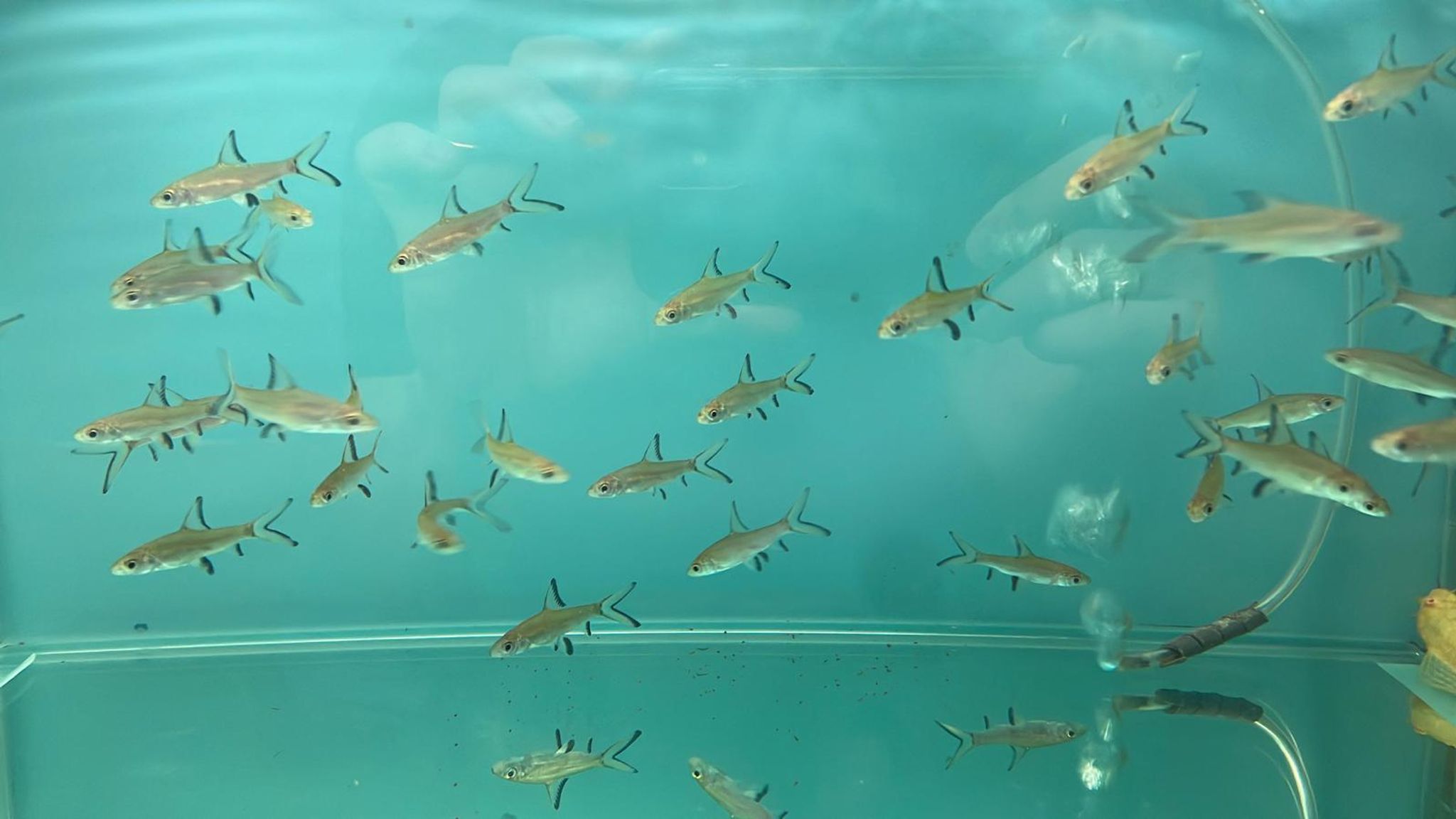

Explore Barb fish for sale in Singapore from aquarium shops, breeders and freshwater fish sellers on FishyHub. Compare Tiger Barbs, Cherry Barbs, Rosy Barbs and other active schooling species by size, colour and seller.
Barbs are lively freshwater fish known for active swimming, strong schooling behaviour and a wide range of colours and patterns. Some species are peaceful community fish, while others can be boisterous or prone to fin-nipping, so exact species and group size matter when planning a tank.
Barbs are popular tropical freshwater fish found across parts of Asia and other regions.
Aquarium species vary in adult size, temperament and activity level, but many do best in groups where natural social behaviour can develop.
Different Barb species suit different aquarium styles, from peaceful planted tanks to lively community setups.
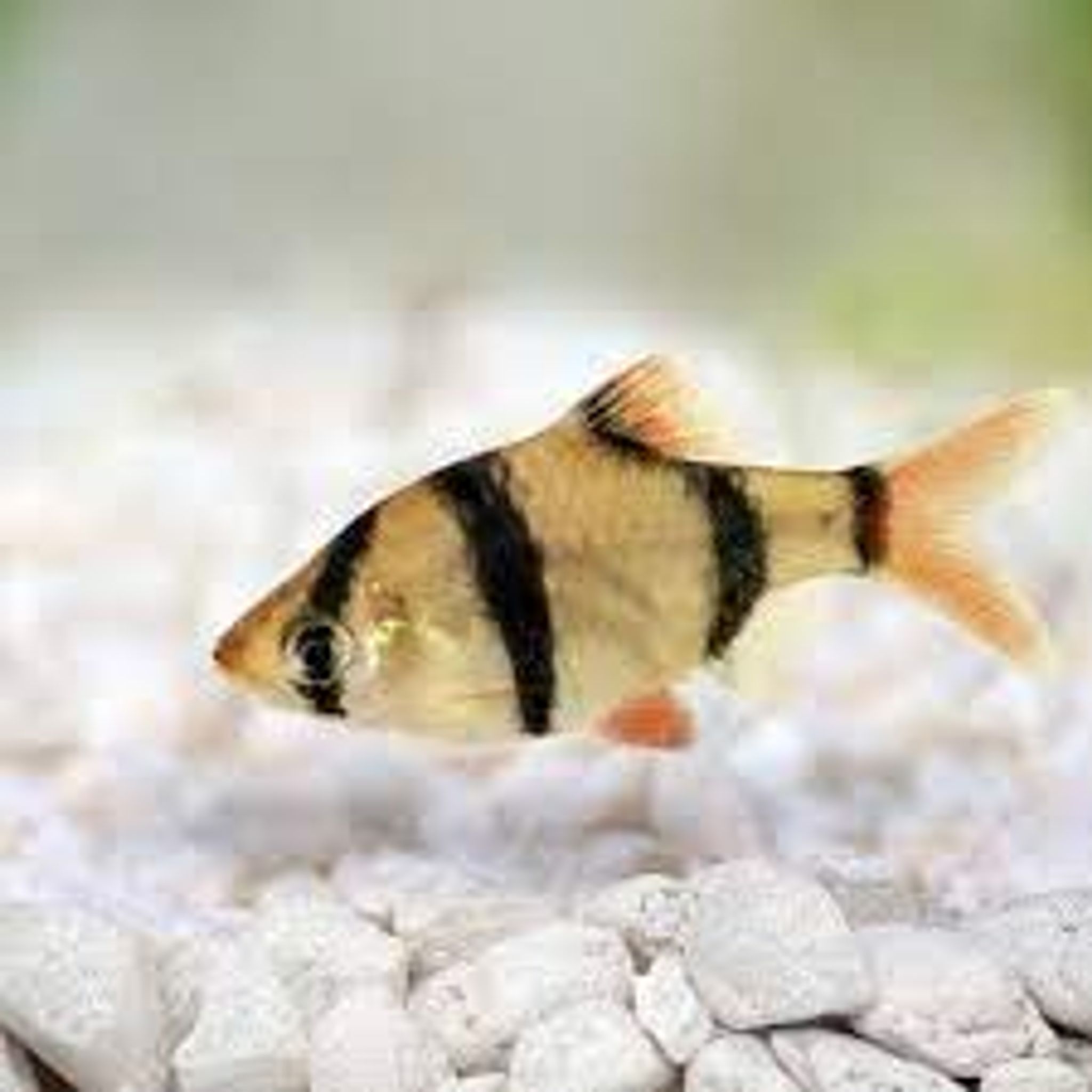
Tiger Barbs are among the best-known Barbs and are recognised for their bold black vertical bands and energetic schooling behaviour. They can nip fins, especially when kept in groups that are too small.
Cherry Barbs are smaller and generally more peaceful than Tiger Barbs. Mature males can develop rich red coloration and work well in planted community aquariums.
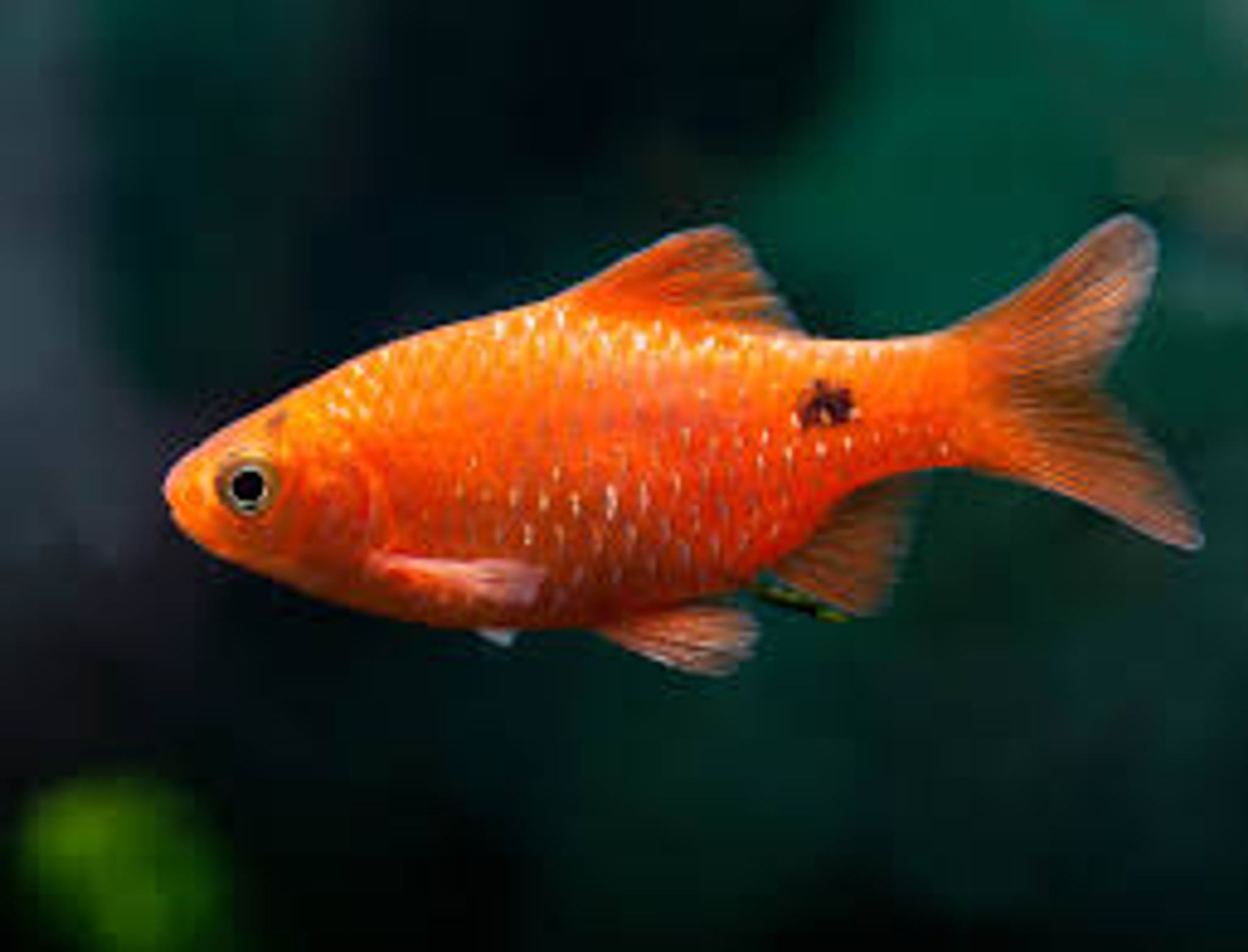
Rosy Barbs are active schooling fish with warm red, orange or golden tones. They are strong swimmers and generally appreciate more open swimming space than smaller Barb species.
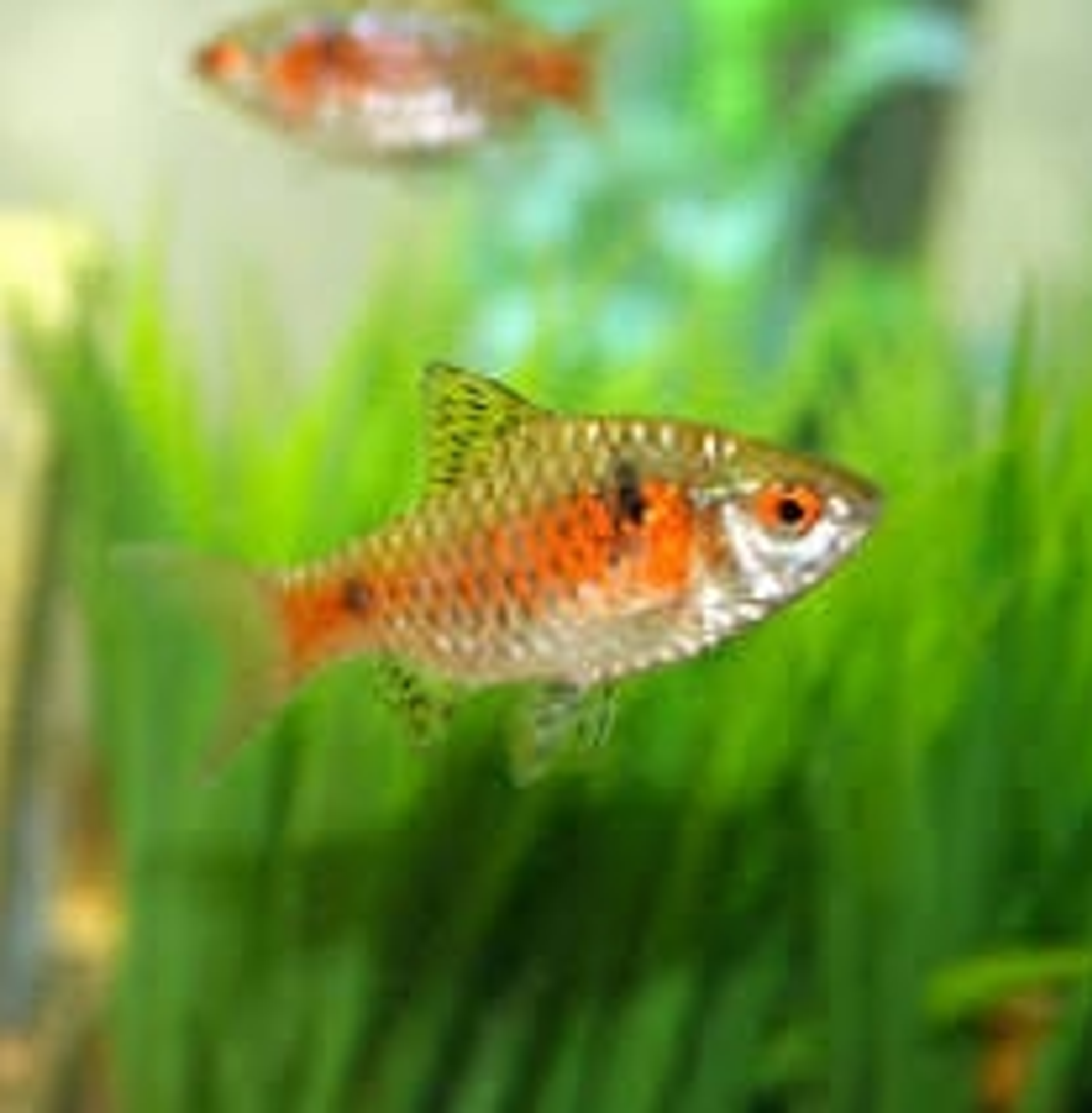
Odessa Barbs are prized for vivid red lateral coloration and contrasting dark markings. They can make striking additions to larger planted community aquariums.
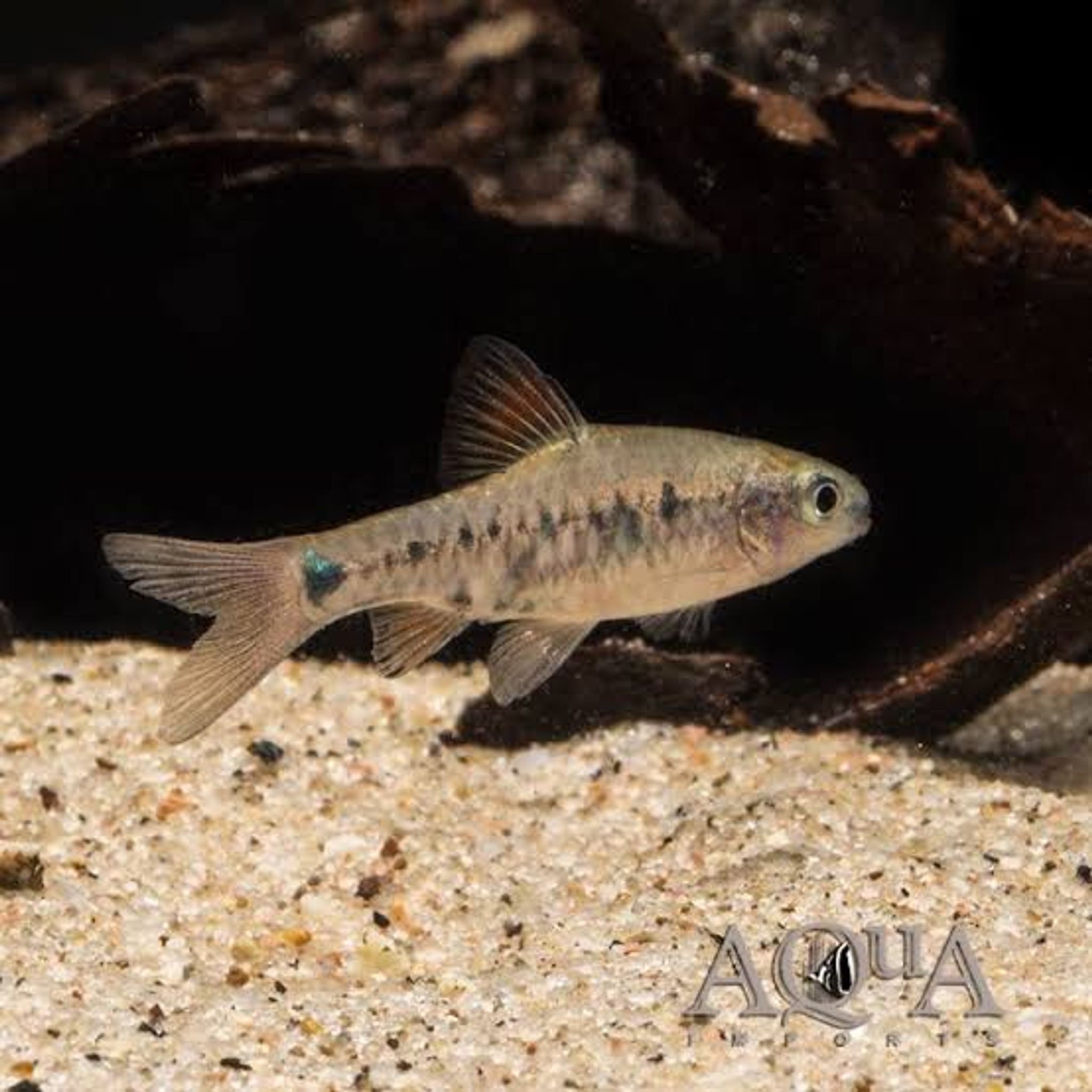
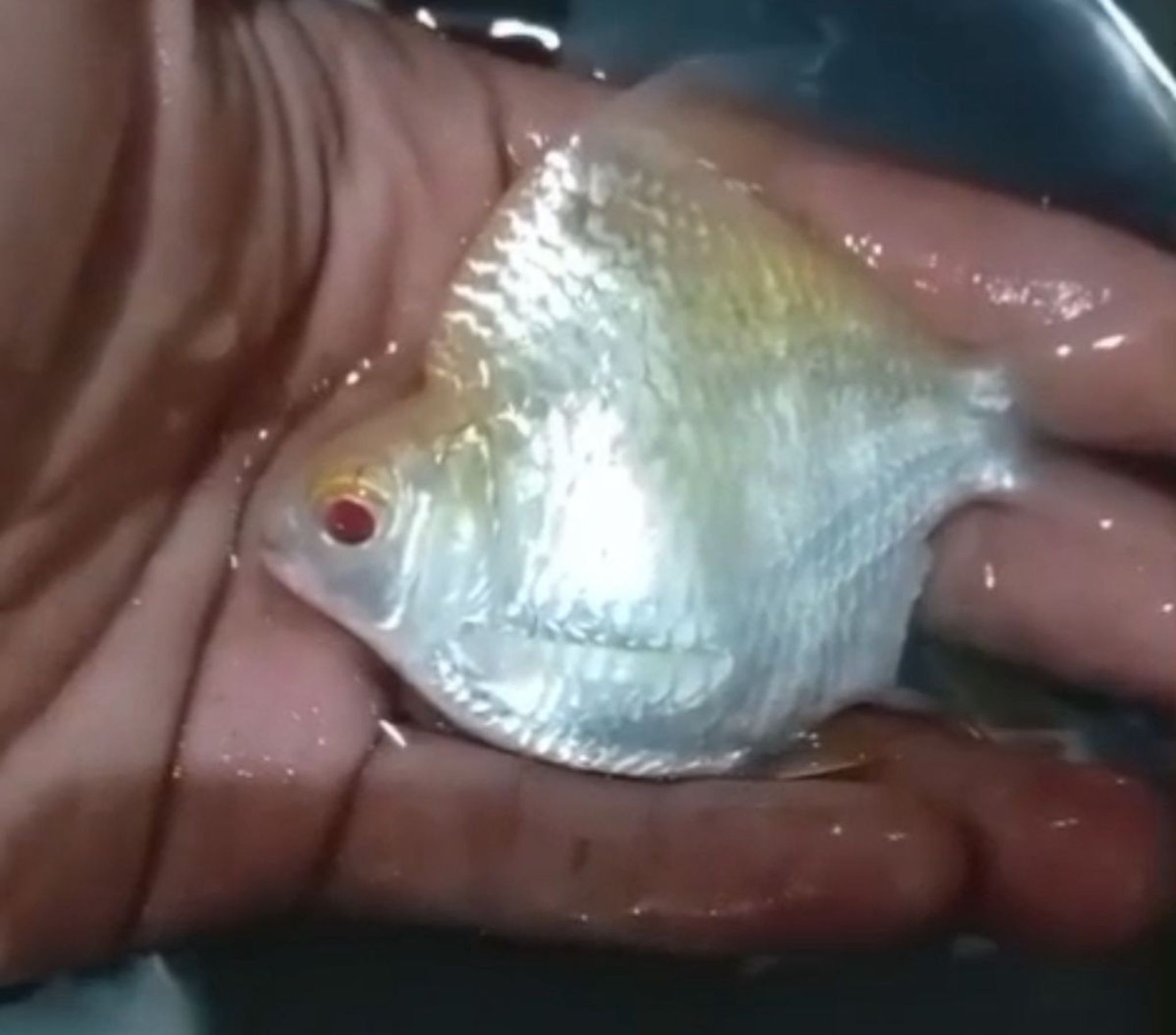
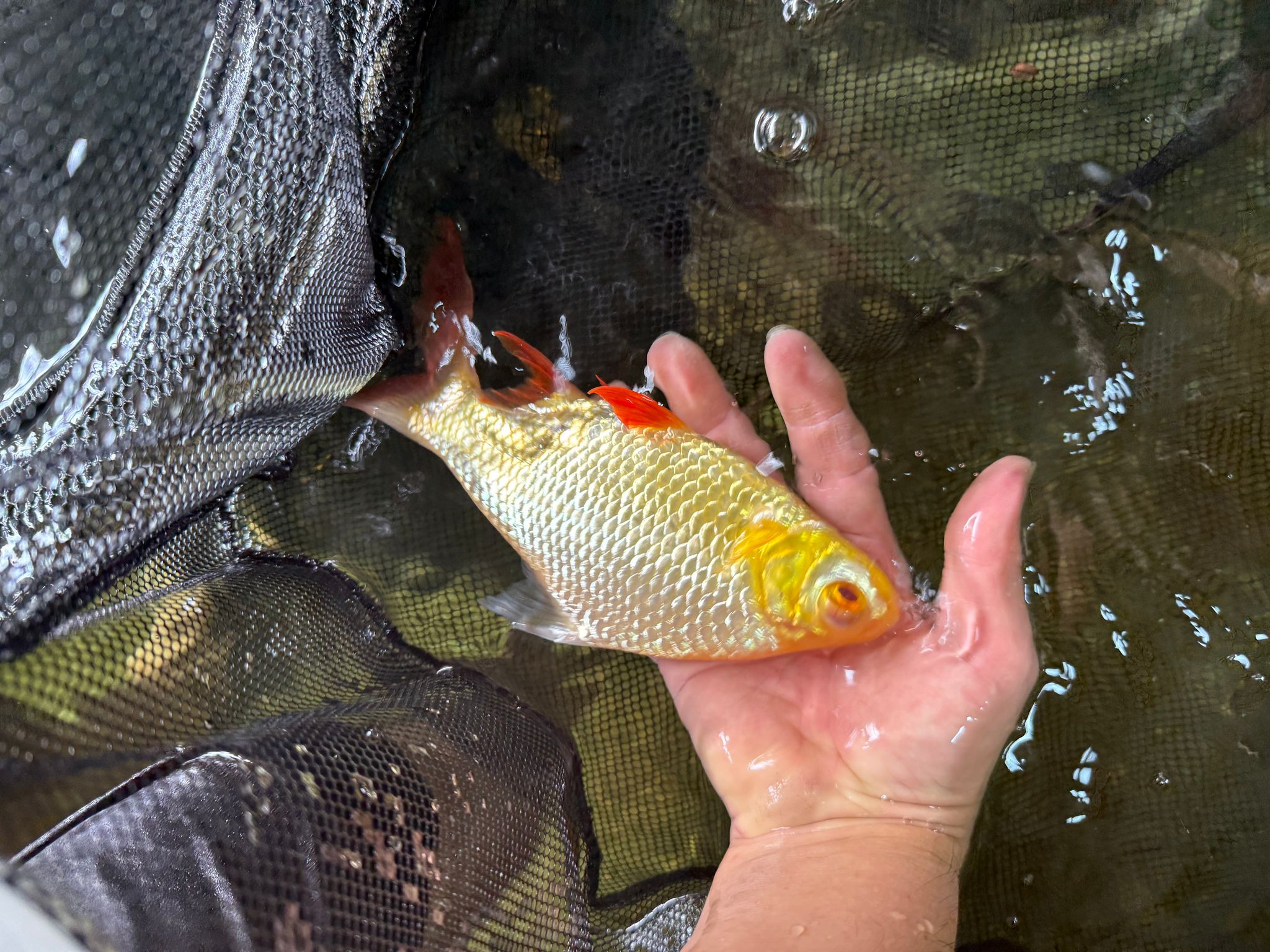
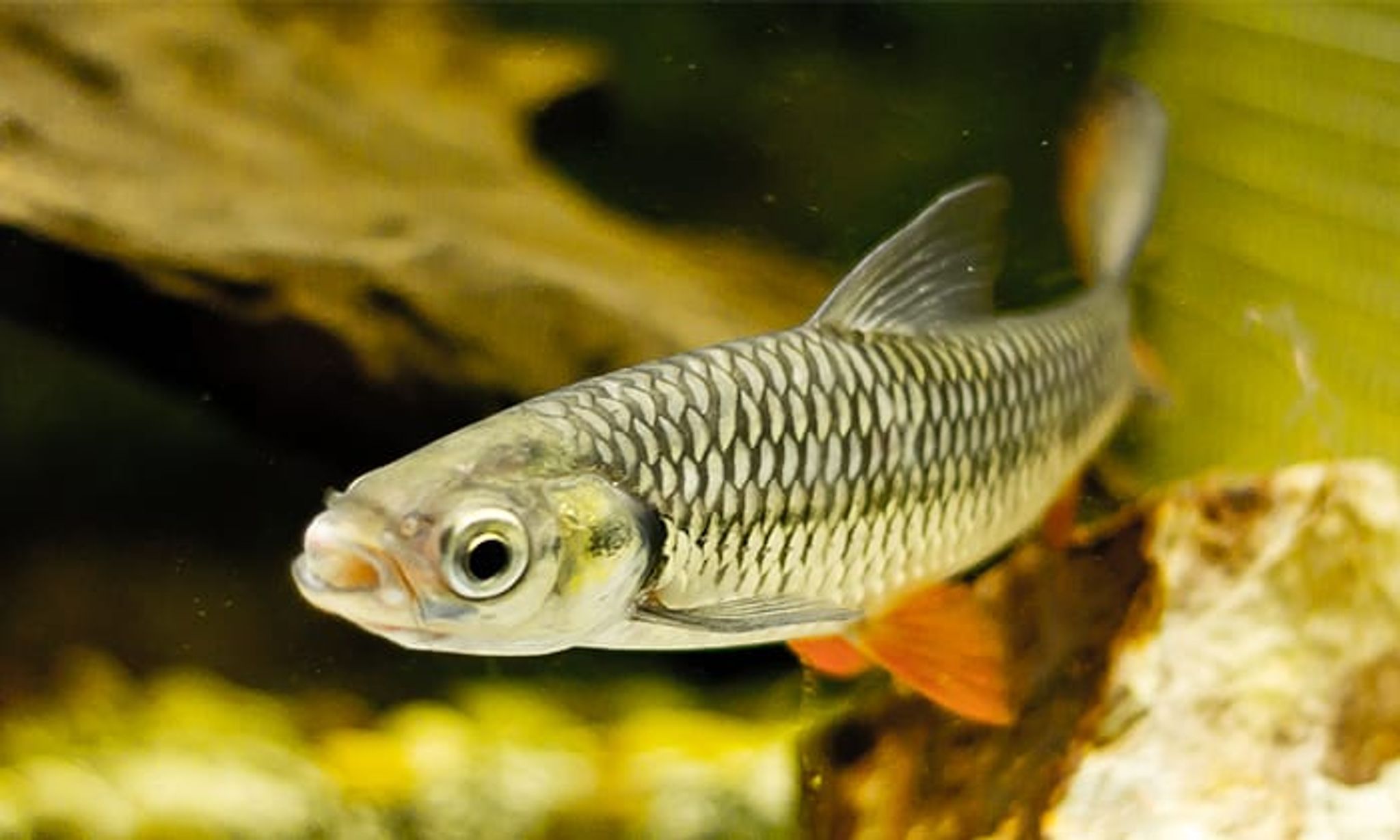
Other Barb species and colour forms may appear depending on breeder and seller availability. Always check adult size and temperament before adding them to a community tank.
Adult size varies considerably between Barb species.
Cherry Barbs remain relatively compact, while Rosy Barbs and some larger species need more swimming space. Plan for mature size rather than juvenile shop size.
Many Barbs are social schooling fish and are best kept in a suitable group.
Larger groups can help spread social behaviour and may reduce persistent chasing or fin-nipping in more boisterous species.
Suitable tank size depends on species, adult size, group size and activity level.
Active species generally benefit from longer aquariums with open horizontal swimming space.
Many Barbs can be kept in community aquariums with suitably active and robust tankmates.
Peaceful species such as Cherry Barbs are easier to combine broadly, while Tiger Barbs need more careful tankmate selection.
Tiger Barbs are social but can be boisterous and may nip long fins.
Keeping them in a suitable group and providing enough swimming space can help focus more of their activity within the school.
Cherry Barbs are generally one of the calmer Barb choices for peaceful community aquariums.
They work especially well in planted setups with other small, peaceful schooling and bottom-dwelling fish.
Many Tetras can coexist with Barbs when both groups have similar activity levels and compatible water requirements.
Avoid pairing highly fin-nippy Barbs with delicate long-finned Tetras.
Rasboras can make suitable tankmates for many Barb species.
Match fish by adult size and activity level so one group does not constantly intimidate the other.
Corydoras spend most of their time near the bottom, while Barbs usually occupy the middle parts of the aquarium.
This difference in swimming zone can make them good companions when tank size and water requirements are compatible.
Many Plecos can coexist with Barbs because they generally occupy different areas of the aquarium.
Adult size and overall bioload should still be considered for larger Pleco species.
Peaceful Barbs may coexist with Gouramis, but more boisterous species can stress or nip long-finned Gouramis.
Cherry Barbs are generally easier to consider than Tiger Barbs for calmer Gourami setups.
Long-finned Angelfish can attract attention from fin-nipping Barbs.
Tiger Barbs in particular require caution, while calmer Barb species may be easier to combine in spacious community tanks.
Barbs and Bettas are not always an ideal combination.
Long Betta fins can attract nipping from active Barb species, so particularly boisterous Barbs should generally be avoided.
Guppies have long flowing fins that can attract attention from fin-nipping Barbs.
Peaceful Barb species may work in some setups, but Tiger Barbs are usually a riskier match.
Adult shrimp may sometimes coexist with smaller peaceful Barbs, but juvenile shrimp can be eaten.
Larger or more active Barbs may pose a greater risk, so they should not be considered completely shrimp-safe.
Many Barbs look excellent in planted aquariums where plants provide contrast, cover and visual structure.
Keep the centre or front of the tank relatively open so active schools have enough space to swim.
Plant interaction varies by species.
Many Barbs coexist well with established plants, although some may nibble softer vegetation or investigate new growth.
Most aquarium Barbs are omnivorous and accept a broad range of appropriately sized foods.
Quality pellets or flakes can form part of the staple diet, supplemented with suitable plant-based and protein-rich foods depending on species.
Barbs are usually energetic feeders and may reach food quickly.
In community tanks, distribute food so slower or bottom-dwelling fish still receive enough.
Barbs benefit from stable, clean freshwater and consistent aquarium maintenance.
Temperature and water chemistry requirements vary by species, so care should be based on the particular Barb being kept.
Effective mechanical and biological filtration supports active schools of Barb fish.
HOB filters, canister filters, internal filters and other suitable systems can all work when matched to aquarium size and stocking.
Many Barbs are active swimmers and handle moderate circulation well.
Flow should still leave quieter areas rather than forcing fish to swim against strong current continuously.
Some Barbs can jump when startled or during energetic chasing.
A secure aquarium cover can help prevent accidental escapes.
Temperament varies considerably between species.
Cherry Barbs are usually relatively peaceful, while Tiger Barbs are more boisterous and can become persistent fin nippers in unsuitable groups.
Fin-nipping can be part of their active social behaviour and may become more noticeable when the school is too small or the aquarium is crowded.
A suitable group, enough swimming room and avoiding slow long-finned tankmates can reduce problems.
Sex differences vary between Barb species.
Mature males of some species develop stronger colours, while females may appear fuller-bodied.
Many Barbs are egg-scattering fish.
Adults may eat eggs or fry, so dedicated breeding setups with suitable spawning material can make successful rearing easier.
Newly hatched Barb fry need foods small enough for their early developmental stage.
As they grow, they can gradually move onto larger prepared or live foods appropriate for the species.
Many Barb species can be suitable for beginners with properly cycled aquariums.
Cherry Barbs are often easier for peaceful community setups, while Tiger Barbs require more attention to group size and tankmate selection.
When comparing Barb fish for sale, look for:
Active chasing within the group can be normal, but repeated targeting of one weak or injured fish may indicate a social or stocking problem.
Introduce new Barbs carefully to avoid sudden changes in temperature and water chemistry.
Quarantine can also help reduce the risk of introducing disease into an established community aquarium.
Barb fish prices in Singapore vary according to species, size, colour form, rarity, source and seller.
Common Tiger or Cherry Barbs may be relatively accessible, while uncommon species or specialised colour forms can cost more.
FishyHub brings Barb listings from aquarium shops, breeders and freshwater fish sellers across Singapore together in one marketplace, making it easier to compare available species, colours and sizes from multiple sources.
When comparing Barb listings, consider:
Livestock availability changes regularly, so specific Barb species, colours and sizes may not always remain in stock.
Yes. Aquarium Barbs are freshwater fish commonly kept in tropical community setups.
Many species are social schooling fish and generally do better in a suitable group.
They are better described as active and boisterous, but they can become persistent fin nippers in unsuitable groups or with slow long-finned tankmates.
Cherry Barbs are generally peaceful and are often well suited to planted community aquariums.
Some calmer Barb species can, but fin-nipping species such as Tiger Barbs require more caution around long-finned Angelfish.
The combination can be risky with active fin-nipping Barb species because Betta fins may attract attention.
Adult shrimp may sometimes coexist with smaller peaceful Barbs, but juvenile shrimp can be eaten.
Most are omnivorous and accept suitable flakes, pellets and complementary foods as part of a varied diet.
Explore Barb fish for sale on FishyHub and compare Tiger Barbs, Cherry Barbs, Rosy Barbs, Odessa Barbs and other freshwater Barb species from aquarium sellers and breeders across Singapore. Compare species, adult size, colour, temperament and price to find suitable Barbs for your aquarium.
