1–9 of 9
Showing 9 of 9 products
Shop Silver Arowana in Singapore from aquarium stores, breeders and specialist freshwater fish sellers on FishyHub. Compare fish by current size, body condition, seller, price and delivery options before choosing one for your aquarium.
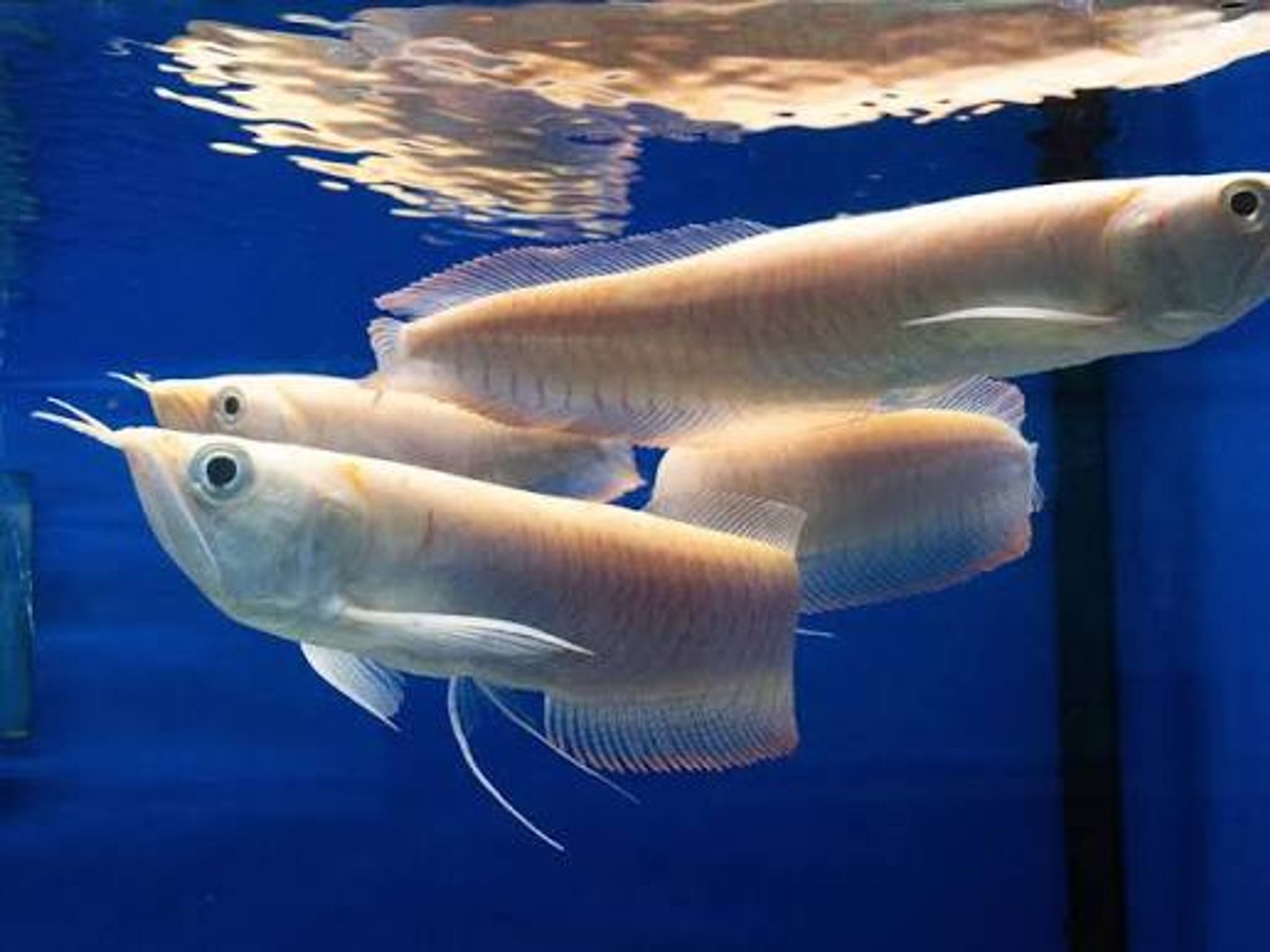
Silver Arowana are large South American freshwater fish known for their long metallic bodies, surface-oriented swimming and dramatic feeding behaviour. They are more affordable than many premium Asian Arowana, but they still require substantial long-term space, strong filtration and secure aquarium covers.
Silver Arowana are widely recognised in the large-fish hobby and are often chosen by aquarists who want the classic Arowana body shape without the premium pricing associated with some Asian Arowana varieties.
FishyHub helps Singapore hobbyists compare Silver Arowana listings from multiple sellers in one marketplace.
Silver Arowana, Osteoglossum bicirrhosum, are native to South America and are one of the best-known Arowana species in the aquarium hobby.
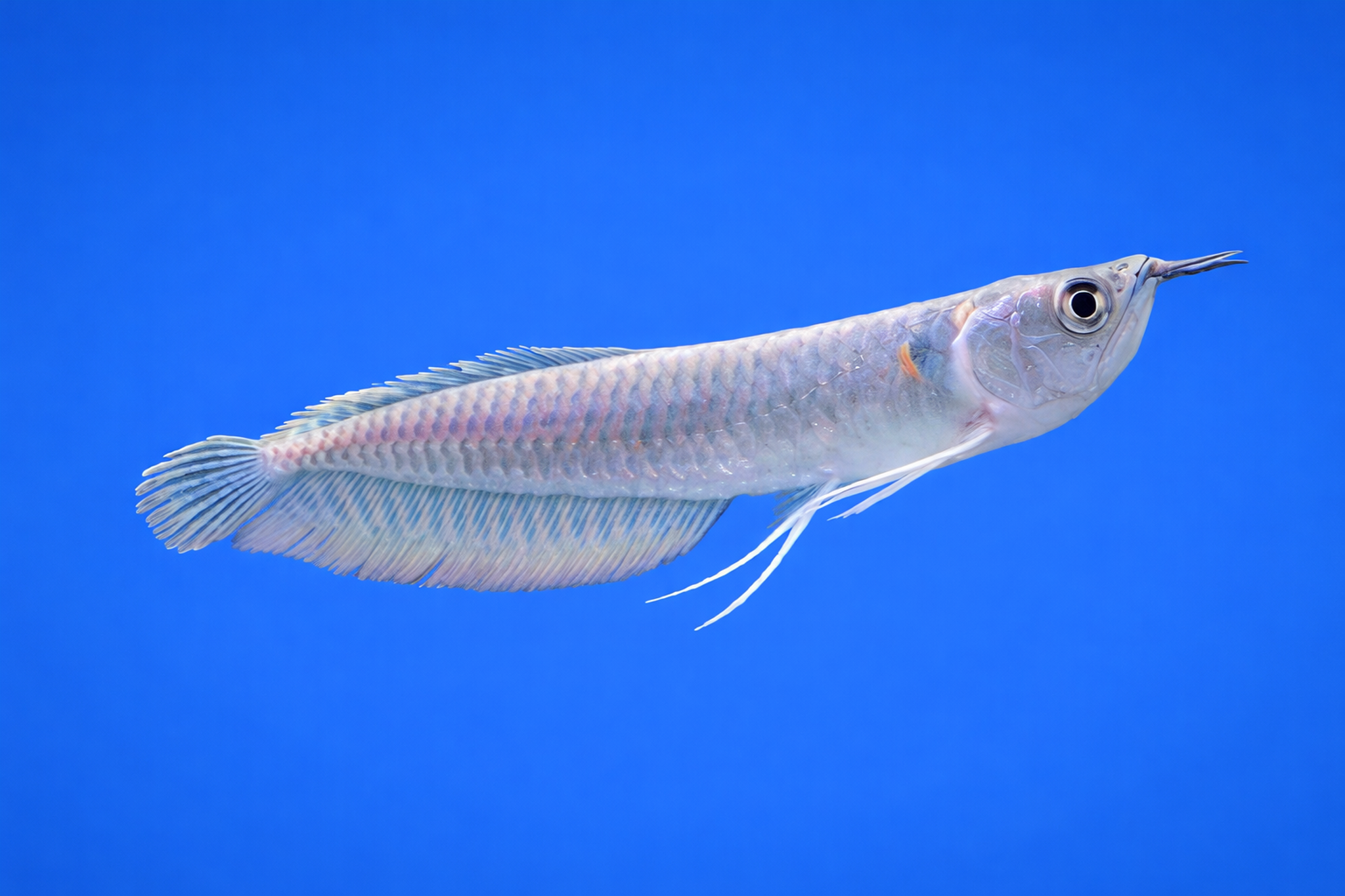
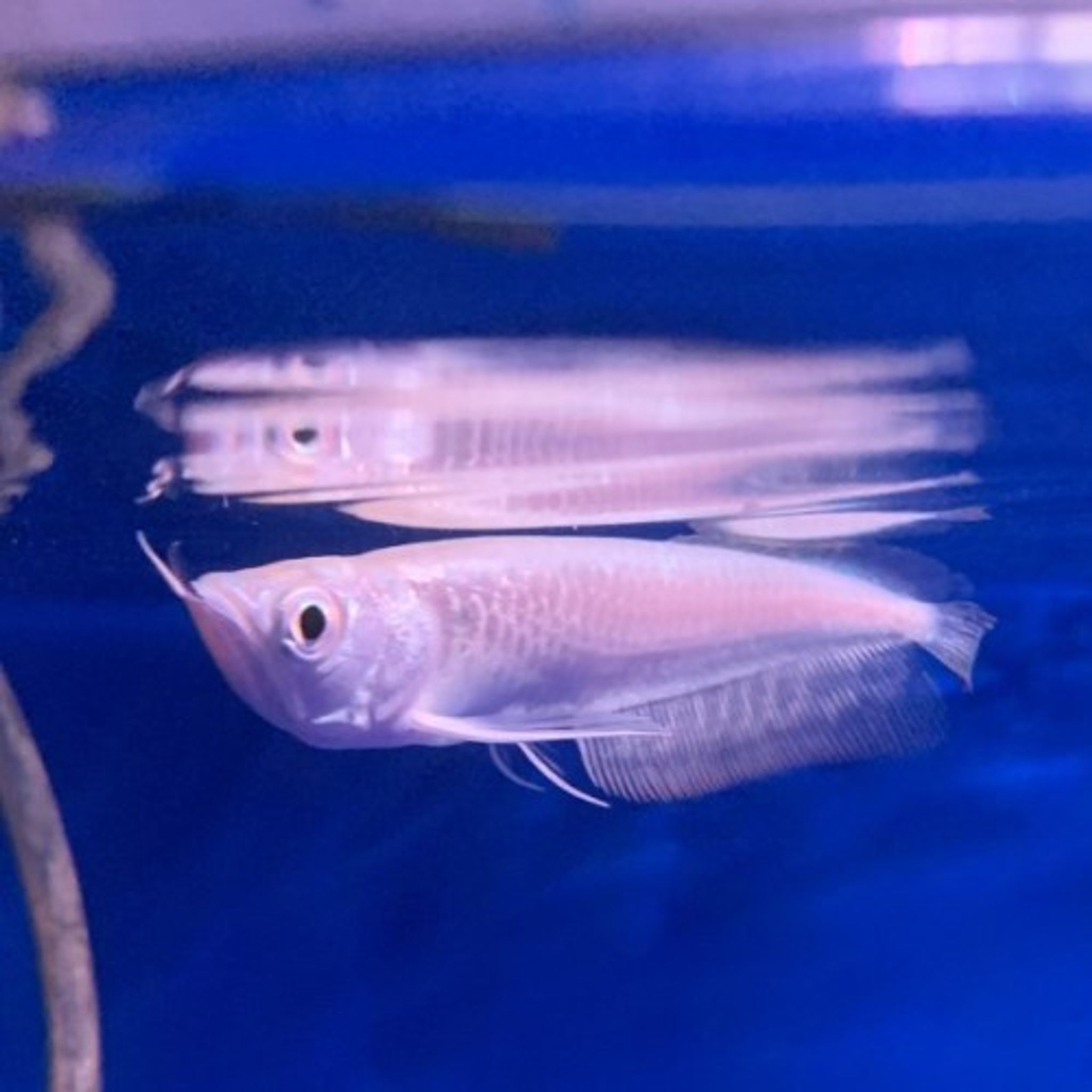
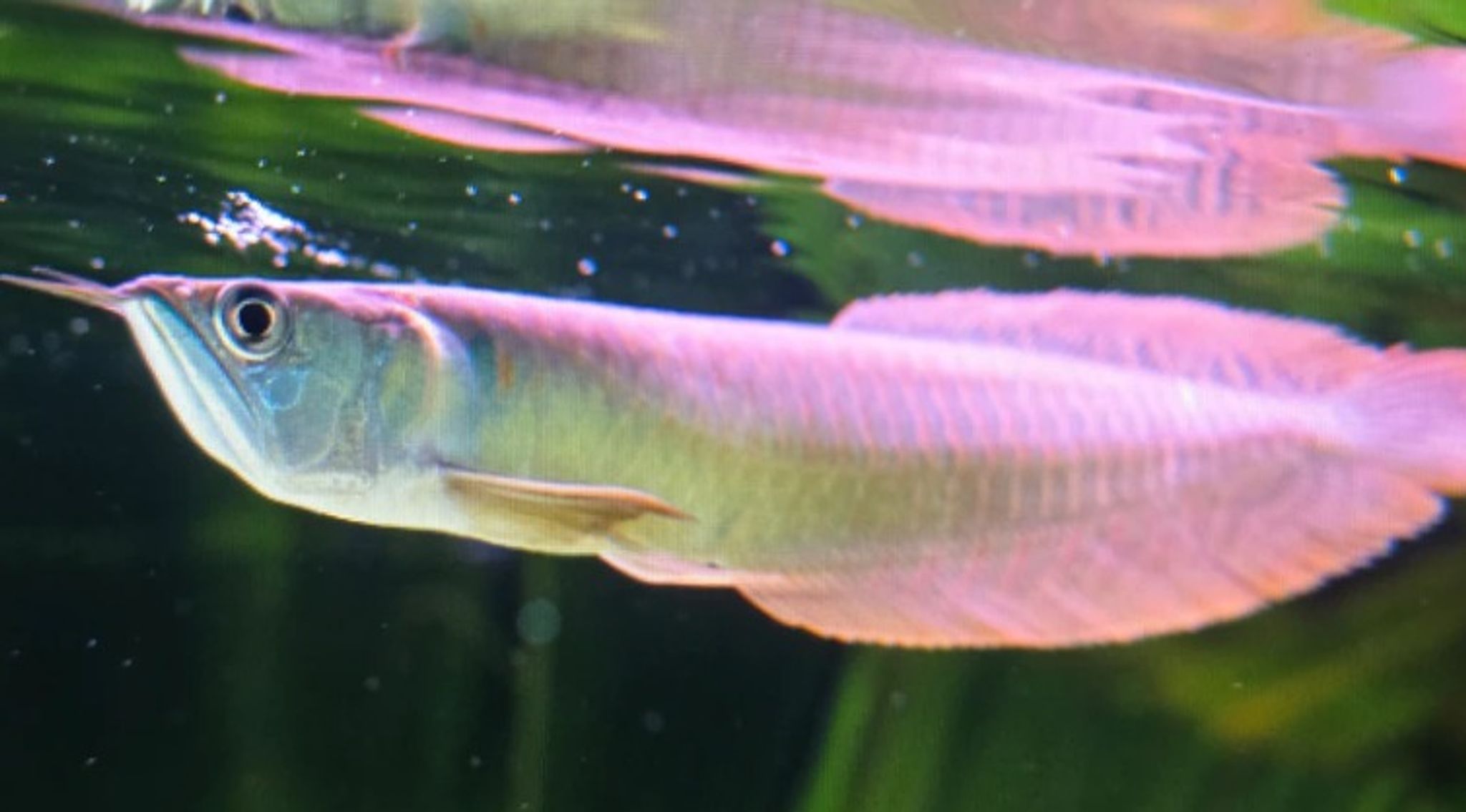
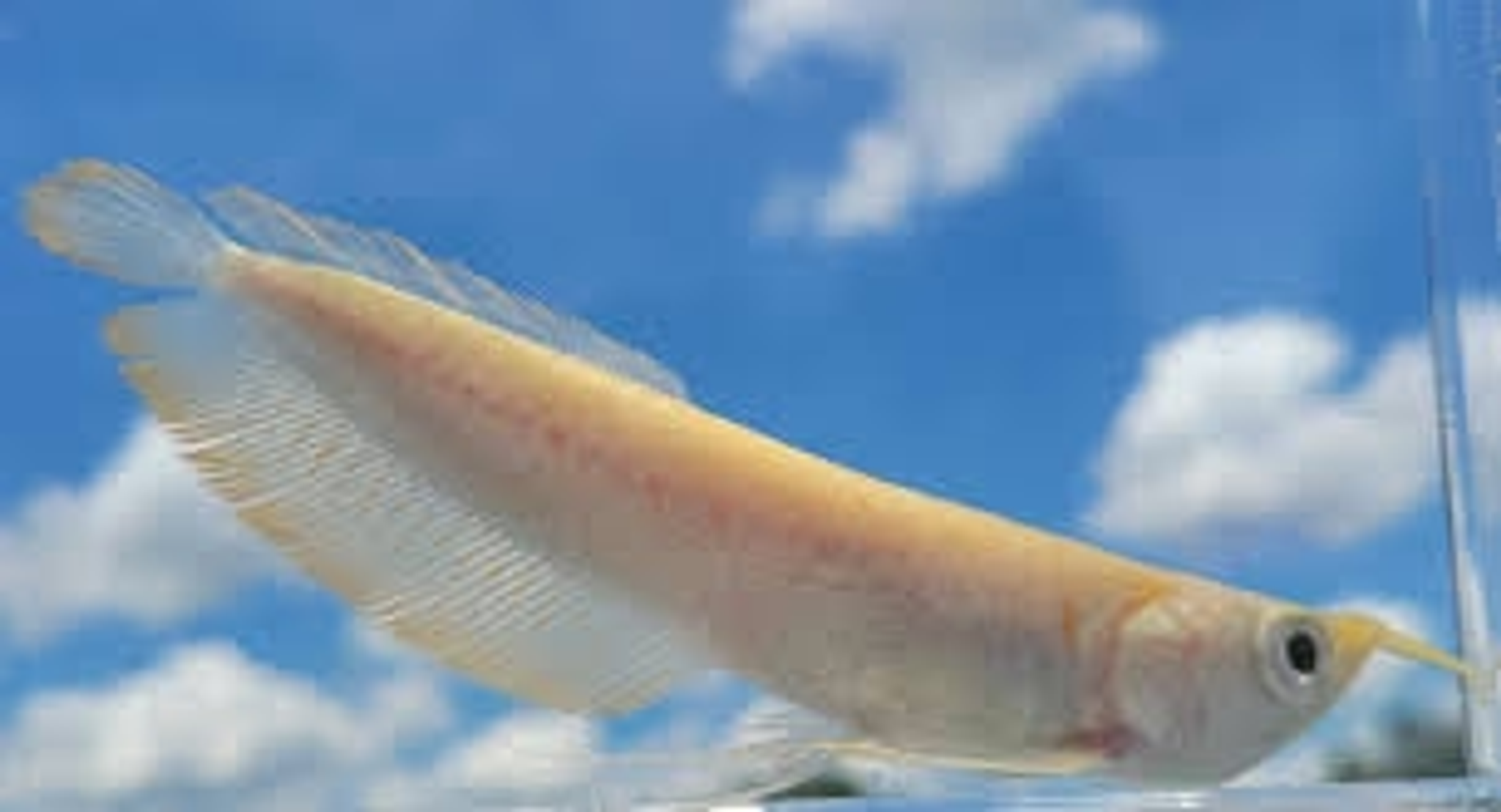
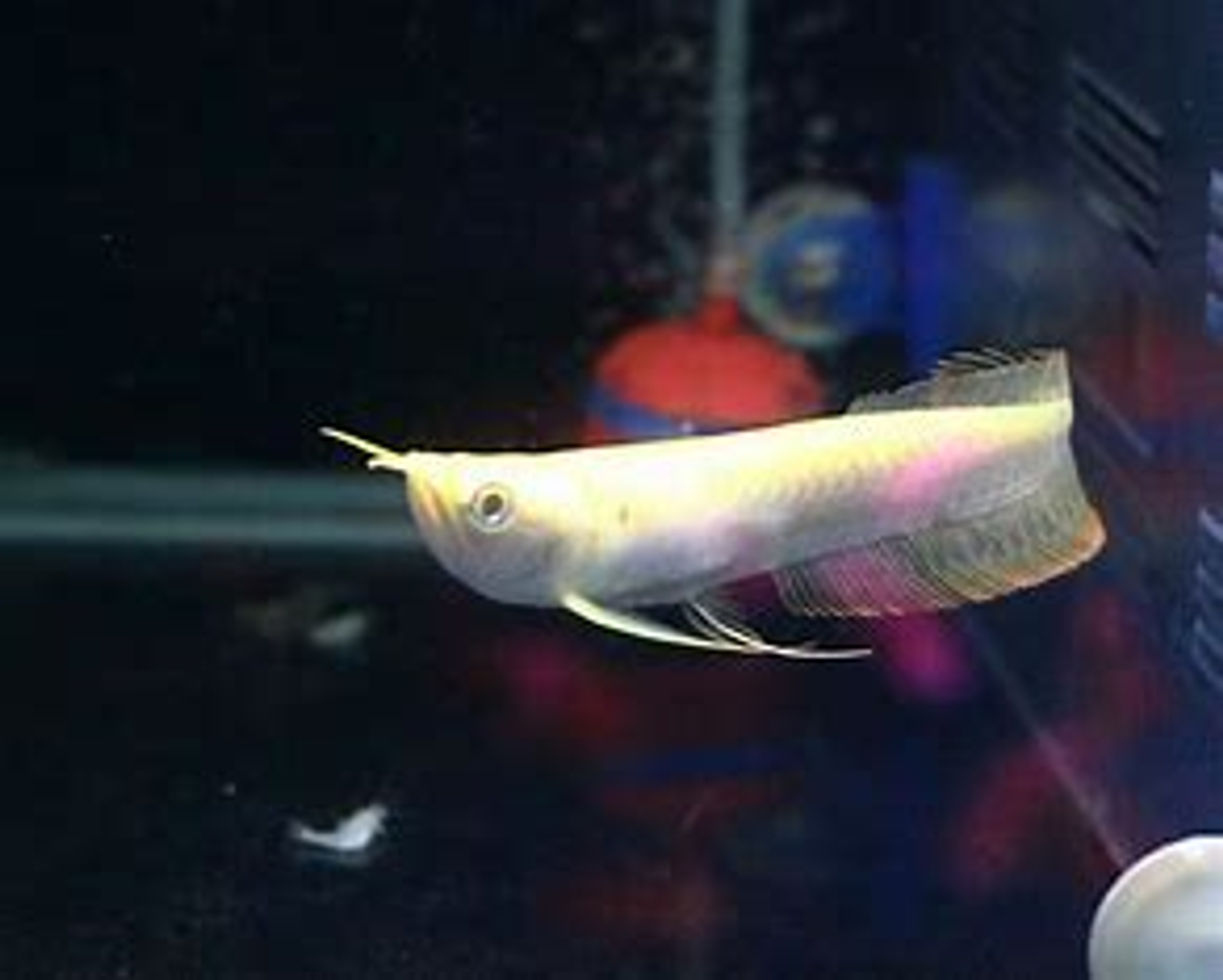
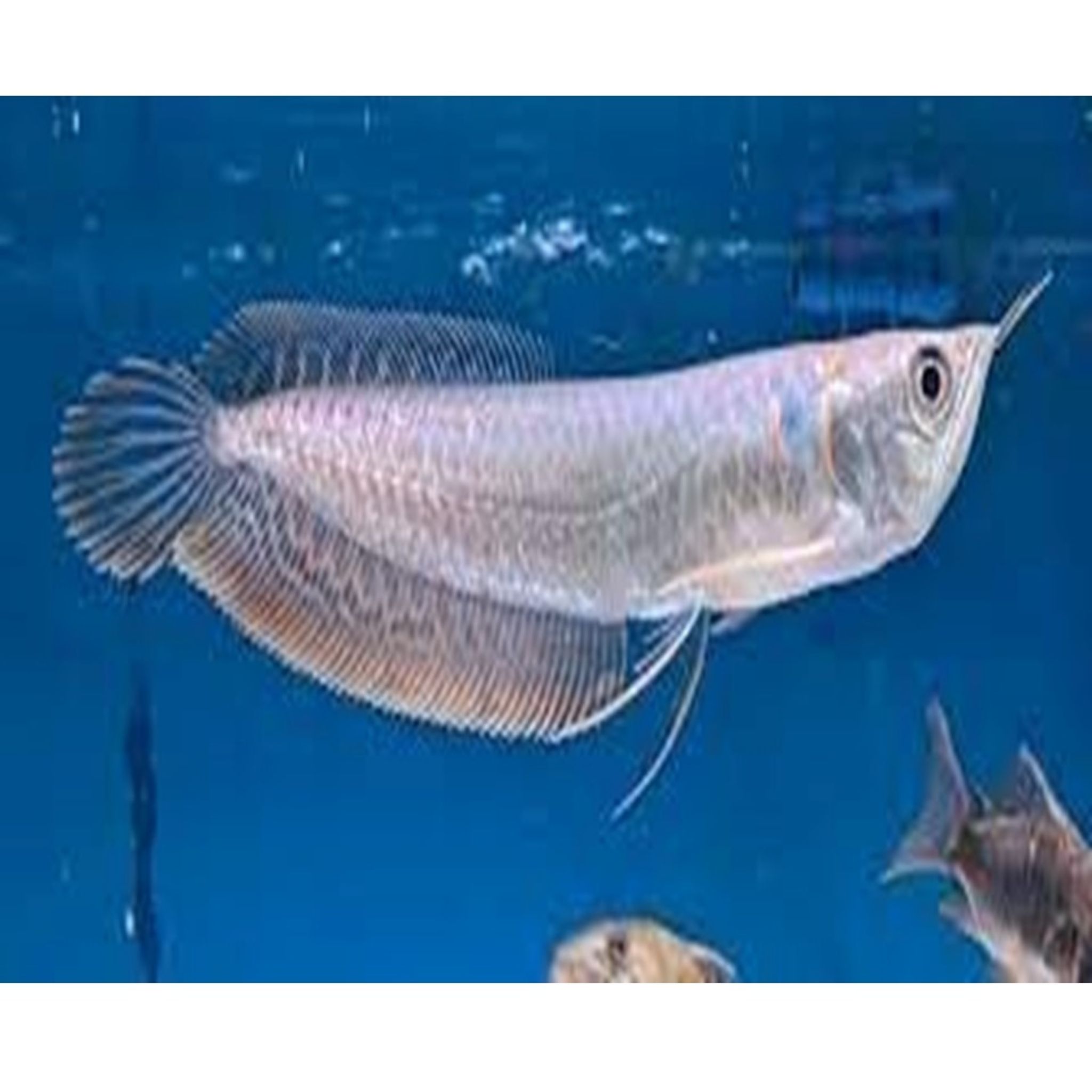
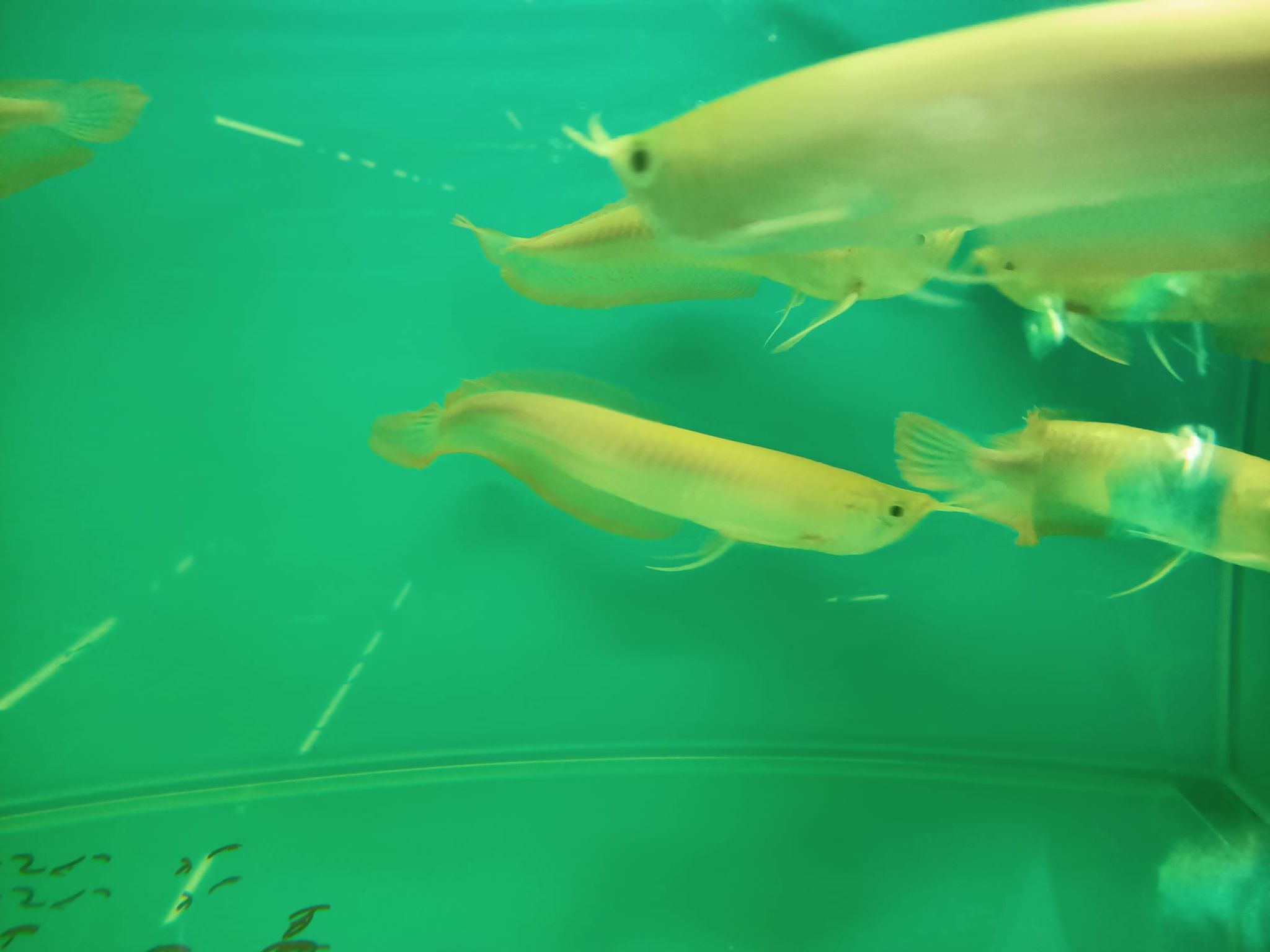
They have elongated silver bodies, large scales, an upturned mouth and two distinctive barbels extending from the lower jaw.
Silver Arowana and Asian Arowana share the characteristic elongated body and surface-feeding behaviour associated with Arowana, but they are different species with different appearance and market positioning.
Silver Arowana are typically silver rather than red or gold and are often more accessible in price than premium Super Red, Crossback or Red Tail Golden Asian Arowana.
Super Red Arowana are selected for deep red colour development, while Silver Arowana retain a more uniform metallic silver appearance.
Both become large and need substantial swimming room, but they appeal to different types of hobbyists and price segments.
Crossback Arowana are prized for metallic gold scale development, while Silver Arowana have a more uniform silver body and a different overall visual style.
Silver Arowana are often selected for their size, movement and classic predatory-fish look rather than collector bloodline traits.
Silver Arowana can become very large and should never be planned around juvenile sale size.
A small juvenile may look manageable at purchase, but long-term housing requires substantial length and width for comfortable turning and swimming.
Silver Arowana can grow quickly when young if given suitable food and stable conditions.
Rapid juvenile growth means owners should plan the adult aquarium early rather than waiting until the fish already looks cramped.
Silver Arowana need large aquariums with substantial horizontal swimming room.
Tank width is especially important because an adult fish needs enough room to turn comfortably, not simply swim back and forth in a long but narrow tank.
Silver Arowana are powerful jumpers and can launch themselves from an aquarium when startled or excited during feeding.
A secure, properly fitted lid should be treated as essential equipment rather than an optional accessory.
Large predatory fish produce substantial waste, so strong mechanical and biological filtration is important.
Filtration should be planned around adult size and feeding load rather than the much smaller juvenile initially introduced to the aquarium.
Stable, clean water supports healthy growth, appetite and fin condition.
Regular maintenance and effective filtration are more important than repeatedly chasing one rigid water parameter target.
Healthy Silver Arowana have long, streamlined bodies designed for surface-oriented cruising.
Look for balanced proportions, straight swimming and a body condition that is neither excessively thin nor bloated.
Silver Arowana have large metallic scales that create their characteristic reflective appearance.
Check for even scale alignment and healthy surfaces when comparing individual fish.
Long dorsal and anal fins contribute to the flowing appearance of Silver Arowana.
Intact fins and smooth swimming are useful signs when evaluating overall condition.
Two barbels extend from the lower jaw and contribute to the classic Arowana profile.
Straight, intact barbels are generally preferred when evaluating the appearance of an individual fish.
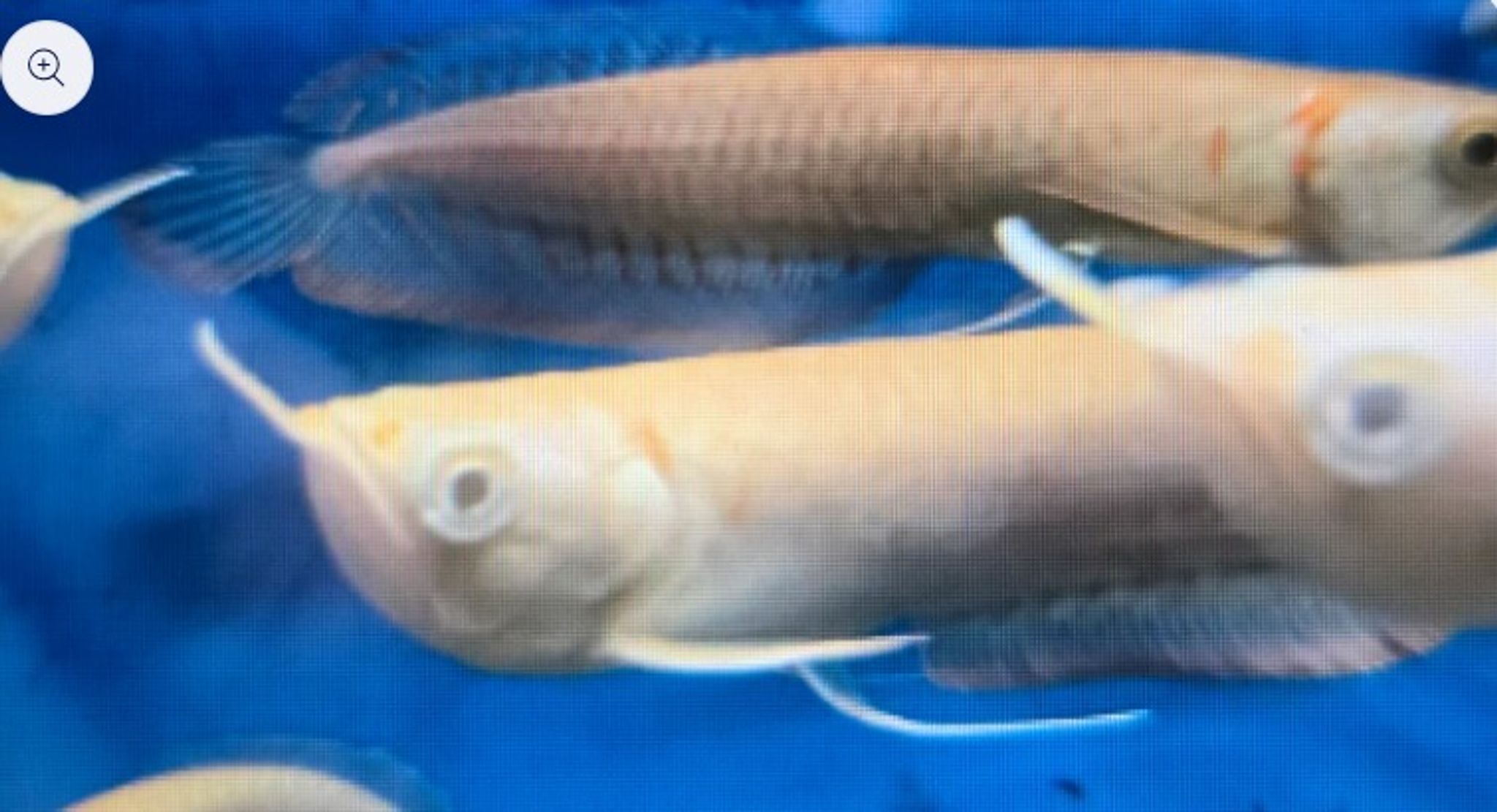
Clear, responsive eyes are part of a healthy appearance.
Some large Arowana can develop downward-looking eye posture, so compare eye position together with swimming, body condition and overall health rather than judging one feature alone.
Silver Arowana are predatory fish and benefit from a varied diet appropriate to large carnivorous freshwater species.
Quality prepared foods and suitable supplemental foods can be used according to fish size, feeding habits and condition.
Live feeder fish are not required.
Prepared and responsibly sourced foods can reduce unnecessary parasite and disease risks associated with poorly managed feeder fish.
Juvenile Silver Arowana often have strong appetites and can grow quickly.
Feed for steady, healthy growth rather than attempting to maximise size as quickly as possible.
Silver Arowana may coexist with selected large tankmates in sufficiently spacious aquariums.
Small fish can become prey, while highly aggressive fish may injure the Arowana, so tankmate choice should focus on adult size and temperament.
Large Bichirs are sometimes kept with Silver Arowana in spacious predator-fish setups.
Both fish should be large enough that neither can swallow the other, and feeding competition should be monitored.
Freshwater Stingrays and Silver Arowana are sometimes combined in very large aquariums because they generally occupy different areas of the tank.
This setup demands substantial floor area, excellent filtration and careful feeding management.
Large Oscars and Silver Arowana may sometimes coexist in suitably spacious aquariums.
Individual temperament and feeding competition can vary, so the combination should be monitored carefully.
Peacock Bass and Silver Arowana are both large predatory fish and are sometimes kept together by experienced hobbyists.
Such combinations require very large aquariums and should be planned around adult size rather than juvenile compatibility.
Multiple Silver Arowana may sometimes be maintained together in very large systems, but aggression and dominance can occur.
Keepers should have enough space and a practical separation plan if individuals become incompatible.
Silver Arowana are popular in large predator and monster-fish aquariums because of their size, surface presence and distinctive body shape.
The appeal of a monster-fish setup should never override long-term swimming space, water quality and compatibility requirements.
Silver Arowana are not difficult simply because of unusual water chemistry, but their adult size, jumping ability, feeding needs and filtration requirements make them a substantial commitment.
They are better suited to hobbyists who can provide a large, secure long-term aquarium.
Juveniles are easier to transport and may cost less, but they can grow rapidly.
Larger fish reveal more of their adult frame and condition but require more substantial tanks, handling and transport.
When comparing Silver Arowana for sale, look for:
Newly transported Arowana can be stressed and may initially appear darker, less active or reluctant to feed.
Prepare a stable, cycled aquarium before arrival and follow the seller's acclimation guidance for the individual fish.
Quarantine and observation can help reduce the risk of introducing disease into an established large-fish aquarium.
Monitor appetite, breathing, swimming, scale condition and waste before combining a new Arowana with valuable tankmates.
Silver Arowana prices in Singapore vary according to size, age, condition, availability and seller.
Juvenile Silver Arowana are often more accessible than premium Asian Arowana, but the long-term cost of a sufficiently large aquarium, filtration, food and maintenance should also be considered.
Silver Arowana are large South American freshwater fish known for their elongated silver bodies, surface-oriented swimming and predatory feeding behaviour.
They become very large fish, so long-term aquarium planning should be based on adult size rather than the size of a juvenile at purchase.
Juveniles can grow quickly under suitable conditions, which is why owners should plan a large aquarium early.
They are predatory and may eat smaller fish, but compatibility with similarly sized tankmates varies by individual and setup.
Large Bichirs may sometimes coexist with Silver Arowana in sufficiently spacious aquariums when neither fish can swallow the other.
No. They can be maintained on an appropriate varied diet without relying on live feeder fish.
Silver Arowana are often priced more accessibly than premium Asian Arowana varieties, although actual prices depend on size, condition and seller.
FishyHub helps Singapore hobbyists compare Silver Arowana from aquarium stores, breeders and specialist freshwater fish sellers in one marketplace.
Explore Silver Arowana for sale on FishyHub and compare fish from aquarium stores, breeders and specialist sellers across Singapore. Compare size, condition, price, seller and delivery options before choosing a Silver Arowana for your aquarium.