1–3 of 3
Showing 3 of 3 products
Shop Crossback Arowana in Singapore from aquarium stores, Arowana farms, breeders and specialist sellers on FishyHub. Compare Gold Base, Blue Base, 24K and other Crossback Golden Arowana by size, bloodline, scale development, body shape, breeder and seller.
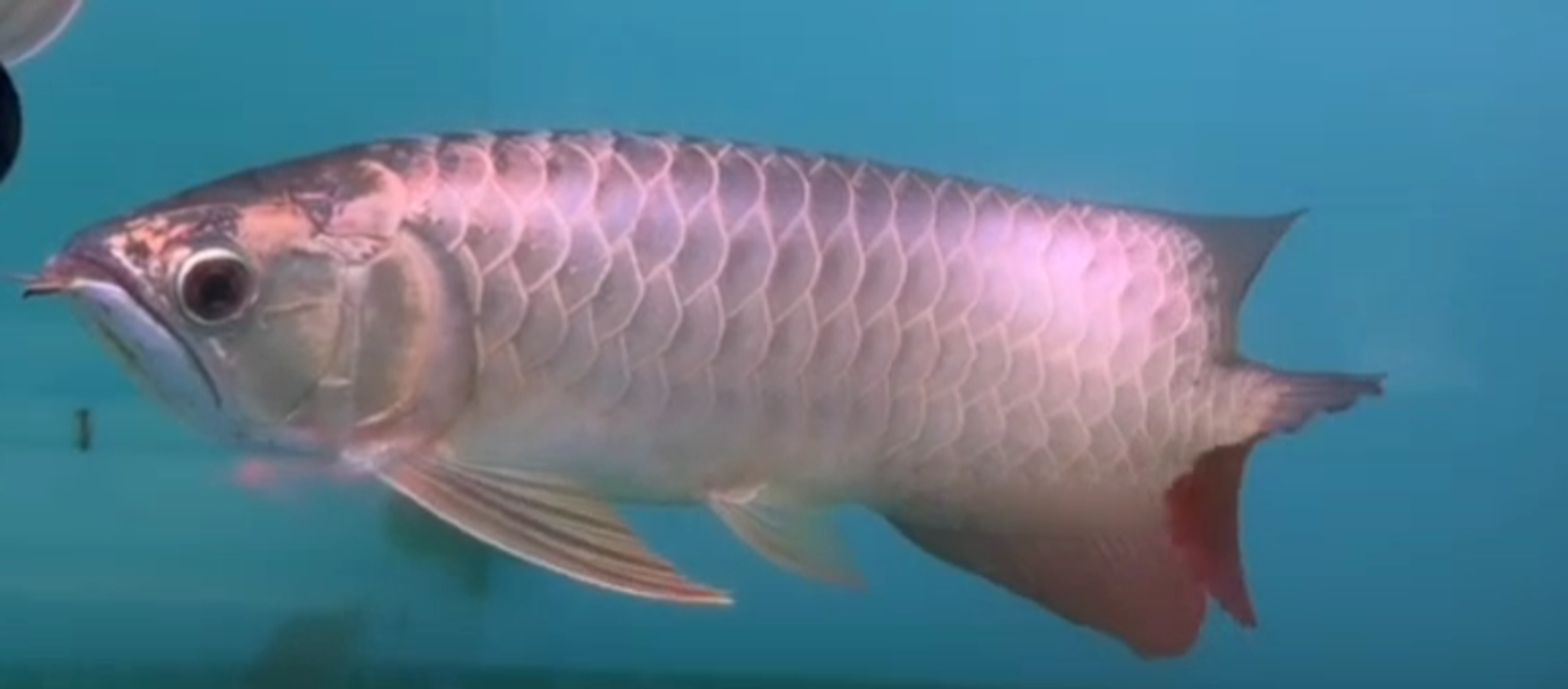
Crossback Arowana are highly prized Asian Arowana known for metallic gold coloration that can extend across the upper rows of scales as the fish matures. FishyHub helps Singapore hobbyists compare Crossback Arowana listings from multiple sellers in one marketplace.
Singapore hobbyists have access to Crossback Arowana from specialist farms, breeders and established aquarium sellers.
Compare current size, bloodline, base colour, scale development, breeder information, price and seller before choosing a Crossback for your aquarium.
Crossback Arowana is a premium form of Asian Arowana, Scleropages formosus, selected for strong metallic gold development.
The name “Crossback” refers to the potential for metallic coloration to develop across the higher rows of scales and ultimately reach or cross the back as the fish matures.
Asian Arowana scales are commonly discussed in horizontal rows running from the lower body toward the back.
In high-quality Crossback lines, metallic development may extend into the upper scale rows and eventually reach the dorsal region. Juveniles may not yet show the full adult effect, which is why lineage and development history matter.
Bloodline plays a major role in the eventual appearance of a Crossback Arowana.
Genetics influence scale development, metallic intensity, base colour, body frame and how quickly upper-row coloration appears. When available, compare parent stock and breeder information alongside the individual fish.
Gold Base Crossback Arowana are selected for warm metallic gold tones that can become increasingly prominent as the fish matures.
Mature coloration varies between individuals, so buyers should assess overall scale quality, body shape and bloodline rather than simply choosing the brightest juvenile.
Blue Base Crossback Arowana are known for cool blue or bluish undertones beneath metallic scale development.
The blue effect can vary with age, lighting and individual genetics, so compare fish under realistic viewing conditions where possible.
“24K Golden” is a trade term used for Crossback Arowana selected for especially strong, rich gold presentation.
Because trade naming can vary between farms and sellers, compare actual scale colour, bloodline and breeder information instead of relying on the 24K label alone.
Crossback Golden Arowana are often associated in the hobby with Malaysian Golden or Malaysian Crossback bloodlines.
Origin and farm terminology can differ, so buyers should verify the breeder, documentation and individual fish rather than assuming every “Malaysian Golden” listing represents the same line.
Crossback and Red Tail Golden Arowana are both golden Asian Arowana, but they differ in expected scale development and overall colour pattern.
Crossback lines are selected for metallic coloration that can extend into the highest scale rows, while Red Tail Golden typically develops gold lower on the body with darker upper scale rows.
Crossback and Super Red are premium Asian Arowana varieties selected for different colour traits.
Crossback Arowana are prized for metallic gold development, while Super Red Arowana are selected for red coloration across the scales, fins and gill plates as they mature.
Juvenile Crossback Arowana may not yet show their final adult colour or full upper-row development.
When comparing juveniles, consider:
Scale development is one of the defining characteristics collectors watch as a Crossback matures.
Metallic colour may strengthen and extend upward over time, but the rate and final appearance depend on genetics, age and overall condition.
Hobbyists often discuss whether metallic development reaches the highest visible scale rows near the back.
Juvenile sixth-row development can provide useful information, but it should not be treated as the only measure of quality. Body shape, scale shine, health and bloodline also matter.
In Arowana terminology, “pearls” generally refer to smaller scales around the dorsal and fin-base areas that can develop metallic coloration.
Pearl development is often considered alongside upper-row scale colour when evaluating Crossback potential.
Golden coloration develops over time and may look different under different lighting conditions.
Genetics provide the foundation, while water quality, nutrition, age, stress and lighting influence the fish's overall presentation.
Lighting can make metallic scales appear warmer, cooler or brighter.
When comparing Crossback Arowana for sale, avoid judging quality solely from heavily edited photographs or strongly coloured aquarium lighting.
A balanced frame contributes as much to the appearance of a mature Crossback as metallic colour.
Look for smooth swimming, balanced body proportions and fins that complement the overall shape of the fish.
Head shape differs between bloodlines and individual fish.
Rather than selecting solely according to one fashionable head type, consider the balance between the head, body, mouth and back profile.
The paired barbels extending from the lower jaw are a characteristic feature of Asian Arowana.
Healthy, aligned barbels contribute to the fish's appearance and should be examined together with the mouth and head profile.
Crossback Arowana grow into large, powerful freshwater fish.
Long-term housing should therefore be planned around mature size rather than the much smaller dimensions of a juvenile offered for sale.
Arowana selection should take the owner's eventual aquarium into account.
Tank length, width, filtration, existing fish and long-term stocking plans should all be considered before choosing a juvenile simply because its colour looks impressive today.
Crossback Arowana need substantial horizontal swimming space.
Both tank length and width matter because an adult Arowana needs enough room to cruise and turn comfortably.
Asian Arowana are powerful jumpers.
Use a secure aquarium cover designed to prevent escapes, particularly when the fish is startled or feeding near the surface.
Large Arowana produce substantial waste and require effective biological and mechanical filtration.
Filtration should be selected with the adult fish and feeding load in mind rather than sized only for a juvenile.
Stable, clean water supports growth, appetite, scale condition and overall health.
Maintain effective filtration and consistent maintenance rather than repeatedly chasing one rigid water parameter target.
Crossback Arowana are predatory fish and benefit from a varied diet appropriate to large carnivorous freshwater fish.
Quality prepared foods and suitable supplemental foods can be used depending on the fish's size, feeding habits and condition.
Crossback Arowana do not need live feeder fish in order to thrive.
Prepared and responsibly sourced foods can reduce unnecessary disease and parasite risks associated with poorly managed feeder fish.
In the Arowana hobby, grooming refers to long-term husbandry intended to help a fish develop its natural potential.
Genetics, water quality, nutrition, aquarium dimensions, lighting, stress management and overall condition all contribute to how a Crossback develops.
Some specialist Arowana breeders raise juveniles through dedicated grow-out systems before offering them to hobbyists.
Grow-out allows breeders to observe development, feeding response and body condition while giving the fish time to show more of its individual characteristics.
Some Crossback Arowana can be maintained with carefully selected large tankmates.
Compatibility depends on tank size, individual temperament and the size and behaviour of the other fish. Smaller fish may be treated as prey, while aggressive tankmates can injure the Arowana.
Freshwater Stingrays and Arowana are sometimes kept together in large display systems.
This combination requires substantial aquarium dimensions, strong filtration and careful feeding because both animals become large.
Large Bichirs may sometimes coexist with Crossback Arowana in spacious aquariums.
Tankmates should be too large to swallow and should not repeatedly compete with or injure the Arowana.
Experienced keepers sometimes maintain multiple Arowana together, but aggression and hierarchy can become serious.
Arowana communities require substantial space, careful observation and a realistic plan for separating incompatible fish.
Asian Arowana are internationally regulated wildlife, making provenance particularly important.
Review farm or breeder information, individual identification and relevant documentation where applicable rather than relying only on a seller's variety name.
Reputable breeders may provide useful information about parent stock, bloodline, breeding history, current diet and grow-out conditions.
This context can be particularly useful when buying a young Crossback whose mature scale development is not yet fully visible.
Juveniles allow hobbyists to watch scale and colour development over time, but their final appearance is not yet fully visible.
Larger fish reveal more of their mature characteristics but may be substantially more expensive and require greater transport and handling care.
When comparing Crossback Arowana for sale, look for:
Crossback Arowana prices in Singapore vary widely according to size, bloodline, breeder, base colour, scale development, body shape, age and individual fish quality.
Premium labels such as 24K, Blue Base or Gold Base can influence pricing, but the actual fish, provenance and visible development should still be evaluated carefully.
Crossback is a premium golden Asian Arowana selected for metallic scale development that can extend into the highest rows and across the back as the fish matures.
The name refers to the potential for metallic gold coloration to develop into the upper scale rows and reach the dorsal area of the fish.
Crossback Arowana are selected for metallic colour that can develop into the highest scale rows, while Red Tail Golden usually retains darker coloration higher on the body.
Blue Base Crossback refers to fish showing cooler blue or bluish undertones beneath the metallic scale coloration.
24K Golden is a trade term commonly used for Crossback Arowana selected for especially rich gold presentation. Exact usage varies between farms and sellers.
Not necessarily. Metallic development can strengthen and extend upward as the fish matures, so juvenile appearance should be considered together with bloodline and overall quality.
Evaluate health, body proportions, swimming, scale alignment, upper-row development, fins, barbels and eyes, then consider breeder and bloodline information where available.
FishyHub helps Singapore hobbyists compare Crossback Arowana listings from aquarium stores, farms, breeders and specialist Arowana sellers in one marketplace.
Explore Crossback Arowana for sale on FishyHub and compare Gold Base, Blue Base, 24K and other premium golden Asian Arowana. Compare size, bloodline, scale development, body shape, breeder, price and seller information before choosing a Crossback Arowana for your aquarium.