41–80 of 96
Showing 40 of 96 products
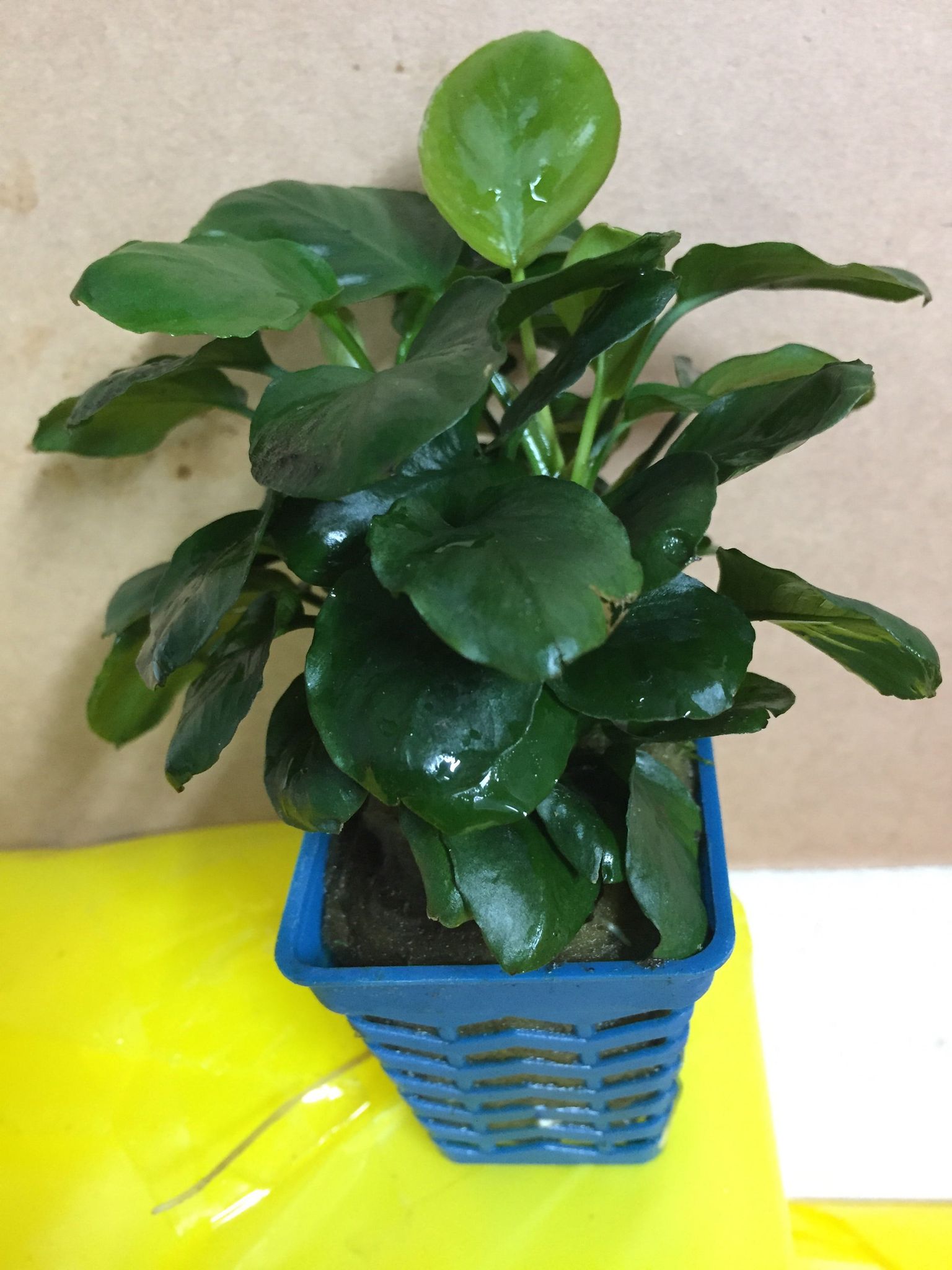
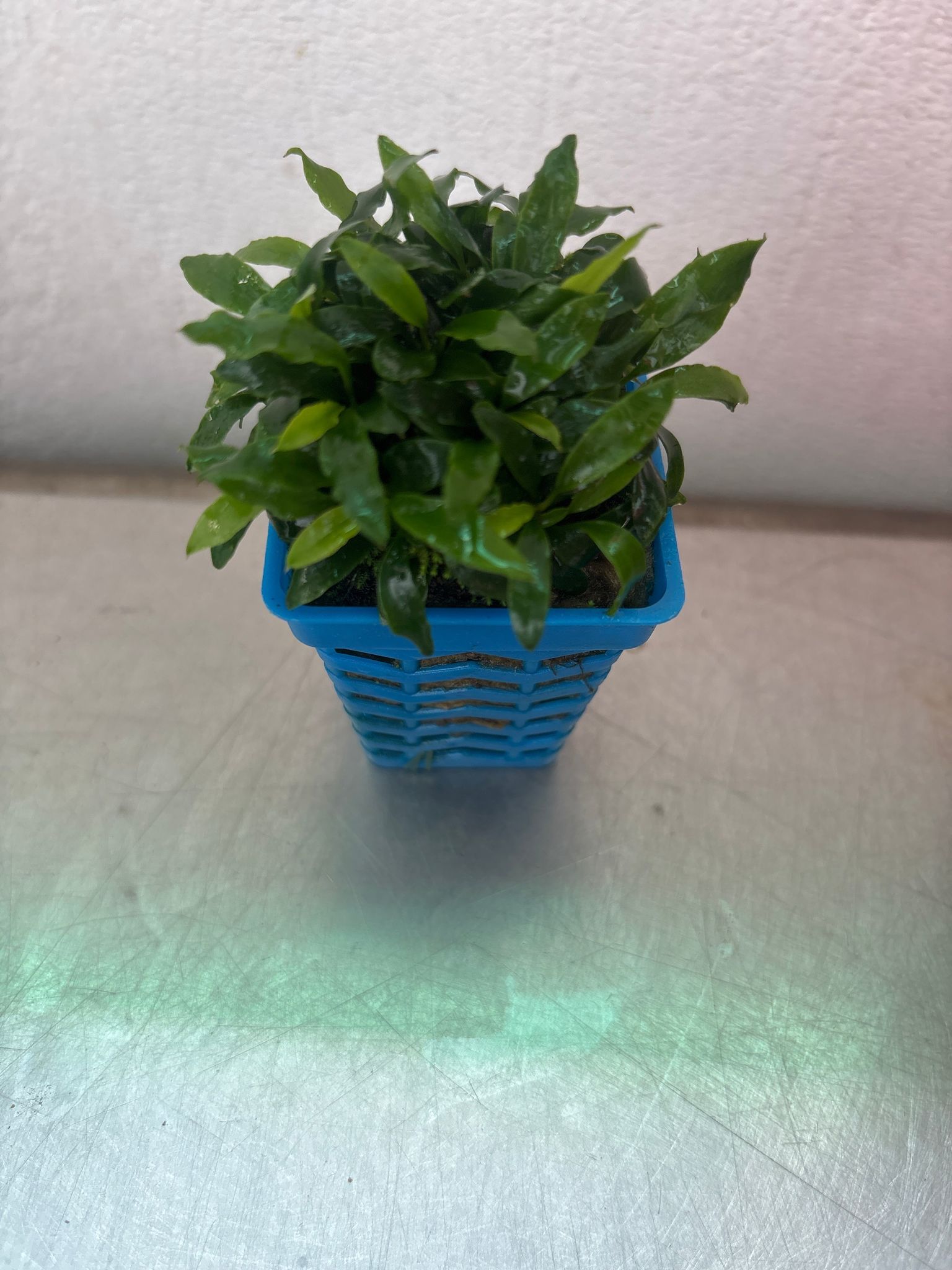
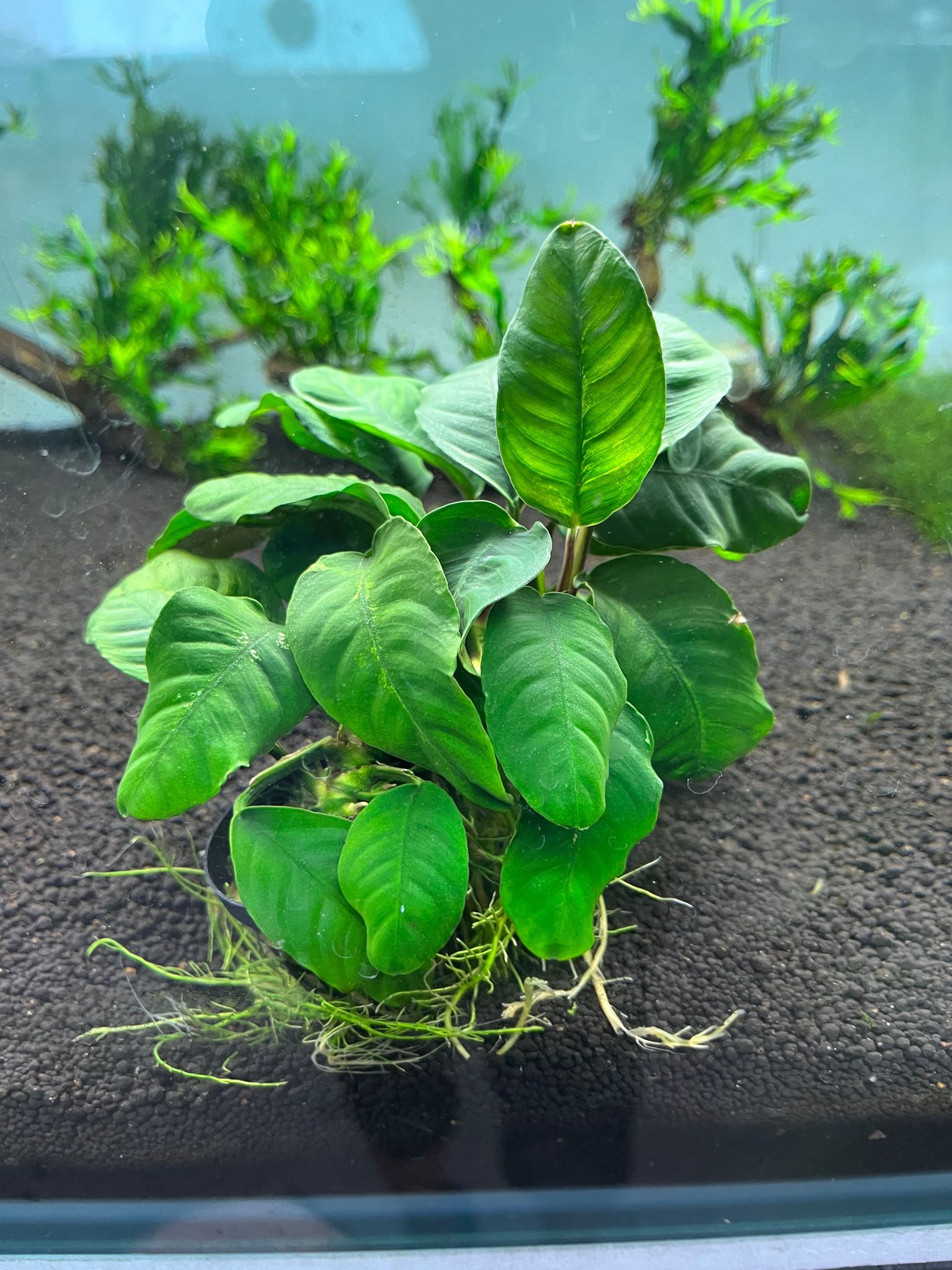
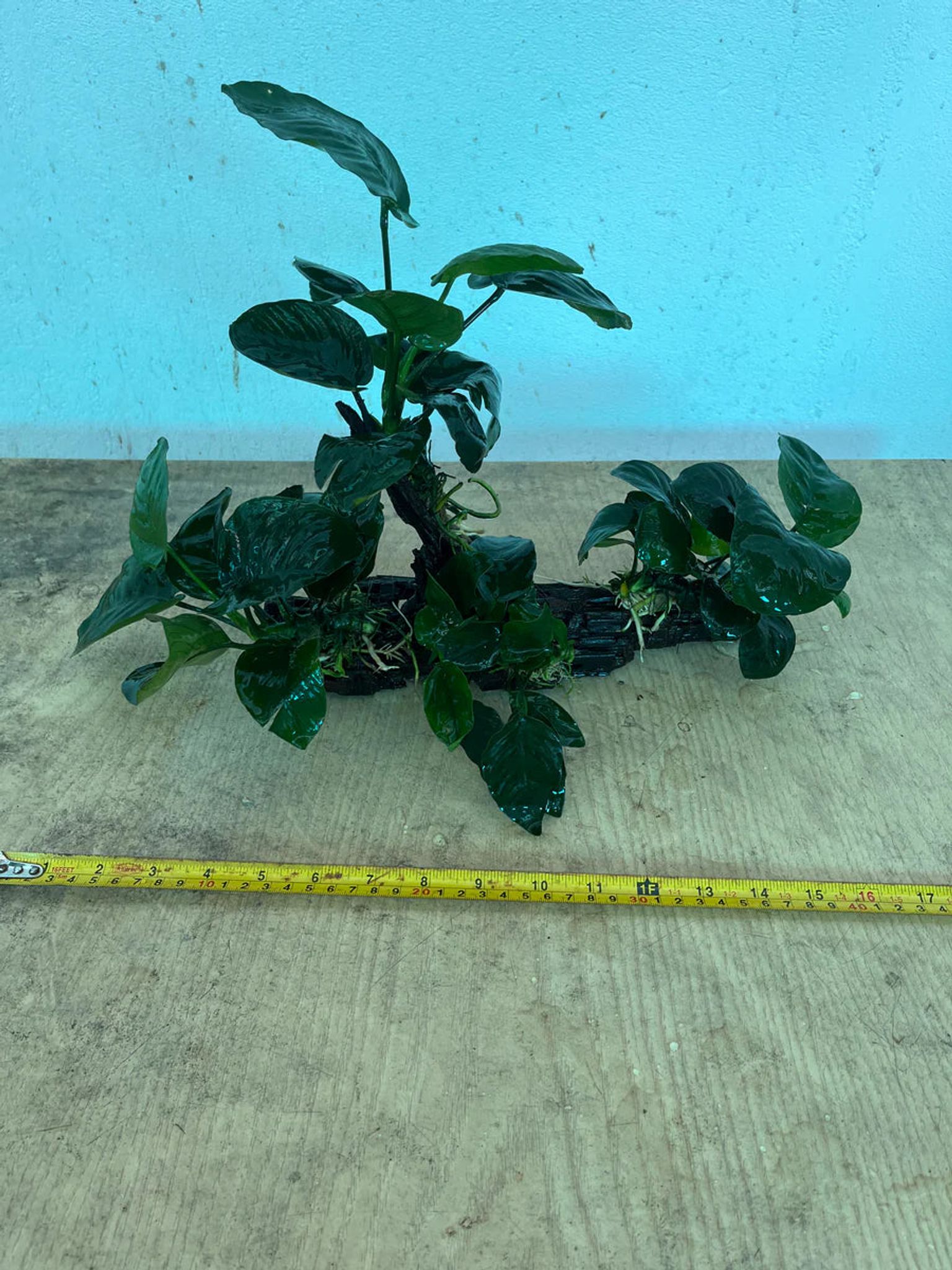
1751363444483.jpeg?signature=9d74c368da7c05165bae17cfe2e32f712e6205c176712b29d06e38854c56580a)
1746277642757.jpeg?signature=827ea47168ba08c637e7286f34f53a1875bc54eb5072327b56781c080589f313)
1746000791219.jpeg?signature=b74a7202dc8840fea22e1efab83fec8a1c8a618d43e768880dd956538b597fb2)
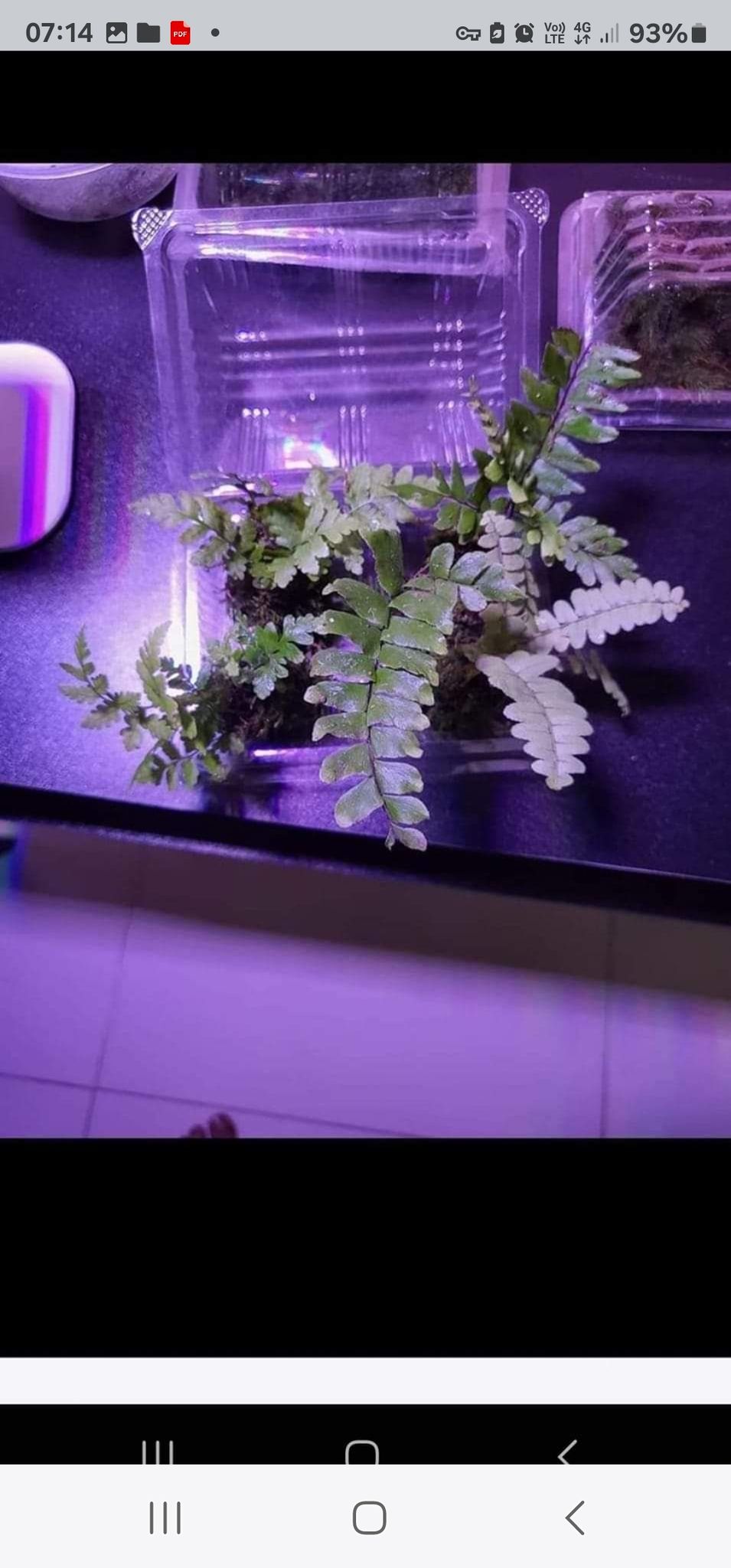
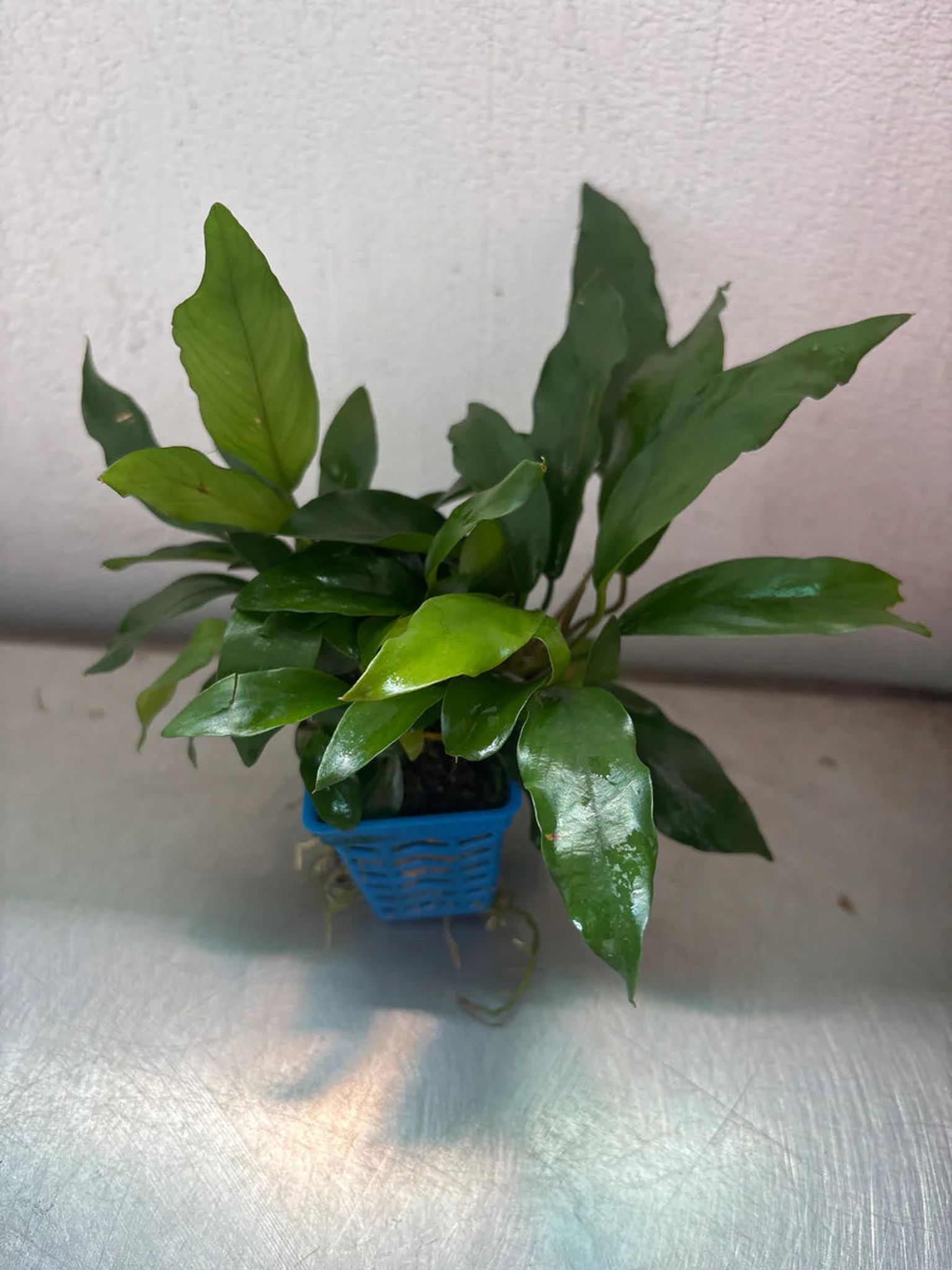
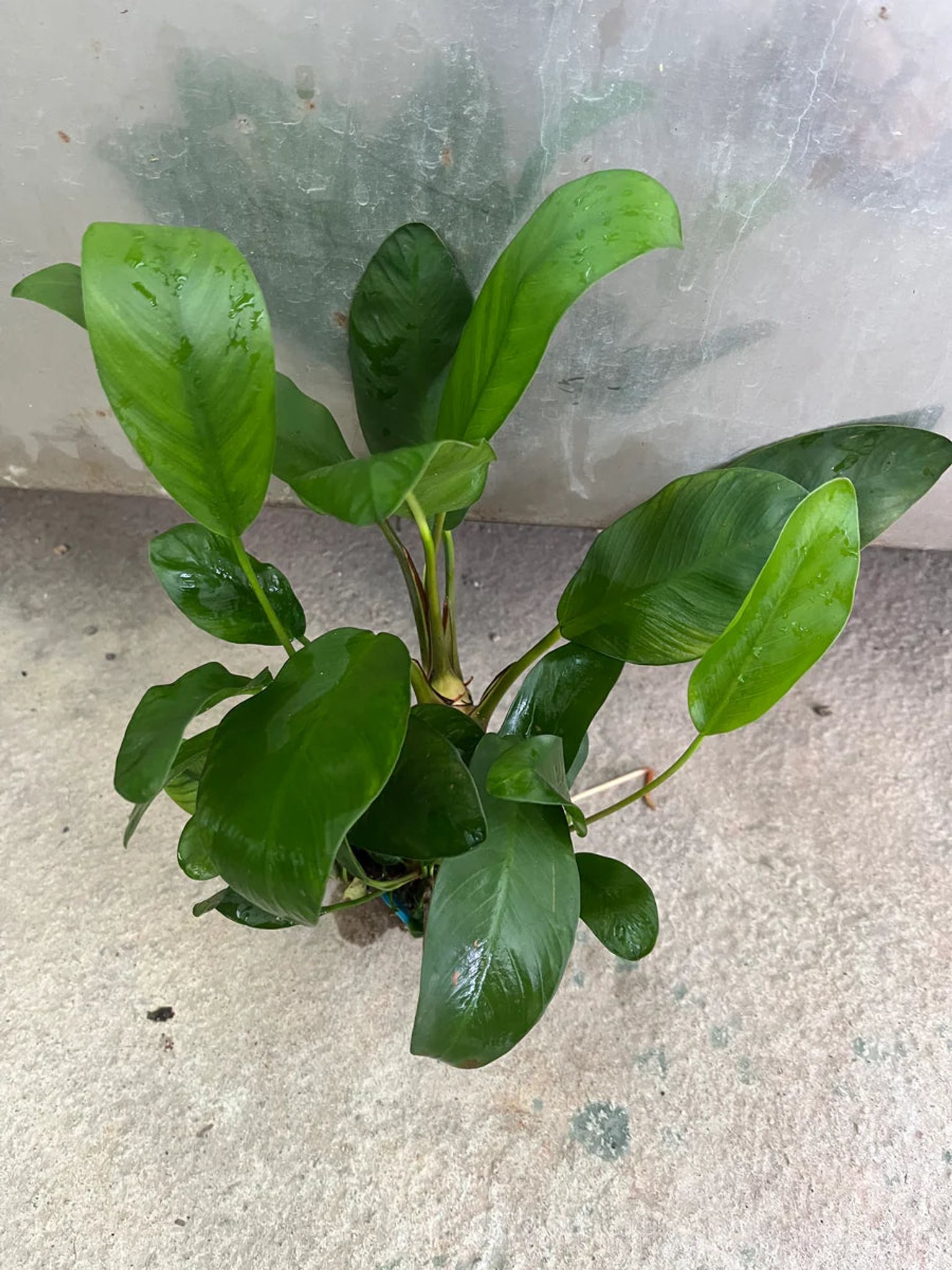
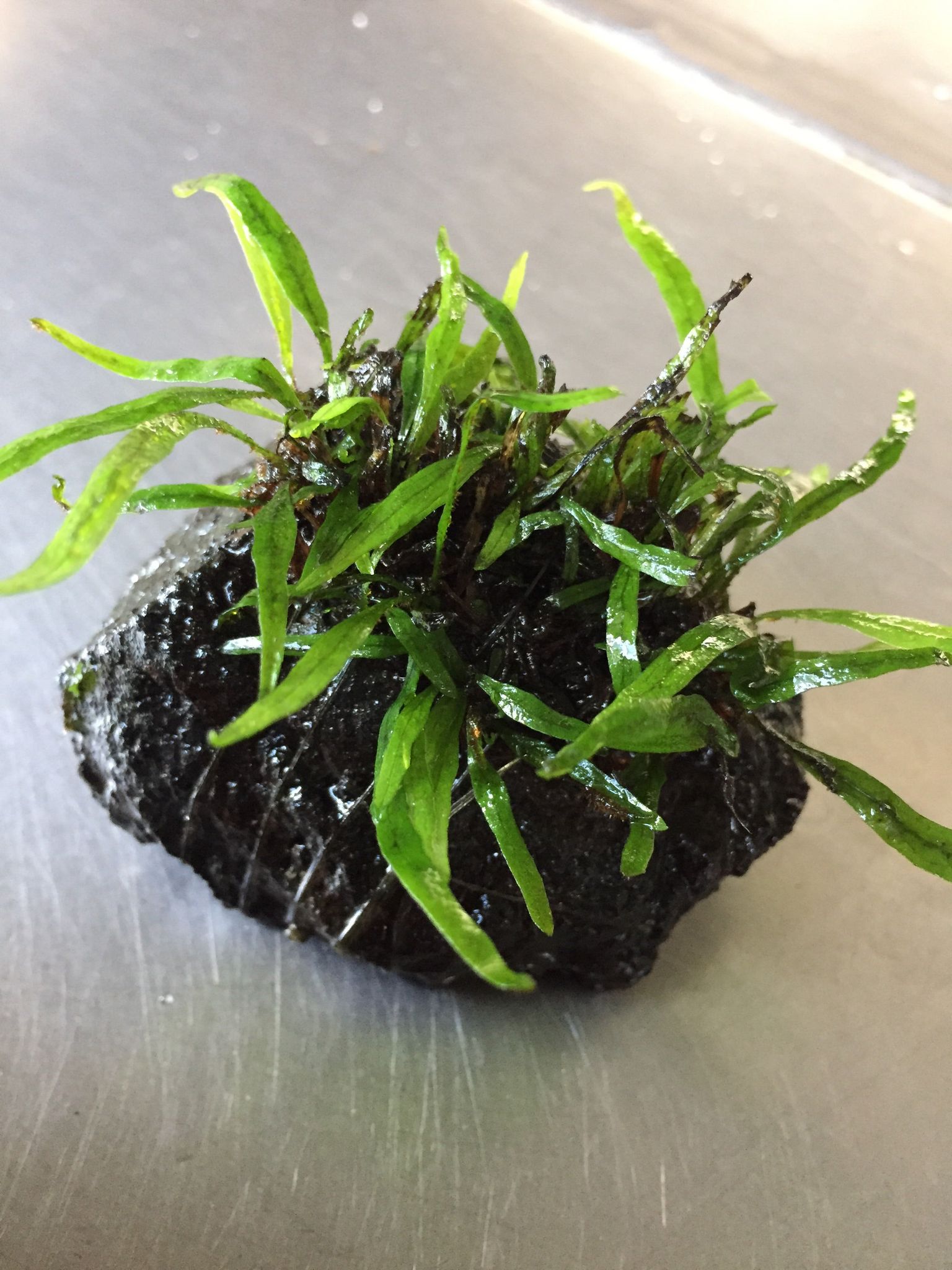
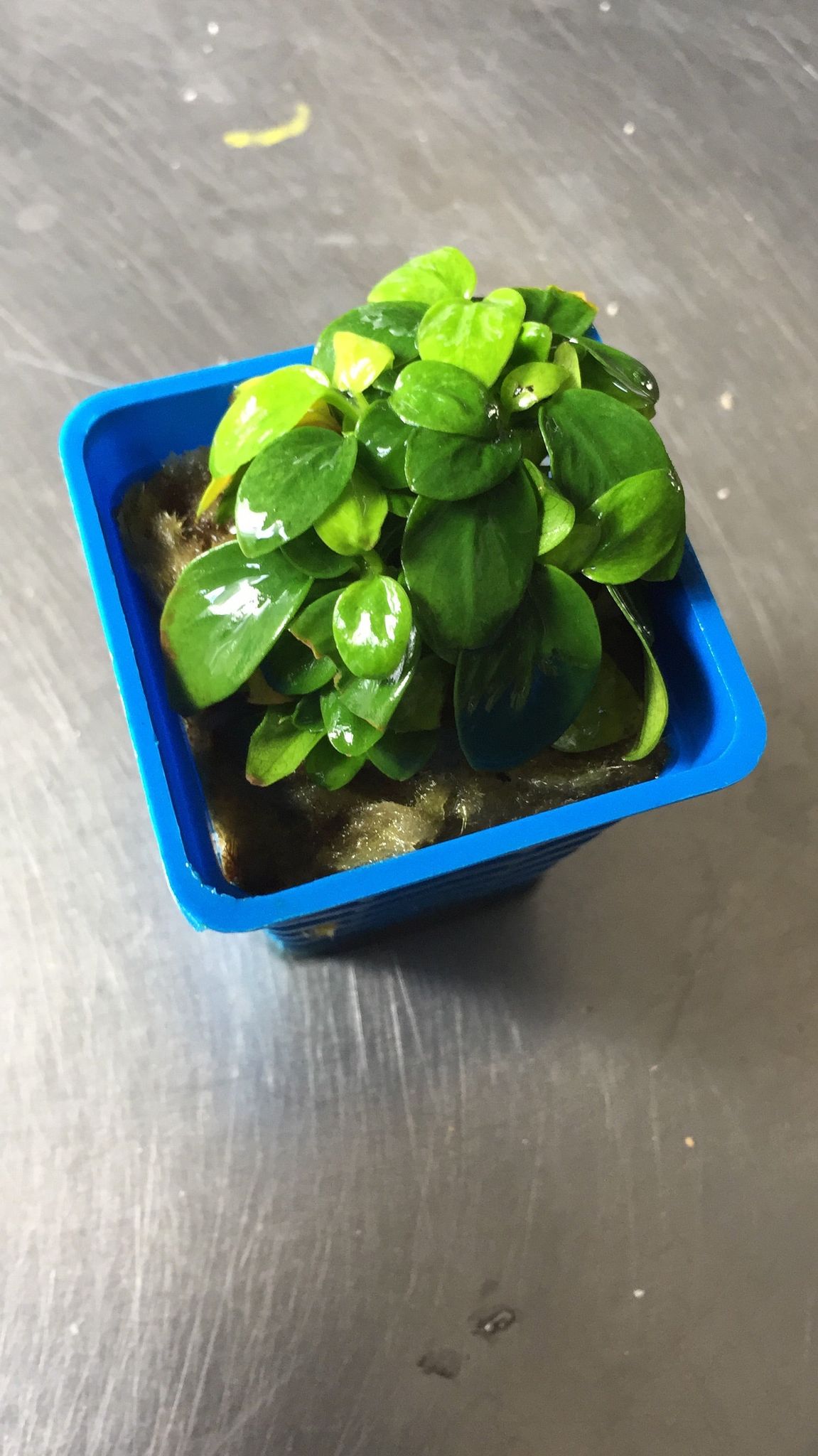
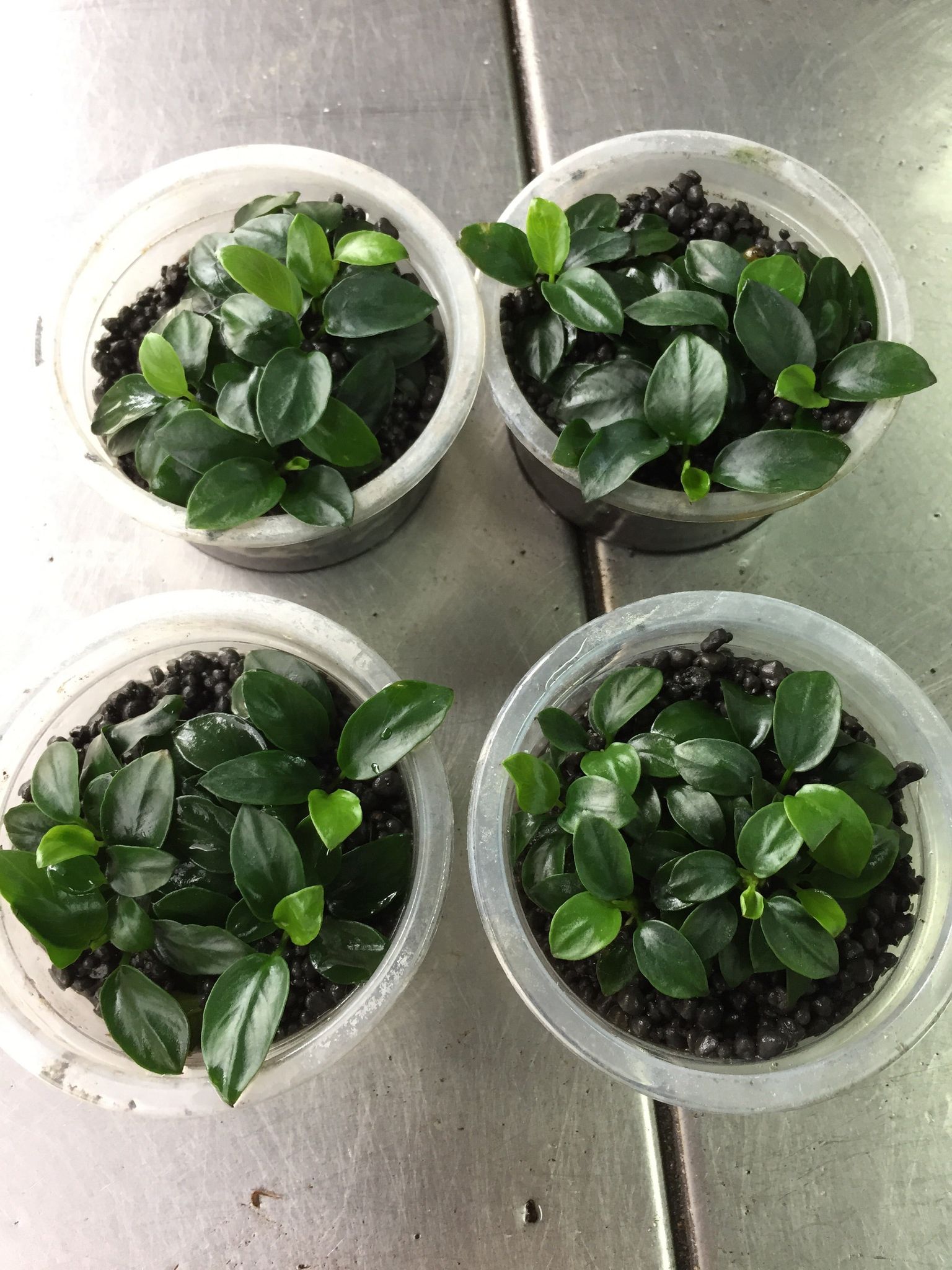
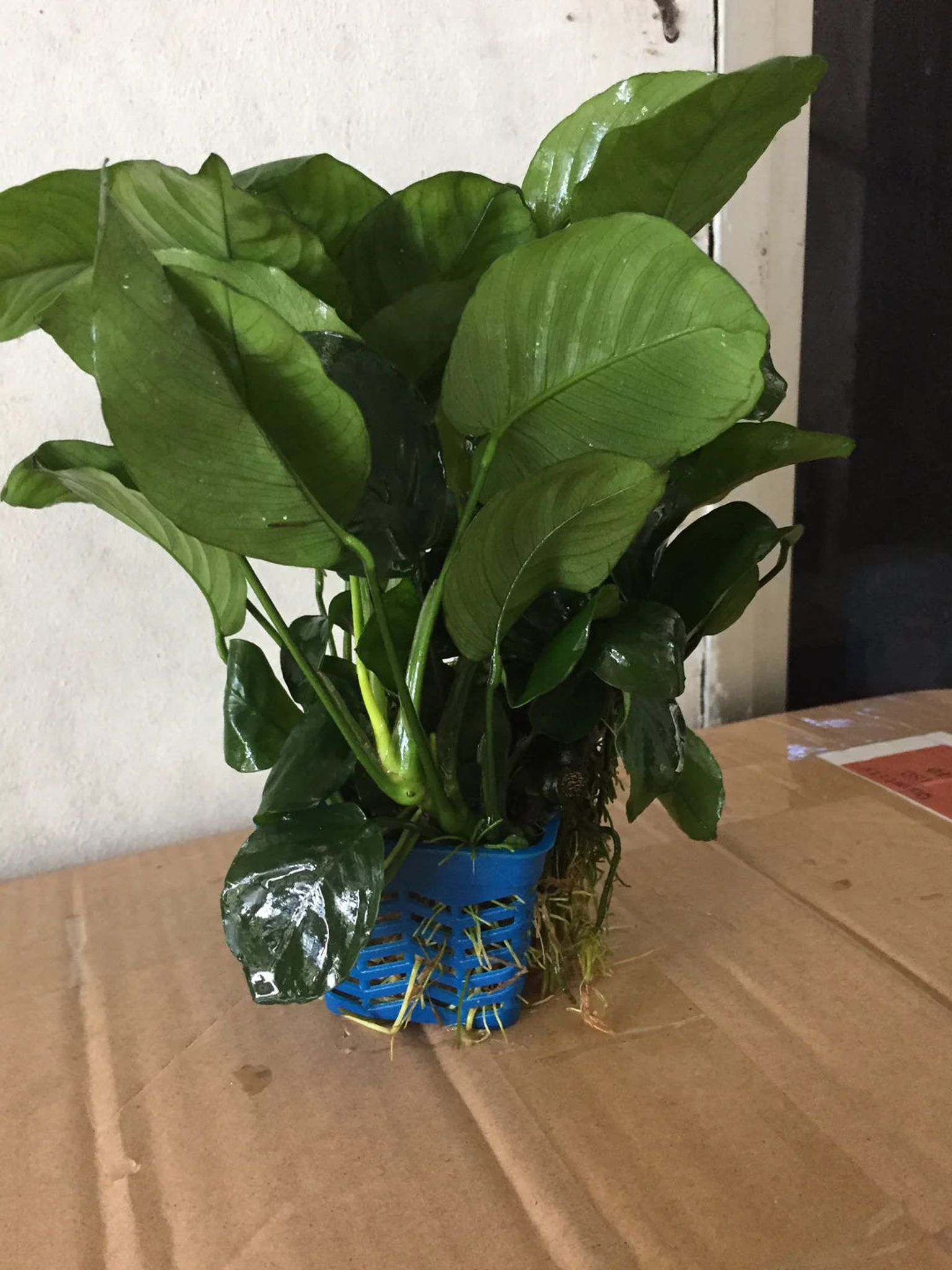
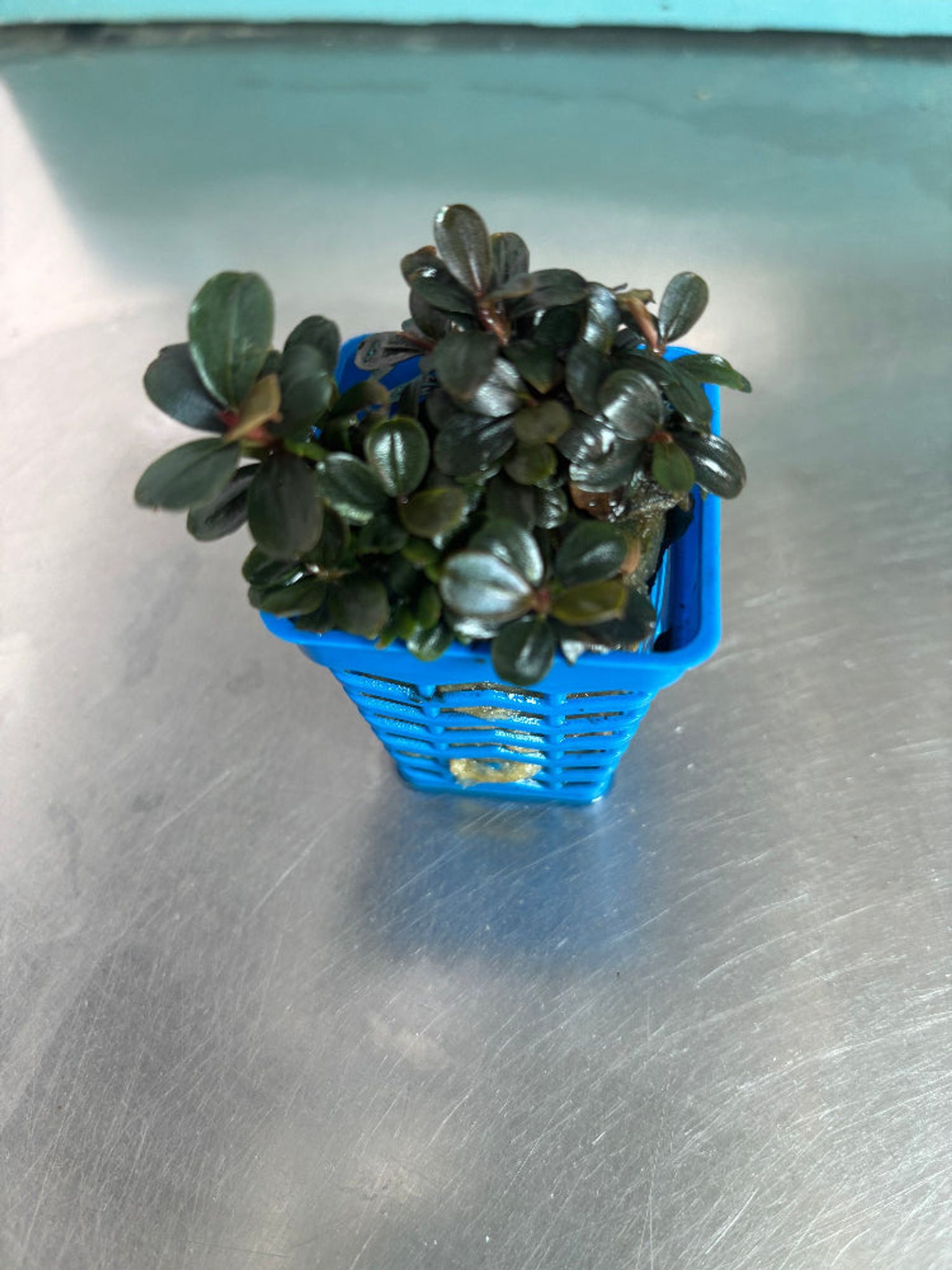
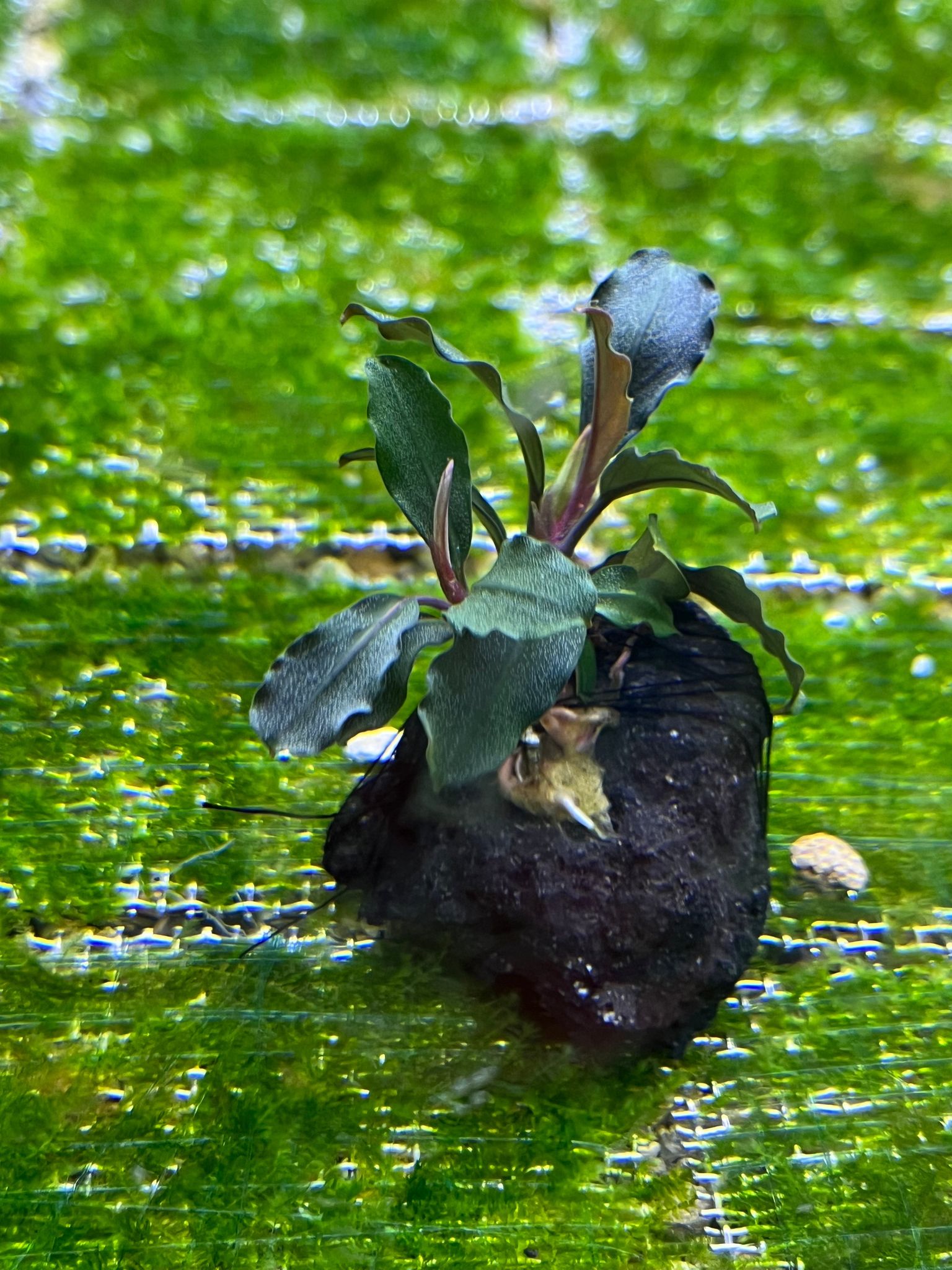
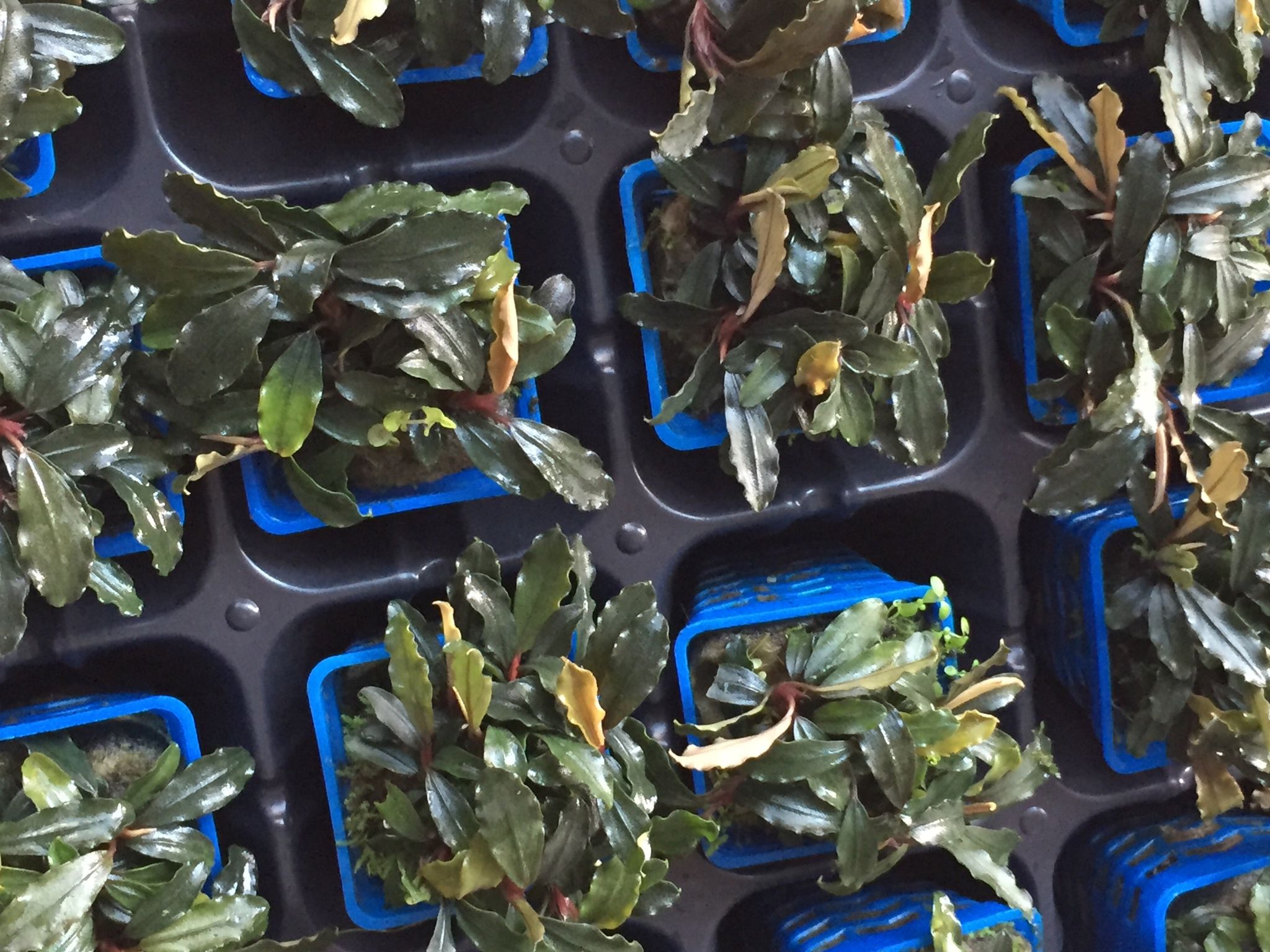
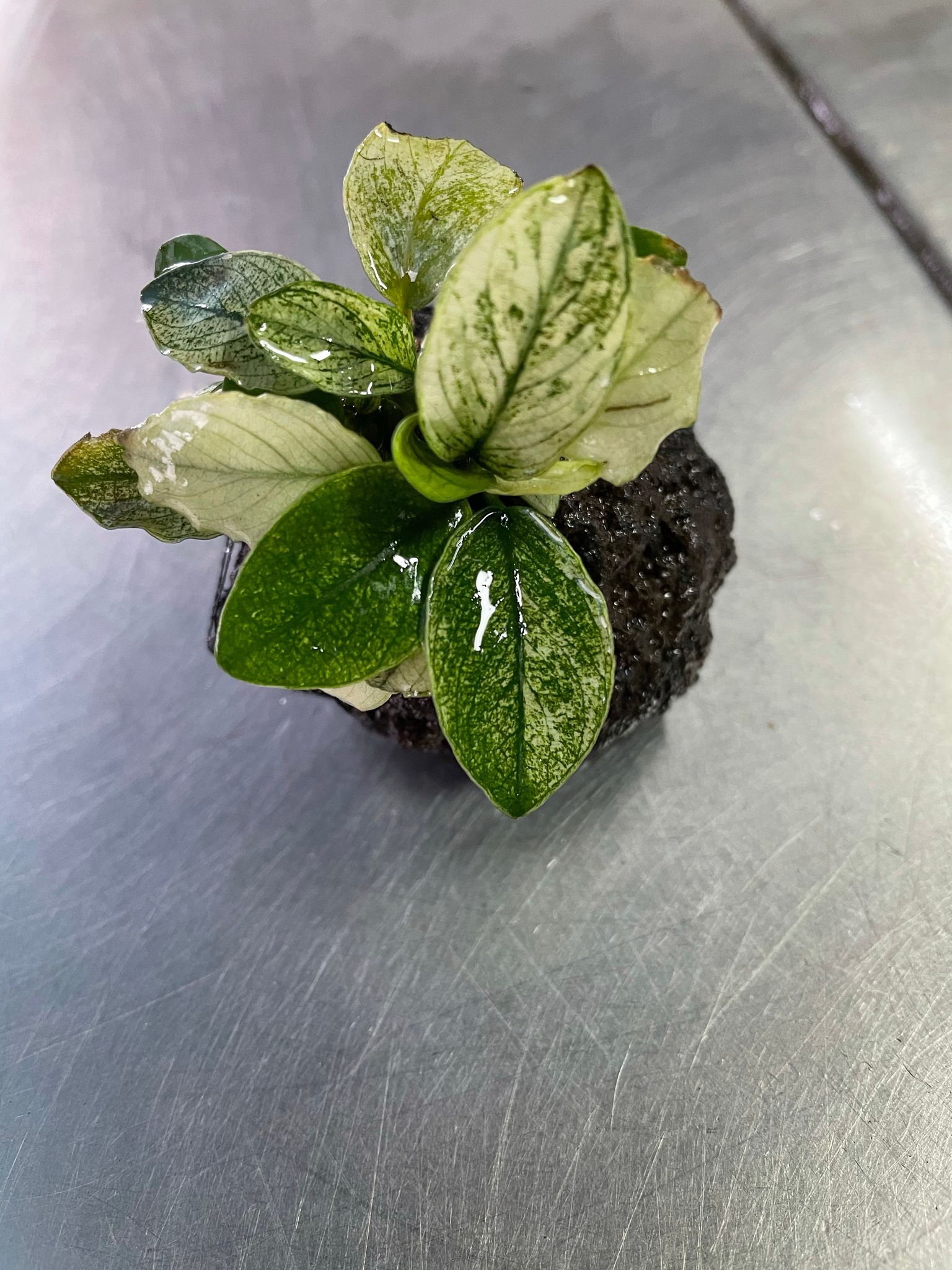
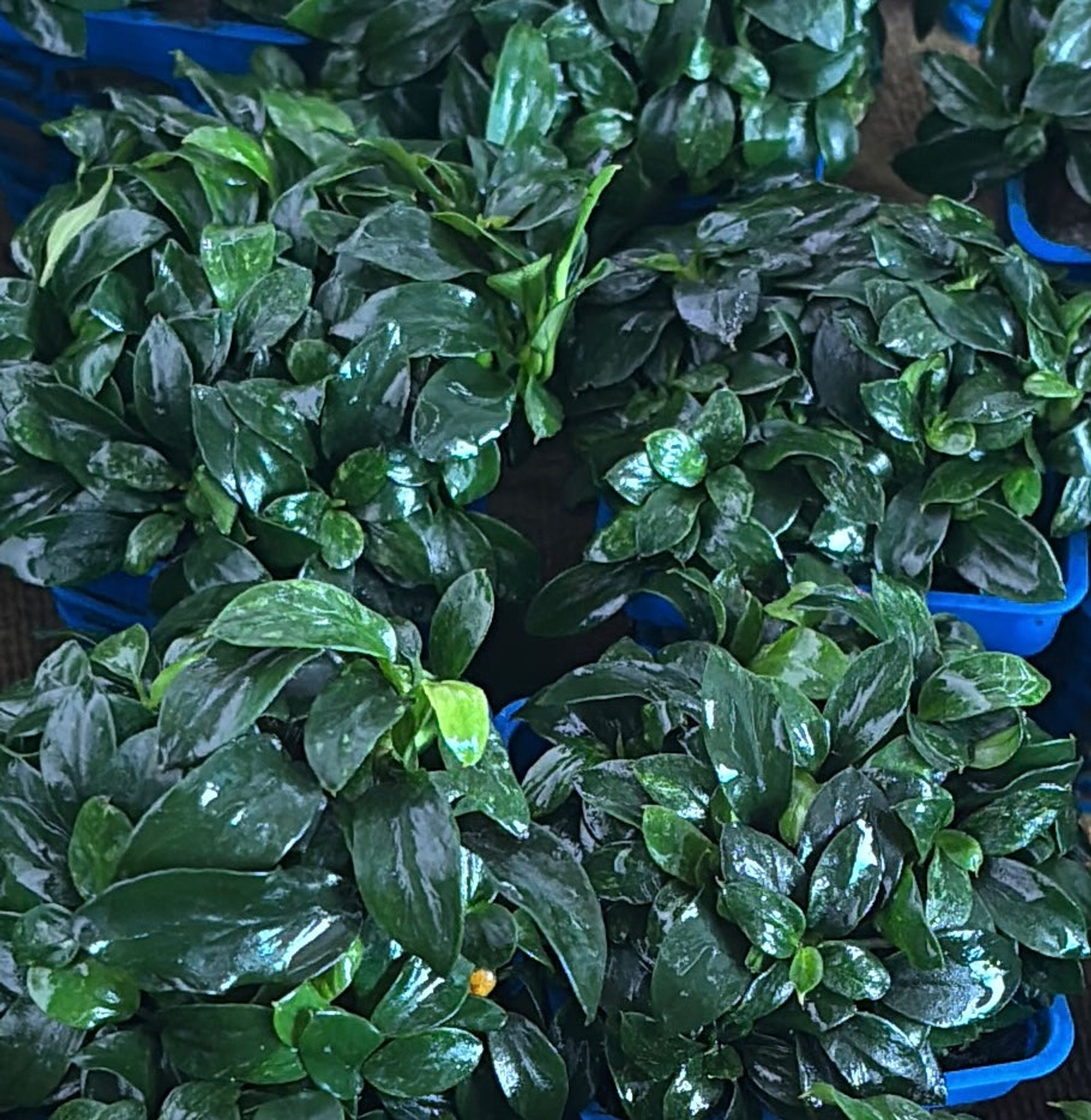
Explore epiphyte aquarium plants for sale in Singapore from aquatic plant shops, growers and specialist sellers on FishyHub. Compare Anubias, Bucephalandra, Java Fern and other plants that can be attached to rocks, driftwood and hardscape.
Epiphytes are popular in planted aquariums because they do not need to be planted deeply into the substrate. Instead, many grow from rhizomes or attach naturally to hard surfaces, making them useful for aquascapes, nano tanks, shrimp tanks and low-tech setups.
Epiphyte aquarium plants grow on hard surfaces such as rocks, wood and roots rather than relying on being buried deeply in substrate.
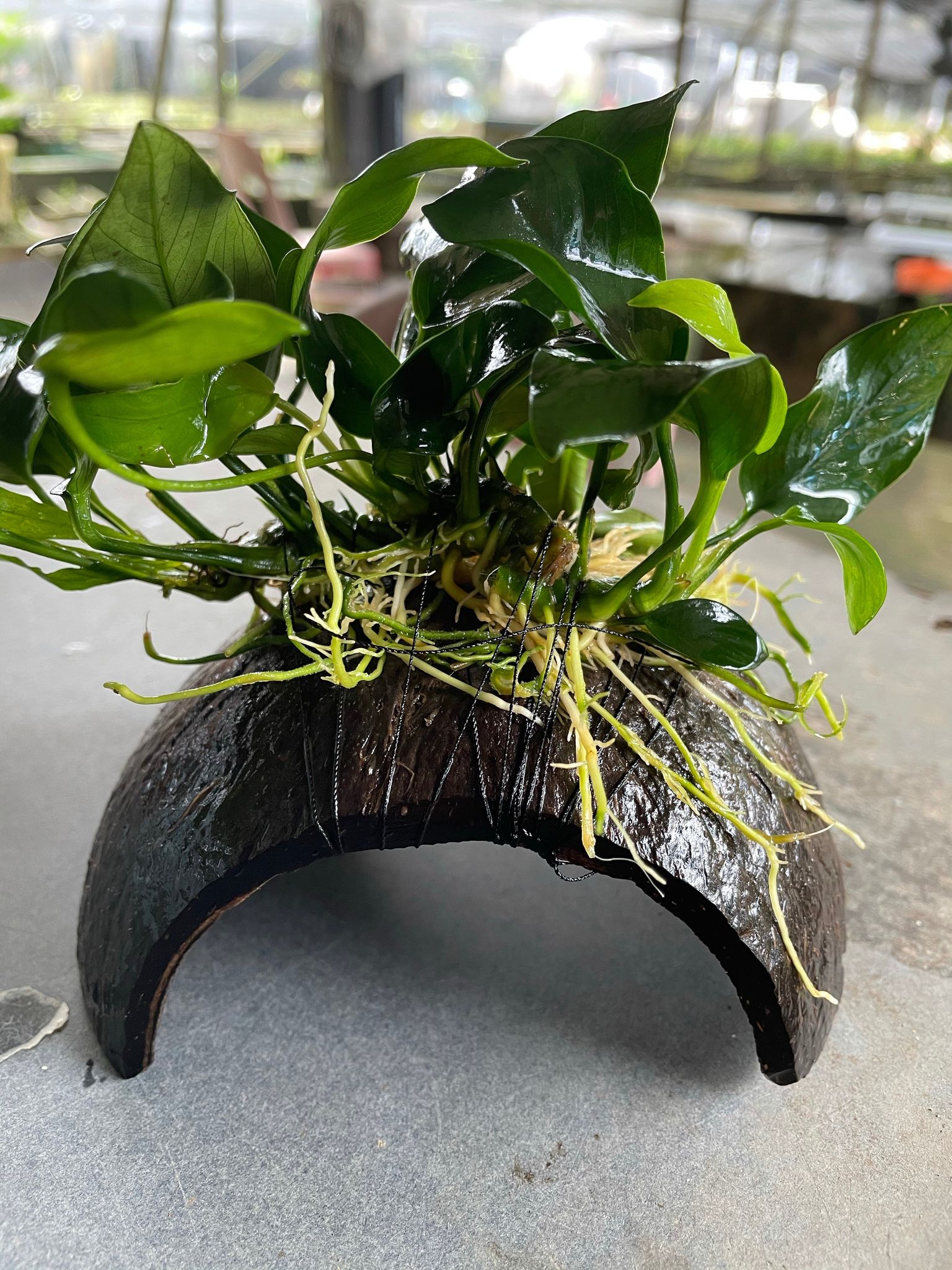
Many popular aquarium epiphytes have rhizomes that should remain exposed. They can be attached to hardscape using thread, aquarium-safe glue or other suitable methods until they establish themselves.
Some of the most popular epiphytes in freshwater aquariums include Anubias, Bucephalandra and Java Fern.
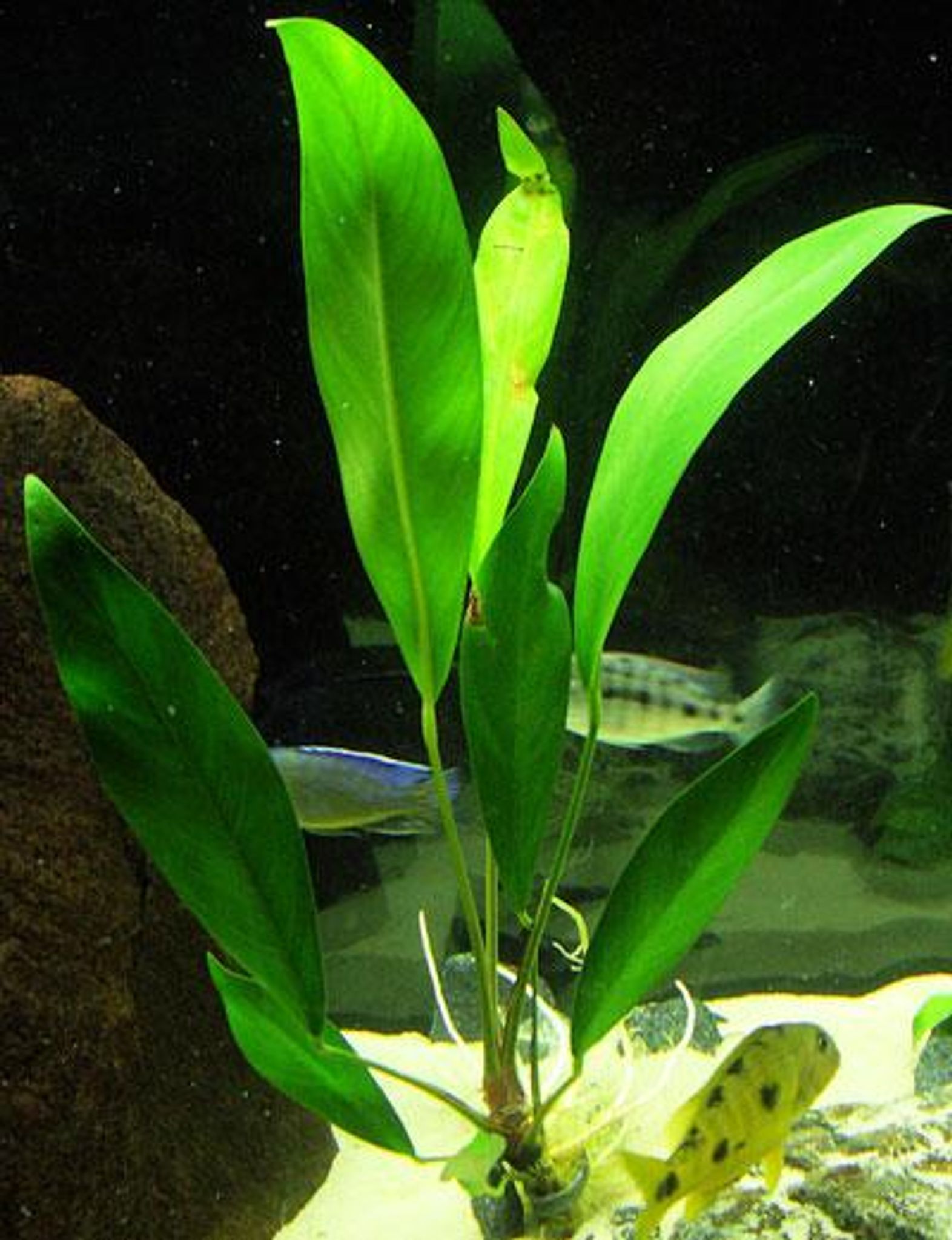
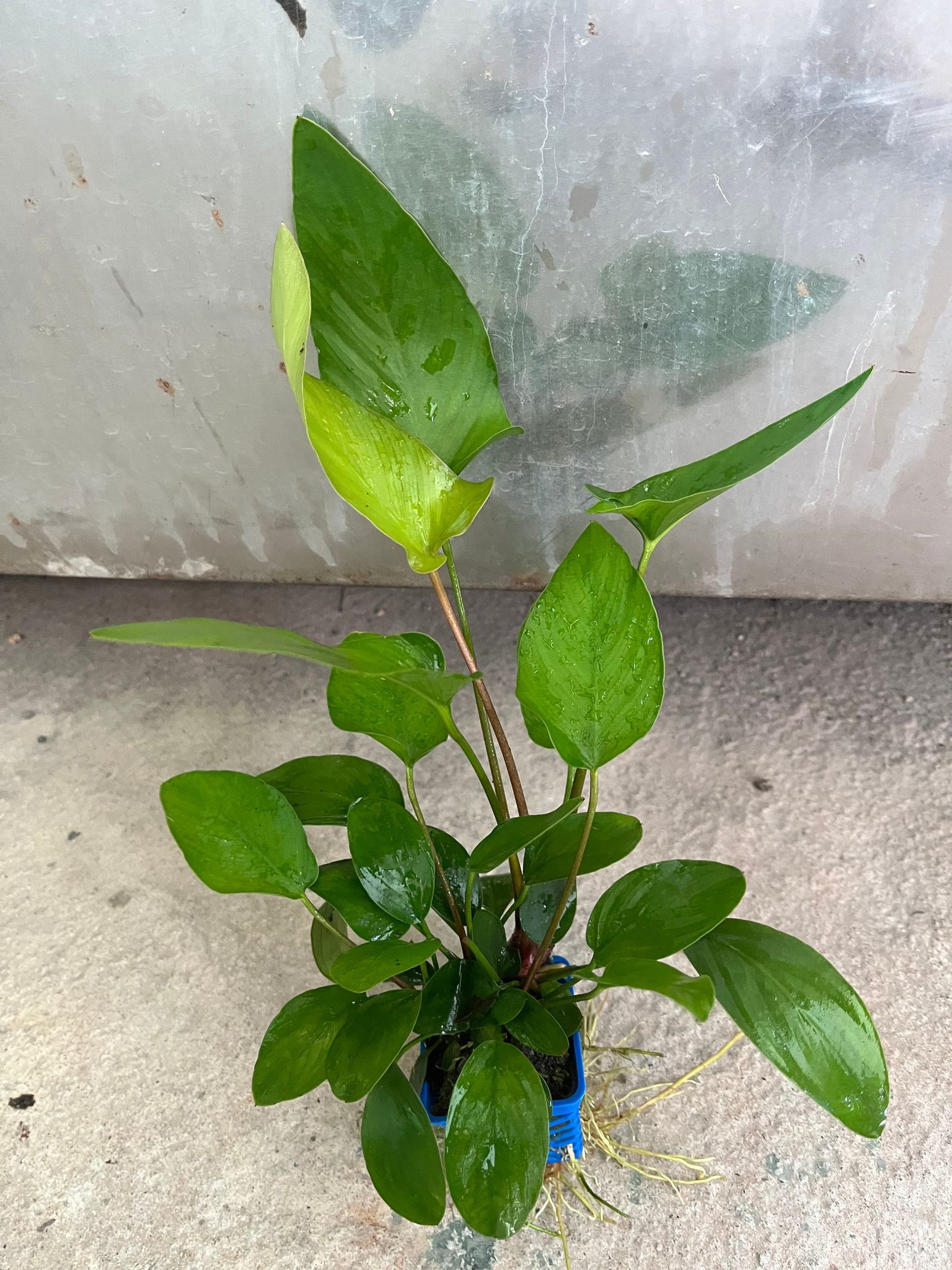
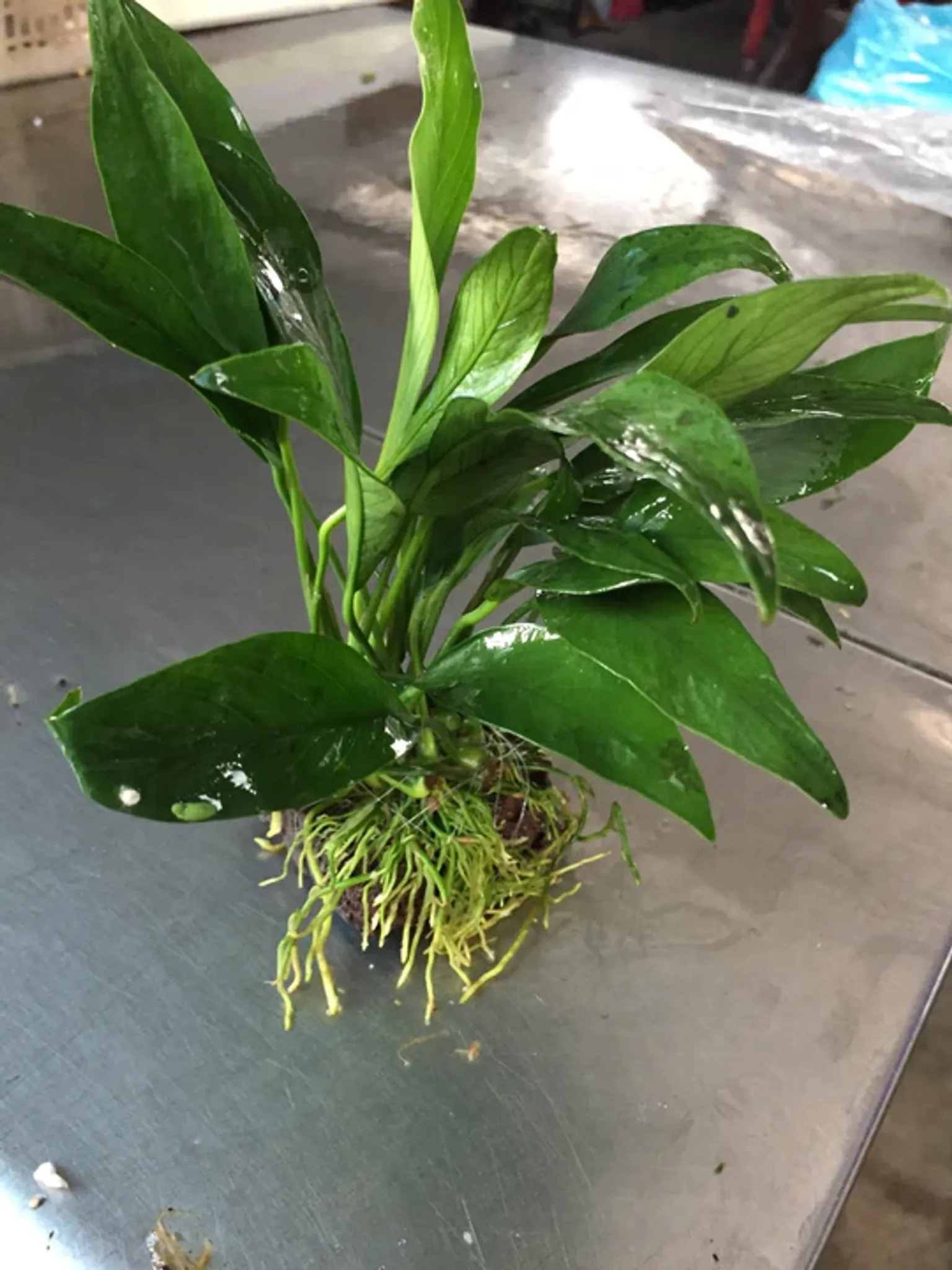
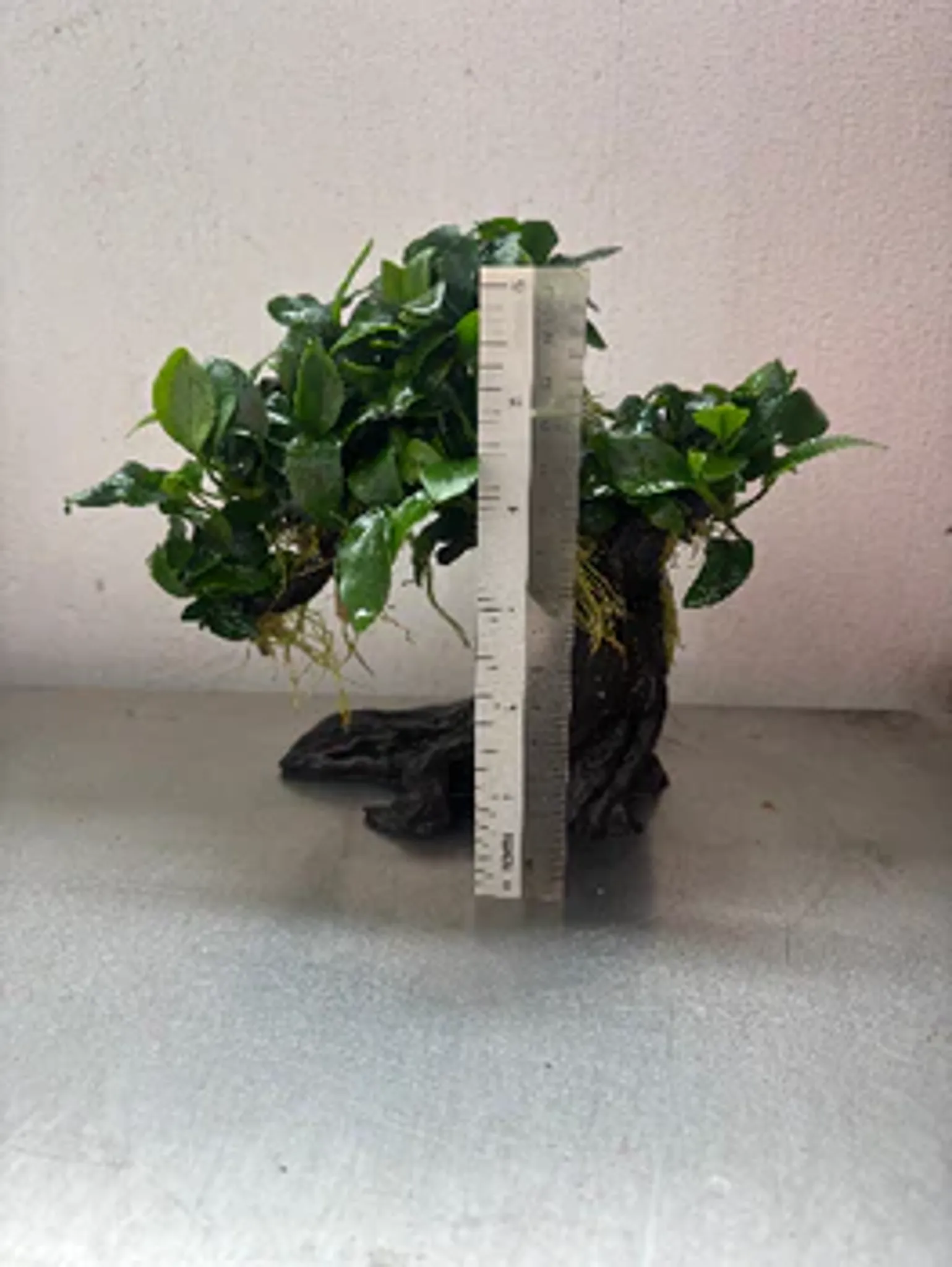
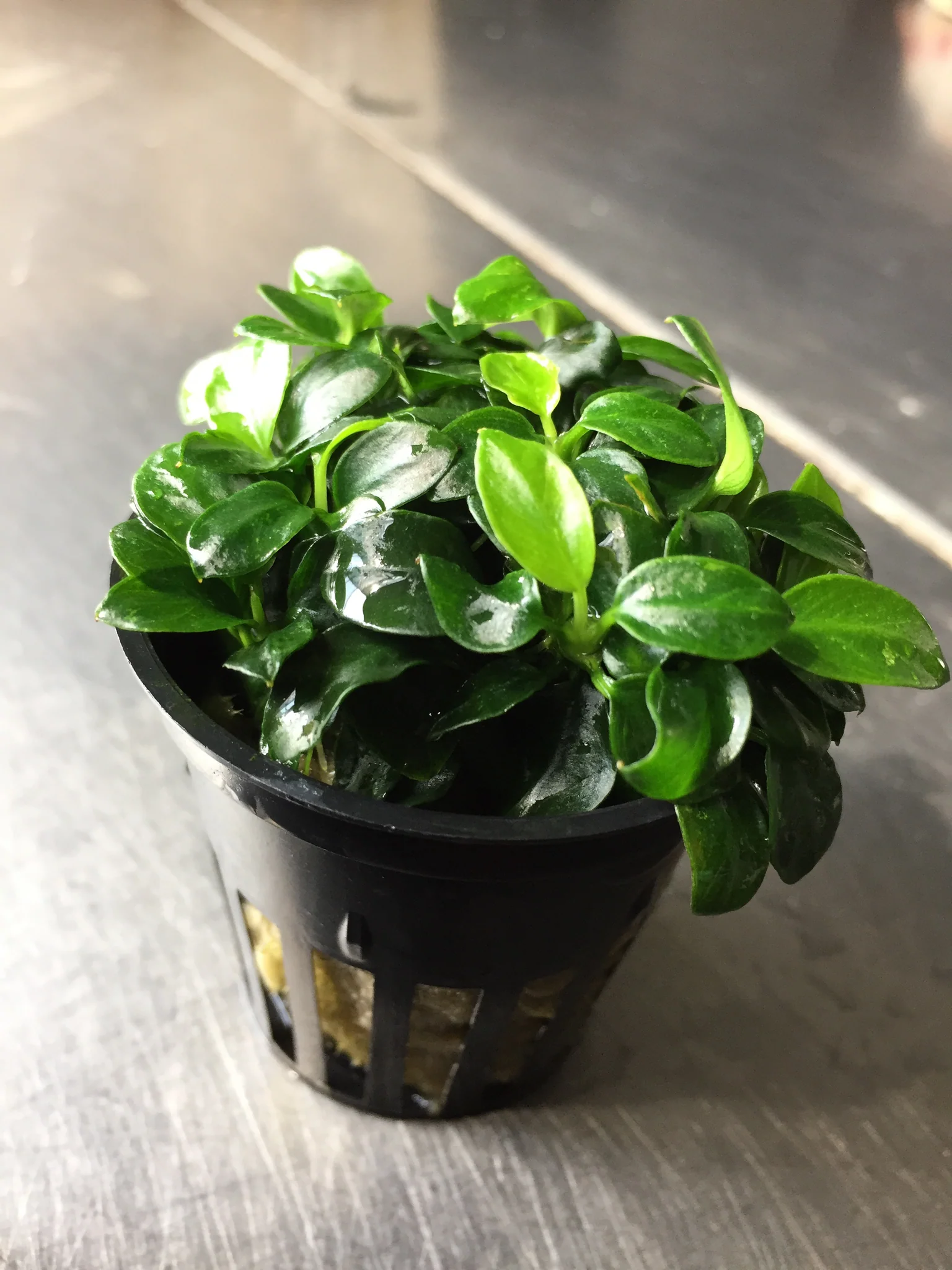
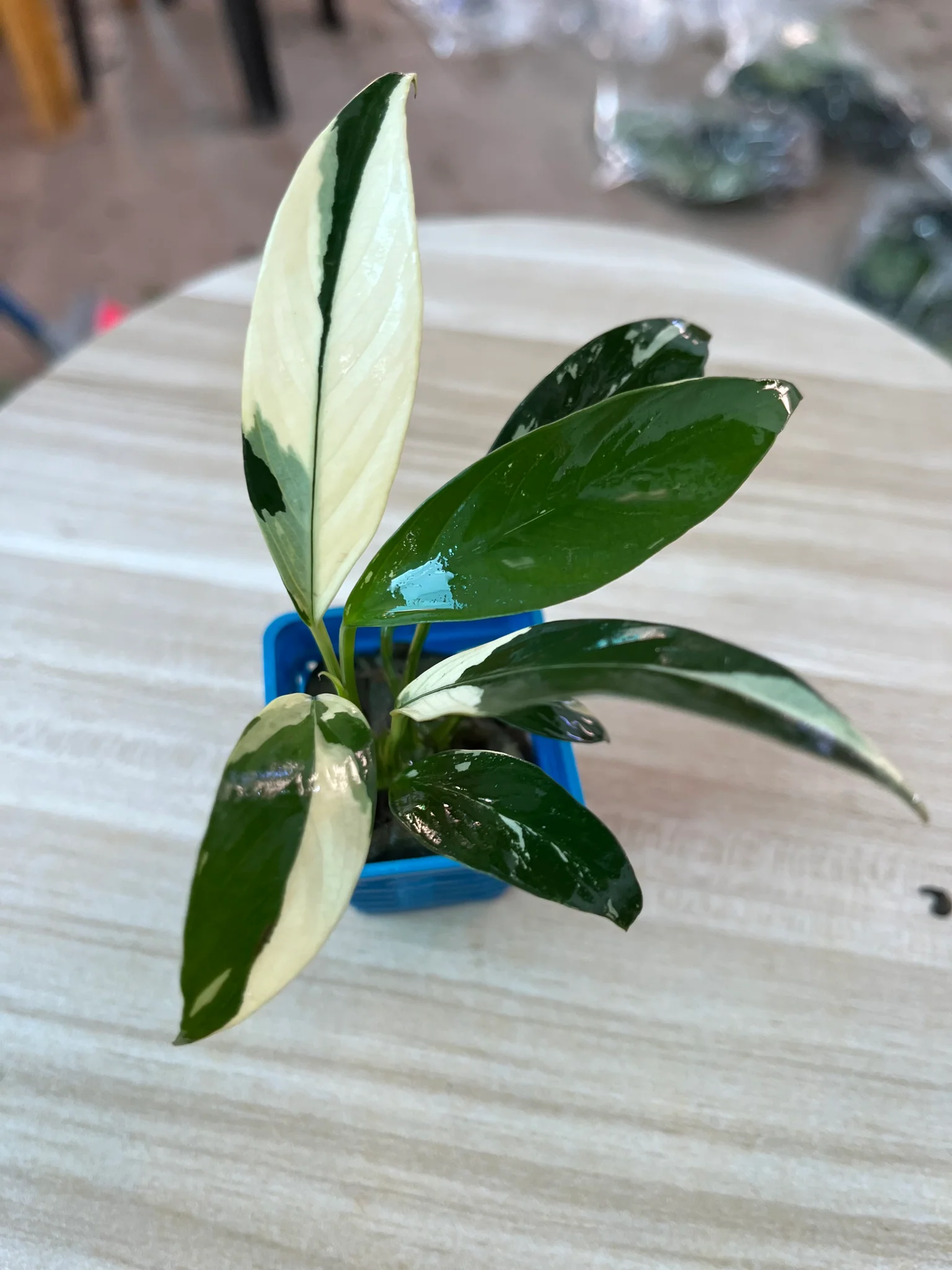
Anubias are hardy, slow-growing plants with thick leaves and strong rhizomes. They are popular in low-tech aquariums and can be attached to rocks, driftwood and other hardscape.
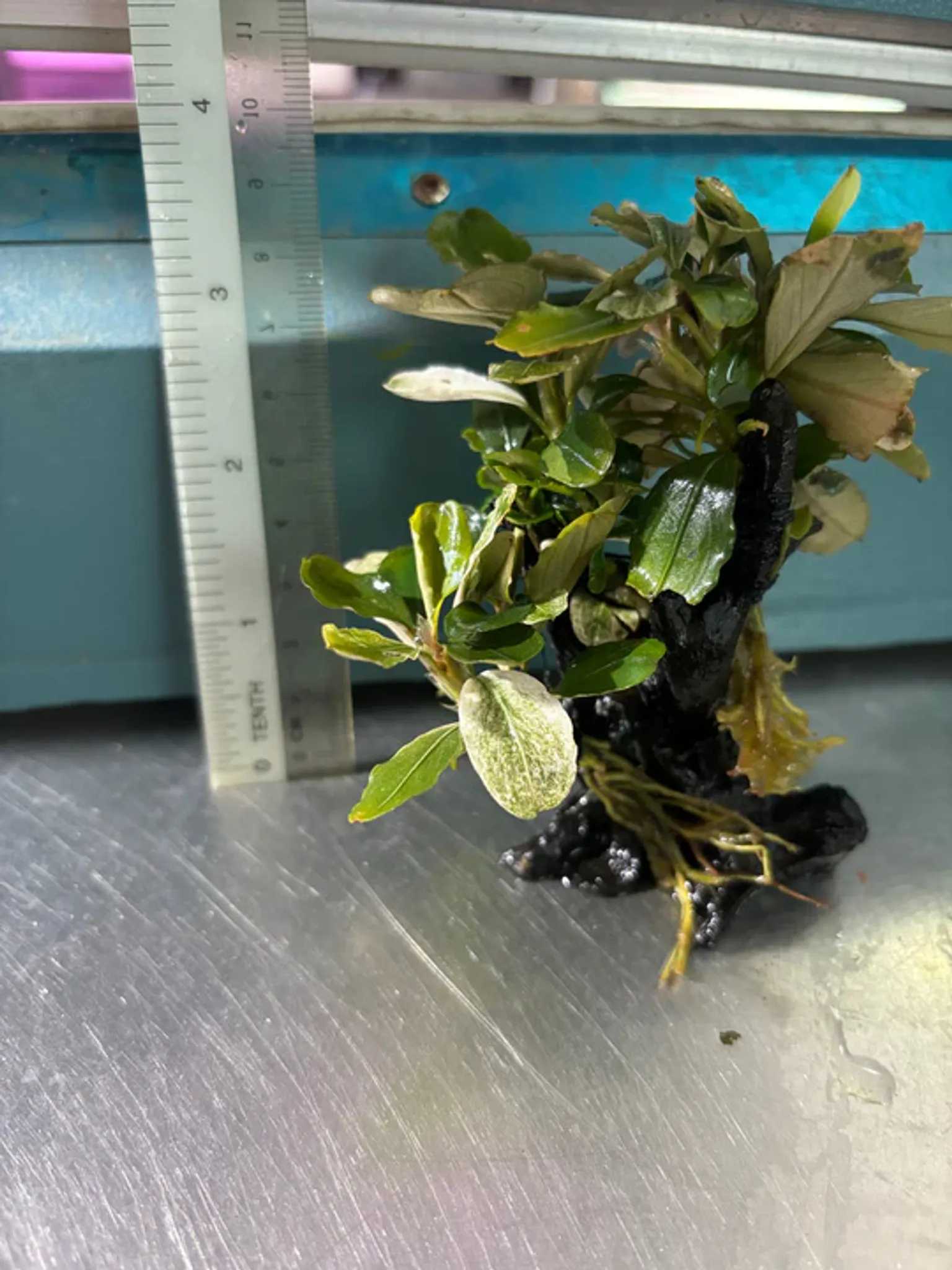
Bucephalandra, often shortened to Buce, is prized for compact growth, varied leaf shapes and attractive colours. Many varieties grow well attached to rock or wood and are popular in detailed aquascapes.
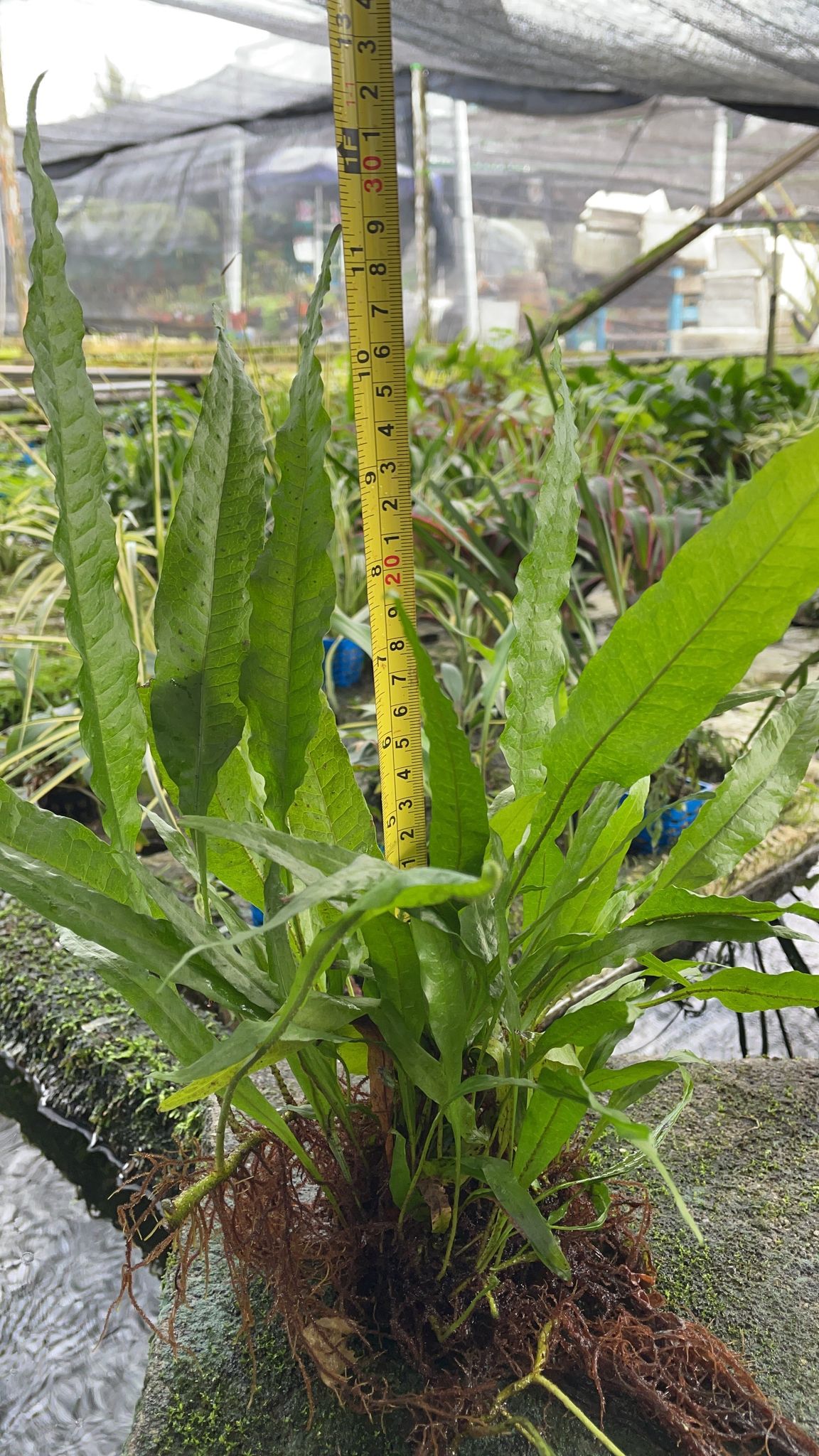
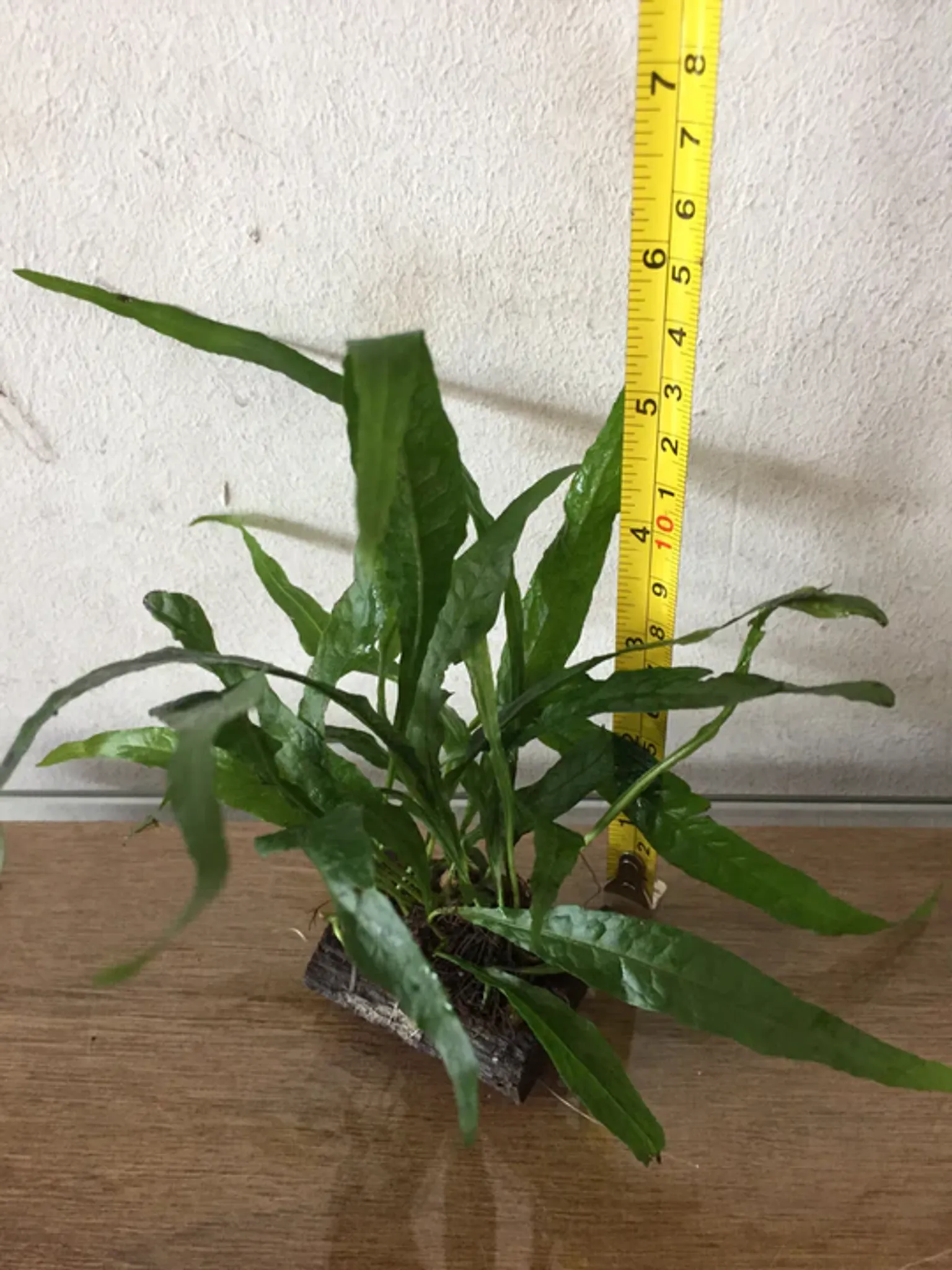
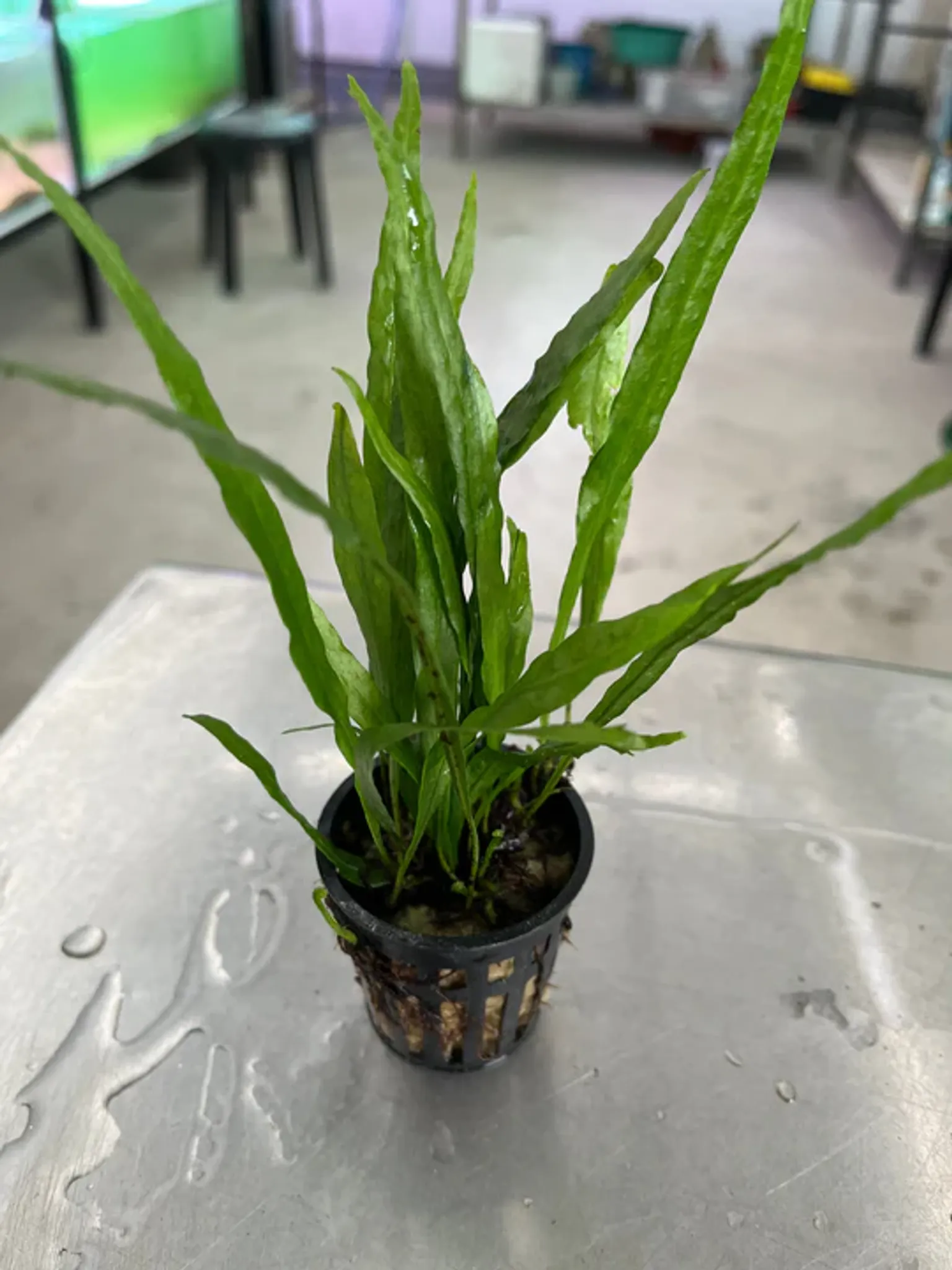
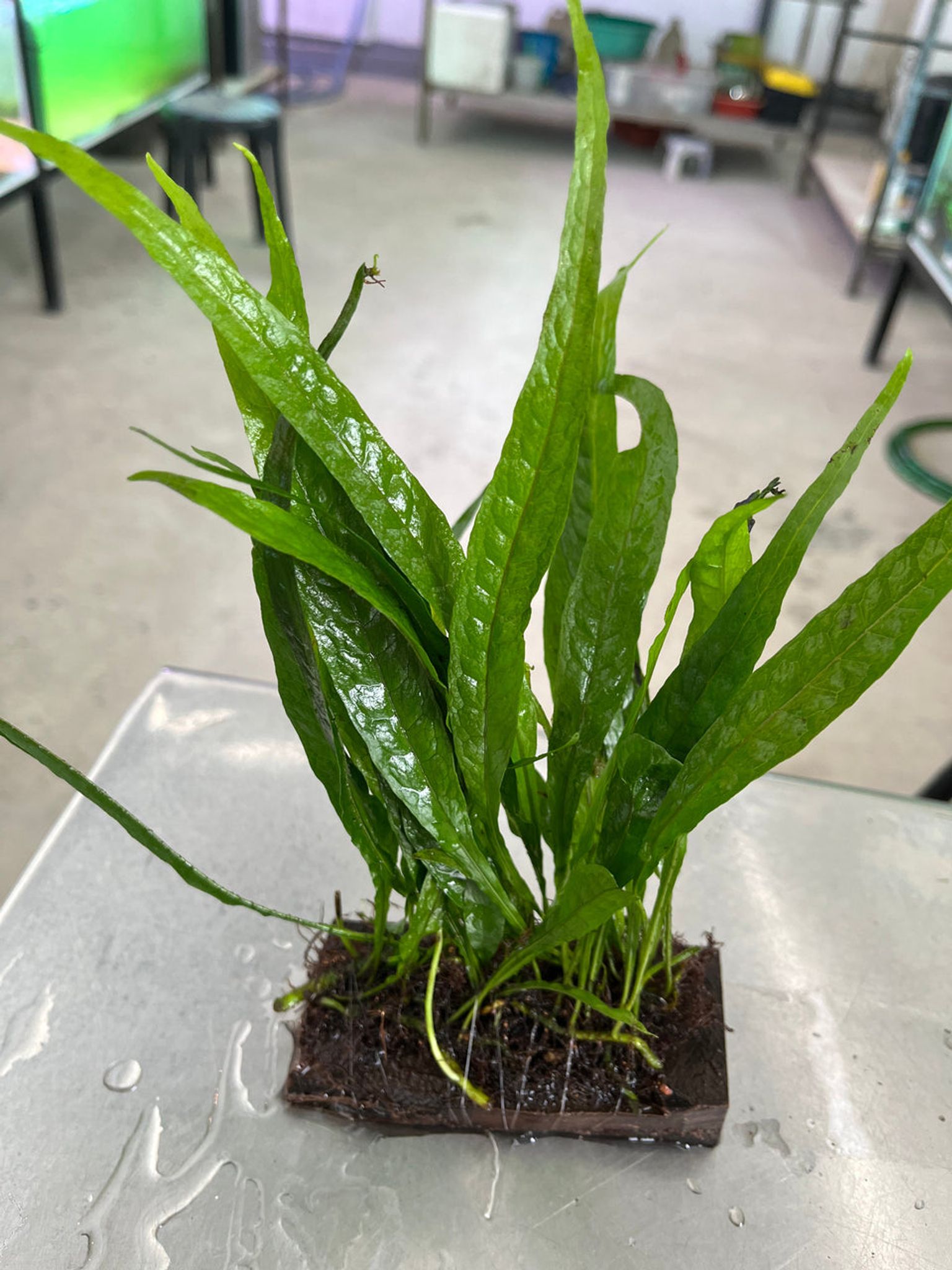
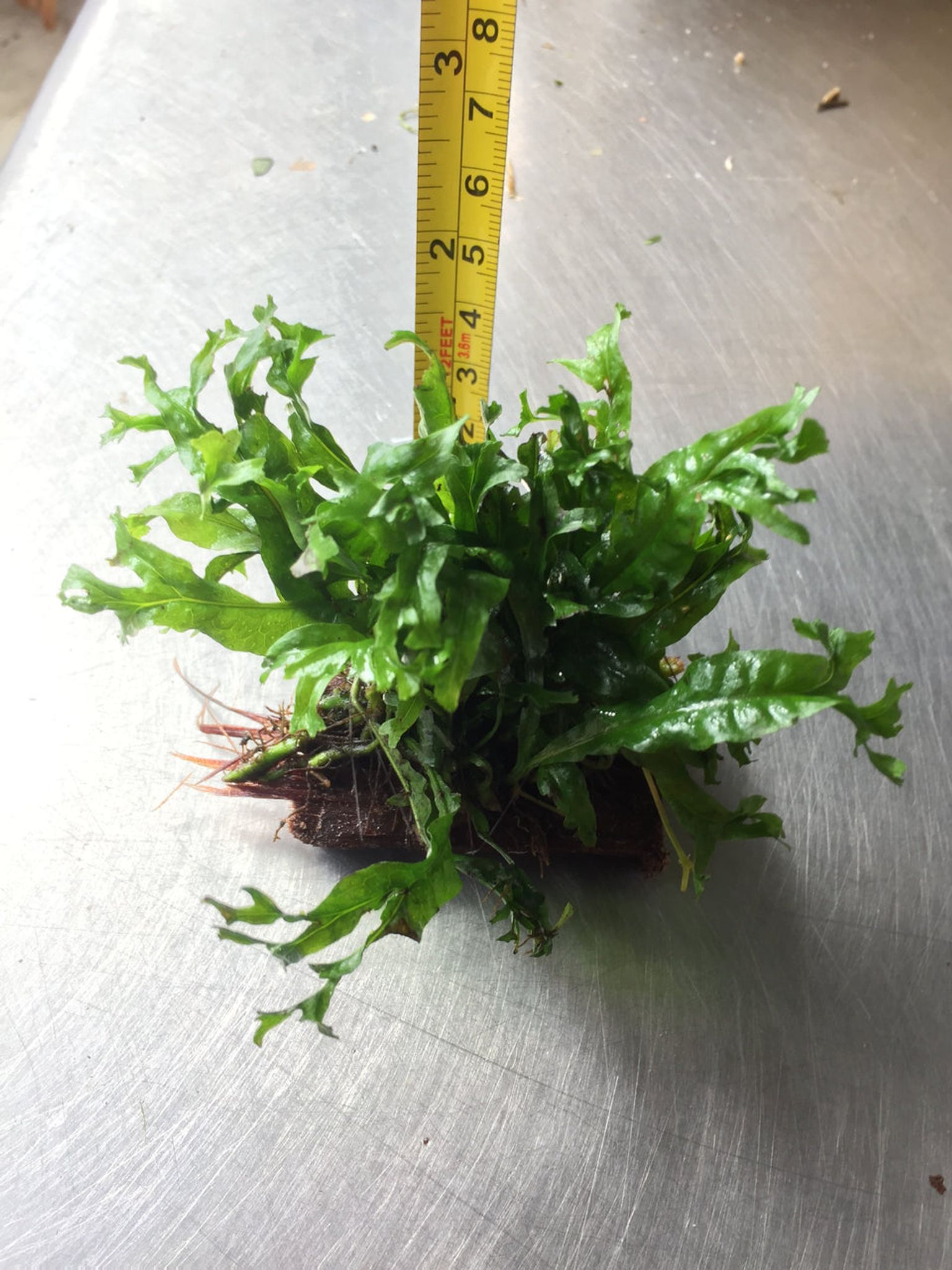
Java Fern is a classic beginner-friendly epiphyte with long leaves and a hardy rhizome. It can be used on driftwood, rocks or other aquarium decorations without needing nutrient-rich substrate.
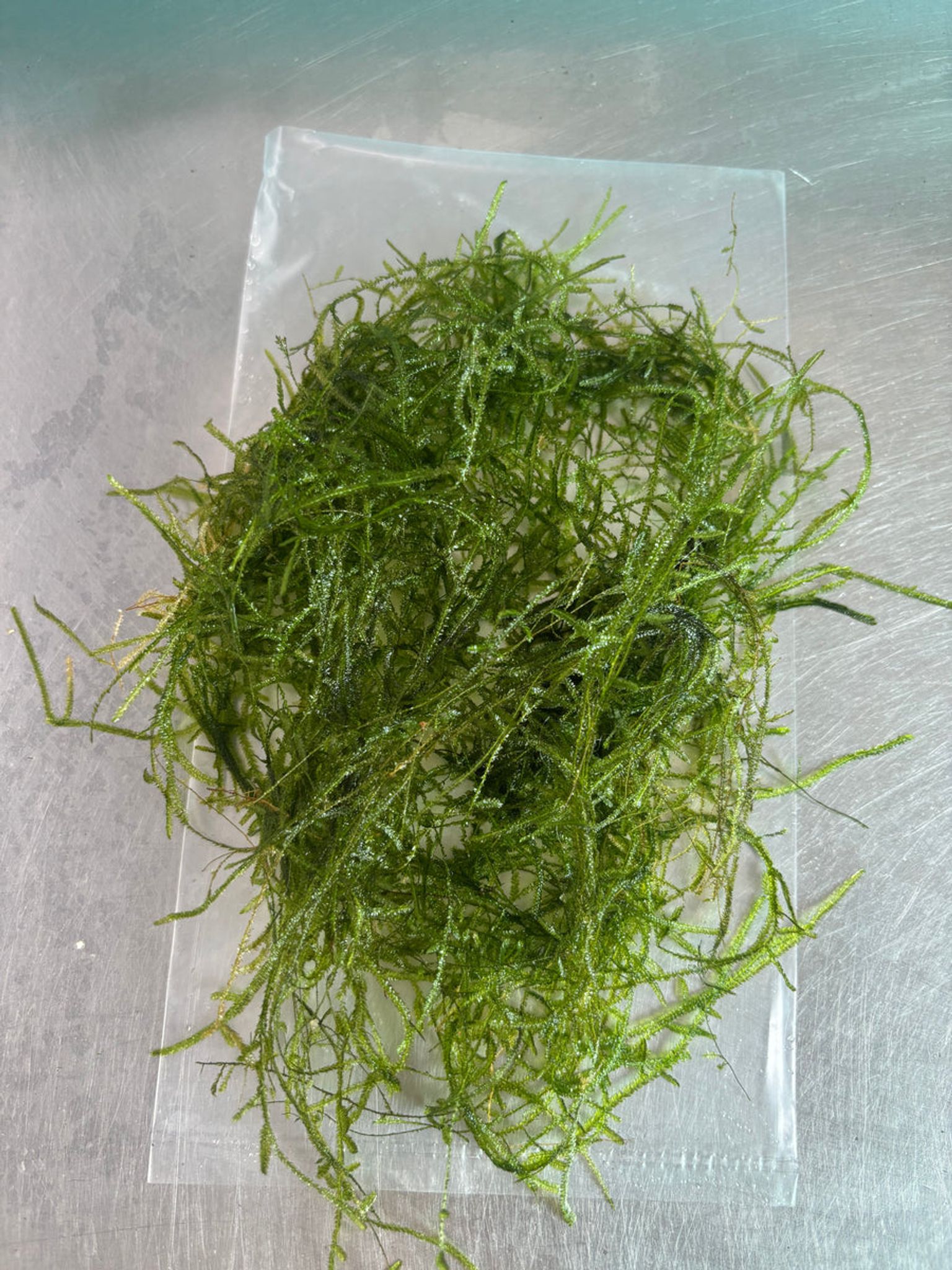
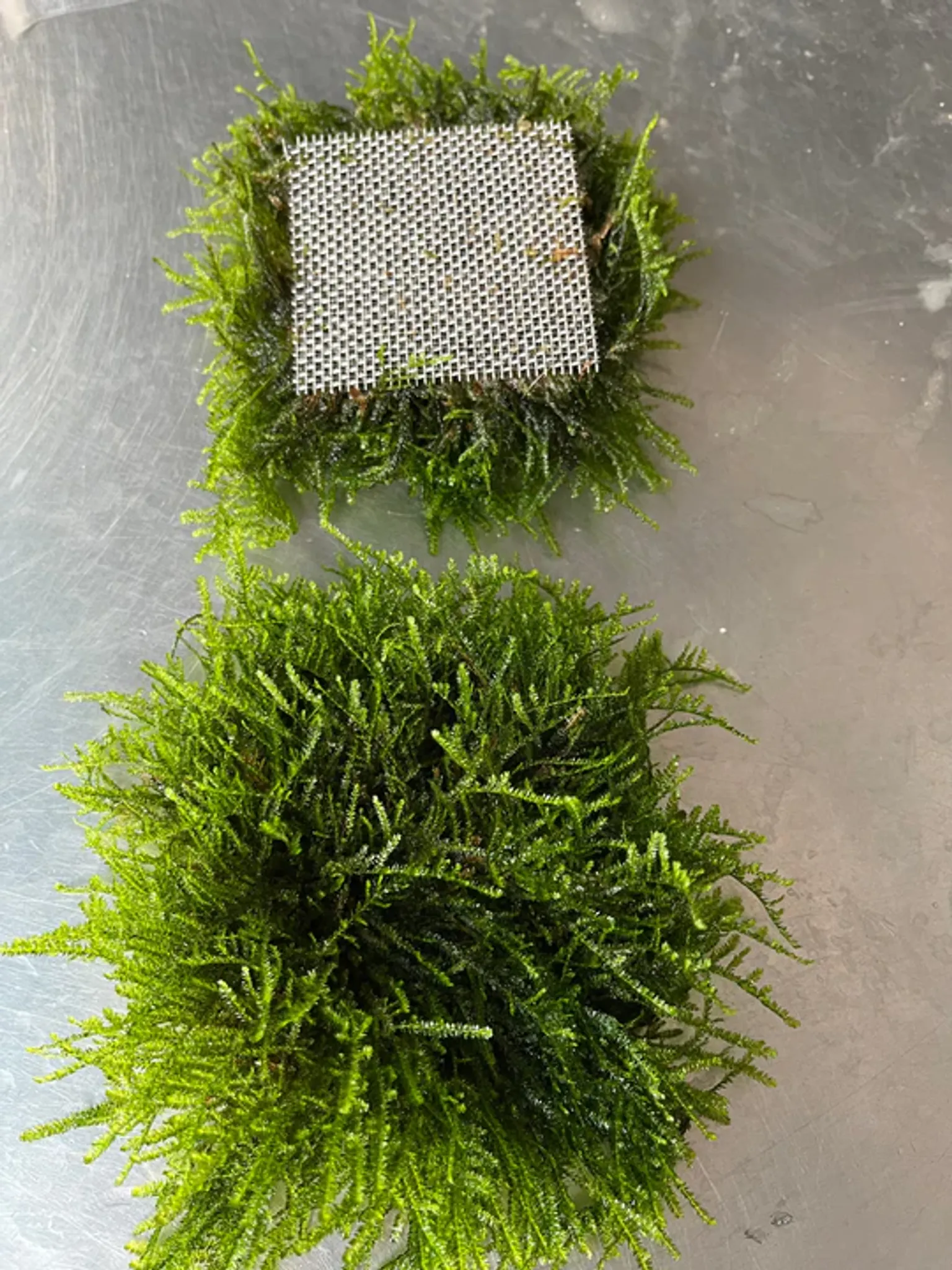
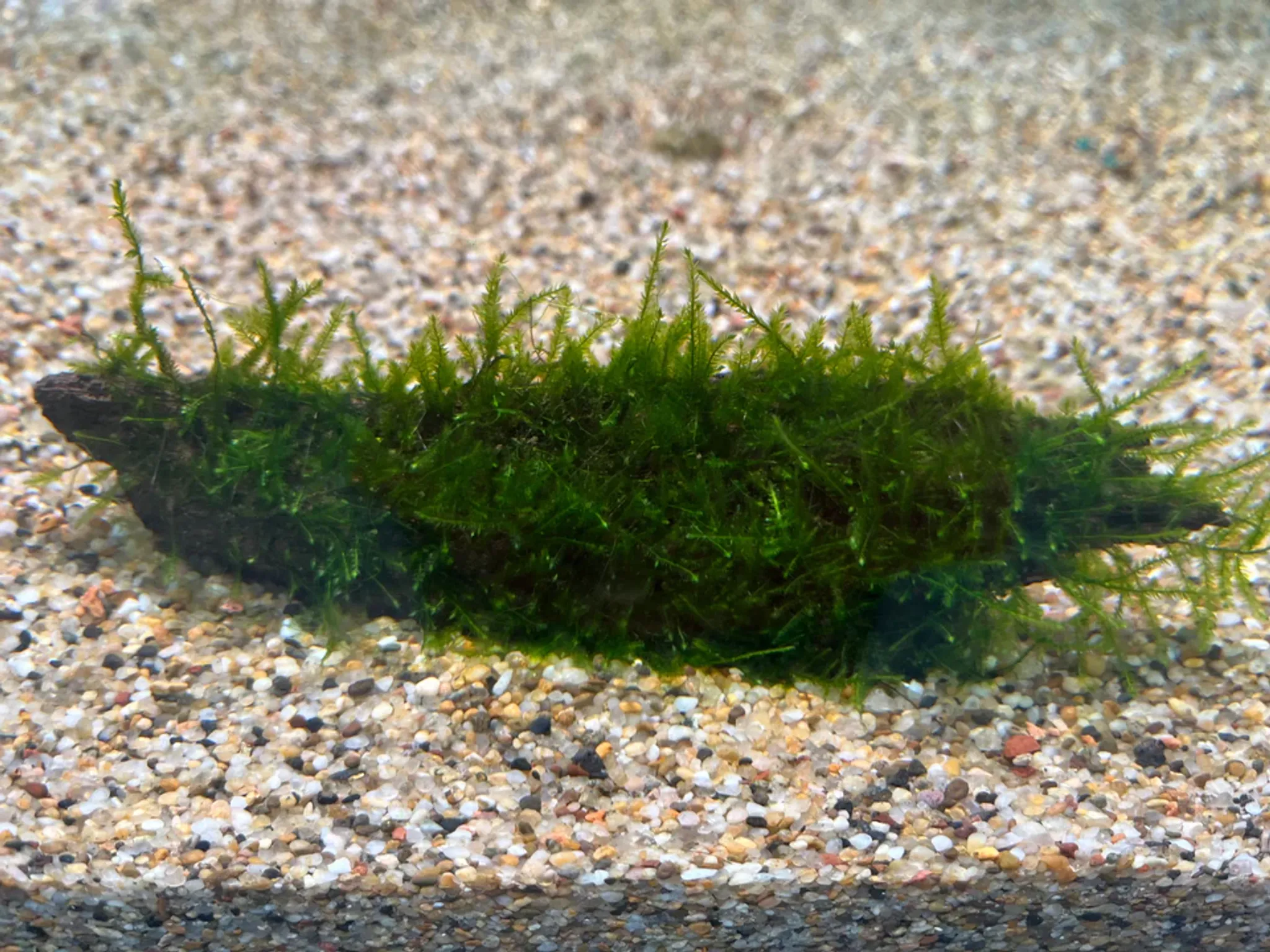
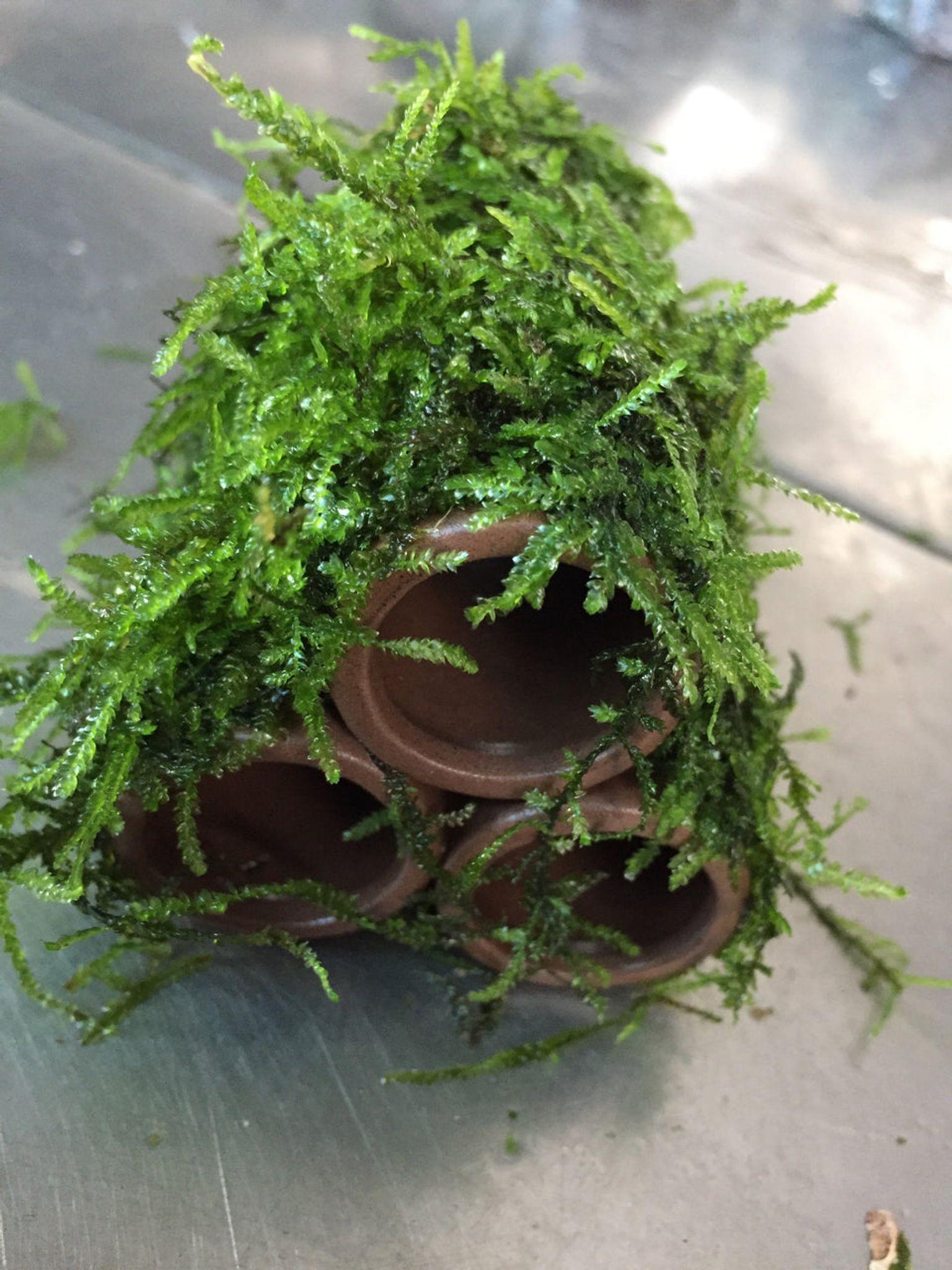
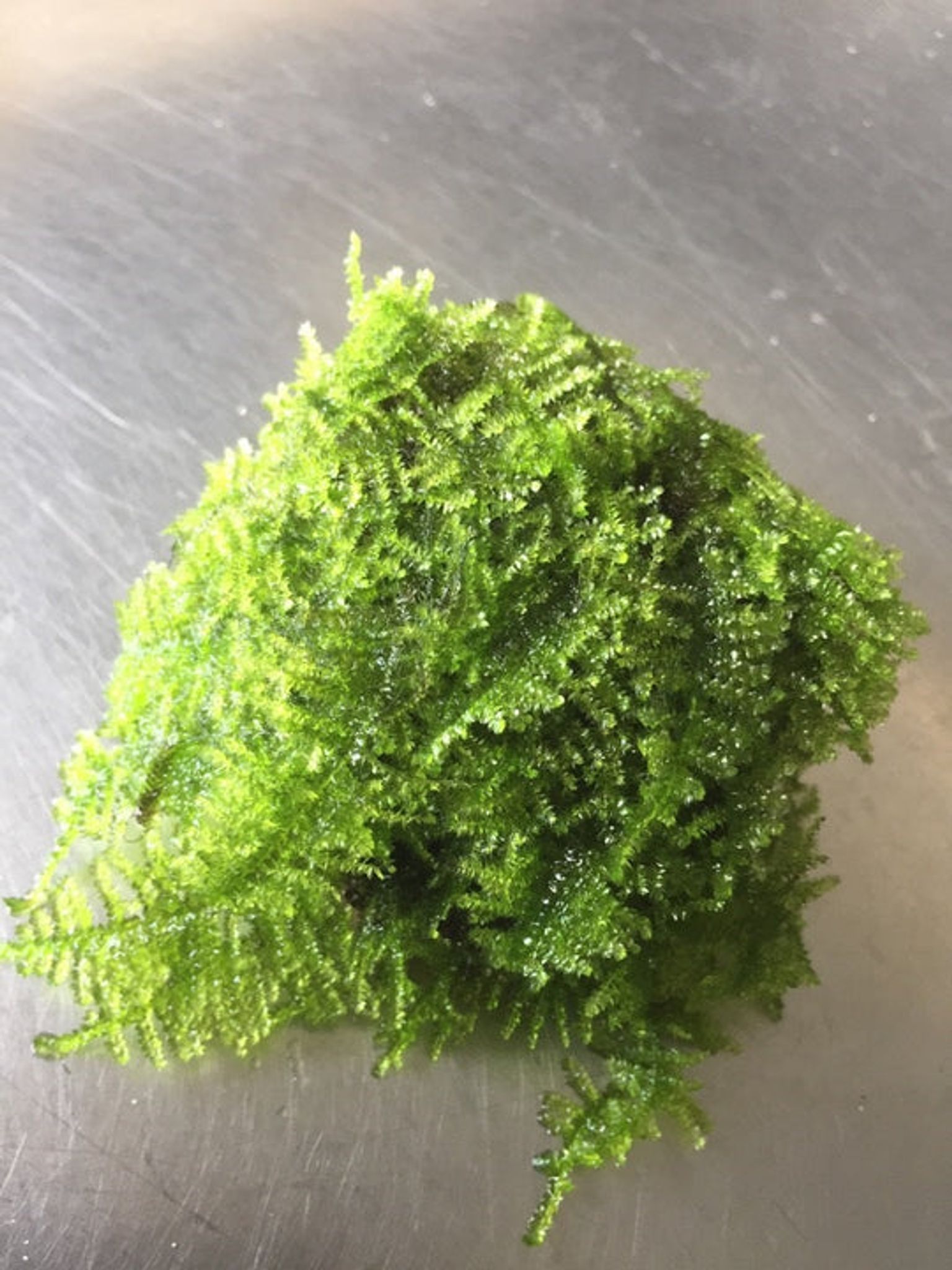
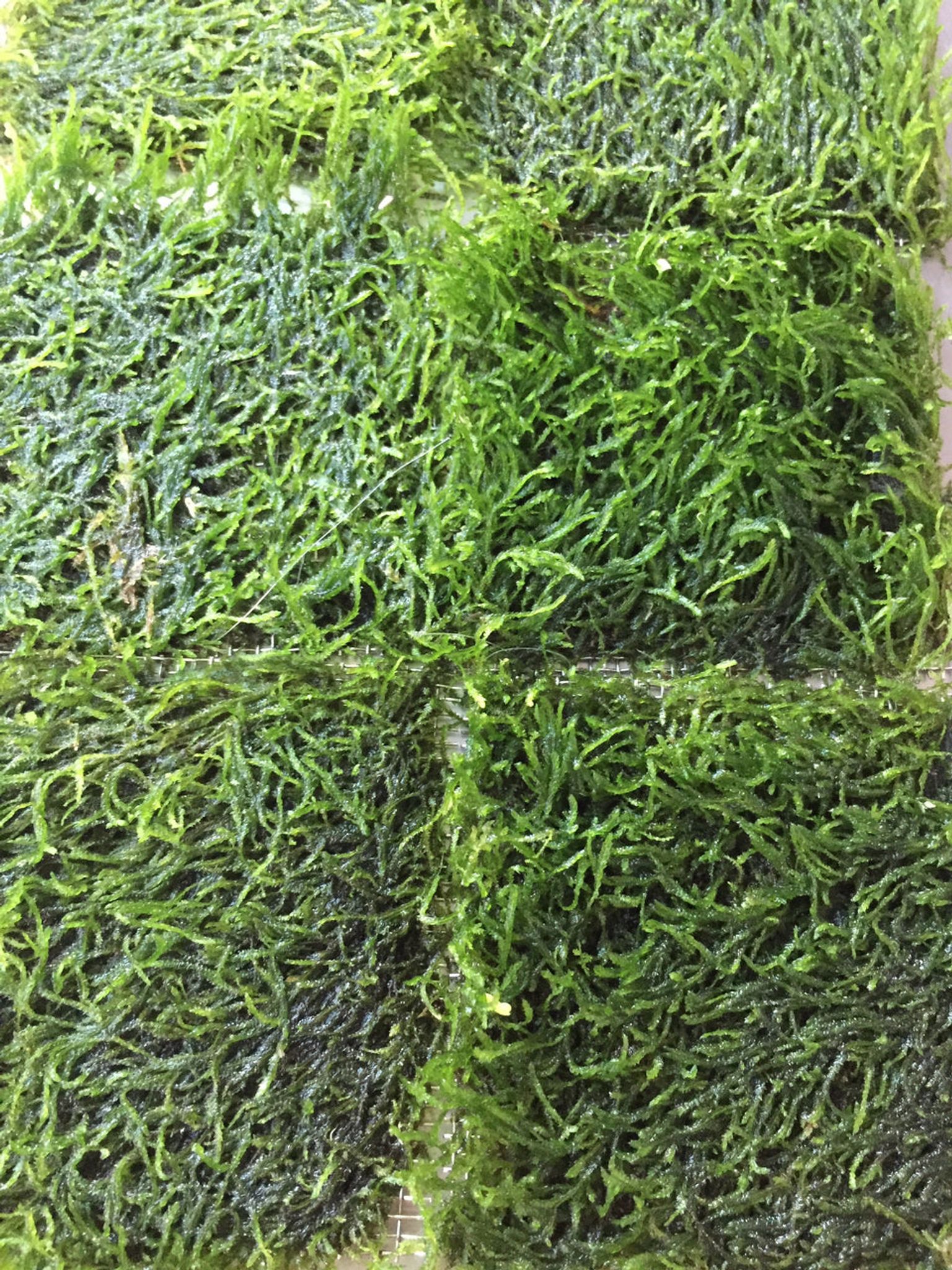
Aquarium mosses can also be attached to wood, stone and mesh to create natural-looking surfaces. They are especially popular in shrimp tanks, nano aquariums and aquascapes that need fine texture.
Many epiphytes are good choices for beginners because they do not require complicated substrate planting.
Beginner-friendly options may include:
Exact difficulty still varies by species and growing conditions, but many epiphytes tolerate lower light and simpler setups well.
Epiphytes are particularly popular in low-tech planted aquariums because many can grow without pressurised CO2.
Moderate lighting, stable water conditions and sensible fertilisation can support many Anubias, Java Fern and Bucephalandra varieties without a complex high-tech setup.
Many aquarium epiphytes do not require pressurised CO2.
Added CO2 may improve growth in some setups, but slow-growing epiphytes are often chosen specifically because they can perform well in simpler aquariums.
Many epiphytes prefer moderate rather than extremely intense lighting.
Because Anubias, Bucephalandra and Java Fern are relatively slow growers, excessively strong lighting can encourage algae to grow on their leaves if the rest of the aquarium is not balanced.
Epiphytes can be positioned directly on driftwood rather than buried in the substrate.
Common attachment methods include:
Avoid crushing or burying the rhizome, and make sure the plant is secure enough that fish or water flow cannot dislodge it.
Rocks provide another excellent surface for epiphyte plants.
Smaller Anubias and Bucephalandra varieties can be placed in cracks or attached to stone surfaces, while moss can be spread across larger areas for a softer, aged appearance.
Many epiphytes such as Anubias, Bucephalandra and Java Fern grow from a horizontal rhizome.
Burying the rhizome deeply can cause it to deteriorate. The roots may extend into or around the substrate, but the main rhizome should generally remain exposed.
Epiphytes are extremely useful for adding detail to rocks and driftwood in an aquascape.
They can soften hard edges, create mature-looking growth on wood and help connect different parts of the hardscape without needing deep substrate.
Small epiphyte varieties work particularly well in nano tanks because they can be attached directly to compact hardscape.
Mini Anubias, small Bucephalandra and mosses can provide texture without taking up large areas of substrate.
Epiphytes are popular in shrimp aquariums because their leaves, roots and surrounding hardscape provide surfaces for biofilm to develop.
Mosses and compact epiphytes can also provide cover for young shrimp while keeping much of the substrate accessible for feeding and maintenance.
Broad-leaved epiphytes such as Anubias can work well in Betta aquariums by providing shaded areas and convenient resting surfaces.
Attach the plants to smooth hardscape and avoid sharp decorations that may damage delicate fins.
Epiphytes can be used in many peaceful community tanks with Tetras, Rasboras, Corydoras, Gouramis and other freshwater fish.
Their slow growth and flexible placement make them useful for adding plant cover without filling every part of the substrate.
Tanks built around large rocks, roots or driftwood can benefit from plants that grow directly on those structures.
Bucephalandra, Anubias and Java Fern can transform bare hardscape into a more established-looking layout while preserving open substrate areas.
Many epiphytes grow more slowly than common stem plants.
This means they often require less frequent trimming, although slow growth also makes it important to manage lighting and algae carefully.
Because epiphytes are not deeply rooted in nutrient-rich substrate, many obtain nutrients largely from the surrounding water.
Liquid fertilisation may be useful in planted aquariums, but dosage should match plant growth, stocking and overall nutrient levels rather than being added excessively.
Many rhizome epiphytes can be propagated by dividing a healthy mature rhizome into sections.
Each section should retain healthy leaves or growth points before being attached to a new piece of hardscape. Propagation methods vary between plant groups, so check the exact species before dividing it.
Slow-growing leaves can remain in place for a long time, giving algae more opportunity to establish on the surface.
Excessive lighting, nutrient imbalance, poor circulation or low plant growth can contribute. Reducing the underlying cause is usually more effective than repeatedly cleaning the leaves alone.
Both are popular rhizome plants that can be attached to rock and wood, but they create different visual effects.
Anubias often has broader, thicker leaves and is widely used in beginner setups, while Bucephalandra offers a particularly wide range of compact leaf shapes, colours and textures.
Java Fern generally creates a taller, more flowing form, while many Anubias varieties remain lower and broader.
Both can be excellent choices for low-tech aquariums and can be combined on the same hardscape to create different heights and leaf textures.
When comparing epiphytes for sale, look for:
Minor leaf damage does not always indicate a poor plant, especially if the rhizome and new growth remain healthy.
Epiphyte plant prices in Singapore vary depending on species, cultivar, plant size, rarity and seller.
Common Anubias and Java Fern may be relatively affordable, while uncommon Bucephalandra cultivars or larger established clumps can cost more.
FishyHub brings epiphyte plant listings from aquatic plant shops, growers and aquarium sellers across Singapore together in one marketplace, making it easier to compare plants from multiple sources.
When comparing epiphytes, consider:
Seller inventory changes regularly, especially for named Bucephalandra varieties and larger established plants.
They are plants that can grow attached to hard surfaces such as rocks and driftwood rather than needing to be buried deeply in substrate.
Anubias, Bucephalandra, Java Fern and many aquarium mosses can be attached to driftwood.
The roots can contact or enter substrate, but the rhizome should generally remain exposed rather than being buried deeply.
Many Bucephalandra varieties can grow without pressurised CO2, although added CO2 may improve growth in some setups.
Yes. Java Fern is widely considered a hardy, beginner-friendly plant and does not require nutrient-rich substrate.
Suitable epiphyte plants can be attached to rocks using a small amount of aquarium-safe glue. Avoid covering the entire rhizome or damaging the plant tissue.
Yes. Anubias, Java Fern and many Bucephalandra varieties are popular choices for low-tech planted aquariums.
Yes. Their leaves, roots and hardscape surfaces can develop biofilm and provide useful grazing and shelter areas for freshwater shrimp.
Explore epiphyte aquarium plants for sale on FishyHub and compare Anubias, Bucephalandra, Java Fern, mosses and other hardscape plants from sellers across Singapore. Compare varieties, plant sizes, lighting requirements and prices to find suitable epiphytes for your planted aquarium.
