1–5 of 5
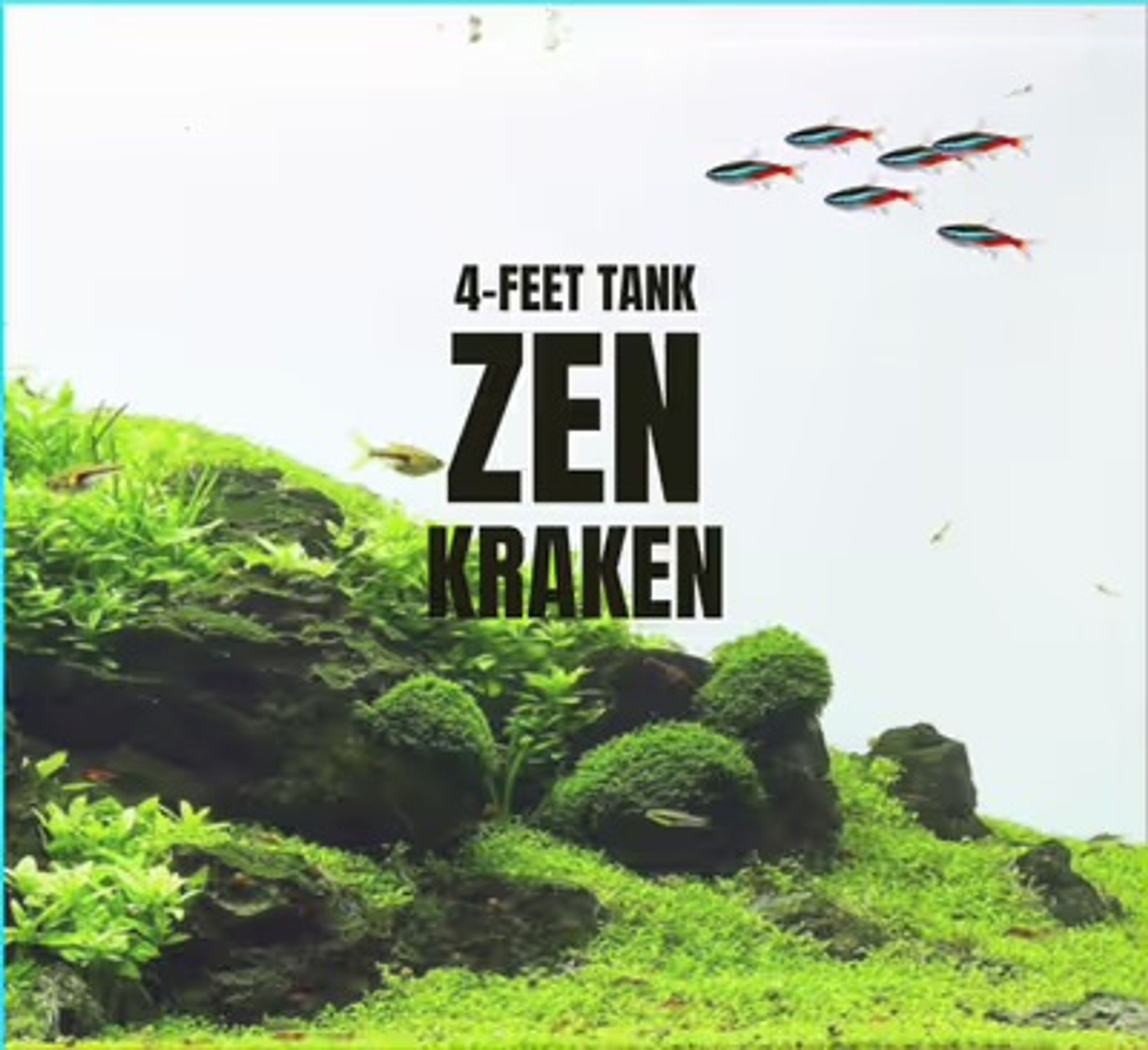
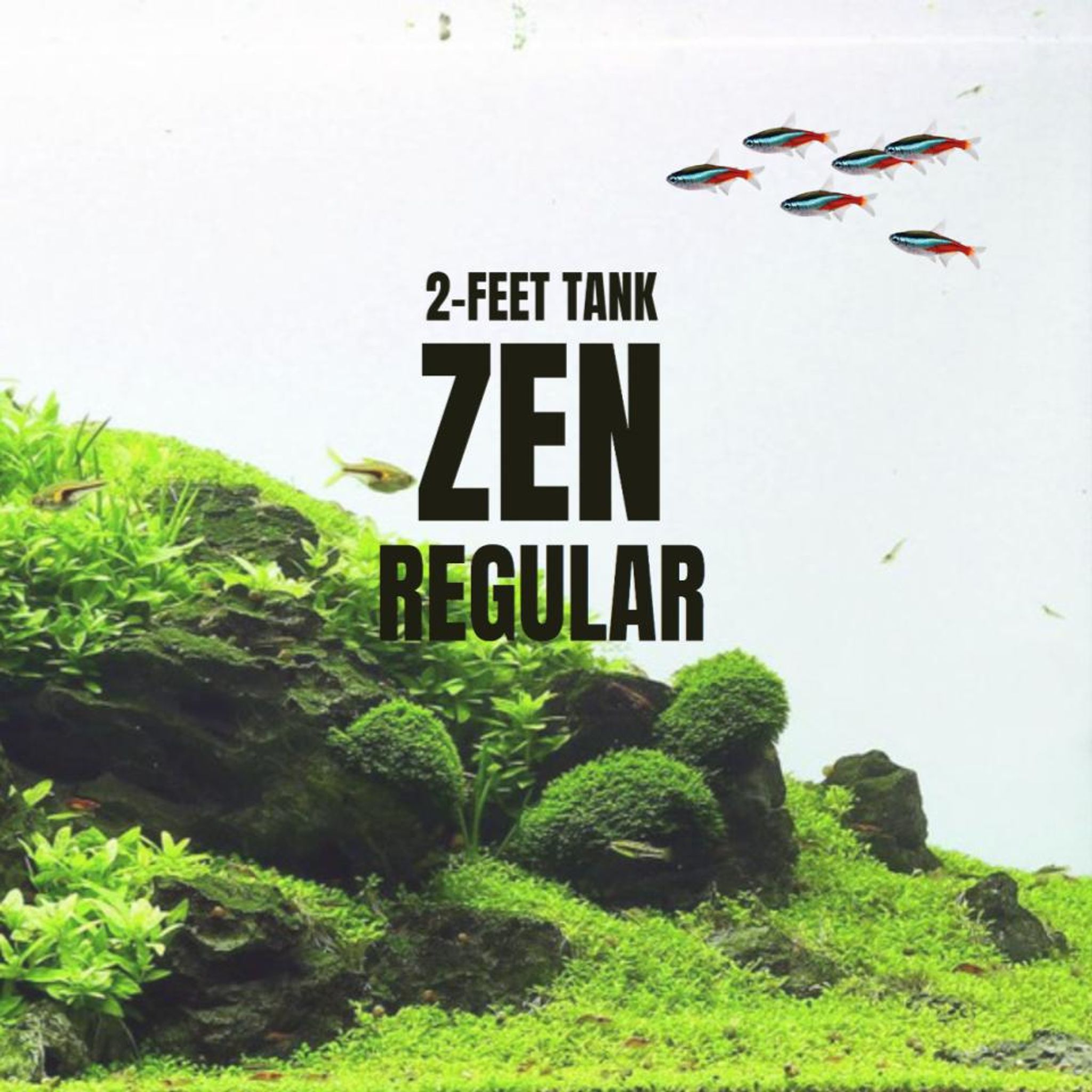
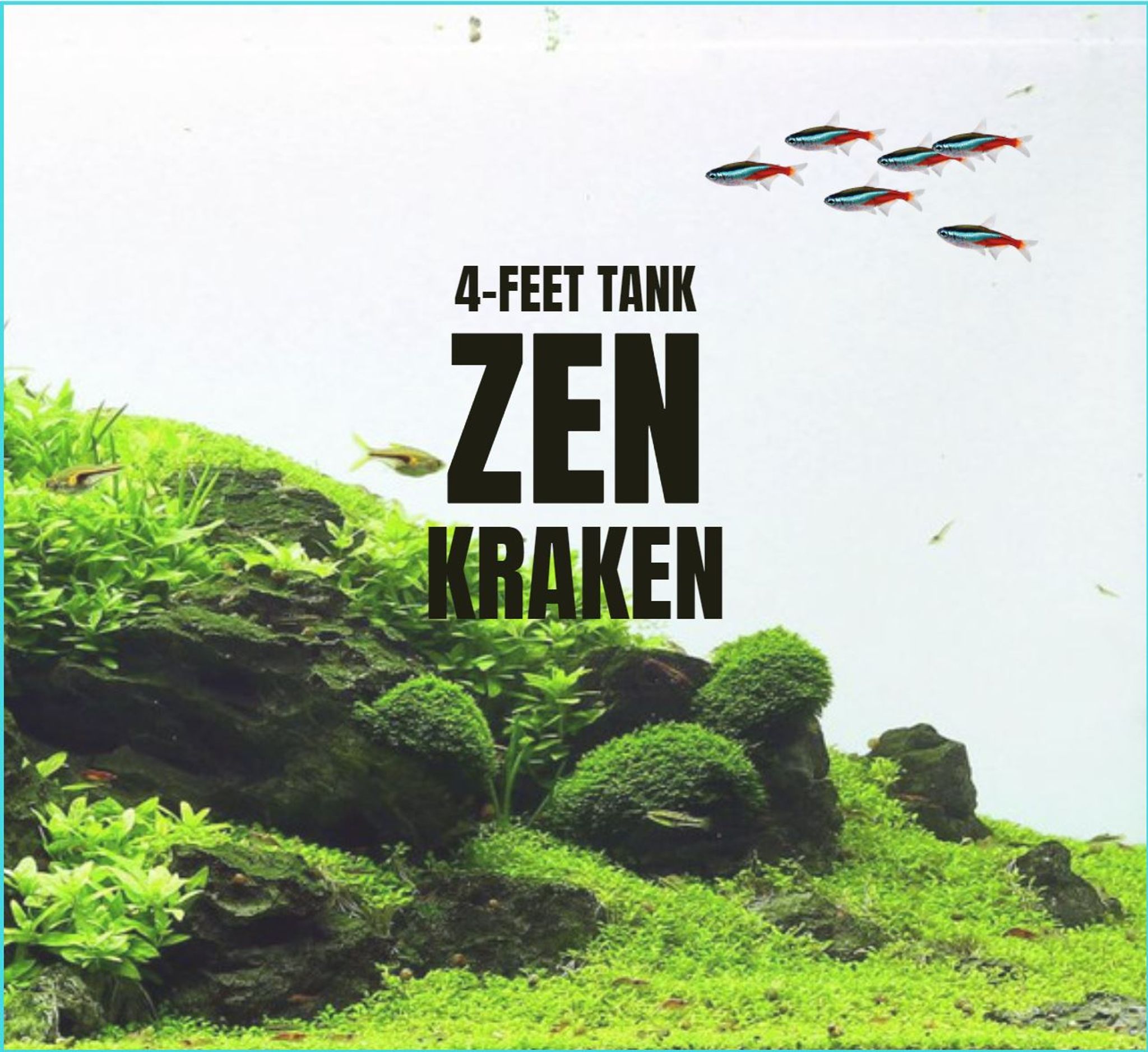
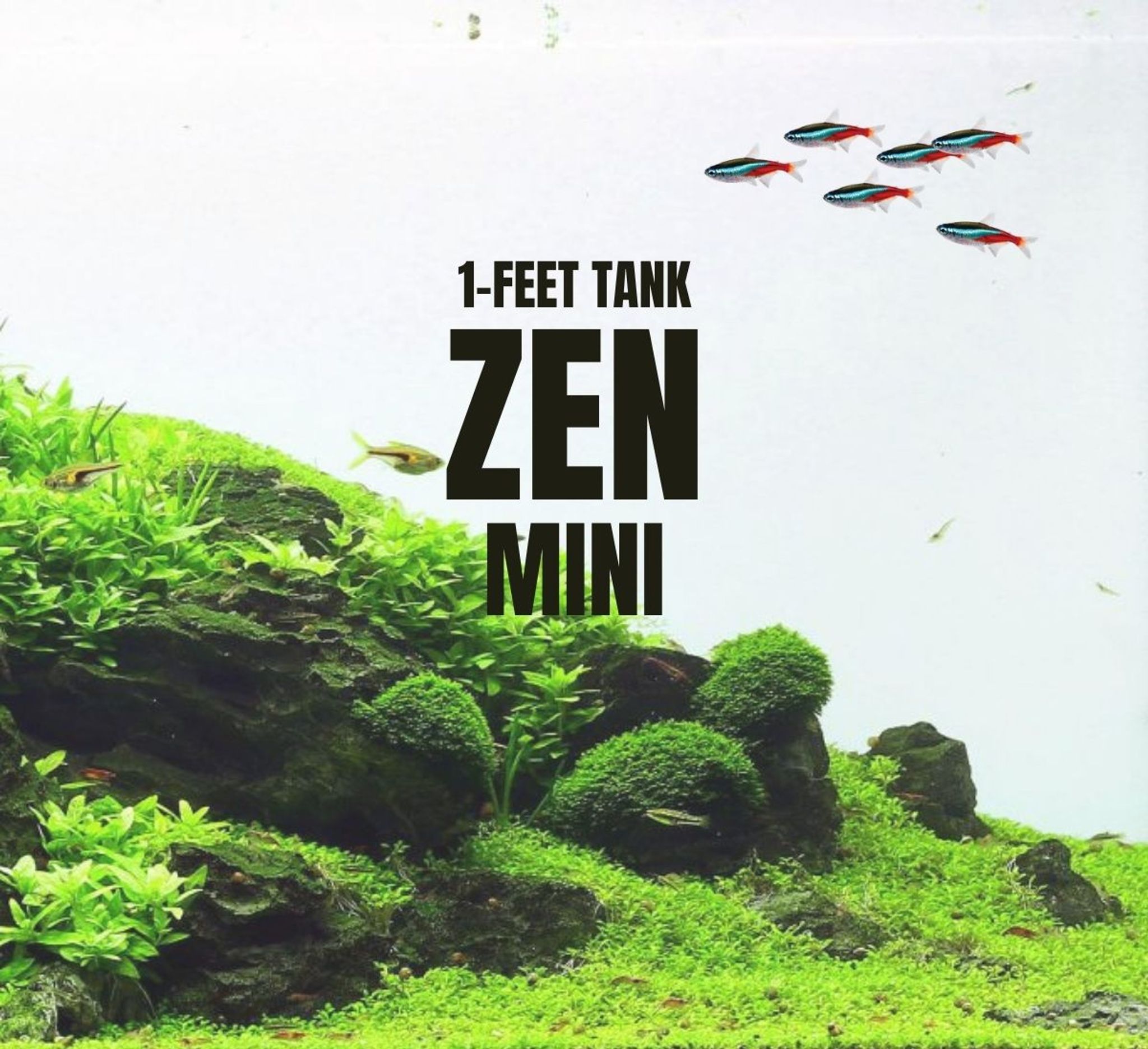
Explore Zen Adventure Packs in Singapore on FishyHub. These complete aquarium starter kits are designed around the Iwagumi aquascaping style, using carefully arranged stones, open space and low-growing plants to create a clean and minimalist underwater landscape.
Iwagumi aquascapes are known for simplicity, balance and strong visual structure. Rather than relying on dense planting or elaborate decorations, the design focuses on rock placement, negative space and a restrained plant palette.
Iwagumi is a minimalist aquascaping style centred on the arrangement of stones and a simple planted foreground.
The layout usually uses a limited number of rock types and plant species, creating a calm and uncluttered appearance. Even though the final result can look simple, good Iwagumi design depends heavily on proportion, stone positioning and plant growth.
Depending on the specific pack, a complete Iwagumi-style setup may include:
Exact contents vary between Zen Adventure Packs, so check each listing carefully to see which equipment, stones and plants are included.
Stones are the visual backbone of an Iwagumi aquarium.
Rather than placing rocks randomly, the layout usually uses one dominant stone supported by smaller stones to create direction and balance. The goal is to make the hardscape feel intentional while still looking natural.
In traditional Iwagumi composition, the largest or most visually important stone acts as the main focal point.
Smaller stones support the composition by repeating angles, creating depth and guiding the eye across the aquarium. Using stones with similar texture helps the layout feel unified.
Different rock types can produce very different visual effects in an Iwagumi tank.
Aquascapers may use stones such as:
Different rocks can affect water chemistry differently, so the selected stone should be appropriate for the livestock and plants planned for the aquarium.
Iwagumi aquascapes usually use a limited plant palette so the stones remain the main visual feature.
Depending on the setup, suitable plants may include:
Plant choice should match the aquarium lighting, substrate and whether CO2 injection is being used.
A low carpet of plants is one of the most recognisable features of many Iwagumi aquascapes.
The carpet creates the impression of an underwater grassland and allows the stone composition to remain clearly visible. Different carpeting plants vary substantially in growth speed and difficulty.
It depends on the plants used.
Many classic carpeting plants grow more densely and consistently with suitable CO2 injection. However, lower-tech Iwagumi-inspired setups can be created using less demanding plant species without pressurised CO2.
Lighting should be matched to the carpet plants and tank depth.
More demanding foreground plants may need stronger and more consistent lighting, while lower-tech setups can use moderate light. Excessive lighting without balanced plant growth can encourage algae.
Substrate plays both a practical and visual role in Iwagumi design.
Aquascaping soil can support rooted foreground plants, while sloping the substrate from front to back can create a stronger sense of depth. The stones should be positioned securely before the aquarium is filled.
Depth is often created through stone size, placement and substrate elevation rather than through dense layers of plants.
Larger stones in the foreground, smaller stones toward the rear and carefully positioned open areas can make the aquarium appear deeper than its physical dimensions suggest.
Empty space is an important part of the composition.
Leaving open areas between stones and plants prevents the layout from feeling crowded and helps draw attention to the main hardscape. In Iwagumi, what is deliberately left empty can be just as important as what is added.
Small schooling fish are popular in Iwagumi tanks because a single moving group complements the simplicity of the layout.
Depending on tank size, suitable fish may include:
Using one main schooling species can preserve the clean visual character of the aquascape.
Freshwater shrimp can add subtle movement to an Iwagumi aquarium without competing visually with the stone layout.
Carpet plants and textured rocks can provide grazing surfaces, although young shrimp may need additional shelter depending on the fish kept in the aquarium.
Iwagumi works especially well in nano aquariums because a small number of carefully selected stones can create a strong visual composition.
Smaller rocks and fine-textured plants help maintain the illusion of scale, while livestock should still be chosen according to the actual water volume.
Iwagumi can look simple, but traditional high-growth setups are not always the easiest planted tanks for complete beginners.
The open layout can make algae more noticeable, while carpeting plants may need good lighting, nutrients and CO2. A beginner-friendly Zen Adventure Pack can simplify the concept by using more forgiving plants and appropriately matched equipment.
It is possible to create an Iwagumi-inspired layout without a full high-tech planted system.
Choosing slower-growing foreground plants and moderate lighting can preserve the minimalist stone-focused aesthetic while reducing equipment complexity.
A typical setup process may include:
Taking time with the dry hardscape stage can make a major difference because the stones define the composition before plants begin to grow around them.
Routine care may include:
Because Iwagumi layouts are visually clean, overgrown plants or algae can quickly change the intended appearance.
Iwagumi and jungle-style aquariums create almost opposite visual effects.
Iwagumi focuses on minimalism, open space and carefully arranged stones, while jungle aquascapes use dense planting and a more organic, overgrown appearance. The right choice depends on whether you prefer visual restraint or lush complexity.
Iwagumi is one form of nature-inspired aquascaping, but it uses a particularly restricted visual language.
Broader nature aquarium layouts may combine wood, rocks and many plant forms, while Iwagumi relies primarily on stone composition and a small selection of plants.
Zen Adventure Pack prices vary depending on aquarium size, lighting, filtration, substrate, rock selection, plants and whether CO2 equipment is included.
A compact low-tech Iwagumi-inspired kit may be relatively simple, while larger high-tech setups with premium aquascaping stone, stronger lighting and CO2 can cost more.
When comparing Iwagumi aquarium starter kits, consider:
The best pack is one that matches both the Iwagumi look you want and the amount of planted-tank maintenance you are prepared to manage.
Iwagumi refers to a stone-focused aquascaping style that uses carefully arranged rocks, open space and a relatively simple plant palette.
Iwagumi layouts often use an odd number of stones, but there is no requirement that every aquarium follow a fixed number. Visual balance and composition are more important than forcing a specific count.
Not always, but many classic carpeting plants perform better with suitable CO2. Low-tech Iwagumi-inspired layouts can use less demanding plant species instead.
Monte Carlo, Dwarf Hairgrass, Glossostigma, Marsilea and other low-growing plants are commonly used depending on lighting and CO2 availability.
Small schooling fish such as selected Tetras and Rasboras are popular because a single moving group complements the clean layout.
It can be, especially when a beginner-friendly setup uses more forgiving plants. Traditional high-tech Iwagumi tanks can require careful lighting, CO2 and plant maintenance.
Yes. An Iwagumi-inspired tank can be created without pressurised CO2 by choosing suitable lower-demand plants and accepting slower growth.
It depends on the individual pack. Check the listing to confirm whether livestock is included, optional or sold separately.
Explore Zen Adventure Packs on FishyHub and compare complete Iwagumi aquarium starter kits with tanks, filtration, lighting, substrate, aquascaping stones and foreground plants. Choose a minimalist planted setup suited to your space, maintenance preference and aquascaping experience.