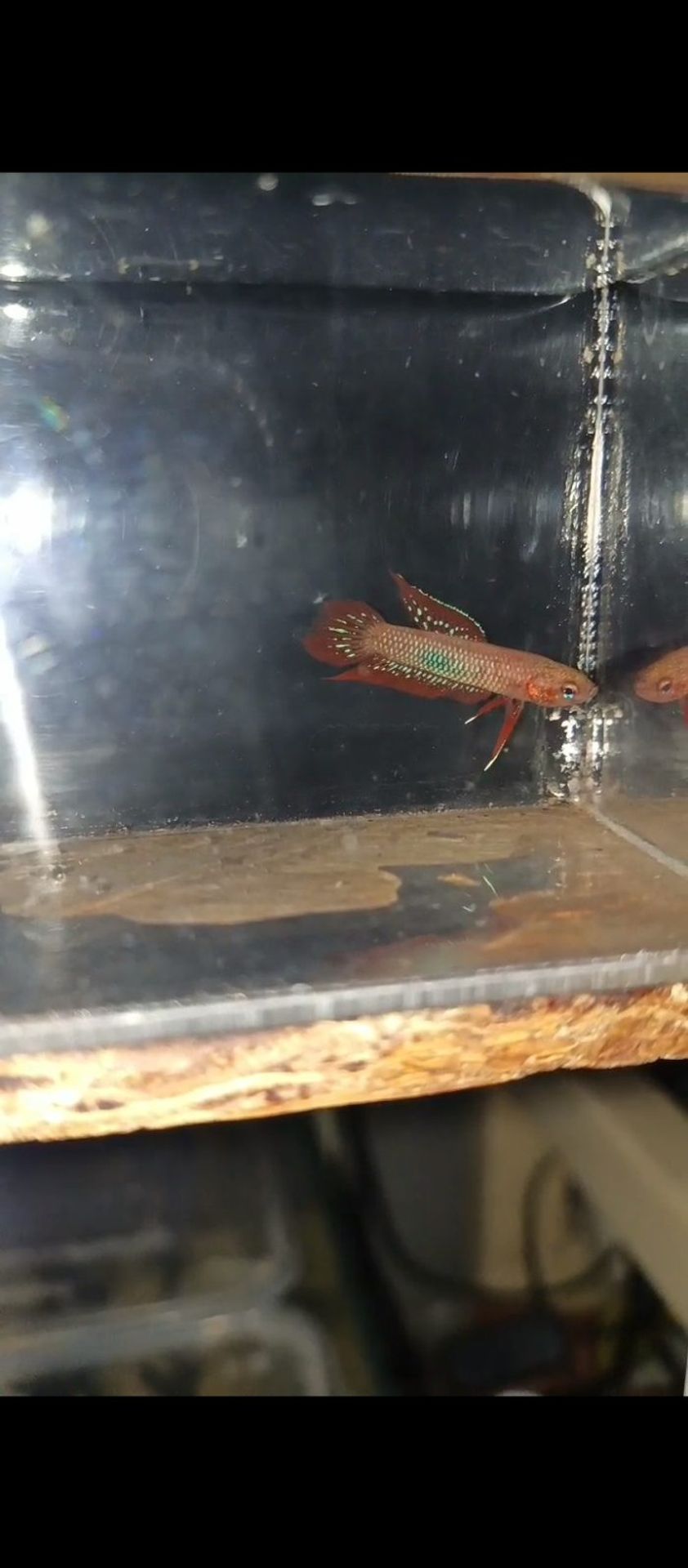
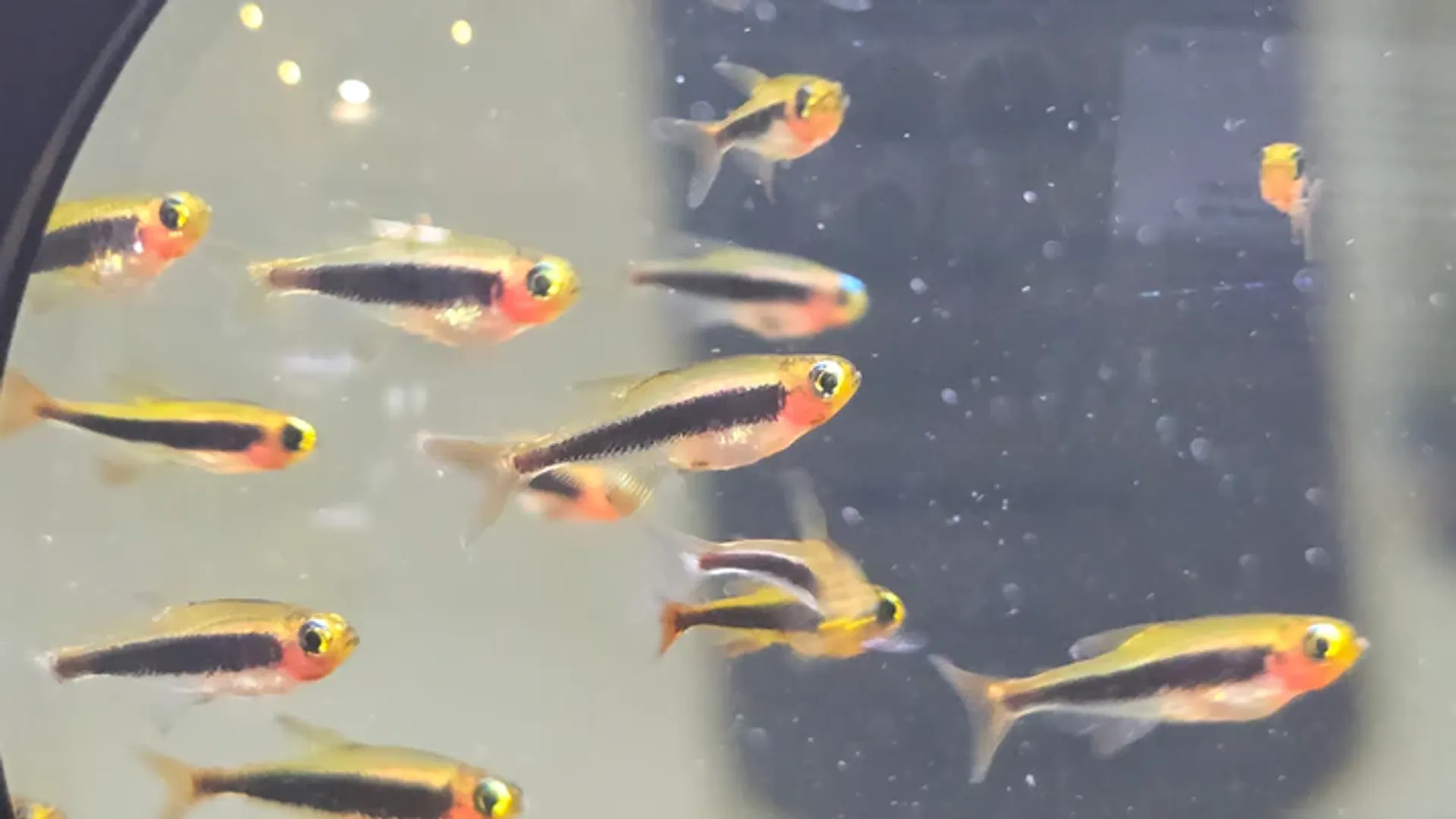
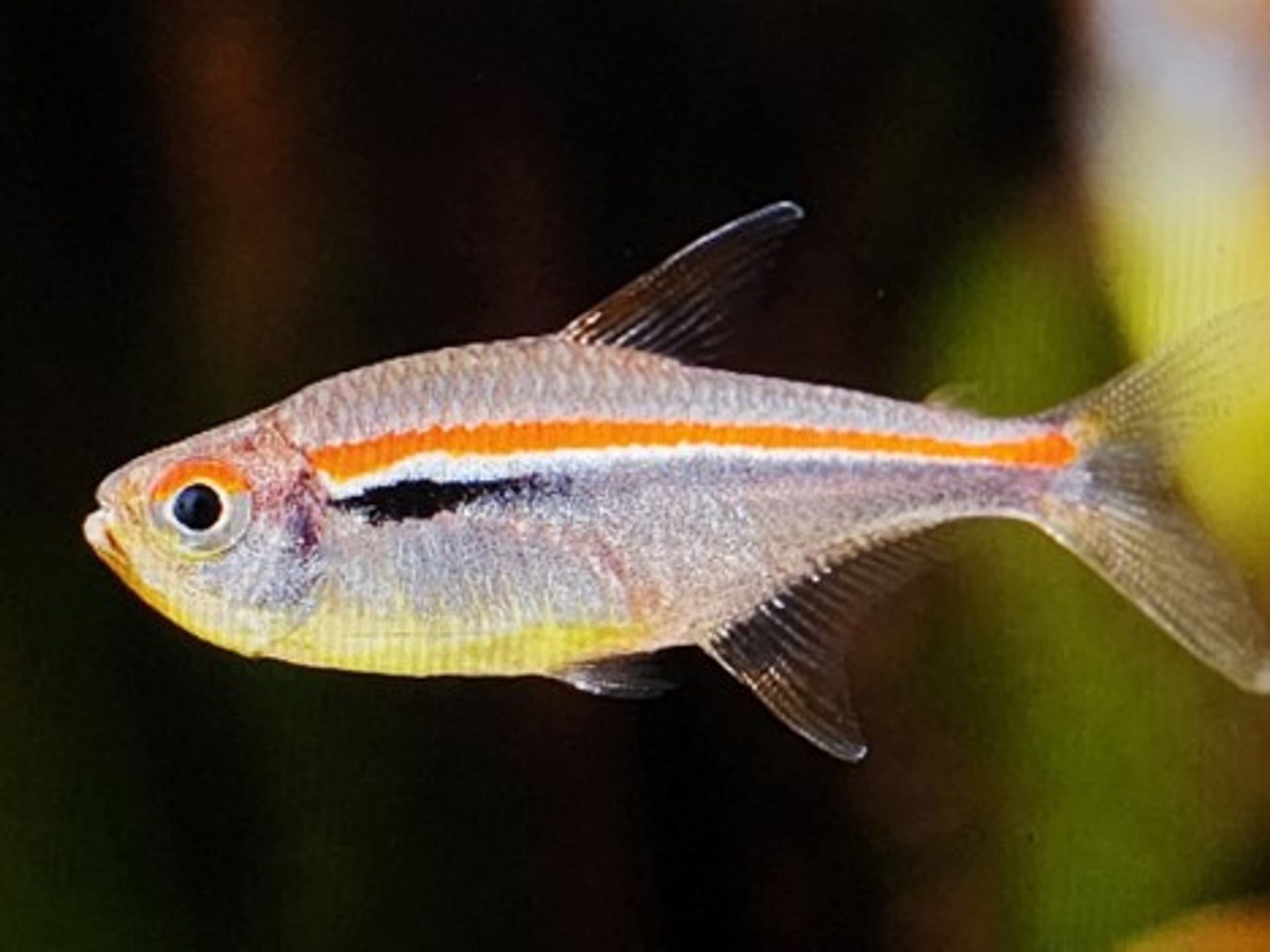
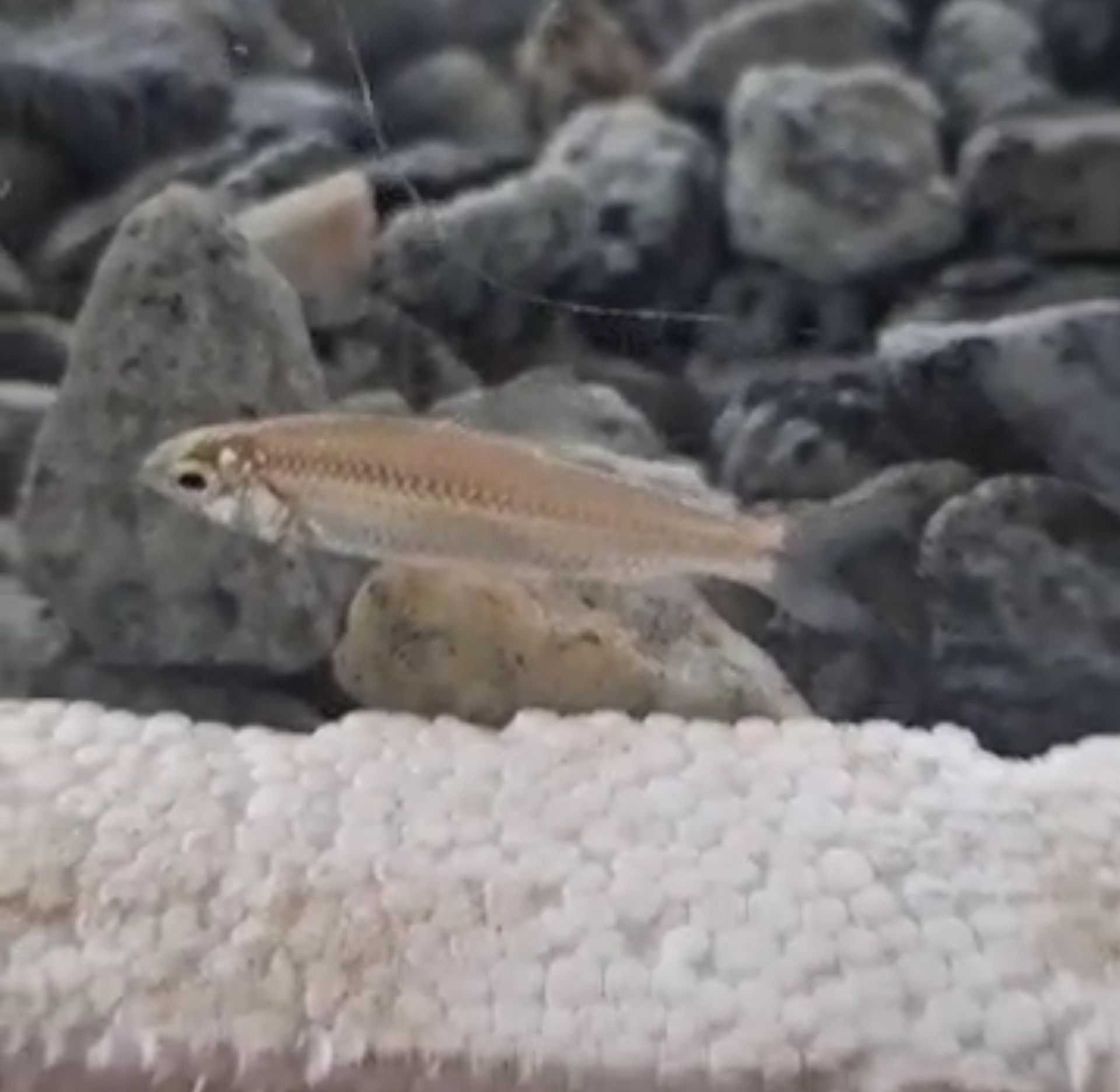
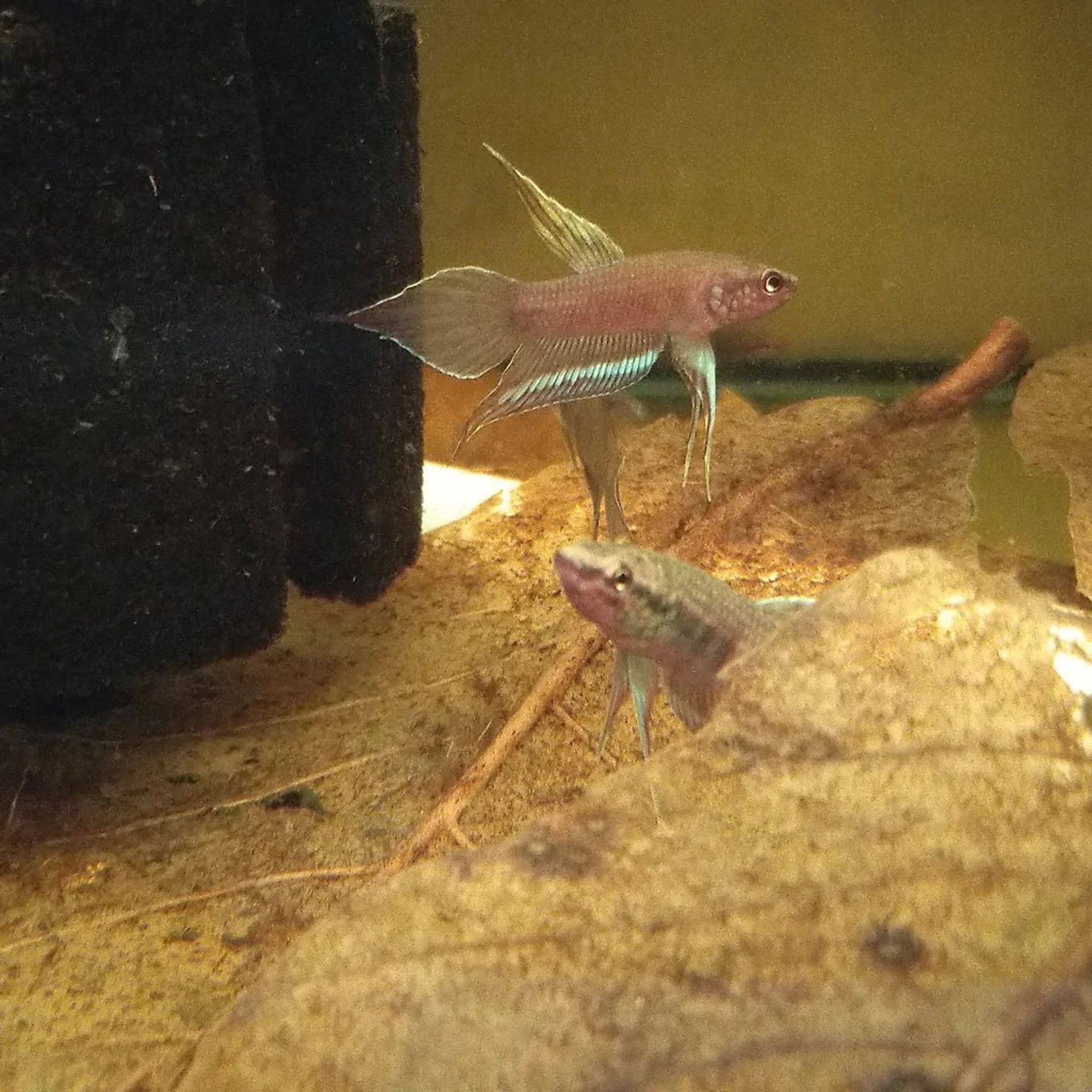
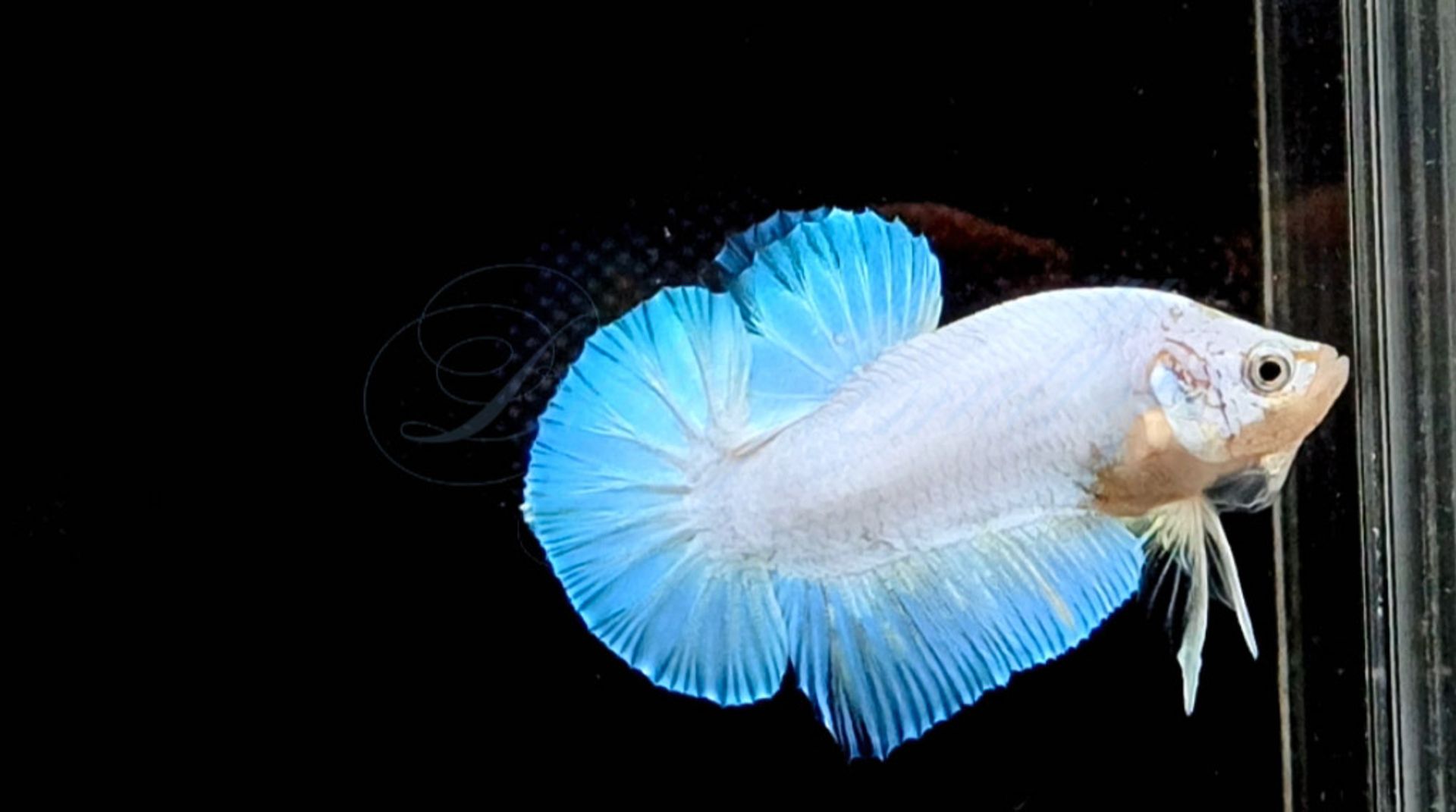
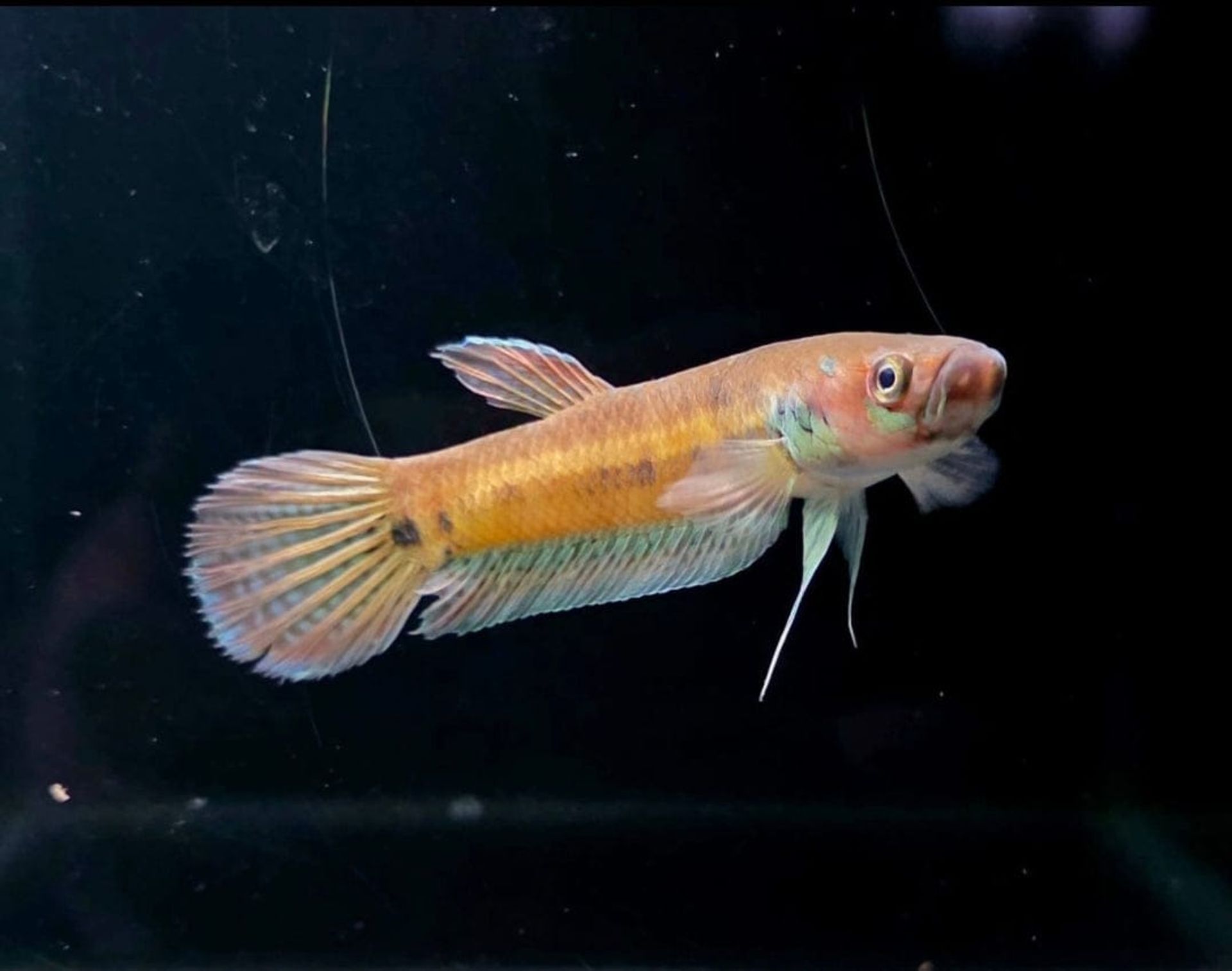
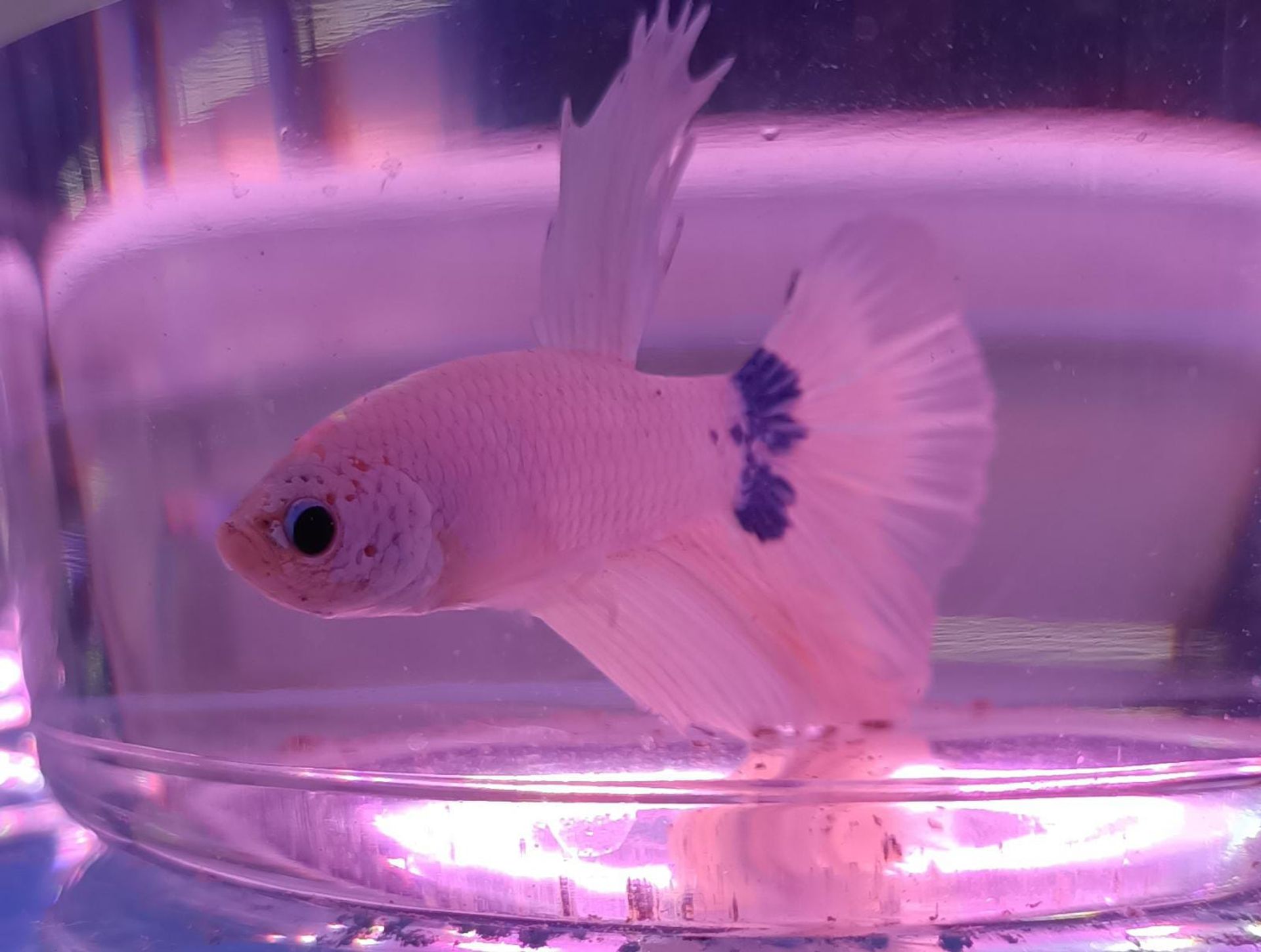
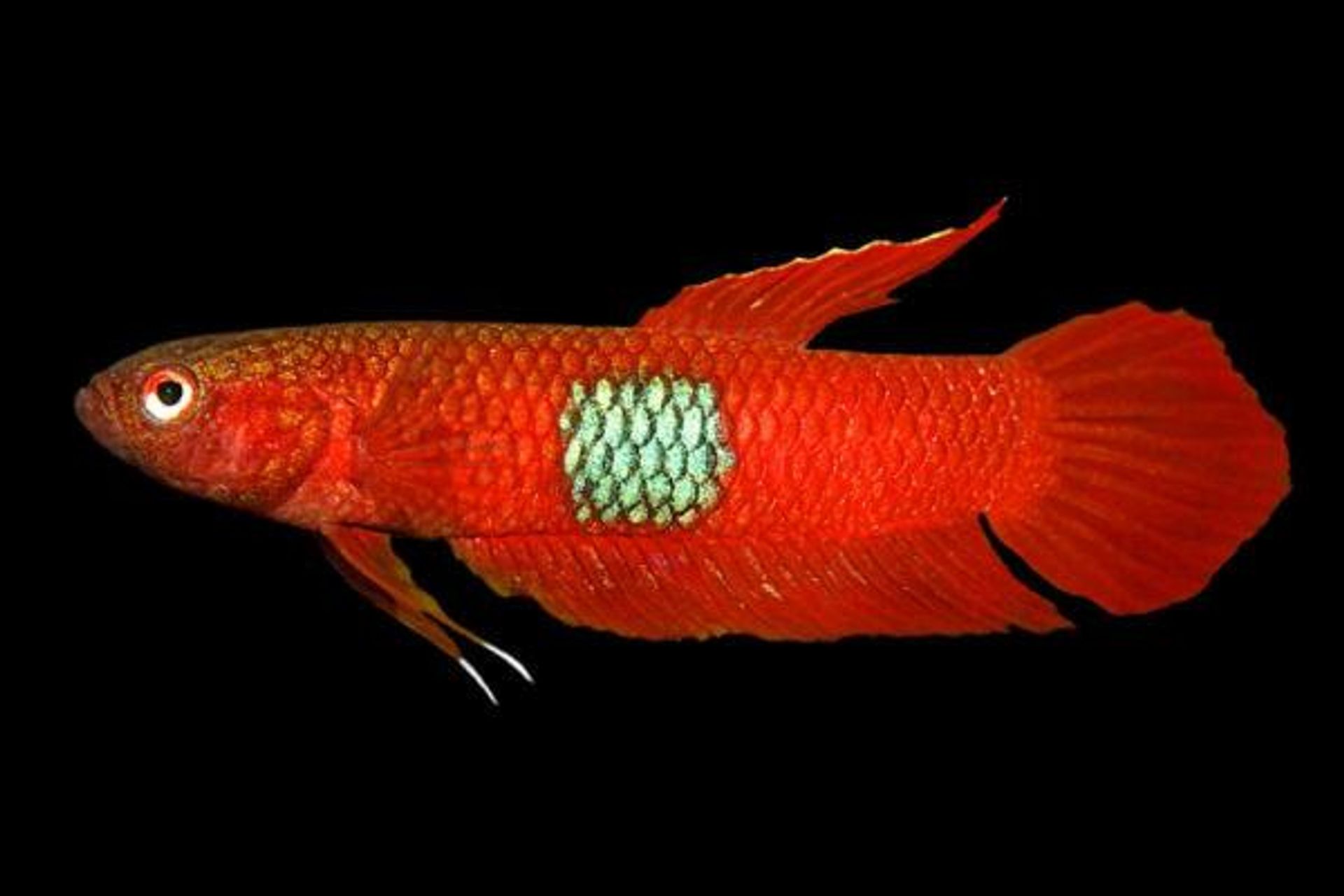
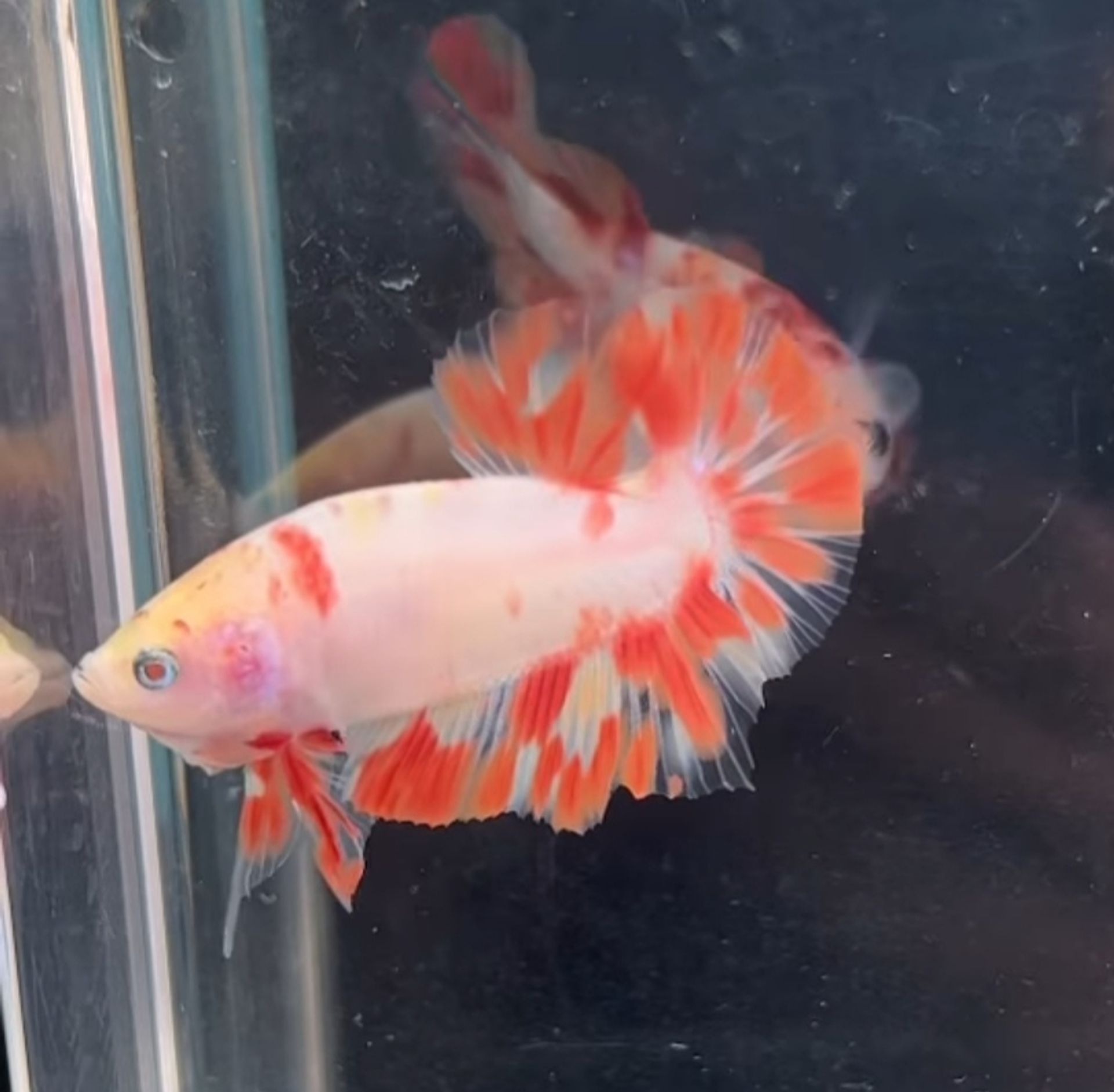
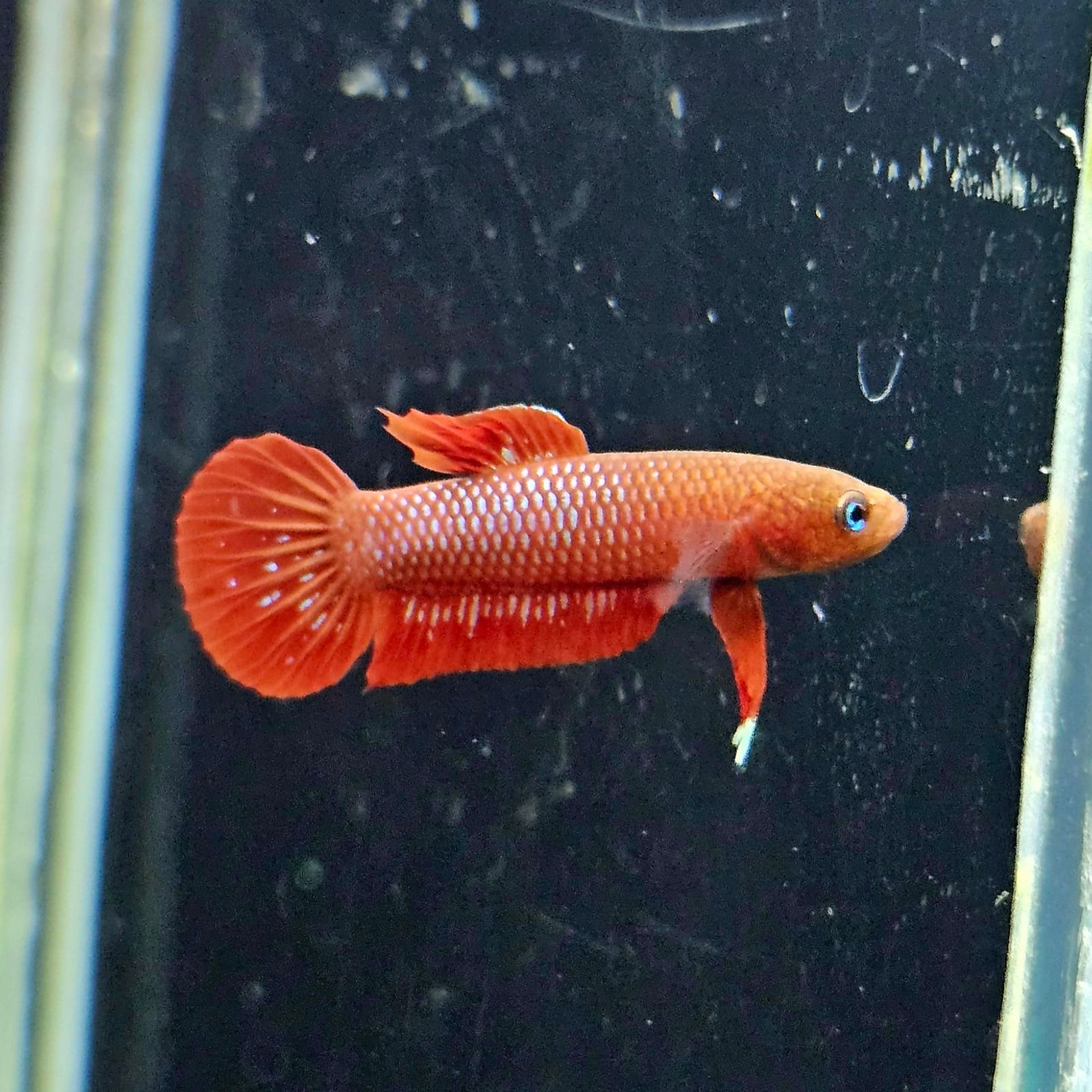
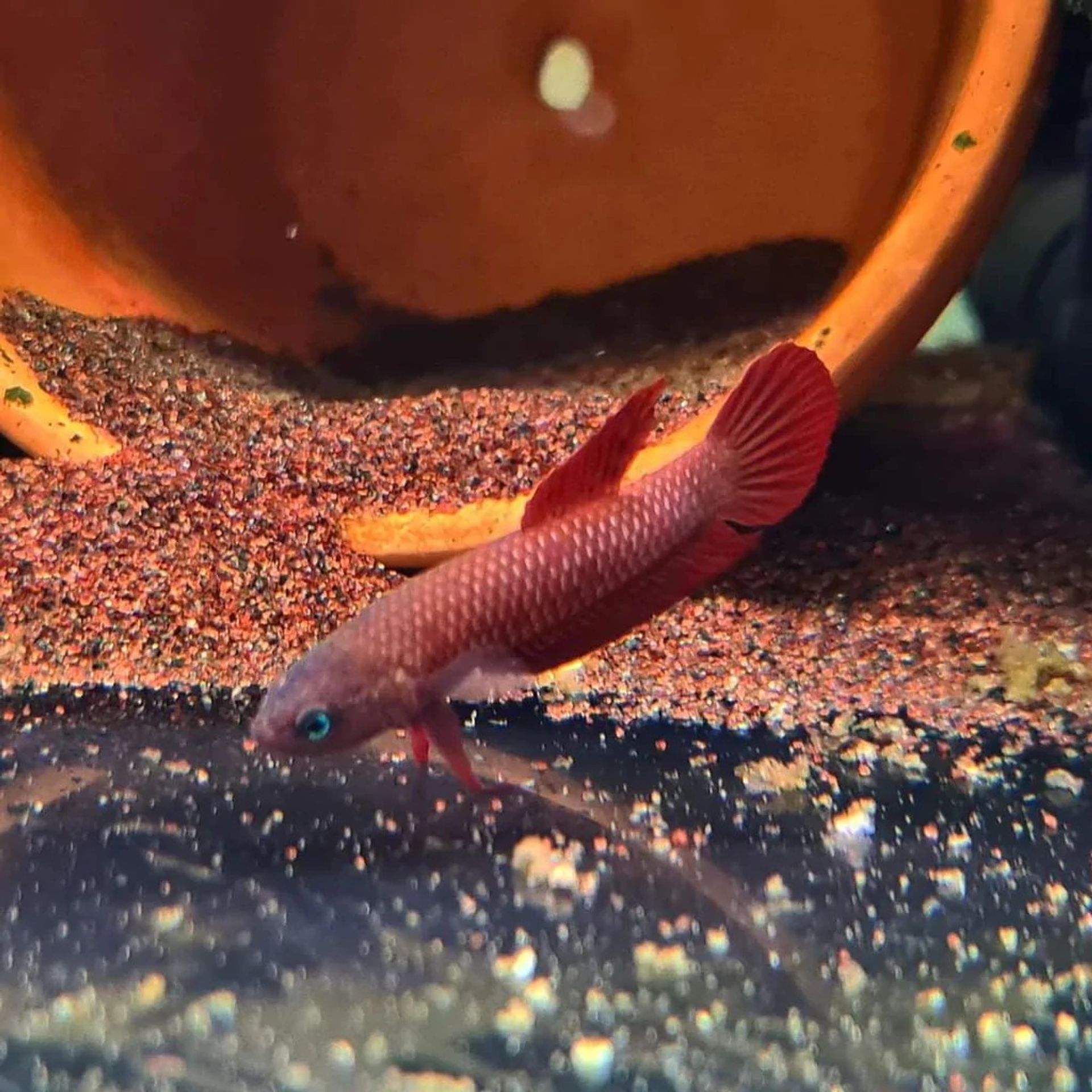
A tiny, high-pH brawler that guards its territory fiercely.
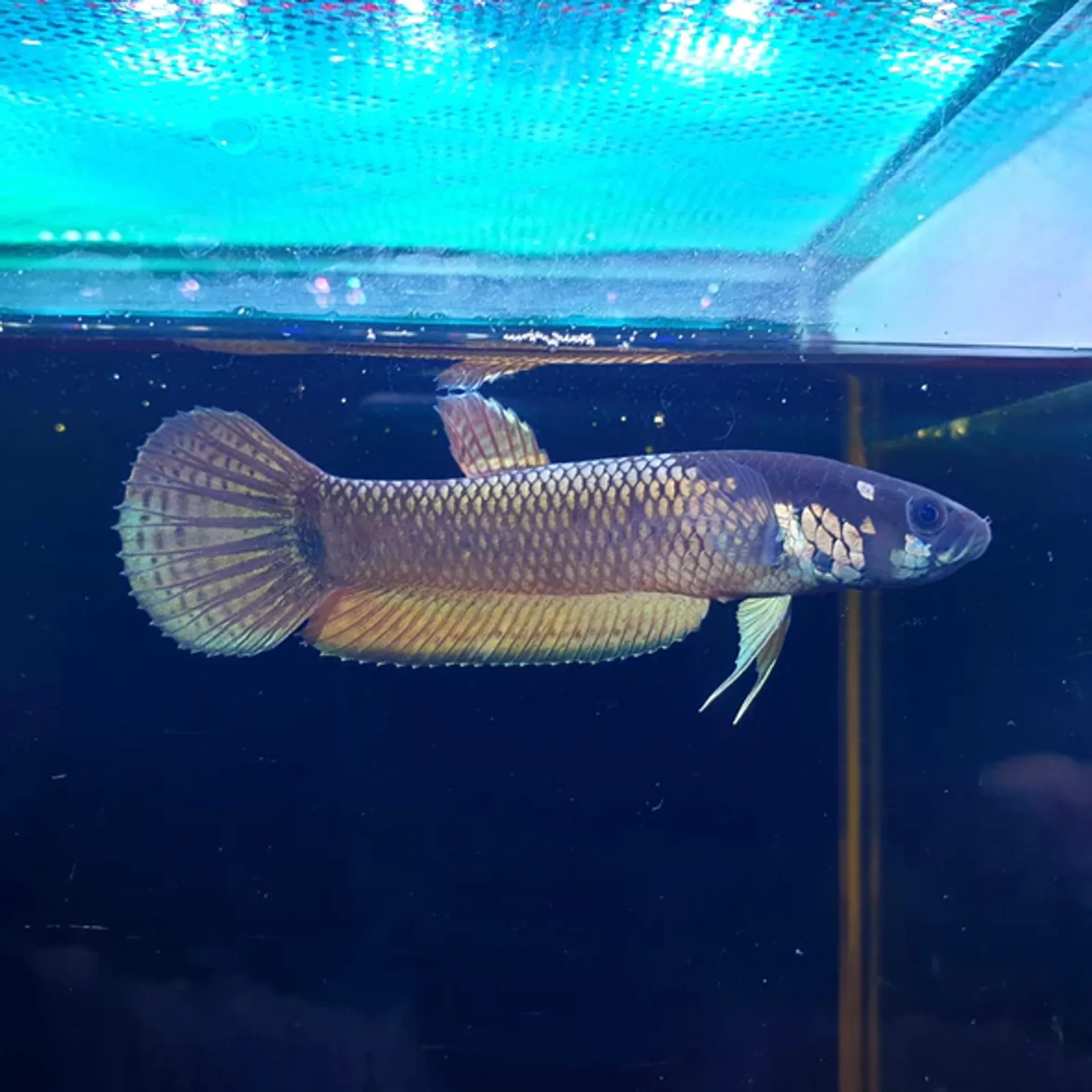
WB Uberis is a tiny but fearless Rift Lake-style cichlid (3–4 cm) that thrives in hard, high-pH water — a bold, territorial pick for the experienced aquarist.
- Water Conditions: WB Uberis demands hard, alkaline water that mirrors the mineral-rich chemistry of the African Rift Lakes. Aim for a pH of 8.0–9.0, a general hardness (GH) of 10–20 dGH and a carbonate hardness (KH) of 8–15 dKH; these figures keep the water stable and prevent the pH crashes that stress this species badly. Temperature should sit between 24–27°C (75–81°F), with good oxygenation and moderate flow rather than a blasting current. Because the fish is small and sensitive to shifts, stability matters far more than chasing an exact number — test with a liquid kit weekly and avoid sudden swings during water changes. If your tap water is soft or acidic, remineralise with a Rift Lake buffer or use RO water plus a dedicated cichlid salt to hit the target parameters. Acclimatise new arrivals slowly with a drip method over 45–60 minutes, and never pour shop water into the aquarium. Ammonia and nitrite must read zero at all times; nitrate should stay under 20–30 ppm through regular maintenance, and a well-cycled, mature filter is essential before introducing this fish.
- Ideal Tank Setups: A tank of at least 90 cm (3 ft) suits a small group, while a single pair can be kept in 60 cm if territories are broken up well. Use a soft sand substrate, plenty of rockwork stacked into caves and crevices, and empty snail shells scattered across the floor to provide the hiding and spawning sites this species craves. Sight-line breaks — rocks, shells, driftwood edges — are critical because they let subordinate fish retreat from the dominant individual. A tight-fitting lid is non-negotiable, as these fish can be surprisingly jumpy when chased. Keep lighting moderate and use a dark background to bring out body colouration.
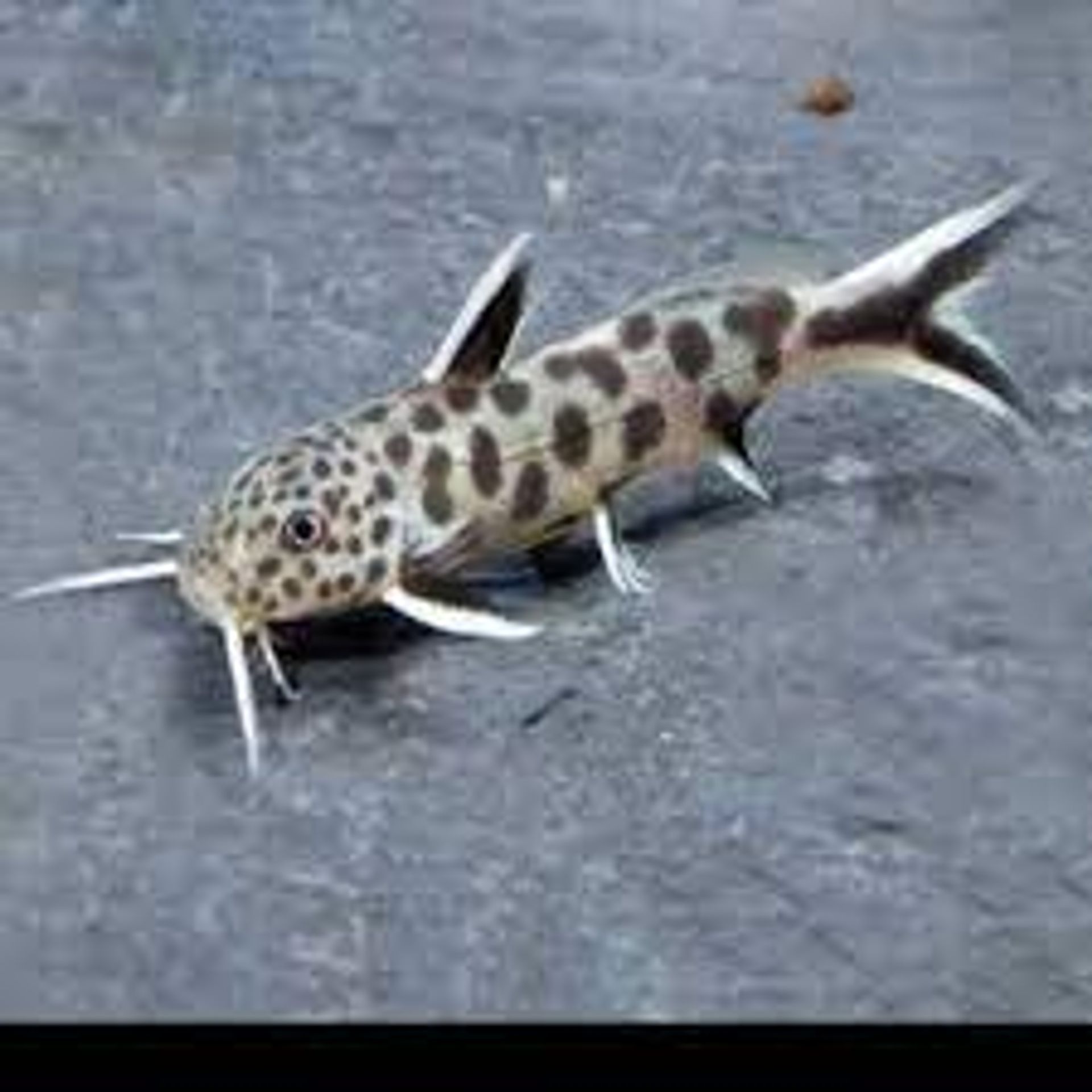
- Suitable Tank Mates: WB Uberis is genuinely aggressive for its size, so tank mates must be robust, similarly sized and able to hold their own without being a threat. Good choices include other small, tough Rift Lake cichlids such as rock-dwelling Julidochromis types, robust shell dwellers and modest-sized Altolamprologus, along with small Synodontis catfish like S. lucipinnis that occupy a different zone. Avoid slow-moving or long-finned fish (bettas, gouramis, fancy guppies), timid shoalers small enough to be bullied or eaten, and any bottom dweller that competes directly for shells and caves. Never mix it with visually similar species, as territorial confusion triggers serious fighting.
- Feeding Habits: Primarily carnivorous with omnivorous leanings, WB Uberis does best on a high-protein diet. Offer a quality sinking cichlid pellet as the staple, supplemented with frozen or live foods such as brine shrimp, mysis, daphnia and bloodworm two or three times a week. Feed small portions once or twice daily — only what the fish clears in a couple of minutes — because this species is a greedy feeder prone to bloating and fatty liver problems when overfed. Soak dry pellets briefly before feeding to aid digestion, and avoid mammalian meats or high-fat preparations. A little spirulina or vegetable-based flake occasionally helps round out nutrition. Remove uneaten food promptly to protect water quality.
- Care and Behaviour: Expect constant mild territoriality that intensifies sharply at spawning. Provide several distinct territories — clusters of shells and rock crevices — so aggression is spread out rather than concentrated on one individual. Keep either a single pair or one male with multiple females, and watch the hierarchy closely for the first few weeks. If bullying becomes relentless, rearranging the decor resets territories and buys the weaker fish breathing room. Maintain rigorous filtration and change 25–40% of the water weekly, siphoning around shells and rock bases where debris collects. Quarantine any new livestock to protect against introducing disease, and monitor for clamped fins, laboured breathing or loss of appetite as early warning signs of poor water quality. With stable parameters, correct mineral hardness and thoughtful tank mate choices, this diminutive cichlid rewards keepers with fascinating, big-personality behaviour in a modest footprint.