
FishyHub
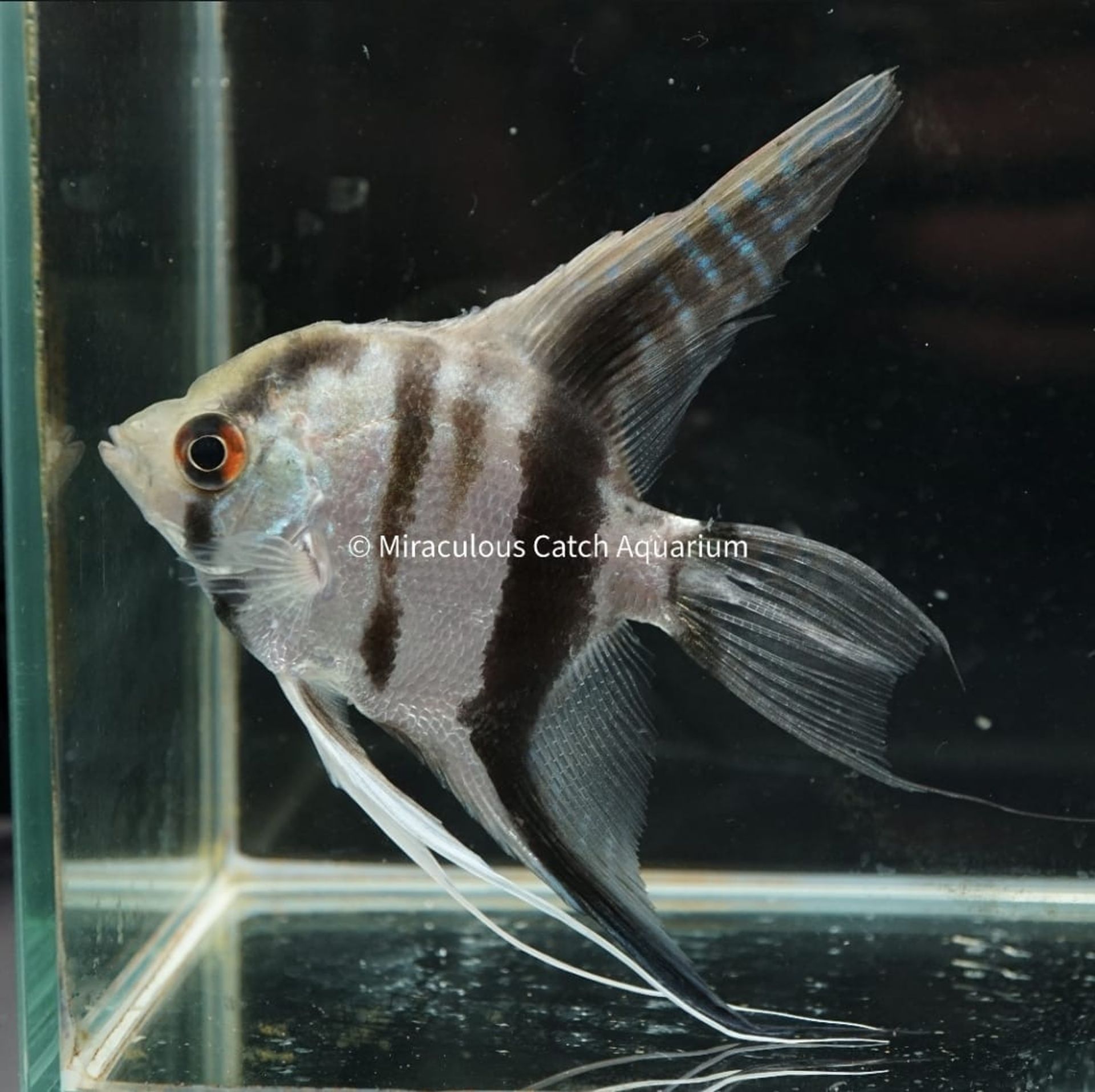
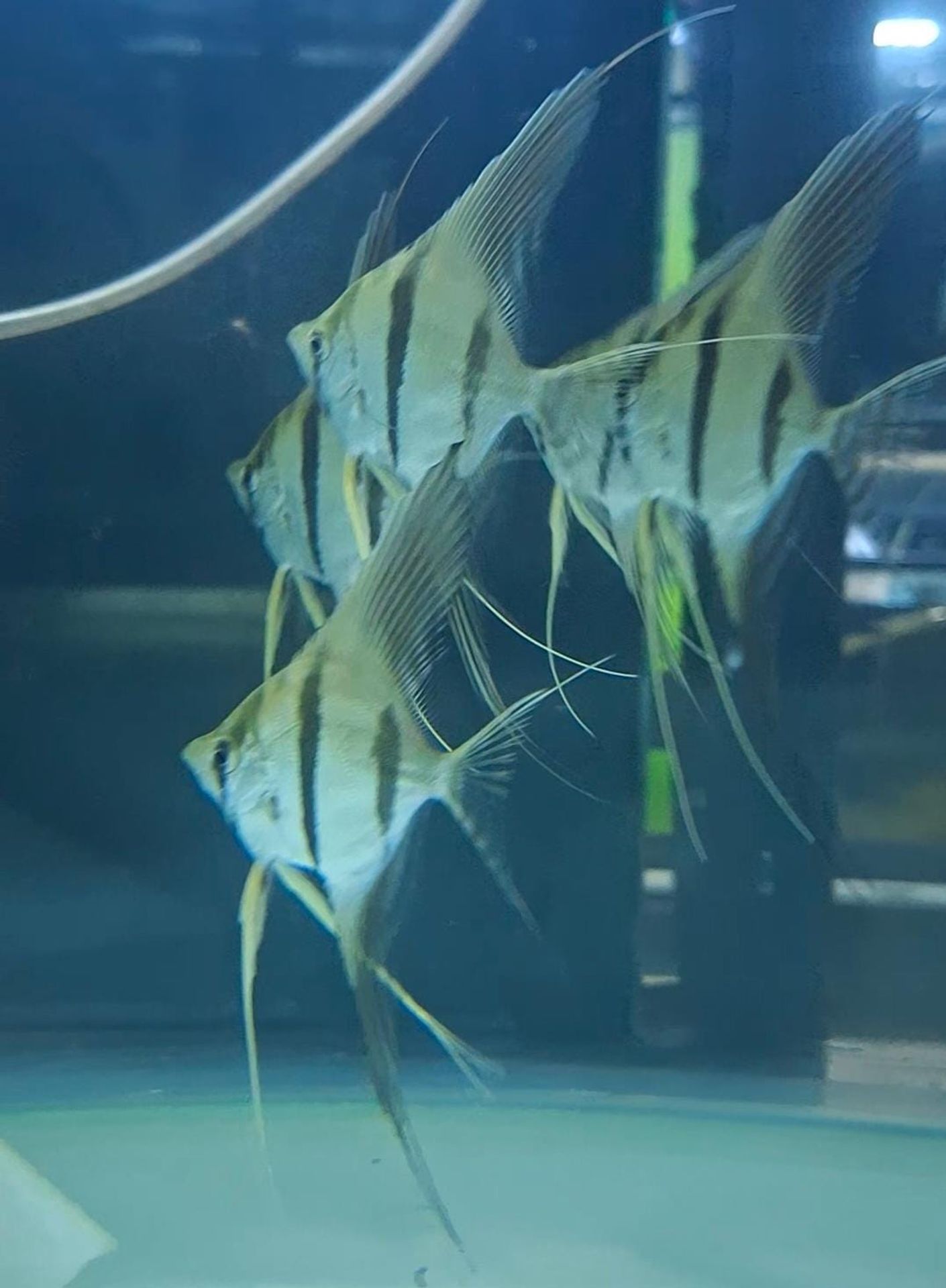
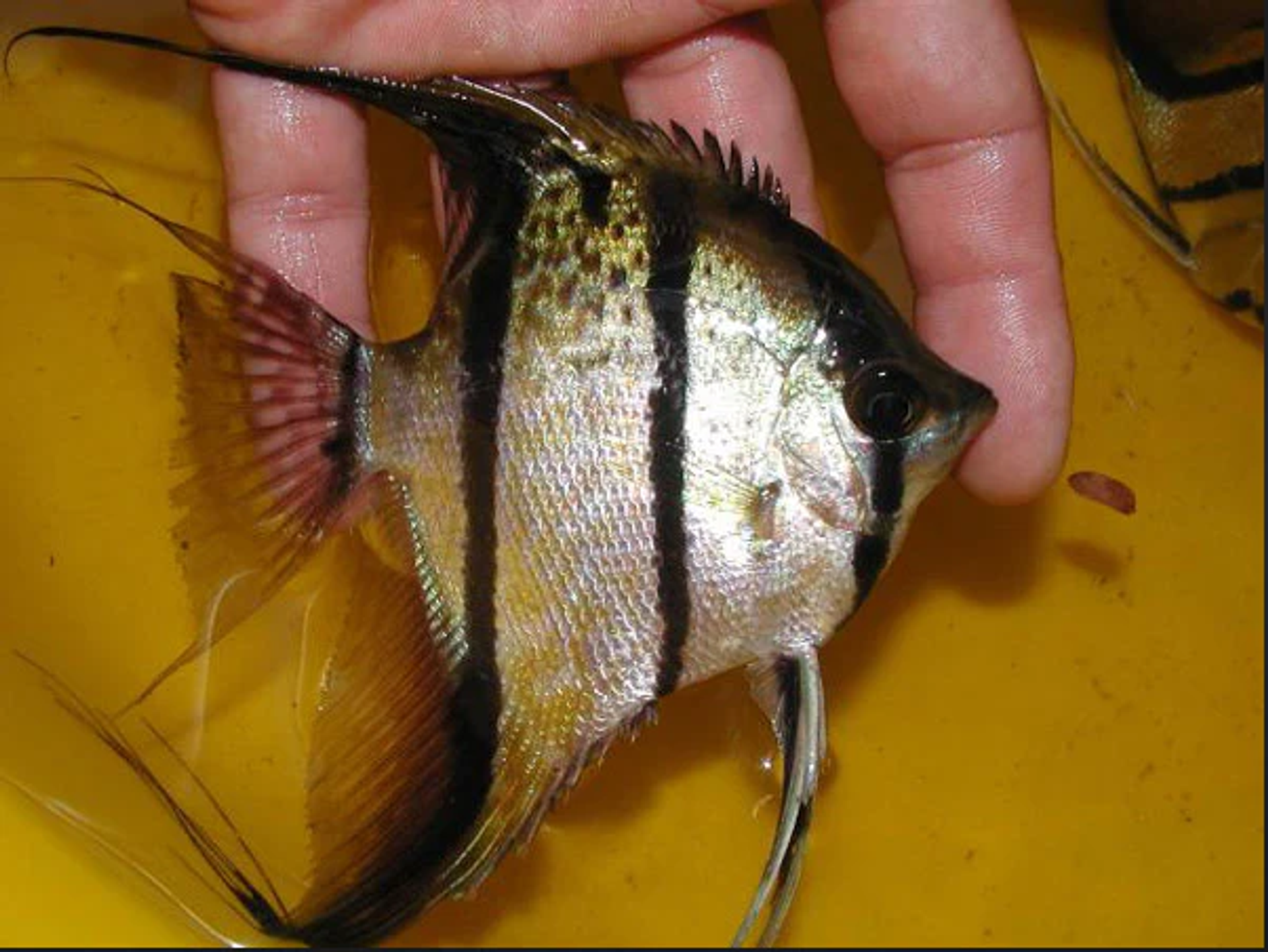
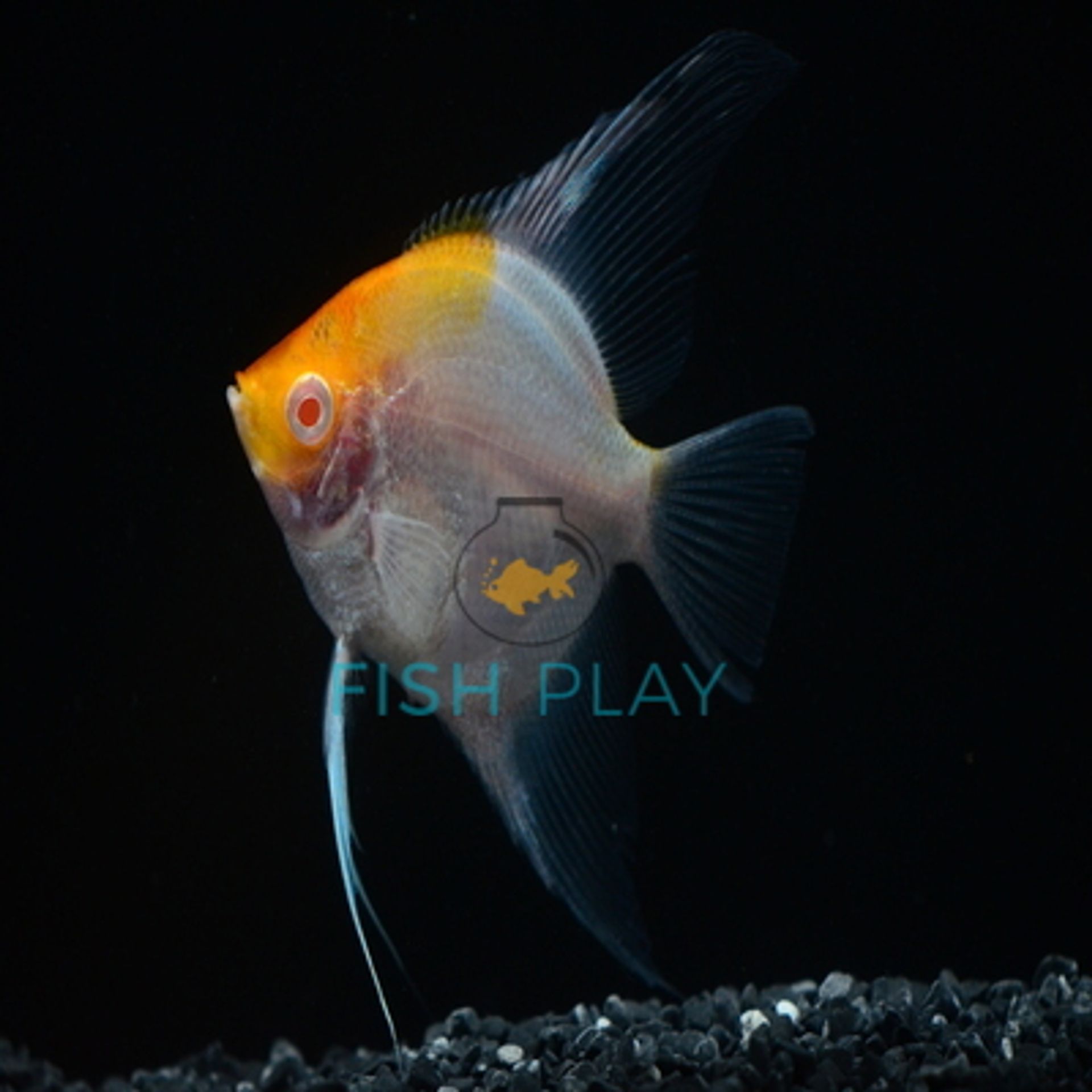
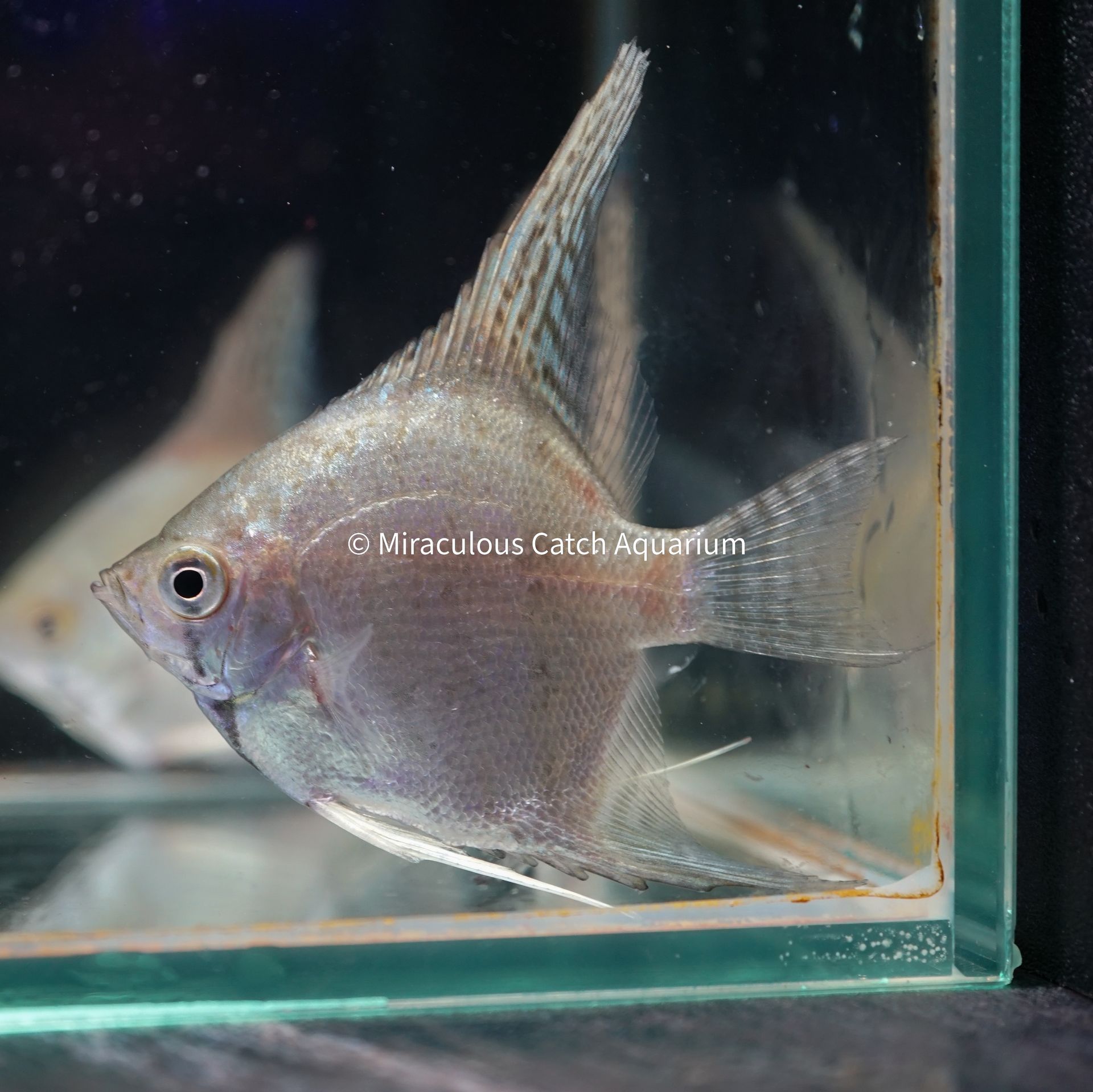
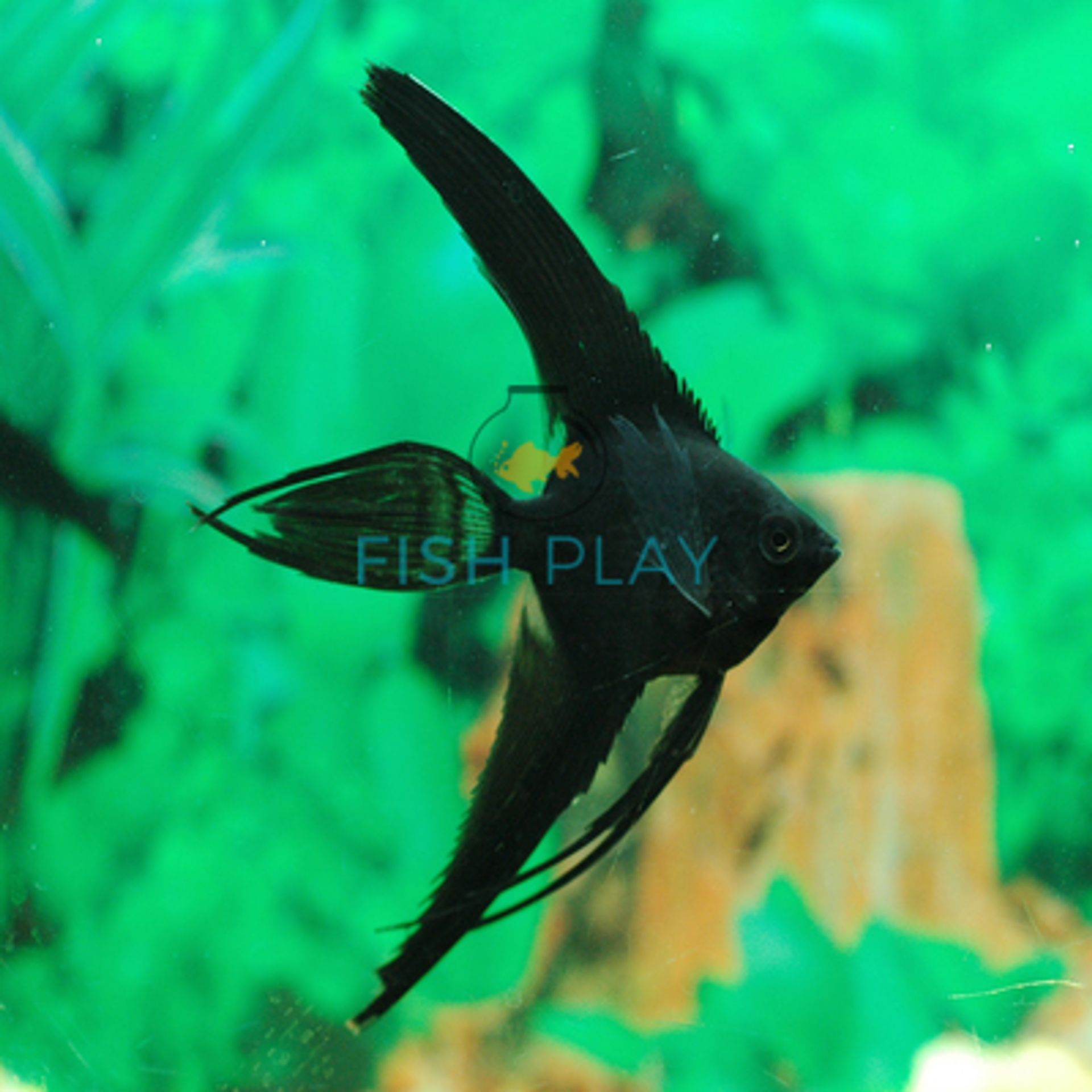
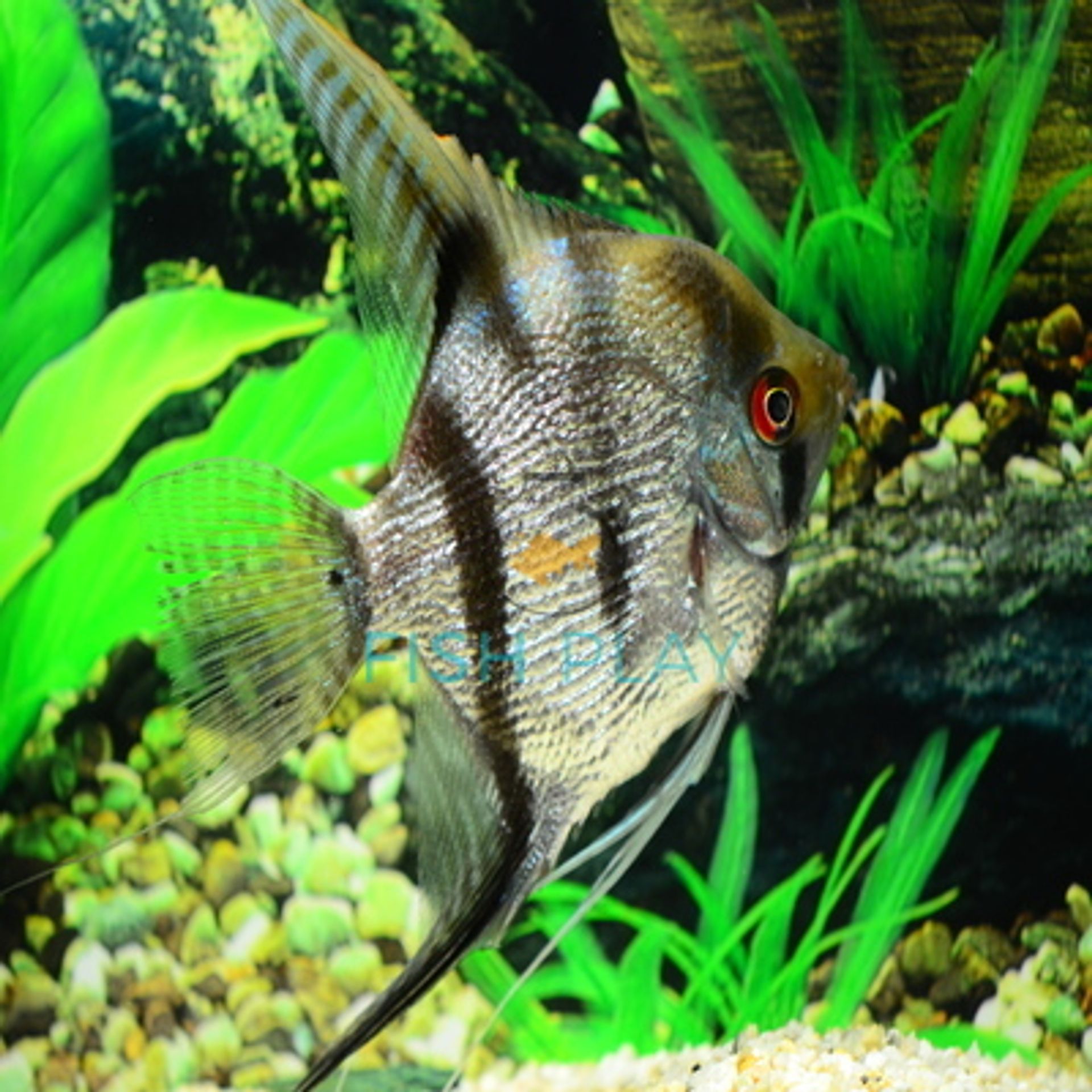
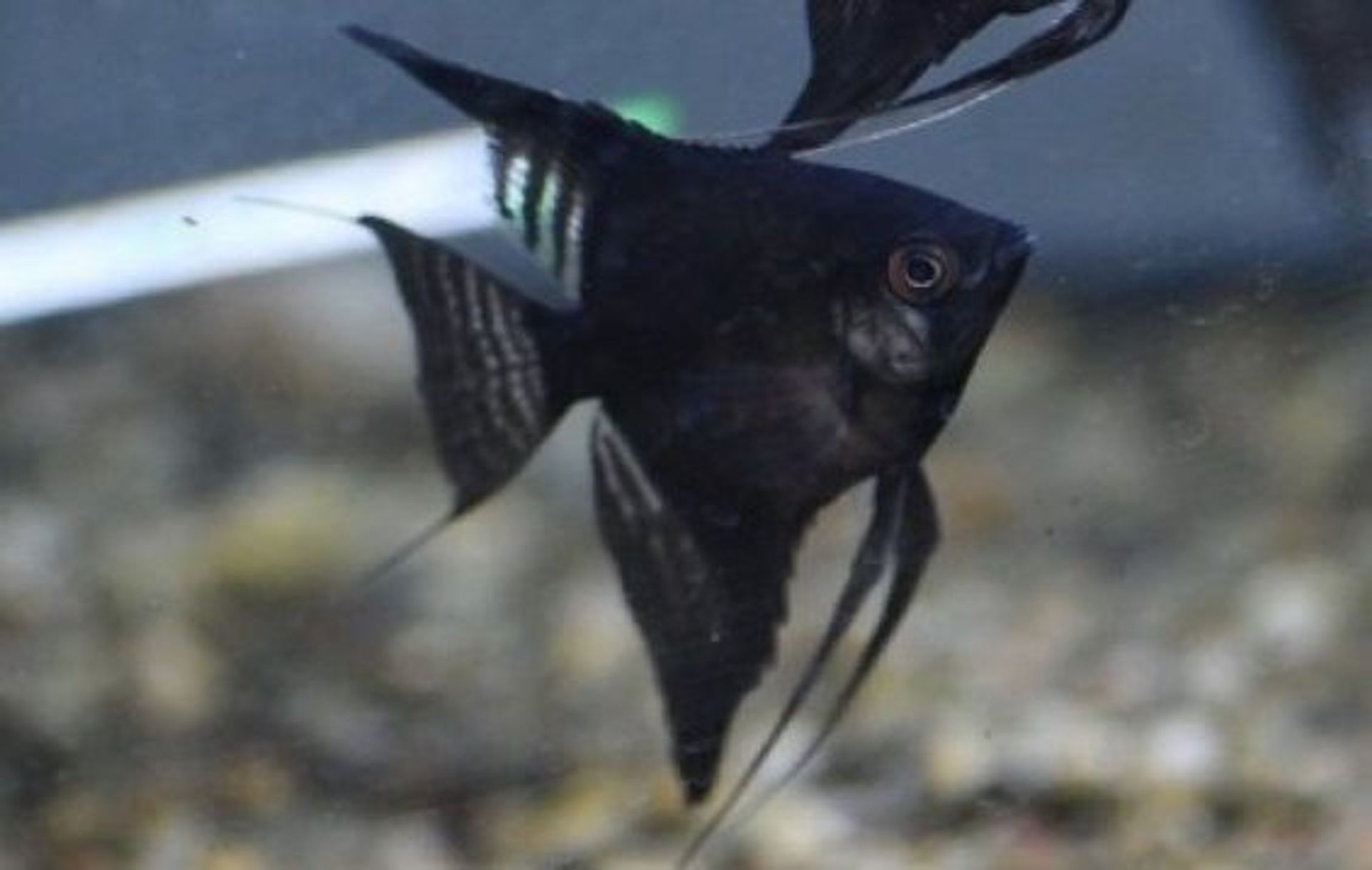
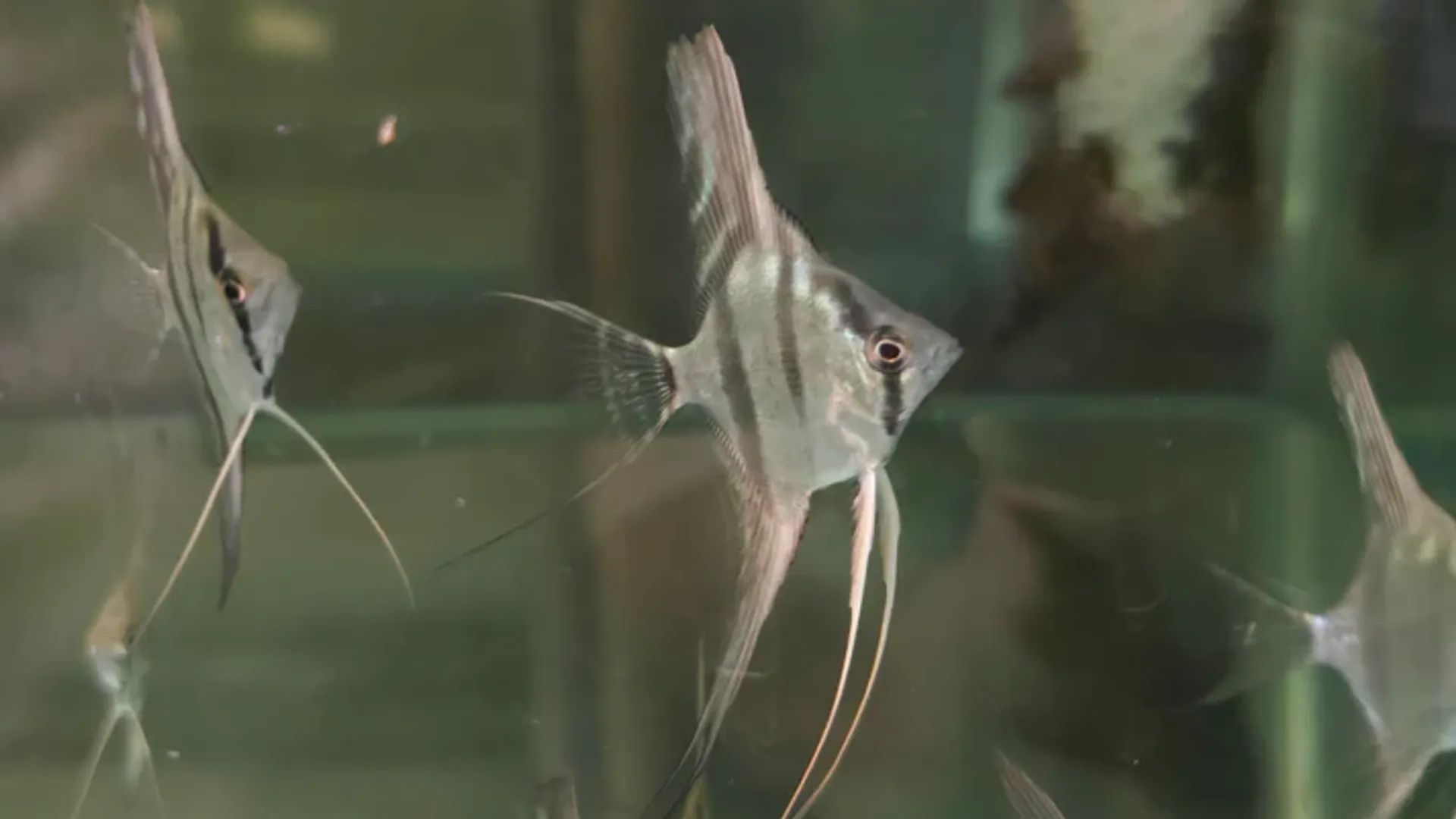
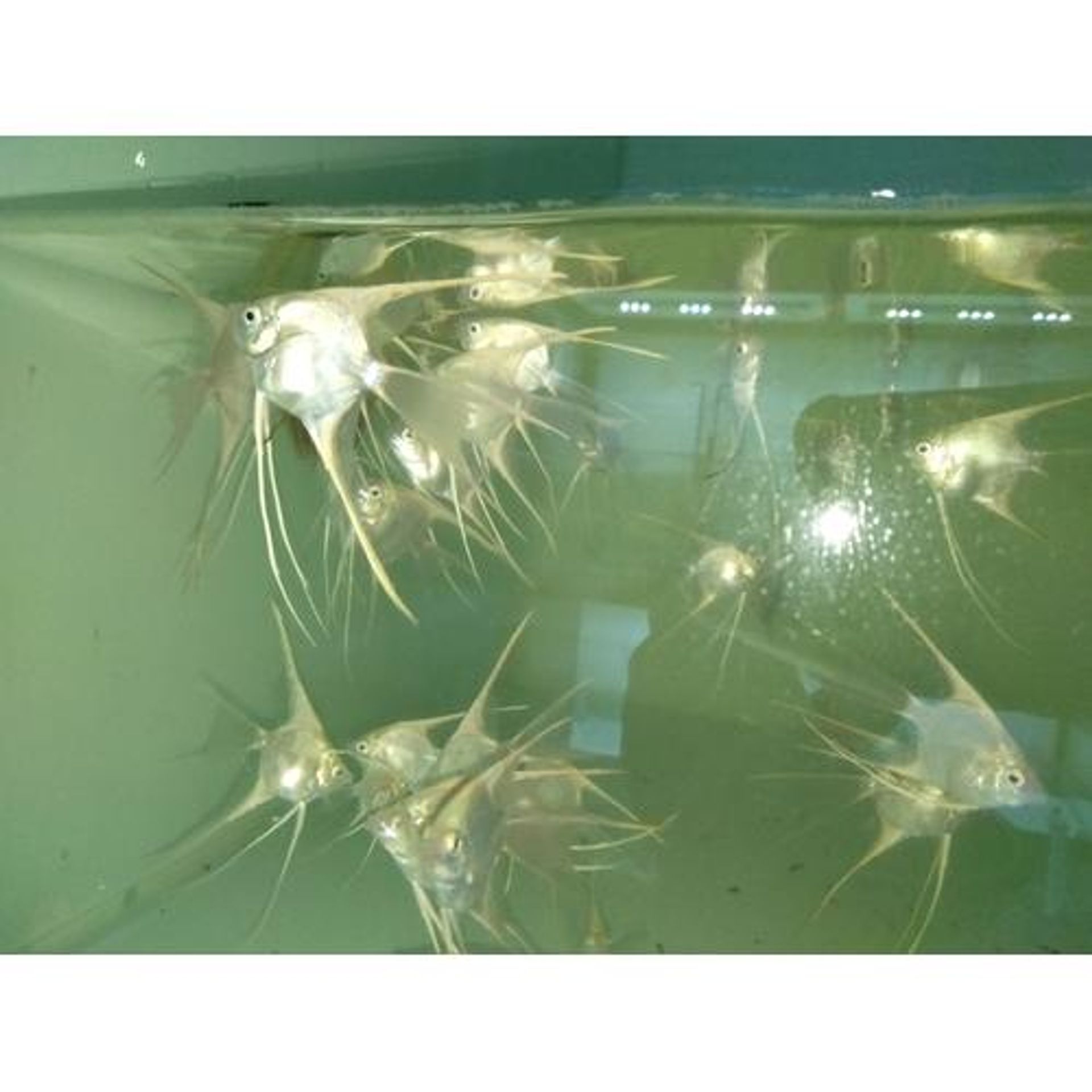
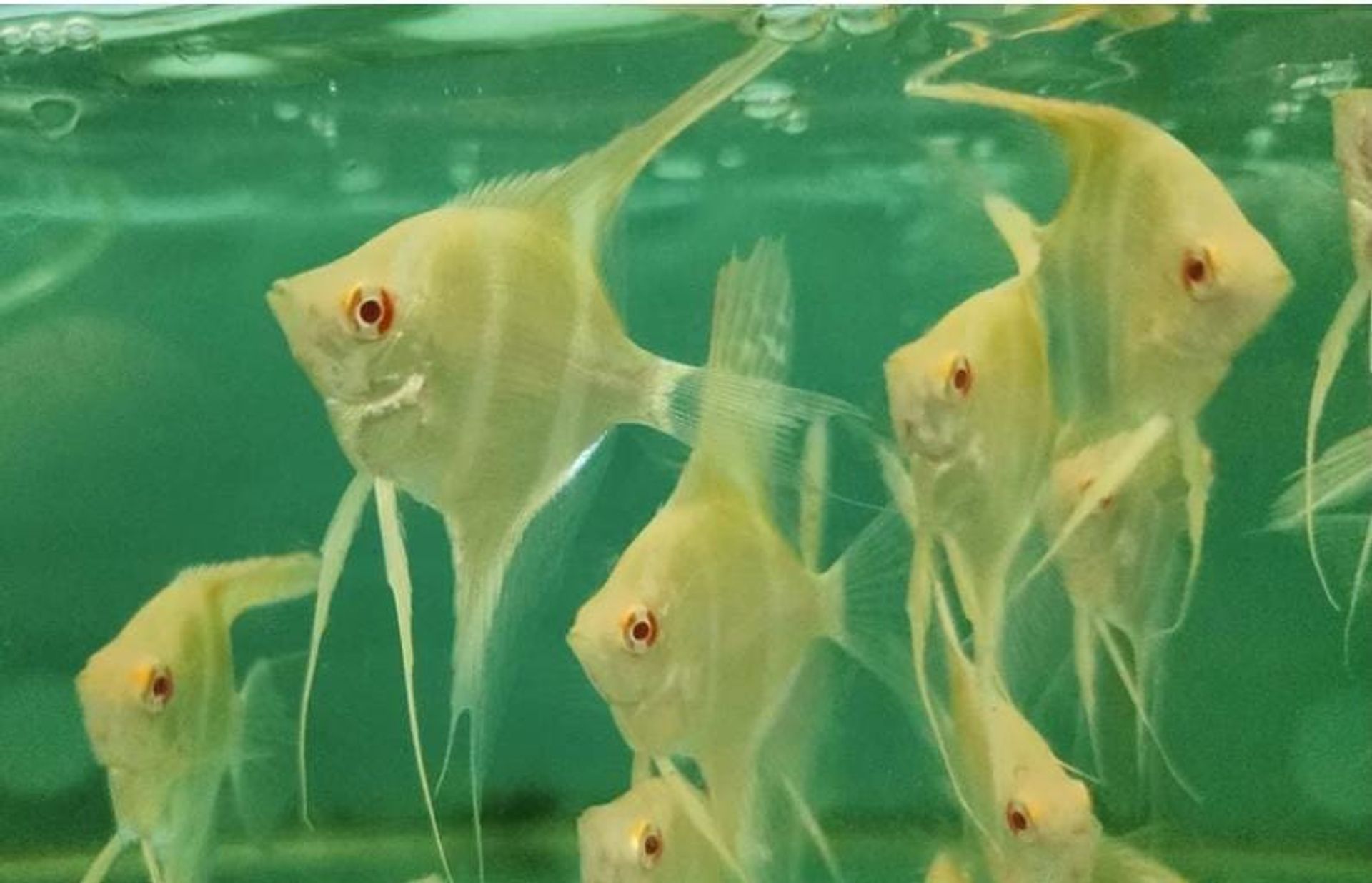
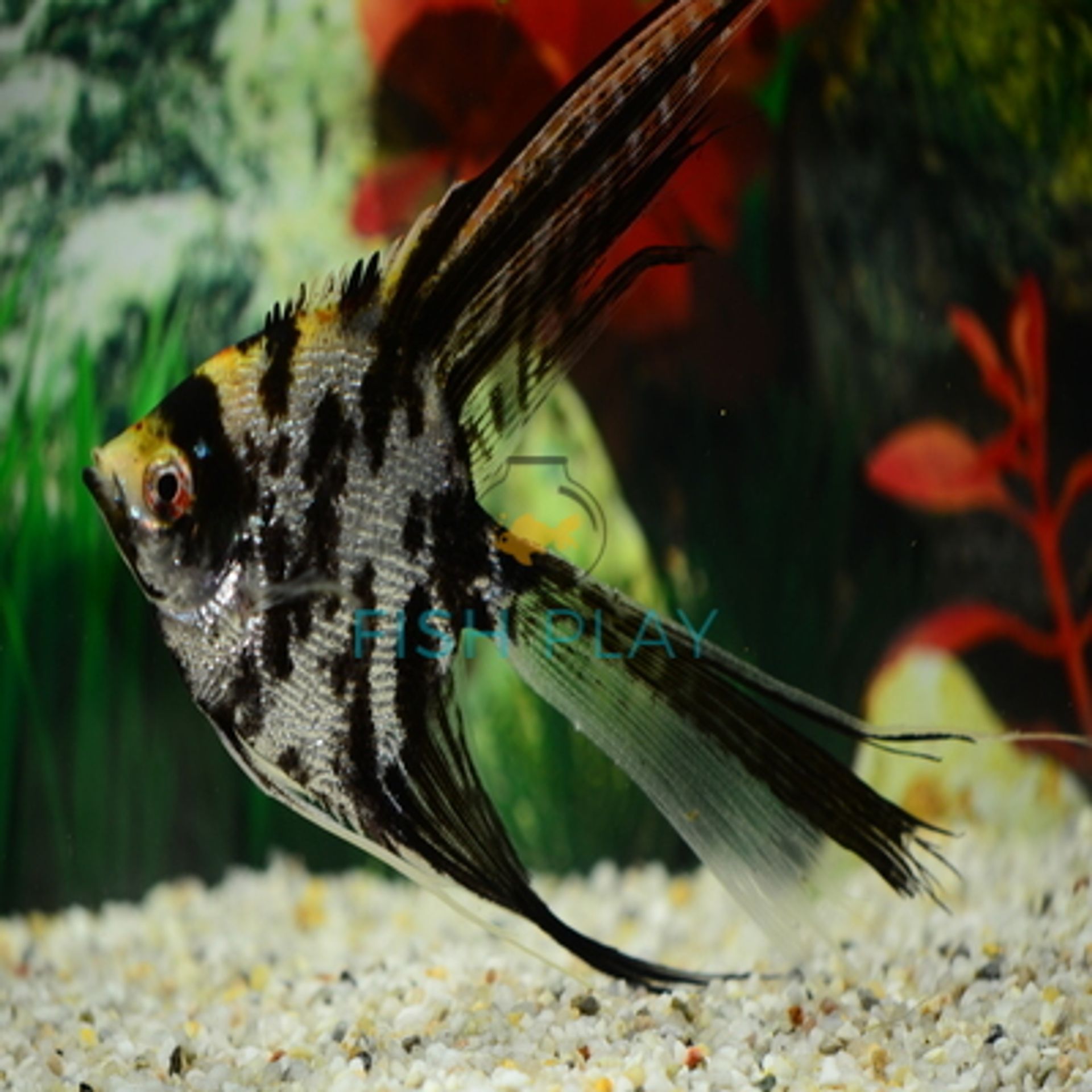
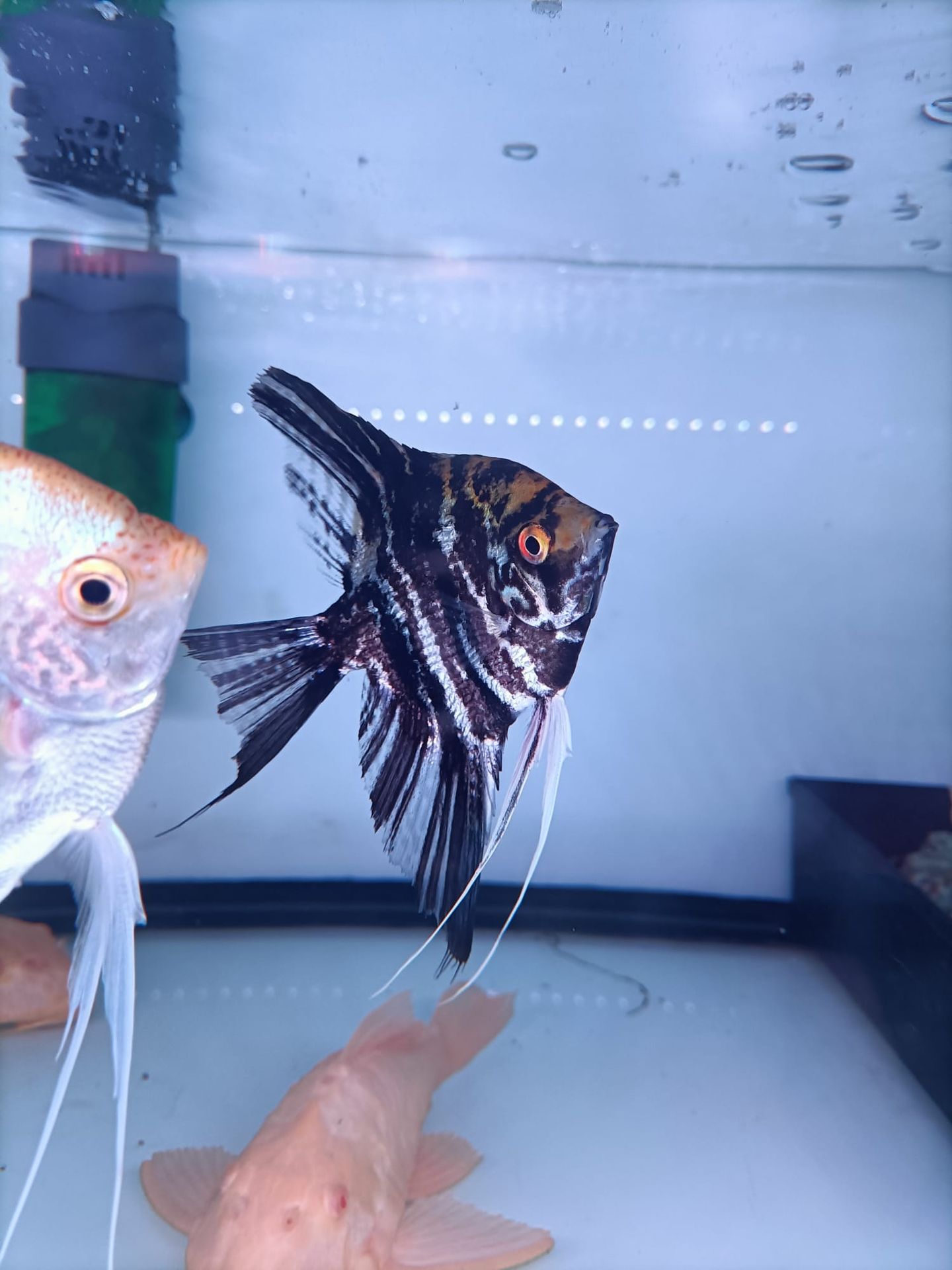
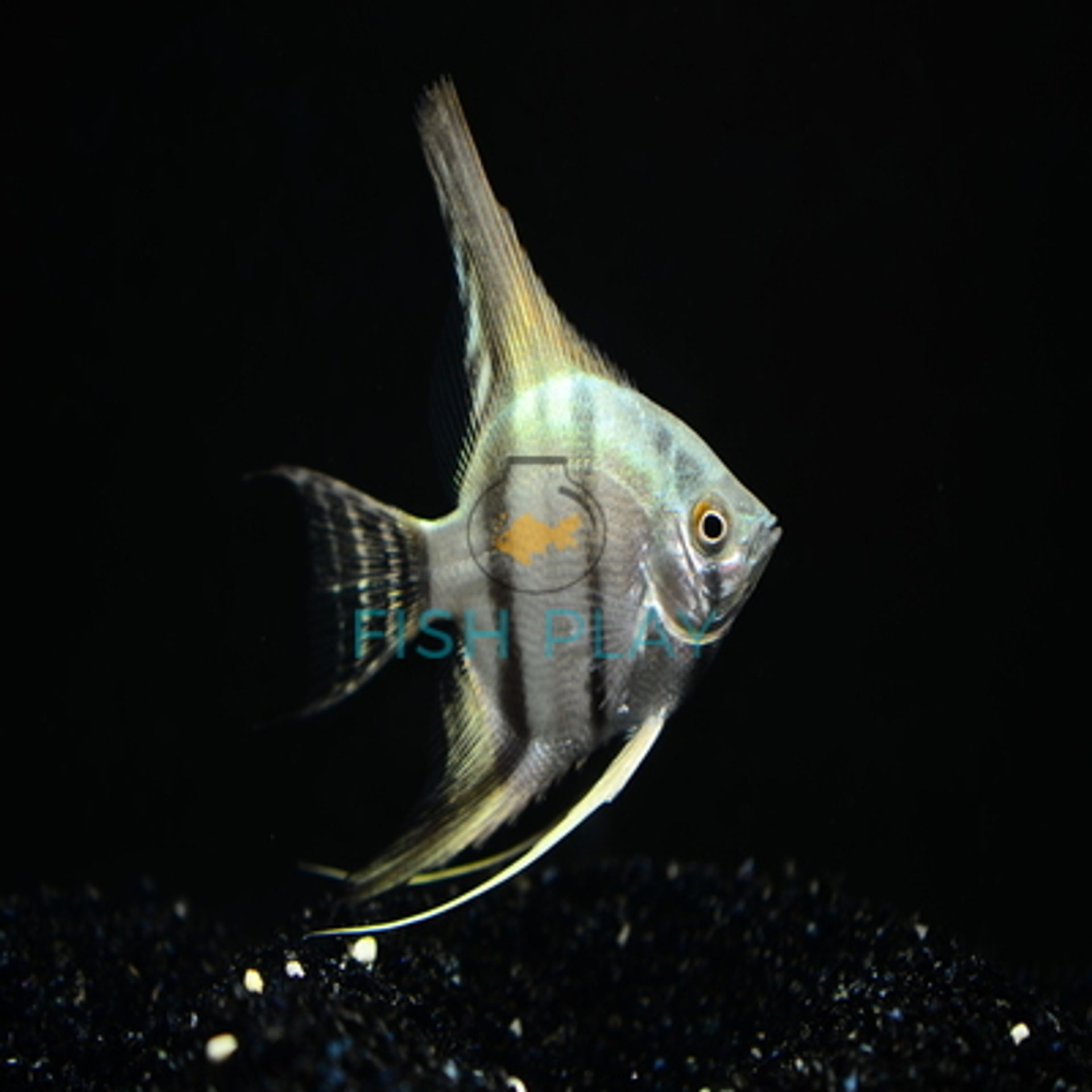
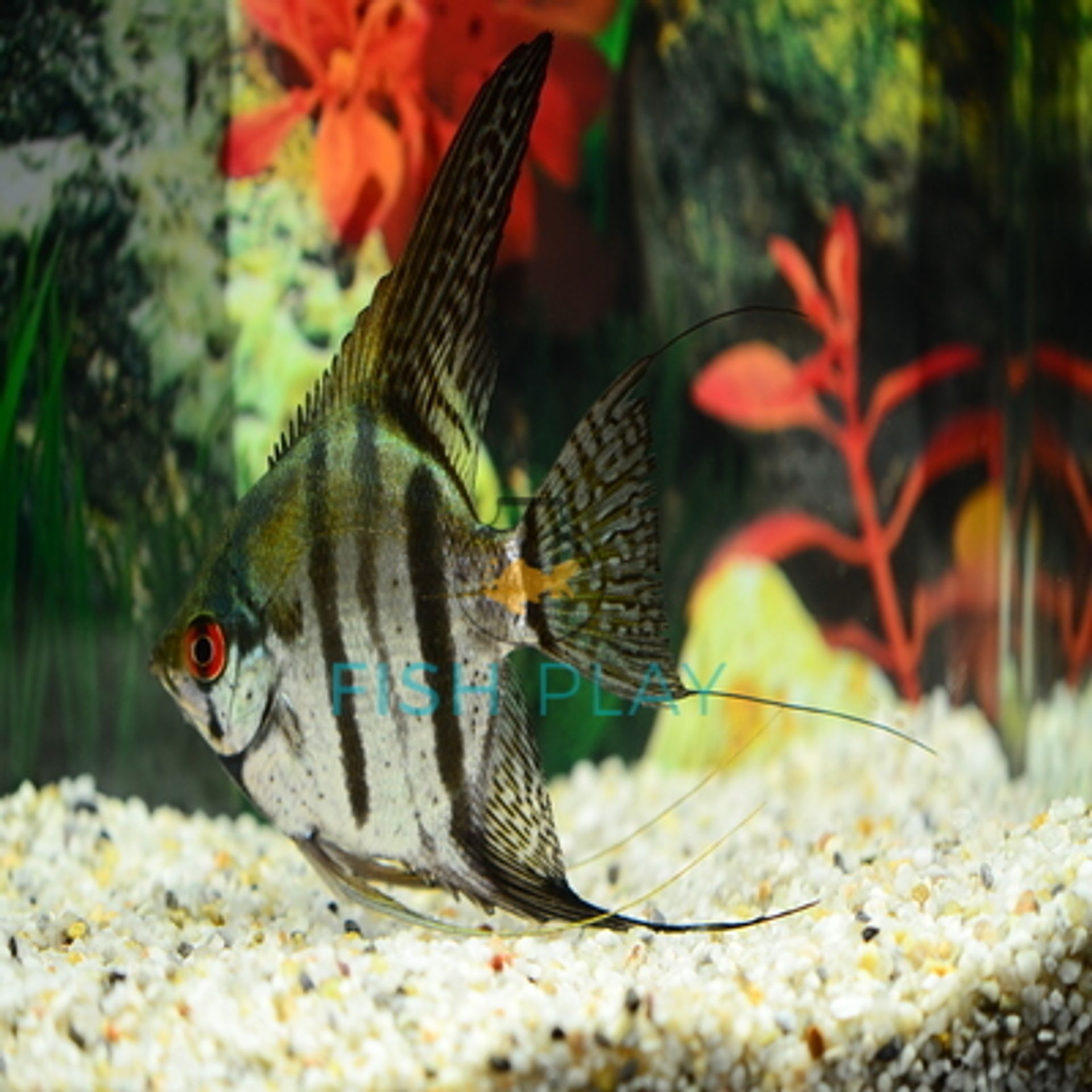
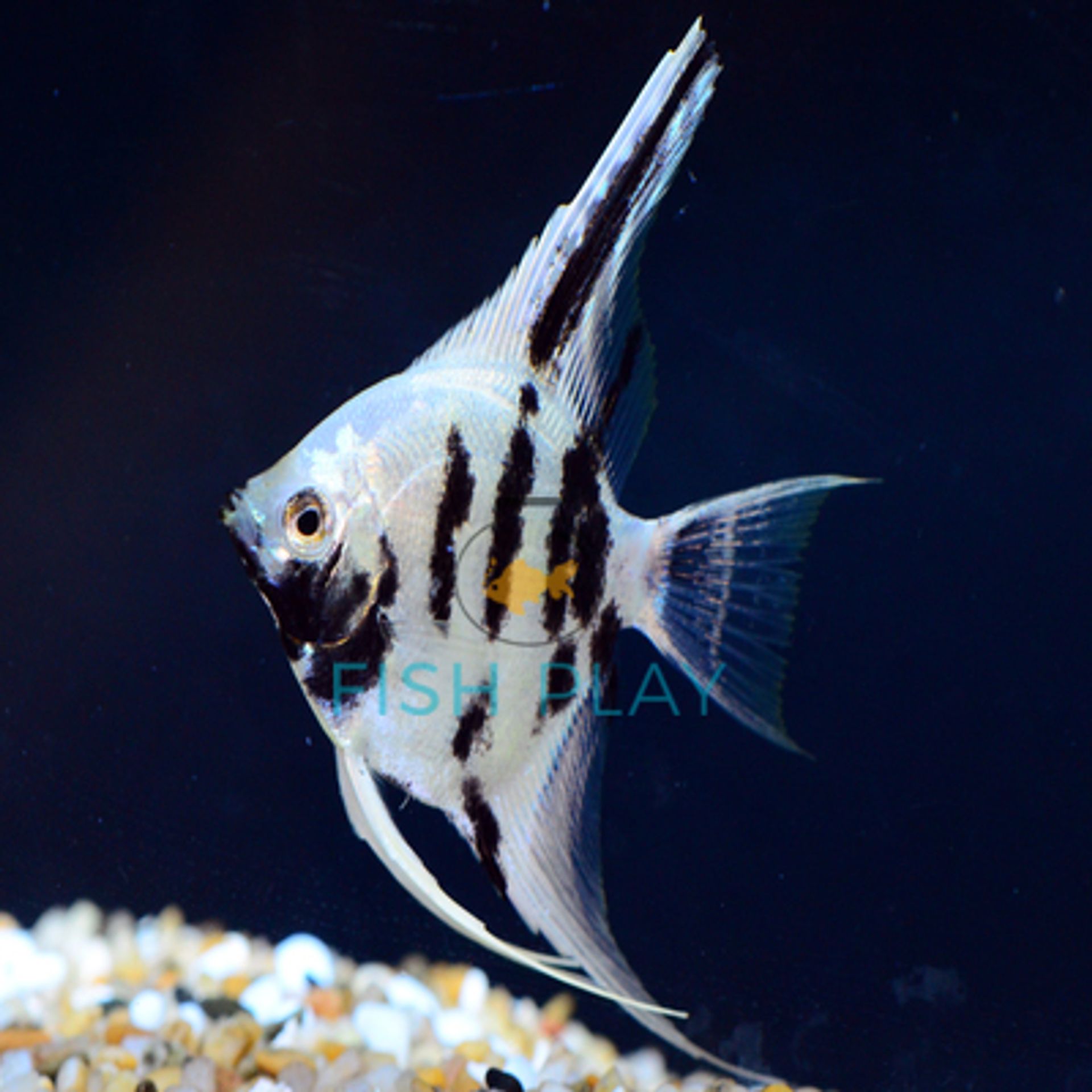
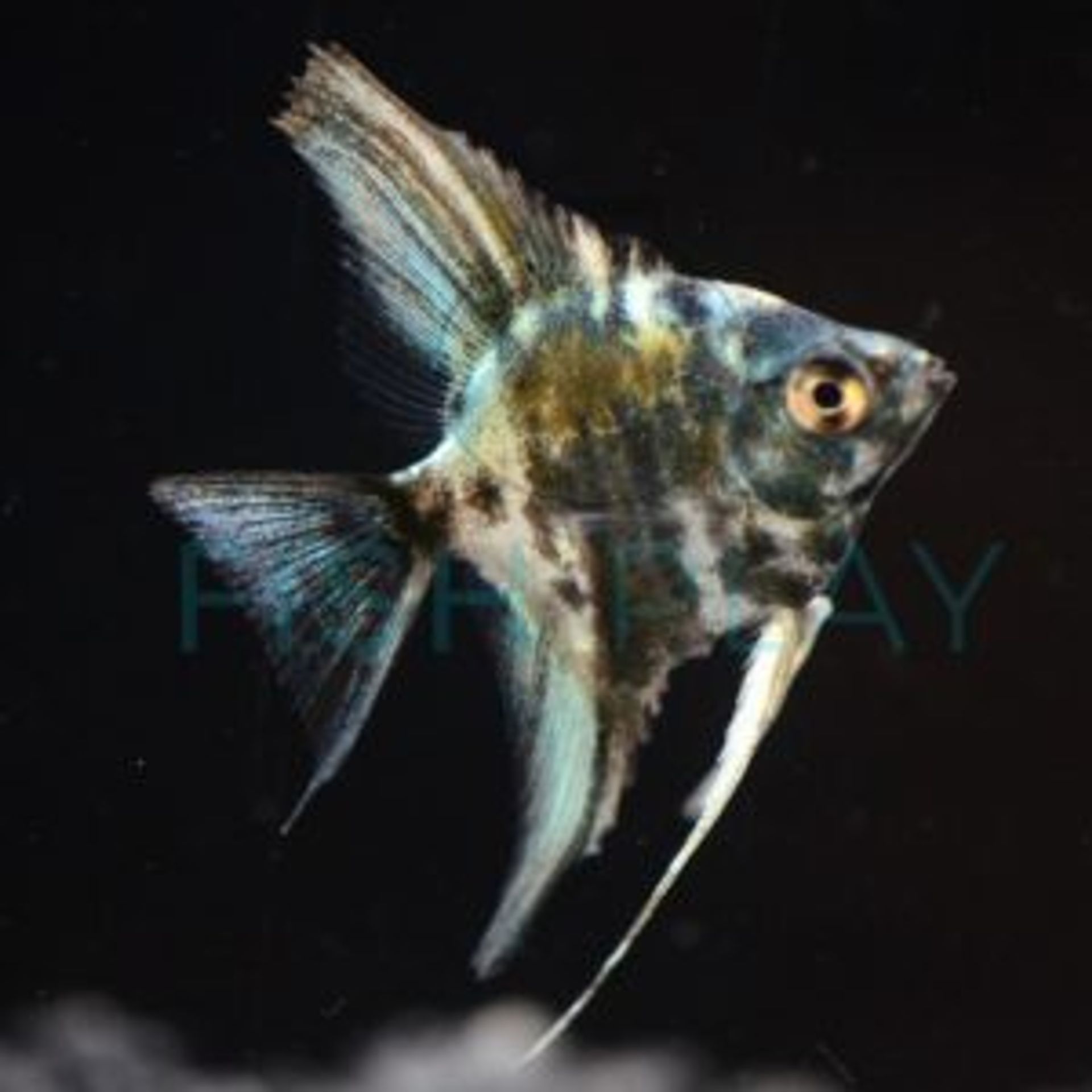
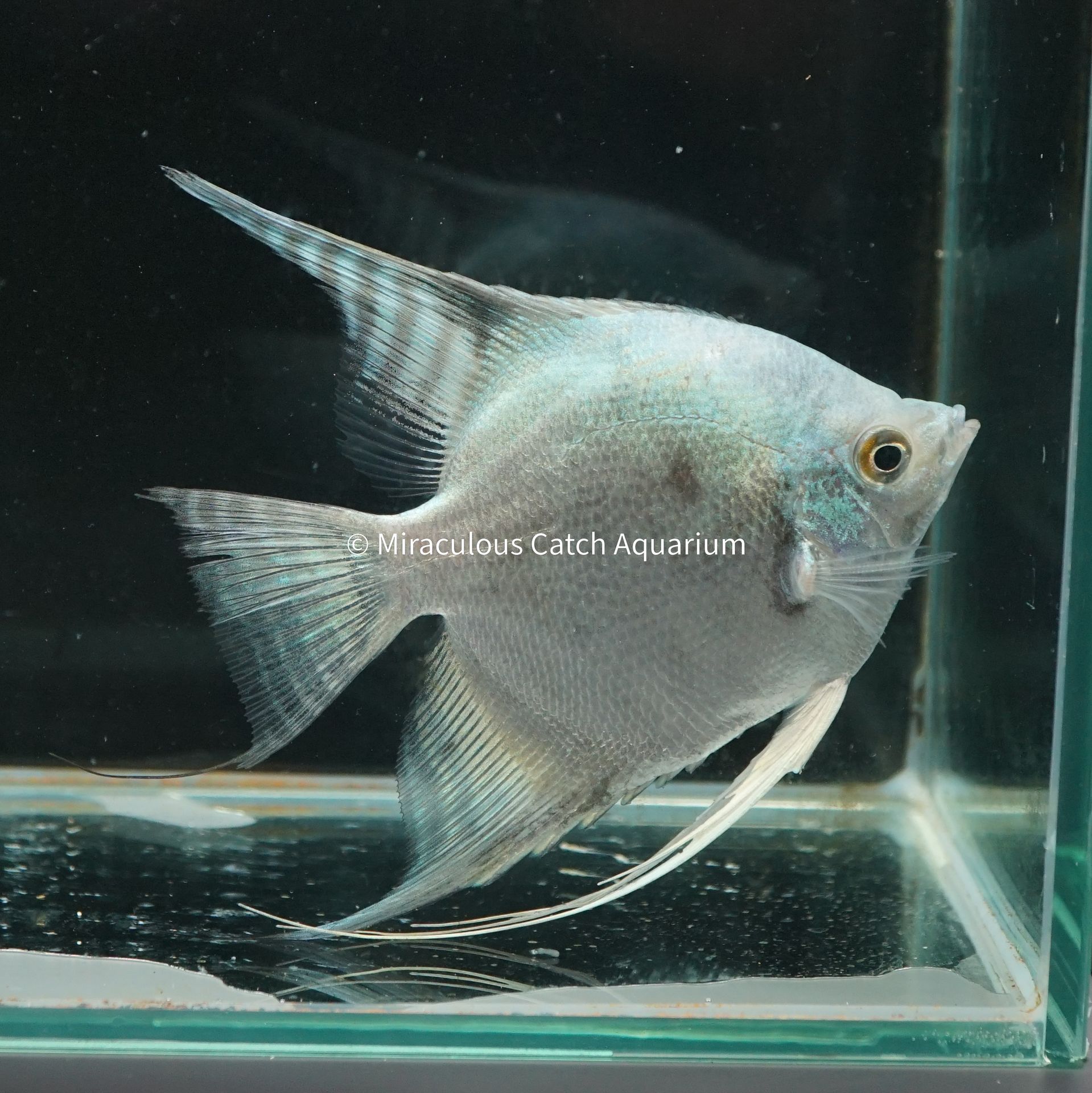
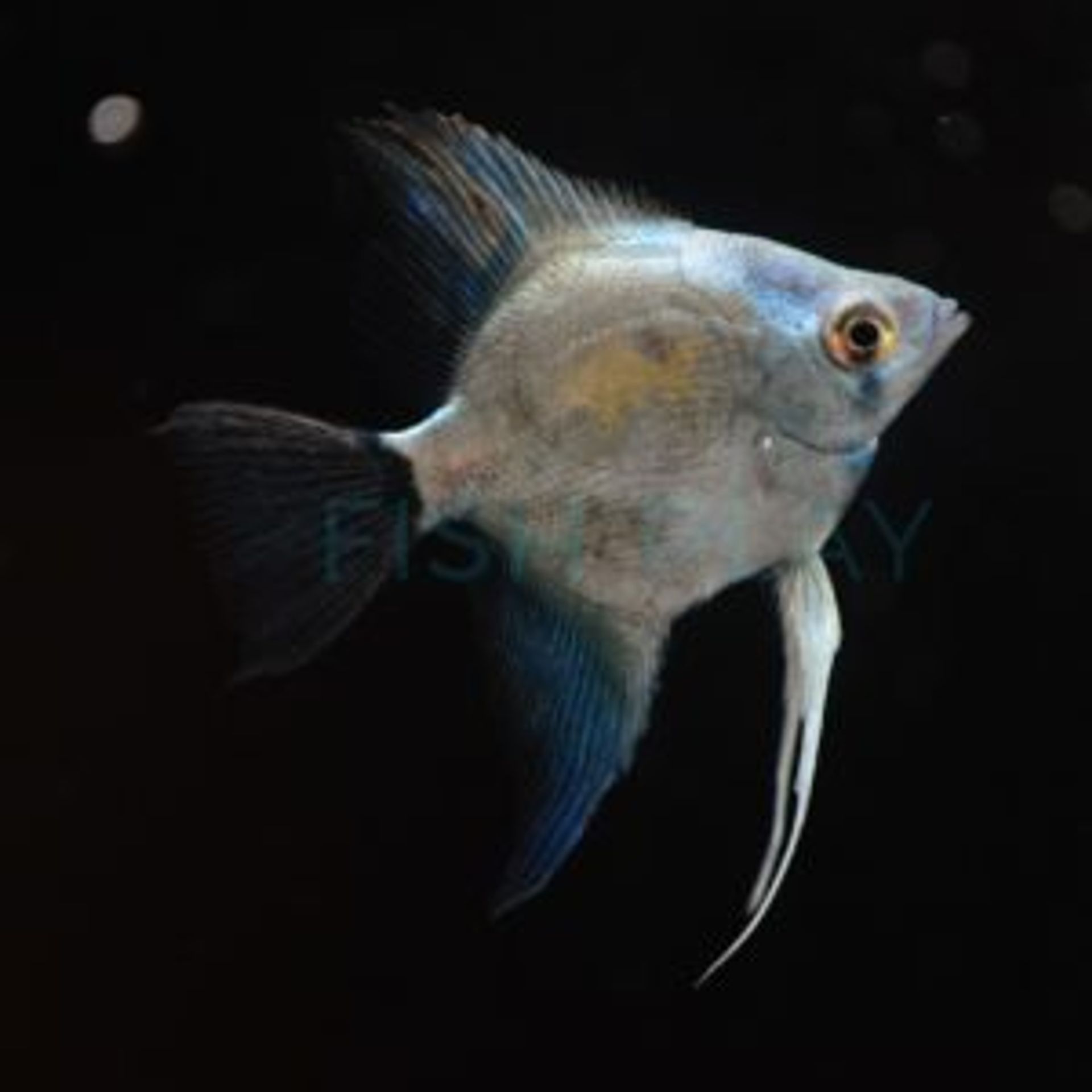
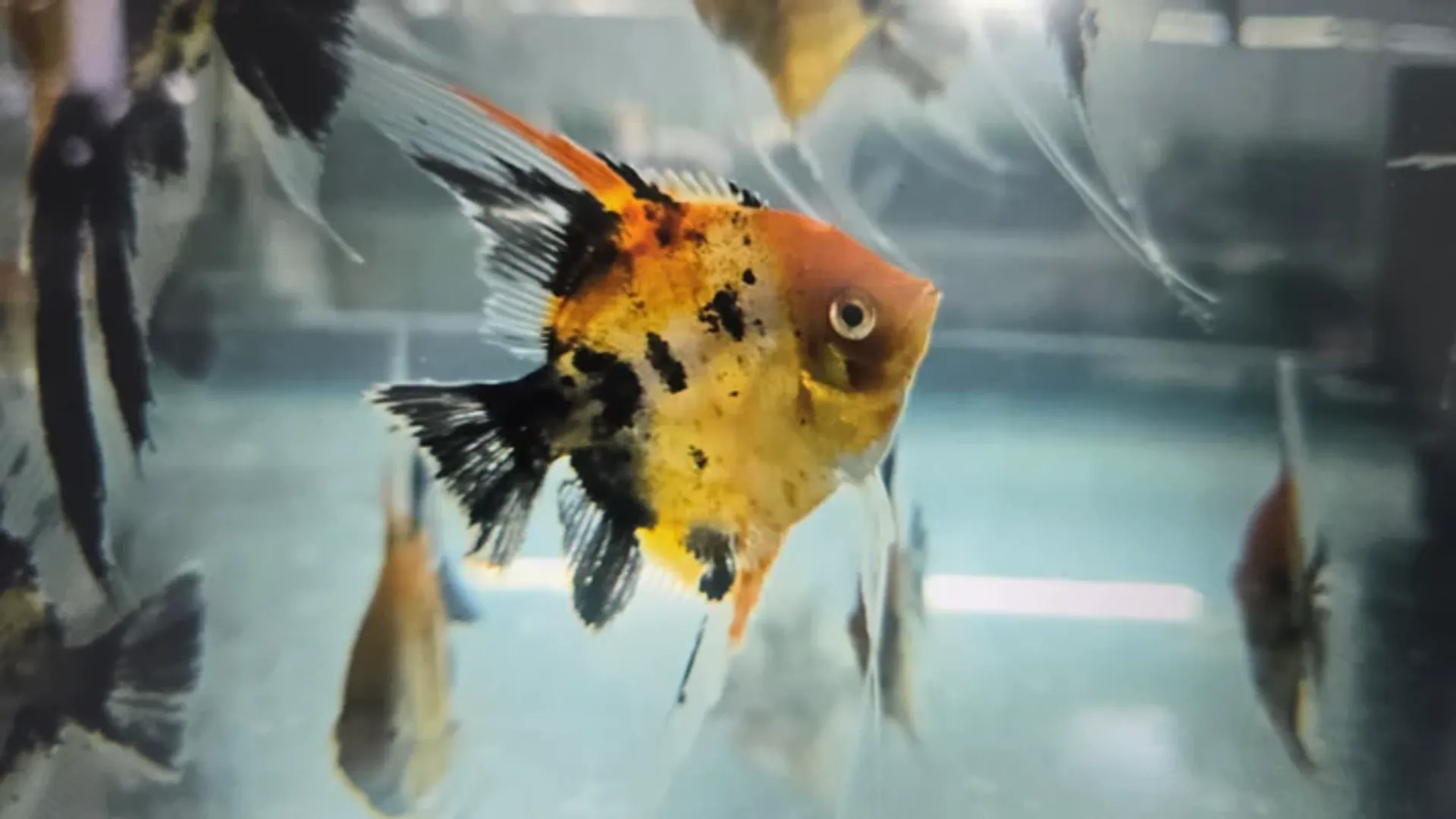
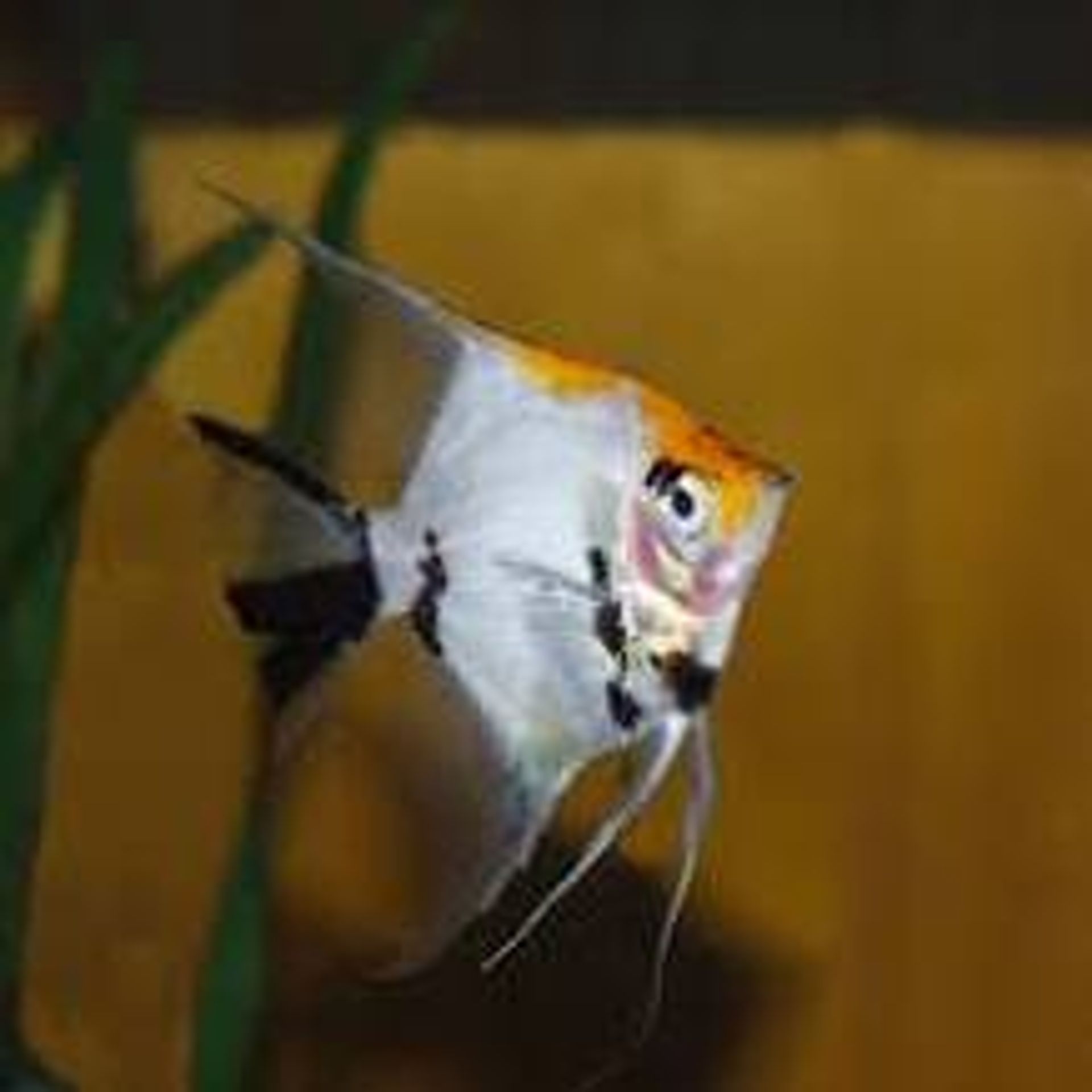
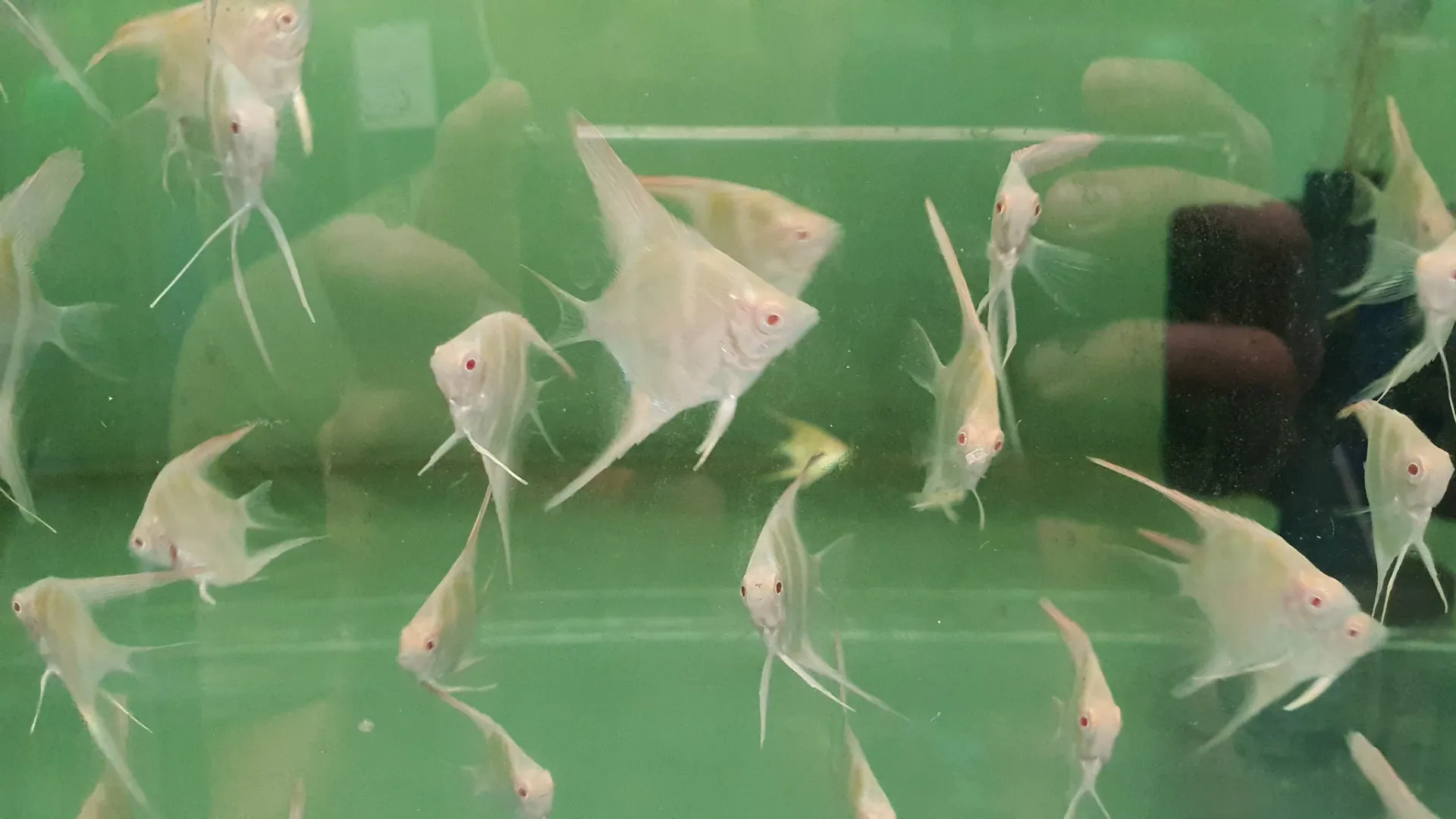
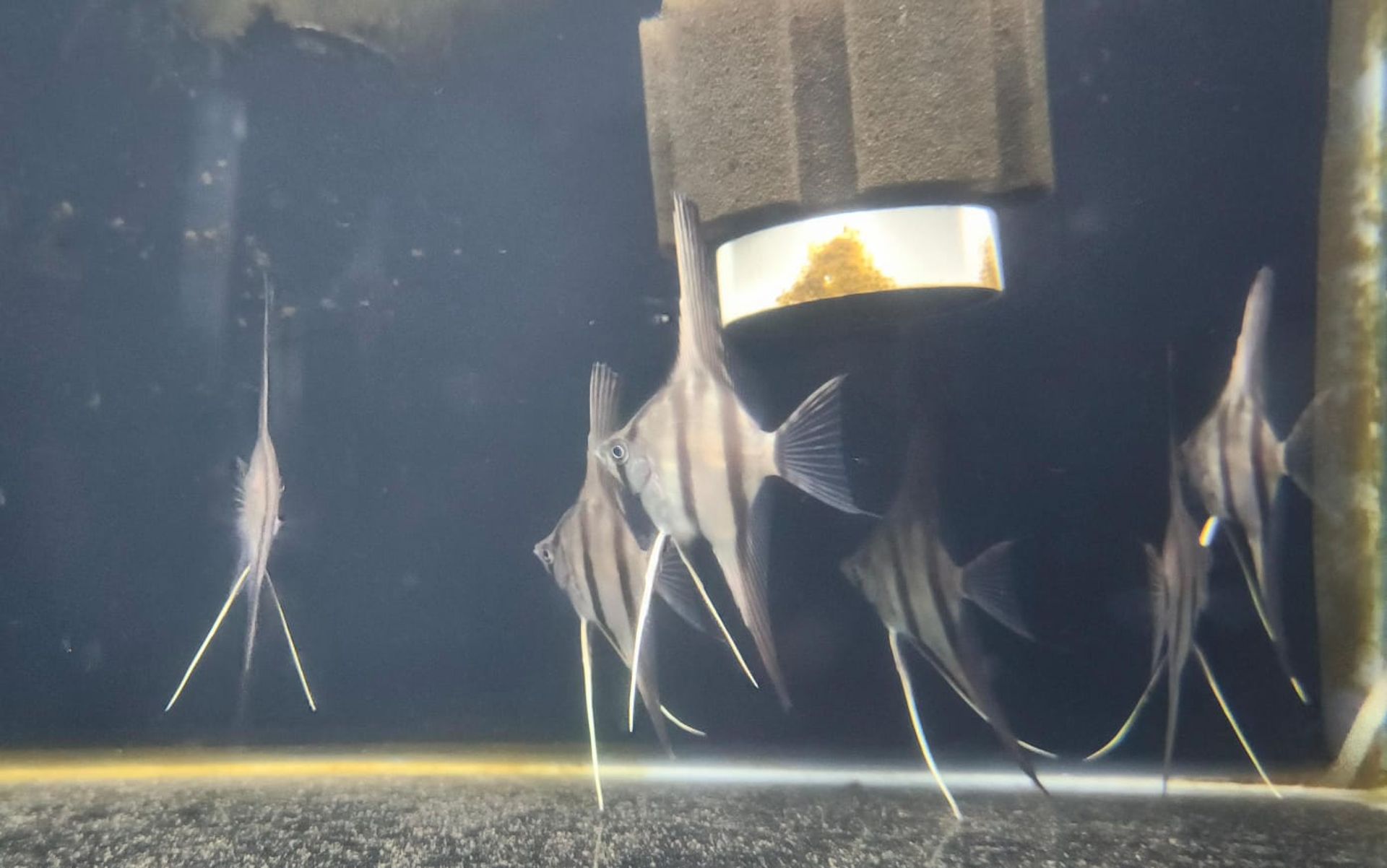
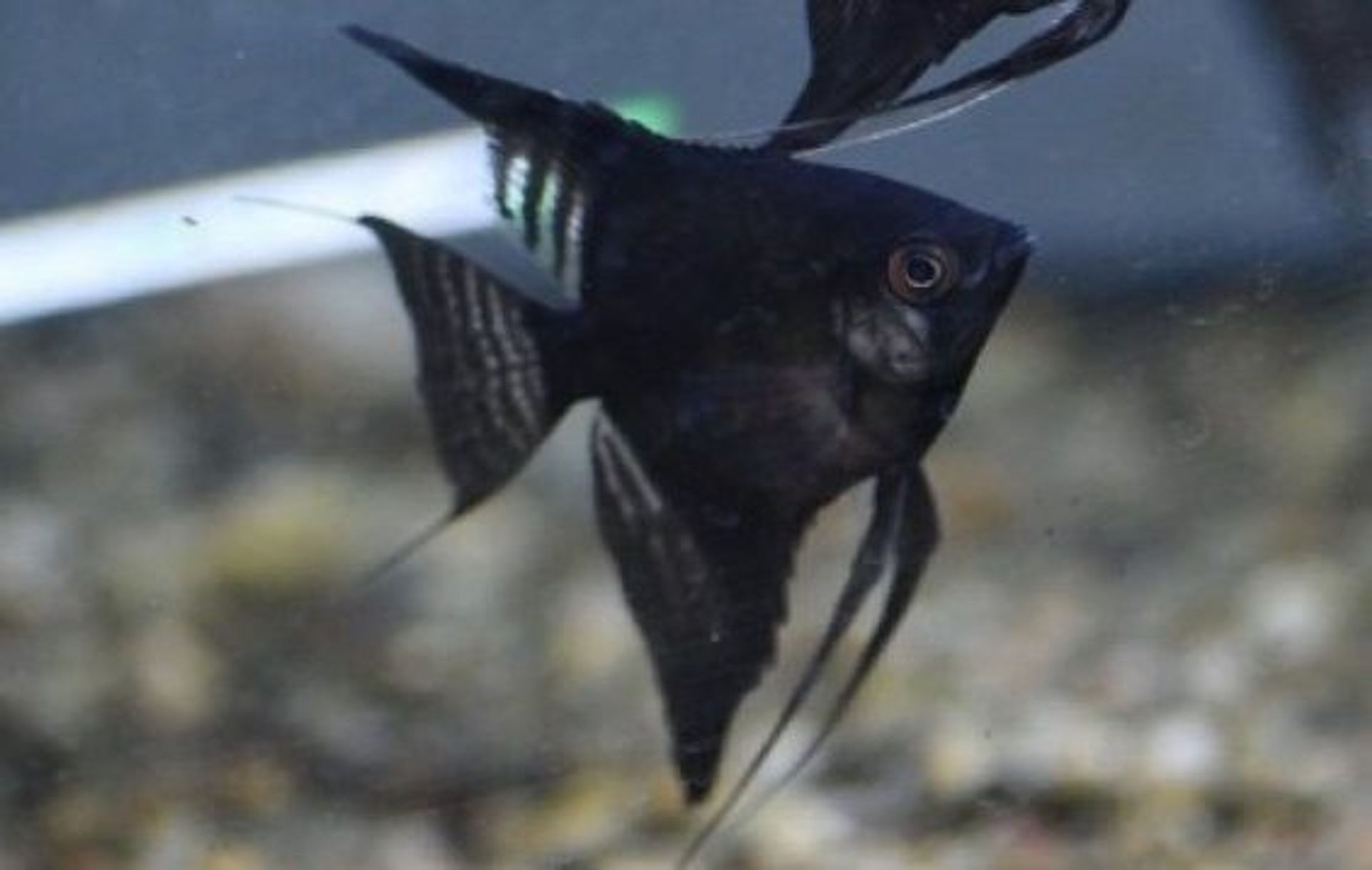
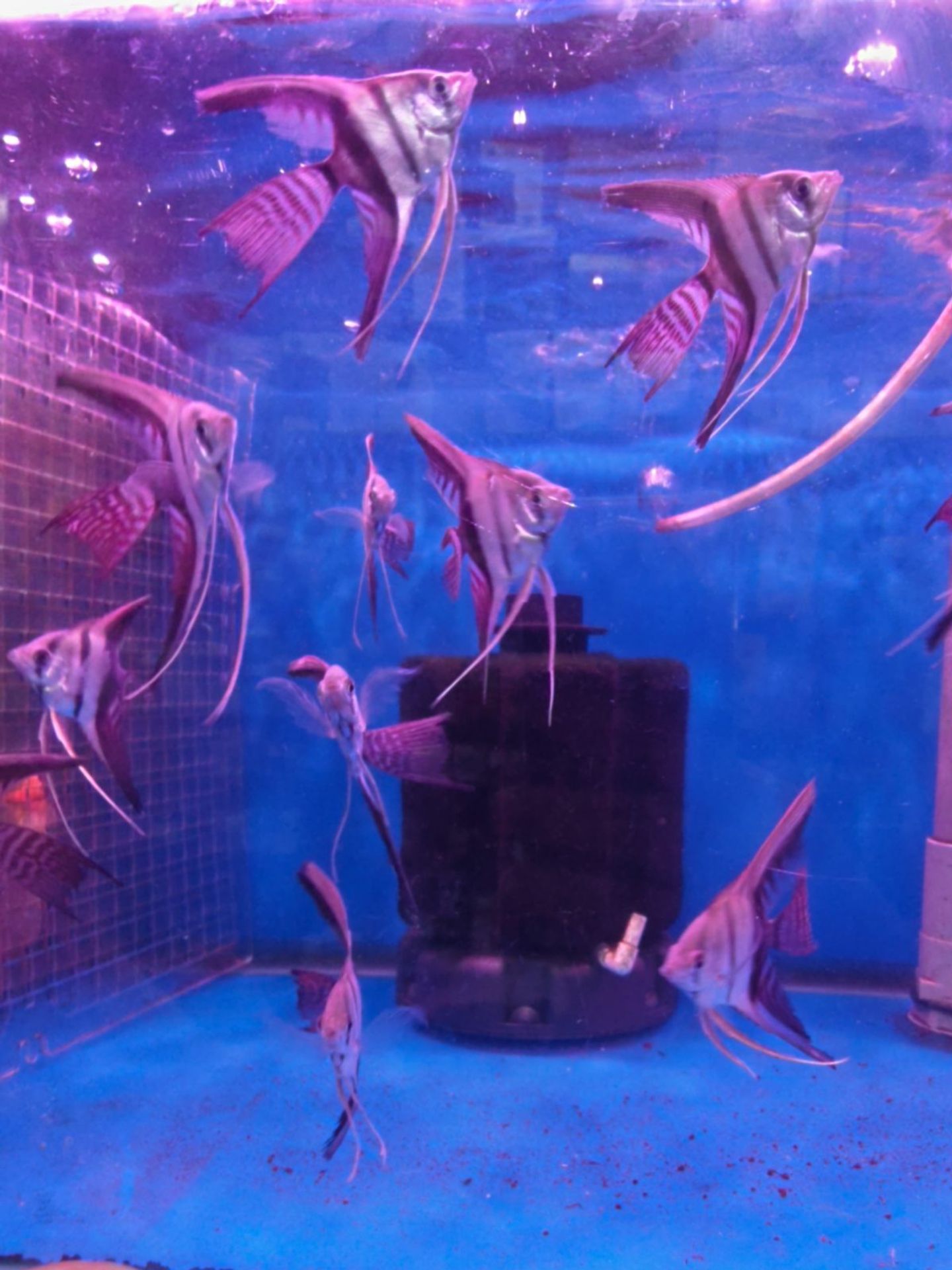
Longfin Black White Angelfish
Click to enlarge

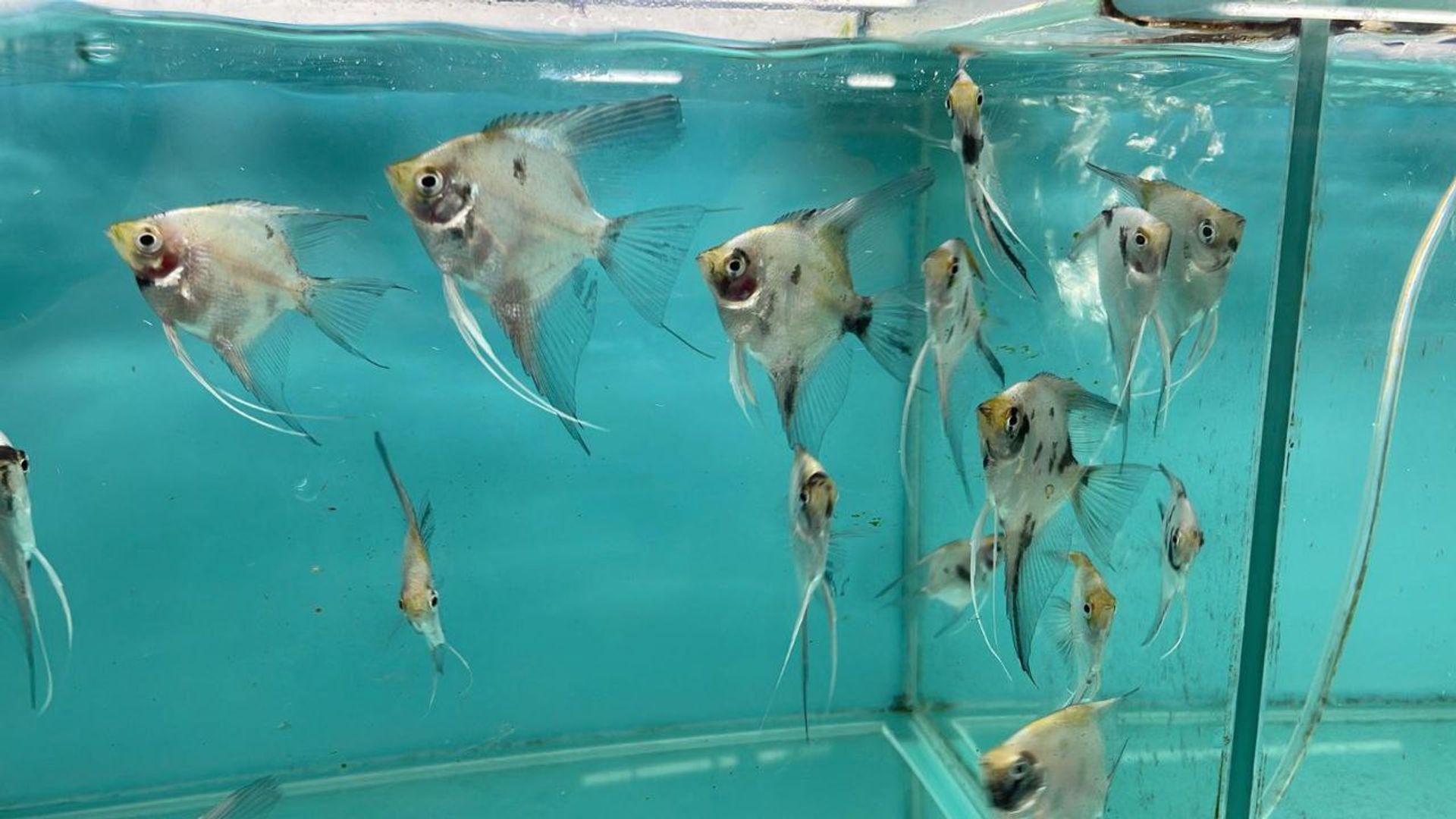
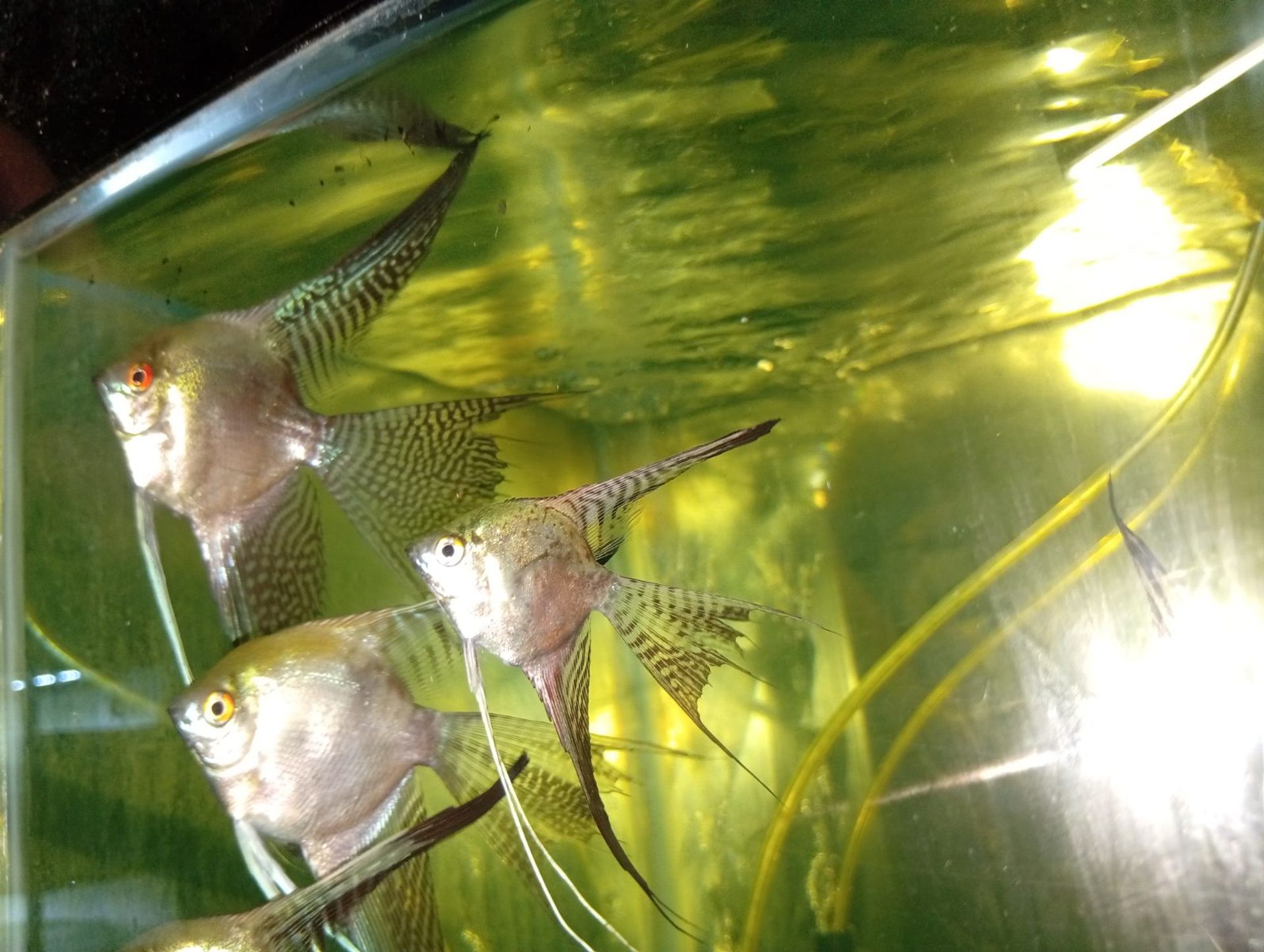
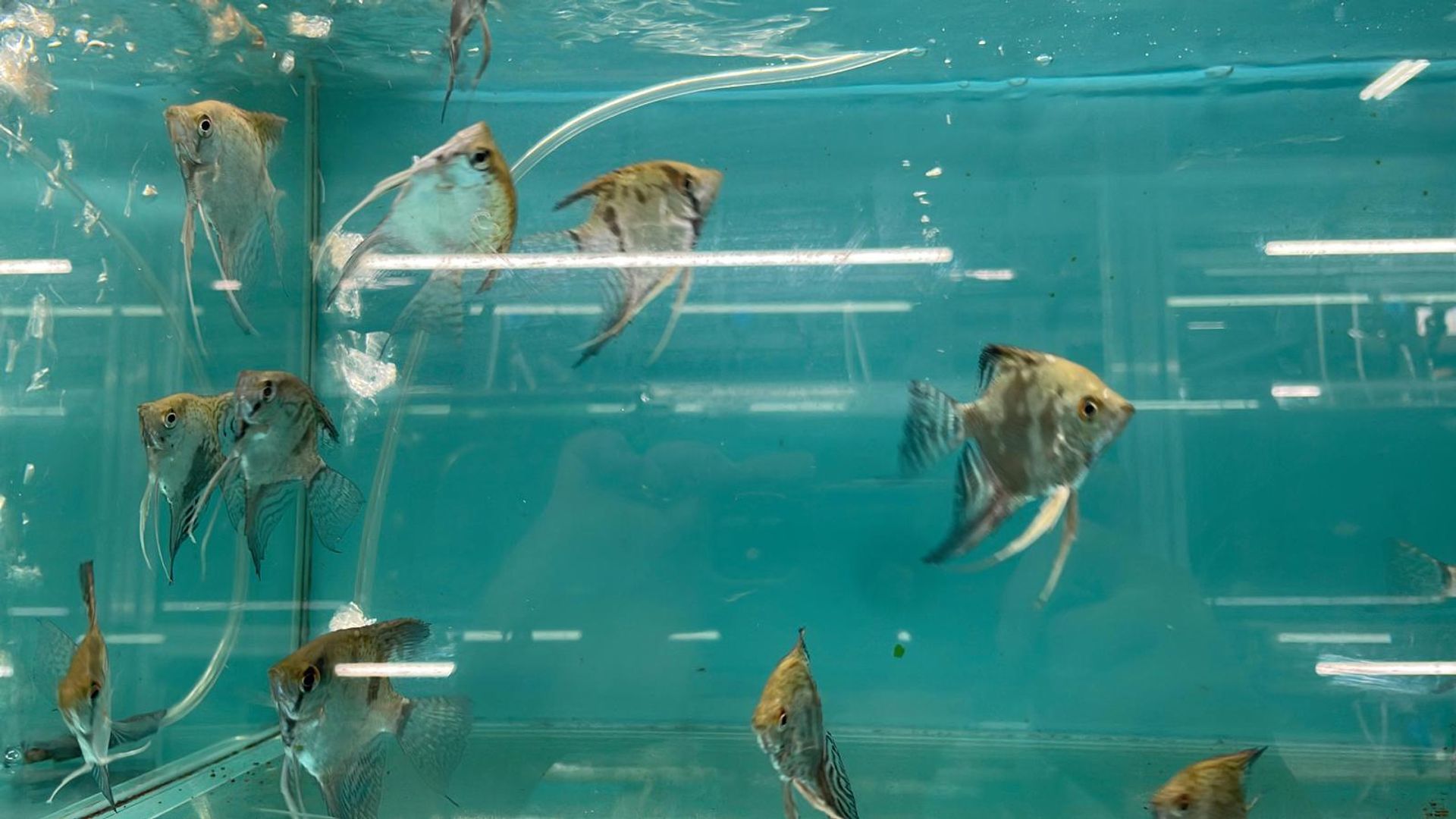
Unless stated otherwise, photos show the species, not the exact fish you'll receive.

Longfin Black White Angelfish

SGD 5.00

Delivery Information

Delivery takes 3 to 7 working days. Delivery fees will be shown upon checkout. Certain areas may require additional charges, and a top-up via PayNow will be needed. This includes Central Business District, Offices, Airport, Hospitals, Tertiary campuses, PSA terminals, Cargo Complexes, cargo ports, shipyards, Government buildings, secured compounds, SAF campus, Marina Bay Sands, Robinson, Marina Square,Orchard, Bras Basah, Sentosa, Tuas, Jurong Island, etc. Our customer service representatives will reach out to you if necessary.

Dead-on-arrival protection: report within 24 hours of delivery with a photo or video for an exchange or return.

Product Variations

Quantity

Stock: 10

Product Details

Size

2cm - 2cm

Temperament

Semi Aggressive

Water Condition

High PH

WYSIWYG

Representative Photo Only

Product Description

Veiled in black and white, its trailing fins drift like ink in water.

Longfin Black White Angelfish: striking black-and-white angels with flowing fins for peaceful, stable community aquariums. Healthy livestock and expert care advice.

  • Water conditions: The Longfin Black White Angelfish (Pterophyllum scalare) is a freshwater cichlid that thrives in warm, stable, well-oxygenated water. Aim for a temperature of 24–28°C (75–82°F), pH 6.5–7.5, general hardness around 3–12 dGH and carbonate hardness around 2–8 dKH. Keep ammonia and nitrite at 0 ppm and nitrate as low as practical, ideally below 20 ppm. These angelfish tolerate a range of tap water once acclimated, but they do not tolerate fluctuating parameters, so test regularly and make gradual changes. Use a reliable heater with a thermometer, and top up evaporation with dechlorinated water rather than untreated tap water. Longfin varieties benefit from excellent water quality because damaged or heavy fins are more prone to bacterial issues. Perform 25–30% partial water changes weekly, more often if stocking is heavy or nitrate rises. A gentle filter return and moderate surface movement are ideal; avoid strong currents that push long fins around. Drip-acclimate new arrivals over 45–60 minutes, especially if the pH or temperature differs from the store water.
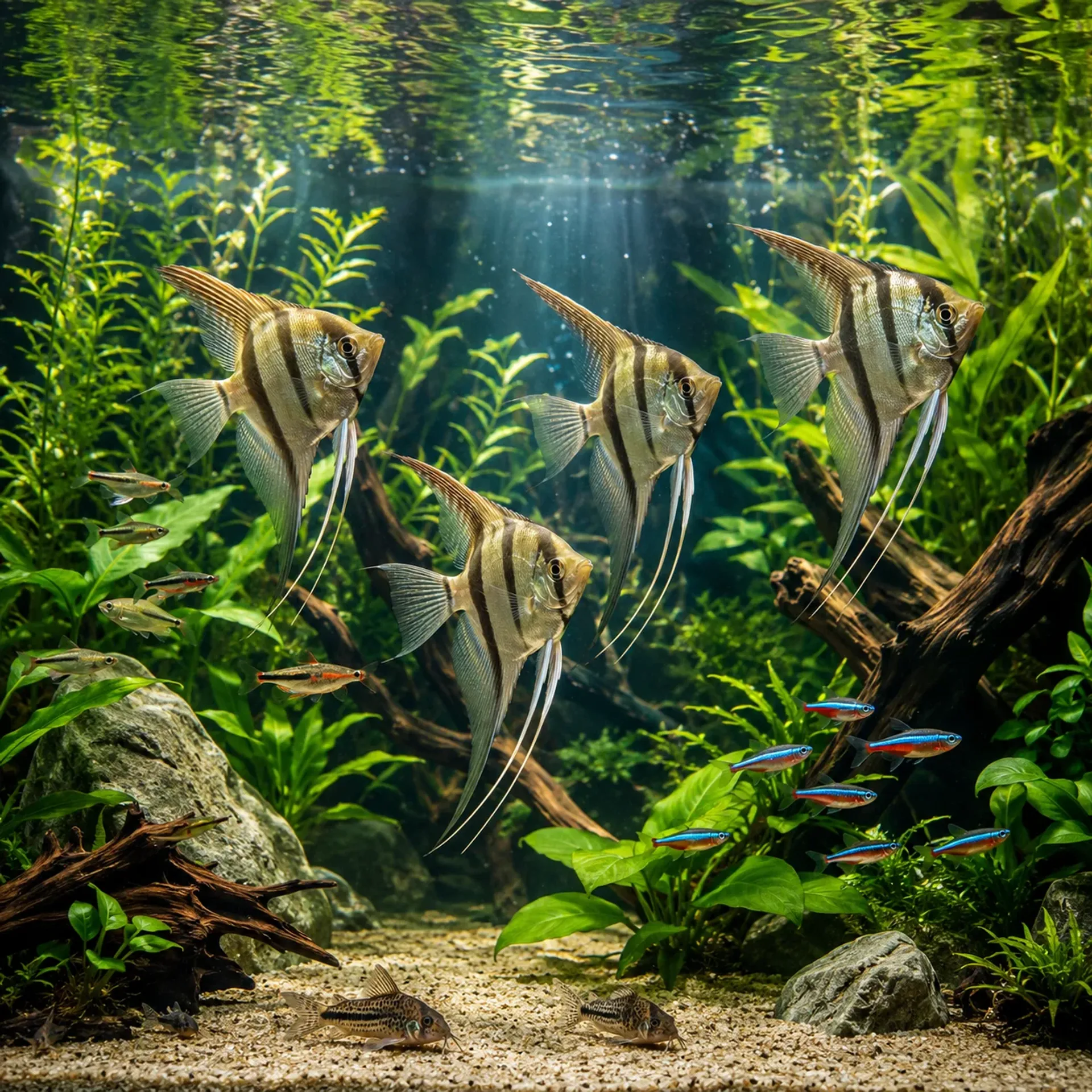
  • Suitable tank mates: Choose peaceful community fish that will not nip flowing fins. Good options include larger tetras such as black skirts, Congo tetras and rummynose tetras, plus harlequin rasboras, peaceful rainbowfish, Corydoras catfish, bristlenose plecos and smaller peaceful loaches. Avoid known fin-nippers such as tiger barbs, serpae tetras, Buenos Aires tetras and some danios, as they can shred long angel fins. Avoid aggressive cichlids, large predatory fish, goldfish and other cool-water species, and anything small enough to be eaten. Angelfish are cichlids and may become territorial when mature or breeding, so plan around adult behaviour rather than juvenile behaviour. A single angelfish or a compatible pair suits many community tanks; groups work best in larger, well-structured aquariums where territories can form naturally. Shrimp and very small snails may be eaten, especially as the angelfish grows. Always quarantine new tank mates to avoid introducing disease to your angelfish.
  • Feeding habits: Longfin Black White Angelfish are omnivores with a strong preference for protein-rich foods. Offer a staple cichlid pellet or quality flake as the base diet, then supplement with frozen or live foods such as bloodworm, brine shrimp, mysis, daphnia and cyclops. Include spirulina-based foods and blanched vegetables occasionally to support digestion and overall condition. Feed two to three small meals per day, offering only what the fish can clear in a few minutes. Avoid overfeeding, which fouls the water and contributes to fin problems and bloating. Variety is important: a monotonous diet can lead to nutritional gaps, while a varied diet supports colour, growth and fin regeneration. Remove uneaten frozen food promptly, and never feed spoiled or thawed-and-refrozen foods. If you keep a group, scatter food across the surface so weaker fish get their share.
  • Care requirements and longfin-specific advice: Provide a tall aquarium because angelfish are deep-bodied and long-finned. A minimum of 200 litres is sensible for a small group, with a height of at least 55–60 cm; a compatible adult pair can be kept in a well-maintained 150–200 litre tank. Use smooth driftwood, rounded rocks and soft or silk plants rather than sharp plastic plants that can tear fins. A dark background and subdued lighting help the black-and-white pattern stand out and reduce stress. Keep a tight-fitting lid, as angelfish can jump. Long fins are delicate: avoid powerful wavemakers, aggressive tank mates and overcrowding, and monitor for split fins, clamped fins, white edges or fin rot. Treat any damage early with clean water and a quarantine tank if needed. Maintain a consistent photoperiod, usually 8–10 hours, and avoid sudden temperature swings. Observe social behaviour: juveniles may group loosely, but mature pairs can become territorial, especially around spawning sites. Breeding pairs may need their own tank. Use a specimen container rather than a coarse net when moving long-finned fish, and never mix unquarantined livestock. Available as juveniles; exact size varies with batch, so ask for current sizing before ordering.
  • Acclimation, quarantine and health checks: On arrival, float the bag to equalise temperature, then drip-acclimate slowly and release the fish with a container rather than pouring store water into the aquarium. Quarantine new angelfish for at least two to four weeks where possible, watching for white spot, velvet, gill flukes, clamped fins and stringy waste. Keep water clean and stable during quarantine, and avoid treating preventatively unless advised. Longfin Black White Angelfish are hardy once settled but deserve careful observation because their finnage makes damage and secondary infections more visible. Record feeding response, colour, breathing rate and fin posture daily for the first week. Provide a varied diet, gentle flow, compatible tank mates and consistent maintenance, and this elegant angelfish will make a graceful centrepiece in a peaceful freshwater community.

More from The 181 Aquarium

The 181 Aquarium

The 181 Aquarium

View Store →

Suitable Tank Mates for Longfin Black White Angelfish
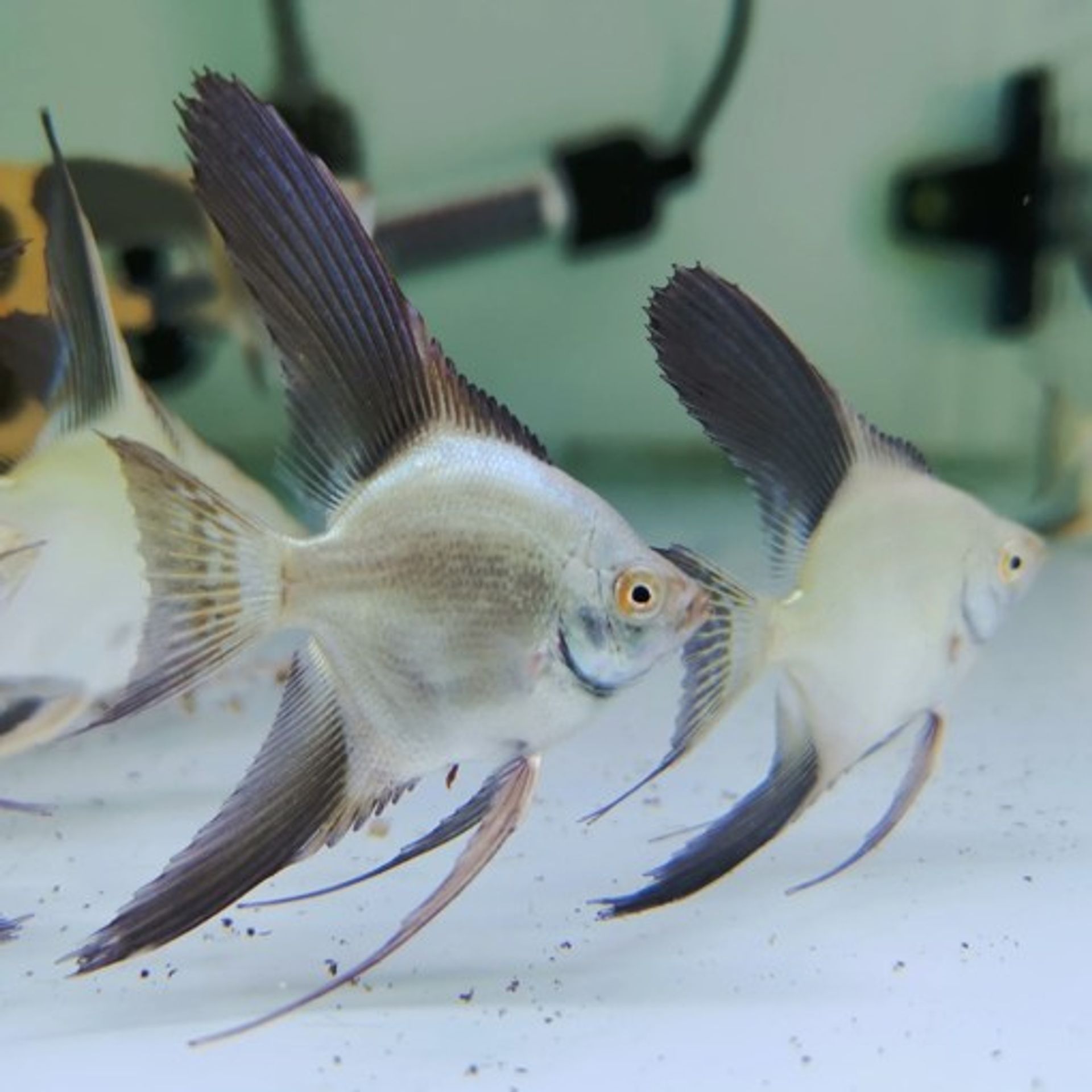
Similar Angelfish, Discus, Rams & Cichlids You May Like