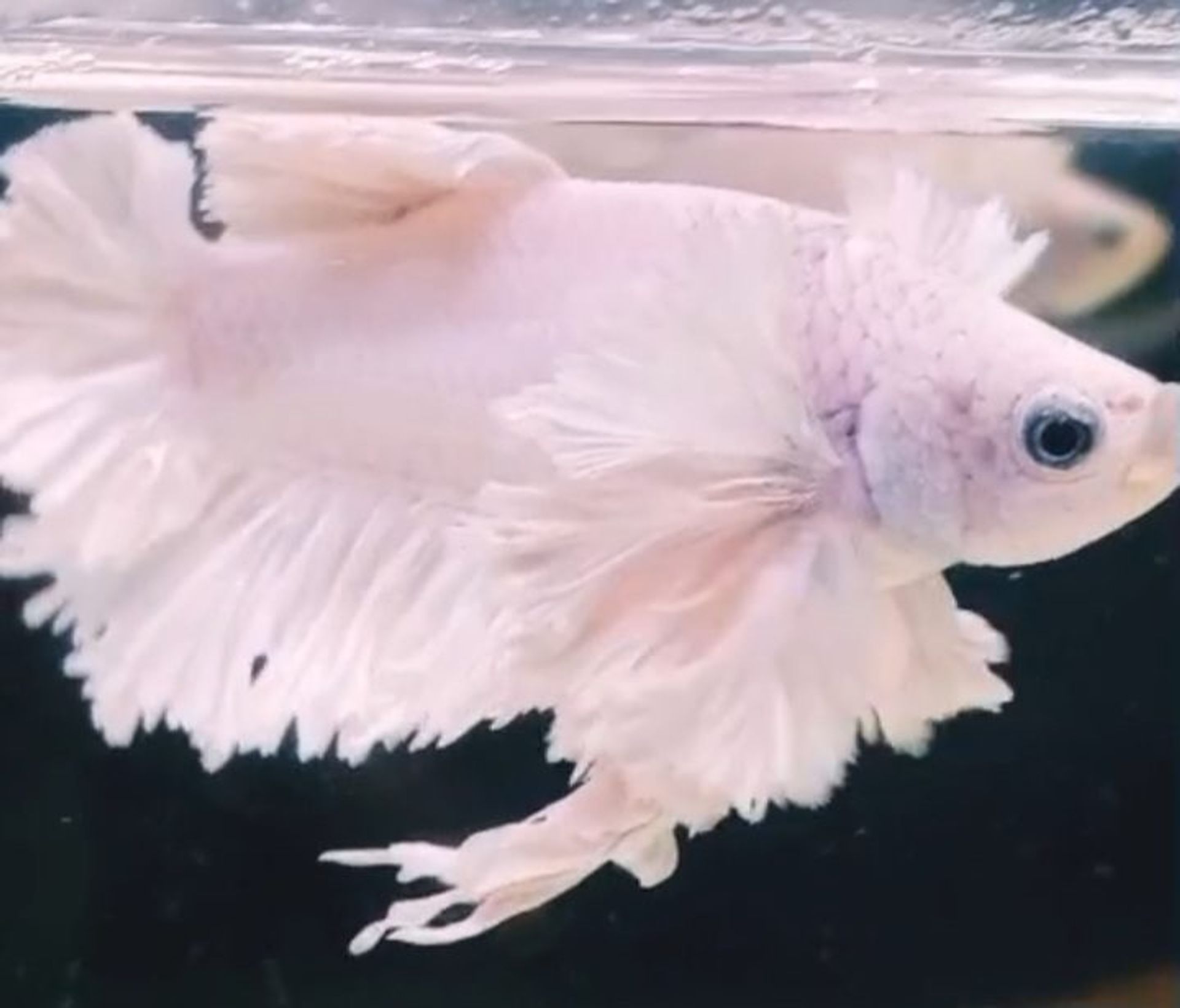
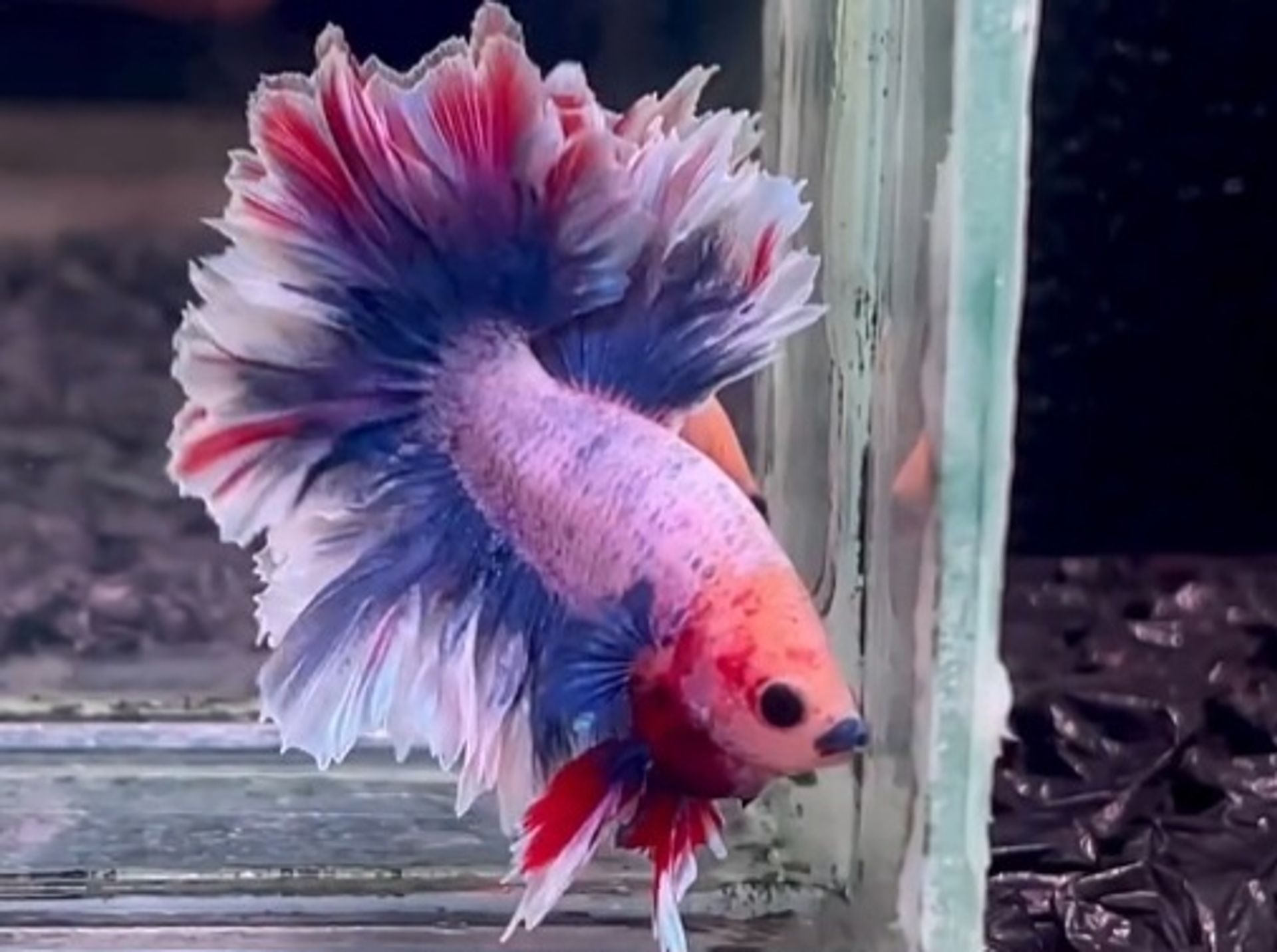
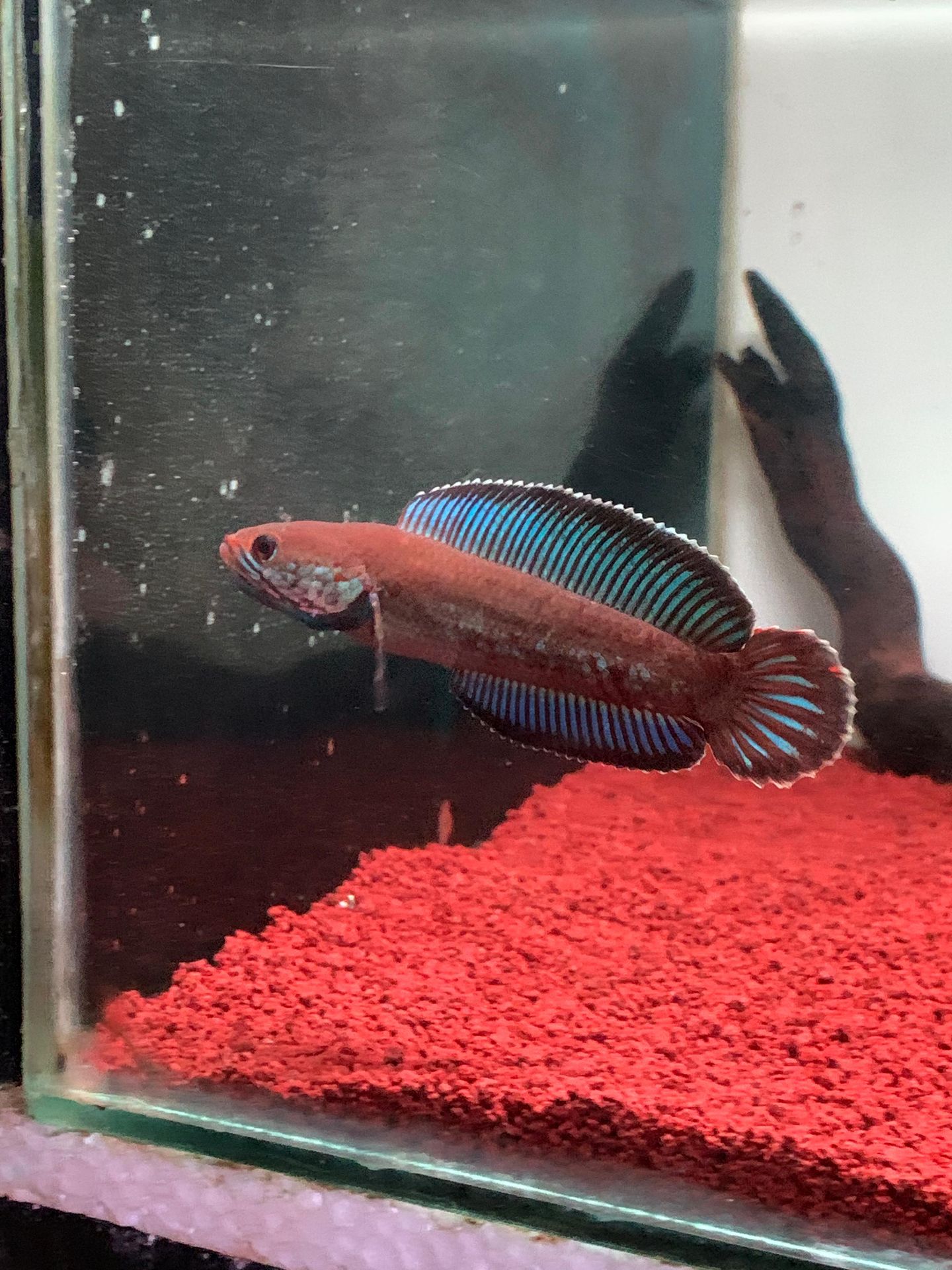
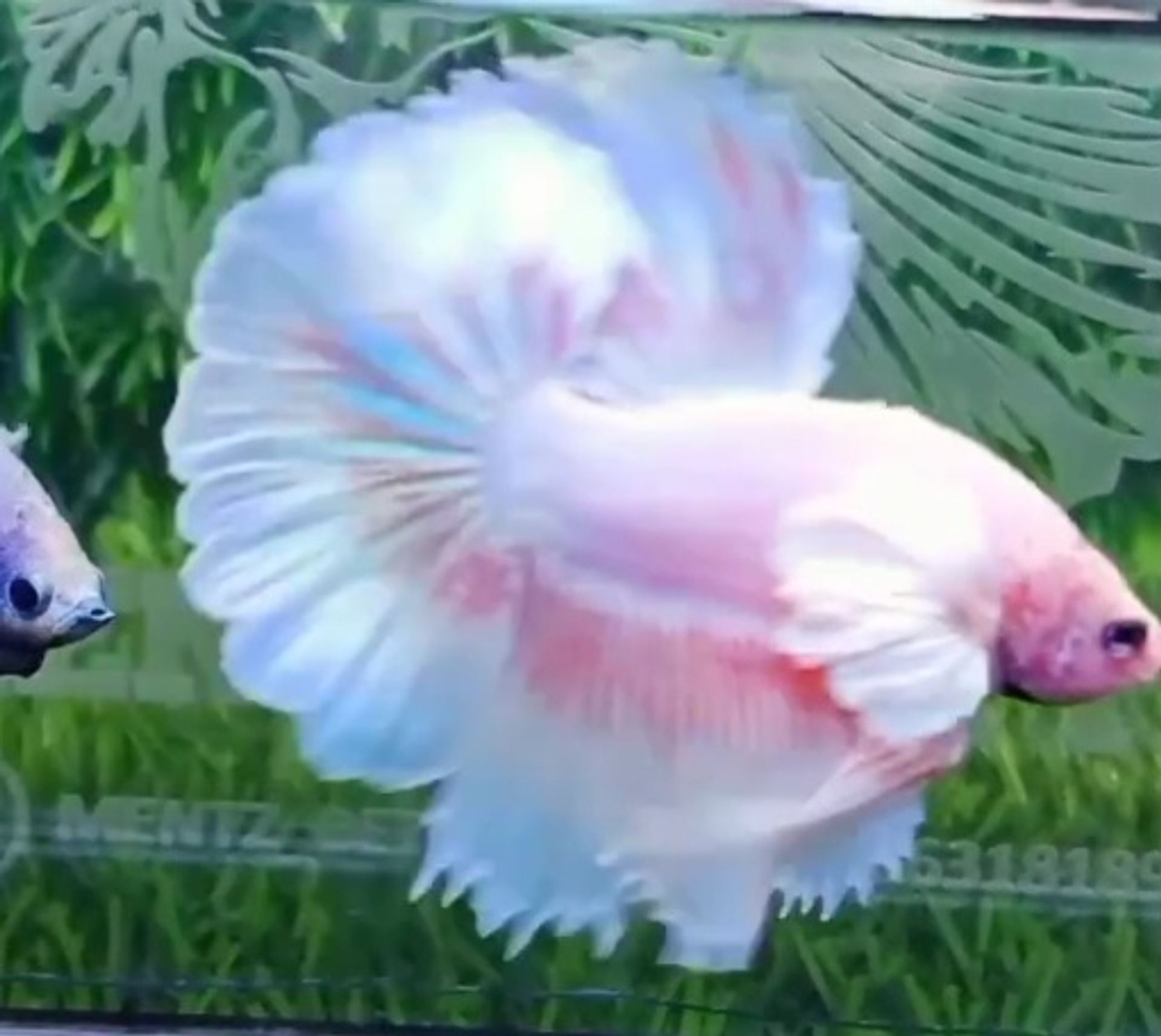
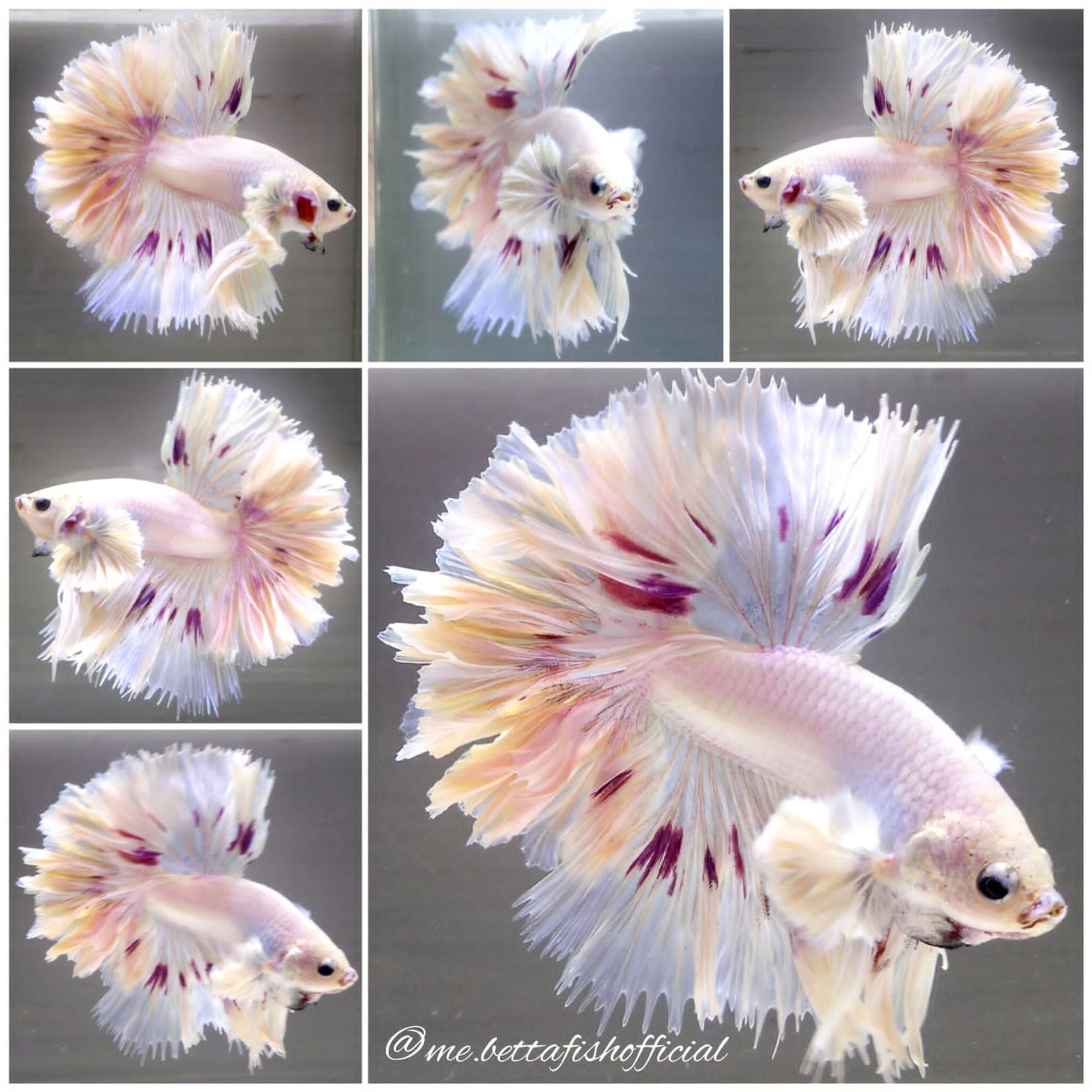
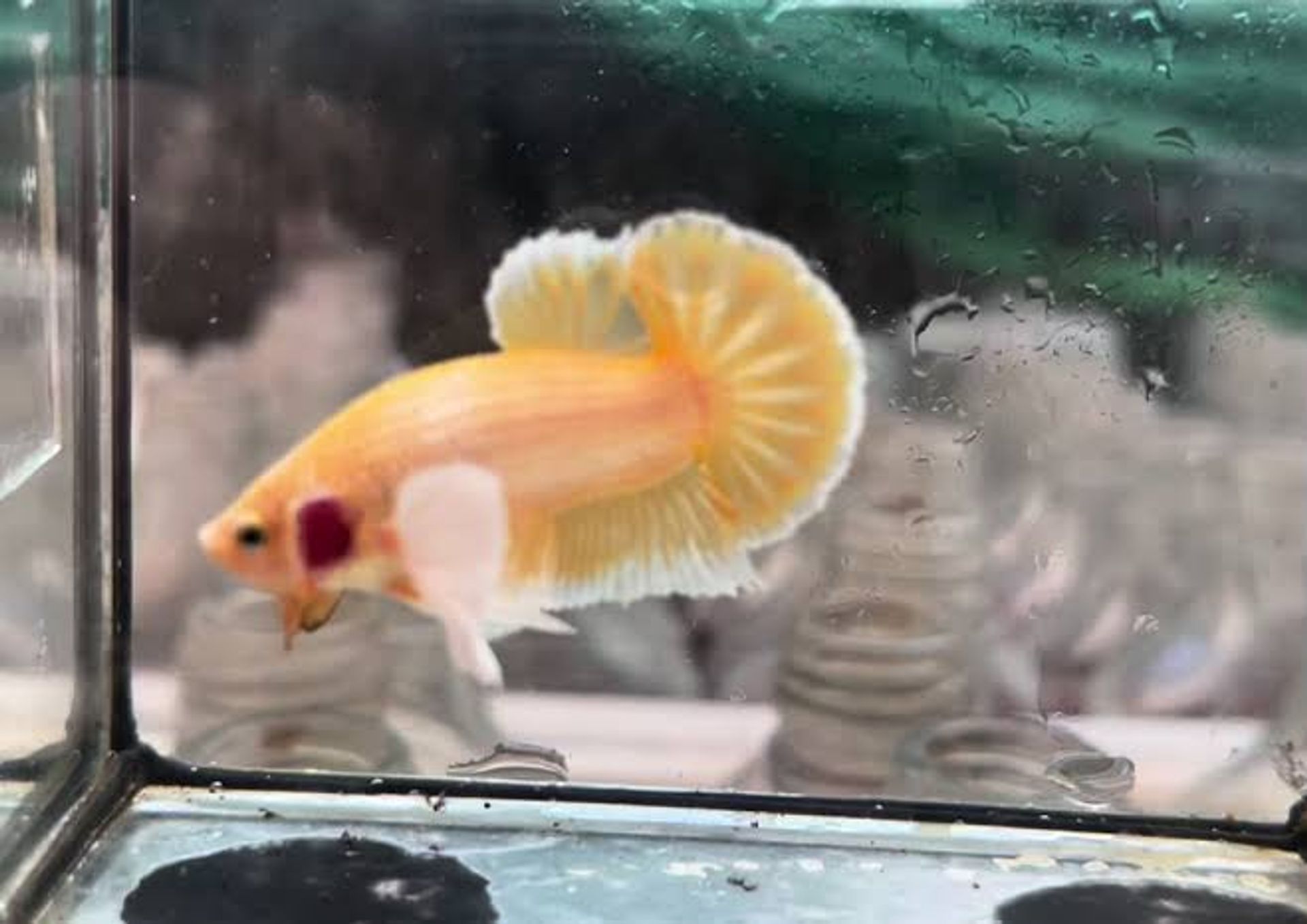
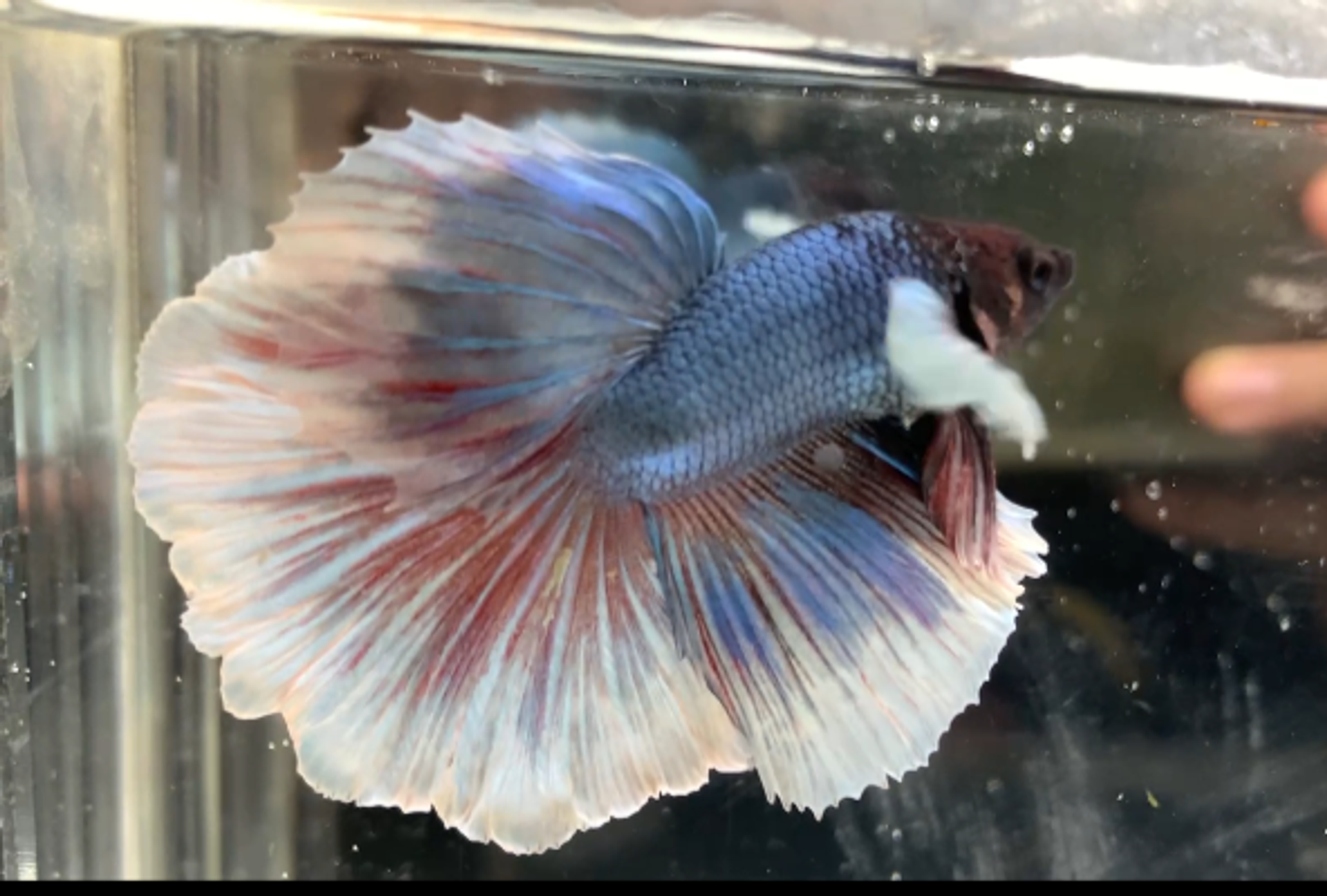
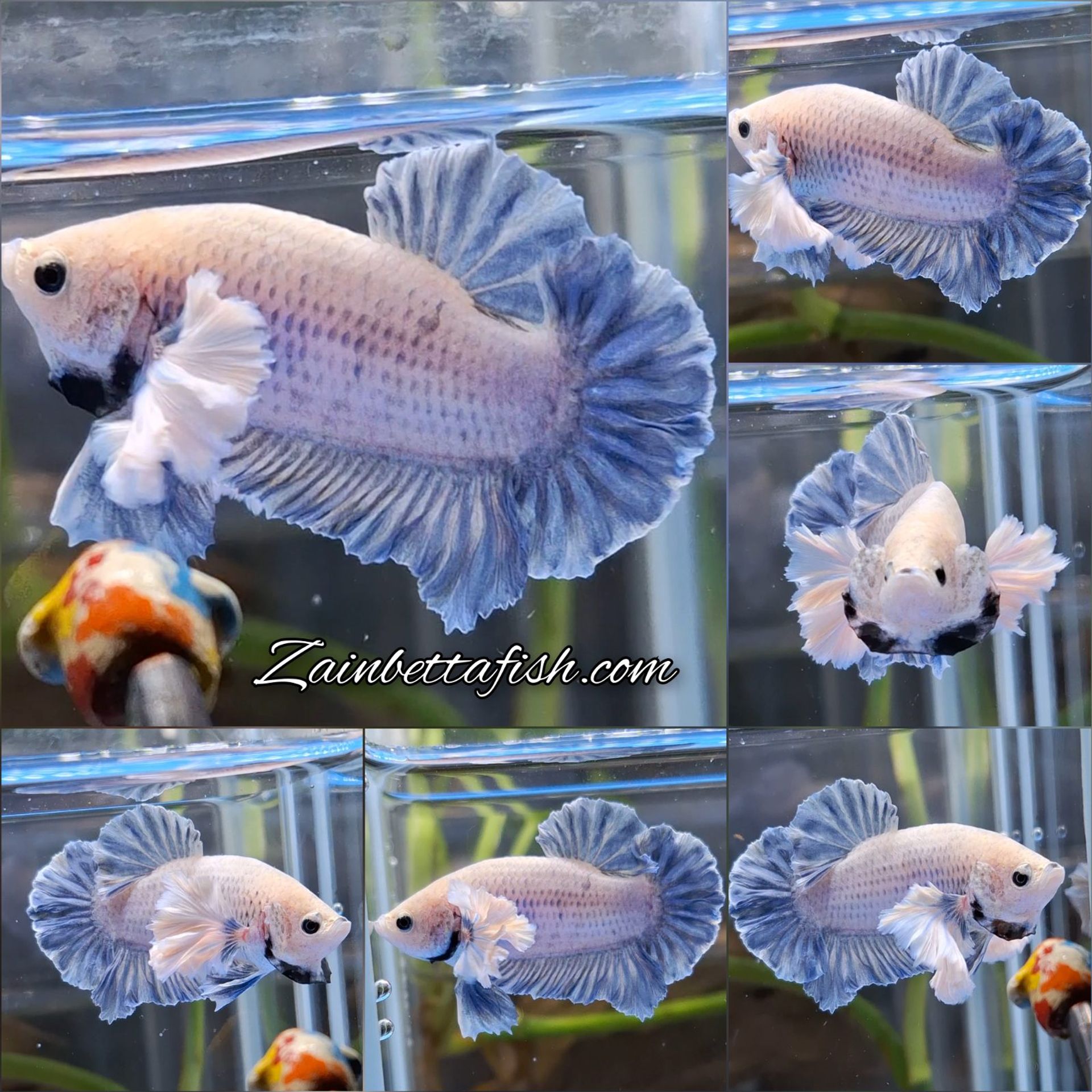
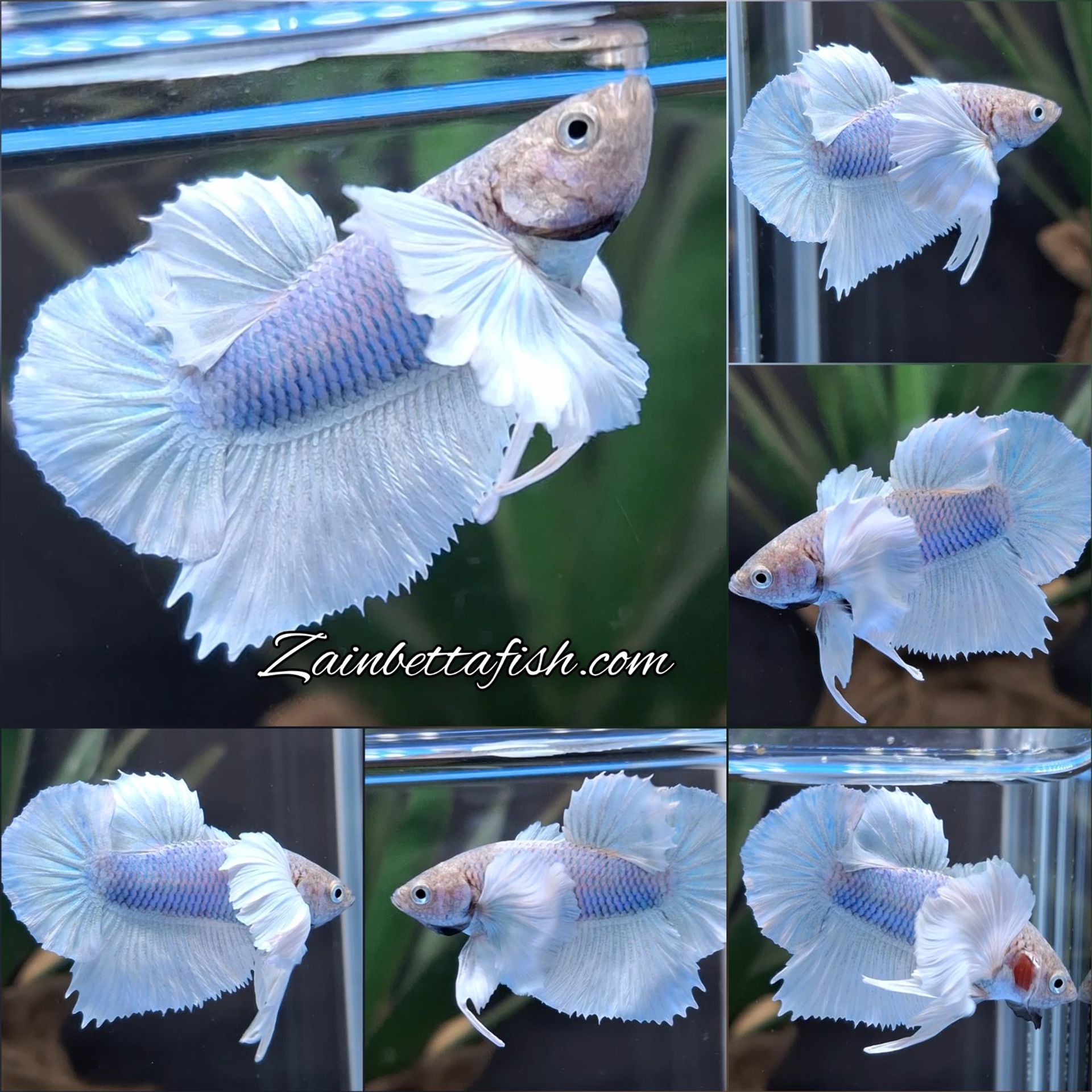
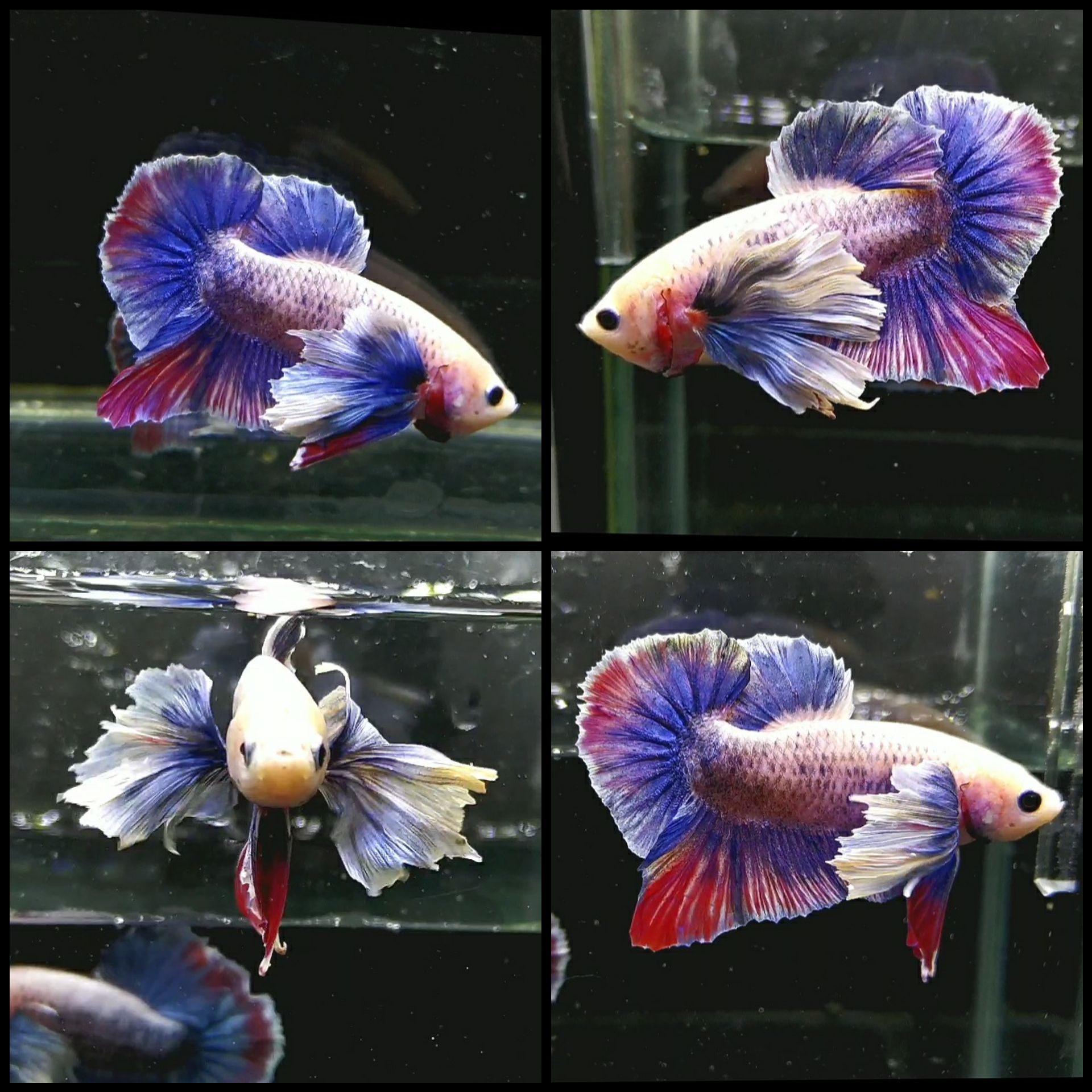
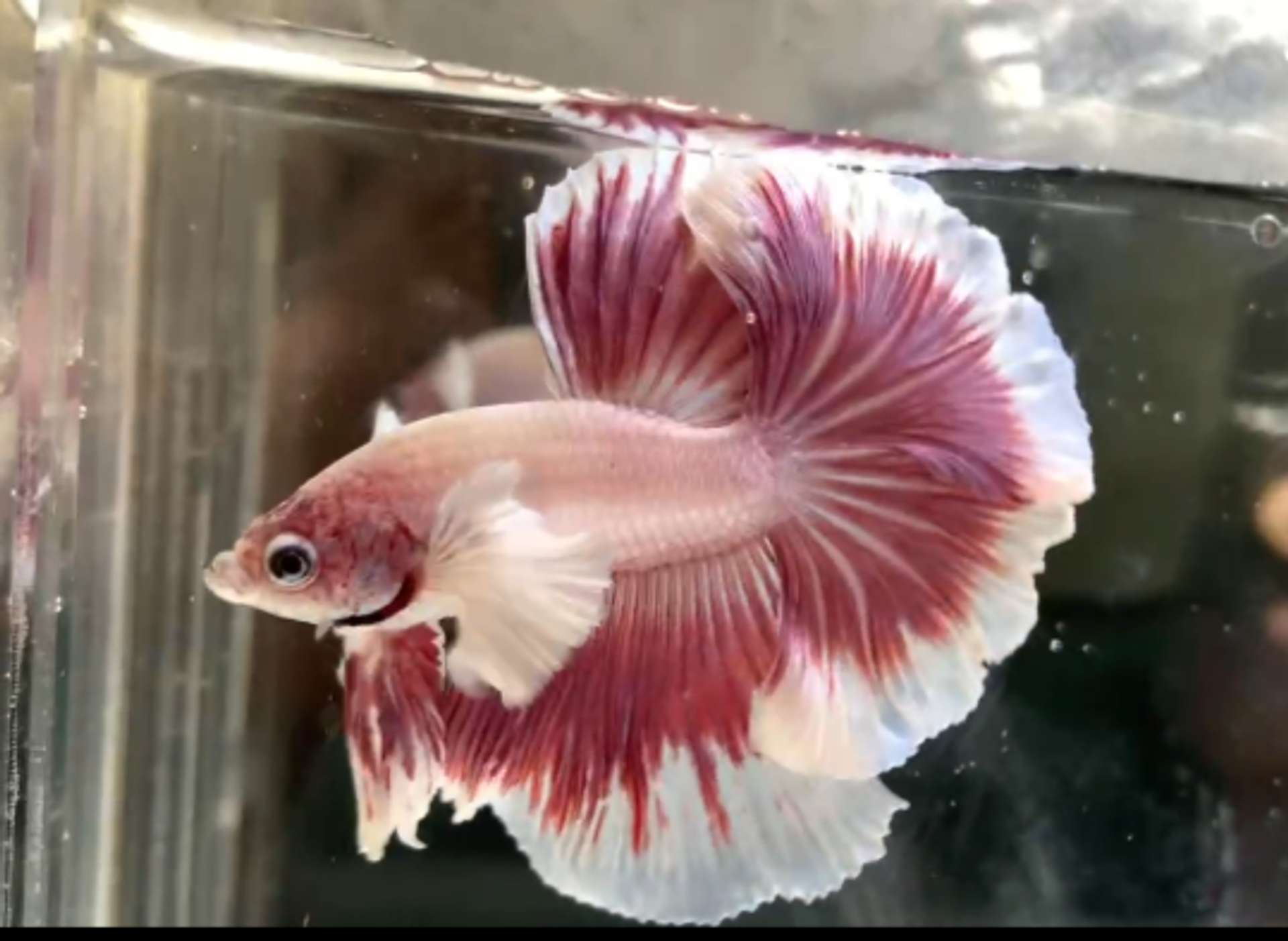
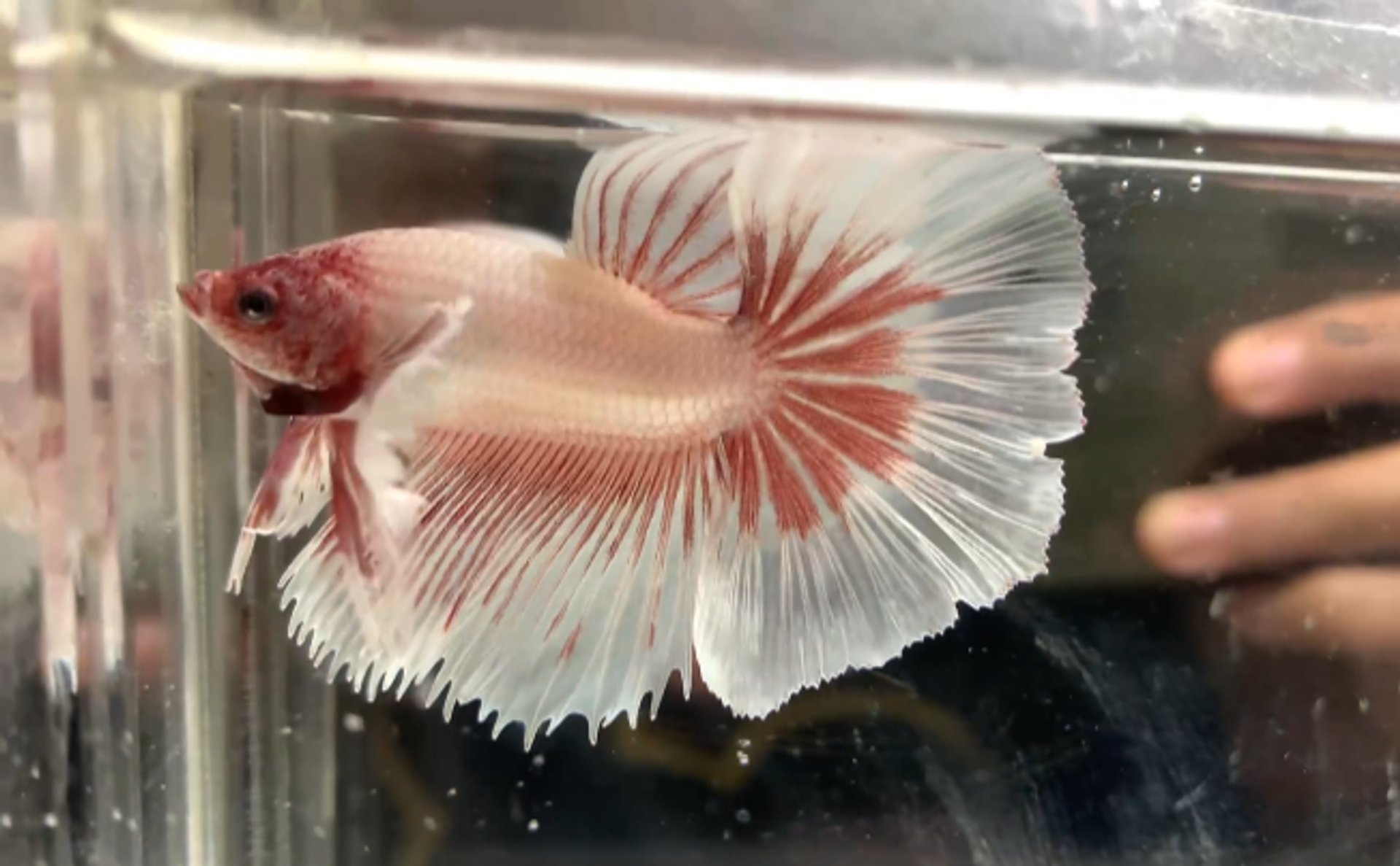
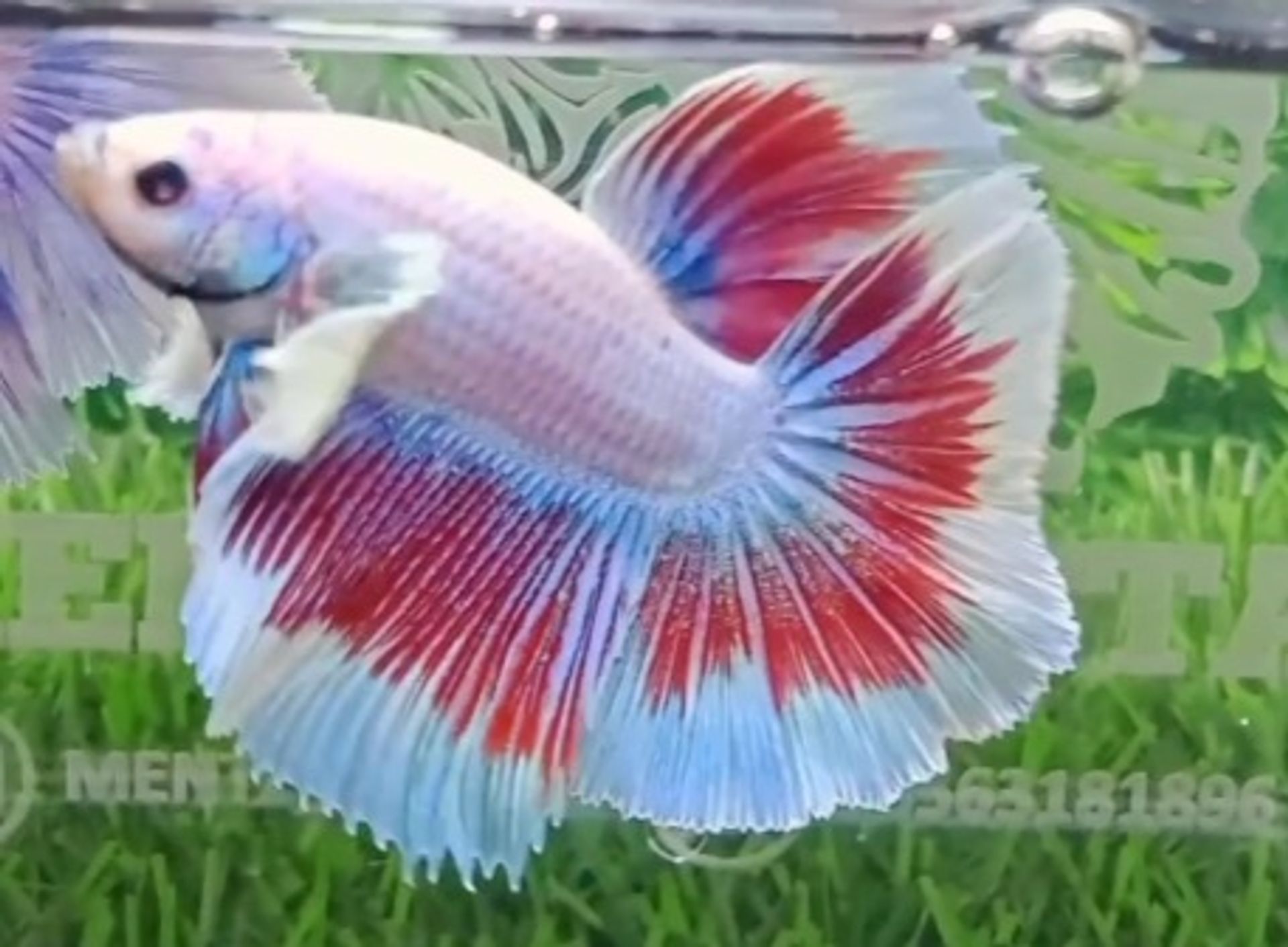
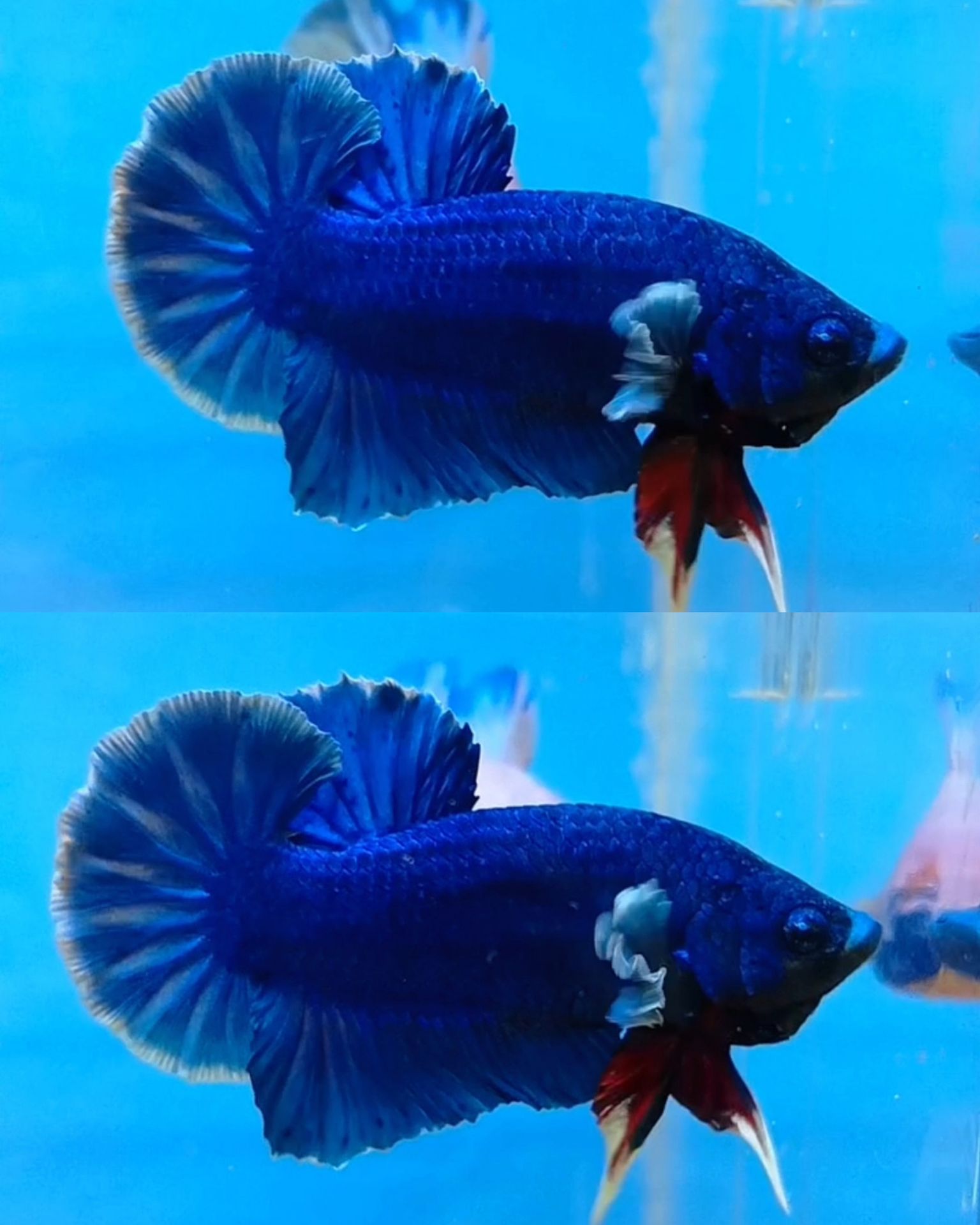
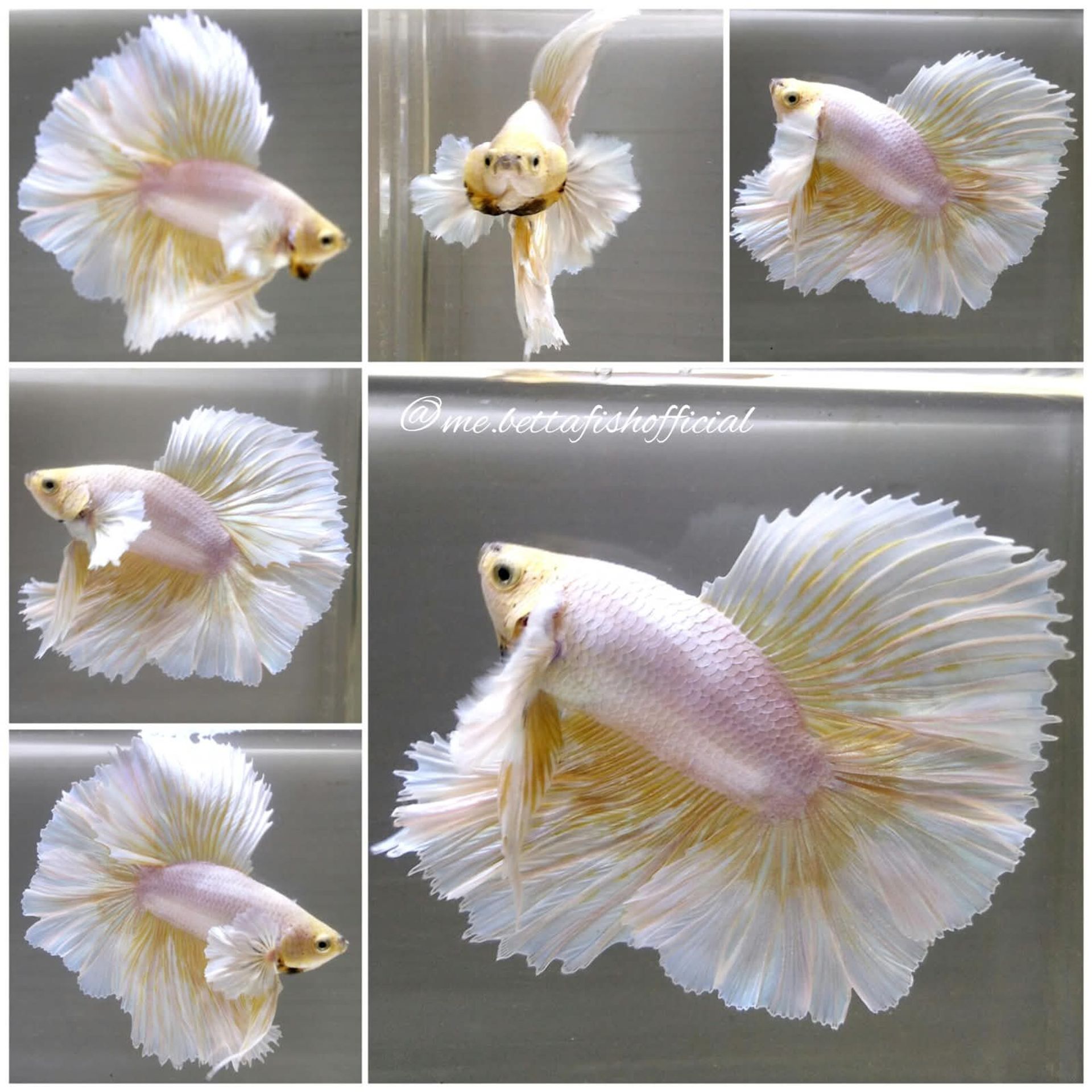
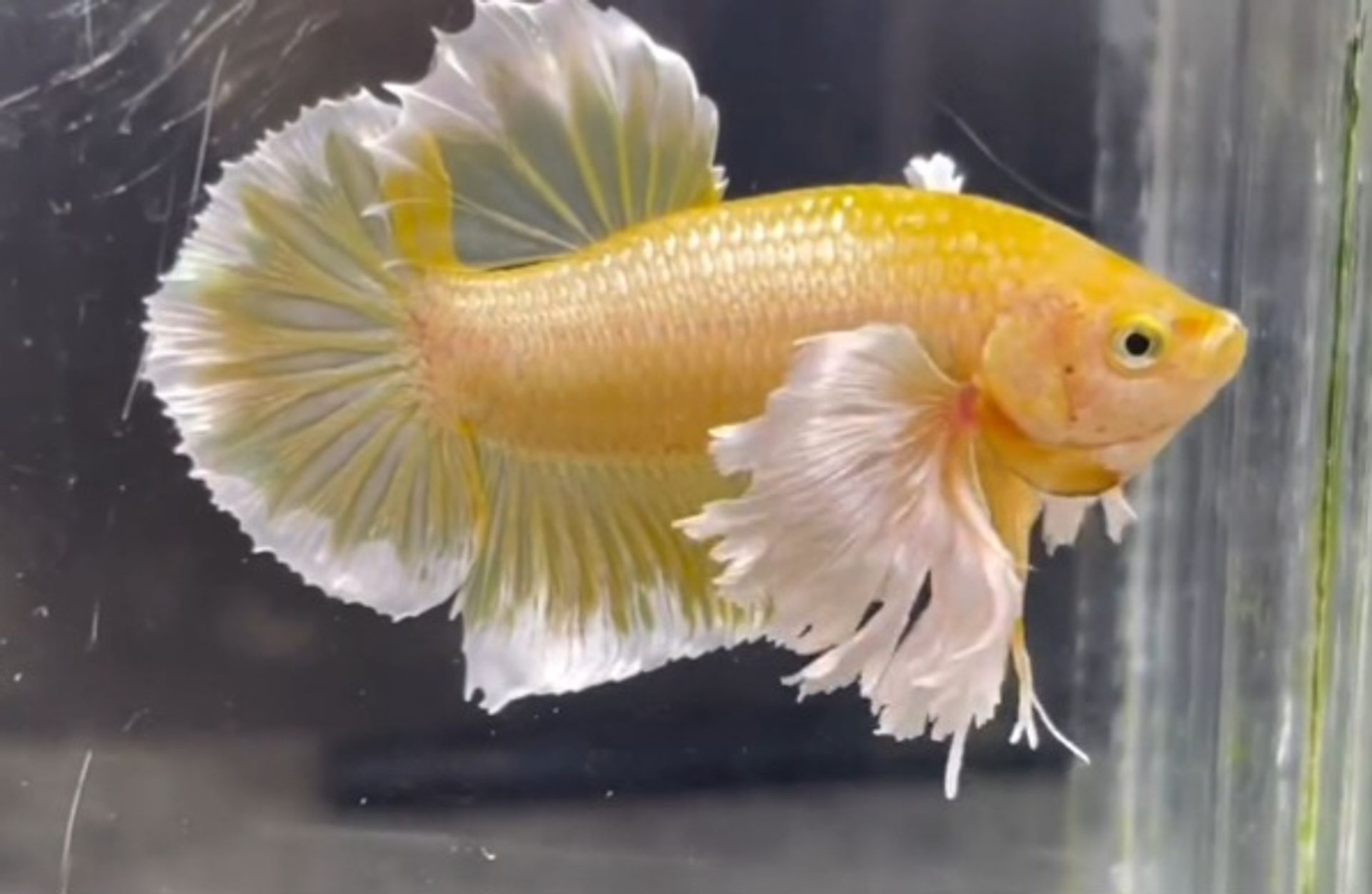
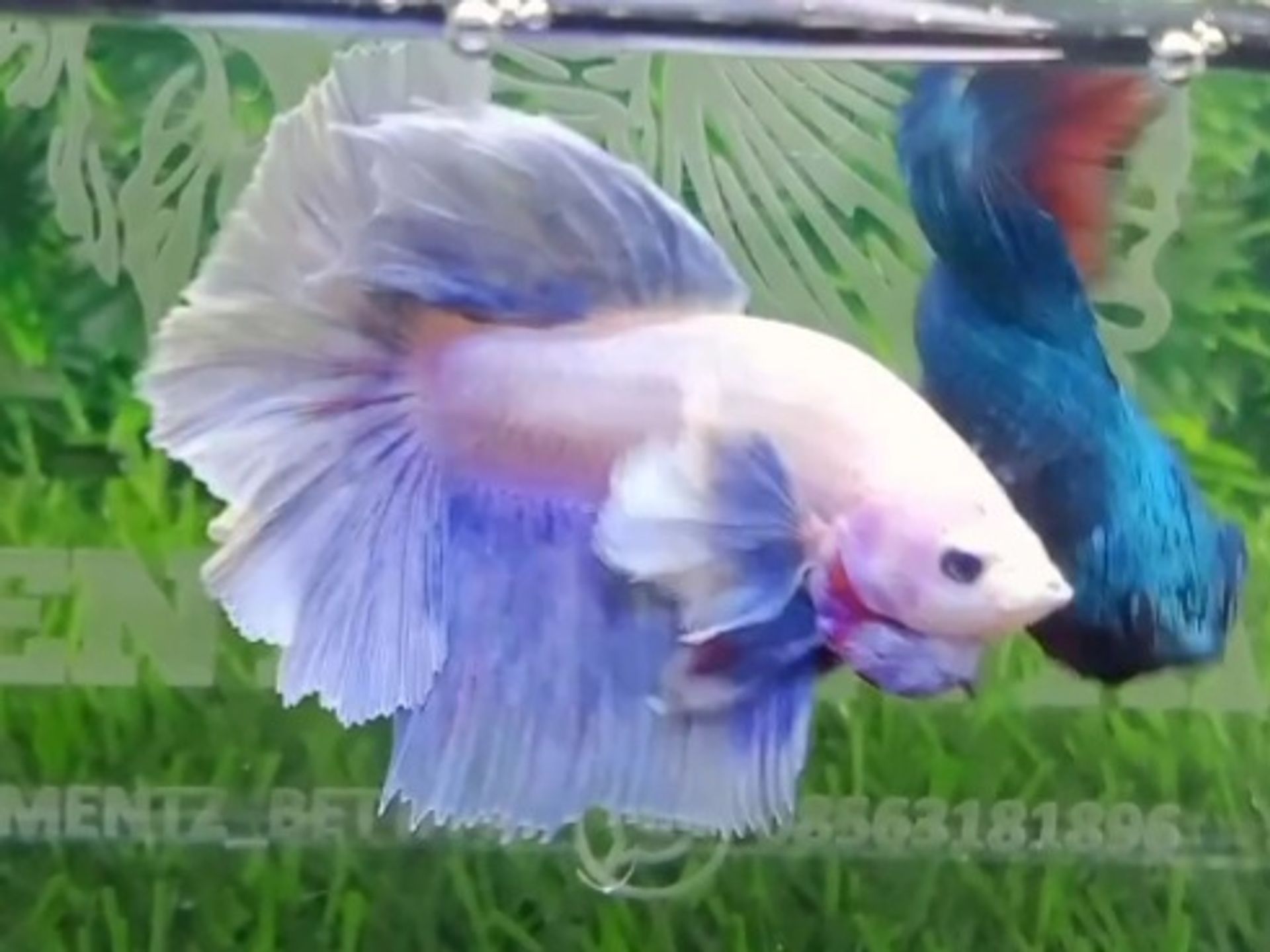
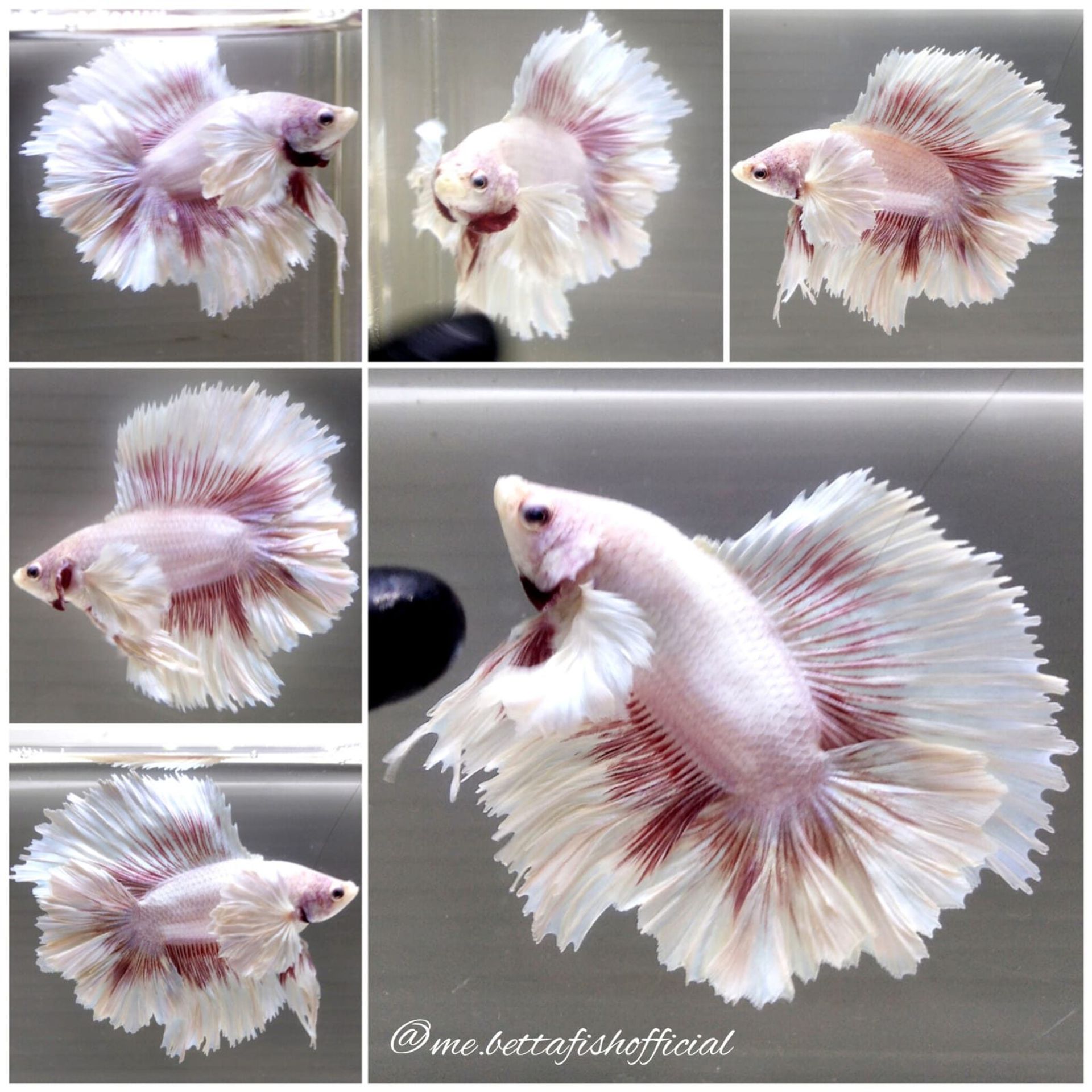
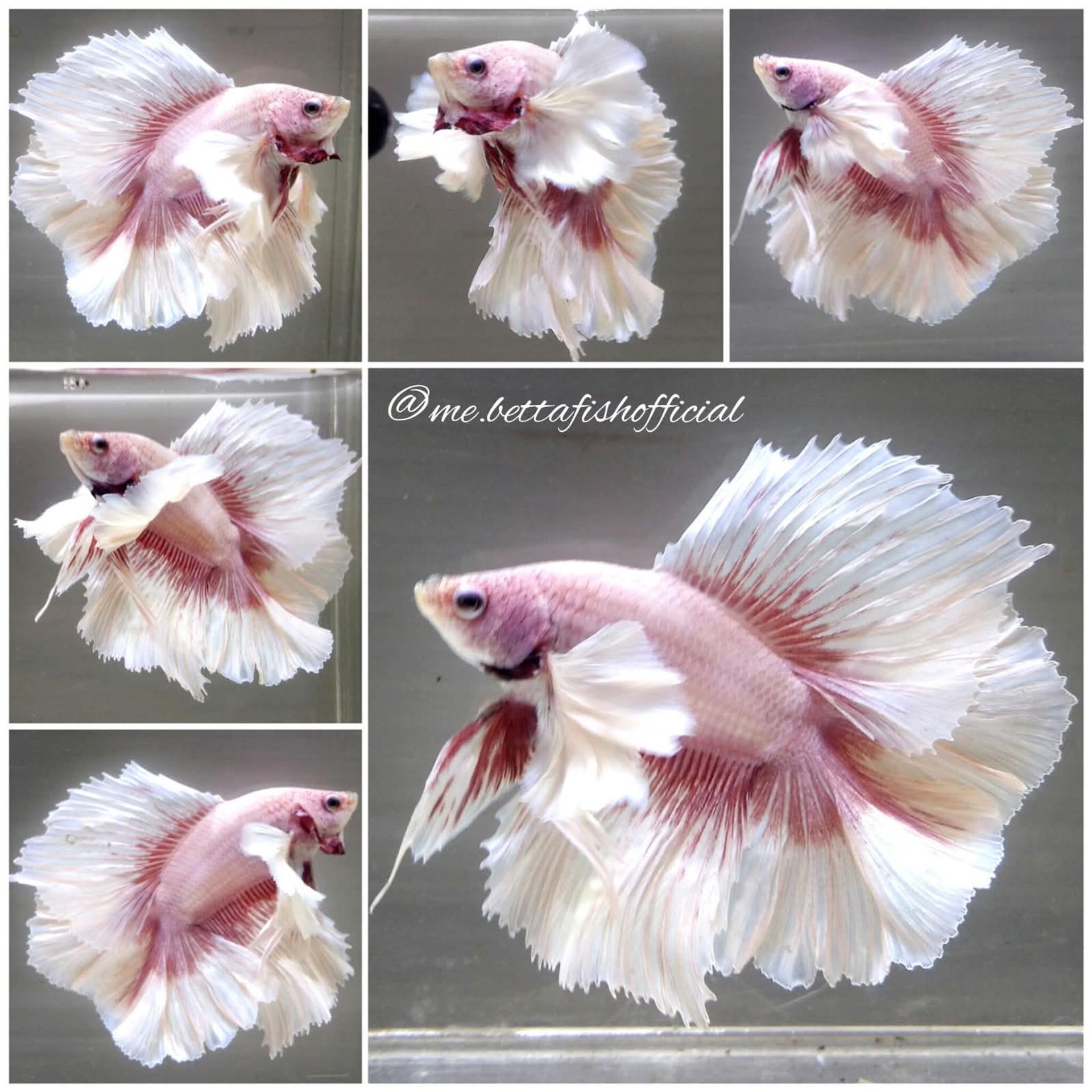
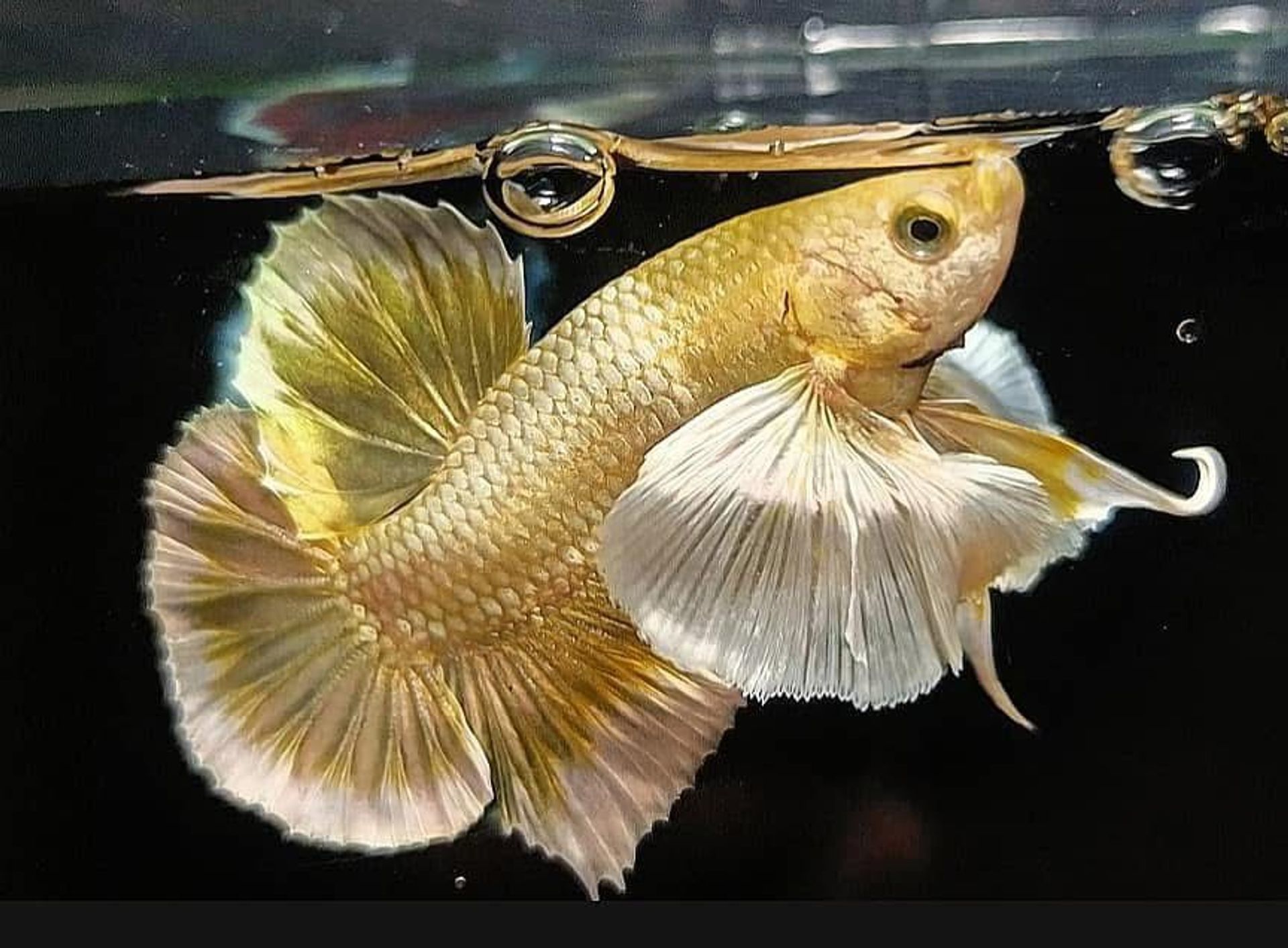
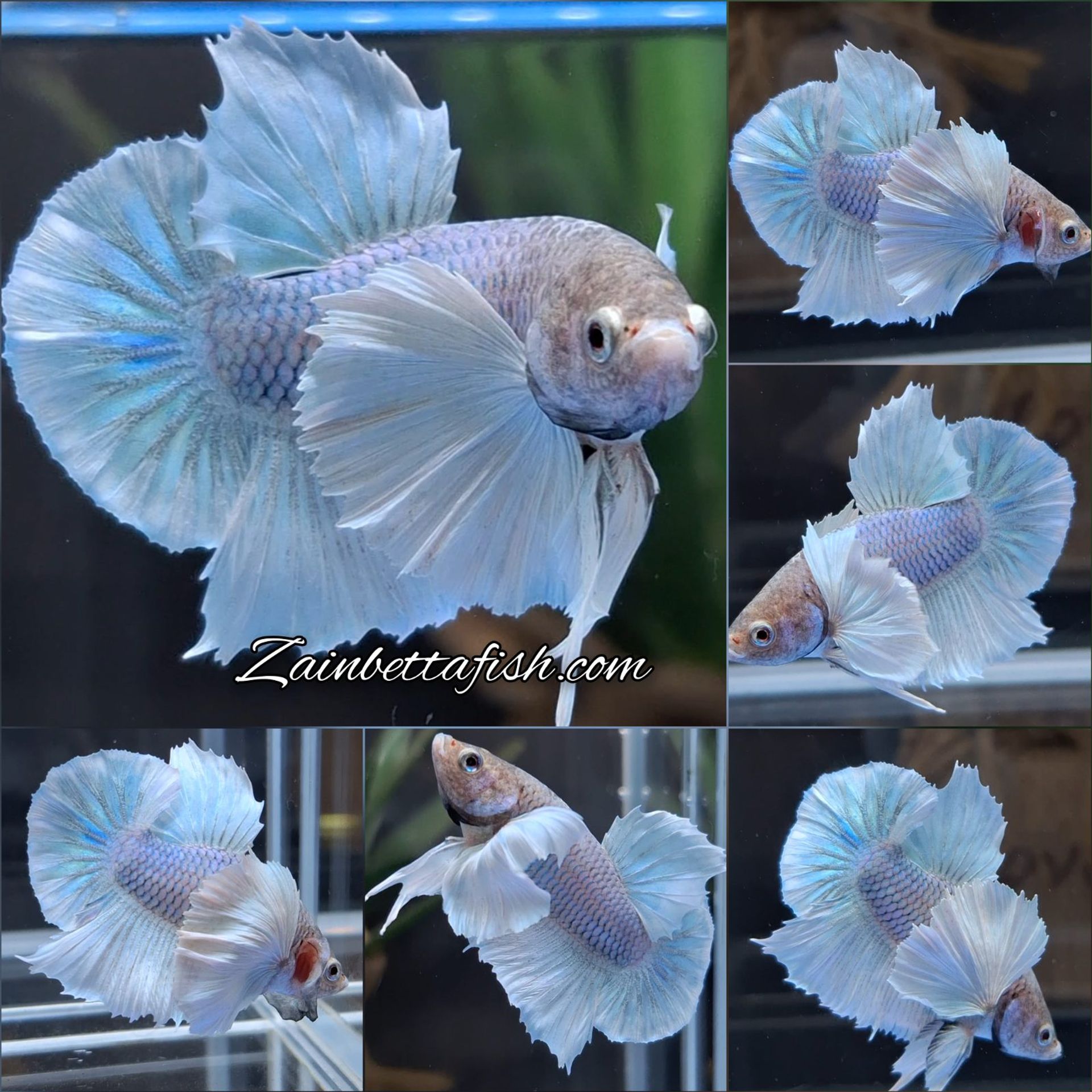
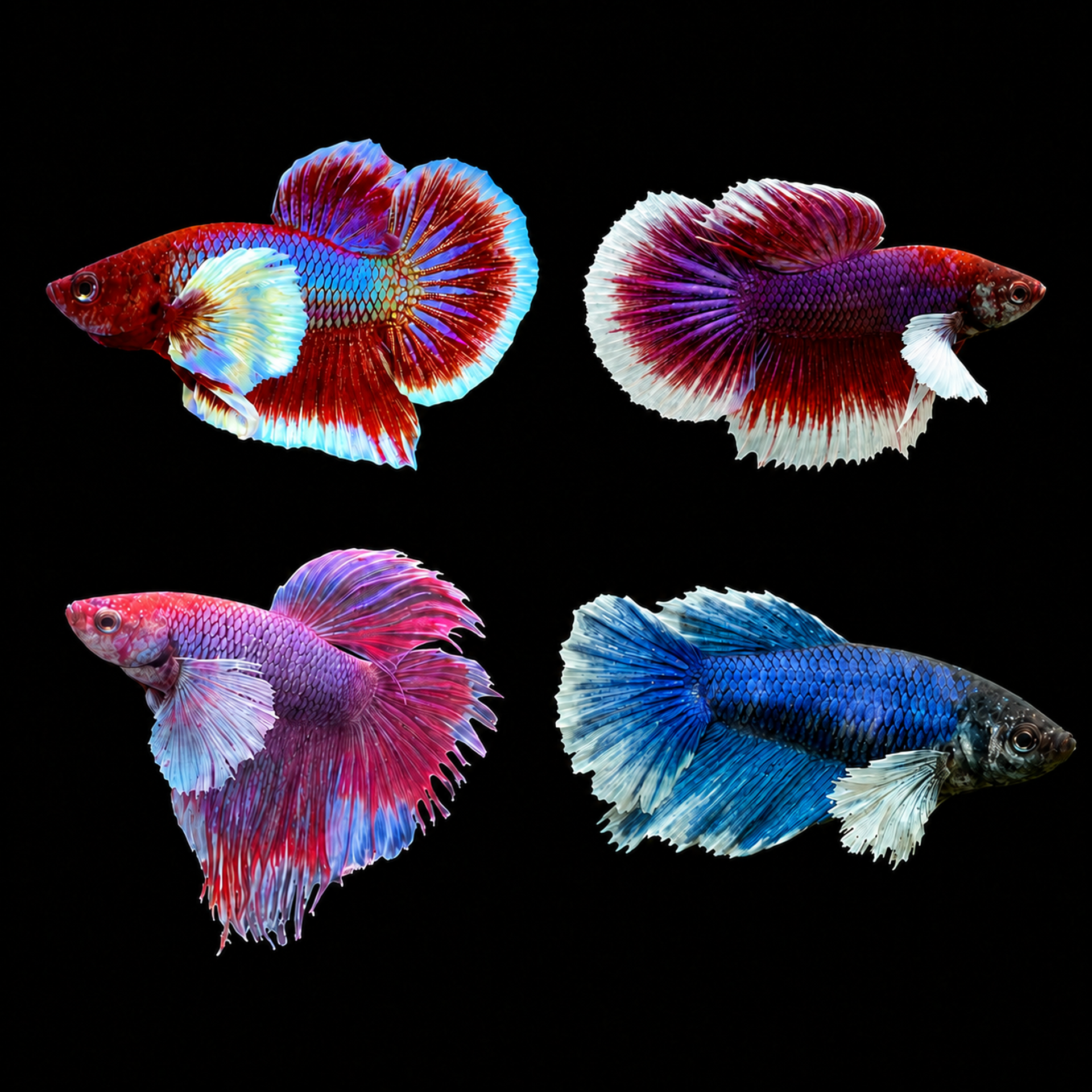
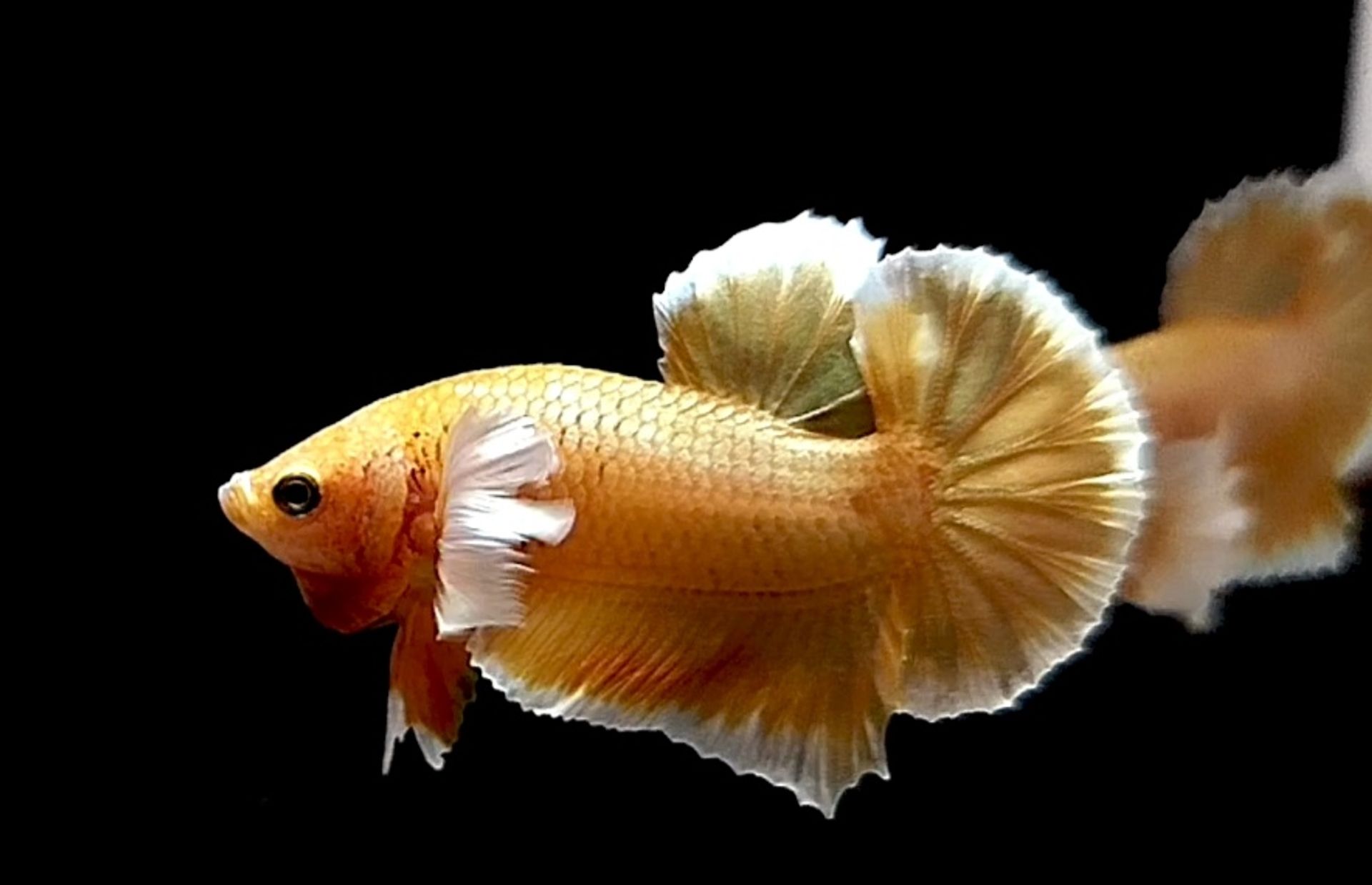
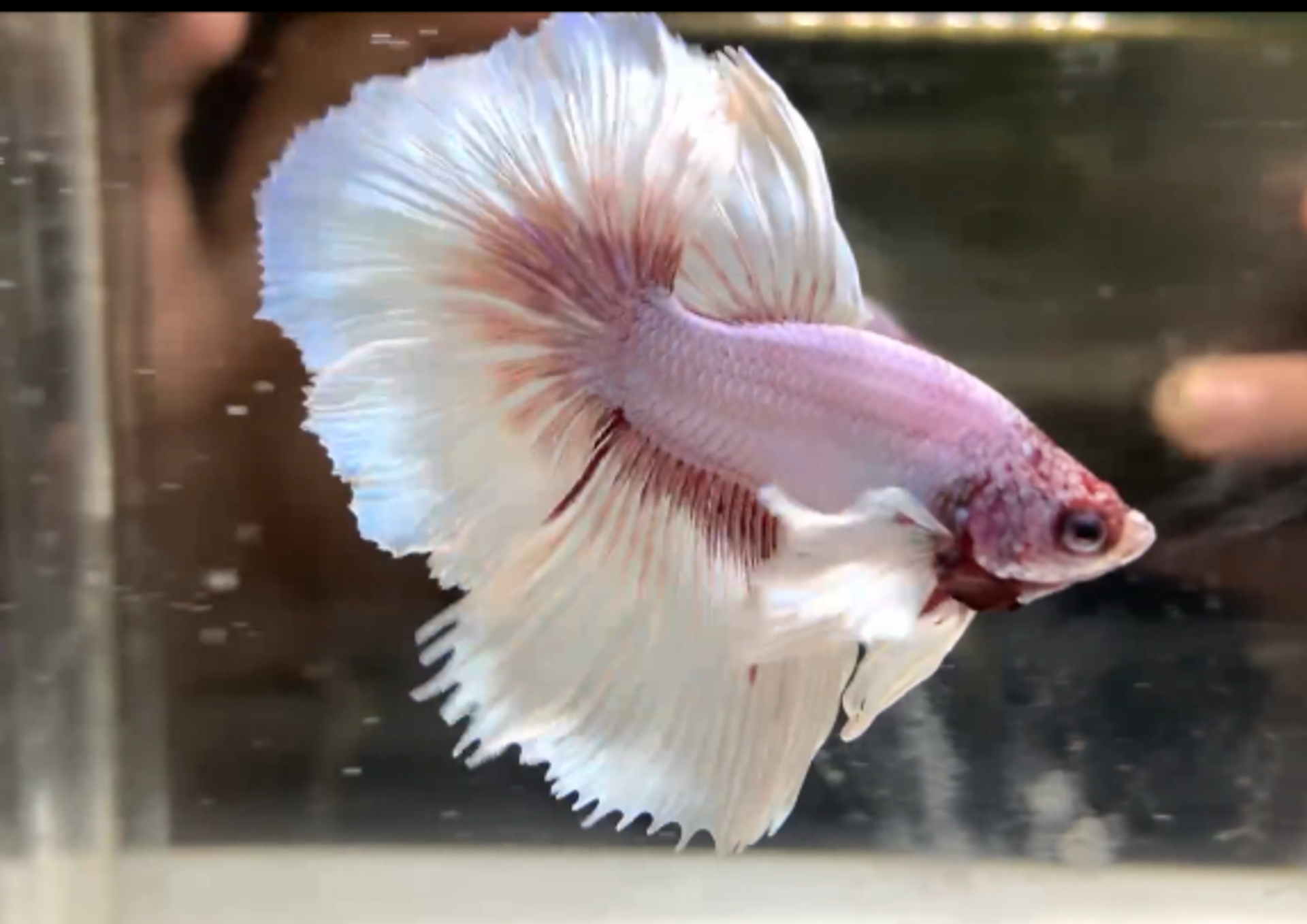
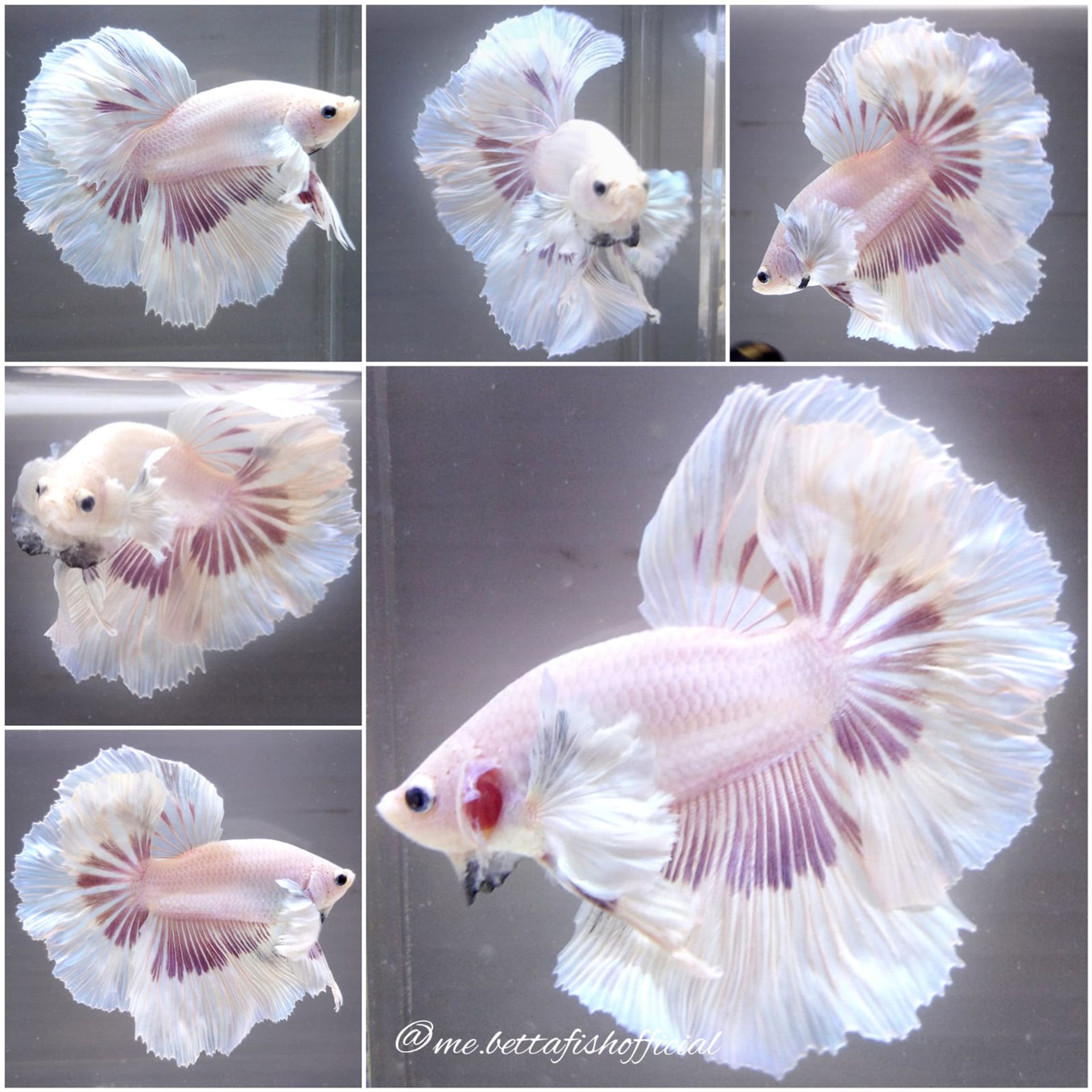
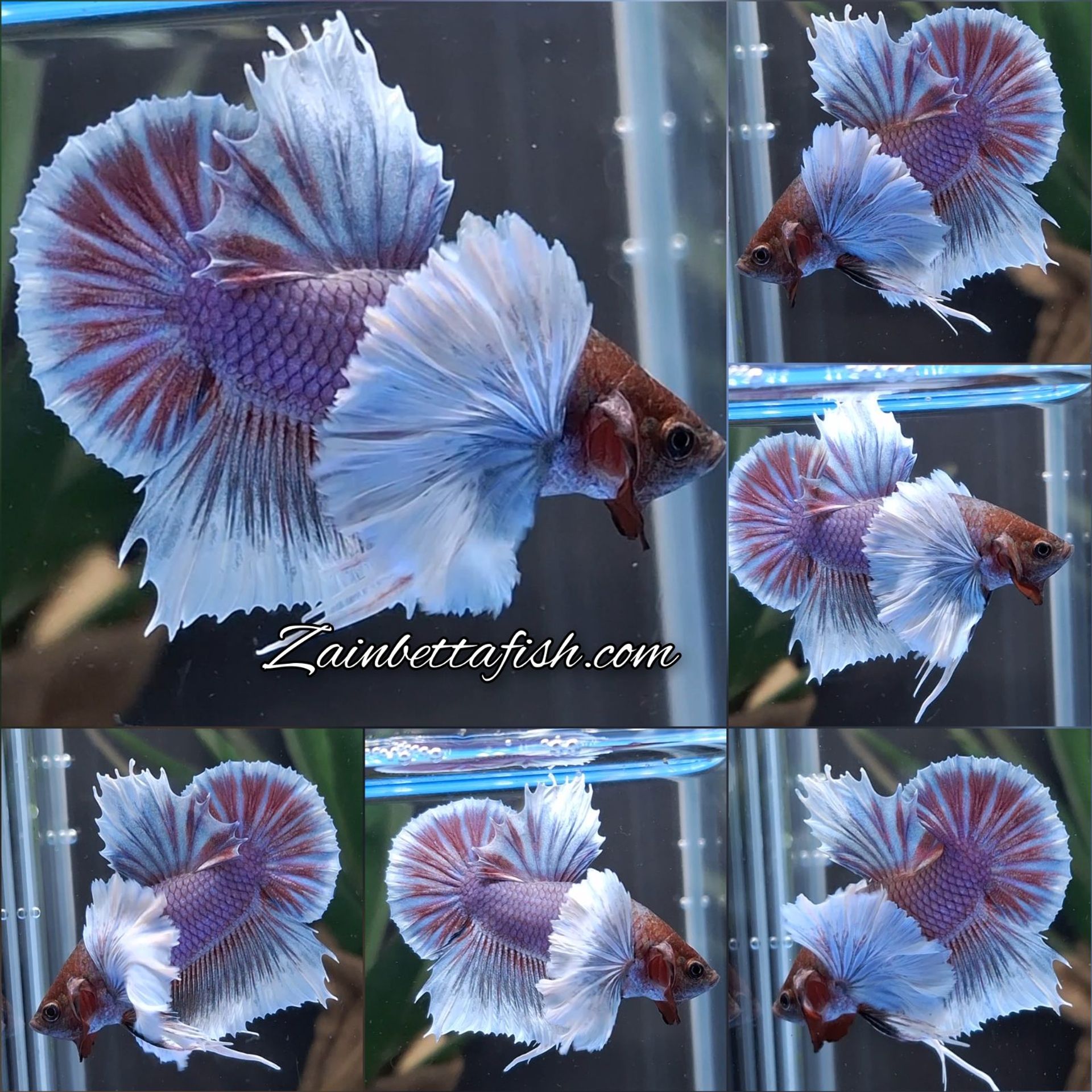
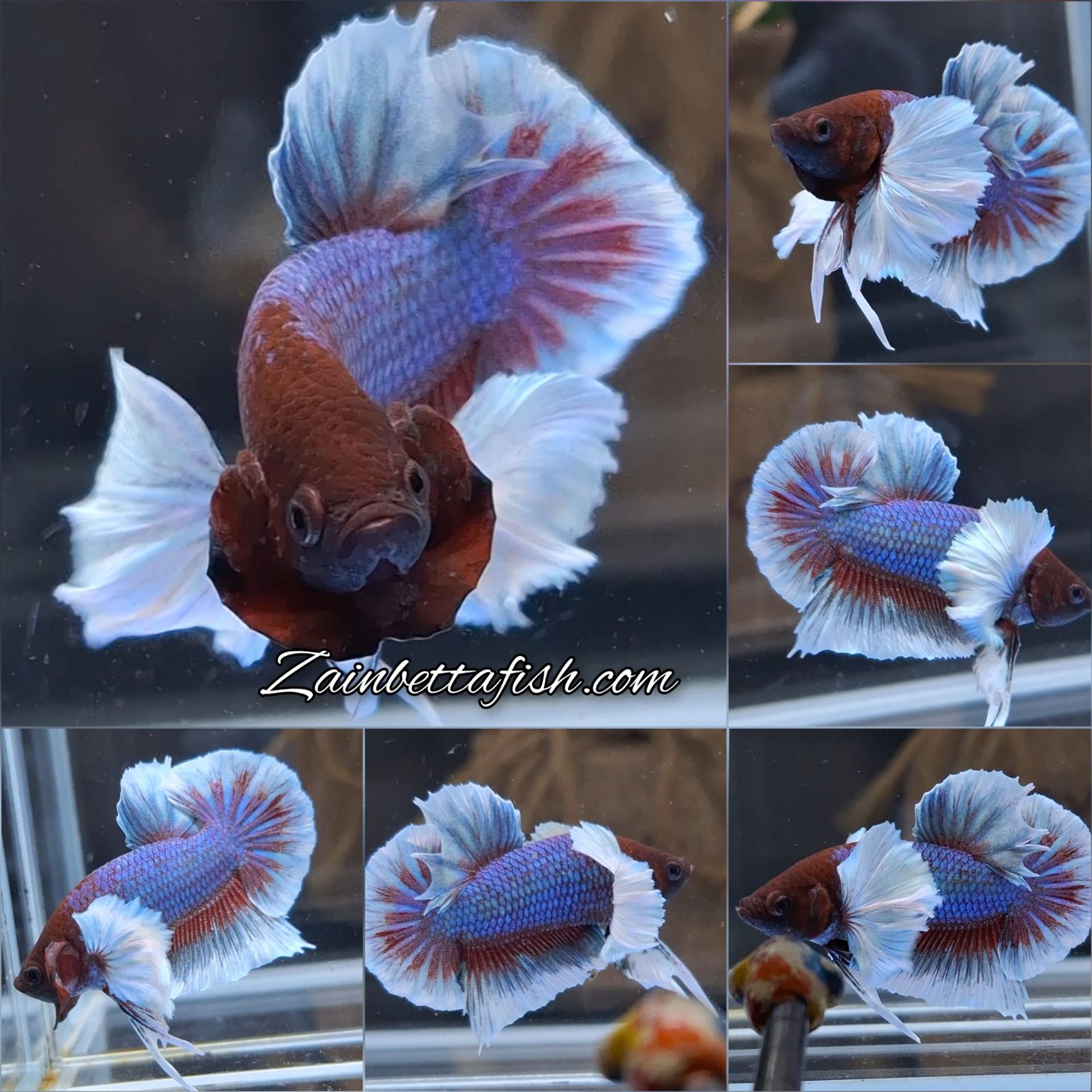
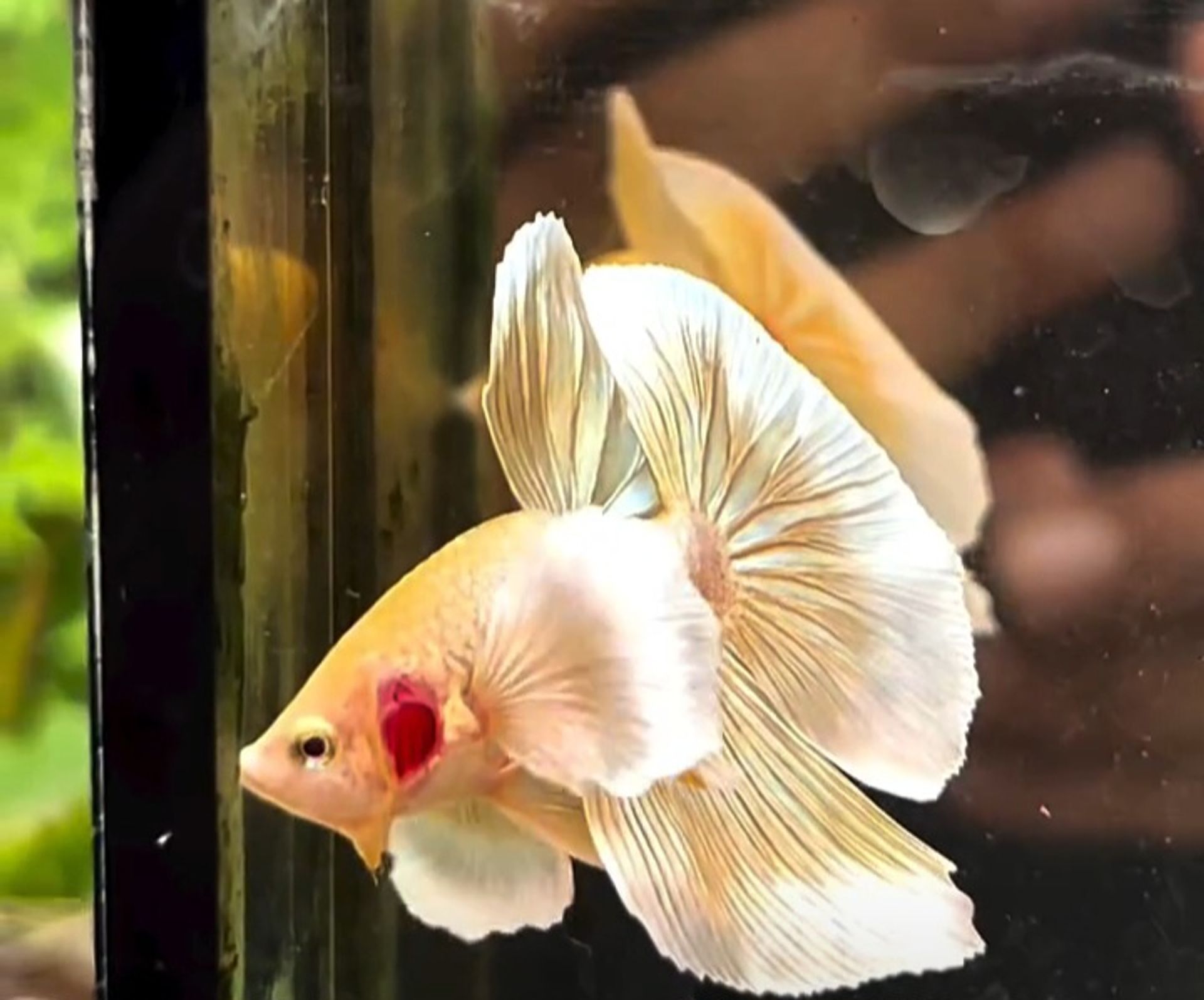
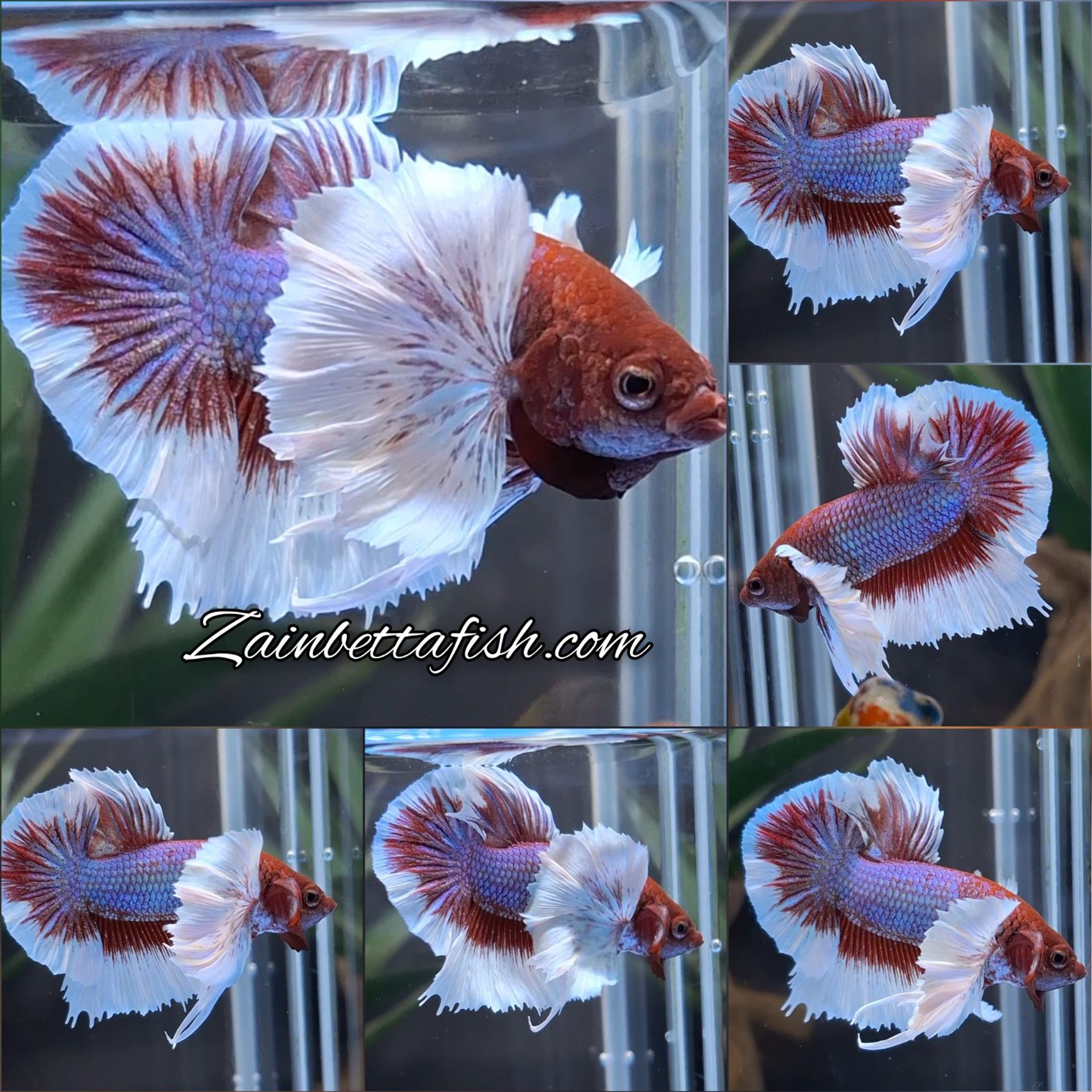
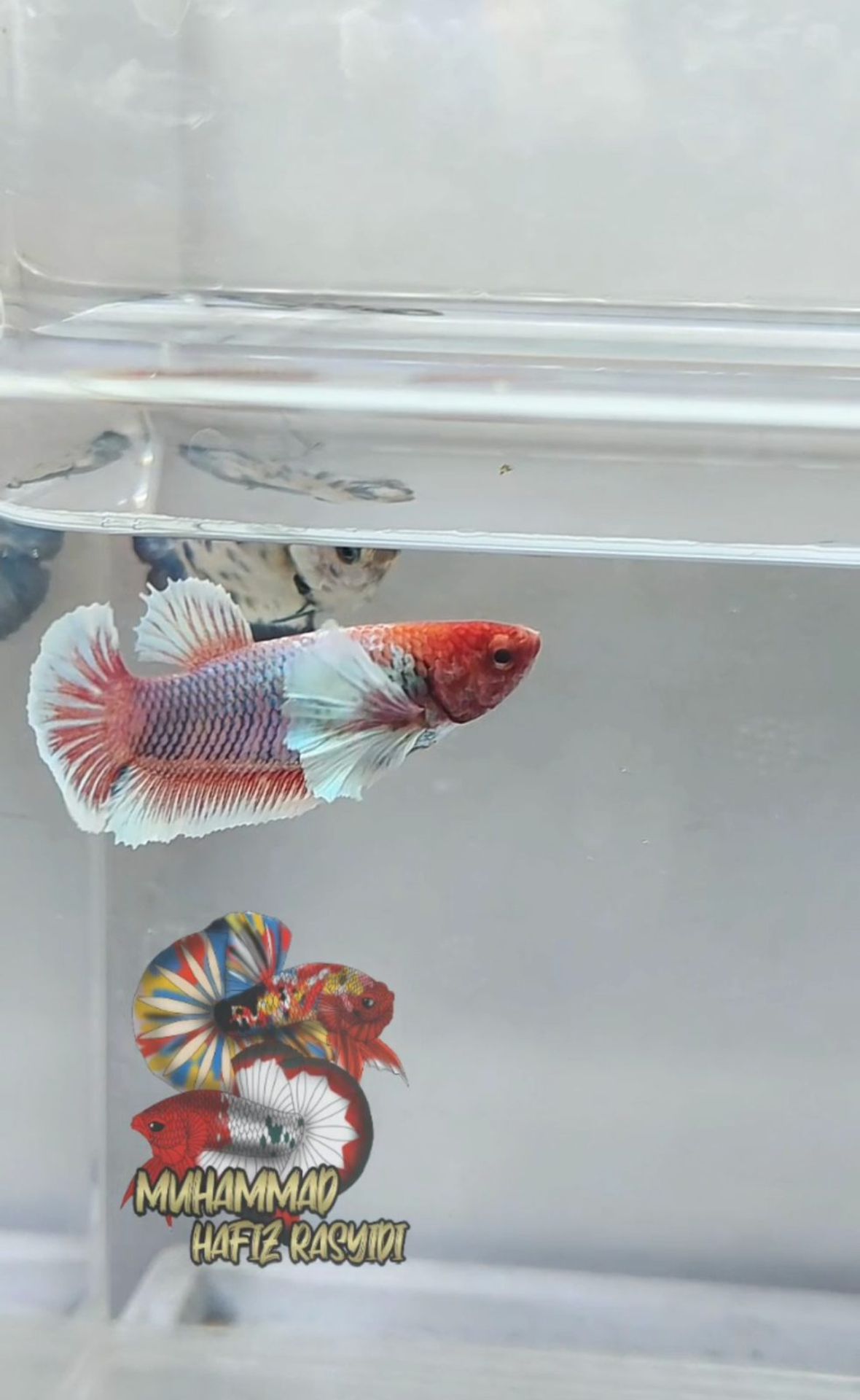
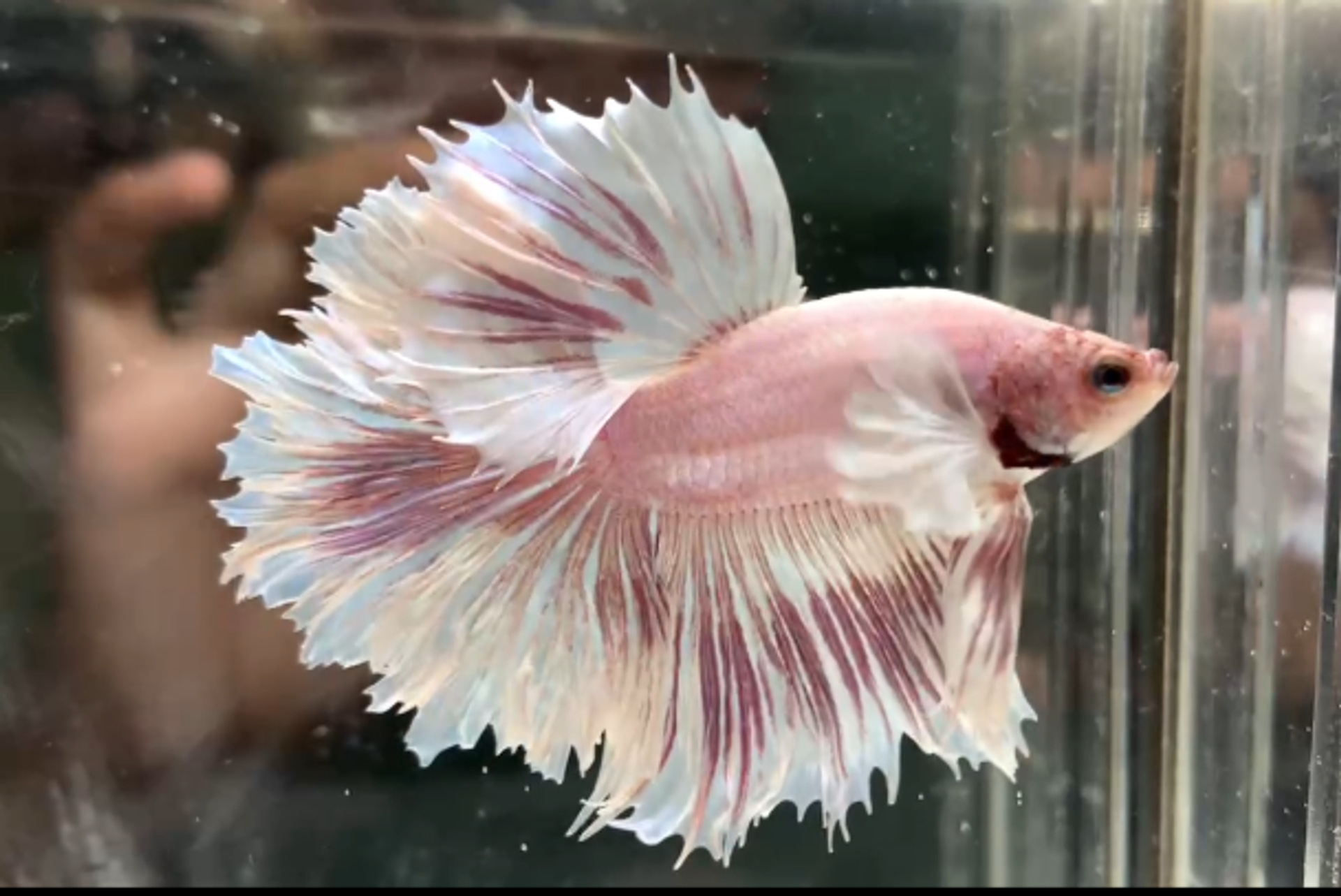
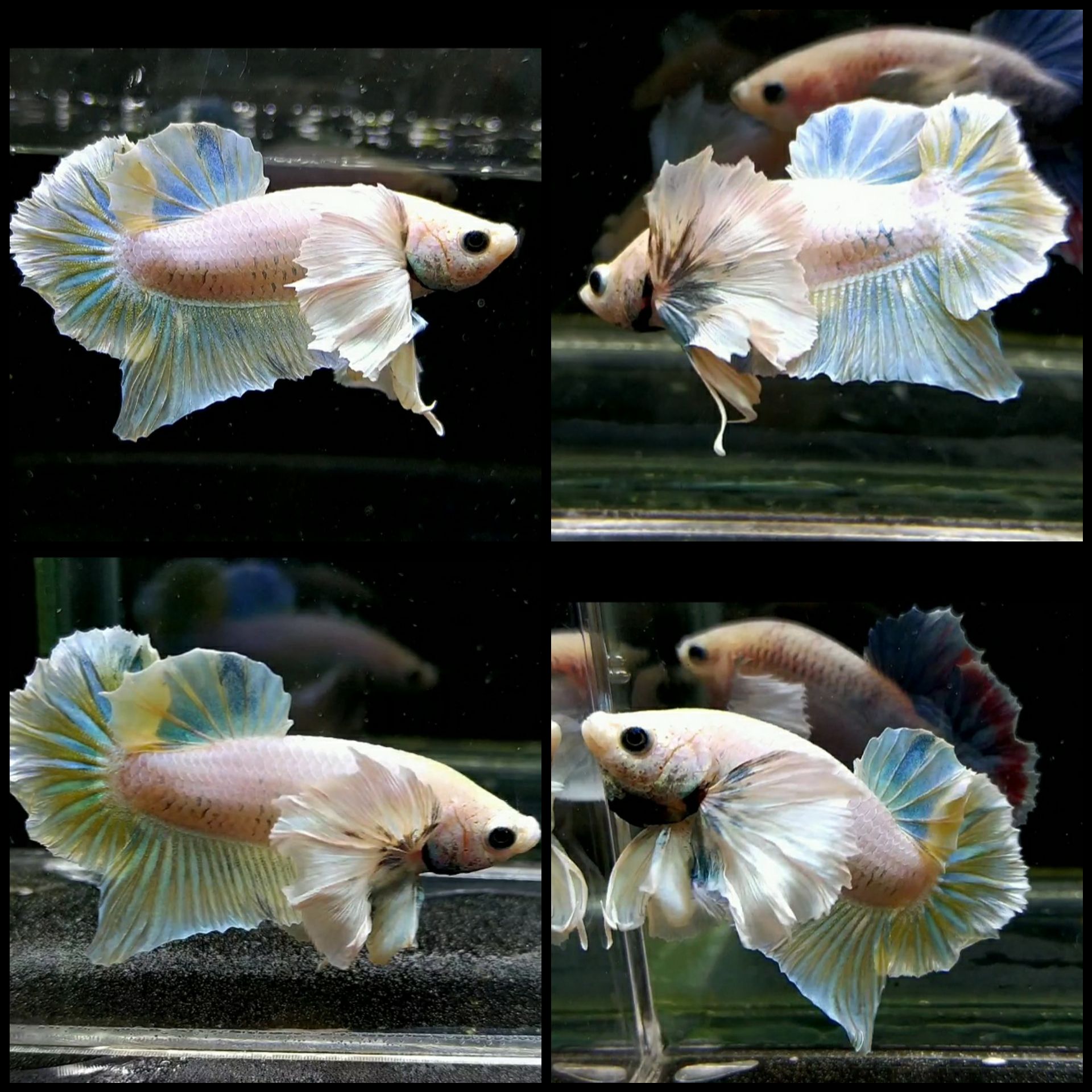
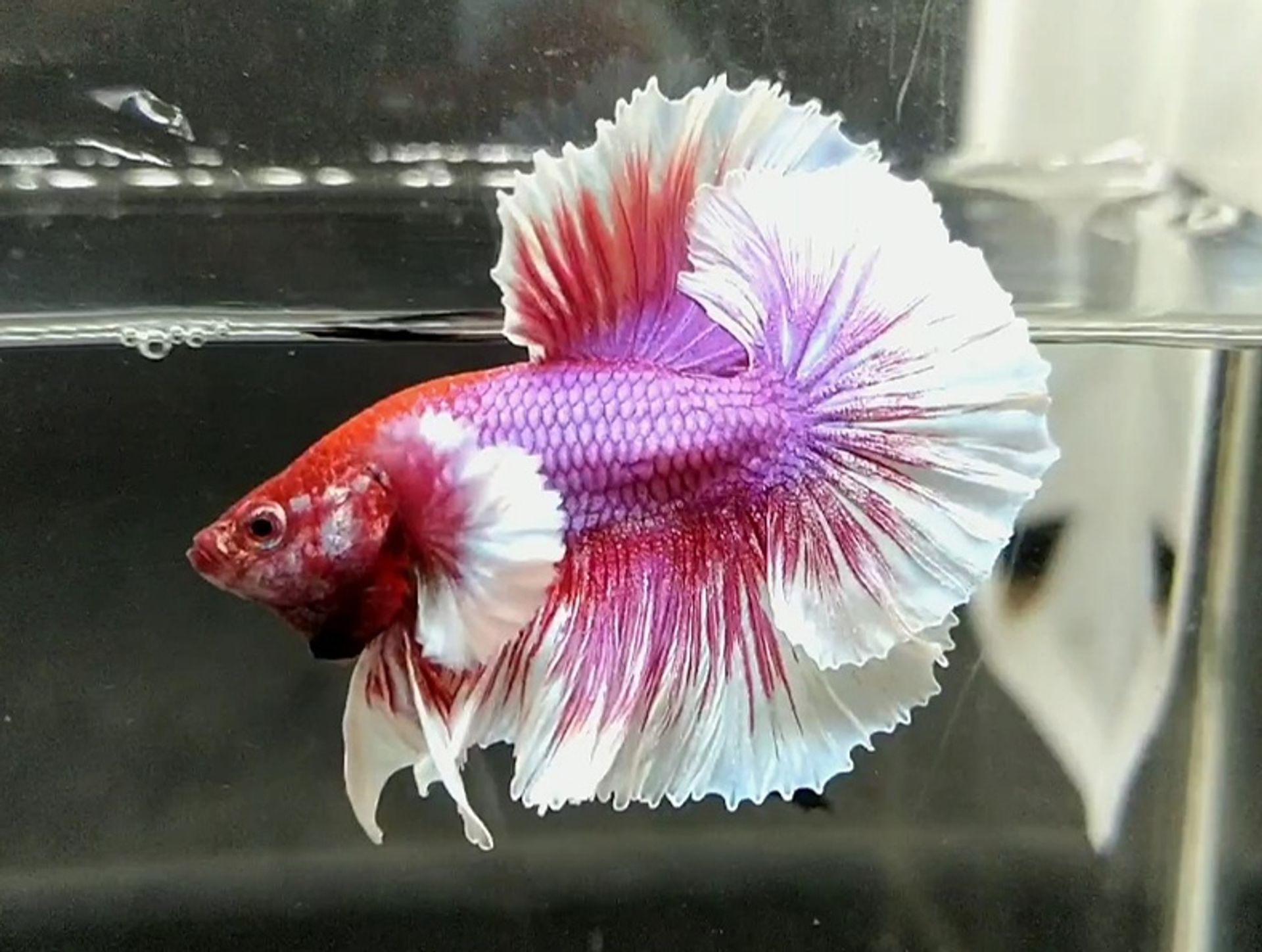
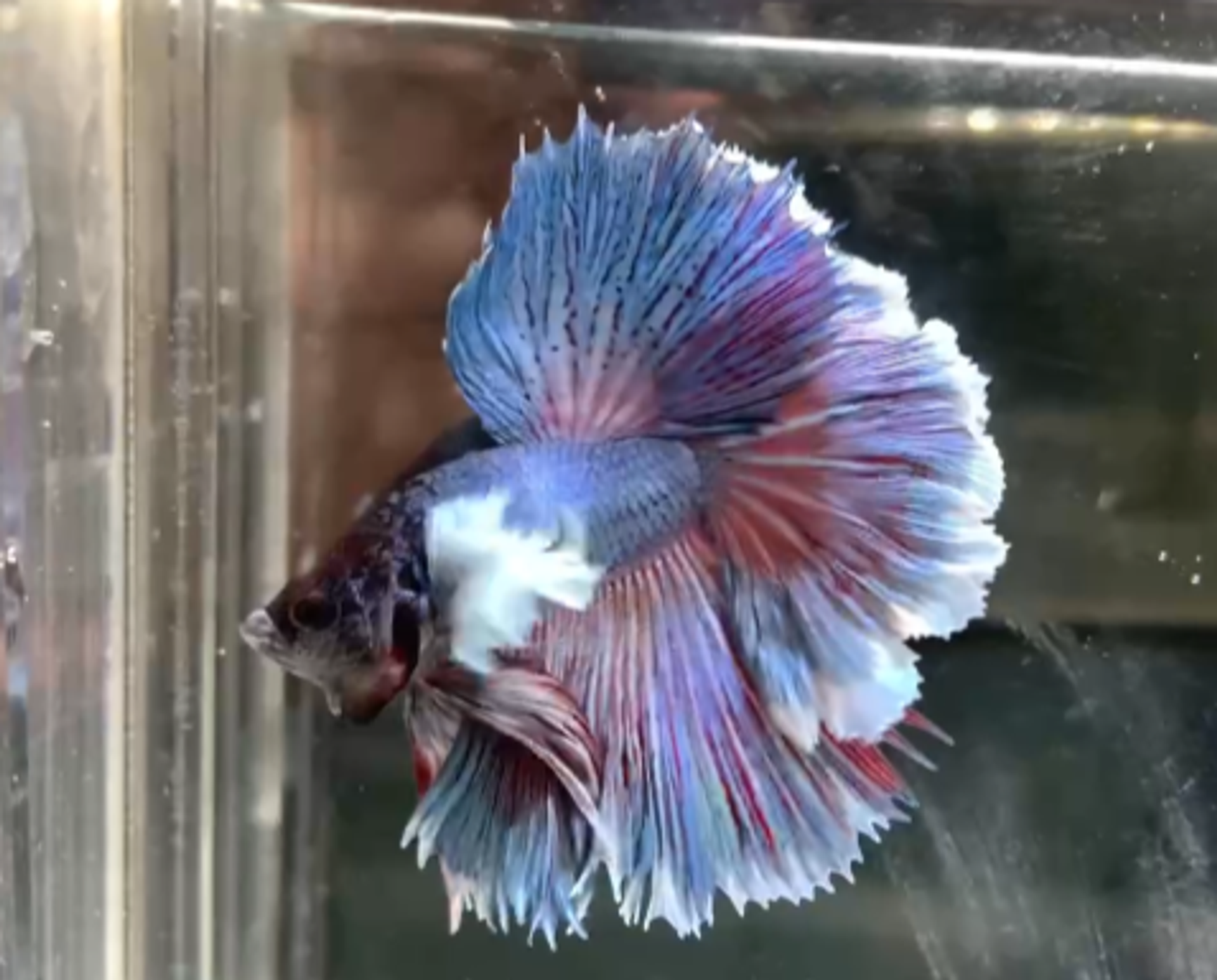
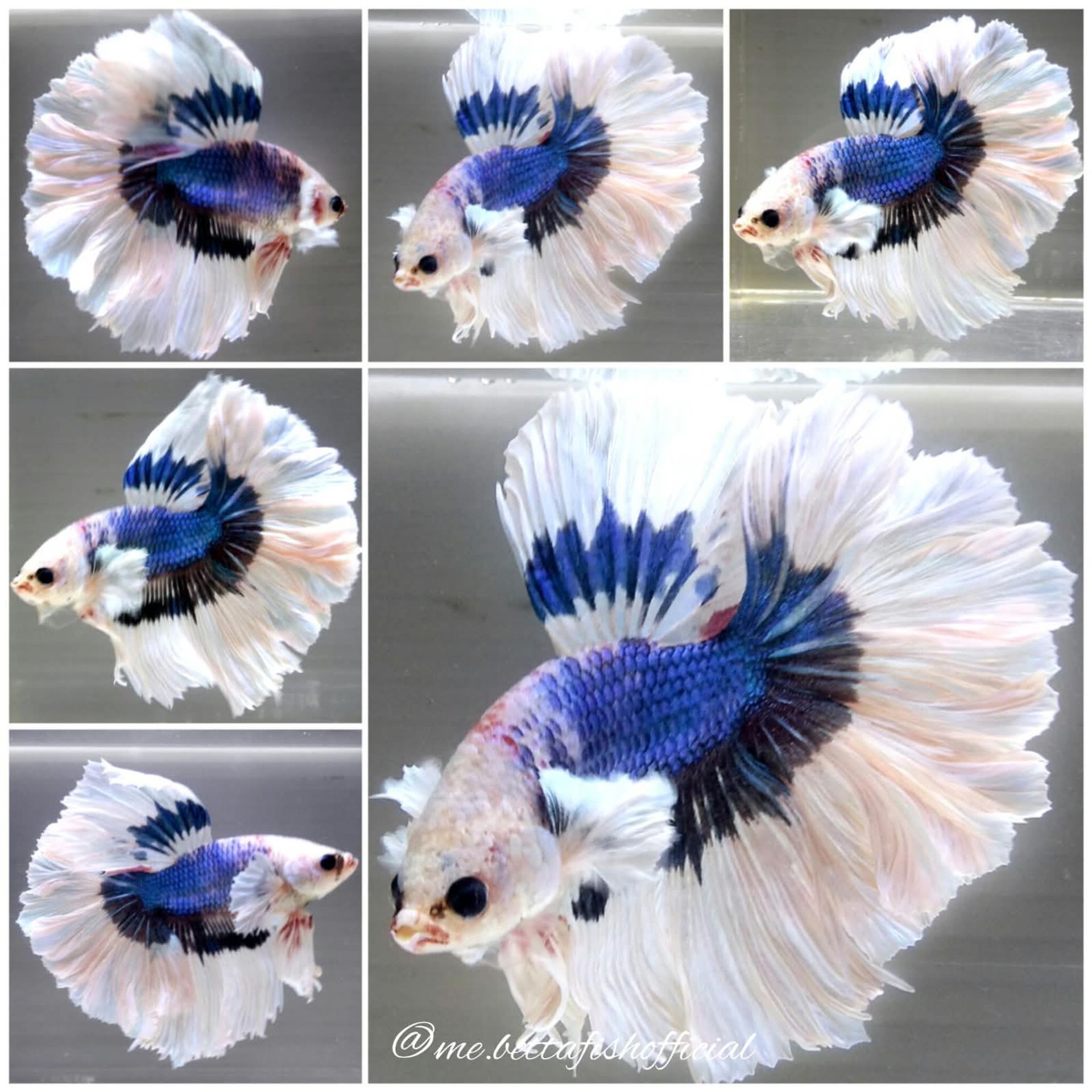
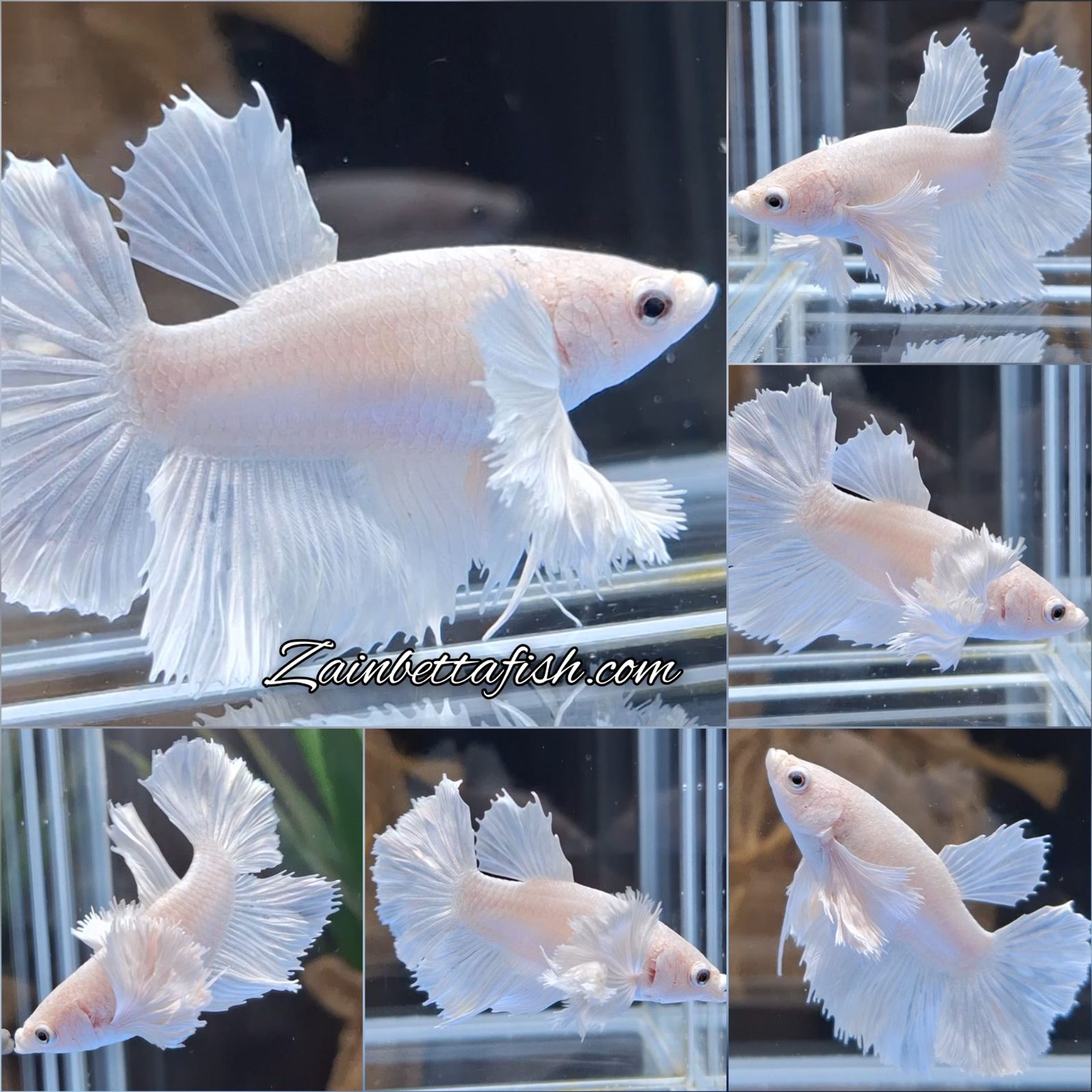
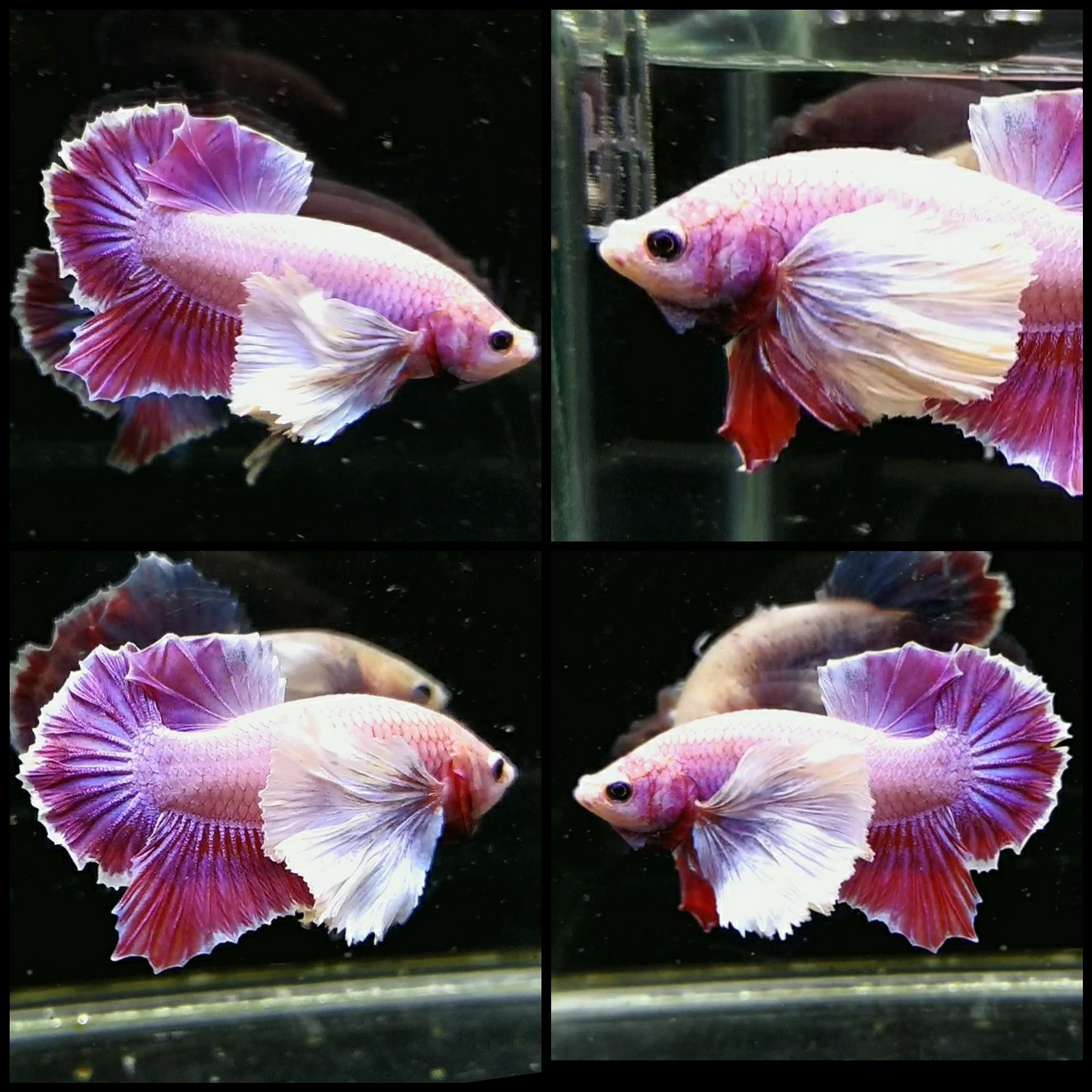
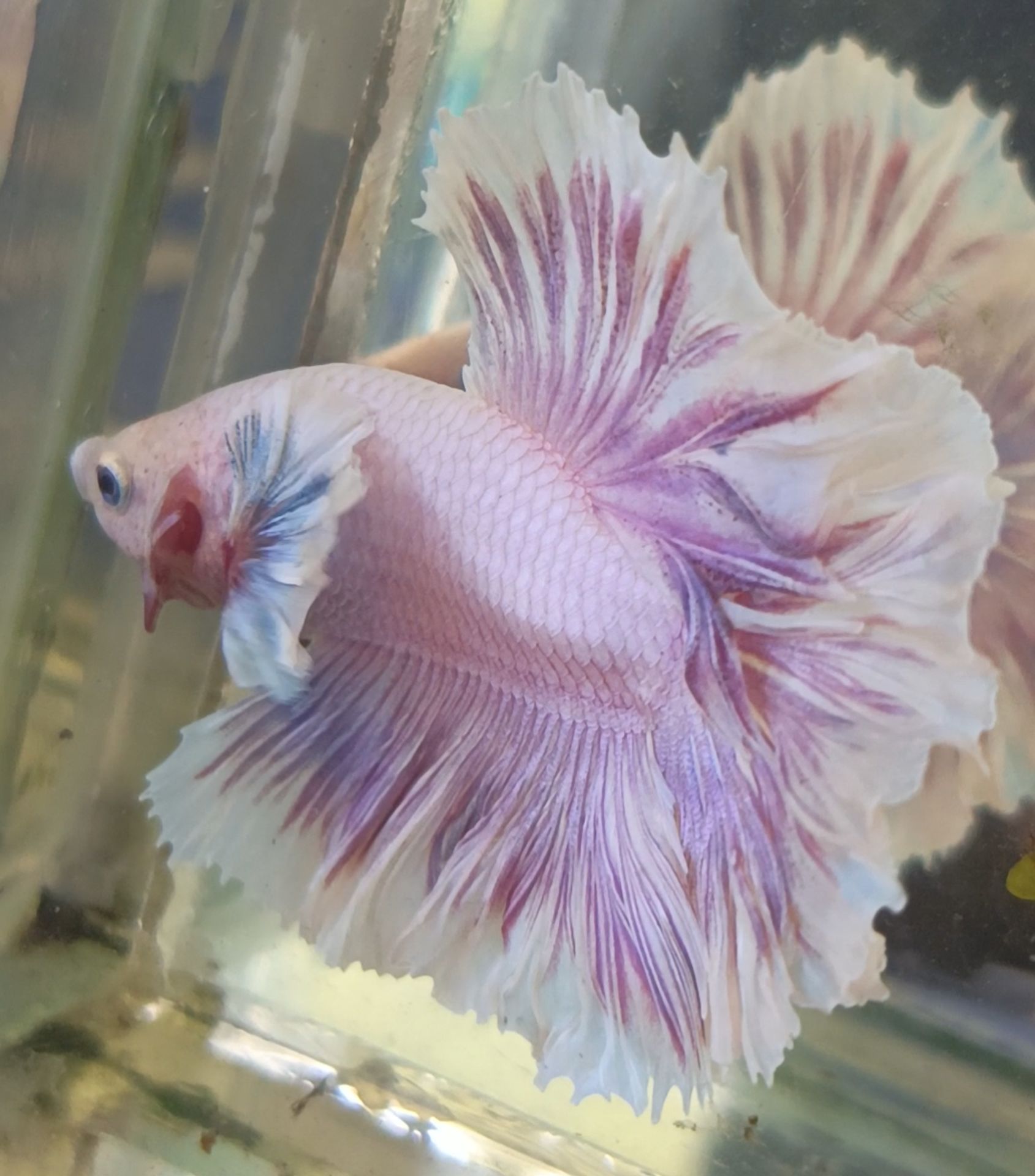
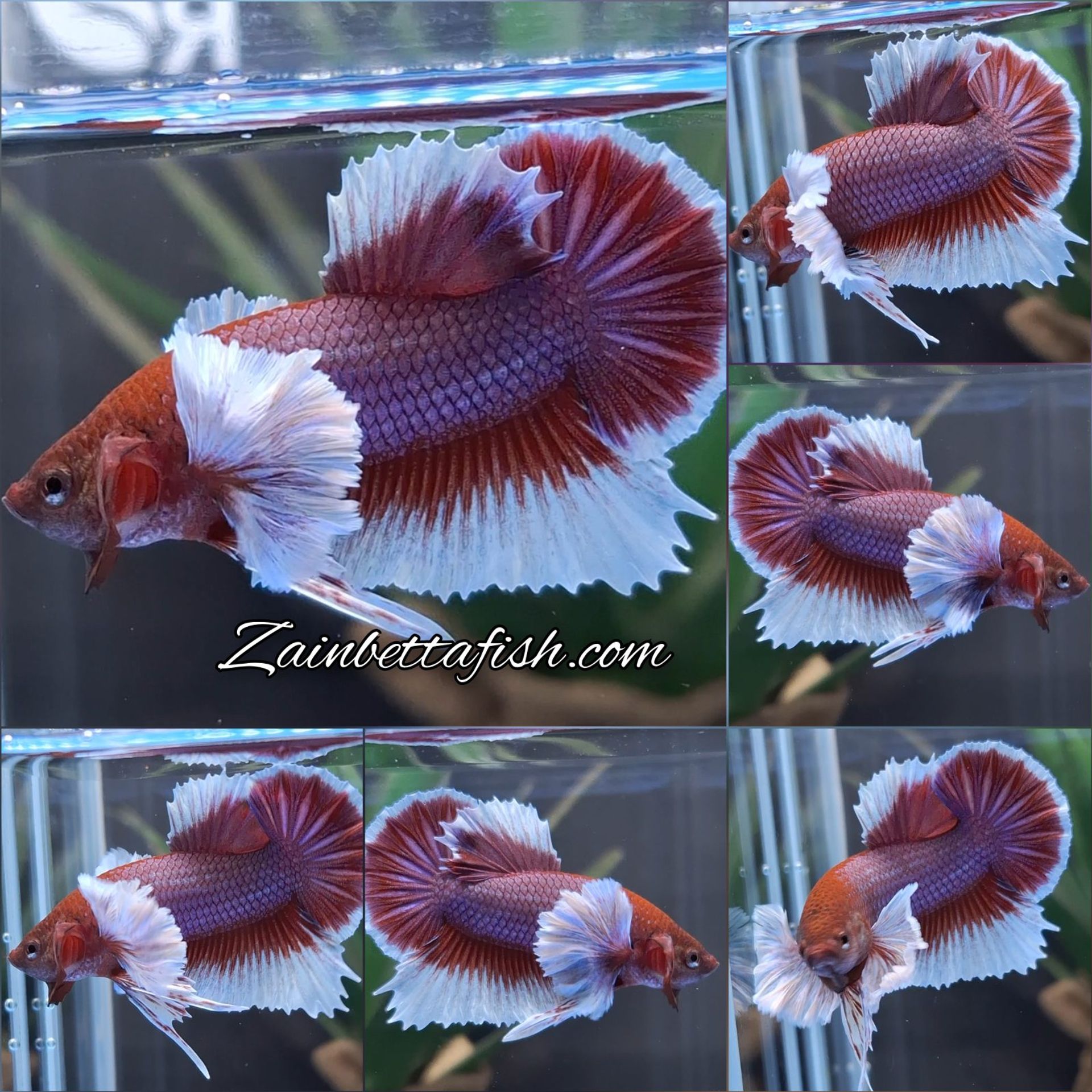
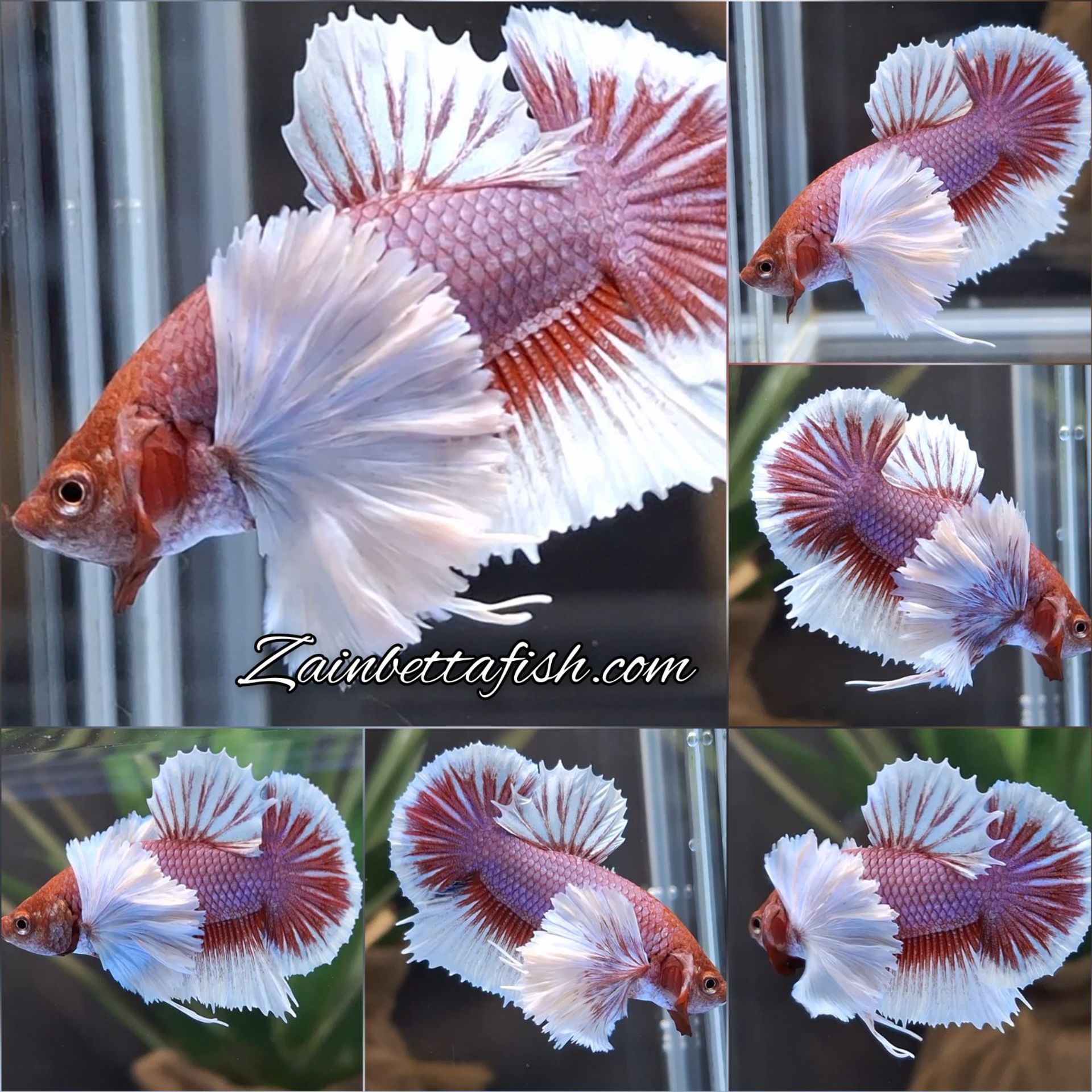
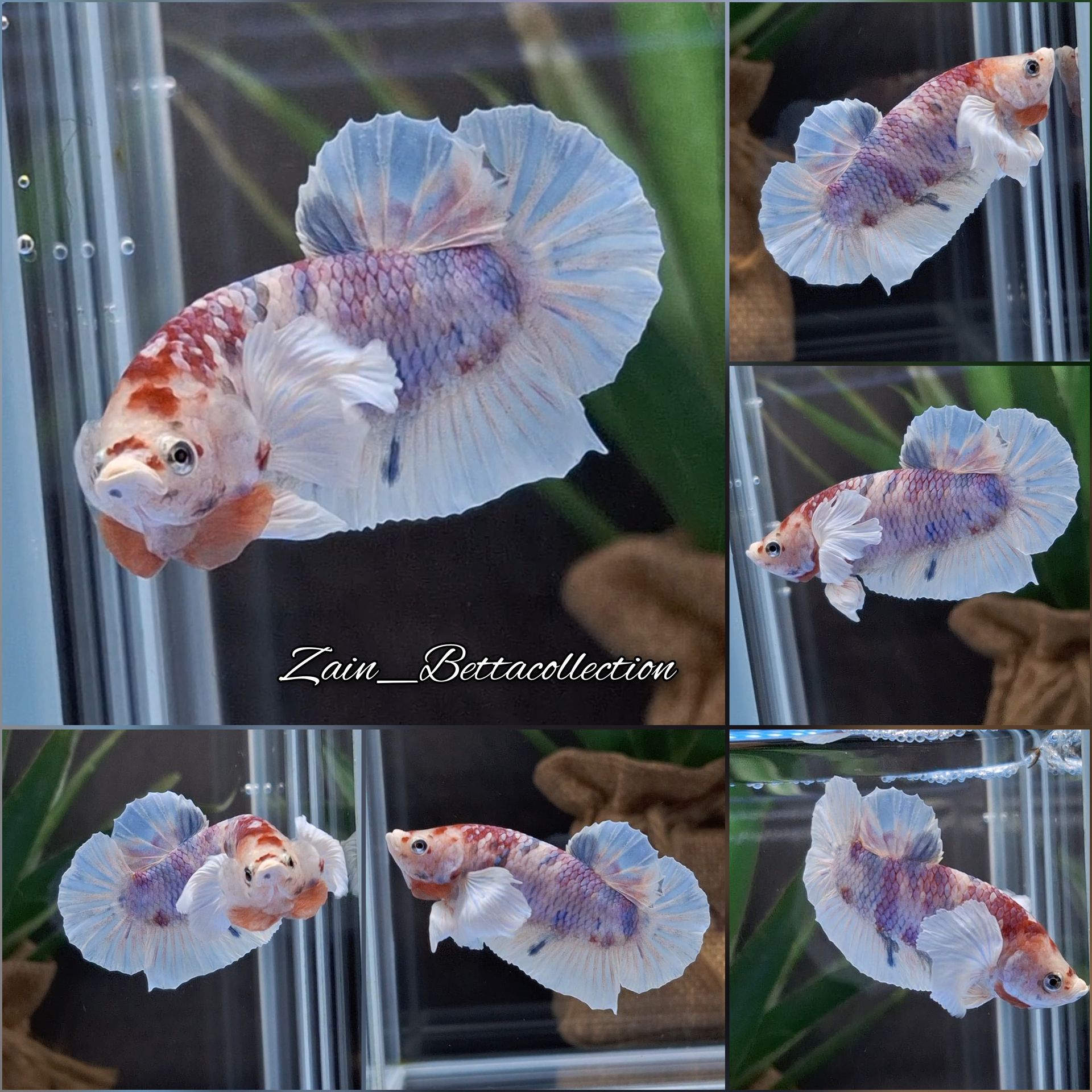
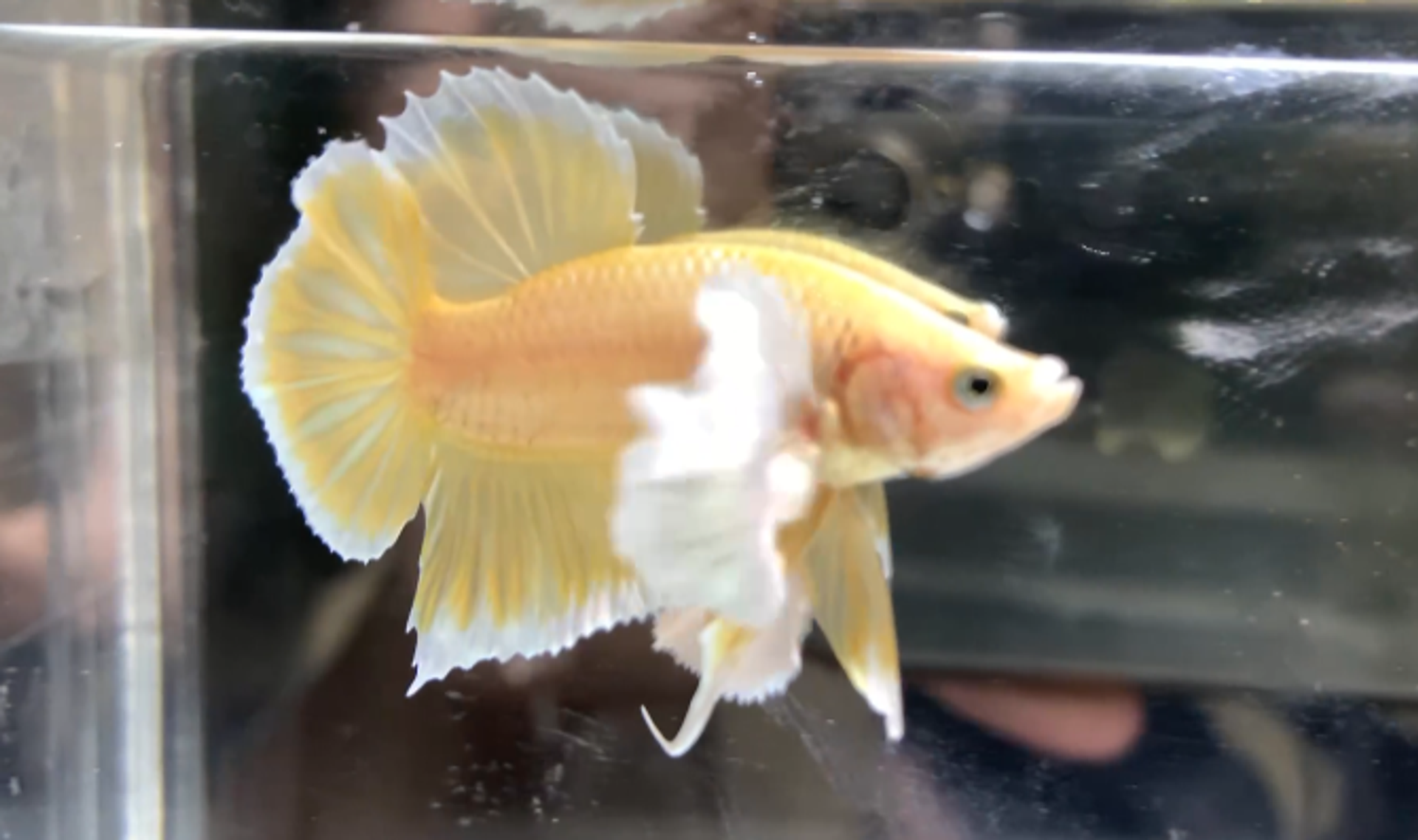
A tiny, high-pH territorialist whose rose ear signals a fierce disposition.
The KFT Rose Ear is a striking, high-PH cichlid with bold rose-toned colouring and a fiercely aggressive streak — best kept by experienced aquarists with robust tank mates.
- Water Conditions: The KFT Rose Ear is a hard-water, high-pH specialist and will not thrive in soft, acidic conditions. Aim for a pH of 7.8–8.6 and a general hardness (GH) of 10–20 dGH, with carbonate hardness (KH) kept high enough to buffer against pH crashes. Temperature should sit between 24–27°C (75–81°F) with minimal fluctuation. Use crushed coral, aragonite sand or a Rift Lake-style buffer in the filter or substrate to hold parameters steady, and always top up with water of matching chemistry rather than untreated soft tap water. Because these fish are heavy-bodied and messy feeders, run a filtration turnover of at least 6–8 times the tank volume per hour, add extra mechanical media, and keep surface agitation strong for high dissolved oxygen. Test pH, KH and nitrate weekly — stability matters far more than chasing an exact number.
- Tank Size and Aquascaping: A minimum footprint of 120 cm (4 ft) and around 240 litres is sensible for a small group of juveniles, with a larger tank needed as they mature. Build a rocky hardscape with plenty of caves, crevices and sight-line breaks using ocean rock, lava rock or slate, and use a sand or fine gravel substrate that stays easy to vacuum. Territories form quickly, so create defined structures rather than one open rock pile, and leave open swimming space at the front. A tight-fitting lid is worthwhile, and lighting can be moderate — colour intensity comes from diet and water quality rather than bright light.
- Suitable Tank Mates: This is an aggressive, territorial cichlid, so tank mates must be equally confident and similarly sized. The safest combinations are other robust Rift Lake cichlids, Boesemani or other large rainbowfish, and armoured catfish such as Synodontis species. Avoid anything small enough to be seen as food, any slow or long-finned fish (guppies, bettas, angelfish, fancy goldfish), delicate invertebrates, and peaceful community species. Conspecific aggression can be intense: keep either a single male with several females, or a crowded, heavily structured setup that spreads aggression across many fish. Never mix a pair in a small tank, and watch for bullying, clamped fins, or a fish pinned in a corner — rehome or rearrange rockwork if it persists.
- Feeding Habits: The KFT Rose Ear is an opportunistic omnivore with a strong carnivorous leaning and an enthusiastic appetite. Feed a staple high-quality cichlid pellet of 1–2 mm as the base diet, supplemented with spirulina or vegetable-based pellets for fibre, plus frozen or live mysis, brine shrimp, krill and chopped prawn several times a week. Two or three small feeds daily is better than one large meal — these fish are prone to overeating and to digestive problems including Malawi bloat. Soak dry foods briefly before feeding to reduce the risk of swallowed air, and avoid fatty mammalian proteins such as beefheart, cheap colour-enhancing foods of unknown composition, and live fish feeders that carry disease risk. Occasional blanched spinach, courgette or peas add useful roughage.
- Care and Maintenance: Carry out a 25–30% water change every week, siphoning waste from the substrate and rinsing mechanical media in old tank water rather than under the tap. Keep nitrates below 20 ppm — high nitrate combined with a rich diet is a common trigger for bloat in high-pH cichlids. Acclimatise new arrivals slowly with a drip method, since a sudden shift in pH or hardness is far more damaging than a slow one, and quarantine any new livestock for two to four weeks before introduction. Observe feeding behaviour daily: a fish that stops eating, hides, or shows stringy white waste should be isolated and treated promptly. Maintain a spare, cycled hospital tank — it is an essential piece of kit with aggressive species.
- Growth, Sexing and Buying Notes: Specimens are supplied at 4–5 cm, a hardy juvenile size that settles well and colours up progressively as it grows and matures. Juveniles are generally difficult to sex, so buy a small group and allow natural pairing, or ask for assistance if you need a specific sex ratio. Expect colour and attitude to intensify with age, correct water chemistry and a varied diet. On arrival, float the bag to equalise temperature, then net the fish into the tank rather than pouring bag water in. With stable high-pH water, generous filtration, structured rockwork and disciplined feeding, the KFT Rose Ear is a long-lived, characterful centrepiece — just be honest about its temperament and stock accordingly.