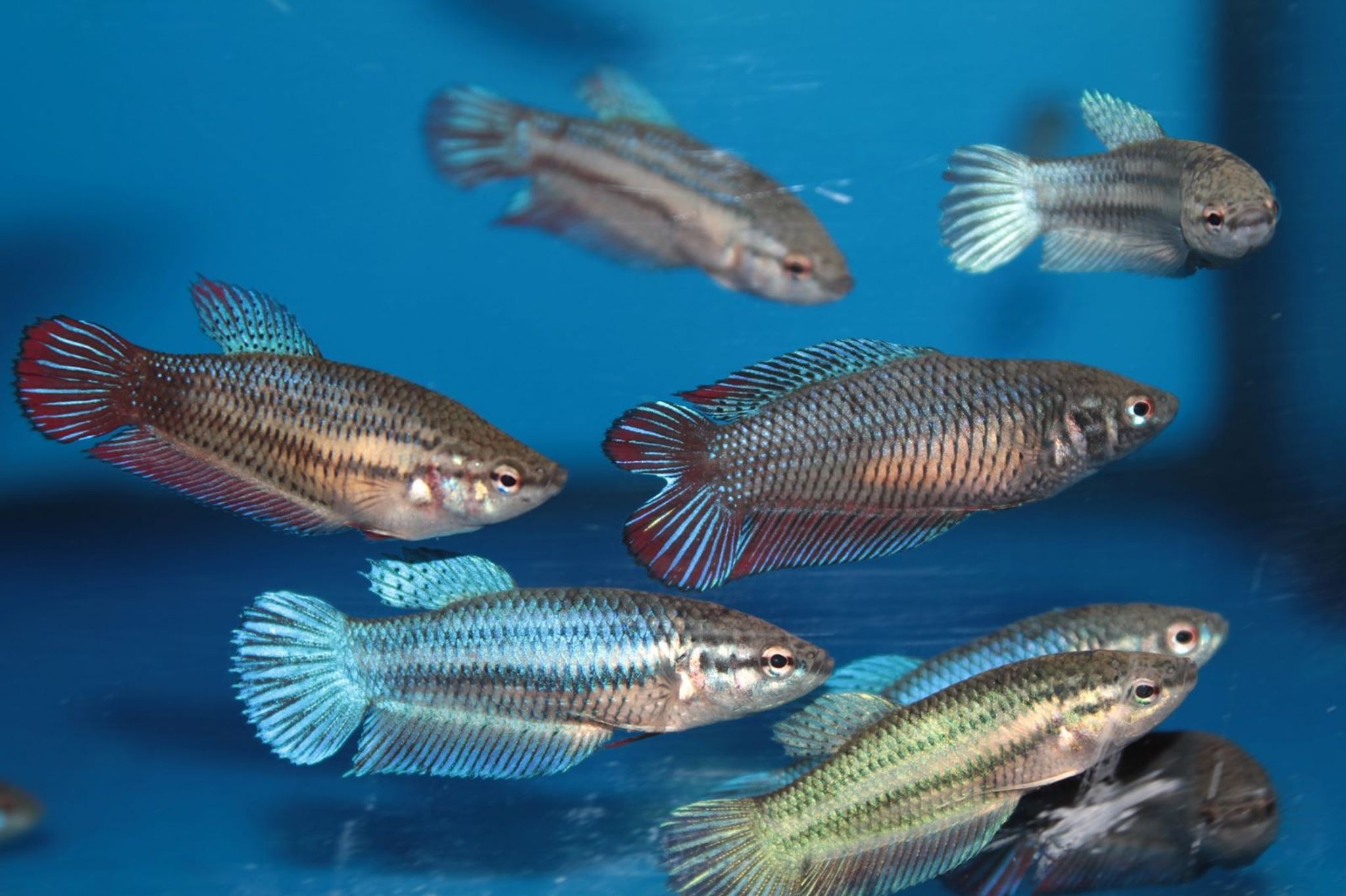
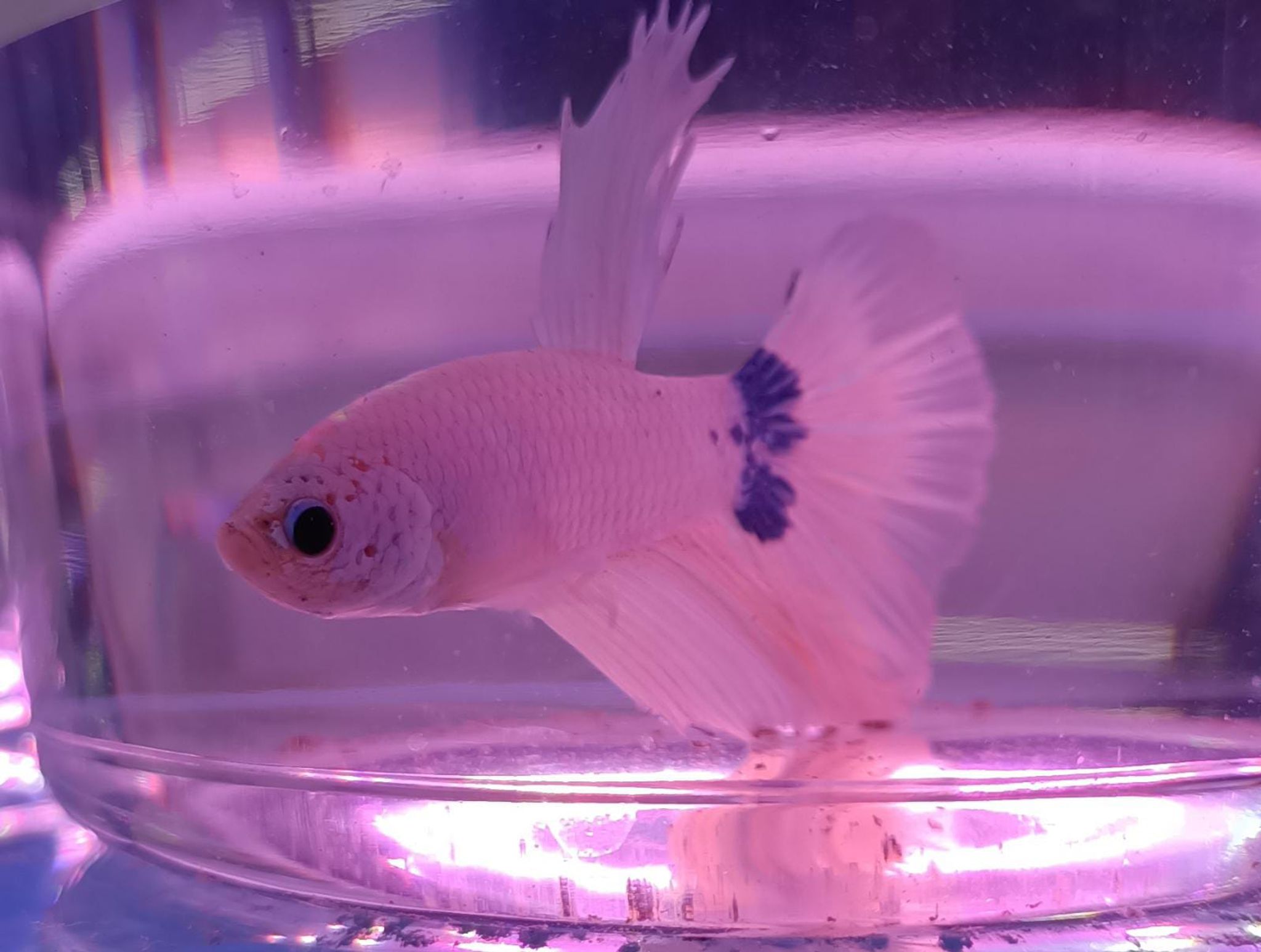
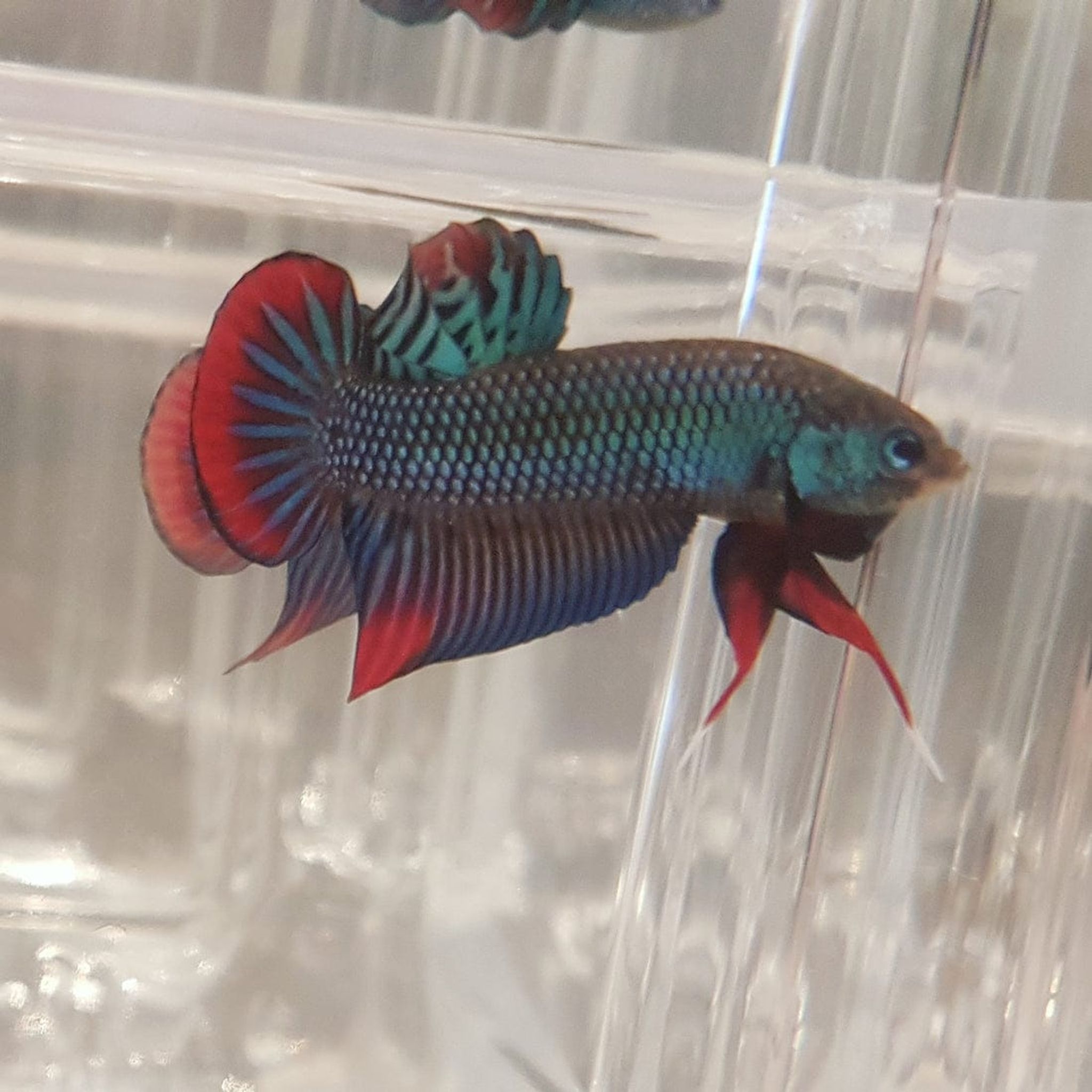
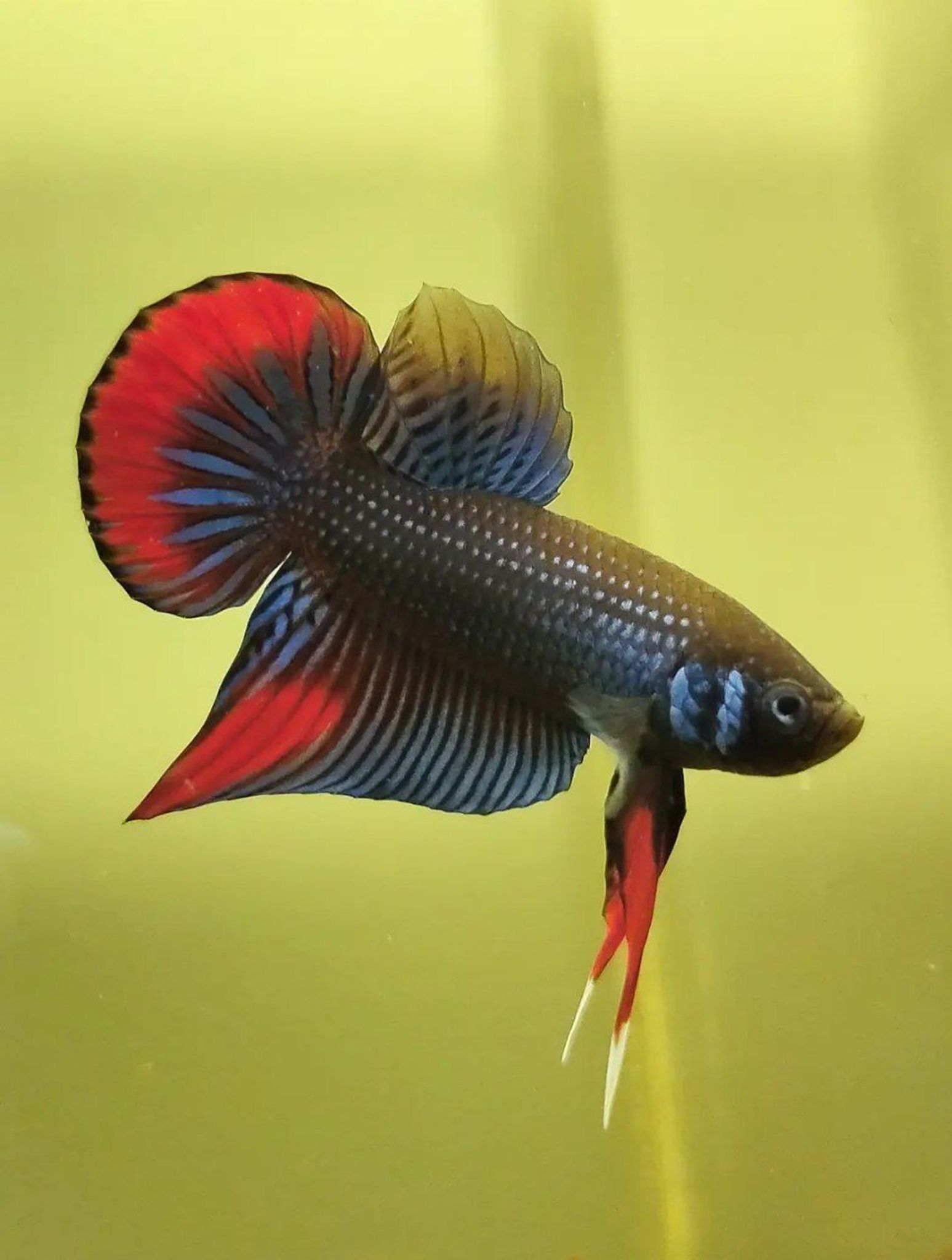
A peaceable betta whose crescent tail flashes green in blackwater streams.
Meet the peaceful Crescent Betta (Betta imbellis): a hardy, colourful, beginner-friendly wild betta for soft-water planted nano aquariums and calm community tanks.
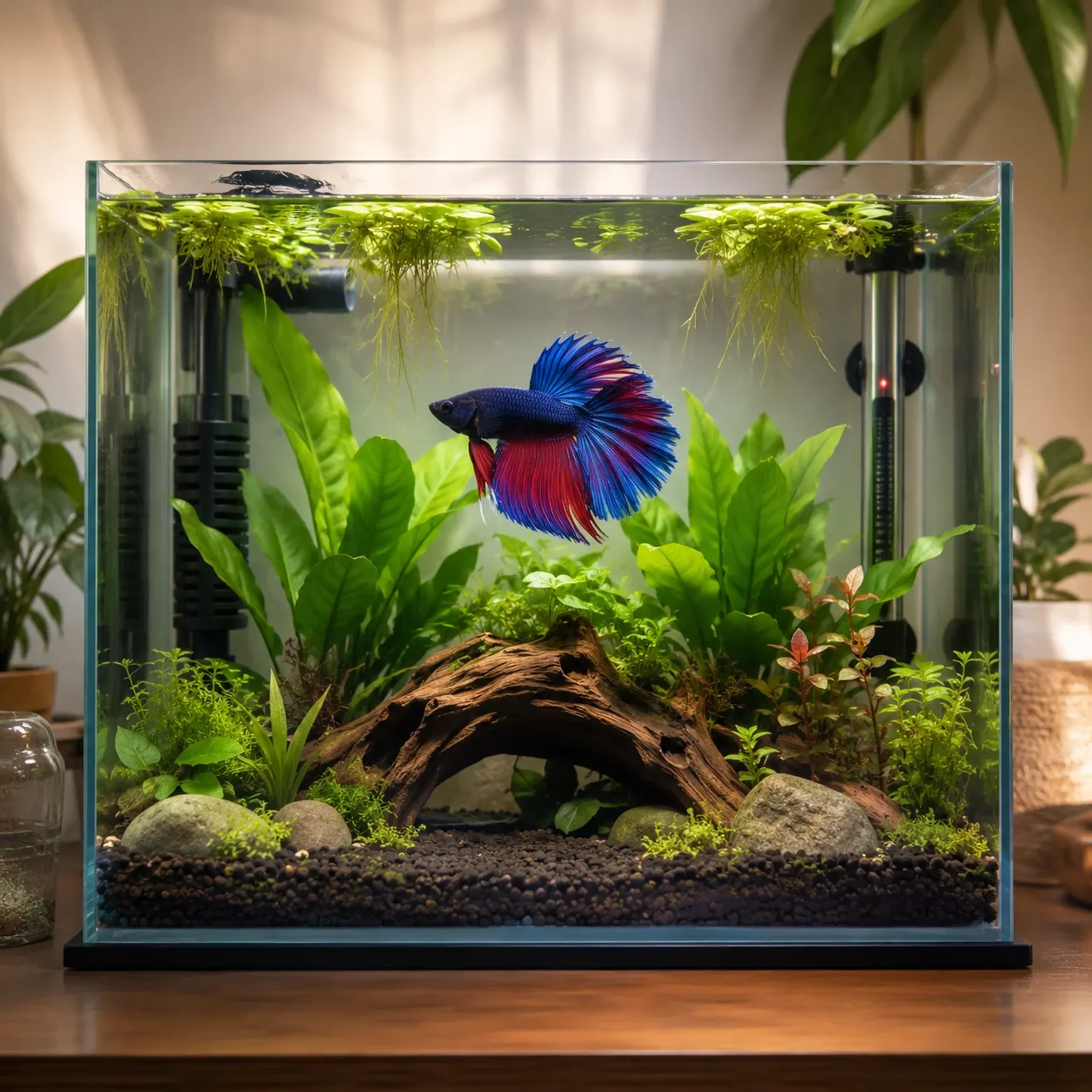
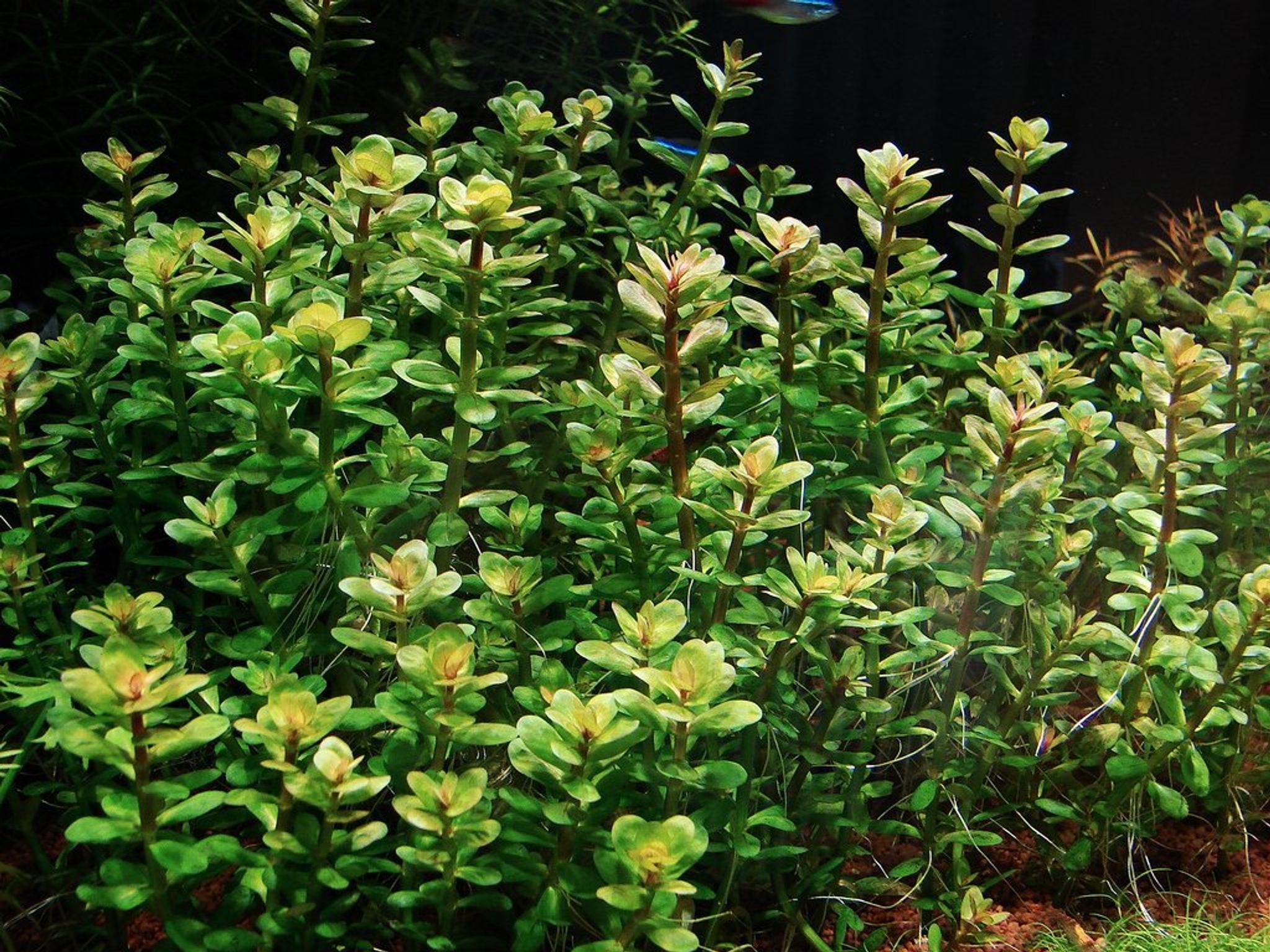
- Water conditions: The Crescent Betta thrives in stable, soft, slightly acidic water that mimics its native blackwater habitats. Aim for a temperature of 24–28°C (75–82°F), pH between 6.0 and 7.5, and a general hardness of around 1–10 dGH with low carbonate hardness where possible. Ammonia and nitrite must read zero, and nitrate should be kept low—ideally below 20 ppm—through regular maintenance and a fully cycled filter. Gentle filtration is important; strong current can stress these fish, so choose a sponge filter, a baffled internal filter, or a lightly stocked canister setup with calm flow. Dim lighting, driftwood, Indian almond leaves, and other botanical additions help create the tannin-rich, shaded environment this species appreciates. A tight-fitting lid is essential because Crescent Bettas are capable jumpers. Float plants such as salvinia or frogbit can soften the light and provide cover, while stable parameters matter far more than chasing an exact pH number.
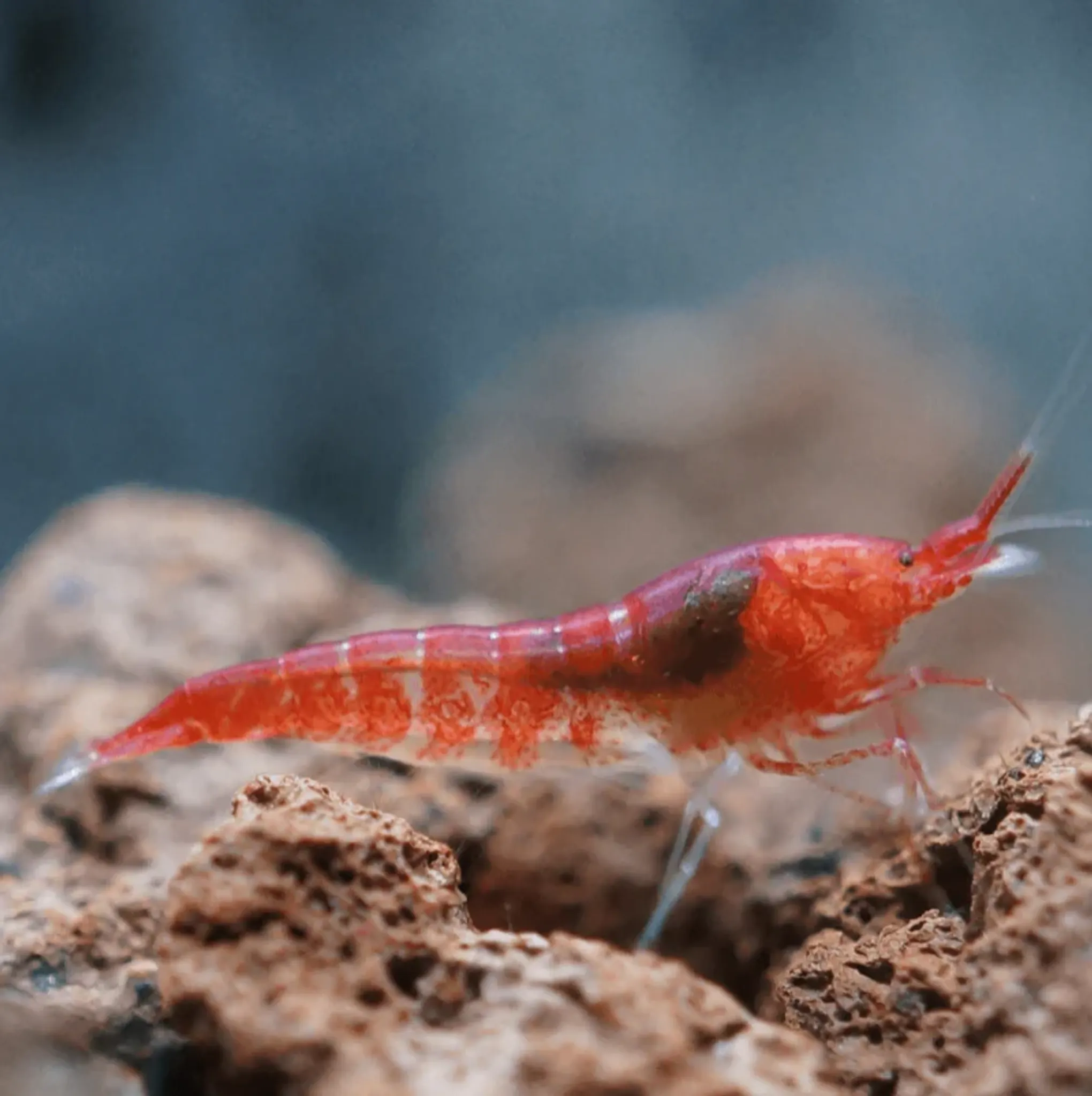
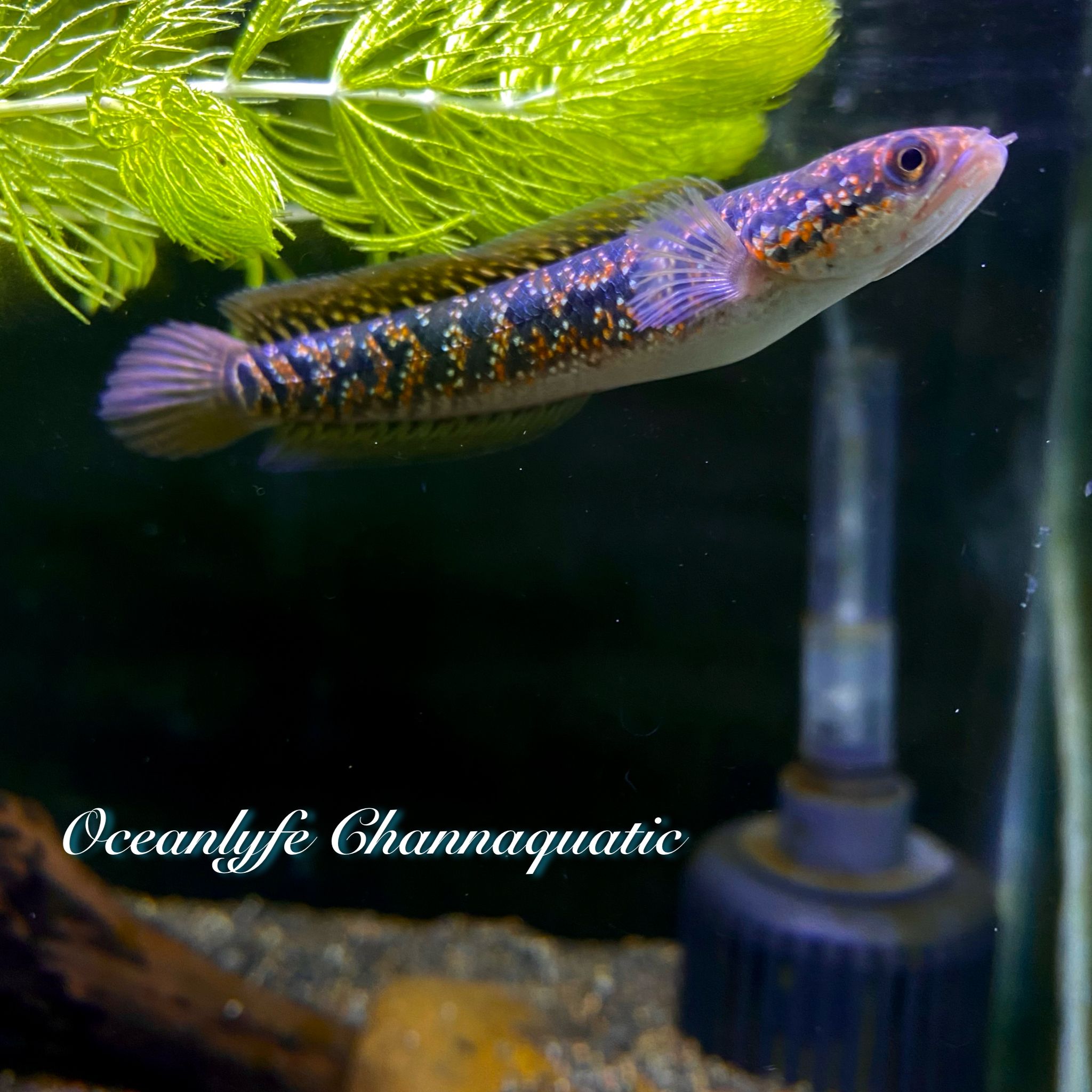
- Suitable tank mates: Betta imbellis is generally much more peaceful than the common Betta splendens, but it is still a betta, so tank mates should be chosen carefully. Small, calm schooling fish work well in a spacious, well-planted aquarium—micro rasboras such as Boraras brigittae, small Trigonostigma species, ember tetras, and other diminutive peaceful tetras are good options. Bottom dwellers such as corydoras, otocinclus, and kuhli loaches can also fit provided the tank is mature and has plenty of hiding places. Snails are usually ignored and can help with cleanup. Shrimp may be eaten, especially young shrimp, so treat them as a possible snack rather than a guaranteed tank mate. Avoid aggressive or fin-nipping species, large or boisterous fish, cichlids, gouramis, and other anabantoids that may compete for territory. Never mix Crescent Bettas with Betta splendens, and do not house multiple males together in a standard community tank. A single male can be kept with a small group of females only in a generously sized, heavily planted species setup with careful monitoring, and males can become territorial when breeding.
- Feeding habits: Crescent Bettas are carnivorous insectivores and do best on a high-protein diet with plenty of variety. A quality micro pellet or betta pellet can form the staple, but offer frozen or live foods regularly to encourage natural hunting behaviour and good condition—bloodworm, daphnia, brine shrimp, mysis, and mosquito larvae are all excellent choices. Feed small portions once or twice daily, offering only what the fish can clear in a minute or two. Overfeeding is a common cause of bloating, constipation, and swim bladder problems, so resist the urge to keep adding food. A weekly fasting day can help support digestion. Remove any uneaten food promptly to protect water quality, and avoid relying on flake foods alone, as many bettas ignore them or take them poorly. If you plan to breed, condition adults with frequent small feeds of live and frozen foods, but maintain excellent water quality throughout.
- Care requirements: Provide a well-cycled aquarium of at least 45 litres (around 10 gallons) for a single fish, with a larger footprint—20 gallons or more—if keeping a pair or small group. The tank should be densely planted with live or silk plants, include floating cover, caves, and driftwood, and offer broken lines of sight so fish can retreat if needed. Crescent Bettas are intelligent and curious, and a complex environment reduces stress and encourages natural behaviour. Acclimatise new arrivals carefully using the drip method, especially if the pH or hardness differs from the supplier’s water. Carry out weekly water changes of around 25–30%, siphon debris from the substrate, and test parameters regularly. Keep the lid secure, maintain gentle flow, and avoid sudden temperature swings. Quarantine new tank mates where possible and observe the betta for signs of stress, fin damage, or appetite loss. Although hardy once settled, this wild betta benefits from consistency: stable water, good food, and a quiet, planted setup will bring out its best colours and personality.