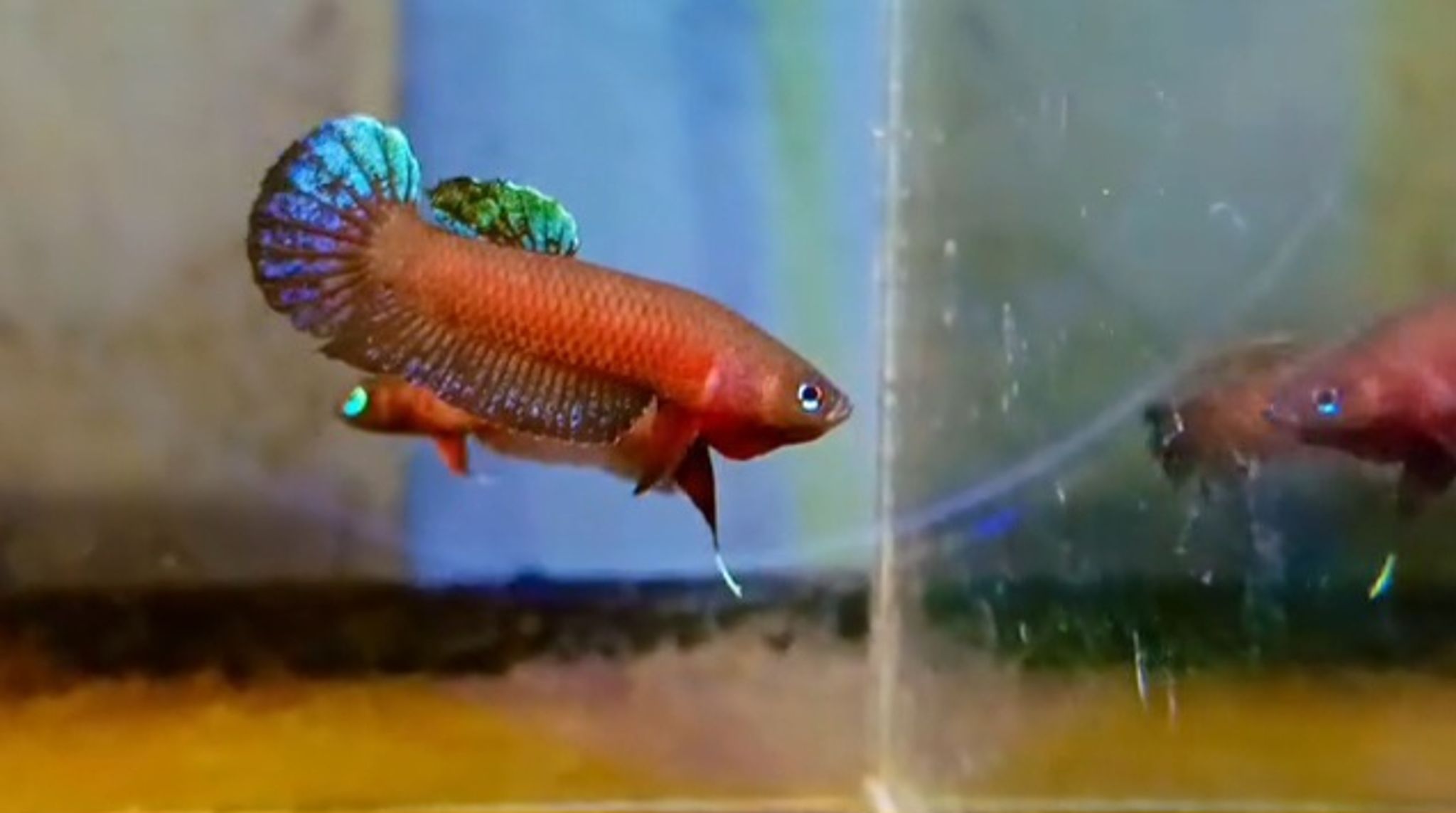
In blackwater peat swamps, a betta the color of midnight hides among leaf litter.
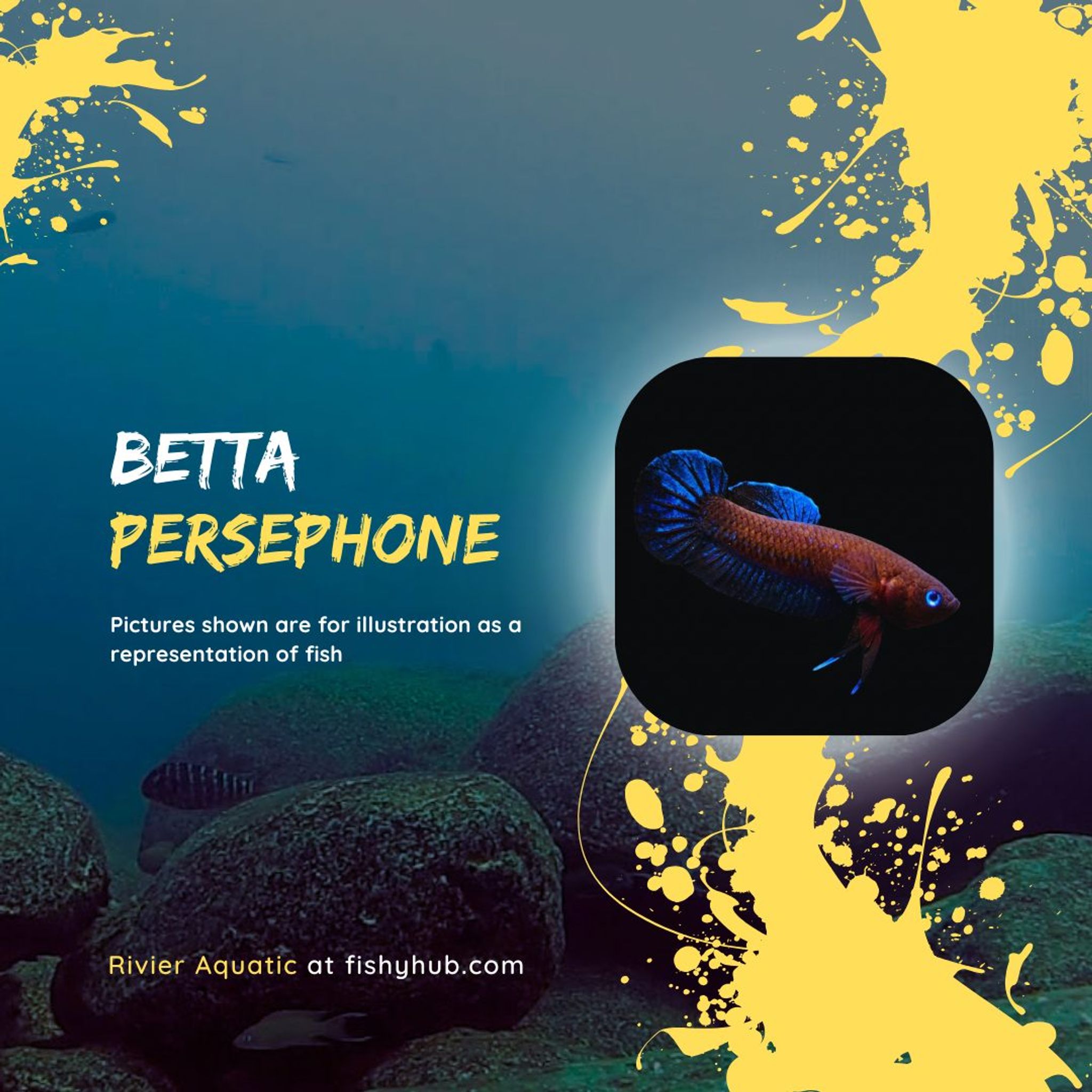
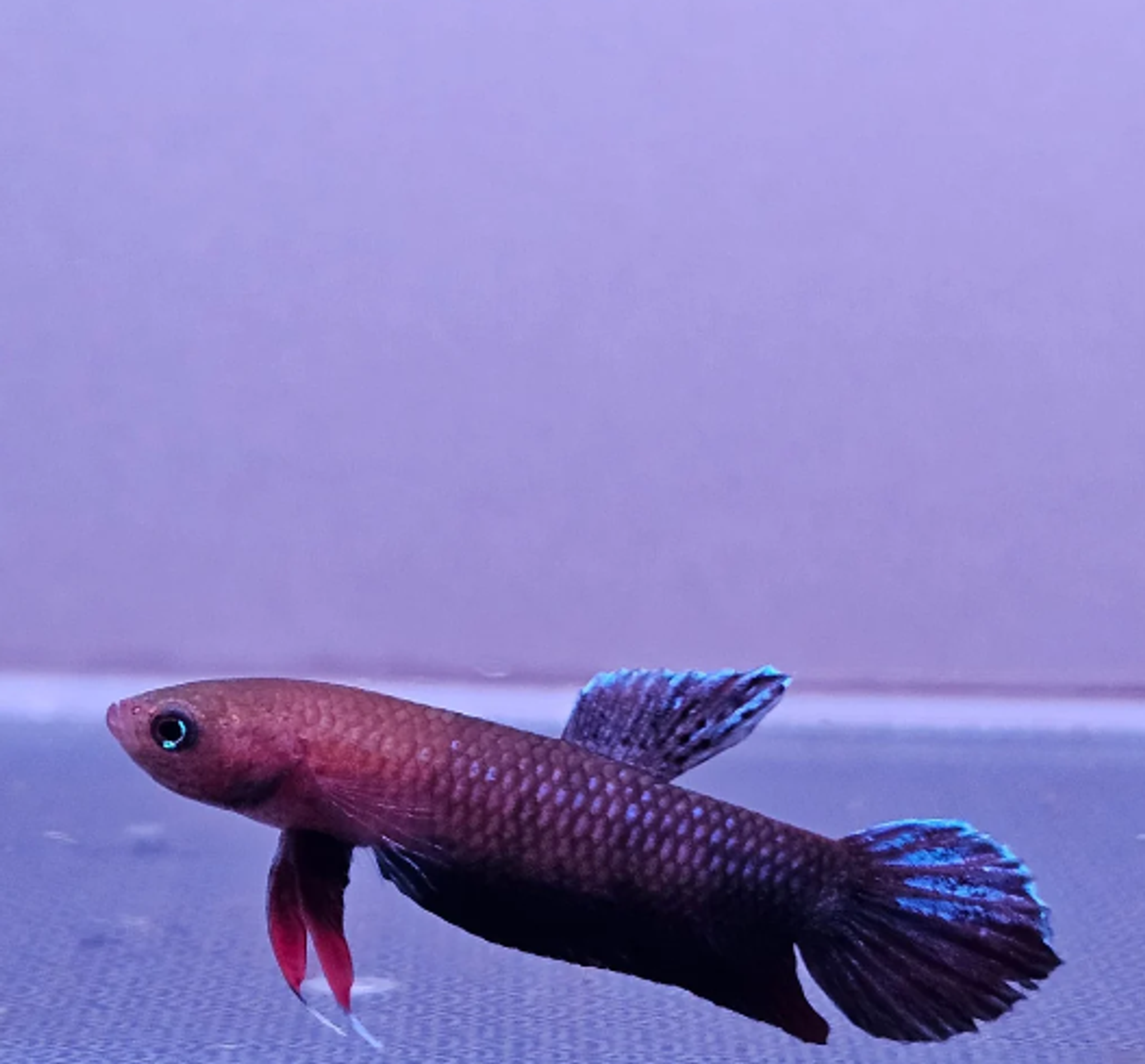
Black Dwarf Betta (Betta persephone) is a shy blackwater wild betta for soft, acidic nano tanks with tannins, calm flow, peaceful tank mates and a tight lid.
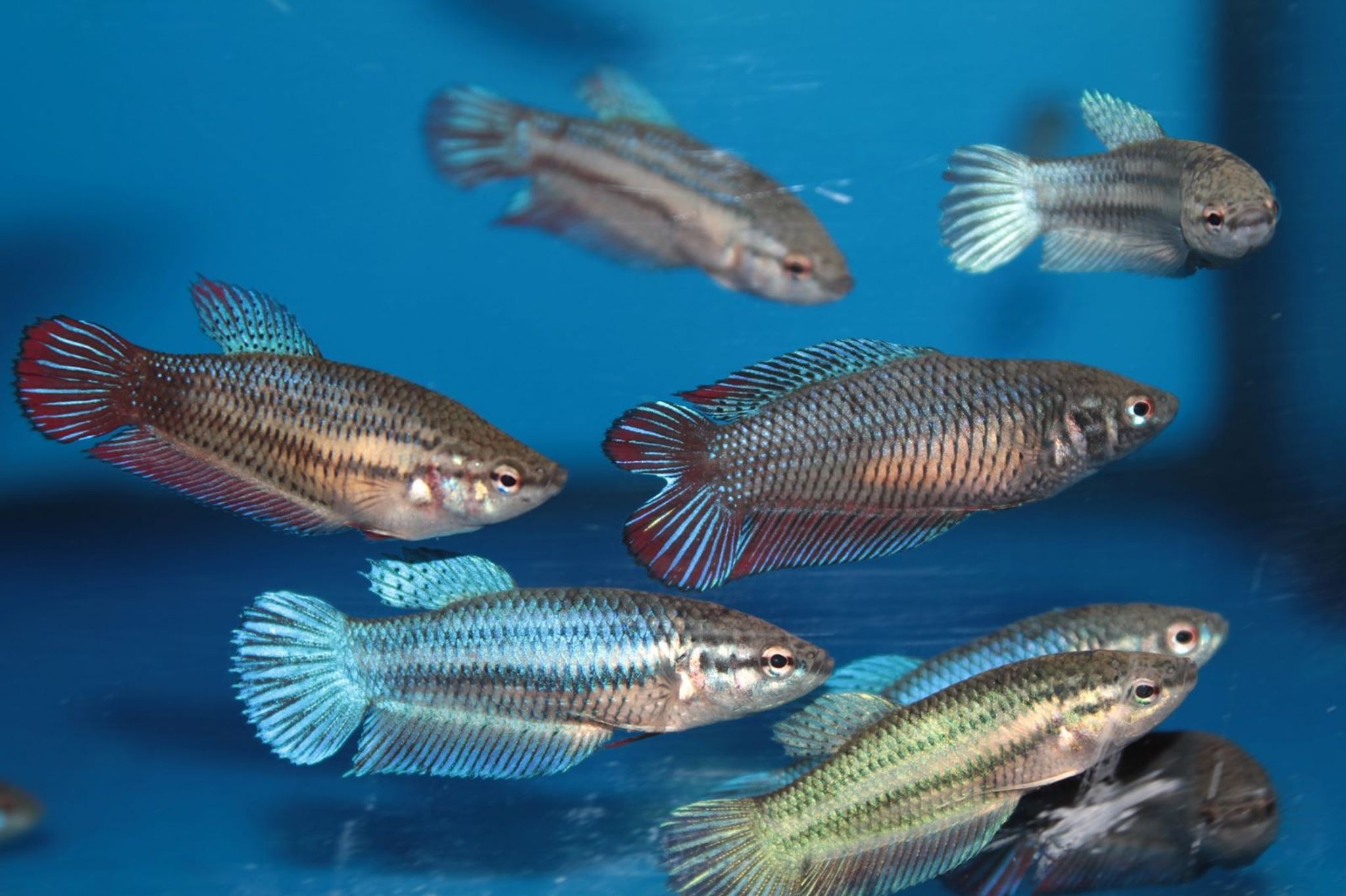
- Species overview and natural habitat: The Black Dwarf Betta, Betta persephone, is a small wild betta prized by specialist aquarists for its dark, understated beauty and fascinating blackwater behaviour. Adults typically reach around 3–3.5 cm, making them ideal for carefully planned nano aquariums. In nature they inhabit soft, acidic peat swamps and forest streams, where the water is stained brown by tannins, light is dim, and flow is minimal. Replicating this environment is the key to success: leaf litter, botanical tannins, floating plants, shaded areas and stable, low-mineral water will help this shy species settle, show natural behaviour and remain healthy. This is not a beginner community fish; it is best suited to aquarists who enjoy creating a precise biotope and observing subtle wild-betta behaviour.
- Water conditions: Aim for soft, acidic, blackwater-style parameters: temperature approximately 23–28°C, pH around 4.0–6.0, general hardness (GH) 0–5 dGH, carbonate hardness (KH) 0–2 dKH, and low TDS, typically around 30–120 ppm depending on your source water and botanical setup. Stability matters more than chasing an exact number. Use RO or rainwater mixed with a suitable remineraliser if your tap water is hard, and avoid sudden swings in pH or hardness. Keep nitrate low through gentle filtration, light stocking and regular small water changes. A mature tank with Indian almond leaves, alder cones or other botanicals is ideal, but monitor the resulting pH shift and avoid overloading the aquarium with tannins in a very small volume.
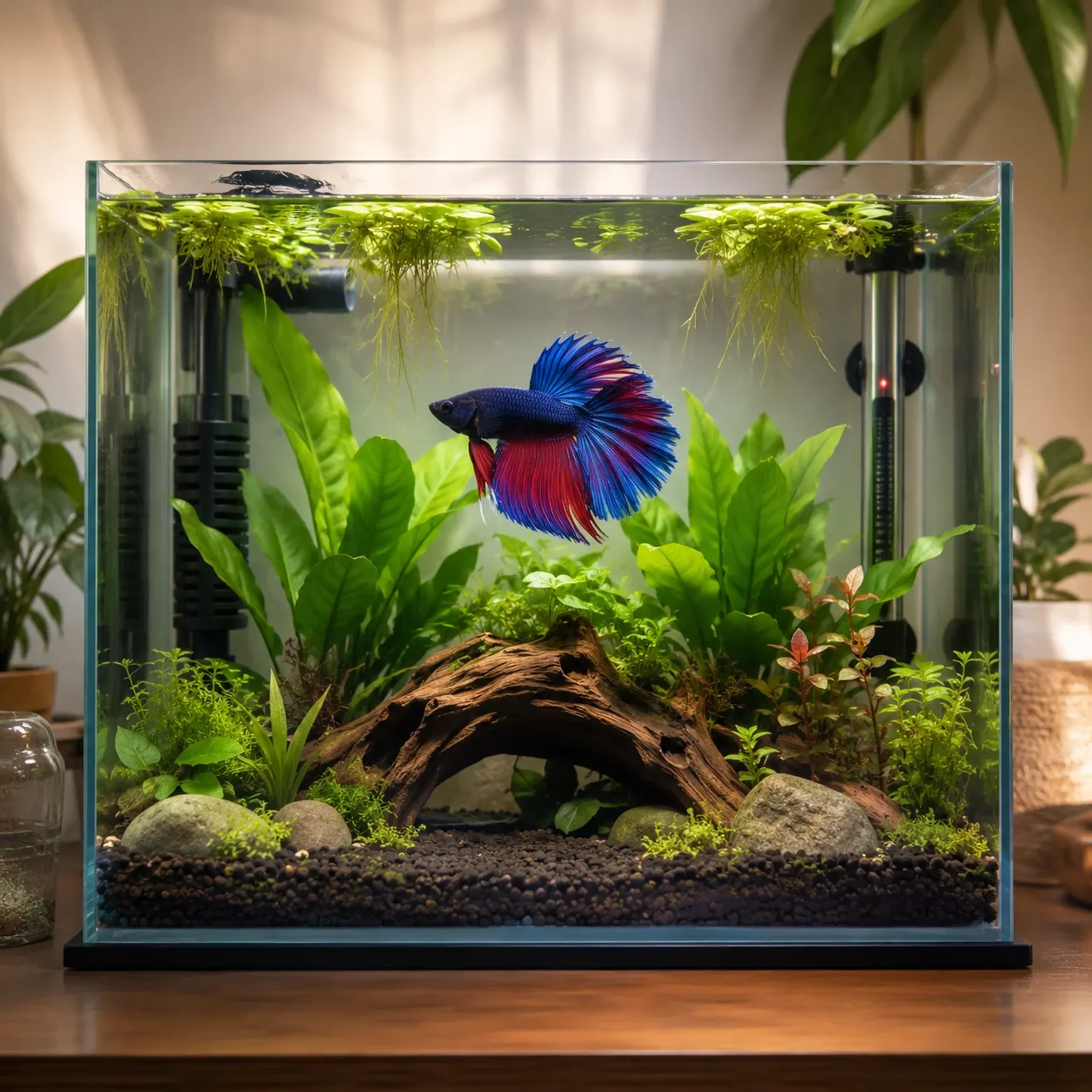
- Tank setup and filtration: A species-only nano aquarium of around 20–40 litres is suitable for a pair or small group, depending on footprint and hiding spaces. Use a tight-fitting lid because wild bettas are labyrinth fish and need warm, humid air above the water; a loose lid can lead to stress and health problems. Provide dim lighting, floating plants, Java fern, mosses, caves, driftwood and a generous layer of leaf litter. Filtration should be very gentle—an air-driven sponge filter or a well-baffled small filter is ideal. Avoid strong current, open gravel expanses and bright, bare tanks. The aquarium should be fully cycled and mature before adding this sensitive wild betta.
- Suitable tank mates: The Black Dwarf Betta is best kept in a species-only blackwater setup, especially if you want to observe natural behaviour or attempt breeding. If tank mates are desired, choose only very small, peaceful, soft-water species that will not compete aggressively for food or space, such as appropriate Boraras rasboras in a well-established, roomy nano tank. Avoid boisterous barbs, gouramis, cichlids, large tetras, fin-nippers and anything that may bully or outcompete this shy fish. Small ornamental shrimp may be eaten, particularly by adults, and large snails can add unnecessary bioload. Always quarantine new livestock and monitor closely; if the betta becomes secretive, stops feeding or shows fin damage, remove or rethink tank mates.
- Feeding habits: Betta persephone is a micro-predator with carnivorous feeding habits. Offer small, frequent meals of live or frozen foods such as daphnia, moina, baby brine shrimp, bloodworm, grindal worms and suitably sized insect larvae. Many specimens will take small micro-pellets once settled, but these should not replace a varied, protein-rich diet. Feed only what the fish can clear in a few minutes, once or twice daily, and avoid overfeeding—uneaten food quickly degrades water quality in a small blackwater aquarium. Newly imported or shy fish may refuse dry foods at first, so be prepared to use live or frozen foods to build condition. Remove uneaten food and maintain a consistent routine.
- Care and acclimation: Acclimatise slowly using a drip method, especially if your water is very different from the supplier’s. This species is sensitive to sudden changes in pH, hardness and temperature, so avoid floating the bag briefly and releasing. Quarantine where possible and observe for signs of stress, emaciation or disease before adding to a display tank. Keep the tank covered, maintain gentle flow and provide plenty of visual cover. Avoid handling the fish and minimise disturbance. Regular small water changes—typically 10–20% weekly—with water matched to the aquarium’s soft, acidic parameters are safer than large changes. Test pH, KH and TDS periodically, and keep a stable routine rather than constantly adjusting chemicals.
- Behaviour and breeding notes: This is a shy, cryptic wild betta that often spends time among leaf litter, plant roots and shaded corners. It may become bolder once settled, but it should not be kept with fast, aggressive or food-greedy companions. If breeding is attempted, condition pairs with live and frozen foods and provide a quiet, heavily planted species setup with tight cover and stable blackwater conditions. Remove or separate fish if aggression or excessive chasing occurs. As with all livestock, research the species’ specific needs before purchase and ensure your aquarium is mature, cycled and ready to support a sensitive wild betta.