1–20 of 20
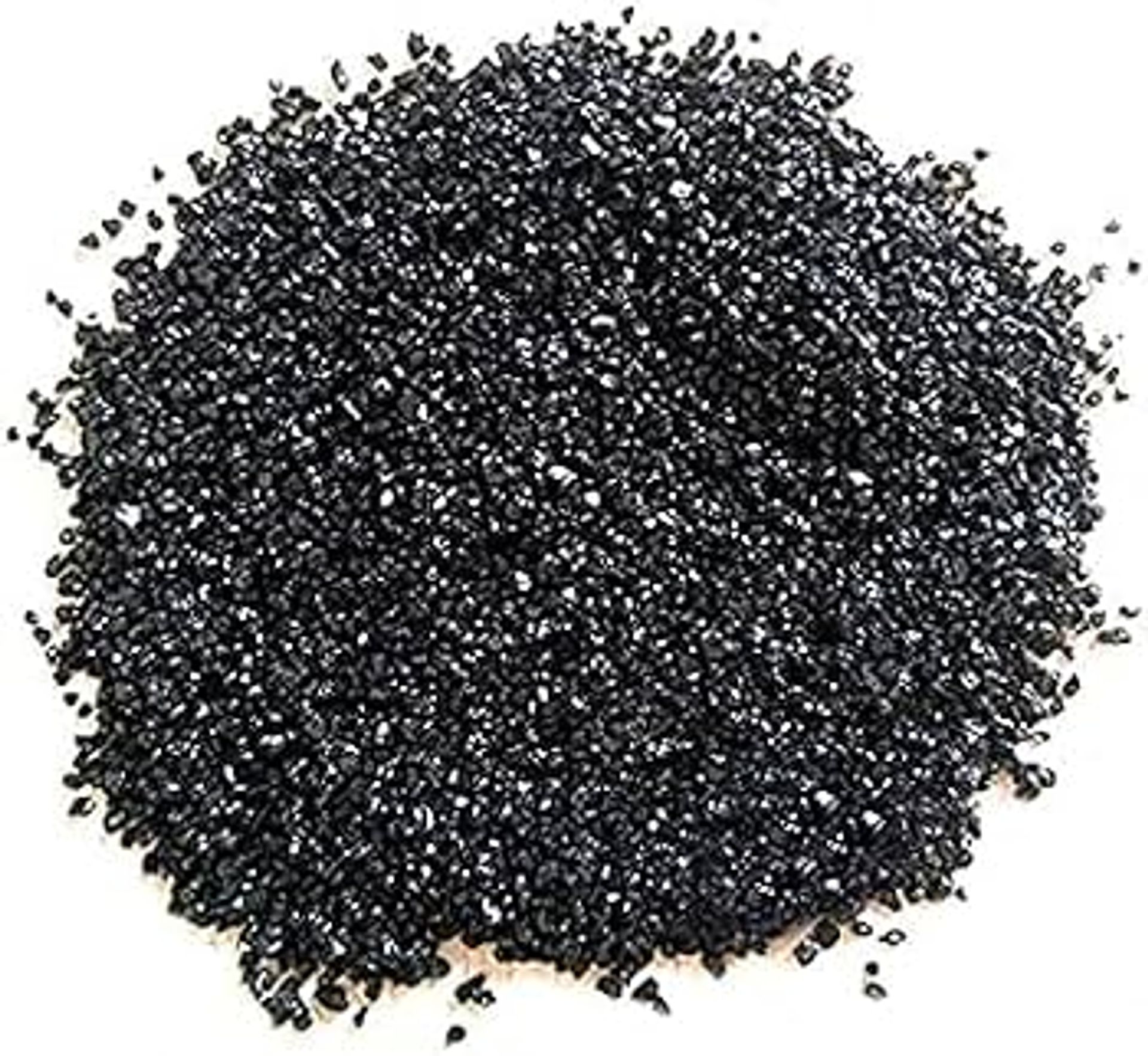
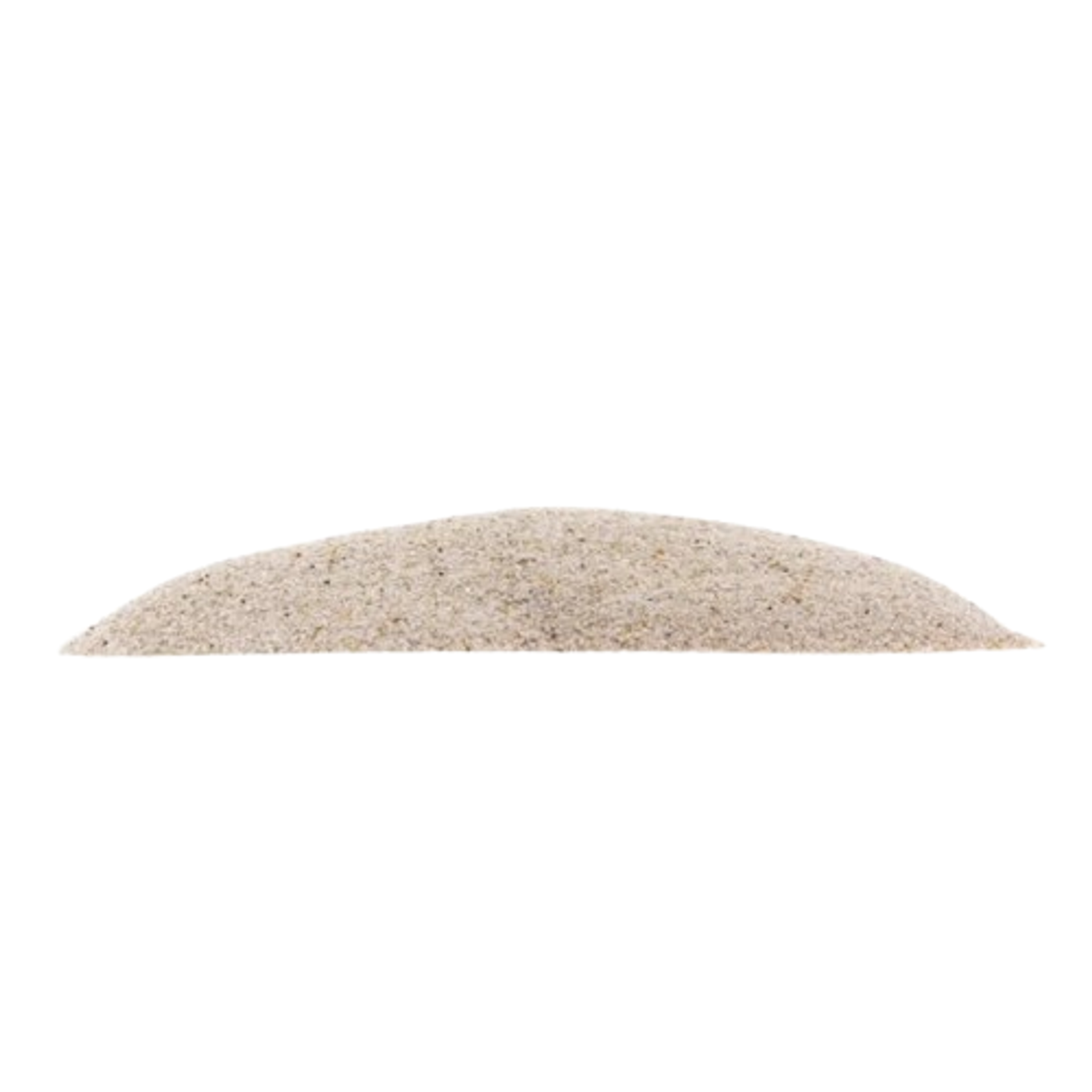
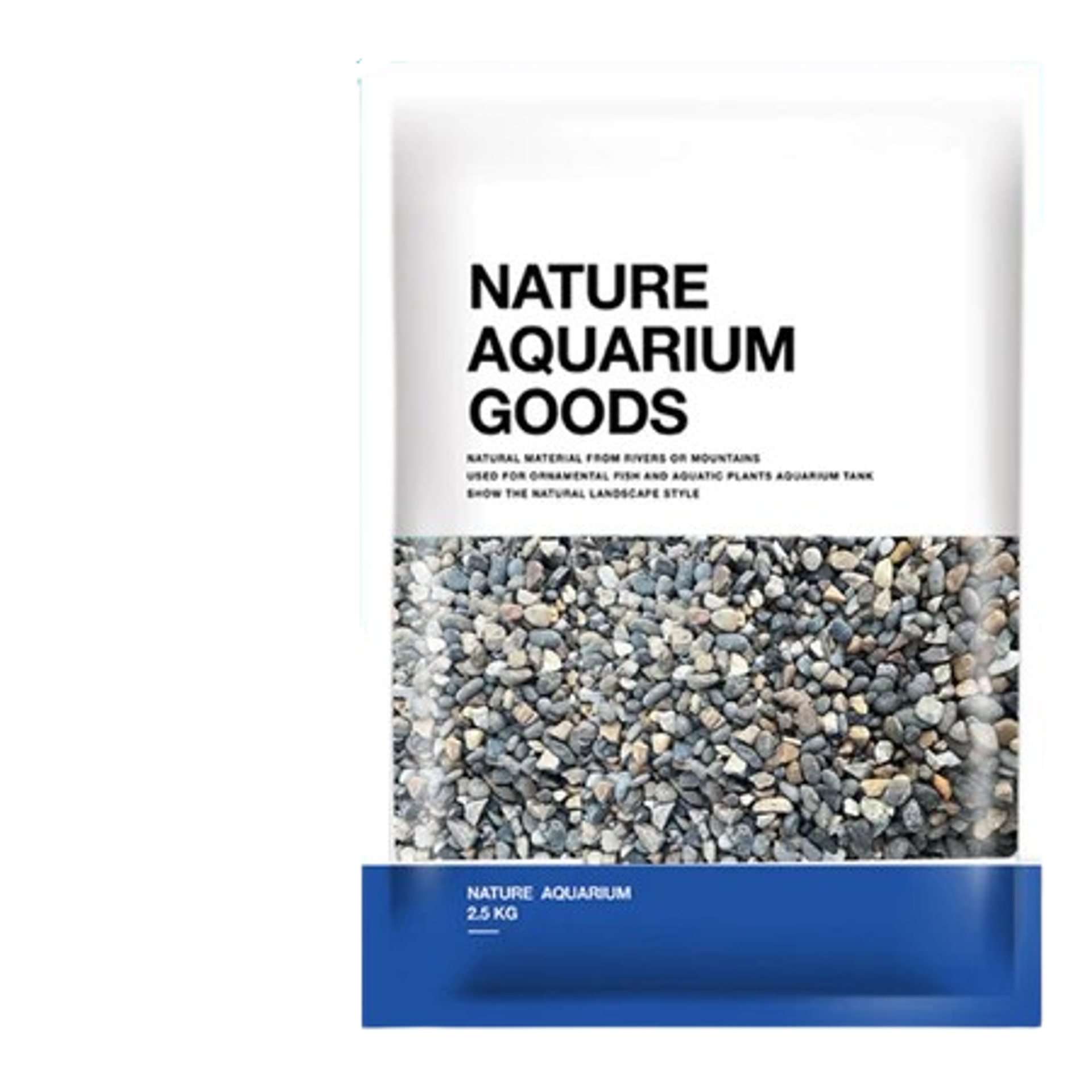
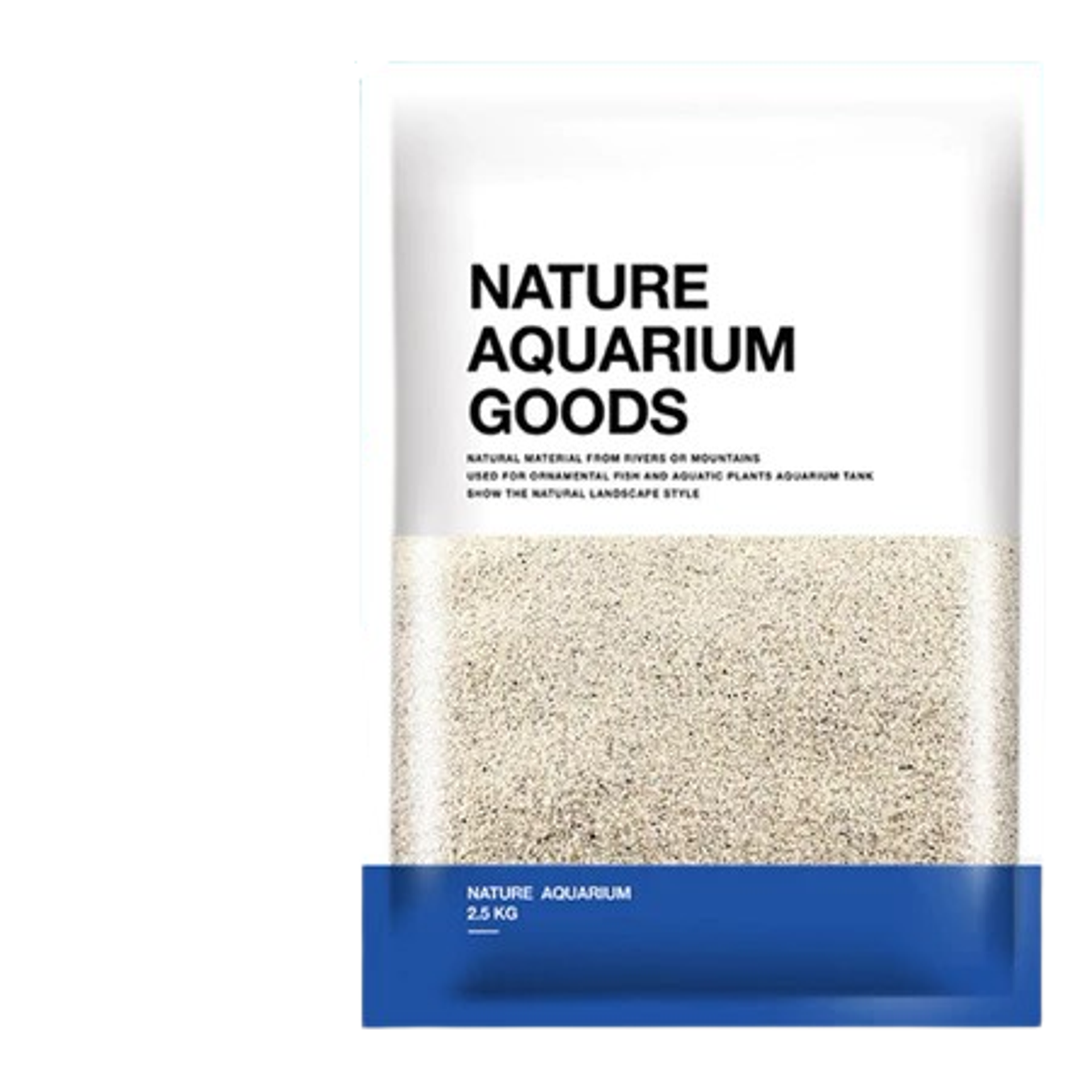
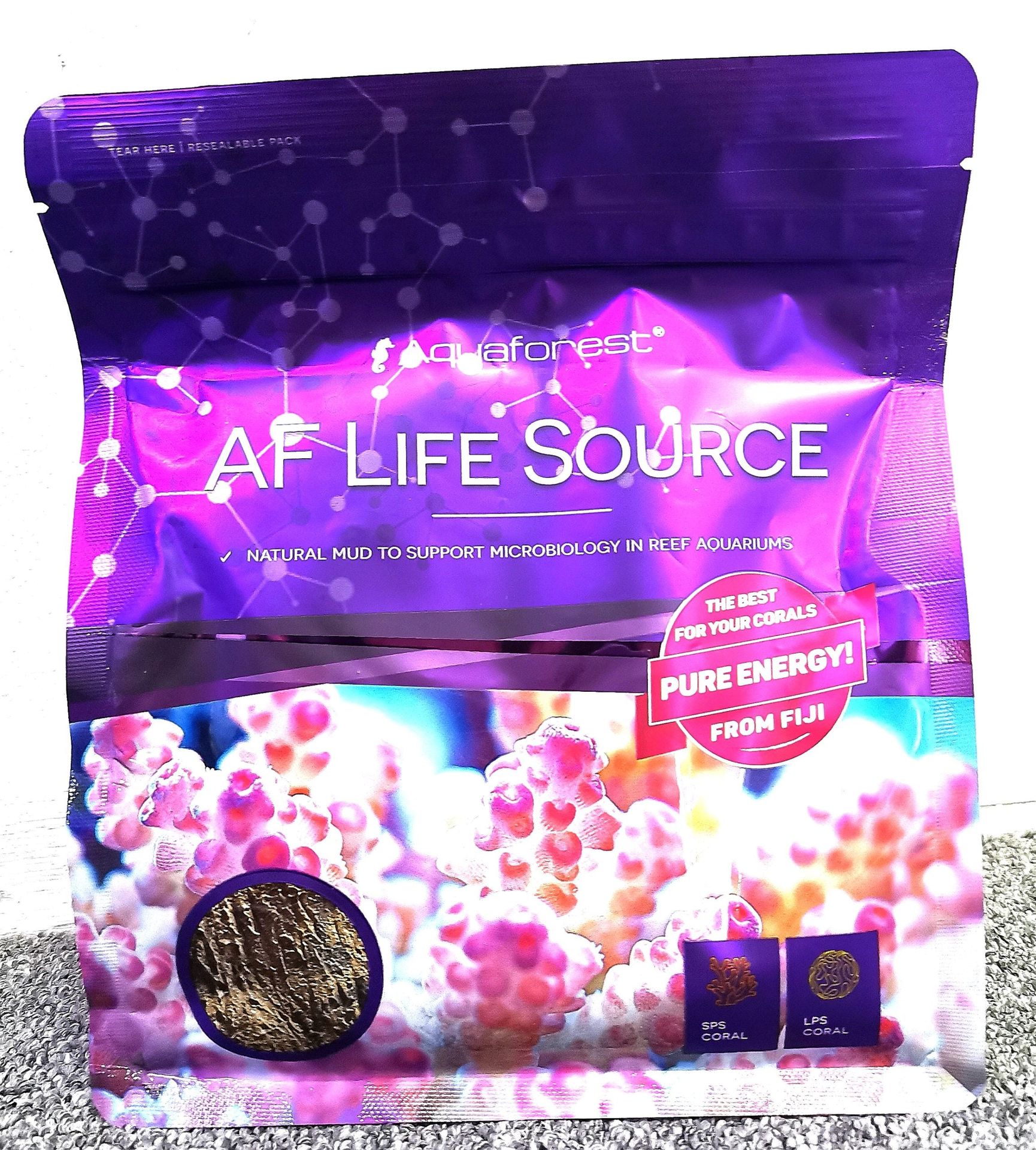
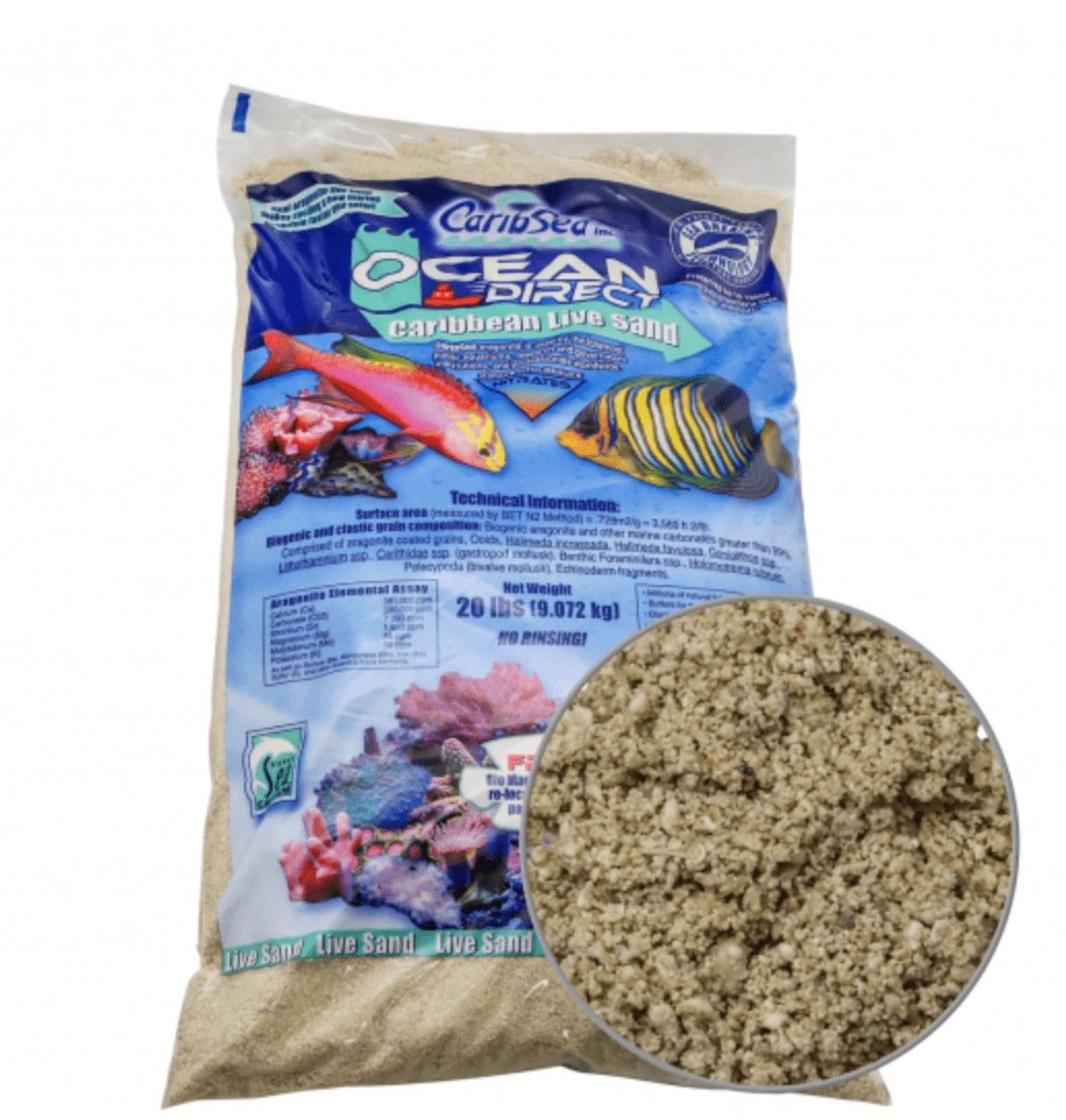
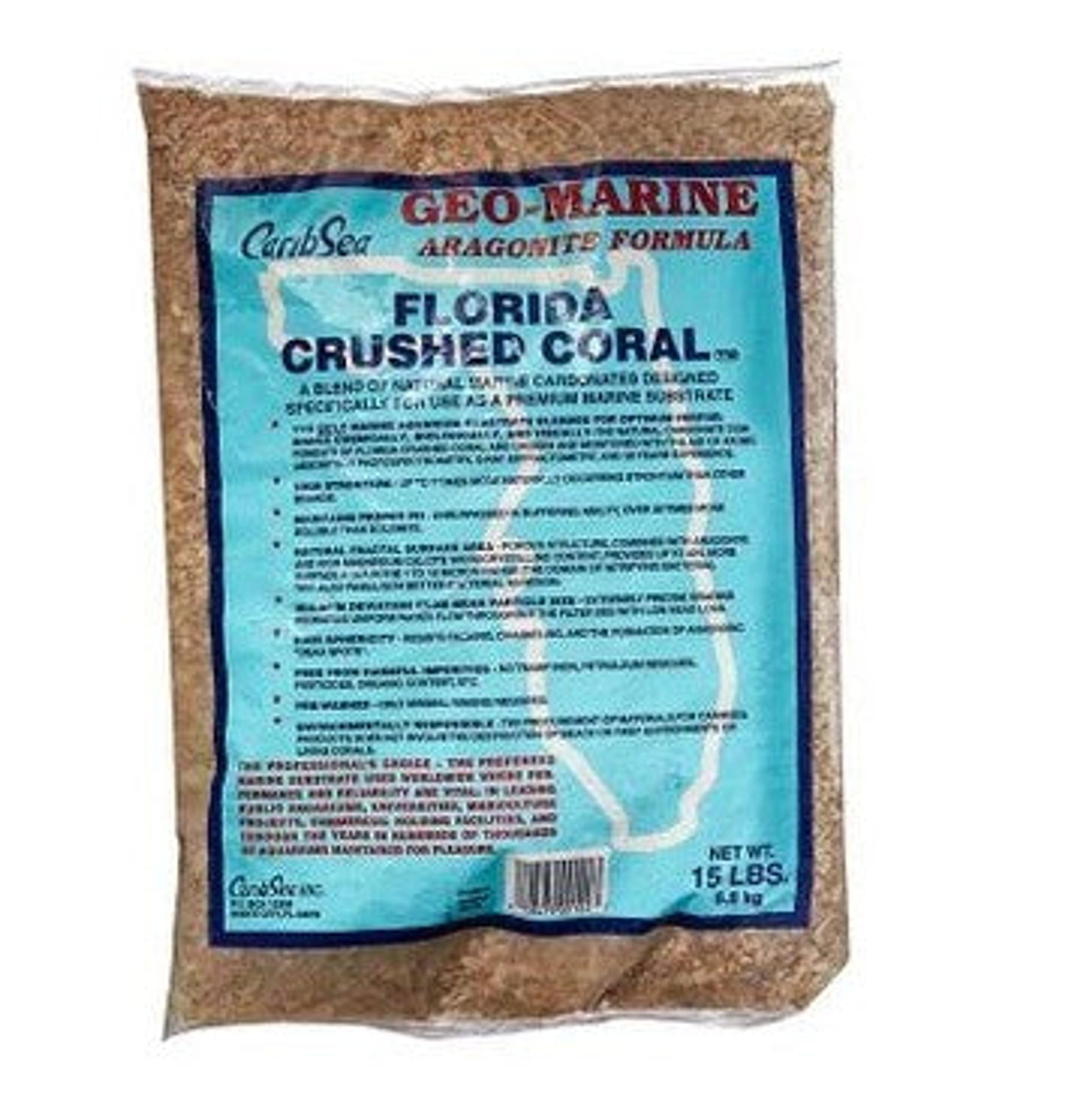
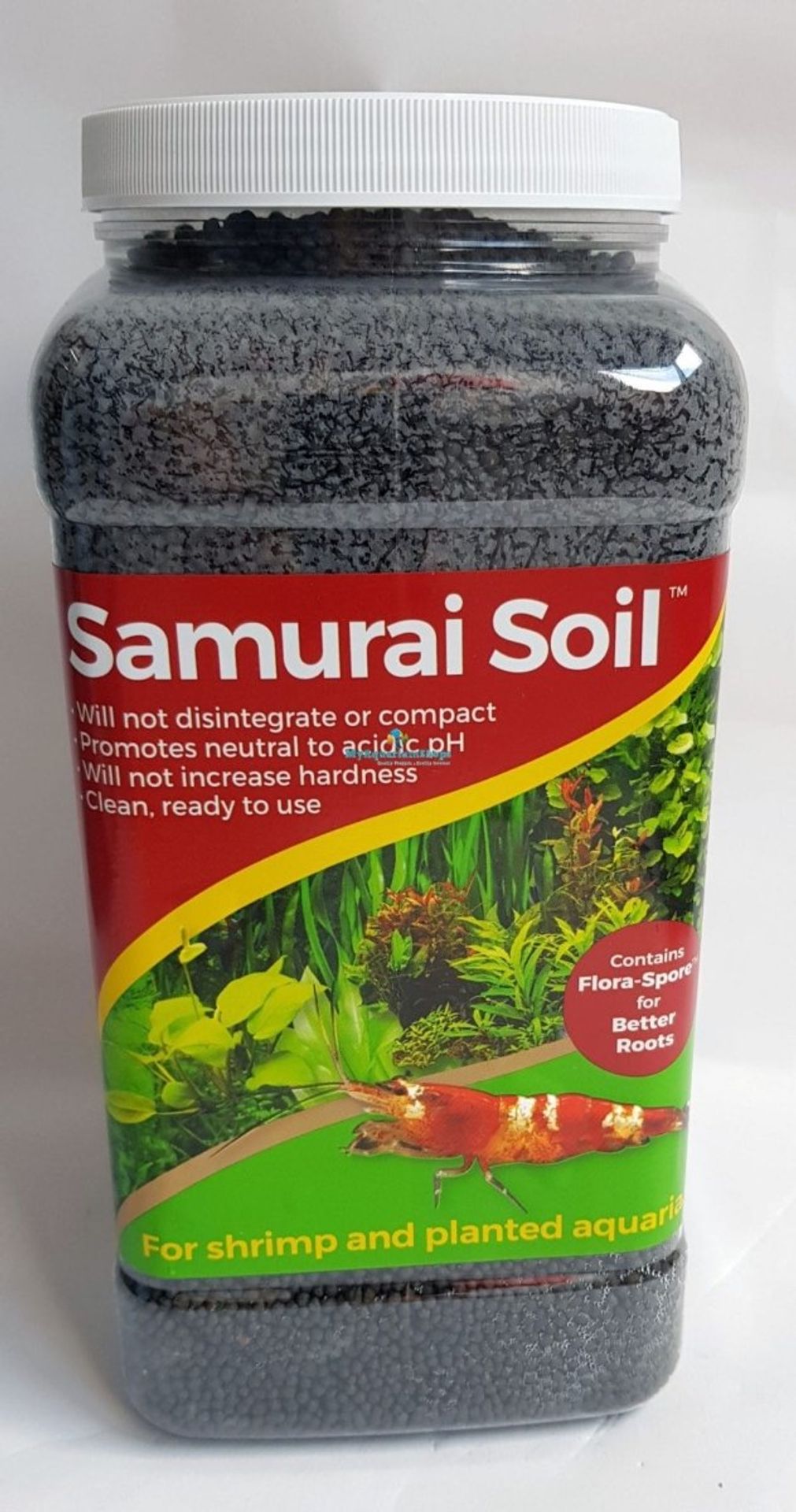
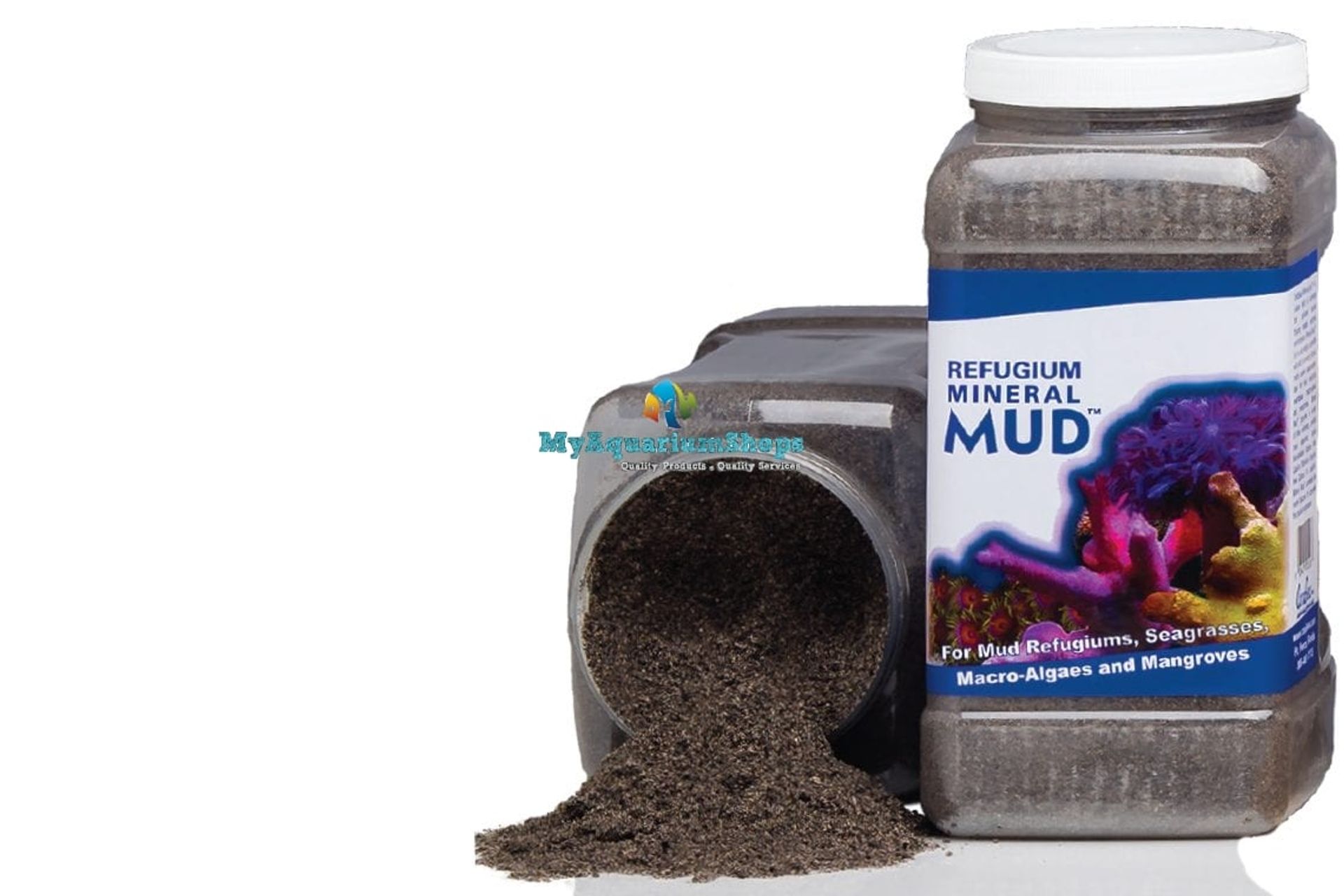
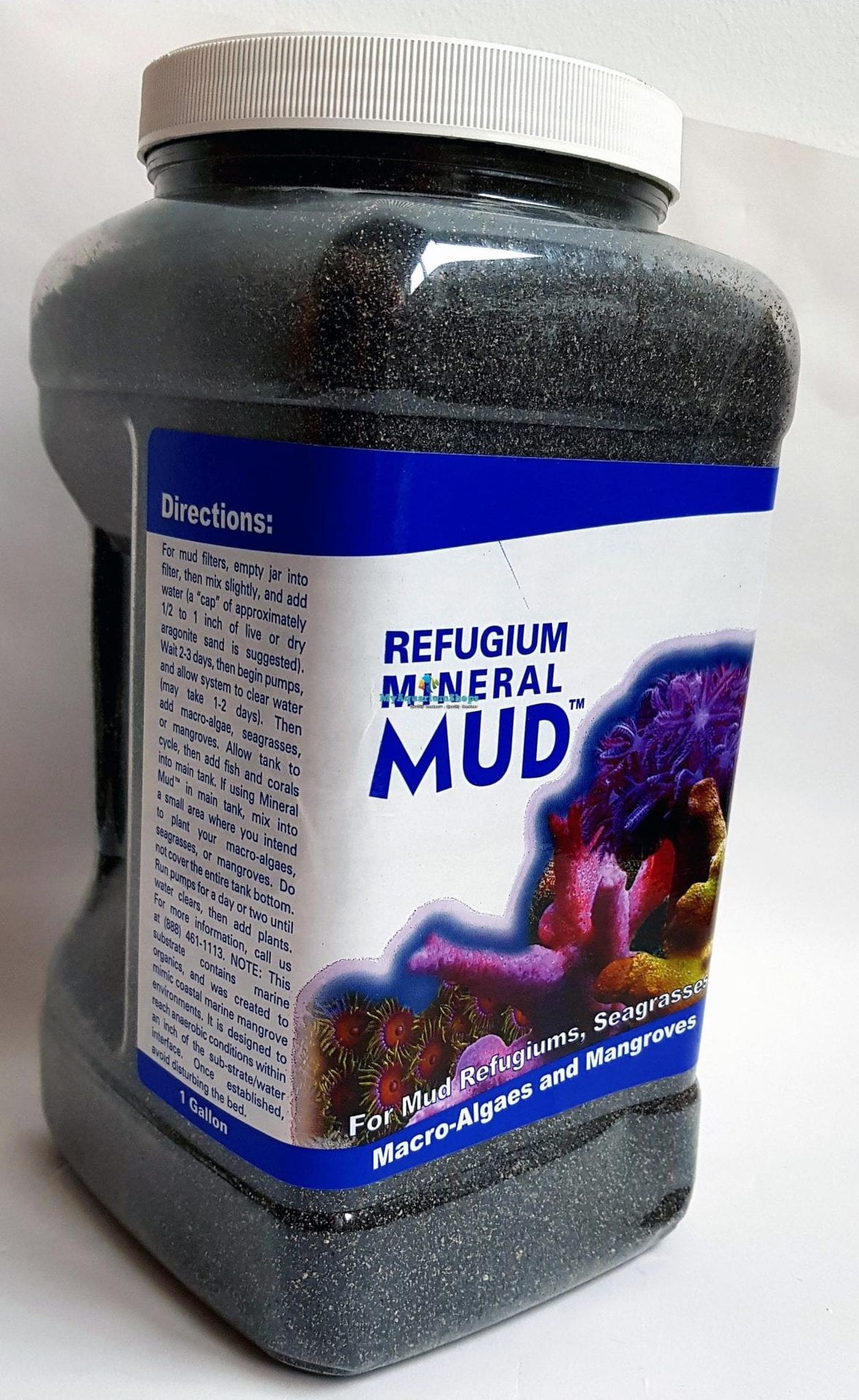
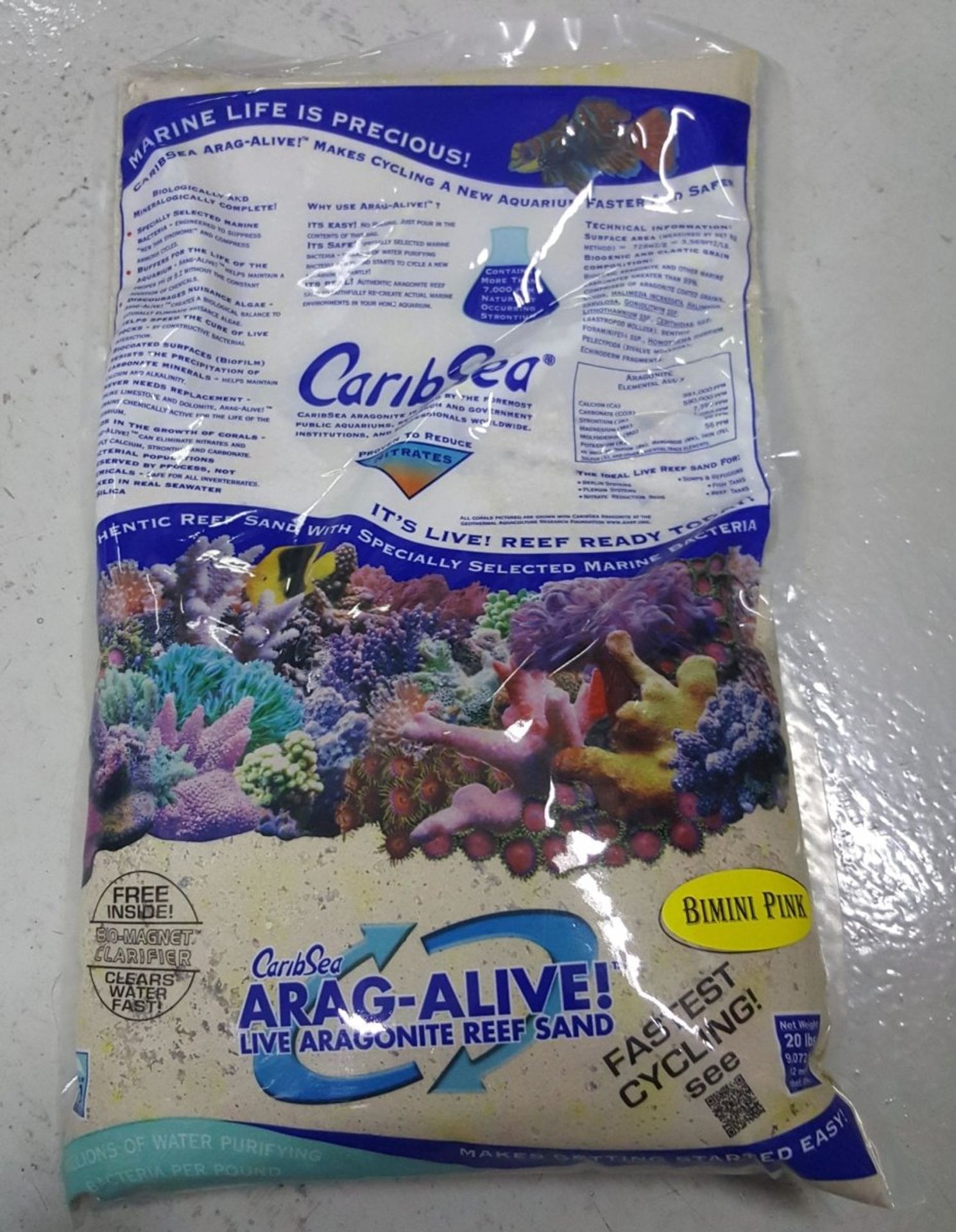
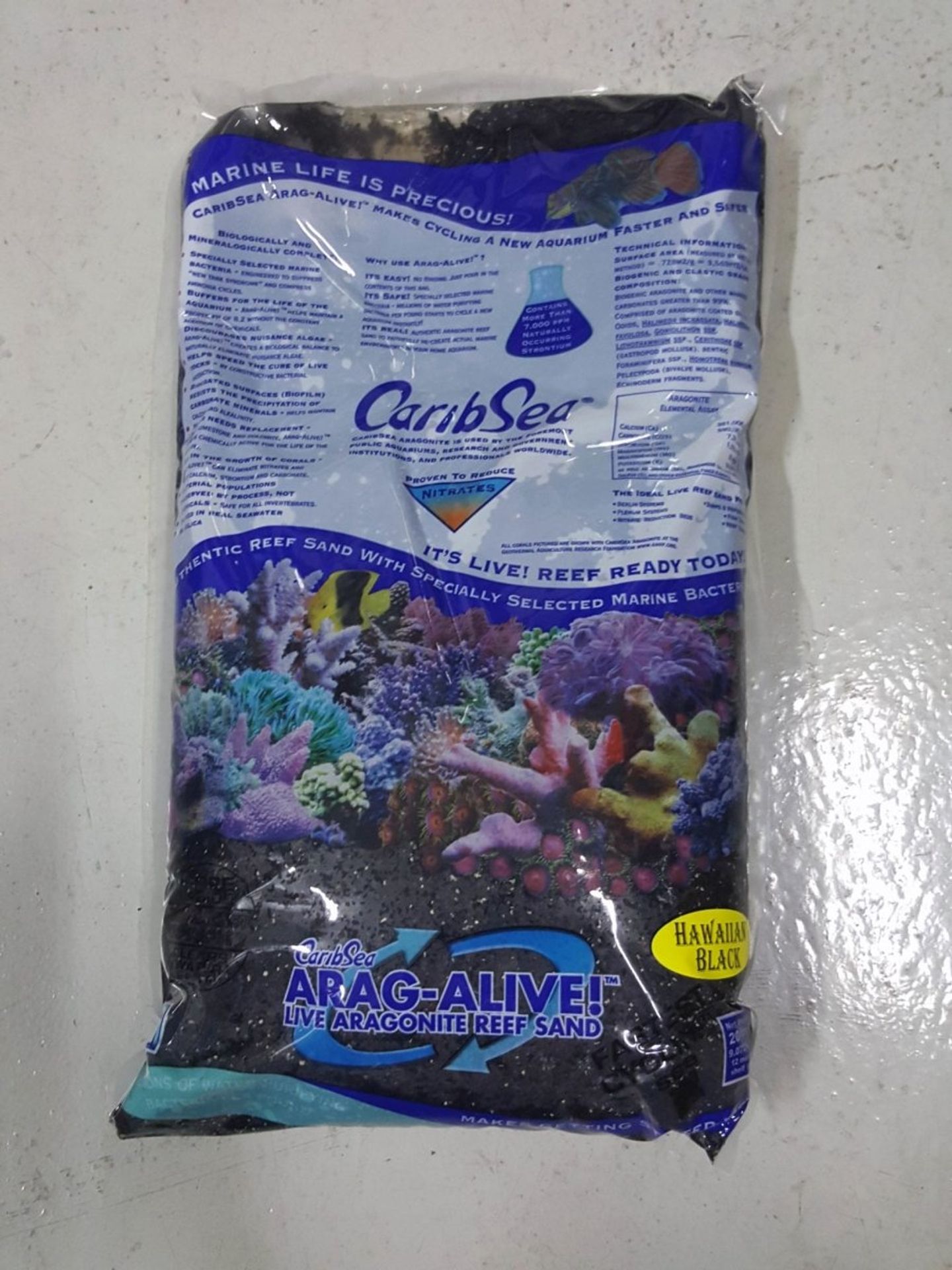
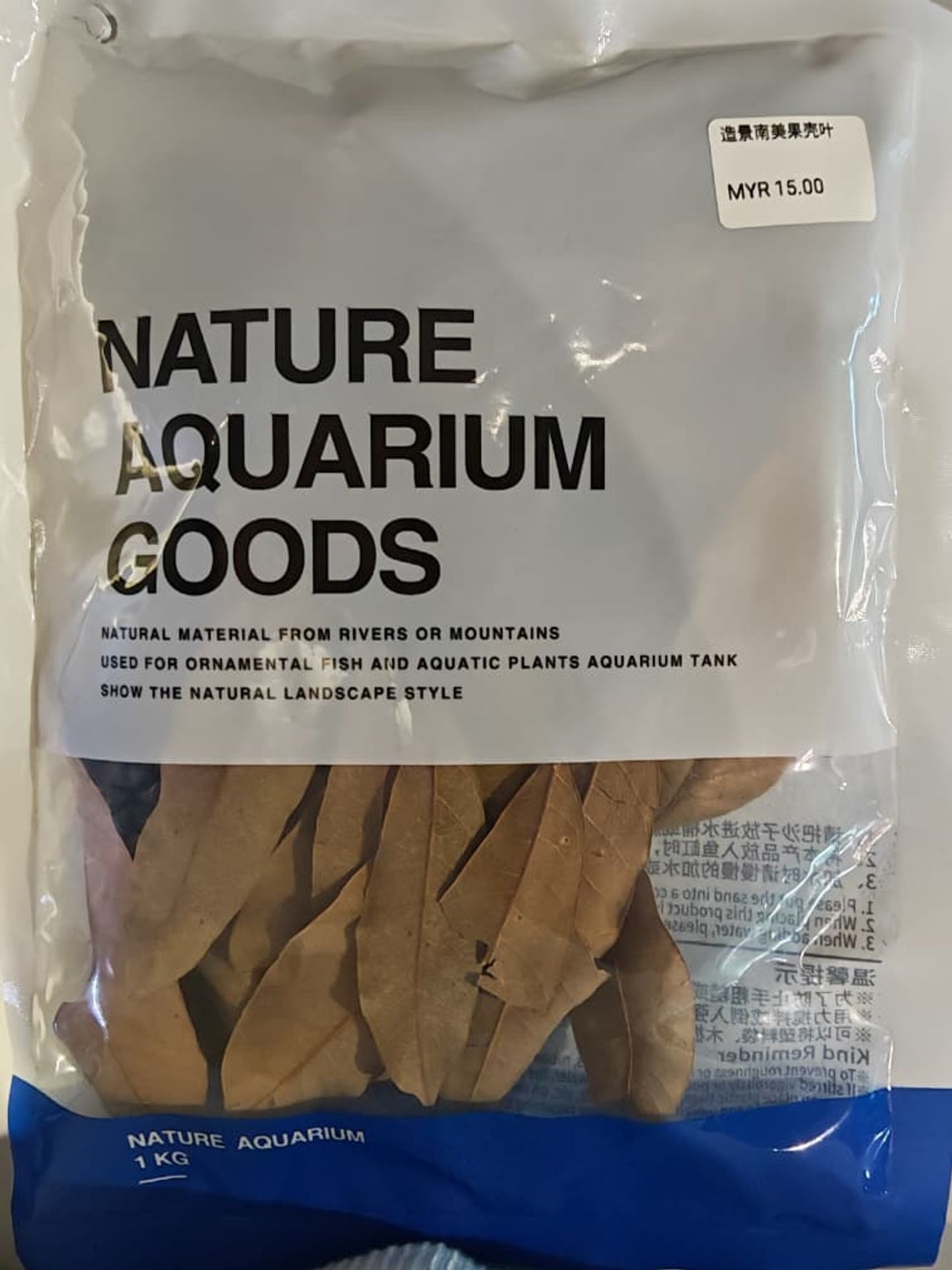
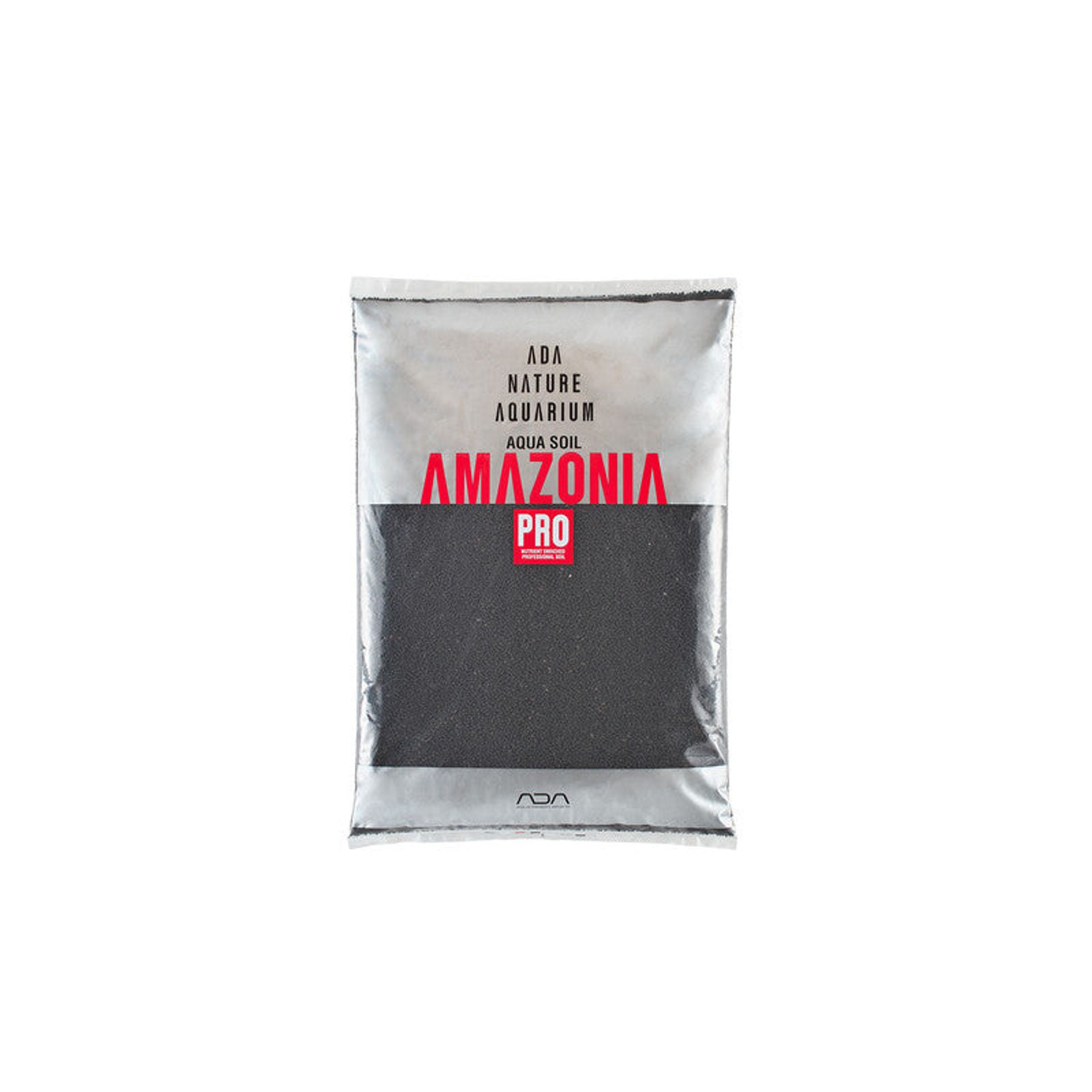
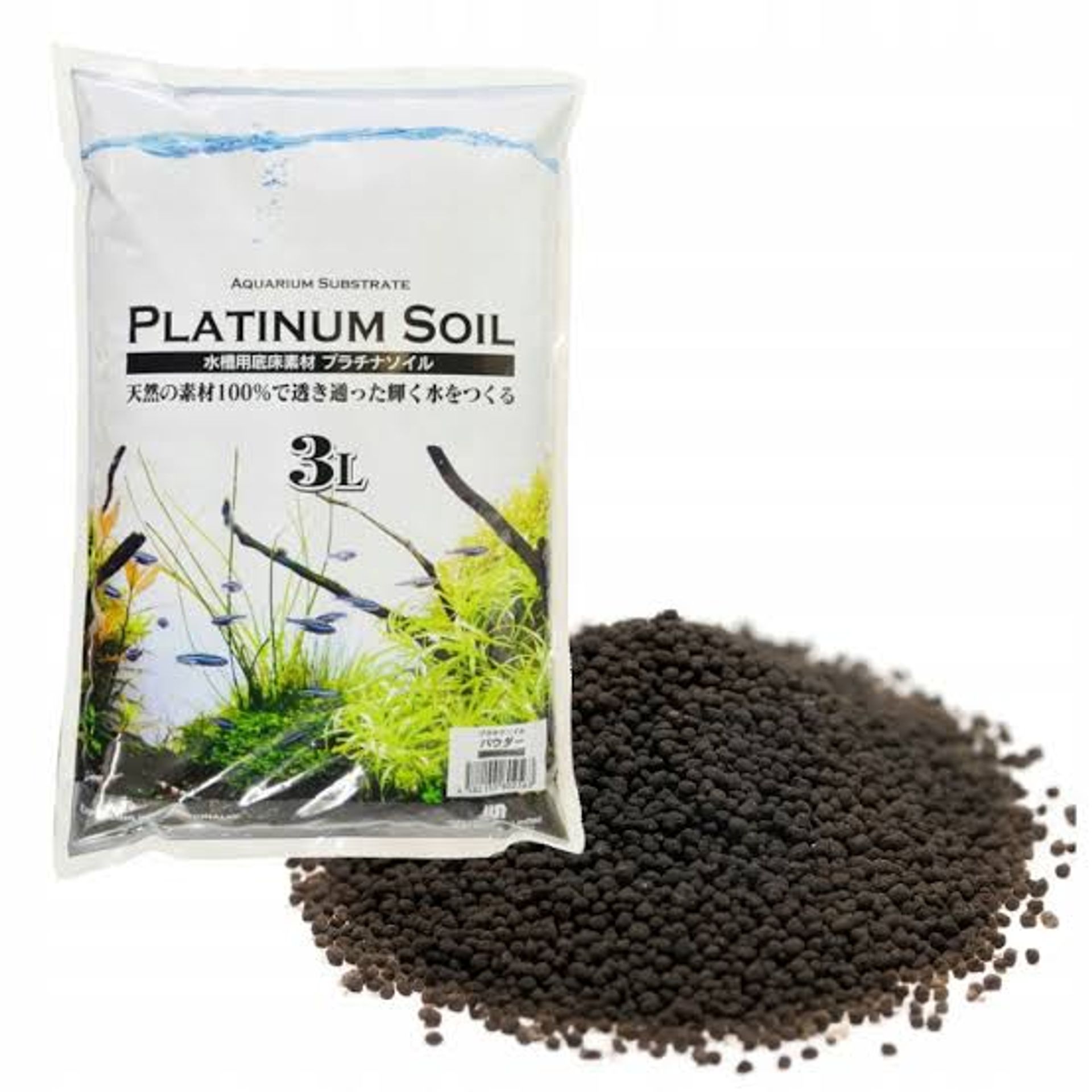
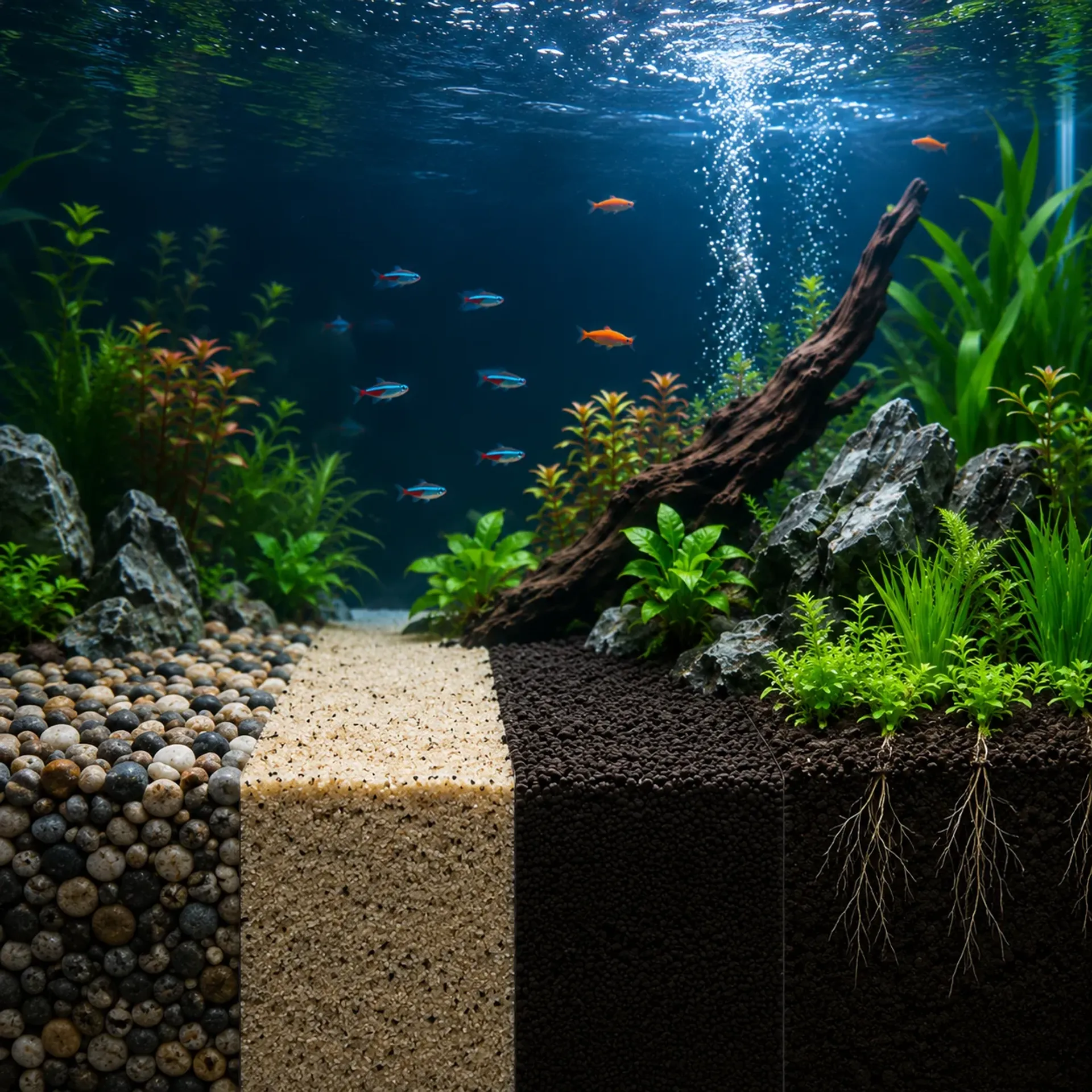
The substrate is the layer on the bottom of your tank, and it does more than just look nice. It anchors plants, gives beneficial bacteria somewhere to live, affects water chemistry, and decides whether your corydoras can dig or your plants can root. Changing it later means stripping the whole tank, so it is worth choosing well at the start.
On FishyHub you can compare pasir akuarium (aquarium sand), gravel, aquasoil and specialist substrates from Malaysian sellers, with prices in RM. Whether you are setting up a low-tech planted 2-foot tank, a shrimp tank, an African cichlid display or a bare-bones goldfish tank, there is a substrate to suit it.
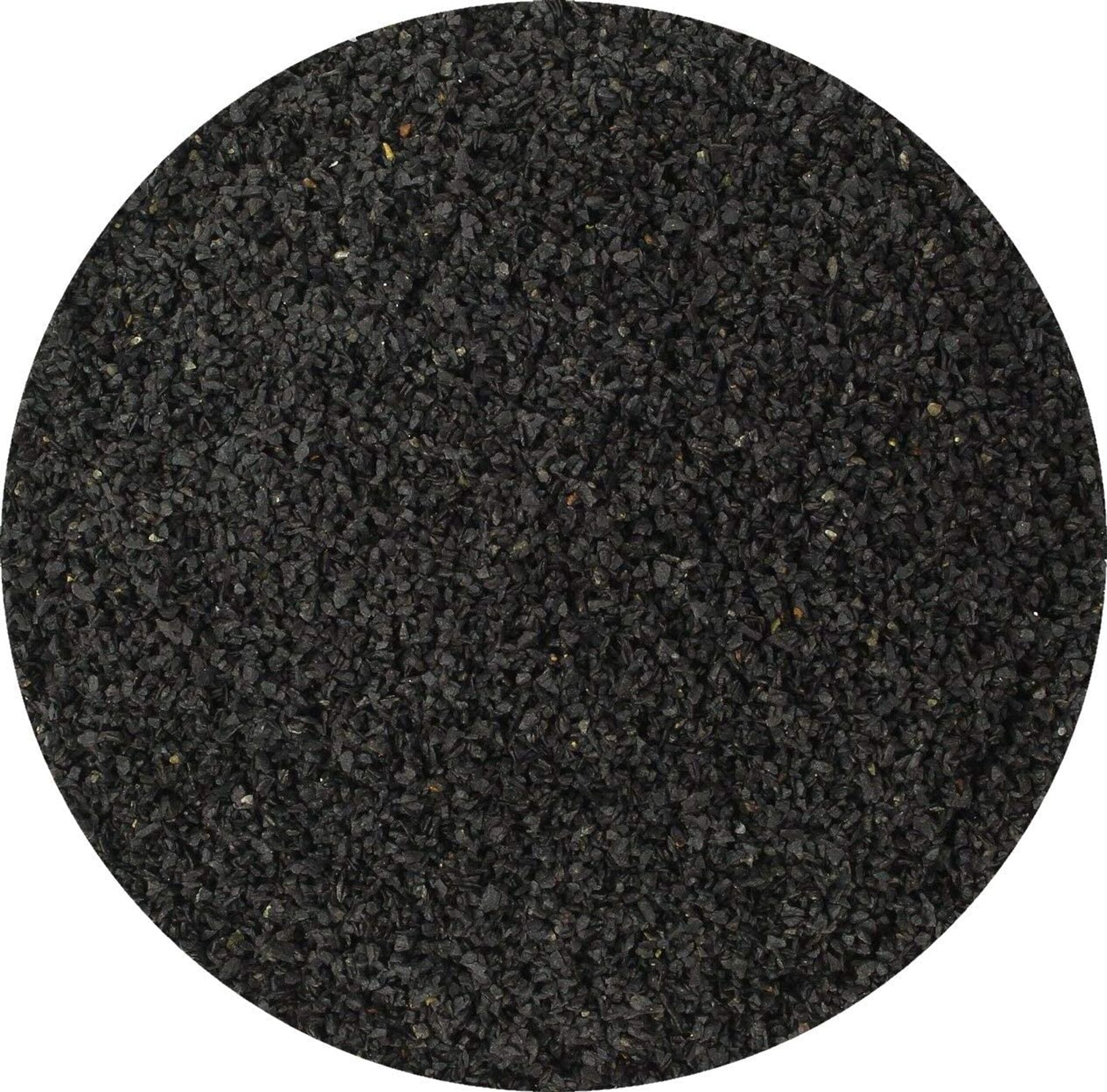
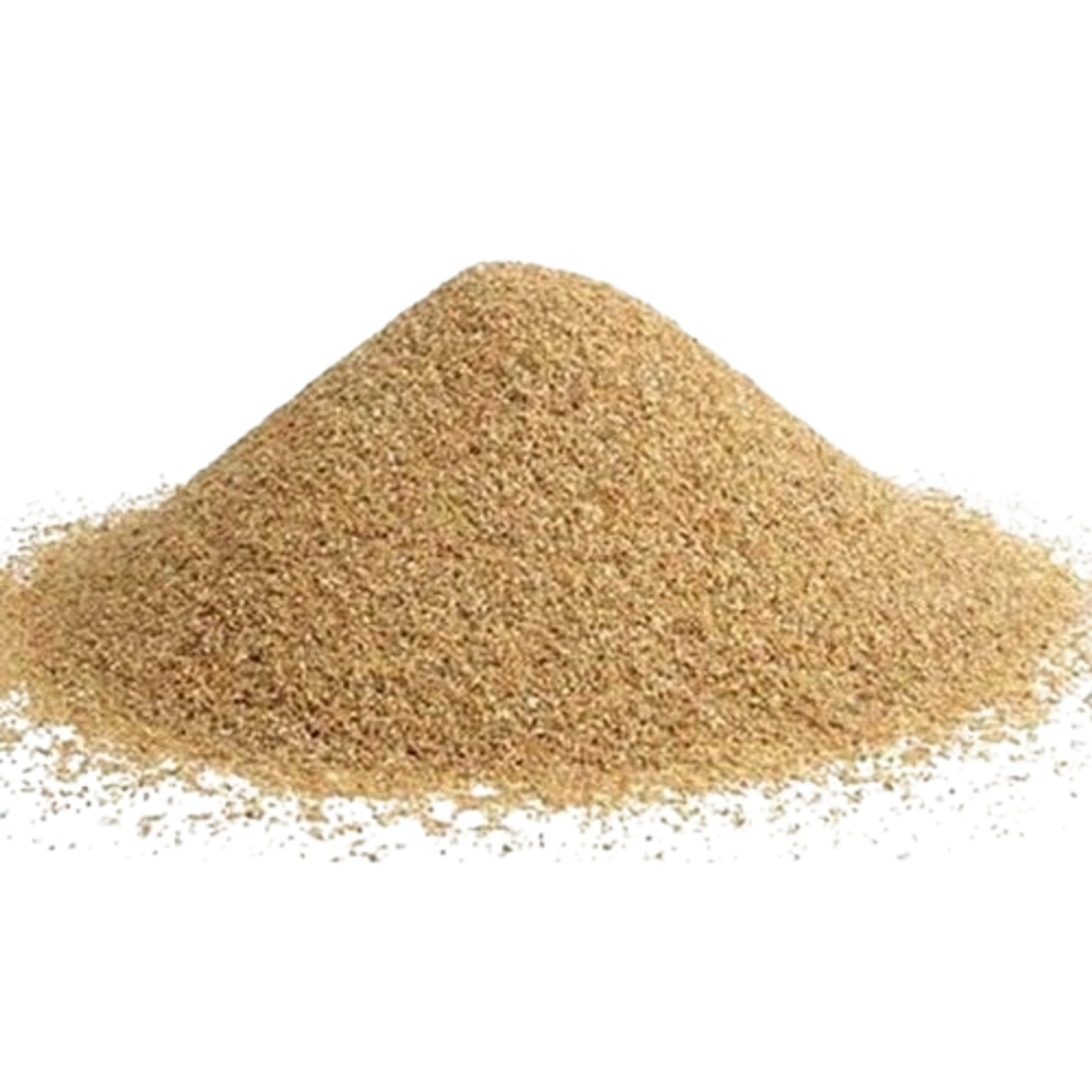
Fine sand gives a natural riverbed look and is gentle on bottom-dwellers such as corydoras, loaches and ikan bandaraya. It packs tightly, so waste sits on top where it is easy to siphon. Choose aquarium-grade sand, which has been washed and is free of sharp fragments.
Gravel ranges from small grains to river pebbles. It is easy to clean, lets water flow through, and suits goldfish, community tanks and decorative setups. Very coarse gravel can trap leftover food, so vacuum it regularly.
Aquasoil is baked granules of nutrient-rich soil, designed for aquascapes. It feeds plant roots, usually softens water and lowers pH slightly, which suits many plants, Caridina shrimp and soft-water fish. Many Malaysians simply call it "soil aquascape".
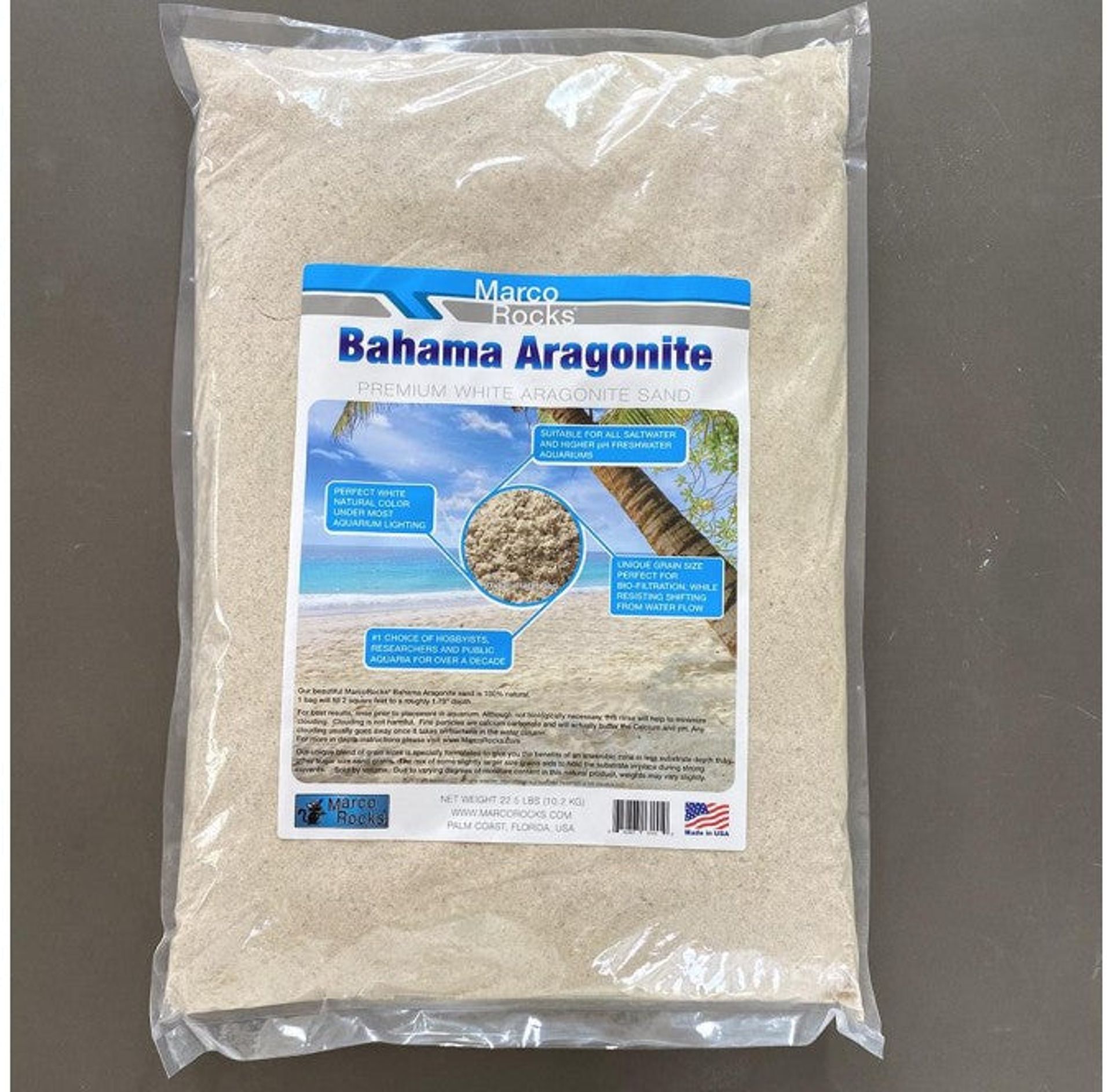
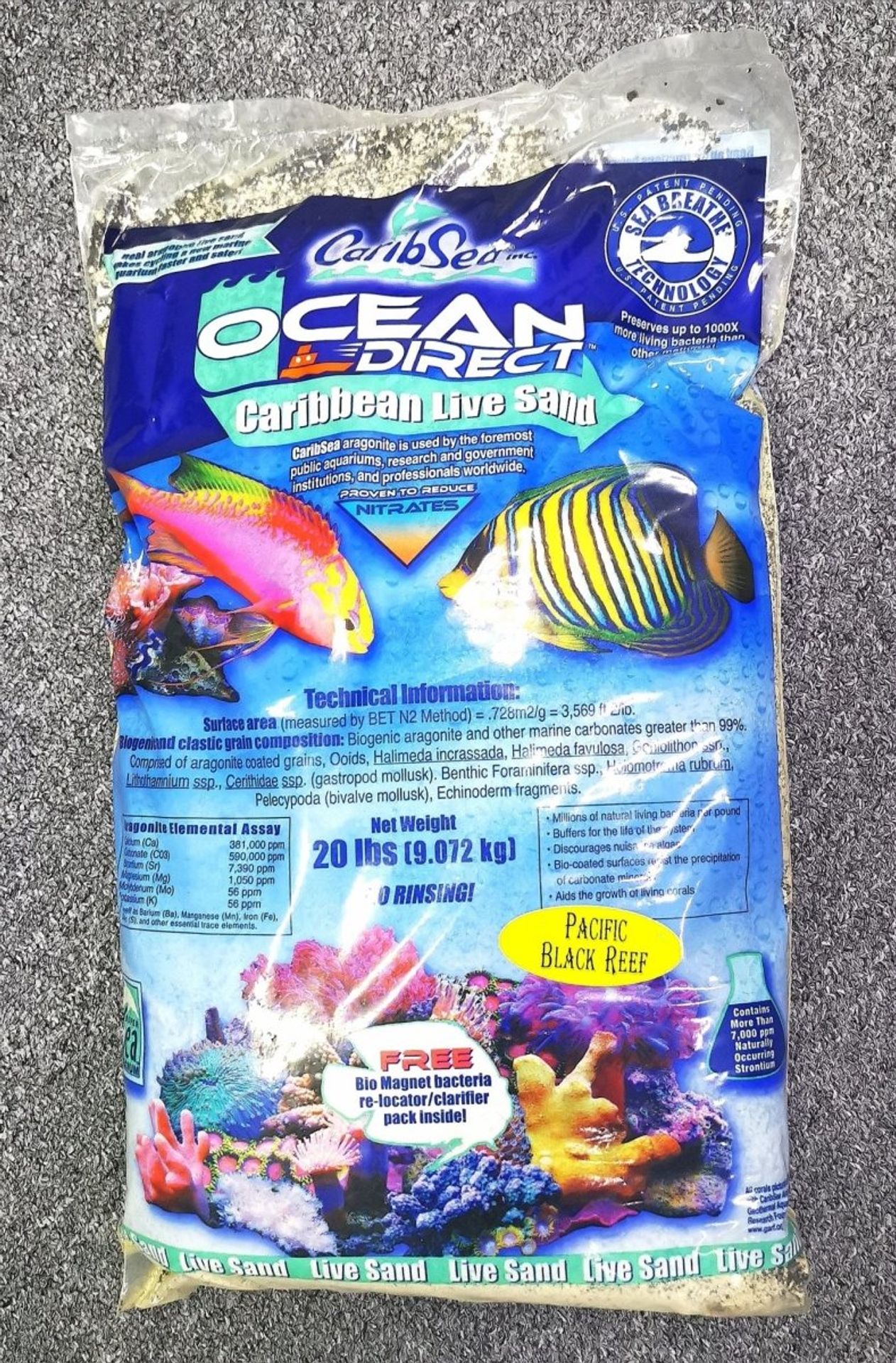
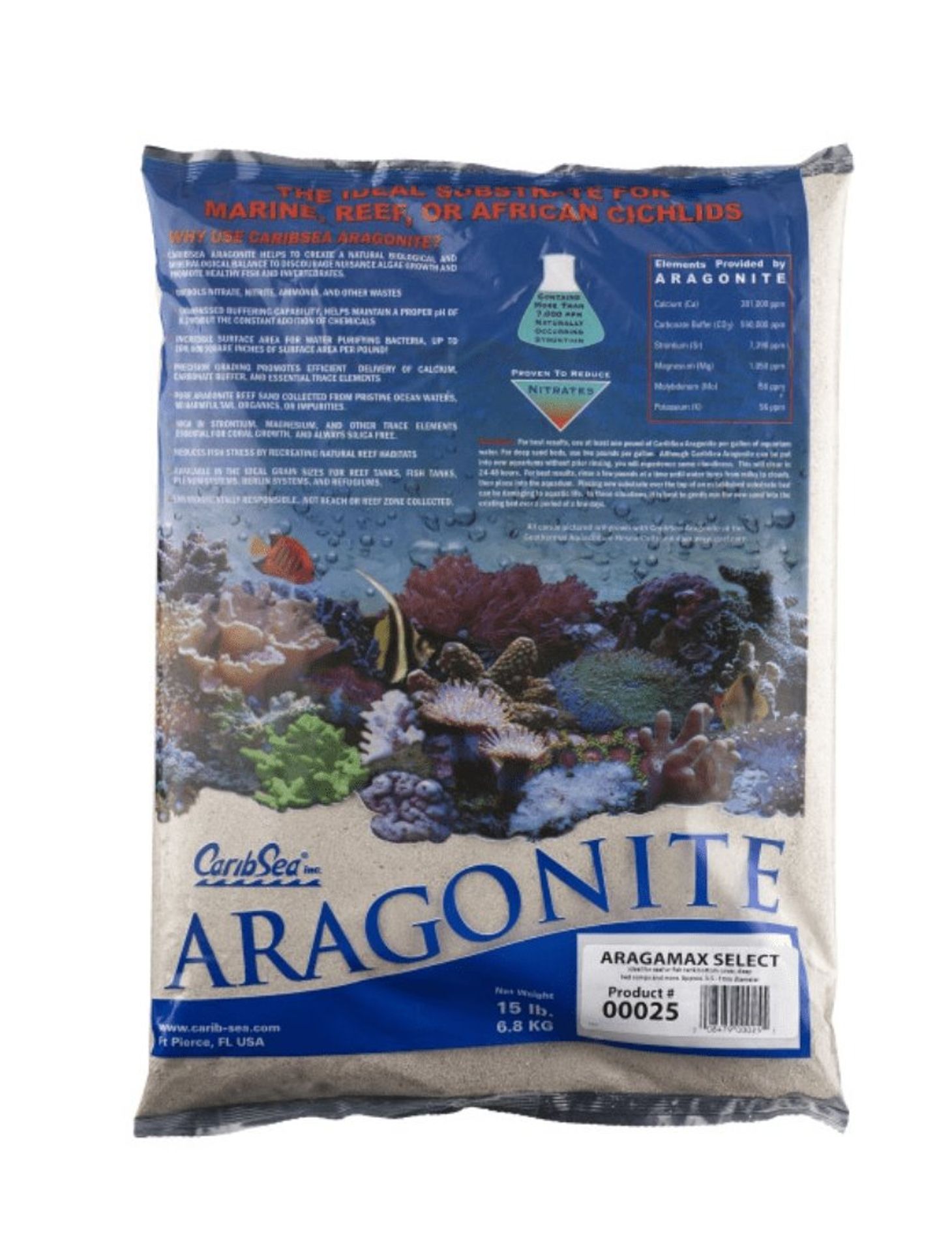
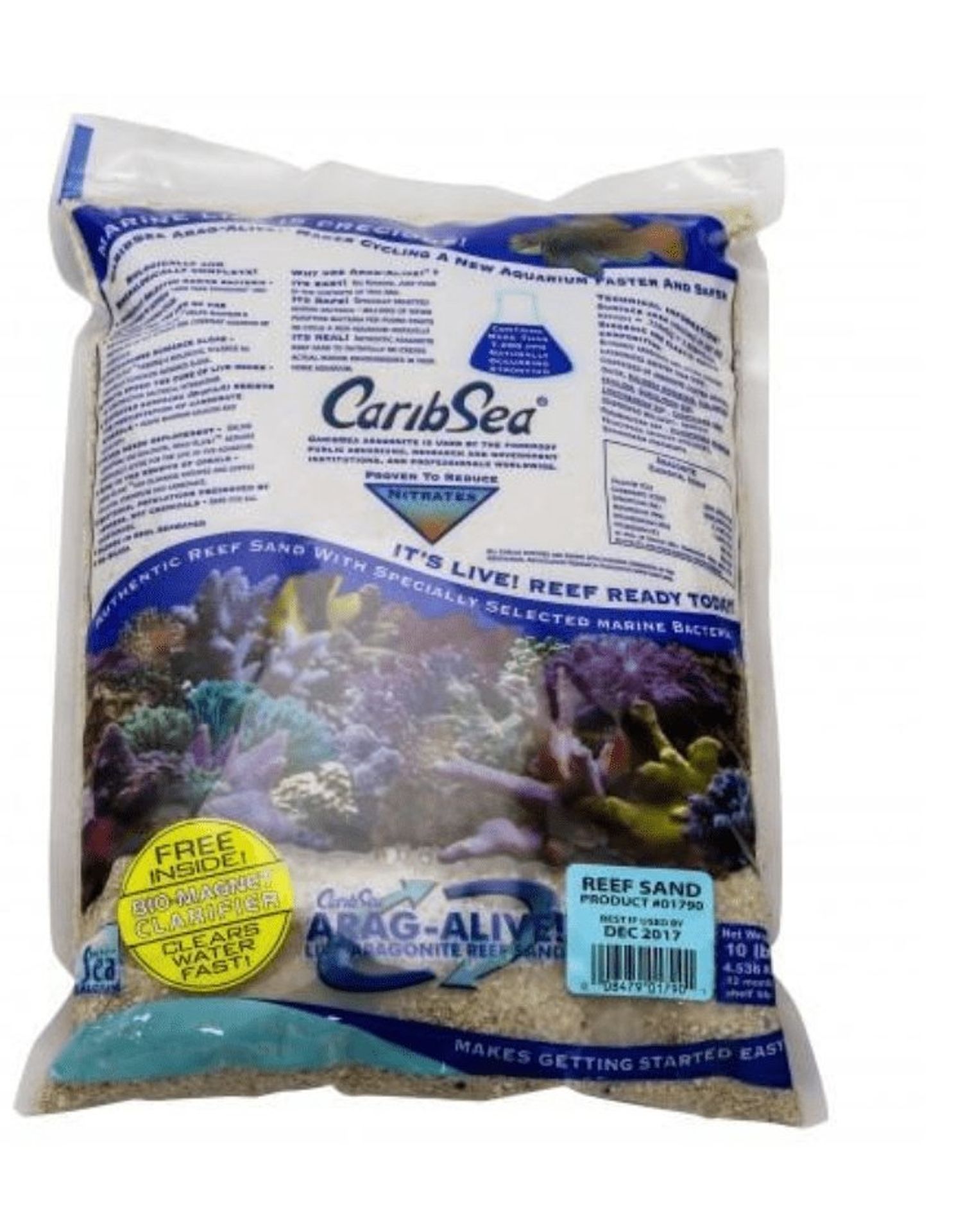
Coral sand and aragonite slowly release minerals that raise pH and KH. They are used in marine tanks and African cichlid tanks. Do not use them for soft-water fish or plants that prefer acidic water.
Root tabs, mineral powders and base layers go under an inert cap of sand or gravel. This gives you plant nutrition without paying for a full tank of aquasoil.
| Setup | Good choice | Why |
|---|---|---|
| Low-tech planted tank (pokok aquascape tanpa CO2) | Aquasoil, or sand over a nutrient base | Feeds root-feeding plants such as crypts and swords |
| Shrimp tank (udang hiasan akuarium) | Aquasoil for Caridina; sand or soil for Neocaridina | Caridina need soft, stable, slightly acidic water |
| Community tank | Fine gravel or sand | Easy to clean, safe for most fish |
| Goldfish or koi fish tank | Smooth large pebbles, or bare bottom | Goldfish dig and can swallow small gravel |
| Bottom-dwellers (corydoras, loaches) | Soft, fine sand | Protects their barbels while they forage |
| African cichlids | Coral or aragonite sand | Buffers soft tap water towards the hard, alkaline water they need |
| Marine and reef | Aragonite sand | Supports pH and alkalinity |
Volume in litres = length × width × depth in cm ÷ 1,000. Here is a rough guide for standard Malaysian tank sizes:
| Tank size | Footprint | At 3 cm depth | At 6 cm depth (planted) |
|---|---|---|---|
| 1 kaki | 30 × 20 cm | about 2 L | about 4 L |
| 2 kaki | 60 × 30 cm | about 5–6 L | about 11 L |
| 3 kaki | 90 × 45 cm | about 12 L | about 24 L |
| 4 kaki | 120 × 45 cm | about 16 L | about 32 L |
Planted tanks usually slope deeper at the back. Aquasoil is sold by volume (litres), while sand and gravel are often sold by weight. As a rough rule, a litre of sand weighs around 1.5 kg, so check the listing unit before you order.
Tap water in much of Malaysia is soft, with low KH, which already suits aquasoil, tetras, rasboras and bettas. If you want hard water for livebearers or African cichlids, a buffering substrate such as coral sand can help steady the pH. Test your own tap water with a test kit first, because water varies by area.
Many hobbyists ask about local river sand. It can work, but unknown sand may contain shells, limestone, silt or pollutants. A simple check: drop a little vinegar on a sample. If it fizzes, it contains carbonates and will raise pH. Aquarium-grade products from sellers are the safer, predictable option.
Compare grain size, colour, volume or weight, and whether the product is inert or affects water chemistry. Check whether the photo shows the actual product, because colours can look different on screen. Substrate is heavy, so delivery costs and options vary, especially for East Malaysia. Check each listing or ask the seller about delivery or self-collect.
Untuk pokok akuarium, aquasoil (soil aquascape) paling mudah kerana ia sudah mengandungi nutrien. Kalau guna pasir biasa, tambah baja akar (root tabs) atau lapisan nutrien di bawah pasir supaya pokok boleh tumbuh dengan baik.
Untuk akuarium 2 kaki (60 × 30 cm), anda perlukan lebih kurang 5 hingga 6 liter untuk lapisan 3 cm. Untuk akuarium pokok yang lebih tebal, sekitar 9 hingga 11 liter.
Neither is better for every tank. Sand suits bottom-dwellers and natural layouts, and keeps waste on the surface. Gravel is easy to vacuum and suits general community tanks. Planted tanks do best with aquasoil or a nutrient base.
Yes. Bare-bottom tanks are common for goldfish, discus, grow-out and quarantine tanks because they are very easy to clean. You lose some bacteria surface area, so a good filter matters more.
Fine dust from unrinsed sand or gravel, or particles from disturbed soil. It usually settles within a day or two with good filtration. Fill slowly next time.
Browse sand, gravel, aquasoil and specialist substrates from sellers across Malaysia, with prices in RM. Pair your substrate with aquarium plants, driftwood and rocks to finish your aquascape.