1–19 of 19
Showing 19 of 19 products
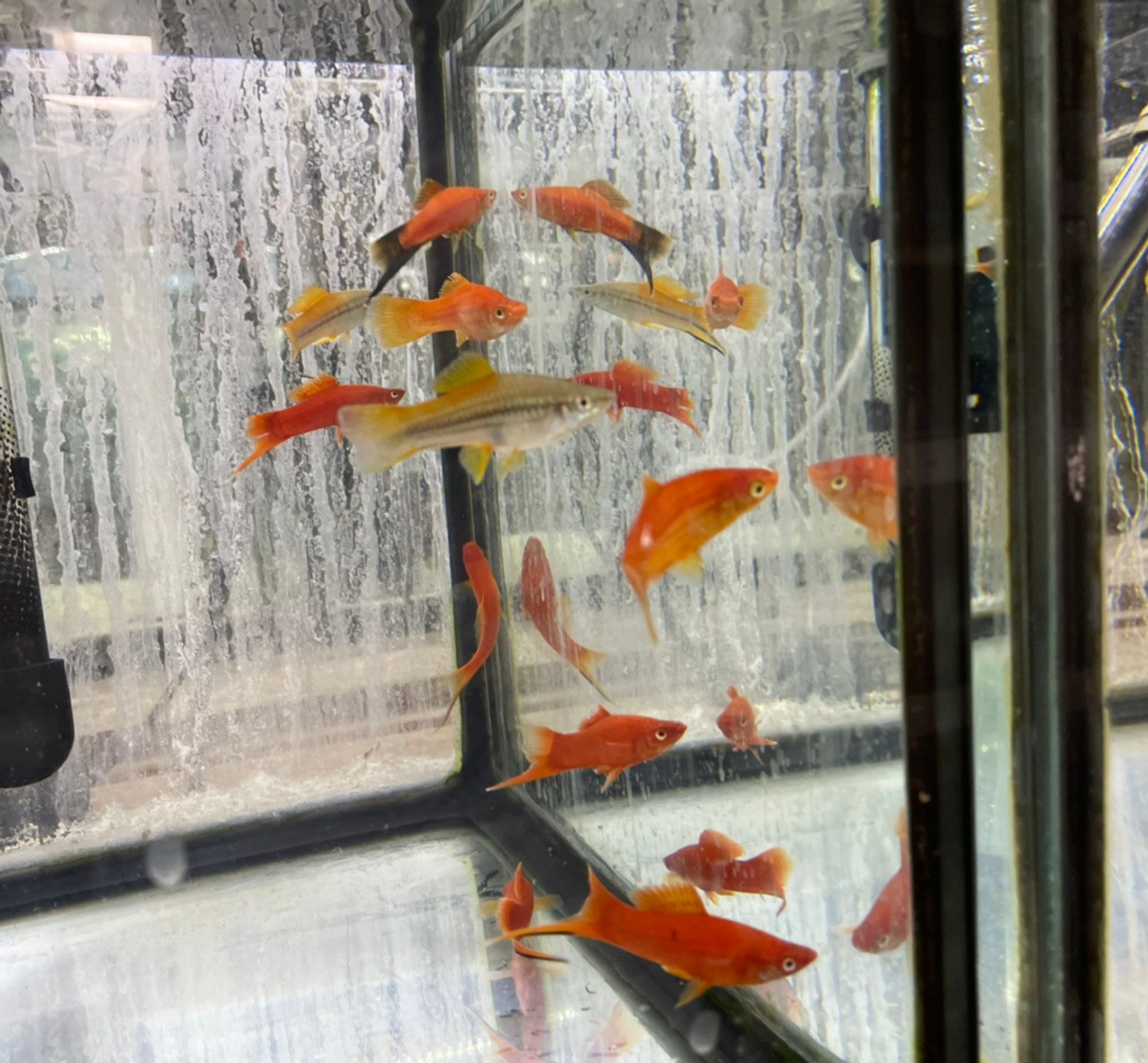

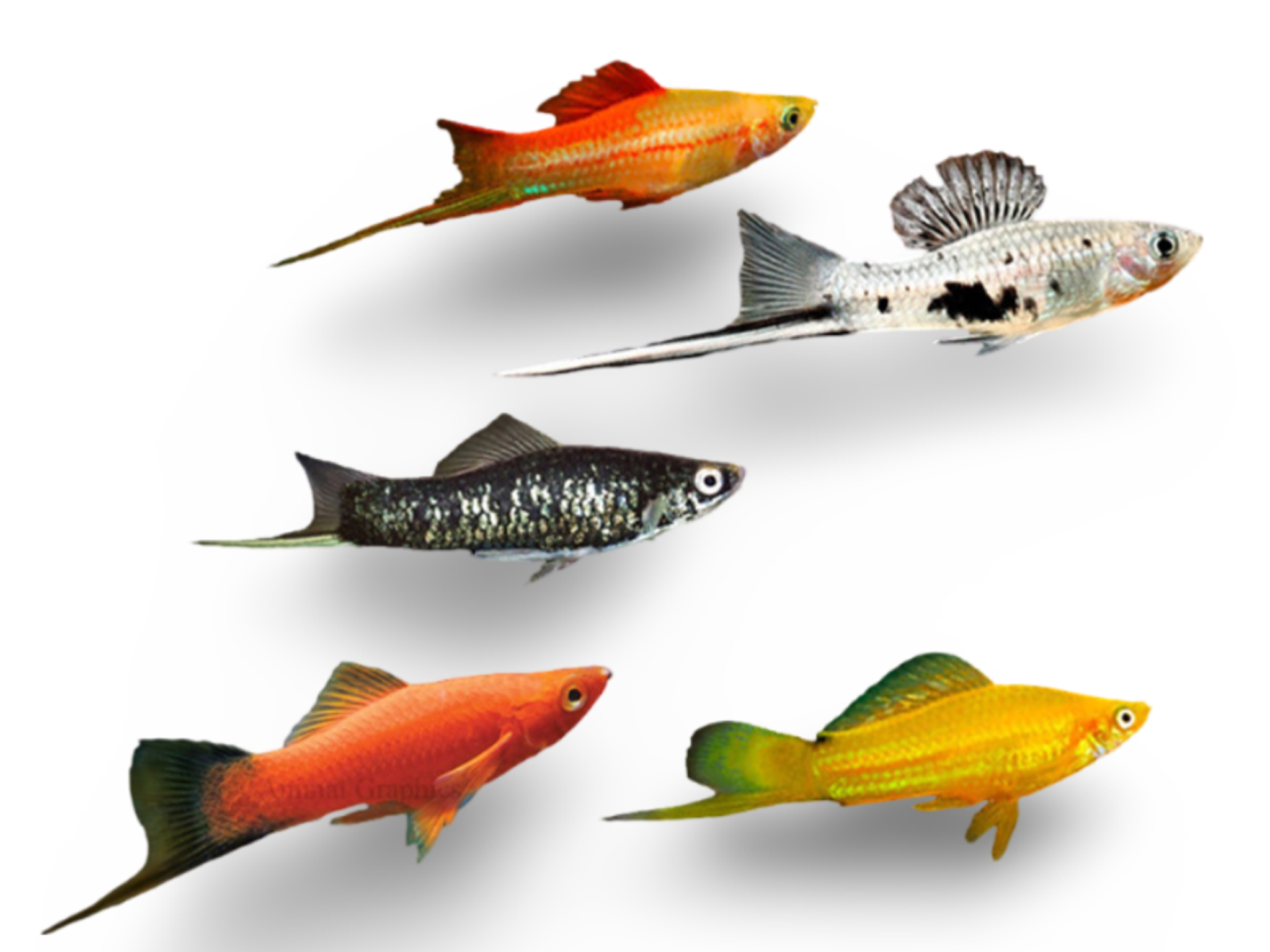
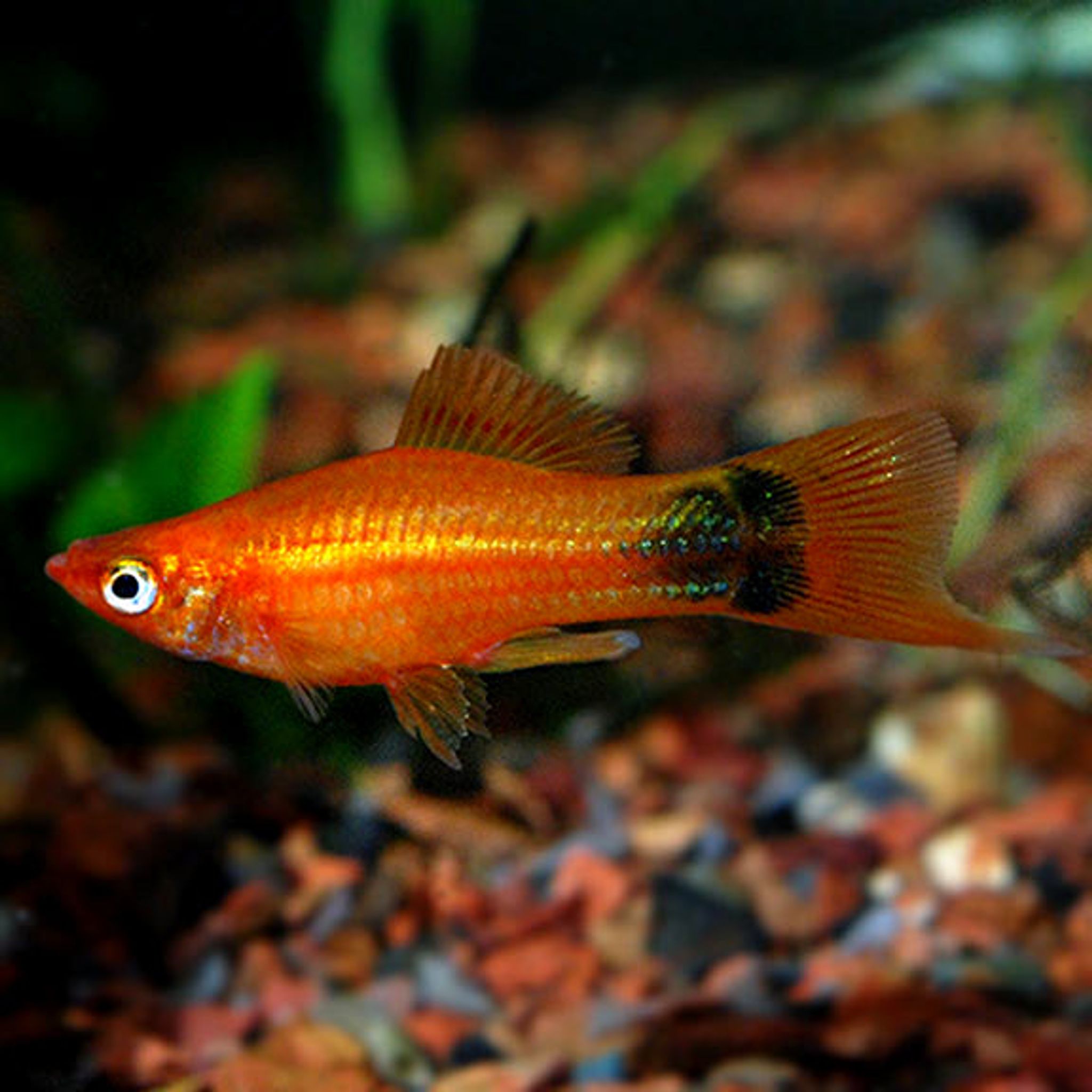
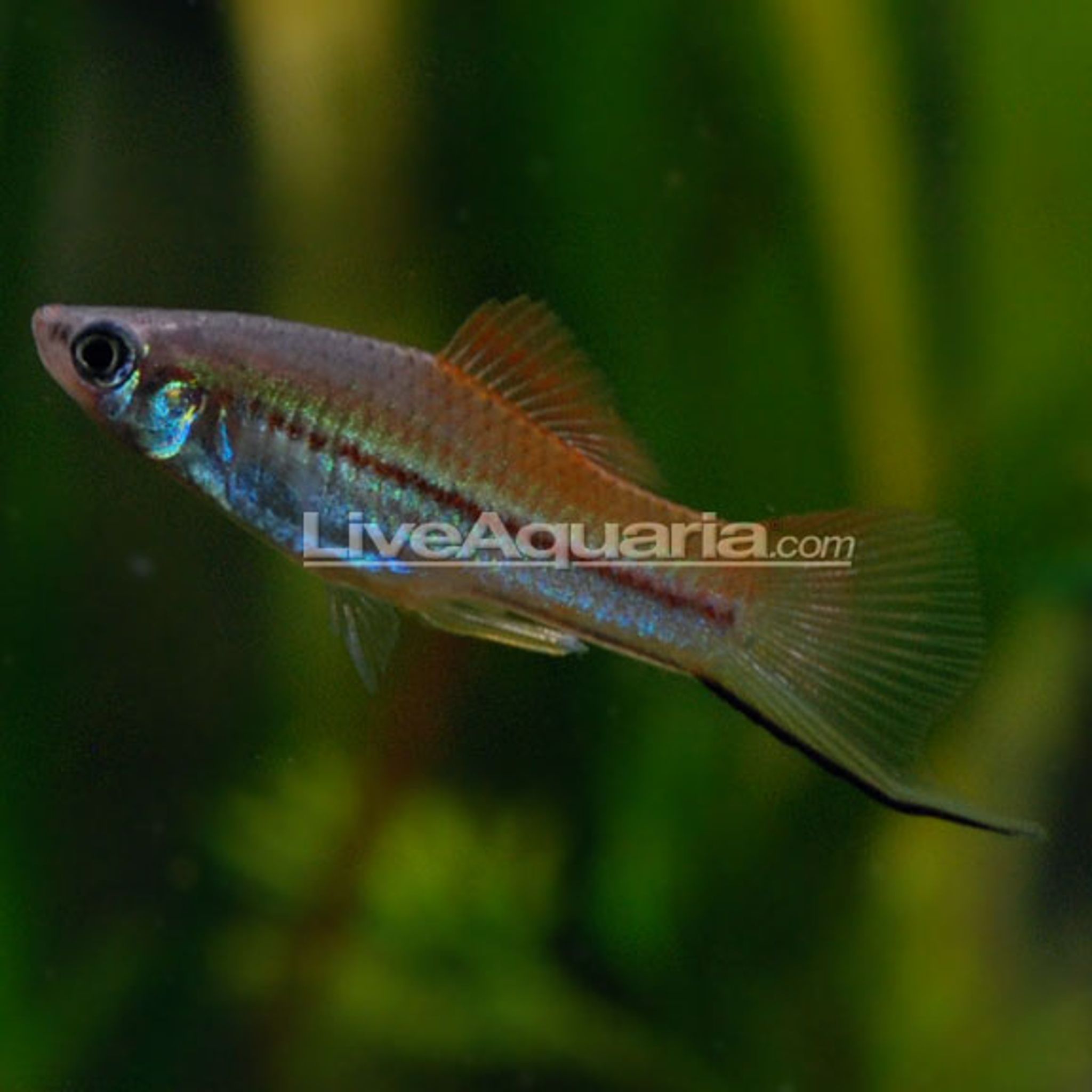
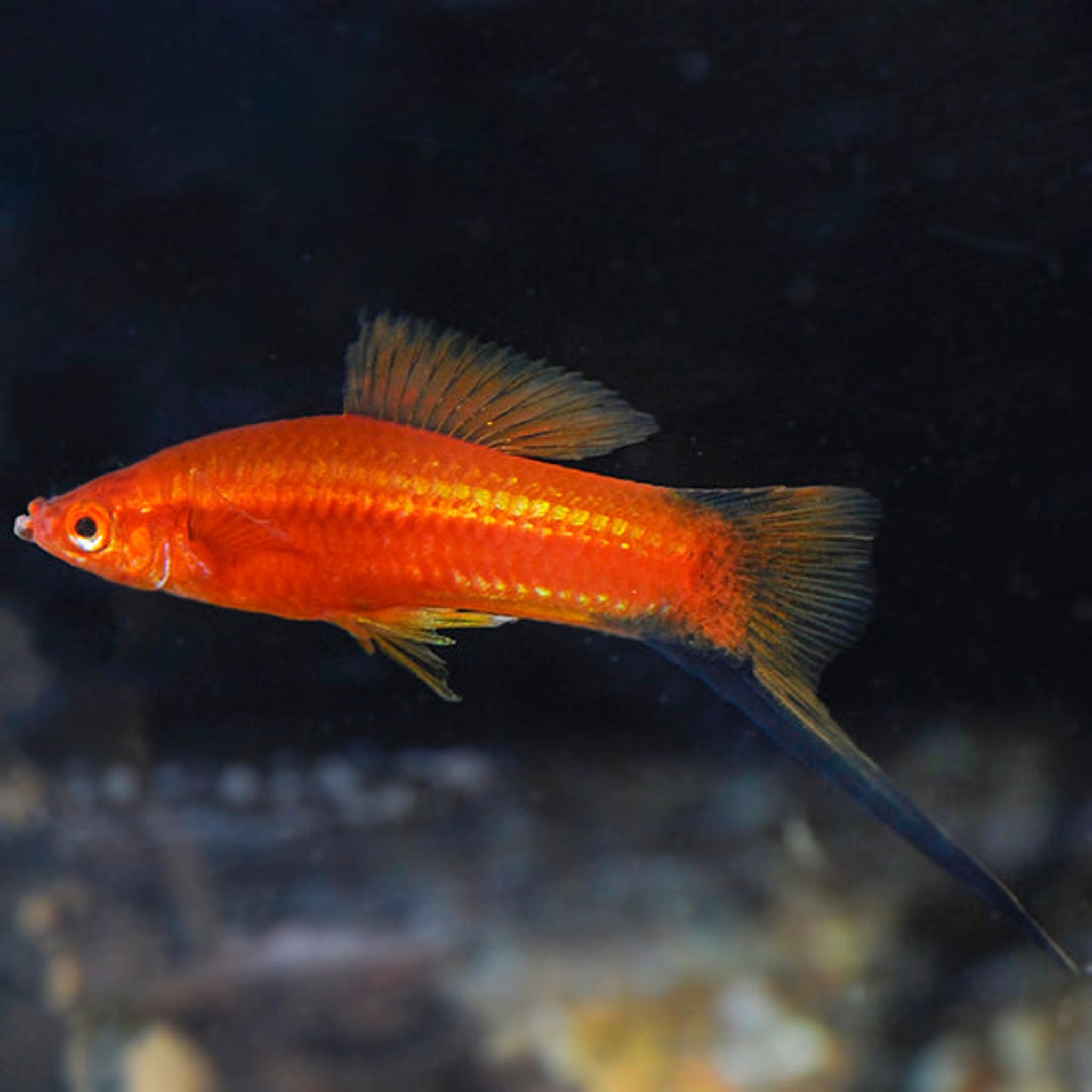
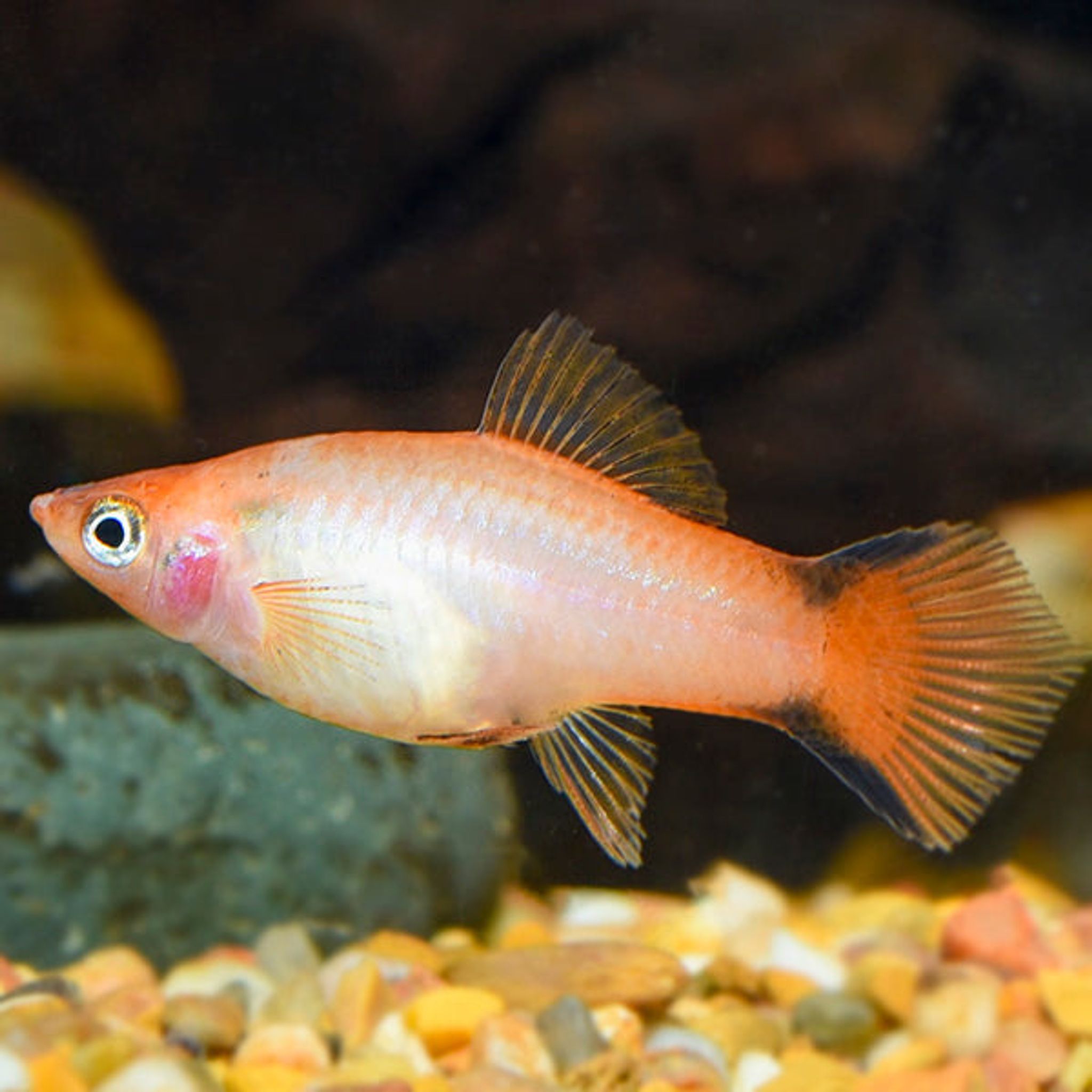
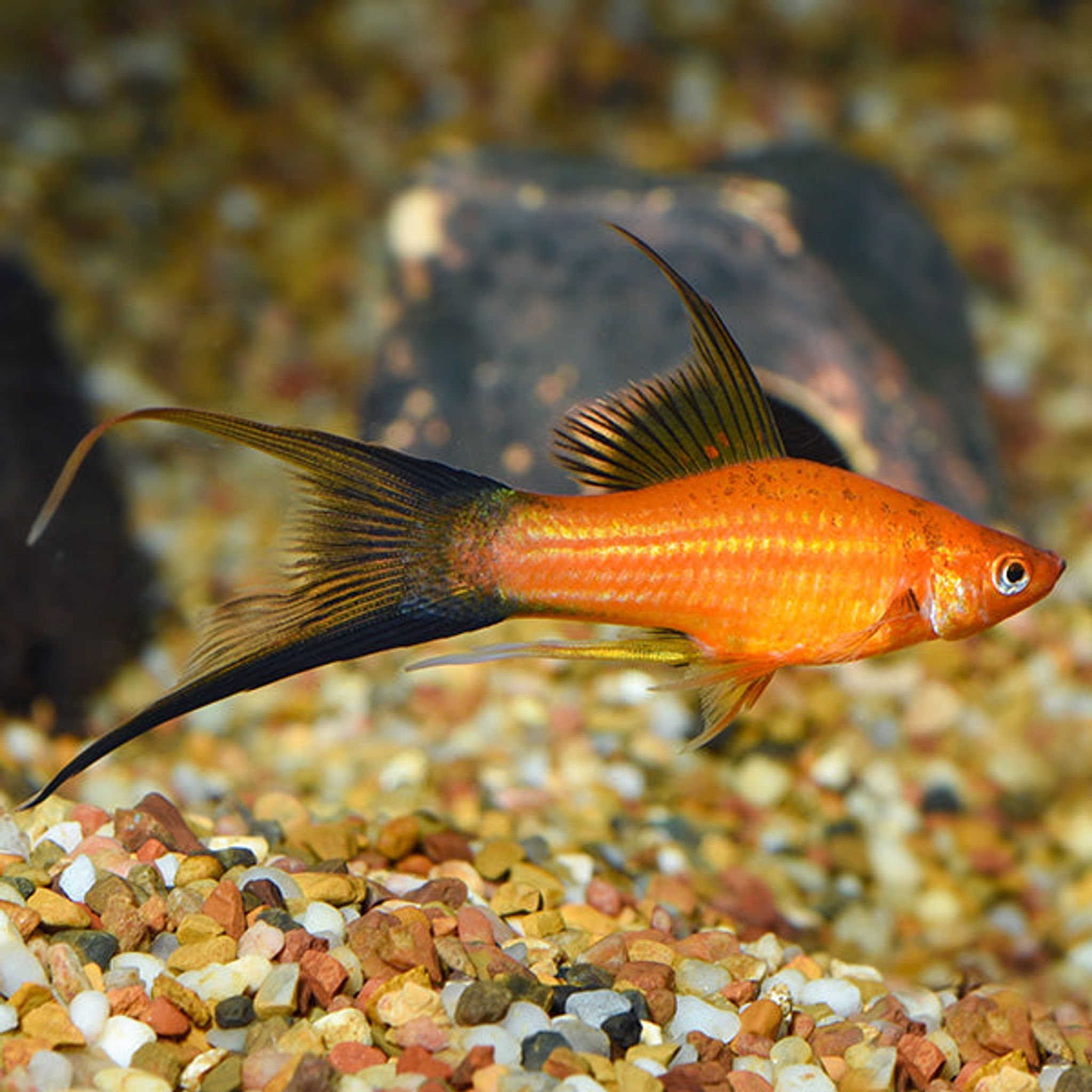
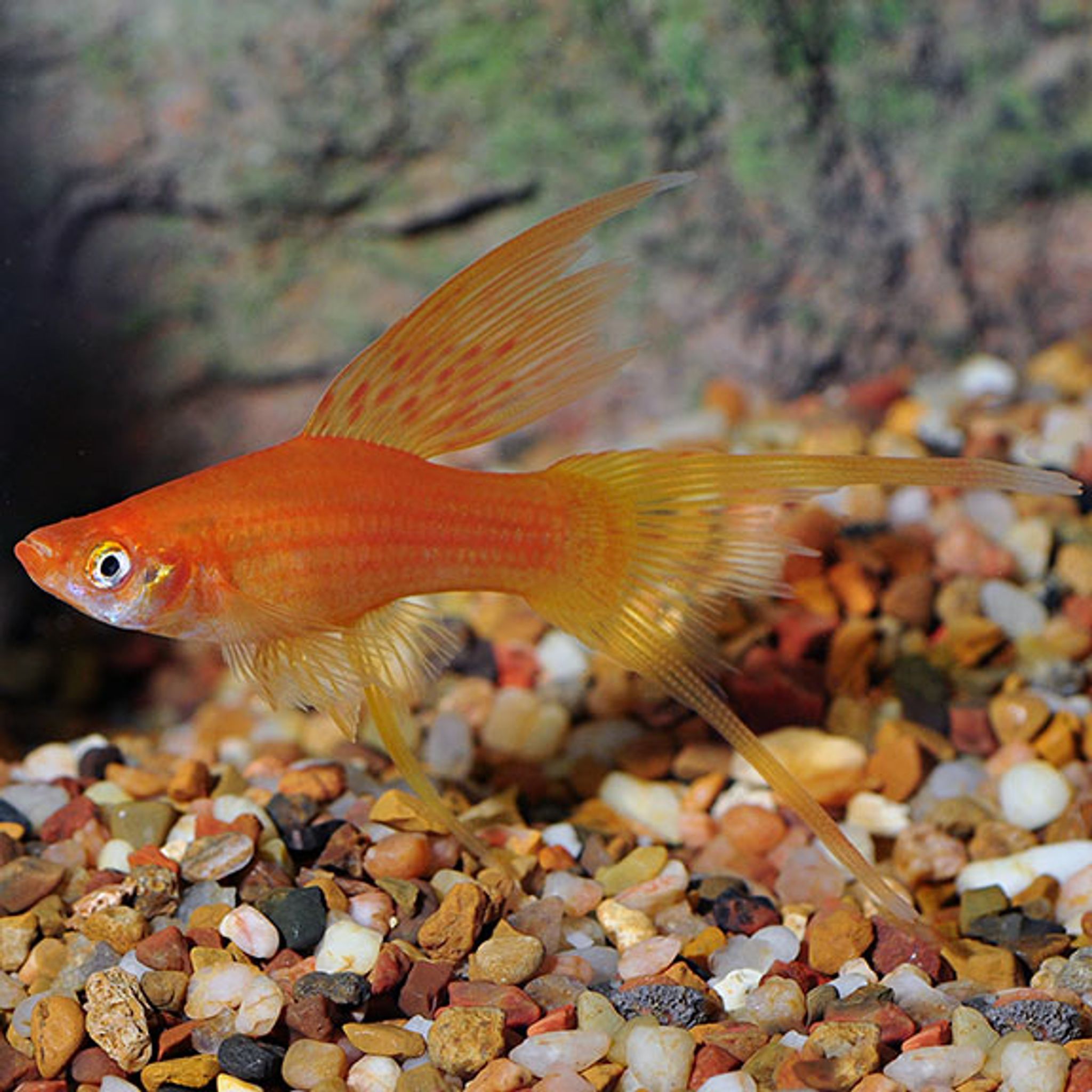
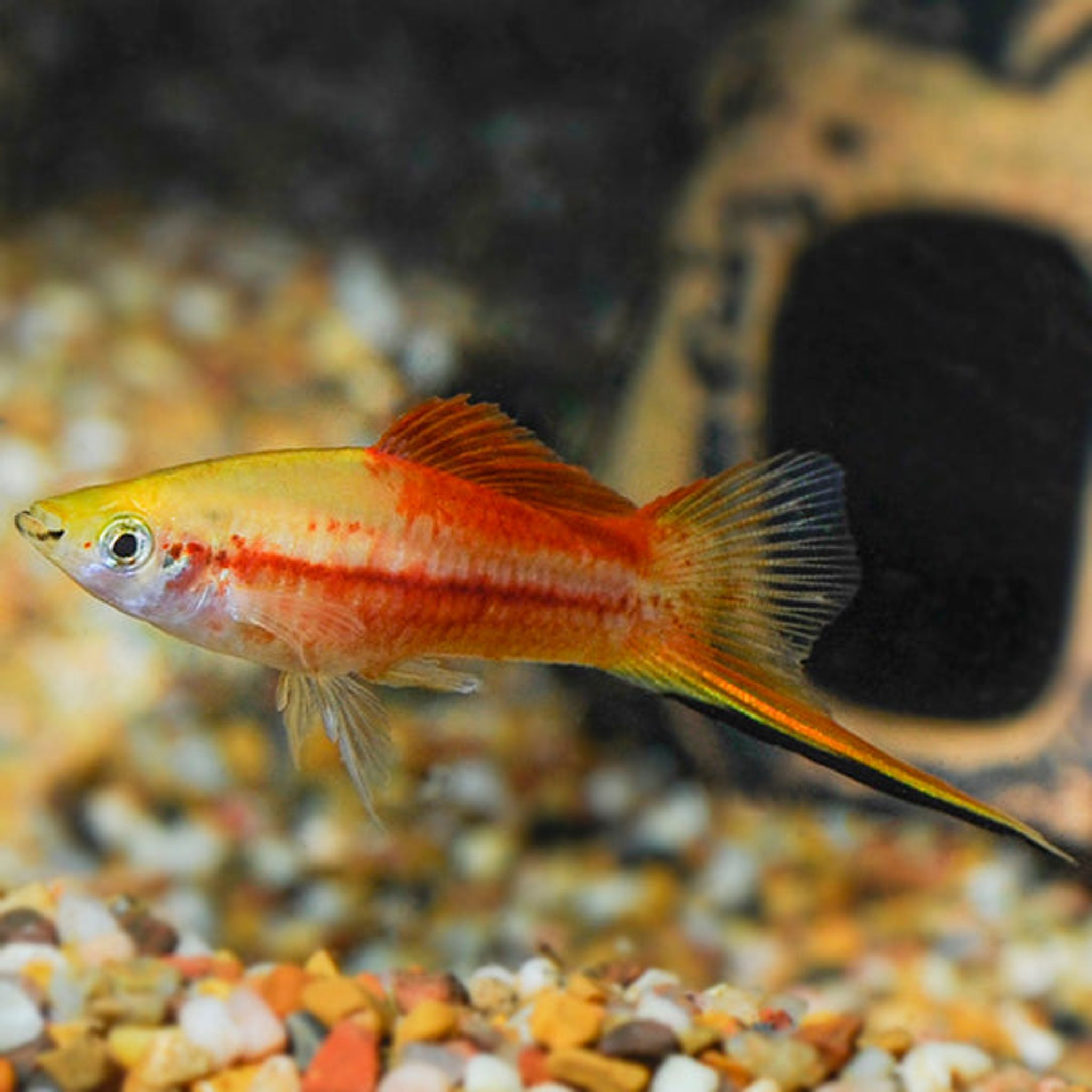
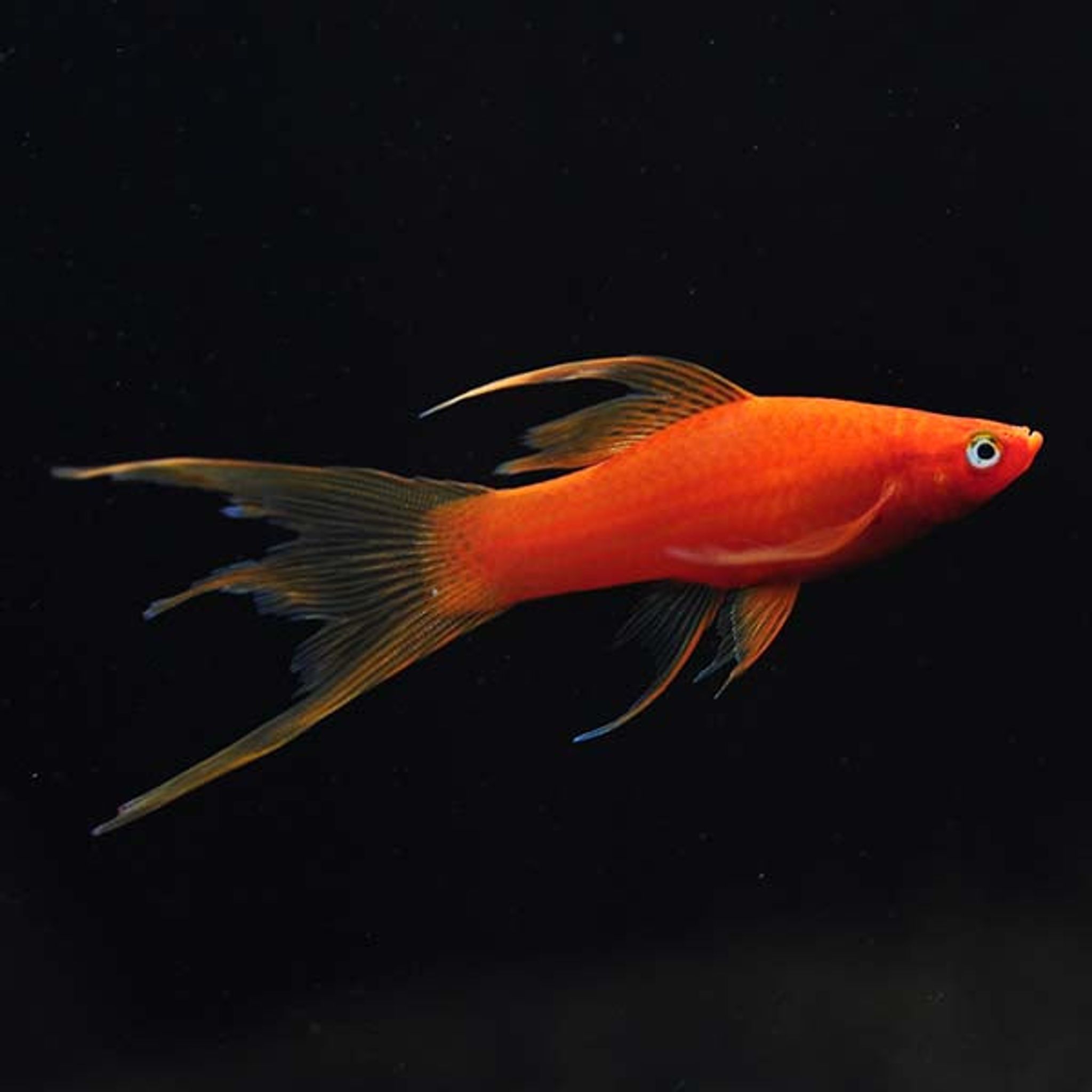
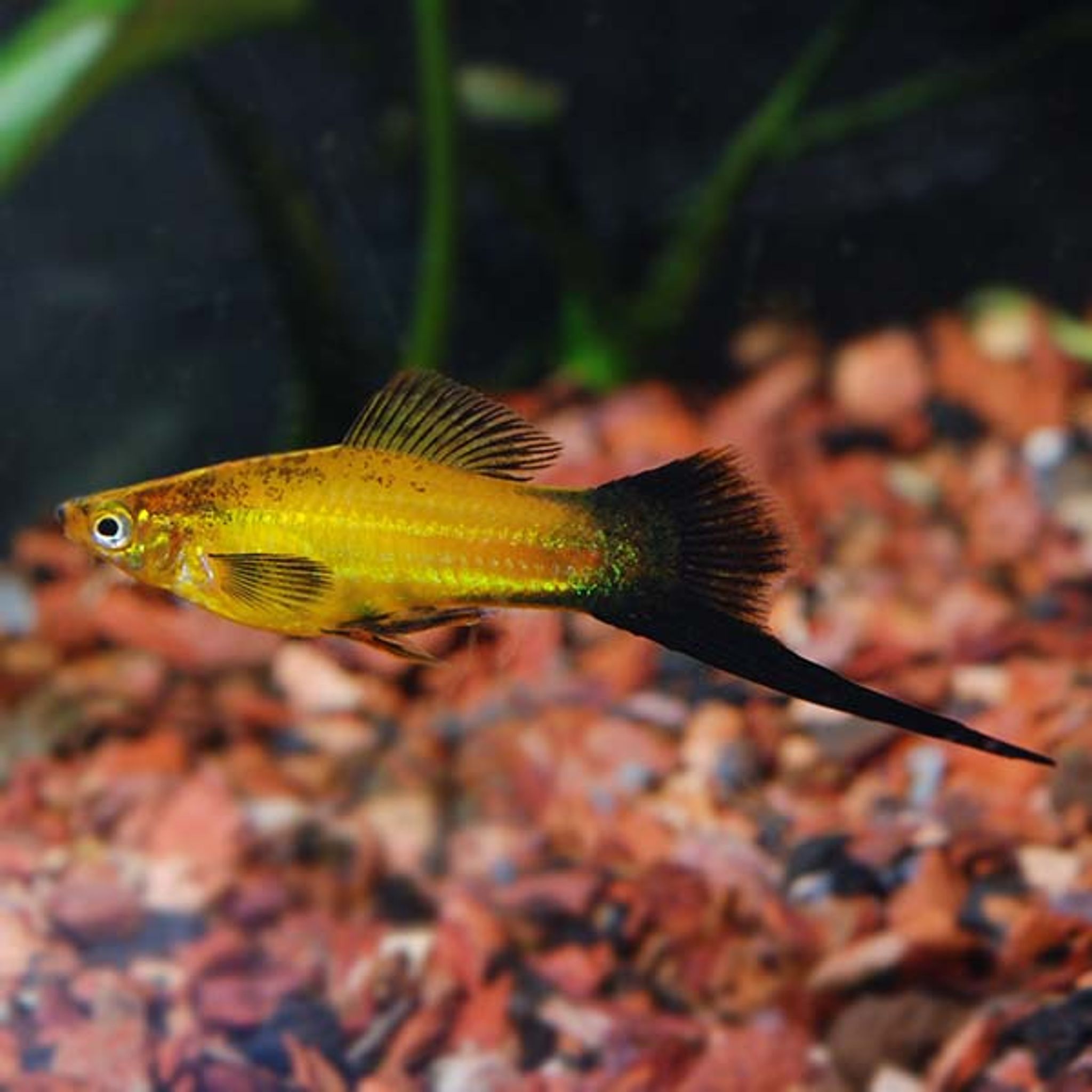
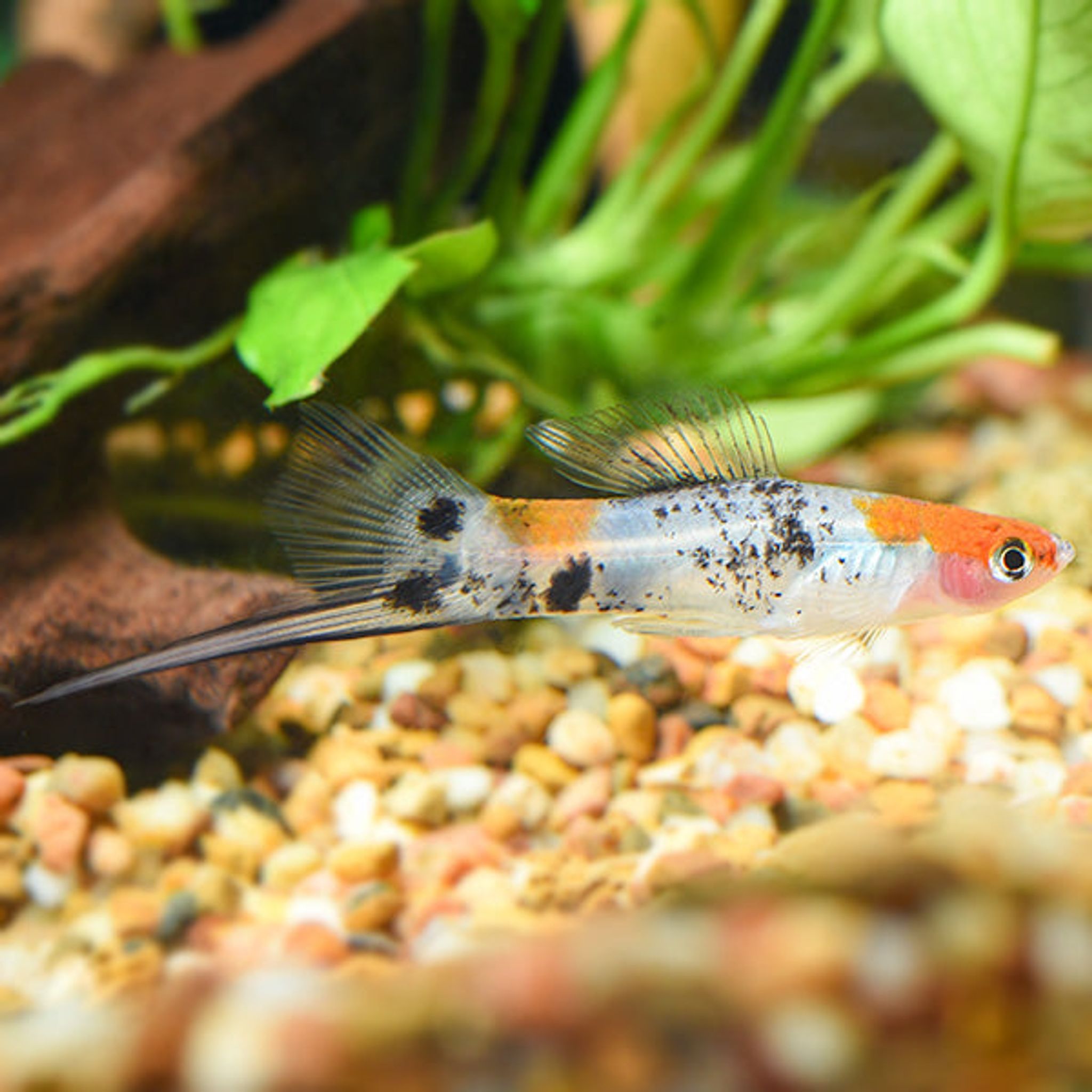
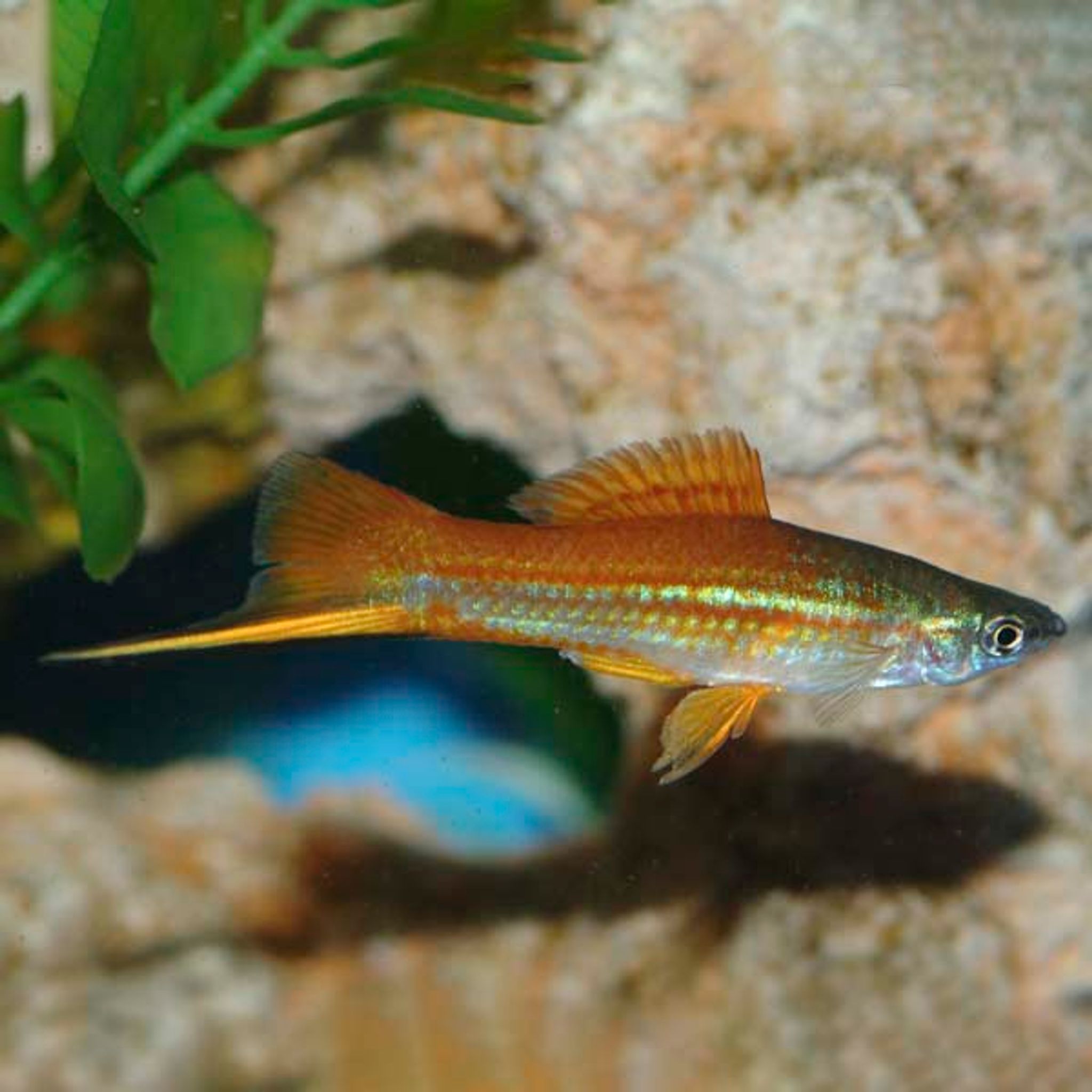
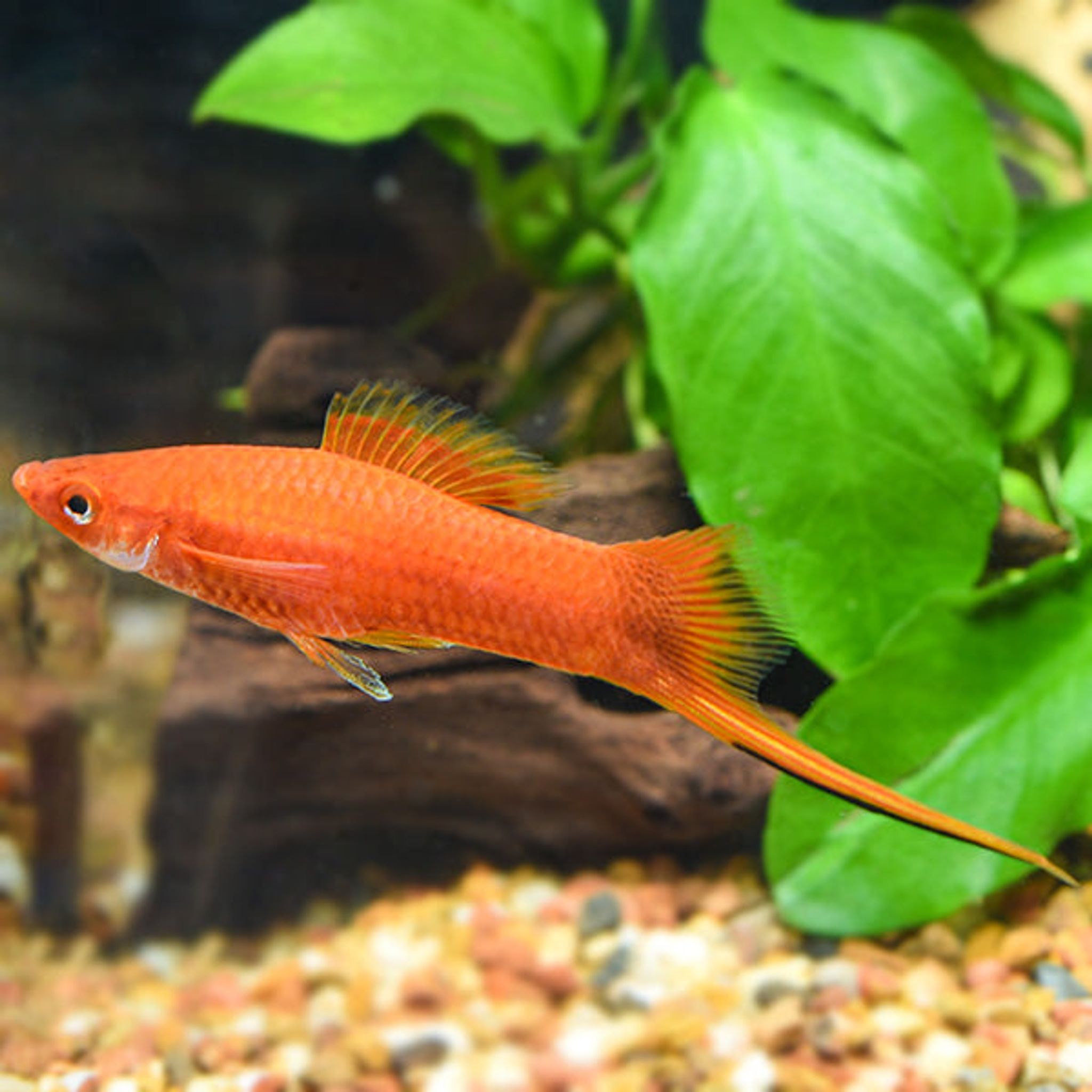
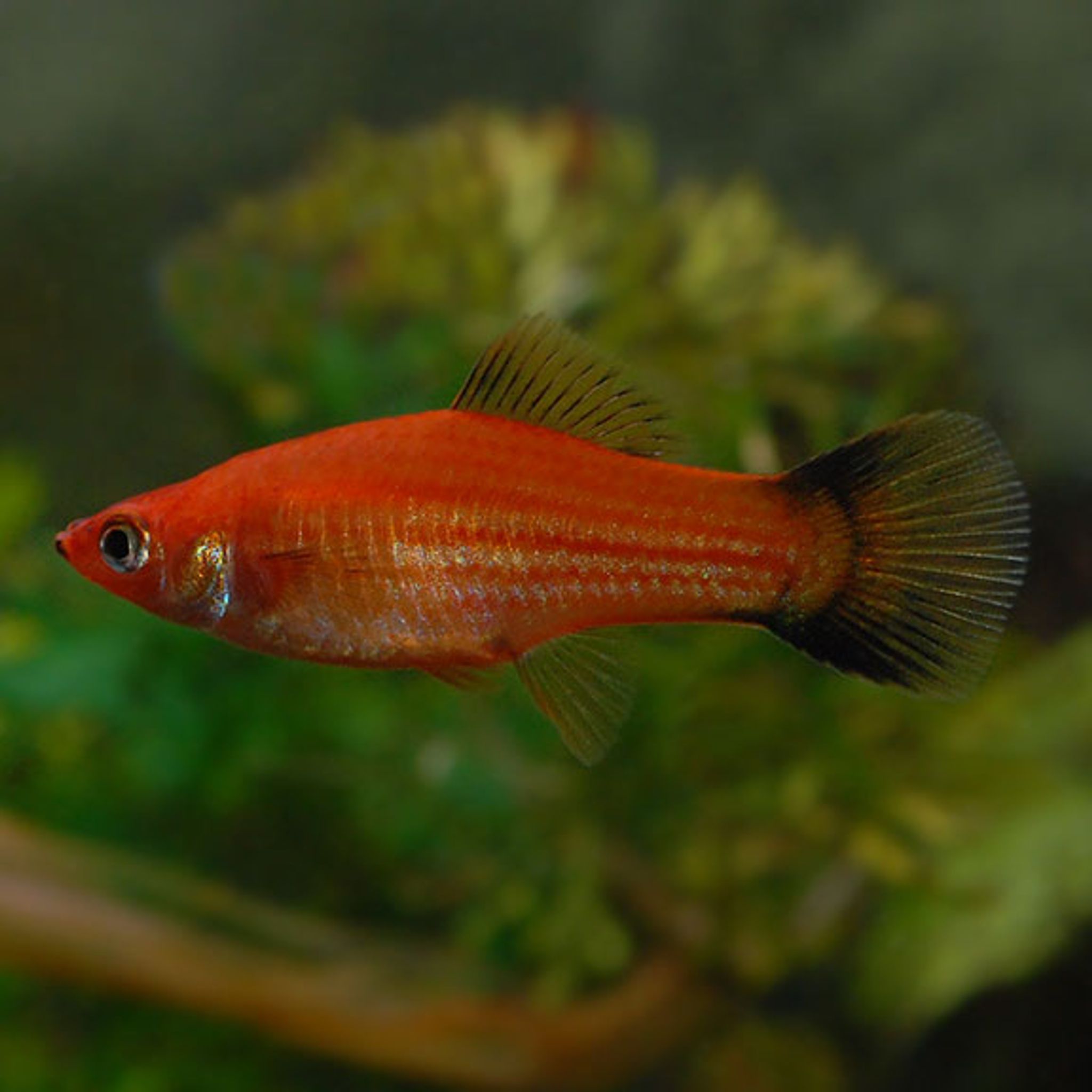
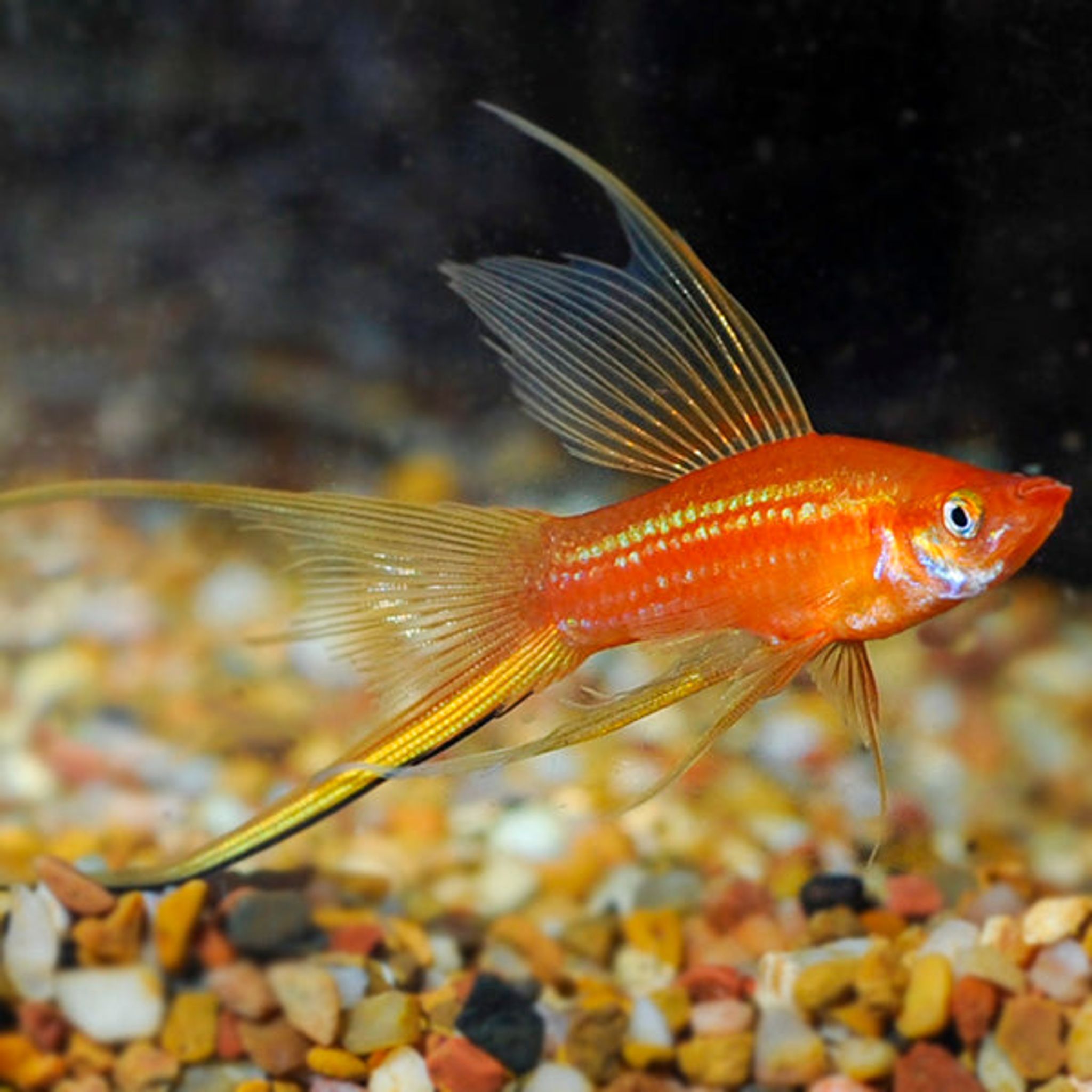
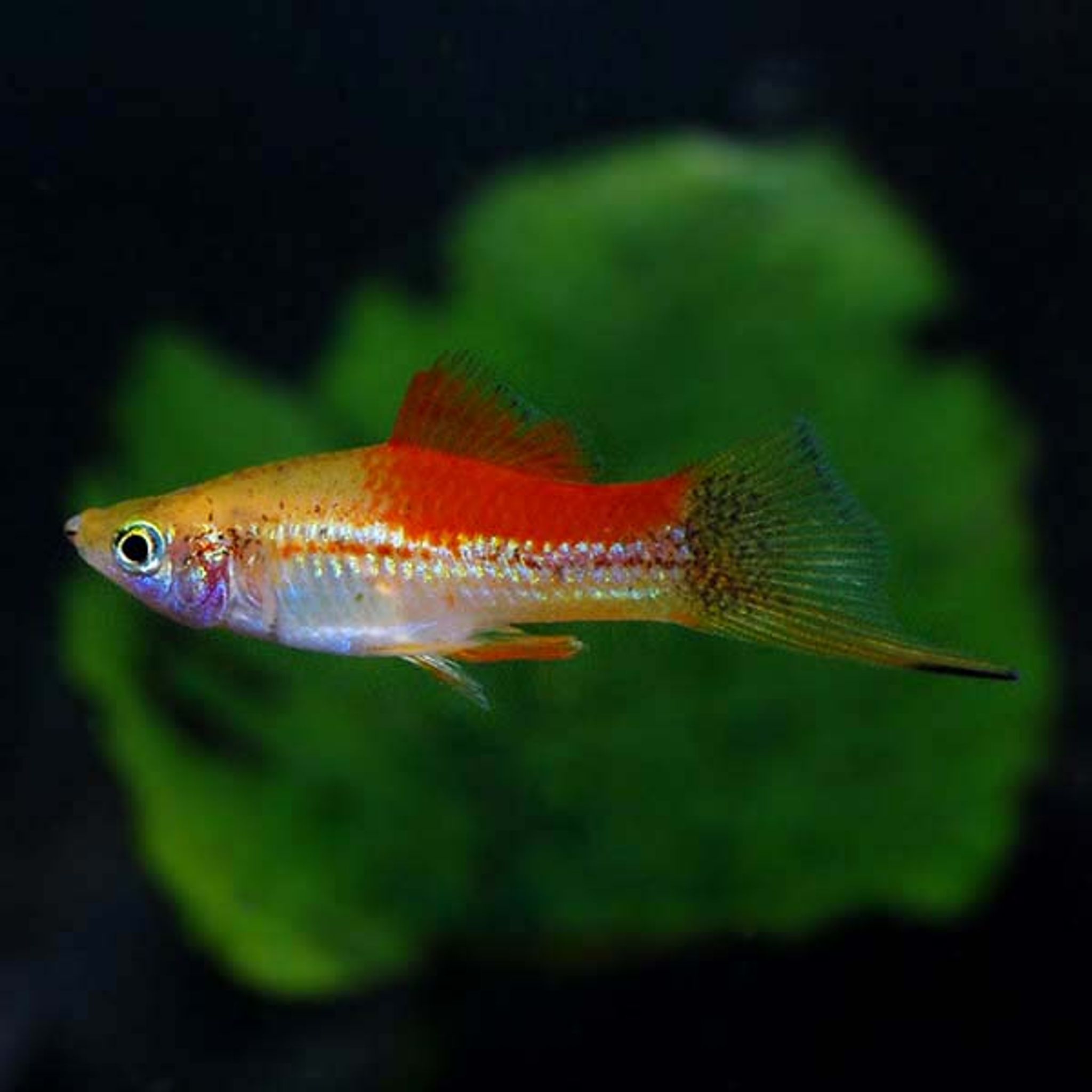
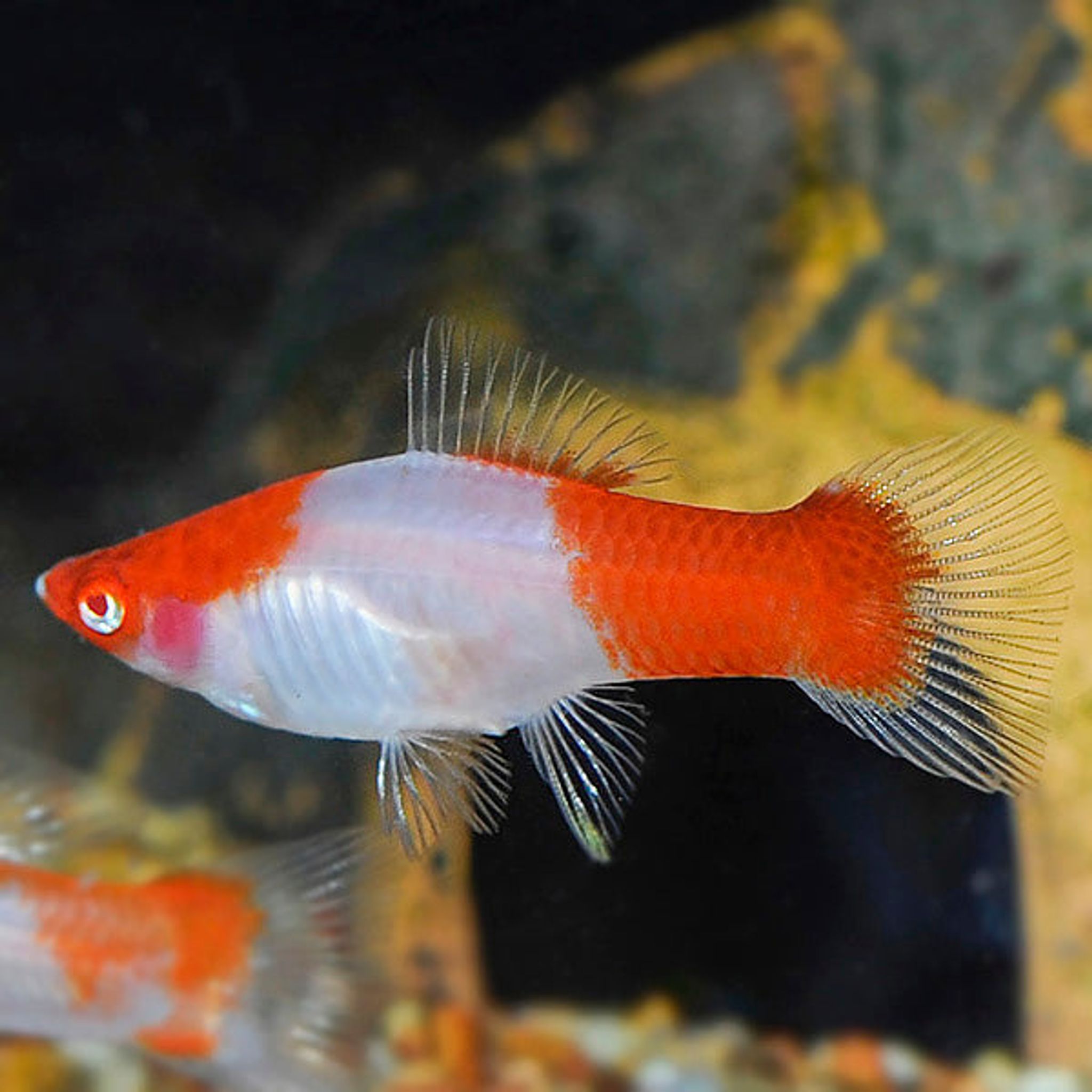
Shop Swordtail fish online from aquarium stores, breeders and specialist freshwater fish sellers across the United States on FishyHub. Compare Red Swordtails, Kohaku Swordtails, Pineapple Swordtails, Lyretail Swordtails, Hi Fin Swordtails and other varieties by color, fin type, size and seller.
Swordtails are active livebearing freshwater fish known for bright colors and the elongated lower tail extension seen on mature males. FishyHub helps U.S. hobbyists compare Swordtail listings from multiple sellers in one marketplace.
Buying Swordtails online gives hobbyists access to a wider range of colors, fin forms and breeder strains than may be available from a single local aquarium store.
Compare exact variety, current size, sex, coloration, fin type, seller information and shipping options before choosing Swordtails for your aquarium.
Popular Swordtail varieties in the freshwater aquarium hobby include:
Red Swordtails are among the most recognizable varieties, with bright red to orange-red coloration and the classic extended lower tail in mature males.
Their bold color makes them stand out strongly in planted community aquariums.
Kohaku Swordtails typically combine white or pale body areas with vivid red or orange markings.
Pattern distribution varies between individual fish, so seller photos can be especially useful when comparing specimens.
Pineapple Swordtails are known for warm yellow, orange and red coloration, often with darker accents around the fins or body.
Their bright coloration makes them a popular choice in mixed livebearer aquariums.
Lyretail Swordtails are selectively bred for elongated upper and lower tail rays that create a flowing lyre-shaped appearance.
Their extended fins can be damaged by persistent fin-nipping tankmates, so community selection should be made carefully.
Hi Fin Swordtails have enlarged dorsal fins that give mature fish a more dramatic profile.
They are often available in multiple color forms, so “Hi Fin” describes fin shape rather than one single color strain.
Black Swordtails display deep dark coloration that can range from nearly solid black to black combined with brighter fins or body markings.
They can create strong contrast with red, orange and yellow livebearers in community aquariums.
Swordtails are livebearing freshwater fish in the genus Xiphophorus and are closely related to Platies.
Mature males are named for the elongated lower portion of the tail fin that resembles a sword.
Swordtails generally grow larger and more active than many Platies and Guppies.
Aquarium planning should consider adult body size and the additional length created by the male's tail extension.
Mature males usually develop the characteristic sword-like tail extension, while females generally retain a more rounded tail profile.
Females are often fuller-bodied, especially when carrying developing fry.
Swordtails give birth to live fry instead of laying eggs.
Mixed-sex groups can reproduce readily, so population growth should be considered before adding males and females together.
Swordtails are active swimmers and benefit from good horizontal swimming space.
A combination of open water, plants and visual cover can create a practical setup for a social group.
Swordtails can work well in planted aquariums because plants provide cover for females, fry and subordinate fish.
Leave enough open swimming space because adults are more active than many smaller community fish.
Swordtails generally do well in stable freshwater with suitable mineral content.
Exact conditions should be matched to the fish and source rather than applying one rigid temperature, pH or hardness range to every strain.
Swordtails do not normally require aquarium salt as part of routine freshwater care.
Stable water conditions appropriate for all tank inhabitants are more important than adding salt automatically.
Swordtails are generally peaceful community fish, but males may compete with one another or repeatedly pursue females.
Aquarium size, cover and social balance can influence how much chasing occurs.
Yes. Swordtails are commonly kept in groups.
If males and females are mixed, keeping several females for each male can help distribute persistent courtship behavior.
Swordtails can live with many peaceful community fish when adult size, activity level and water requirements are compatible.
Their energetic swimming makes them better suited to aquariums with enough open space rather than very cramped community setups.
Swordtails and Platies are closely related livebearers and can often coexist in community aquariums.
Swordtails are usually larger and more active, so provide enough room for both groups.
Mollies and Swordtails can sometimes live together when water requirements and aquarium size are compatible.
Both are active livebearers, so stocking and breeding should be planned carefully.
Guppies can coexist with Swordtails in some livebearer communities, but Swordtails are larger and more powerful swimmers.
Avoid overcrowding and monitor long-finned Guppies if individual Swordtails become overly boisterous.
Many medium-sized peaceful Tetras can live with Swordtails when water conditions overlap.
Very delicate or slow-moving species may be less comfortable with the constant activity of a large Swordtail group.
Corydoras can make suitable bottom-dwelling companions for Swordtails when water and temperature requirements overlap.
Their different swimming zones help reduce direct competition for space.
Selected peaceful Gouramis may coexist with Swordtails in sufficiently spacious aquariums.
Compatibility depends on the exact Gourami species, individual temperament and activity level.
Adult freshwater shrimp may coexist with Swordtails, but shrimplets and very small shrimp are at risk of being eaten.
Dense plants and hiding areas can improve survival for smaller shrimp.
Most common aquarium snails can coexist with Swordtails.
Tiny snails may still be investigated or eaten, but larger established snails are generally less vulnerable.
Swordtails are omnivorous and naturally consume a mixture of plant material, algae, biofilm and small animal foods.
In aquariums, they can be fed quality prepared foods together with suitable plant-based and supplemental foods.
Swordtails may graze soft algae and biofilm from aquarium surfaces.
They should not be treated as dedicated algae-control fish and still require a complete diet.
Swordtails are active feeders and usually accept a wide range of aquarium foods.
Feed appropriate portions and avoid chronic overfeeding, which can increase waste and reduce water quality.
Swordtails reproduce through live birth and can breed readily in stable aquariums.
Females may produce multiple fry, so hobbyists should plan for increasing numbers when maintaining mixed-sex groups.
Newborn Swordtail fry are free-swimming soon after birth.
Dense plants and fine-leaved cover provide hiding places, while a separate grow-out setup can improve survival when breeding is intentional.
Swordtails and Platies are closely related within Xiphophorus, and hybridization can occur between some aquarium strains.
Hobbyists aiming to maintain distinct lines should keep breeding groups separated and know the origin of their fish.
Swordtails can be good choices for newer hobbyists who have enough aquarium space for their active swimming and social behavior.
Beginners should plan for proper filtration, compatible tankmates and rapid population growth from breeding.
When comparing Swordtails for sale, look for:
Newly shipped Swordtails may be stressed after transport and may temporarily show reduced color or activity.
Prepare a stable, cycled aquarium before arrival and follow the seller's acclimation guidance for the exact fish.
Quarantine and observation can help reduce the risk of introducing disease or parasites into an established aquarium.
Monitor appetite, body condition, breathing, waste and swimming behavior before moving new Swordtails into the main tank.
Swordtail prices vary according to variety, size, sex, coloration, fin type, breeder line, availability and seller.
Standard Red Swordtails and specialty Kohaku, Lyretail, Hi Fin or unusual color strains can differ in price, so compare the exact fish and seller information rather than price alone.
FishyHub brings Swordtail listings from aquarium stores, breeders and specialist freshwater fish sellers together in one marketplace.
When comparing Swordtails online, consider:
Shipping availability depends on the seller, destination, fish size, weather and livestock-shipping policy.
Review packaging, delivery timing and live-arrival terms before ordering, and make sure the aquarium is fully prepared before the Swordtails arrive.
Yes. Aquarium stores, breeders and specialist sellers offer many Swordtail varieties online across the U.S., depending on availability and seller shipping coverage.
Yes. Female Swordtails give birth to live fry rather than laying eggs.
The long lower tail extension is primarily associated with mature males, while females usually have a more conventional tail shape.
They often can when aquarium size, water conditions and stocking levels are appropriate.
Hybridization can occur between some Xiphophorus Swordtail and Platy strains, so breeding groups should be managed carefully if maintaining pure lines is important.
Often yes, provided the aquarium is large enough and their water requirements are compatible.
They can be, especially for hobbyists with enough swimming space and a stable, properly filtered aquarium.
FishyHub helps U.S. hobbyists compare Swordtails from aquarium stores, breeders and specialist freshwater fish sellers in one marketplace.
Explore Swordtail fish for sale on FishyHub and compare Red Swordtails, Kohaku Swordtails, Pineapple Swordtails, Lyretail Swordtails, Hi Fin Swordtails and other livebearer varieties. Discover listings from aquarium stores and breeders across the United States, and compare variety, size, sex, color, fin type, price and shipping options before choosing Swordtails for your aquarium.
