1–2 of 2
Shop freshwater Hatchetfish online from aquarium stores, breeders and specialist freshwater fish sellers across the United States on FishyHub. Compare Marble Hatchetfish, Silver Hatchetfish, Blackwing Hatchetfish, Pygmy Hatchetfish and other surface-dwelling species by size, coloration and seller.
Hatchetfish are unusual freshwater fish known for deep, laterally compressed bodies and a strong preference for the upper levels of the aquarium. FishyHub helps U.S. hobbyists compare Hatchetfish listings from multiple sellers in one marketplace.
Buying Hatchetfish online gives hobbyists access to a broader range of species and group sizes than may be available from a single local aquarium store.
Compare exact species, adult size, group requirements, temperament, seller information and shipping options before choosing Hatchetfish for your freshwater aquarium.
Popular freshwater Hatchetfish include:
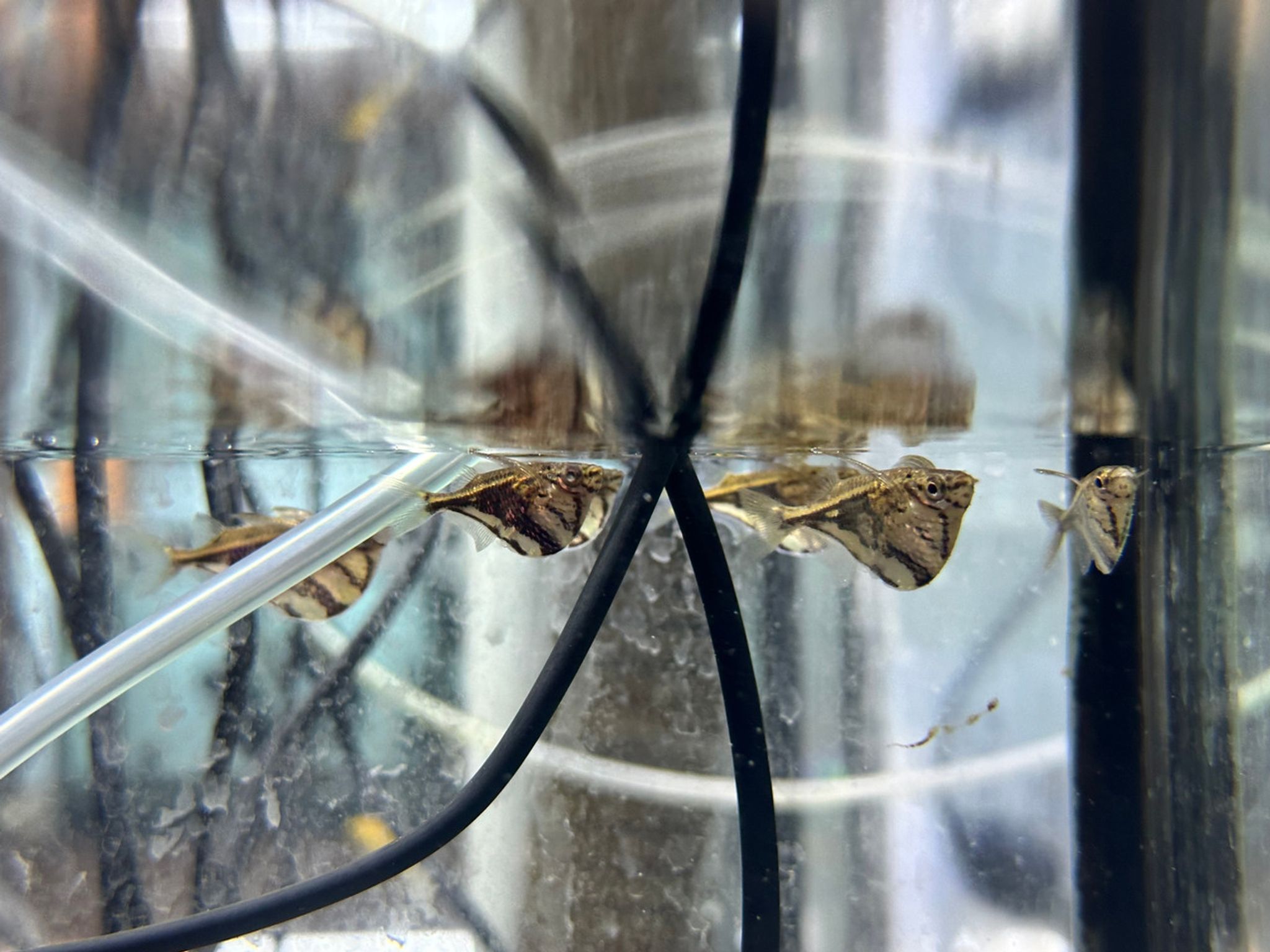
Marble Hatchetfish are small, patterned surface fish known for dark marbling across a silver body.
Their compact size and unusual appearance make them popular in peaceful planted and community aquariums.
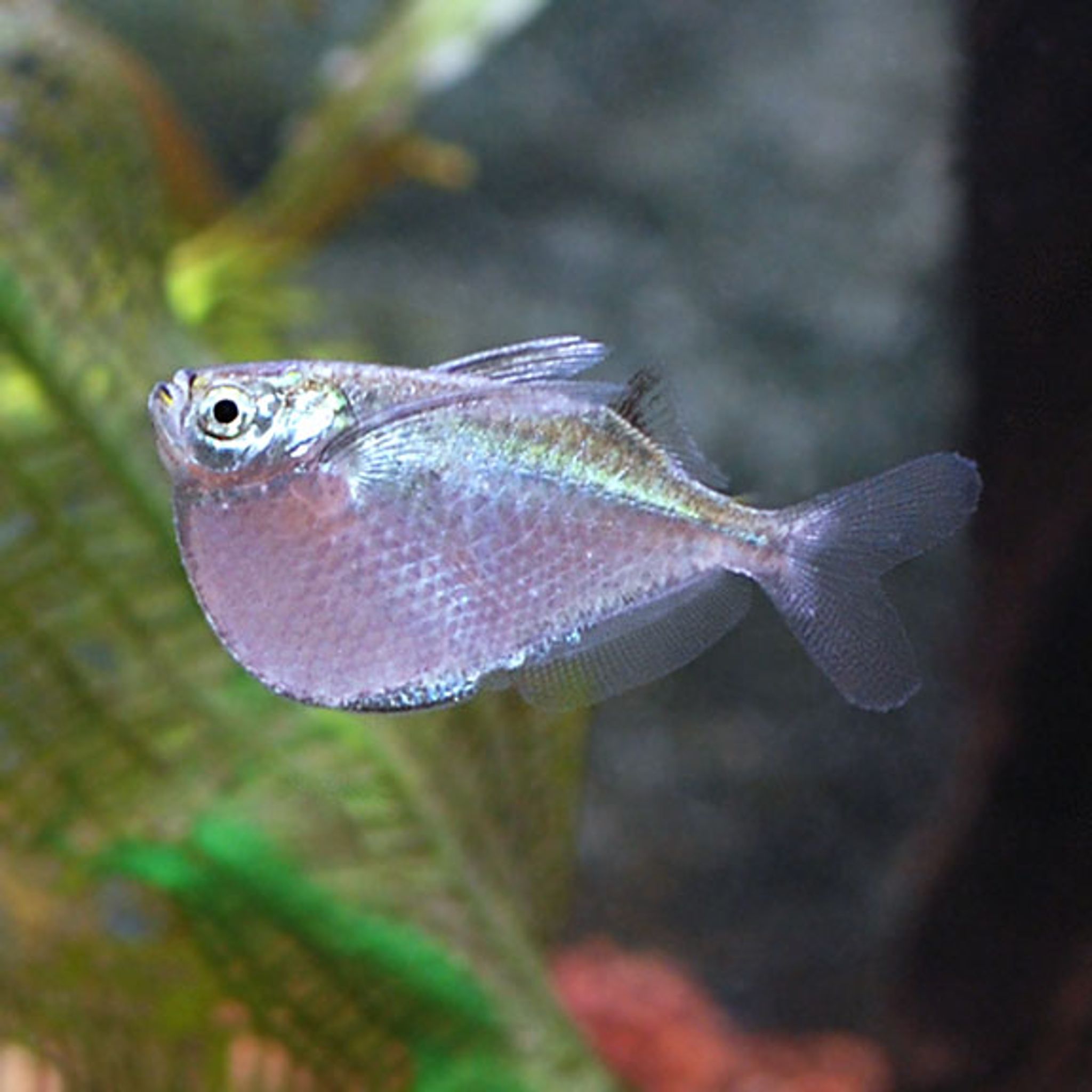
Silver Hatchetfish have bright metallic bodies and a distinctive deep chest that gives the group its common name.
They spend much of their time near the surface and can add movement to an area of the aquarium that is often underused by other community fish.
Blackwing Hatchetfish are small surface-dwelling fish with darker fin and body markings.
They are generally best suited to peaceful aquariums where they are not constantly disturbed by aggressive or overly boisterous tankmates.
Pygmy Hatchetfish are among the smaller members of the group and can be appealing for carefully planned planted aquariums.
Their small mouths and delicate size mean food size and tankmate selection should be considered carefully.
Hatchetfish spend much of their time close to the water surface, where their upward-oriented mouths help them capture food.
This surface-oriented behavior makes them very different from midwater schooling fish such as Tetras and bottom dwellers such as Corydoras.
Hatchetfish are excellent jumpers and can escape through surprisingly small openings.
A tightly fitted aquarium lid or cover is one of the most important parts of a Hatchetfish setup.
Hatchetfish are social fish and are generally kept with others of their own species.
Appropriate groups can improve confidence and reduce the tendency of individual fish to remain hidden or stressed.
Many Hatchetfish can work well in peaceful community aquariums with similarly calm freshwater fish.
Tetras, Rasboras, Corydoras and other gentle species may be suitable companions when water requirements and temperament overlap.
Planted tanks can suit Hatchetfish particularly well because plant cover helps create a more secure environment.
Floating plants and taller plants reaching toward the surface can provide visual shelter while leaving enough open water for feeding and swimming.
Some smaller Hatchetfish may be considered for compact aquariums, but their social and surface-space requirements should not be overlooked.
Aquarium footprint, lid security and group size can matter as much as total water volume.
Most commonly kept Hatchetfish remain relatively small, but adult size varies by species.
Always check the exact species and plan group size and surface swimming space around mature fish rather than juvenile sale size.
Hatchetfish aquariums benefit from stable filtration, calm areas near the surface and a secure lid.
Plants, driftwood and darker backgrounds can help fish feel secure, while open surface areas make feeding easier.
Floating plants can provide shade and security for surface-dwelling Hatchetfish.
Avoid allowing floating plants to completely cover the surface because Hatchetfish still need open areas for swimming and feeding.
Hatchetfish species come from different freshwater habitats and should not all be kept under identical conditions.
Stable, clean water matched to the exact species is more useful than applying one universal temperature, pH or hardness range to every Hatchetfish.
The best tankmates for Hatchetfish are generally peaceful fish that will not constantly chase or outcompete them.
Because Hatchetfish occupy the surface, combining them with midwater and bottom-dwelling species can create a balanced community aquarium.
Many peaceful Tetras can coexist with Hatchetfish in community aquariums.
Avoid highly aggressive or fin-nipping species that may repeatedly disturb fish near the surface.
Small peaceful Rasboras can be suitable companions for Hatchetfish when environmental needs overlap.
This combination can work especially well in planted aquariums where Rasboras occupy the middle water column and Hatchetfish stay closer to the surface.
Corydoras and Hatchetfish can complement each other because they typically occupy opposite levels of the aquarium.
Hatchetfish remain near the surface while Corydoras spend more time near the substrate.
Some peaceful Gouramis can coexist with Hatchetfish in appropriately sized aquariums.
Because both groups may use upper areas of the tank, provide enough surface territory and avoid aggressive Gouramis that could intimidate Hatchetfish.
Hatchetfish and Bettas may compete for upper-level space in smaller aquariums.
Compatibility depends on tank size, Hatchetfish species and the individual Betta's temperament, so this combination should be planned carefully.
Adult freshwater shrimp may coexist with many small Hatchetfish because the two groups use very different parts of the aquarium.
Very small shrimplets can still be eaten if encountered, so no fish should automatically be considered completely shrimp-safe.
Hatchetfish naturally feed near the water surface and many species consume small insects and other tiny animal foods.
In aquariums, offer appropriately sized foods that remain accessible near the surface, using species-appropriate prepared, frozen or live foods where suitable.
Feeding strategy matters because Hatchetfish may be reluctant to chase food that sinks quickly.
Make sure food reaches the surface zone and observe the group so shy individuals are not outcompeted by faster tankmates.
Breeding methods vary by Hatchetfish species and can be more specialized than breeding many common community fish.
Dedicated breeding setups may be required when hobbyists want to protect eggs and fry and control environmental conditions more precisely.
Some Hatchetfish can be kept successfully by newer hobbyists, but they are not as forgiving as every common community fish.
Secure lids, stable water quality, suitable groups and careful feeding are especially important.
When comparing Hatchetfish for sale, look for:
Newly shipped Hatchetfish may be stressed after transport and can be especially prone to jumping when frightened.
Prepare a stable, covered aquarium before arrival and follow the seller's acclimation guidance for the exact species.
Quarantine and observation can help reduce the risk of introducing disease into an established aquarium.
During quarantine, pay attention to appetite, body condition, breathing and whether fish are swimming normally near the surface.
Hatchetfish prices vary according to species, size, rarity, availability, group quantity and seller.
Common and less frequently available Hatchetfish can differ substantially in price, so compare exact species, group quantity and seller information rather than price alone.
FishyHub brings Hatchetfish listings from aquarium stores, breeders and specialist freshwater fish sellers together in one marketplace.
When comparing Hatchetfish online, consider:
Shipping availability depends on the seller, destination, species, weather and livestock-shipping policy.
Review packaging, delivery timing and live-arrival terms before ordering, and make sure the aquarium has a secure lid before the Hatchetfish arrive.
Yes. Aquarium stores, breeders and specialist sellers offer freshwater Hatchetfish online across the U.S., depending on seller shipping coverage and livestock policies.
Yes. Hatchetfish are excellent jumpers, so a secure aquarium lid is strongly recommended.
Hatchetfish are social fish and are generally kept in groups rather than as isolated individuals.
Many species can work well with peaceful Tetras, Rasboras, Corydoras and other calm community fish when their environmental needs are compatible.
Many Hatchetfish feed near the surface and accept appropriately sized prepared, frozen or live foods suited to the exact species.
Sometimes, but both may use the upper part of the aquarium, so tank size and the individual Betta's temperament matter.
Adult shrimp may coexist with small Hatchetfish, though very small shrimplets can still be eaten.
FishyHub helps U.S. hobbyists compare Hatchetfish listings from aquarium stores, breeders and specialist freshwater fish sellers in one marketplace.
Explore Hatchetfish for sale on FishyHub and compare Marble, Silver, Blackwing, Pygmy and other freshwater Hatchetfish species. Discover listings from aquarium stores and breeders across the United States, and compare species, size, group requirements, price and shipping options before choosing Hatchetfish for your aquarium.