1–12 of 12
Showing 12 of 12 products
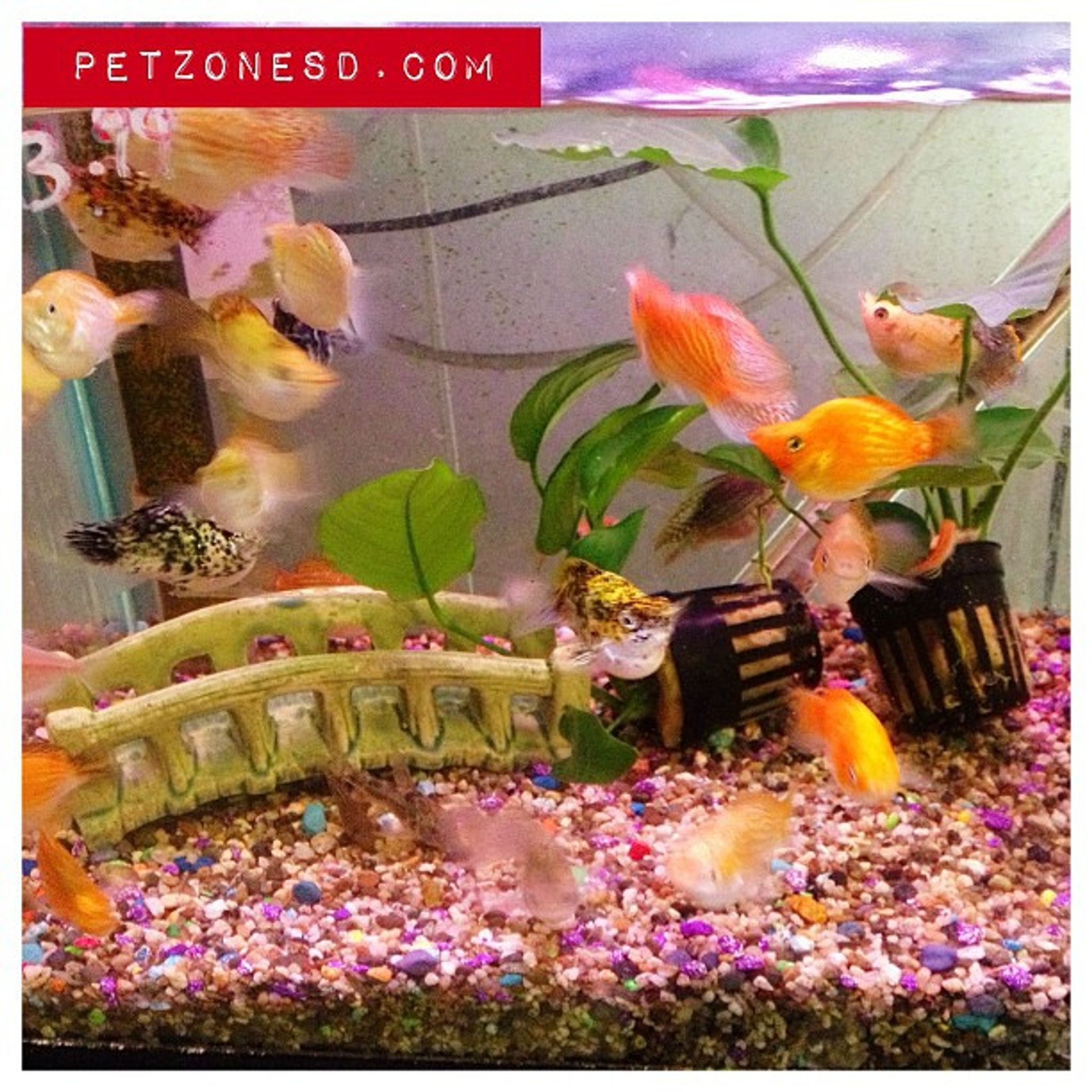

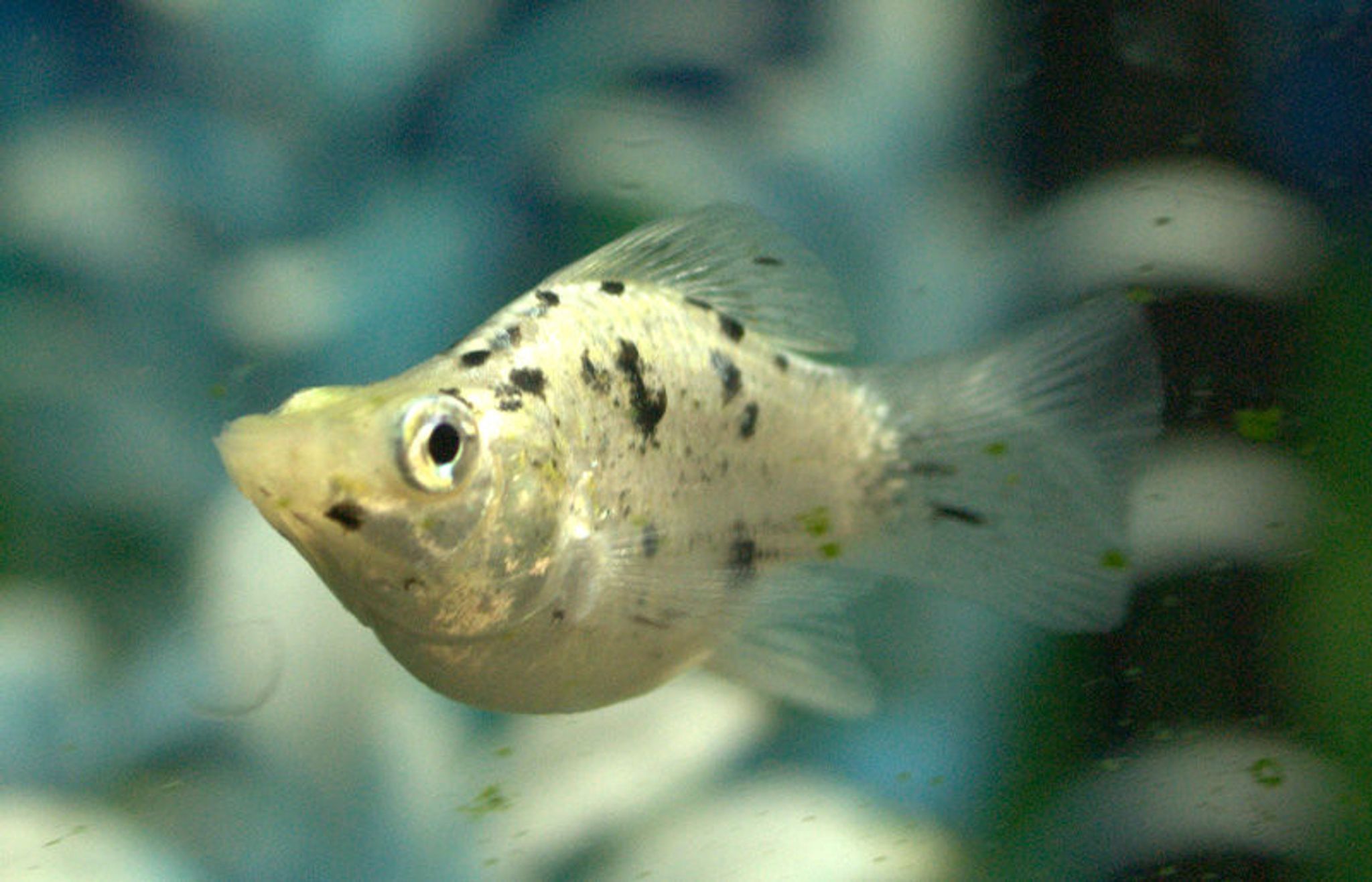
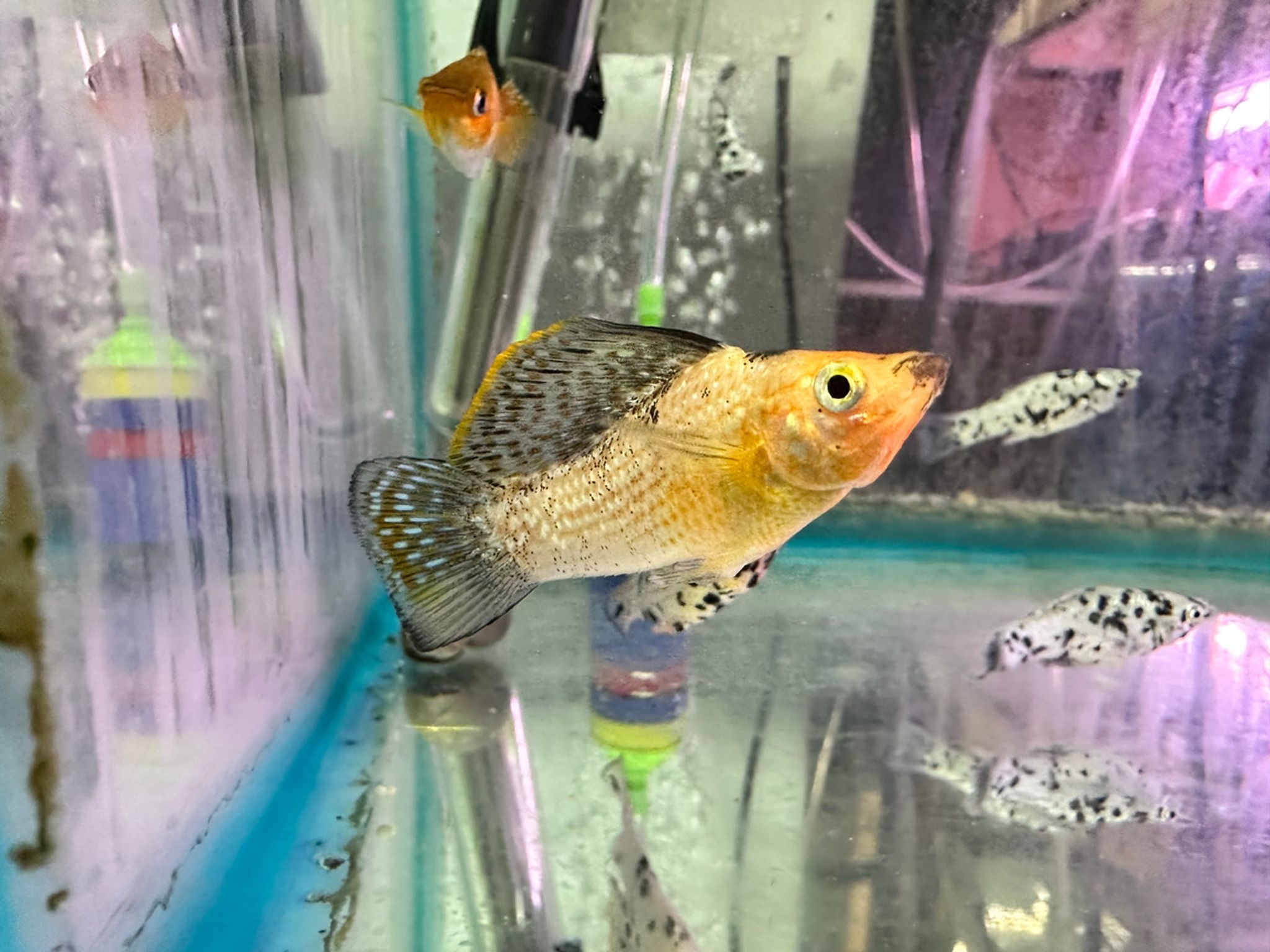

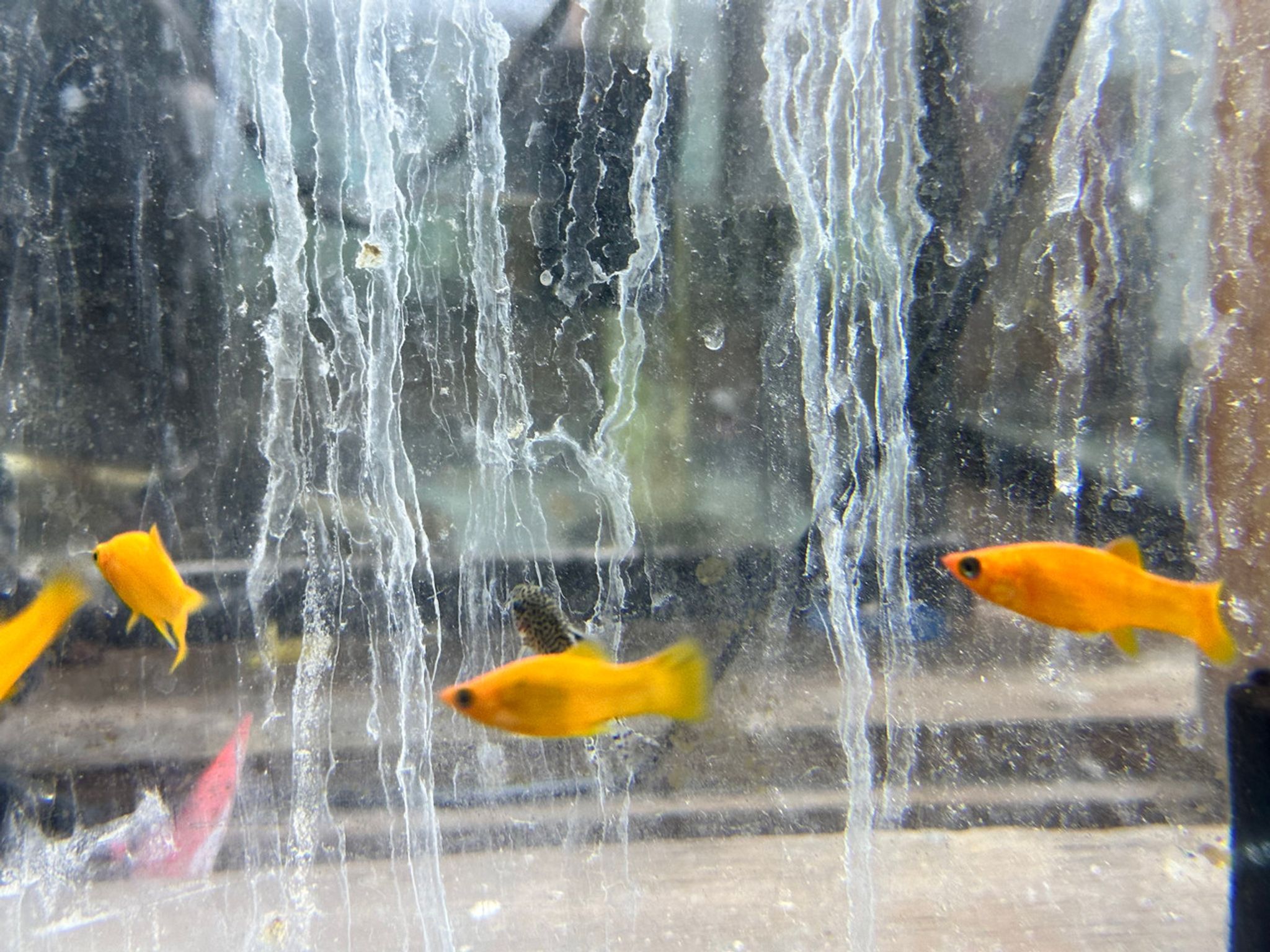

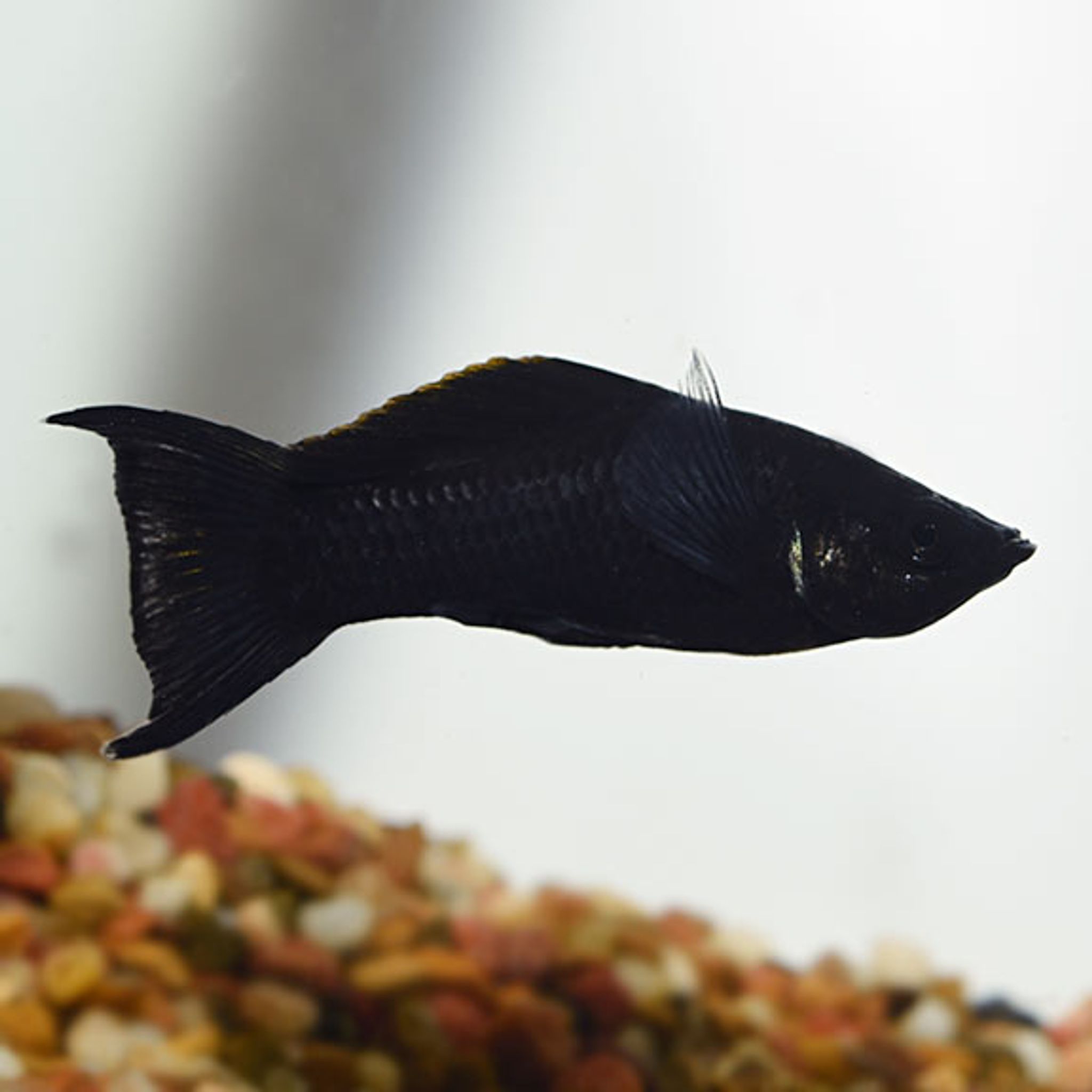
Shop Molly fish online from aquarium stores, breeders and specialist freshwater fish sellers across the United States on FishyHub. Compare Black Mollies, Dalmatian Mollies, Balloon Mollies, Sailfin Mollies, Lyretail Mollies and other varieties by color, body shape, size and seller.
Mollies are colorful livebearing freshwater fish known for active swimming, peaceful community behavior and a wide range of ornamental forms. FishyHub helps U.S. hobbyists compare Molly listings from multiple sellers in one marketplace.
Buying Mollies online gives hobbyists access to a broader selection of colors, fin shapes and body forms than may be available from a single local aquarium store.
Compare exact variety, current size, sex, body shape, seller information and shipping options before choosing Mollies for your aquarium.
Popular Molly varieties in the freshwater aquarium hobby include:
Black Mollies are among the most recognizable Molly fish, with deep dark coloration that can appear especially striking against green plants and lighter substrate.
They are active livebearers and are commonly kept in peaceful community aquariums with compatible fish.
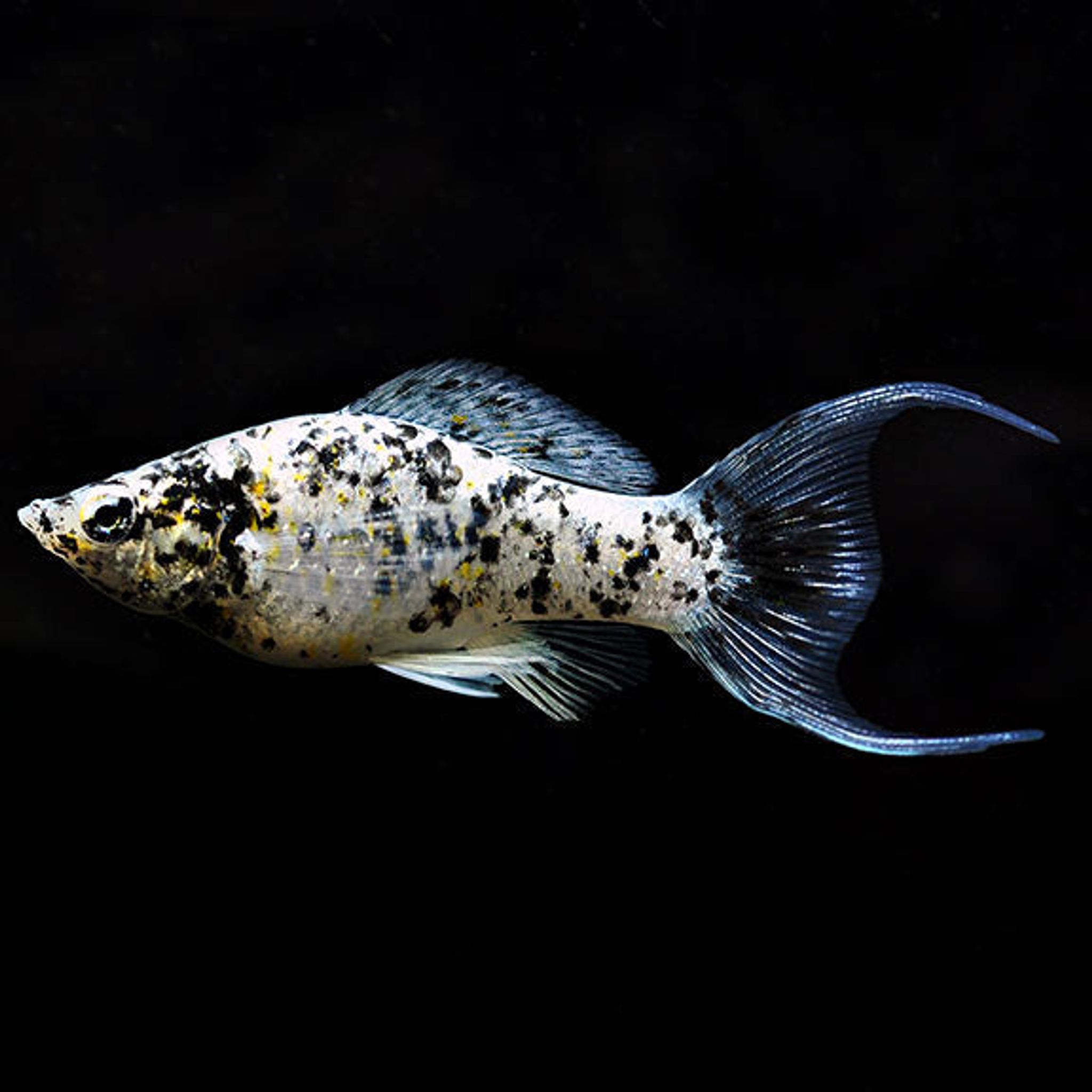
Dalmatian Mollies are known for black-and-white spotted or marbled patterns.
Pattern density varies by individual fish, making each Dalmatian Molly slightly different in appearance.
Balloon Mollies are selectively bred for a shortened, rounded body shape and are available in several colors and patterns.
When comparing Balloon Mollies, prioritize fish with balanced swimming, good body condition and normal feeding behavior.
Sailfin Mollies are known for enlarged dorsal fins that can become especially impressive in mature males.
They can become larger and more visually dramatic than many standard Molly forms and benefit from adequate swimming space.
Lyretail Mollies are selectively bred forms with extended upper and lower tail rays that create a distinctive lyre-shaped caudal fin.
Their elongated fins make them visually striking, but avoid aggressive fin-nipping tankmates.
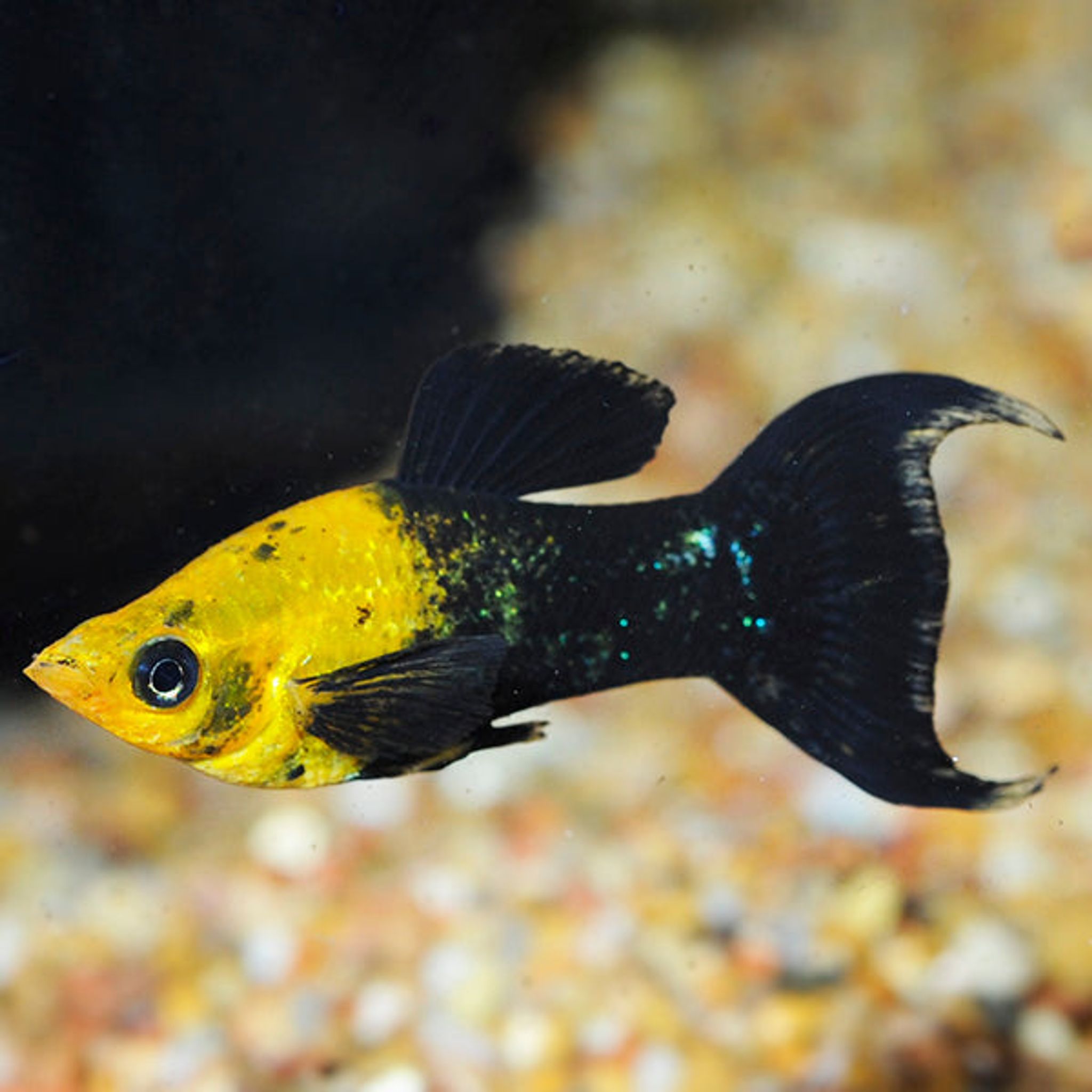
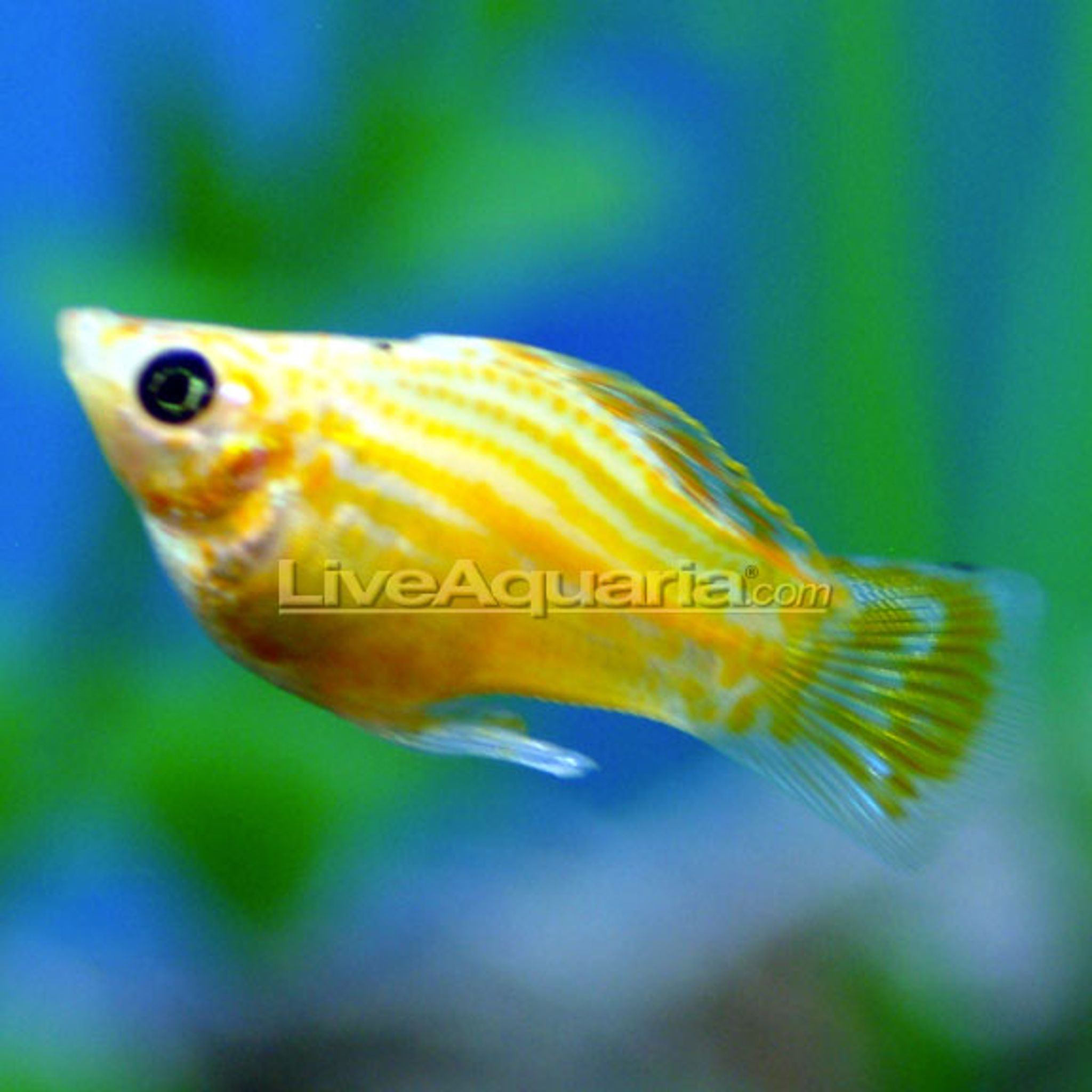
Gold Dust Mollies combine yellow or gold coloration with darker black markings.
Individual patterns vary widely, giving this variety a mottled appearance that stands out in community aquariums.
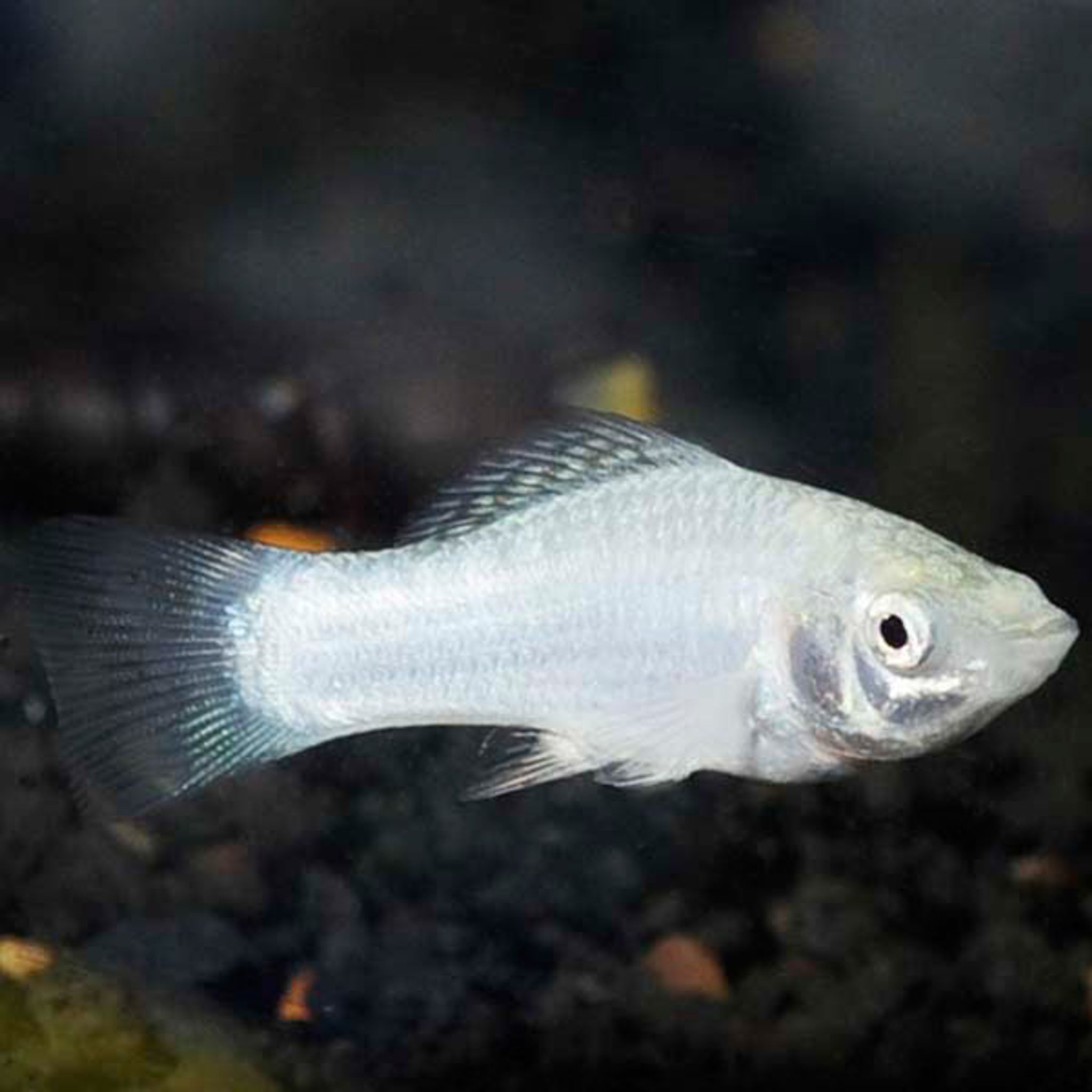
Silver Mollies have pale silver or white bodies with a clean, reflective appearance.
They can create strong contrast when kept with darker fish or planted backgrounds.
Mollies are livebearing freshwater fish in the genus Poecilia and are closely associated with other popular livebearers such as Guppies and Swordtails.
They give birth to live young rather than laying eggs and are available in many selectively bred colors, fin shapes and body forms.
Adult Molly size varies by species, sex and strain.
Sailfin forms can become larger than compact ornamental strains, so aquarium planning should consider mature size rather than juvenile sale size.
Mature male and female Mollies differ in body shape and reproductive anatomy, and males are often slimmer.
Females can become noticeably fuller-bodied, particularly when carrying developing fry.
Mollies give birth to free-swimming fry instead of laying eggs.
A healthy female may produce repeated broods, so hobbyists should plan for population growth when keeping males and females together.
Mollies are active swimmers and benefit from aquariums with open swimming space combined with plants and visual cover.
A well-filtered, stable aquarium is more suitable than a small or newly established tank.
Mollies can work well in planted aquariums because plants provide shelter, visual structure and cover for fry.
Keep enough open water available for active swimming, particularly with larger Sailfin Mollies.
Mollies generally do well in stable freshwater with suitable mineral content, but exact conditions can vary by species and source.
Avoid sudden changes in water chemistry and match conditions to the fish you are purchasing rather than applying one universal range to every Molly strain.
Mollies do not universally require aquarium salt.
Many captive-bred Mollies can be maintained successfully in suitable freshwater, and salt should not be added automatically without understanding the needs of the exact fish and the other species in the aquarium.
Some Molly species and populations naturally occur in environments with varying salinity and can tolerate brackish conditions.
That does not mean every aquarium Molly needs brackish water, so long-term conditions should be based on the exact fish and source.
Mollies are generally peaceful community fish, but males may repeatedly pursue females and dominant individuals can occasionally chase other fish.
Enough swimming space, cover and a suitable social balance can reduce persistent harassment.
Yes. Mollies are commonly kept in groups, but sex ratio and available space can influence social behavior.
Keeping several females with fewer males can help distribute male attention, though group dynamics still vary.
Mollies can live with many peaceful community fish when adult size, temperament and water requirements are compatible.
Avoid highly aggressive tankmates or species that require very different environmental conditions.
Guppies and Mollies are both livebearers and can sometimes coexist in peaceful community aquariums.
Mollies are generally larger, so provide enough swimming space and feeding access for both groups.
Platies can make compatible tankmates for Mollies when the aquarium is sufficiently spacious and water requirements overlap.
Both are active livebearers, so population growth should be considered if mixed-sex groups are kept together.
Mollies and Swordtails can sometimes coexist because both are active livebearing fish with broadly similar community behavior.
Larger Swordtails and Sailfin Mollies benefit from good horizontal swimming space.
Some Tetras can coexist with Mollies when temperament and water conditions are compatible.
Avoid very delicate species if the aquarium is managed specifically around the harder, more mineral-rich conditions preferred by many Mollies.
Corydoras may coexist with Mollies in community aquariums, but the exact Corydoras species should tolerate the same temperature and water conditions.
Their different swimming zones can reduce direct competition for space.
Selected Gouramis may coexist with Mollies when temperament and environmental needs are compatible.
Individual behavior matters, particularly with more territorial Gourami species.
Adult freshwater shrimp may coexist with some Mollies, but shrimplets are at risk of being eaten.
Dense plants and hiding areas can improve survival for small shrimp, but compatibility is not guaranteed.
Many aquarium snails can coexist with Mollies in community tanks.
Very small snails or newly hatched snails may still be investigated or eaten.
Mollies are omnivorous and naturally consume a mixture of plant material, algae, biofilm and small animal foods.
In aquariums, they can be fed quality prepared foods together with suitable plant-based and supplemental foods.
Mollies may graze algae and biofilm from aquarium surfaces.
They should not be purchased as dedicated algae-control fish and still require a complete diet.
Mollies are active feeders and often gather quickly when food enters the aquarium.
Feed appropriate portions and avoid chronic overfeeding, which can increase waste and reduce water quality.
Mollies breed through live birth rather than egg laying.
Females can give birth to multiple fry, and a planted aquarium can provide hiding places for young fish.
Newly born Molly fry are small but free-swimming and can begin feeding soon after birth.
Adult fish may eat fry, so dense plants or a dedicated rearing setup can improve survival when breeding is intentional.
Mollies can be excellent community fish when kept in a stable aquarium that matches their needs.
Beginners should pay particular attention to water quality, suitable mineral content, stocking levels and rapid population growth from breeding.
When comparing Mollies for sale, look for:
Newly shipped Mollies may be stressed after transport and may temporarily show reduced color or activity.
Prepare a stable, cycled aquarium before arrival and follow the seller's acclimation guidance for the exact fish.
Quarantine and observation can help reduce the risk of introducing parasites or disease into an established aquarium.
Monitor appetite, body condition, breathing, waste and swimming behavior before moving new Mollies into the main tank.
Molly prices vary according to variety, size, sex, body form, coloration, availability and seller.
Standard Black or Silver Mollies and specialty Sailfin, Balloon, Lyretail or unusual color forms can differ in price, so compare the exact fish and seller information rather than price alone.
FishyHub brings Molly listings from aquarium stores, breeders and specialist freshwater fish sellers together in one marketplace.
When comparing Mollies online, consider:
Shipping availability depends on the seller, destination, fish size, weather and livestock-shipping policy.
Review packaging, delivery timing and live-arrival terms before ordering, and make sure the aquarium is fully prepared before the Mollies arrive.
Yes. Aquarium stores, breeders and specialist sellers offer many Molly varieties online across the U.S., depending on availability and seller shipping coverage.
Not necessarily. Many captive-bred Mollies can live successfully in suitable freshwater, so salt should not be added automatically.
Yes. Mollies are commonly kept as freshwater aquarium fish, although some species and populations can tolerate or inhabit brackish environments.
Yes. Female Mollies give birth to live fry rather than laying eggs.
They often can when aquarium size, temperament and water conditions are compatible.
Adult shrimp may coexist with some Mollies, but shrimplets and very small shrimp can be eaten.
Balloon Mollies are selectively bred for a shorter, rounder body shape, while standard Mollies have a more elongated body profile.
FishyHub helps U.S. hobbyists compare Mollies from aquarium stores, breeders and specialist freshwater fish sellers in one marketplace.
Explore Molly fish for sale on FishyHub and compare Black Mollies, Dalmatian Mollies, Balloon Mollies, Sailfin Mollies, Lyretail Mollies and other ornamental varieties. Discover listings from aquarium stores and breeders across the United States, and compare variety, size, sex, color, price and shipping options before choosing Mollies for your aquarium.
