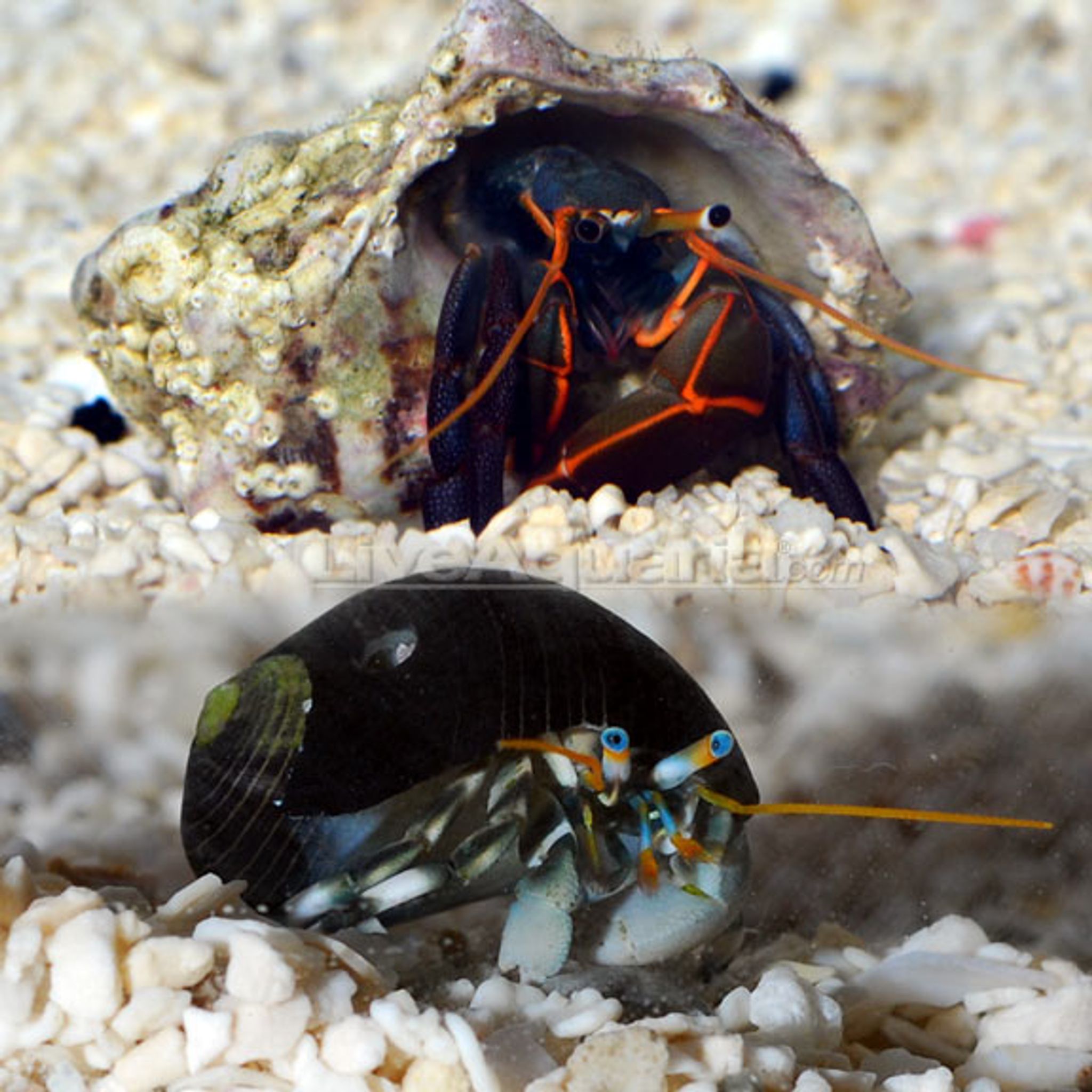

How to Set Up the Ideal Tank for Thai Micro Crab
Thai micro crab (Limnopilos naiyanetri) is one of the few truly aquatic crabs in the hobby, which means it never needs to climb out onto land the way vampire or fiddler crabs do. This guide walks through the exact build order, water parameters, and feeding routine that let these tiny, fragile crabs thrive long-term in a nano or pico tank.
Meet the Thai Micro Crab
Thai micro crab is native to slow-moving rivers and streams in Thailand. Unlike most "pet" crabs, it is fully aquatic — it breathes underwater its whole life and will drown if forced to spend extended time out of water, so there's no need for a ramp, land area, or brackish setup.
Its biggest defining trait, though, is size. Adults reach only about 0.4–1 cm (roughly 0.4 inches) across the leg span — smaller than a fingernail. That makes the species delicate, easy to injure, and a poor match for any equipment or tankmate designed with normal-sized fish in mind.
Choosing the Right Tank Size
A single crab can survive in a 2–3 gallon (7.5–11 L) container, but Thai micro crabs are social and are far more active and visible in numbers. For the realistic goal of keeping a proper little colony, plan for:
| Setup goal | Minimum tank size |
|---|---|
| One crab (absolute floor) | 2–3 gallons (7.5–11 L) |
| Small group of 5–6+ crabs (recommended) | 5 gallons (19 L) |
| Group with shrimp or nano fish tankmates | 5–10 gallons (19–38 L) |
Smaller water volumes leave less room to buffer mistakes, so a nano or pico crab tank rewards a stable routine — consistent feeding, no overstocking, and a patient cycle — more than a larger aquarium would.
Cycling the Tank Before Adding Crabs
Thai micro crabs are sensitive to ammonia, nitrite, and elevated nitrate, so the single most important step is running a full nitrogen cycle before any crab goes in. Adding crabs to an uncycled tank is one of the most common ways hobbyists lose their entire group in the first week.
A sensible build order looks like this:
- Set up the tank, substrate, and hardscape.
- Add plants and leaf litter.
- Dose a dechlorinator and fill with treated water.
- Run the filter (with an intake guard fitted — see below) and seed it with an established source of bacteria if available.
- Let the tank cycle fully, testing until ammonia and nitrite both read zero.
- Let the tank run for a few extra weeks so biofilm and micro-organisms build up on surfaces — this becomes a standing food source.
- Drip-acclimate the crabs slowly and add them gradually rather than all at once.
Running the tank "dirty" for several weeks post-cycle — with driftwood, leaf litter, and no aggressive scrubbing — is what actually seeds the biofilm layer the crabs will graze on for months.
Filtration: The Number One Safety Issue
Standard filter intakes are the single biggest injury risk for a crab this small. A crab can be pulled against an uncovered intake or drawn partway in, which is usually fatal. For a Thai micro crab tank:
- Use a sponge filter as the simplest, safest option, or
- Fit any hang-on-back or internal filter's intake with a foam pre-filter sponge or intake guard sized to fully cover the slot.
- Check that the sponge sits snugly with no gaps a crab could squeeze around.
- Keep flow gentle — these crabs come from slow water, not fast-flowing streams.
If you're shopping for filtration, FishyHub's filters category includes sponge and low-flow options that are easy to adapt with an intake cover.
Substrate and Décor
Thai micro crabs sift through substrate looking for food particles, so fine sand or smooth, rounded gravel works best — coarse or sharp gravel can injure their small legs and claws. FishyHub's substrate category has sand and fine gravel options suited to nano setups.
Because the species is nocturnal, shy, and completely defenseless, dense cover is not optional — it's a survival requirement:
- Java moss and other fine-leaved plants
- Java fern and other low-light, crab-safe plants
- Floating plants for shade and cover
- Driftwood with nooks and textured bark
- Leaf litter (which doubles as a biofilm and food source)
- Rocks stacked to create small crevices
Lighting and Water Parameters
Lighting itself isn't a major requirement for the crabs — they're nocturnal and mostly hide during bright hours — but low to moderate lighting keeps live plants healthy, which in turn supports the biofilm and shaded hiding spots the crabs depend on.
| Parameter | Target range |
|---|---|
| Temperature | 72–82°F (22–28°C) |
| pH | 6.5–8.0 |
| General/carbonate hardness | 6–15 dKH |
Thai micro crabs are fairly adaptable on pH and hardness compared with soft-water-sensitive shrimp, but they are far less tolerant of sudden swings in any parameter. Stability matters more than hitting an exact number.
Feeding
These crabs are omnivorous scavengers that spend most of their time picking through biofilm, algae, and leftover detritus. In a mature, "dirty" tank with established biofilm, that natural grazing can cover much of their diet on its own.
Supplement with:
- Sinking shrimp pellets or algae wafers, in small amounts
- Blanched vegetables (zucchini, spinach)
- Occasional protein — frozen bloodworm, mosquito larvae, or daphnia, offered only 1–2 times a week rather than as a daily staple
Feed small portions every 1–2 days rather than daily; a nano tank fouls quickly, and uneaten protein is one of the fastest ways to crash water quality in such a small volume. FishyHub's food and supplements category carries sinking wafers and small-format foods suited to nano crustaceans.
Tankmates
Thai micro crabs are peaceful and completely defenseless, so tankmates need to be small, slow-moving, and non-predatory. Good options include:
- Ember tetra, neon tetra, or chili rasbora
- Otocinclus catfish
- Kuhli loach
- Cherry shrimp and other peaceful dwarf shrimp — commonly kept together successfully given enough hiding spots and food for both
- Nerite or mystery snails
Browse FishyHub's shrimp category for compatible dwarf shrimp species. Avoid other crabs or crayfish, cichlids, and bettas (a risky pairing), along with any fish fast or large enough to see a crab as a meal.
Water Changes and Acclimation
Small, frequent water changes are gentler on a fragile species than large, infrequent ones. A weekly 10–15% change using dechlorinated, temperature-matched water is a safer default than letting parameters drift for two weeks and then swapping 30% at once. Sudden changes stress crabs more than they stress most fish.
A water change can kill fish or crabs if temperature isn't matched, water isn't dechlorinated, or too much is changed too fast — sometimes called "old tank syndrome" shock when a big correction is made all at once after neglect. Always match temperature and treat new water before adding it.
When introducing new crabs, drip acclimate over 30–60+ minutes or longer. Never dump a bag directly into the tank — sudden parameter shifts during introduction are a common cause of early deaths.
Dechlorinating Tap Water
You have three practical options:
- A commercial water conditioner — the fastest, most reliable method, and the safest default for a sensitive nano species since most formulas neutralize both chlorine and chloramine.
- Letting water sit or aerate for 24–48 hours — removes chlorine but does not break down chloramine, so this only works if your utility doesn't use chloramine.
- Boiling — effective but impractical for routine water changes.
Molting: What's Normal
Crabs shed their exoskeleton to grow, and a freshly molted crab often looks pale, translucent, and completely still on the substrate — easy to mistake for dead. Resist the urge to remove it immediately. Check nearby for the actual crab, which is usually hiding while its new shell hardens. Leave the shed shell in the tank; the crabs will eat it as a calcium source.
Breeding Expectations
Breeding Thai micro crabs in a home aquarium is very difficult and rarely successful. Females can carry up to roughly 150–200 eggs, but the free-swimming larvae generally die within about a week in typical setups. Treat any successful hatching as a bonus, not a stocking plan.
Algae Control
Some algae growth is normal and even useful, since the crabs graze on it, but excess algae usually points to too much light duration/intensity or excess nutrients from overfeeding. Manage it with:
- Manual removal during water changes
- An algae-eating cleanup crew such as nerite snails or otocinclus
- Shorter light duration and controlling feeding portions
Maintenance Cadence
| Frequency | Task |
|---|---|
| Daily | Visual health check, light feeding |
| Weekly | 10–15% water change, glass cleaning |
| Monthly | Rinse filter media in removed tank water (never tap water, to protect bacteria) |
| Periodic | Test pH, ammonia, nitrite, nitrate |
All-in-One and Alternative Nano Tank Formats
All-in-one (AIO) nano tanks are a convenient option since filtration — and sometimes lighting — is already built in. Just confirm the intake is baffled or sponge-covered before stocking crabs.
Self-cleaning tank kits are marketed as low-maintenance, but they still require manual water changes and gravel vacuuming; they mainly automate top-offs or filtration, not full maintenance.
Wall-mounted aquariums look stylish but are often shallow, hold limited water volume, and sometimes ship with weak filtration or no secure lid. For a species this small, that adds escape risk through any gap and makes stable parameters harder to maintain — extra caution and a snug lid are worth the effort.
Whatever style of tank you use, remember basic electrical safety: fit a drip loop in any cord running down to an outlet, so water drips off the cord instead of running into the socket — a simple habit worth applying near any tank, nano setups included.
Sourcing Healthy Stock
Survival odds improve significantly when crabs come from a stable, well-established tank rather than freshly imported, wild-caught stock still recovering from shipping stress. When shopping, look for active, responsive individuals with intact legs and claws rather than lethargic or pale specimens.
Common Mistakes to Avoid
- Adding crabs before the tank has fully cycled
- Using an uncovered or strong-flow filter intake
- Mistaking a molt for a dead crab and discarding it
- Keeping too few individuals, leading to constant hiding and stress
- Overfeeding protein or pellets in a small water volume
- Skipping drip acclimation
- Housing crabs with fish or crustaceans that see them as prey or competition
- Providing too few hiding spots
- Running the tank "too clean," with no biofilm or supplemental food, leading to slow starvation
Frequently Asked Questions
Do Thai micro crabs need to leave the water like other pet crabs?
No. They are fully aquatic and never need to climb onto land, unlike vampire or fiddler crabs. No ramp or dry area is required.
What size tank is the true minimum?
A single crab can survive in 2–3 gallons, but 5 gallons or more is recommended for a small group, which is the healthier and more natural way to keep this social species.
Can Thai micro crabs live with shrimp?
Generally yes. Cherry shrimp and other peaceful dwarf shrimp are commonly kept alongside Thai micro crabs successfully, provided there's enough cover and food for both.
Why does my crab look dead, white, and motionless?
It's most likely a recent molt. The crab sheds its exoskeleton to grow and often hides nearby while the new shell hardens. Leave the old shell in the tank as a calcium source.
Can Thai micro crabs breed in a home aquarium?
Rarely with success. Females can carry up to 150–200 eggs, but larvae typically die within about a week, so breeding shouldn't be treated as a reliable way to expand your group.
How often should I do water changes for a nano crab tank?
Small, frequent changes — roughly 10–15% weekly — using dechlorinated, temperature-matched water are gentler than large, infrequent swaps for this fragile species.
Are Thai micro crabs aggressive toward fish or each other?
No. They're peaceful and defenseless, and they won't harm tankmates. The risk runs the other way — they can be preyed upon or outcompeted for food.
Ready to build out your nano setup? Browse FishyHub's freshwater livestock category for compatible tankmates and stock to complete your Thai micro crab tank.


