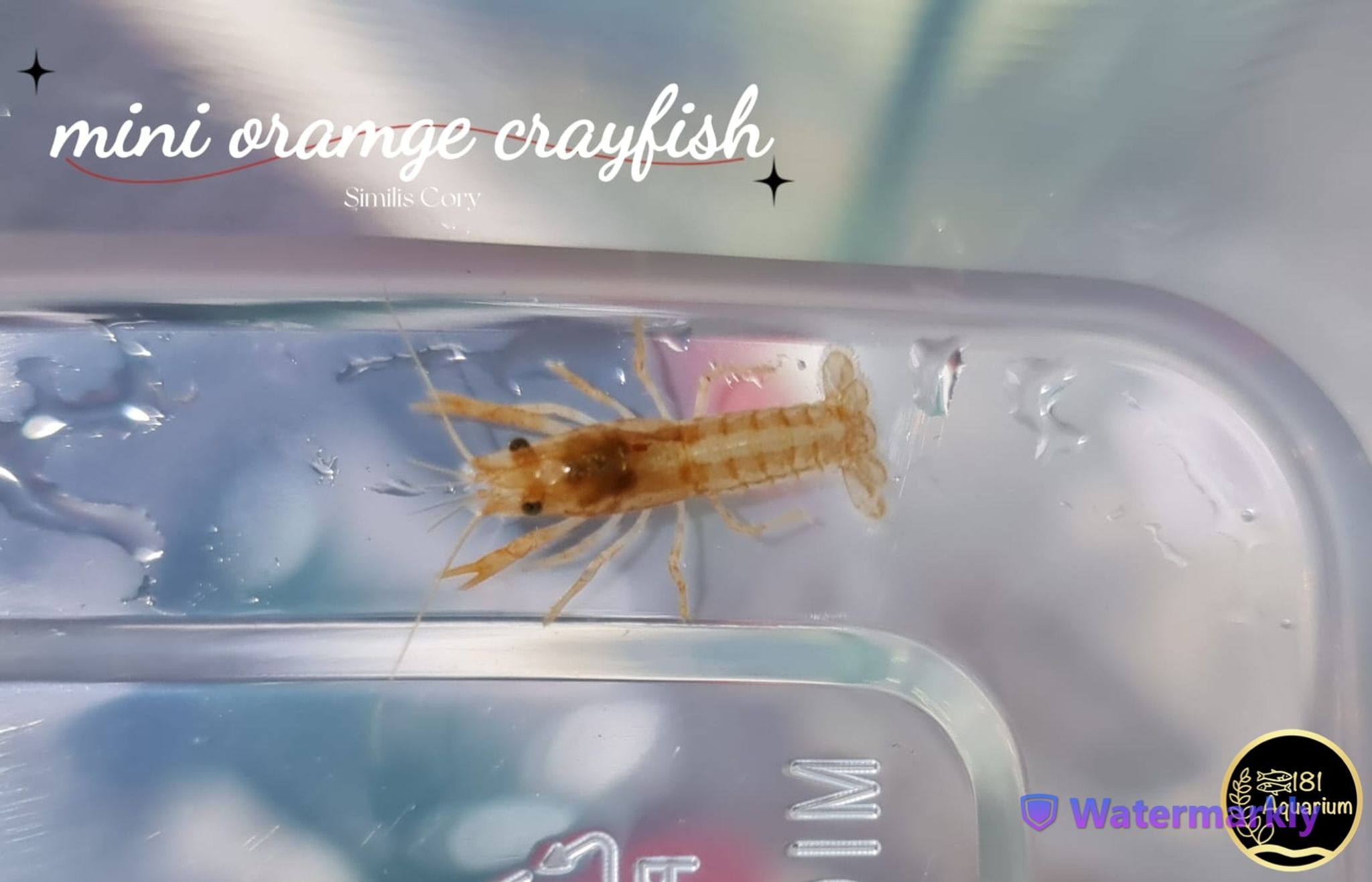

How to Set Up the Ideal Tank for Dwarf Crayfish
Dwarf crayfish are small, hardy, and endlessly entertaining, but they have a few non-negotiable needs: a secure lid, stable water, and enough hiding spots to survive their own molts. This guide walks through exactly what to buy and how to set it up, from tank size and filtration to feeding, molting, and tankmate choices.
What Counts as a "Dwarf" Crayfish
Most animals sold as dwarf crayfish belong to the genus Cambarellus — the CPO (Cambarellus patzcuarensis, or Mexican dwarf crayfish), Cambarellus puer, and the Brazos dwarf crayfish are the common examples. These max out around 1.5–2.5 inches and are far less destructive than full-size crayfish.
Watch for mislabeling. Some sellers market juvenile Procambarus species — regular crayfish, including the "blue lobster" — as "dwarf" simply because they're small at the time of sale. These will keep growing well past 4–5 inches and quickly outgrow a small tank. Confirm the genus before you buy, not just the size on the label.
Choosing the Right Tank Size
A single dwarf crayfish can technically survive in 5 gallons (19 L), but that's an absolute floor, not a recommendation. In practice, 8–10 gallons (30–38 L) is the realistic minimum, especially if you plan to keep more than one. Larger volumes buffer swings in temperature and water chemistry and give territorial animals room to avoid each other.
Once you're past 10 gallons, a rough stocking guide is one crayfish per 2–3 gallons:
| Tank size | Suggested crayfish |
|---|---|
| 5 gal (19 L) | 1 (bare minimum, not ideal) |
| 10 gal (38 L) | 1–2 |
| 20 gal (76 L) | up to 4 |
| 29–40 gal (110–150 L) | 6–10, with heavy decor |
Water Parameters
Stability matters more than hitting an exact number, but dwarf crayfish do best within these ranges:
| Parameter | Target range |
|---|---|
| Temperature | 65–78°F (18–26°C); avoid pushing much past 78°F even though some sources allow up to 82°F |
| pH | 7.0–7.5 (tolerated 6.5–8.0) |
| General hardness (GH) | 8–12 dGH for solid molts (tolerated 6–15 dGH) |
| Nitrates | 0–20 ppm |
| Water flow | Low to moderate |
Low pH softens shells and can interfere with molting, so lean toward neutral-to-slightly-alkaline rather than acidic. Likewise, keep temperature toward the cooler-to-middle end of the range and prioritize consistency over chasing a specific degree.
Equipment Checklist
- Tank: glass or acrylic, 8–10 gallons minimum
- Substrate: fine sand or small smooth gravel
- Filter: a sponge filter or a hang-on-back unit with a covered intake
- Air pump: for the sponge filter and extra surface agitation
- Heater: only needed if room temperature regularly drops below ~65°F
- Thermometer: to confirm stability
- Tight-fitting lid: mandatory, not optional
A basic setup at this scale is inexpensive compared to a full community tank — the tank itself and a sponge filter are usually the two largest line items, with substrate, a thermometer, and a lid rounding out the list.
Filtration
Sponge filters are the top pick for dwarf crayfish tanks. The intake is a large, soft surface that can't shred or trap a small crustacean, and the sponge itself doubles as a grazing surface for biofilm. You can browse sponge and hang-on filter options sized for smaller tanks.
If you'd rather run a hang-on-back (HOB) filter, cover the intake tube with a pre-filter sponge. Avoid any filter with an uncovered intake, and skip canister filters with strong return flow — dwarf crayfish prefer calm water and can struggle against a hard current.
Substrate and Decor
Use fine sand or small, smooth gravel at a depth of 2–4 inches (5–10 cm) — enough for light burrowing and digging without being excessive. Rinse it thoroughly before adding it to the tank. You can compare bagged options in the substrate section.
Decor should feel almost overstuffed rather than sparse:
- Driftwood and smooth rocks
- Ceramic caves and PVC pipe sections
- Coconut hides
- Leaf litter (Indian almond or oak), which adds cover, tannins, and grazing material
Rule of thumb: at least one hide per crayfish, plus a few spares. Extra hiding spots matter most right after a molt, when a crayfish is soft and vulnerable to its tankmates — or to another crayfish.
DIY Hide Ideas
You don't need to buy every hide pre-made:
- Drilled clay pots: a small terracotta pot on its side, with a second entry hole drilled opposite the opening, makes a two-exit den that prevents a crayfish from getting cornered.
- Painted PVC elbows: aquarium-safe, non-toxic paint on standard PVC elbow fittings creates cheap, stackable hides in varied sizes.
Plants
Dwarf crayfish eat most soft-leaved live plants, so choose species that are tough or fast-growing enough to tolerate grazing:
- Java fern
- Anubias
- Java moss
- Floating plants (which are largely out of reach)
Expect some nibbling even on tougher species — that's normal. If you want a heavily planted look without any losses, fake plants are a safe fallback.
General Tank Setup Steps
If you're new to fishkeeping in general, here's the condensed setup flow, adapted for a crayfish tank:
- Plan — pick your tank size and location, away from direct sun and heat/AC vents.
- Clean and place the tank — rinse with plain water only (no soap), and set it on a stable, level surface.
- Add substrate and fill with water — rinse substrate first, then fill with dechlorinated water.
- Install equipment — filter, air pump, heater (if needed), thermometer.
- Add decor and hides — arrange before the tank is fully cycled so you're not disturbing the substrate later.
- Cycle the tank — see the next section; this is the step most beginners skip.
- Acclimate and add your crayfish — slowly, once cycling is complete.
Cycling the Tank
Never add a crayfish to an uncycled tank. Ammonia and nitrite spikes from "new tank syndrome" are lethal even to hardy invertebrates.
Run a fishless cycle before adding any livestock: add an ammonia source, and monitor water tests until ammonia and nitrite both read zero and nitrate is present. This typically takes 4–8 weeks. It's slower than most people expect, but skipping it is the single most common cause of early losses in a new tank.
Filling and Acclimating
Fill the tank with dechlorinated, temperature-matched water. When it's time to add your crayfish, drip-acclimate or slow-float-and-add-water over 20–30-plus minutes. Dwarf crayfish are more sensitive to sudden shifts in water chemistry than many fish, so rushing this step raises the risk of stress or a bad molt shortly after introduction.
If you're adding crayfish to an established tank with other animals, quarantine new arrivals separately for a few weeks first. This isn't emphasized often, but it's a simple way to avoid introducing disease or parasites to an existing community.
Fish Tank Chemicals: What You Actually Need
The chemical shopping list for a crayfish tank is short:
- Dechlorinator/water conditioner — mandatory, removes chlorine and chloramine from tap water. US municipal water can use either chlorine or chloramine depending on the utility, so check that your conditioner handles both.
- GH/mineral buffer — optional, only needed if your source water is very soft and struggles to hold 8–12 dGH.
Most other "extra" products — clarifiers, pH-down, general medications — aren't necessary in a healthy, well-cycled crayfish tank and can be risky for sensitive invertebrates. Avoid copper-based treatments entirely; copper is highly toxic to crustaceans, including dwarf crayfish.
Lid Security
Dwarf crayfish are accomplished escape artists. They climb tubing, cords, and filter intakes, and can squeeze through gaps as small as 3/8–1/2 inch (about 1 cm) around a lid or cutout. A loose-fitting lid — or an open cord or tubing gap — is the single most common cause of crayfish found dead outside the tank. Check every seam, including where cables pass through the cover, and fit any gaps with foam or mesh.
Feeding and Calcium
Feed sinking invertebrate pellets or algae wafers 2–3 times a week, supplemented with blanched vegetables like zucchini or spinach and occasional frozen protein such as bloodworms or brine shrimp. Feed only what's cleared within a couple of hours — uneaten protein fouls water quickly in a small tank.
Include a calcium source — a cuttlebone, a mineral supplement, or calcium-fortified food — to support shell hardening, especially around molts.
Molting
Molting is frequent during the juvenile growth phase and slows as crayfish mature. Right after a molt, the animal is soft-bodied and defenseless.
- Never remove a shed exoskeleton. The crayfish will eat it to reclaim calcium.
- Add extra hiding spots, since freshly molted crayfish are at real risk from tankmates — including other crayfish.
- Watch for a stuck molt: a crayfish that appears partially free of its old shell, moves erratically, or seems trapped needs calm, stable water and time; don't intervene physically, and make sure calcium and GH have been adequate leading up to the molt.
Tankmates
Dwarf crayfish are semi-aggressive and opportunistic. The safest option is a species-only tank. If you want tankmates, pick fast, larger fish that stay out of reach:
- Small rasboras or community fish like danios and tetras
- Endlers
- Otocinclus and small corydoras
- Large, hardy snails
Avoid slow fish, other crayfish species, and aggressive cichlids or loaches. Be especially cautious about pairing dwarf crayfish with a valuable shrimp colony as primary stock — crayfish are opportunistic and will pick off weak or molting shrimp. A separate shrimp tank, kept apart from the crayfish tank, is the safer route if you want both.
Dwarf crayfish also work well as the centerpiece of a low-bioload, single-species biotope-style nano tank — heavy hardscape, leaf litter, and minimal other stock.
Breeding
Breeding happens readily in a well-set-up tank without special intervention. Females carry roughly 20–60 eggs for about 3–5 weeks. In a community setup, fry survival depends heavily on hiding-spot and plant density — the more cover, the more fry make it to a size where they're no longer easy targets.
Maintenance and Water Changes
Weekly routine:
- Change 10–20% of the water weekly rather than doing large, infrequent changes. Sudden shifts in GH or pH around a molt can cause a fatal "stuck in the old shell" outcome.
- Gravel-vac the substrate gently, avoiding burrows and hides.
- Scrape algae off the glass as needed.
- Rinse (don't replace) filter media in old tank water to preserve beneficial bacteria.
- Check and trim plants.
- Inspect lid seals for any new escape gaps.
When changing water, match the temperature of the new water and dechlorinate it before adding it. Siphon detritus carefully without disturbing burrows or hides.
A Note on "Self-Cleaning" Tanks
Heavily planted, all-in-one nano kits marketed as low-maintenance can genuinely reduce your workload through plant filtration and light stocking. But none of them eliminate the need for water changes — dissolved solids still accumulate over time regardless of how the tank is planted. Treat these kits as a head start, not a replacement for basic maintenance.
Aquarium Hacks to Avoid
A few shortcuts that specifically hurt dwarf crayfish:
- Skipping the nitrogen cycle to "save time"
- Cleaning tank or decor with scented cleaners or soap
- Using metal or copper-containing decor or tools
- Relying on gimmick "self-cleaning" tanks with no real filtration
- DIY CO2 or fertilizer hacks borrowed from planted-tank setups, which can crash pH
Common Mistakes
- Adding crayfish before the tank has cycled
- Loose lids or open cord/tubing gaps
- Not enough hides for the number of crayfish kept together
- Stocking soft-leaved live plants and expecting them to survive
- Overfeeding, especially protein
- Using copper-based medications, plumbing, or decor
- Removing a shed exoskeleton, thinking it's a dead animal
- Large, infrequent water changes that shock a molting crayfish
Frequently Asked Questions
Can dwarf crayfish live with fish?
Yes, with fast, larger fish that won't get pinched or eaten, such as small rasboras, endlers, otocinclus, or small corydoras. Avoid slow, long-finned, or bottom-dwelling species that compete for hiding spots.
Do dwarf crayfish need a heater?
Only if room temperature drops below the mid-60s°F. Many homes stay within the acceptable range year-round without one, but a heater helps maintain the stability that matters more than the exact number.
How many dwarf crayfish can I keep together?
One per tank is safest unless space and hides are generous. A 10-gallon tank can typically support 2, and a 20-gallon up to about 4, always with ample separate hiding spots.
Why did my crayfish's tankmate — or its own molt — go missing or turn up dead?
It was likely eaten during or shortly after molting, when the crayfish is soft and defenseless. This is normal behavior, but adding more hides reduces the risk to other animals in the tank.
Can dwarf crayfish escape the tank?
Yes. They climb tubing, cords, and filter intakes, and can squeeze through lid gaps as small as 3/8–1/2 inch, so a tight-fitting lid is essential.
What do dwarf crayfish eat?
Sinking invertebrate pellets, blanched vegetables, occasional frozen protein like bloodworms, and a calcium source to support shell health through regular molts.
Will dwarf crayfish eat my aquarium plants?
They'll eat most soft plants. Tough species like Java fern, Anubias, and moss usually survive better, but expect some grazing regardless of what you choose.
How often should I do water changes for a crayfish tank?
Small, frequent changes of about 10–20% weekly are safer than large, infrequent ones, particularly around molting periods when sudden parameter swings are riskiest.
Once your tank is cycled and stocked with hides, you can browse compatible freshwater livestock on FishyHub to round out your setup with tankmates or start planning your next tank.


