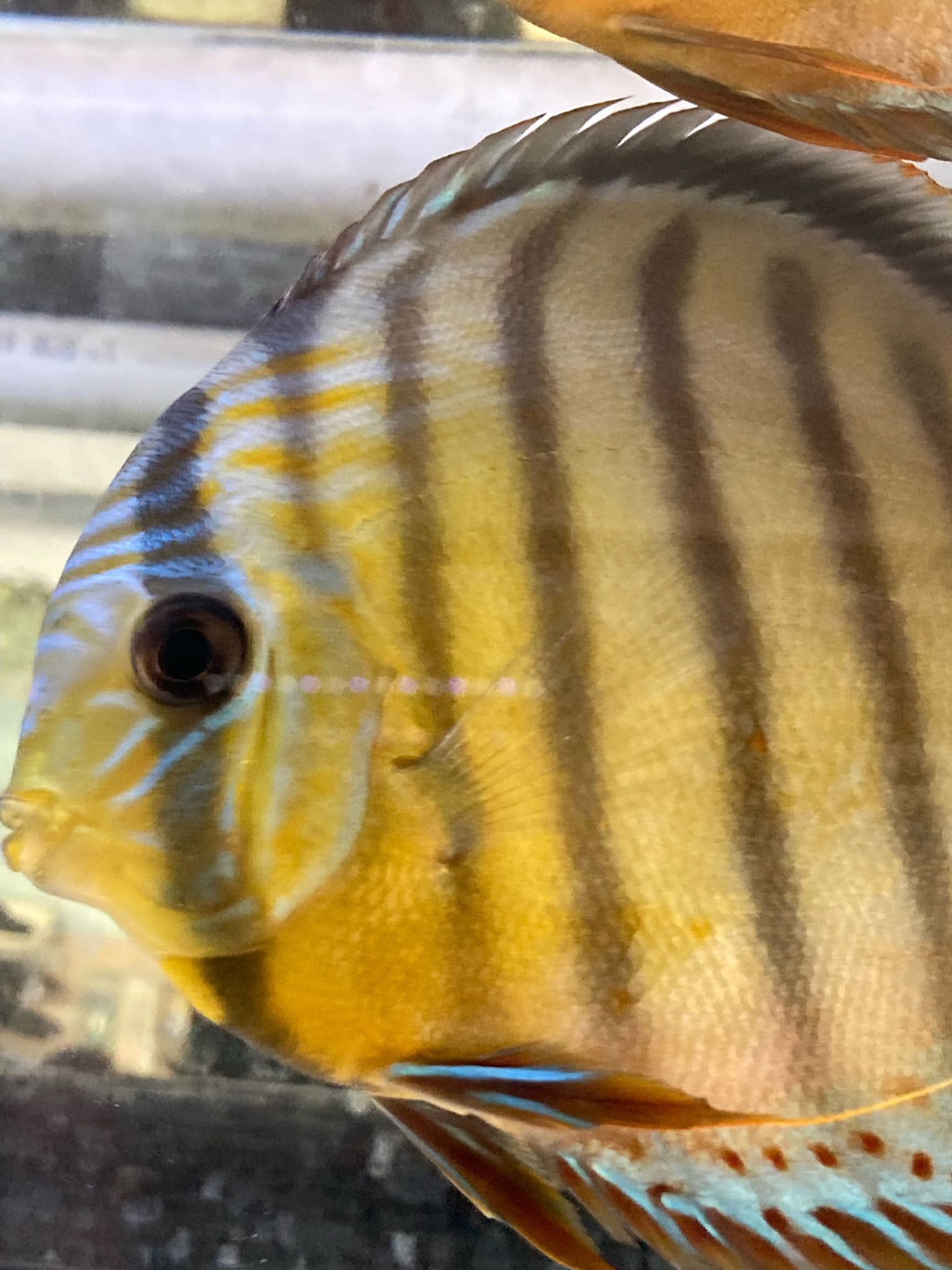
How Much Do Discus Fish Cost? Price Guide & Market Data
Discus sit in the upper mid-range price tier on FishyHub in the US, above angelfish and most other cichlids but below collector fish such as arowana and flowerhorn. They are also one of the most heavily listed freshwater fish on the US marketplace, and discus listings have a narrow price spread, so sellers broadly agree on what a discus of a given size and strain is worth.
Key Findings
- FishyHub marketplace data shows discus sit in the upper mid-range price tier in the US.
- FishyHub data shows discus cost more than angelfish, apistogramma and African and American cichlids in the US, which are mid-range, and rams, which are entry-level / budget.
- FishyHub data shows discus supply is very high in the US, among the most heavily listed freshwater fish on the marketplace.
- FishyHub data shows US discus listings have a narrow price spread, so comparable discus are priced alike across sellers.
- FishyHub data shows discus listing activity in the US is rising.
- FishyHub data shows collector-tier fish such as arowana, flowerhorn and datnoids sit above discus in the US, making discus the premium choice among mainstream aquarium cichlids.
- FishyHub search data shows "discus" is among the terms shoppers search for most on the marketplace.
Discus Prices Compared With Other Cichlids
| Fish | Price tier | Supply | Price spread |
|---|---|---|---|
| Rams | Entry-level / budget | Moderate | Narrow |
| African cichlids | Mid-range | High | Moderate |
| American cichlids | Mid-range | Very high | Wide |
| Angelfish | Mid-range | High | Moderate |
| Apistogramma | Mid-range | Moderate | Moderate |
| Discus | Upper mid-range | Very high | Narrow |
| Flowerhorn | Collector / premium | High | Very wide |
Discus are the only mainstream cichlid group in the upper mid-range in the US. Angelfish, their closest relatives in the hobby and often kept alongside them, sit a full tier lower.
What Drives the Price of a Discus
FishyHub does not split discus listings by strain or size, so this section explains, from hobby knowledge, what buyers pay for within the upper mid-range tier.
Size
Size is usually the biggest factor. Discus are usually sold by body size, from small juveniles to fully grown adults and proven breeding pairs. Raising a discus to adult size takes many months of frequent feeding and water changes, and every month of grow-out is built into the price. Adults and pairs cost far more than juveniles of the same strain.
Strain and color
Captive-bred discus come in many line-bred strains. Listed alphabetically, popular ones include:
- Blue diamond
- Checkerboard and leopard patterns
- Pigeon blood
- Red melon
- Red turquoise
- Snake skin
- White and albino forms
Strains with clean, even color and no peppering, or with rare patterns, sit higher in the tier. Wild-caught discus, such as Heckel or other wild forms, are prized by specialists for their natural look and history, and are often priced separately from captive-bred lines.
Grade
Within a strain, breeders grade fish on body shape (as round as possible), eye size relative to body, fin condition and color intensity. A high-grade fish of a common strain can cost more than a low-grade fish of a fashionable one.
Why the Price Spread Is Narrow
A narrow price spread may seem surprising given how many strains exist. It reflects a mature breeding industry: discus are produced by established breeders in large numbers, sizes are standardized, and buyers compare like with like. In practice, most US sellers on FishyHub price comparable discus, of the same size and strain, in a similar way. That makes it easier for a buyer to spot whether a listing is good value.
Market Data: Supply and Activity
FishyHub data shows very high discus supply in the US, alongside rising listing activity. Discus share the very high supply tier with American cichlids, goldfish, guppies, plecos and tetras. For buyers, this means plenty of choice and room to compare sellers.
The US marketplace is new, so FishyHub does not yet have US order history for discus and does not report whether discus prices are rising or easing in the US. What can be said is that the supply side is well established, and the strong showing of "discus" in shopper searches points to steady demand.
The Cost of Keeping Discus in the US
The fish is only part of the cost. Discus are one of the more demanding freshwater fish, and from general hobby practice:
- Heat. Discus need warmer water than most tropical fish. In most US homes that means a reliable heater year-round, and in the Midwest & Central, East Coast & Northeast and West Coast & Mountain West zones, it works hard in winter.
- Water. Discus prefer soft, slightly acidic water. Much of the Midwest, Southwest and Texas has hard tap water, so many keepers use a reverse osmosis unit, which adds to the setup cost.
- Water changes. Frequent, large water changes are the norm, especially for juveniles, so time and water conditioner are ongoing costs.
- Tank size. Discus are shoaling fish that grow large, so they need a group in a tall, roomy tank.
- Food. Juveniles need several meals a day, often including beefheart mix or frozen foods.
Buying Discus Online in the US
Discus are shipped by overnight courier in insulated boxes. Because they need warm water, winter shipments usually need heat packs, and sellers may pause shipping during cold snaps. A seller within your own delivery zone usually costs less to ship from, and Alaska, Hawaii & territories is generally the most expensive zone to reach. Discus are best bought as a group from the same seller, both to share the shipping cost and to start with fish raised in the same water.
Methodology
This page is based on FishyHub marketplace activity in the US over the period from October 2024 to October 2026. We looked at active discus listings and their typical listed prices in USD, price spread, supply, new-listing activity, comparable cichlid categories, and search terms. Findings are reported as tiers and directions, not as figures.
FishyHub does not categorize discus by strain or size, so those price drivers are explained from hobby knowledge. The US market has no order history in this data, and price direction is not reported for the US. Search terms combine the US and Singapore markets. Notes on keeping costs and shipping come from general hobby practice; FishyHub does not report shipping costs by zone or discus activity by state.
Frequently Asked Questions
How much does a discus fish cost?
On FishyHub in the US, discus sit in the upper mid-range price tier, above angelfish and most cichlids and below collector fish such as arowana and flowerhorn.
Why are discus fish so expensive?
They take a long time to grow, need warm, soft, very clean water during grow-out, and are line-bred for color and shape. Adults and high-grade fish cost the most.
Are discus hard to find in the US?
No. FishyHub data shows very high discus supply in the US, so buyers have plenty of sellers to compare.
Are discus more expensive than angelfish?
Yes. FishyHub places discus in the upper mid-range and angelfish in the mid-range in the US.
How to Cite This Page
Source: FishyHub, "How Much Do Discus Fish Cost? Price Guide & Market Data" (2026), https://fishyhub.com/us/blogs/blog-detail/how-much-do-discus-fish-cost-price-guide-market-data


