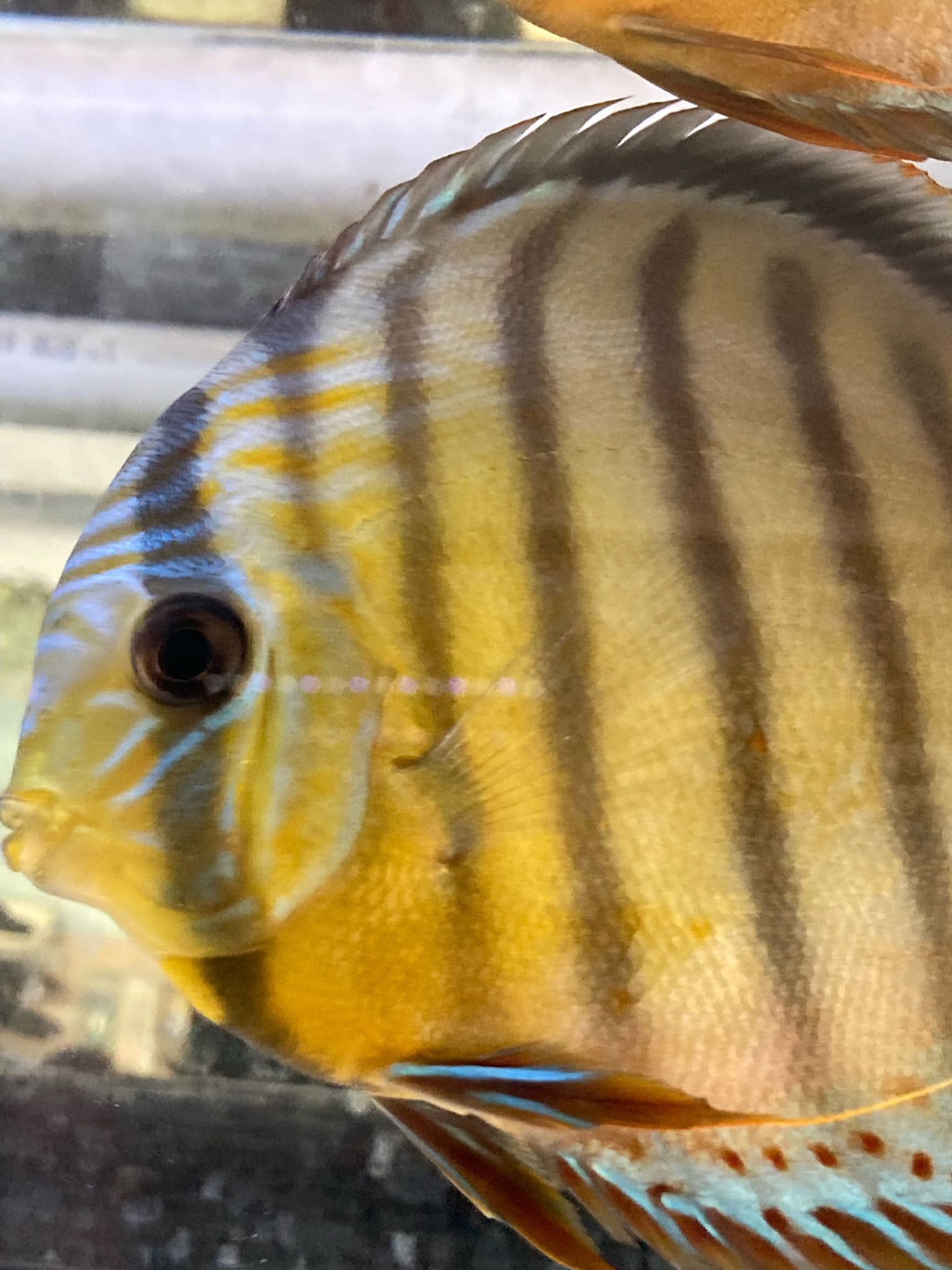
Discus Fish Statistics 2026: Prices, Popularity & Trends
Discus are a premium freshwater fish on FishyHub in the US: they sit in the upper mid-range price tier, above bettas, angelfish and most other cichlids. Despite that, US discus supply is very high, the price spread between listings is narrow, and discus listing activity is rising. In short, discus cost more than everyday community fish, but American buyers have plenty of choice and fairly consistent prices.
Key Findings
- FishyHub marketplace data shows discus have very high supply in the US, the top supply tier on the marketplace.
- FishyHub data shows US discus are listed in the upper mid-range price tier, above angelfish, apistogramma and rams.
- FishyHub data shows US discus listings have a narrow price spread, so sellers broadly agree on what a discus is worth.
- FishyHub data shows discus activity in the US is rising, in line with angelfish, apistogramma and other cichlids.
- FishyHub data shows discus are among the best-supplied cichlids on the US marketplace, alongside American cichlids and the mixed "Other Cichlid" group.
- FishyHub search data shows "discus" is among the most searched terms on the marketplace.
How Popular Are Discus in the US?
On FishyHub, the clearest sign of discus popularity in the US is supply. Discus are in the very high supply tier, alongside only a few other freshwater groups such as goldfish, guppy listings and tetras. For a fish in a higher price tier, that is unusual: it reflects an established network of US breeders and importers who specialize in discus.
Search confirms the interest. "Discus" is among the most searched words on FishyHub, in the same tier as "betta", "angelfish" and "guppy". Discus have a reputation as the "king of the aquarium", and many keepers aim to keep a group once they have some experience with community fish.
Why US keepers choose discus
- Color and presence. Large, round, brightly patterned fish make a striking centerpiece in a planted or bare display tank.
- Behavior. Discus are social, recognize their keepers and raise their young, feeding fry on a special skin secretion.
- Strain variety. Breeders offer many color strains, from blue diamonds and red melons to pigeon bloods and wild-type Heckels.
Discus Prices in the US
FishyHub groups listed prices into tiers. US discus sit in the upper mid-range. Here is how they compare with related cichlids in the US data:
| Group | Supply | Price tier | Price spread |
|---|---|---|---|
| African cichlids | High | Mid-range | Moderate |
| American cichlids | Very high | Mid-range | Wide |
| Angelfish | High | Mid-range | Moderate |
| Apistogramma | Moderate | Mid-range | Moderate |
| Discus | Very high | Upper mid-range | Narrow |
| Rams | Moderate | Entry-level / budget | Narrow |
The narrow spread is notable. With many specialist sellers, US discus prices cluster tightly, and the difference between one seller and another comes mainly from size and grade rather than wildly different pricing.
What drives discus prices
- Size. Juveniles are cheaper; adults ready to pair or show cost more because they take months of careful feeding and frequent water changes to grow out.
- Strain. Clean, solid-color strains and stable high-grade lines cost more than common strains.
- Wild-caught fish. Wild discus from South America carry a premium because of collection and import costs.
- Grade. Round body shape, even color and clear eyes separate show-grade fish from pet-grade ones.
- Bought in groups. Discus do best in groups, so most buyers purchase several at once, which raises the cost of getting started.
Trends in US Discus Activity
FishyHub's momentum signal compares new listings in the recent year with the year before. US discus are rising, as are angelfish, apistogramma, rams, parrot fish, African and American cichlids and the Other Cichlid group. The whole cichlid family is growing on the US marketplace.
Because the US marketplace is new, FishyHub does not yet have US order history, buyer-interest tiers or price-direction data for discus. The trend here describes listing activity, not sales or price moves.
Keeping Discus in the US
Discus need warmer water than most tropical fish, so every US discus tank needs a reliable heater, and a backup is wise in the Midwest & Central and East Coast & Northeast zones, where winters are long. Discus also prefer soft, clean water. Tap water across much of the Midwest, Texas and the Mountain West is hard, so many US keepers use reverse osmosis water or mix it with tap water.
Frequent large water changes are the core of discus care. Keepers who cannot commit to that routine are better served by angelfish or rams first.
Discus ship by overnight courier in insulated boxes, usually with heat packs in winter. Because they are sensitive to temperature swings, buyers in the West Coast & Mountain West zone or in Alaska, Hawaii & territories should plan for longer transit and higher shipping costs. A local fish store lets you inspect fish before buying, while specialist breeders online offer more strains and grades.
Methodology
This page is based on FishyHub marketplace activity in the US over the period from October 2024 to October 2026. We looked at active discus and cichlid listings, listed prices and price spread, new listings over time, and search terms. Findings are reported as tiers and directions, not as figures.
The US marketplace is new, so this data has no US order history, no US price-trend data and no buyer-interest tier for discus. FishyHub does not track discus by individual strain. Search terms combine the US and Singapore markets. FishyHub does not measure how many Americans keep discus or what they spend, and the data does not cover local fish stores or breeders selling elsewhere.
Frequently Asked Questions
How much do discus fish cost in the US?
On FishyHub, US discus sit in the upper mid-range price tier, with a narrow spread between listings. Adults, rare strains and wild fish cost more than juveniles.
Why are discus fish so expensive?
They take months to grow out with warm water, frequent water changes and rich food, and good strains need careful selection. Most keepers also buy a group rather than one fish.
Are discus fish popular in the US?
Yes. Discus have very high supply on FishyHub's US marketplace, listing activity is rising, and "discus" is among the most searched terms.
Are discus hard to keep?
They are demanding rather than difficult. Warm, soft, very clean water and a regular water-change routine are the keys.
How to Cite This Page
Source: FishyHub, "Discus Fish Statistics 2026: Prices, Popularity & Trends" (2026), https://fishyhub.com/us/blogs/blog-detail/discus-fish-statistics-2026-prices-popularity-and-trends


