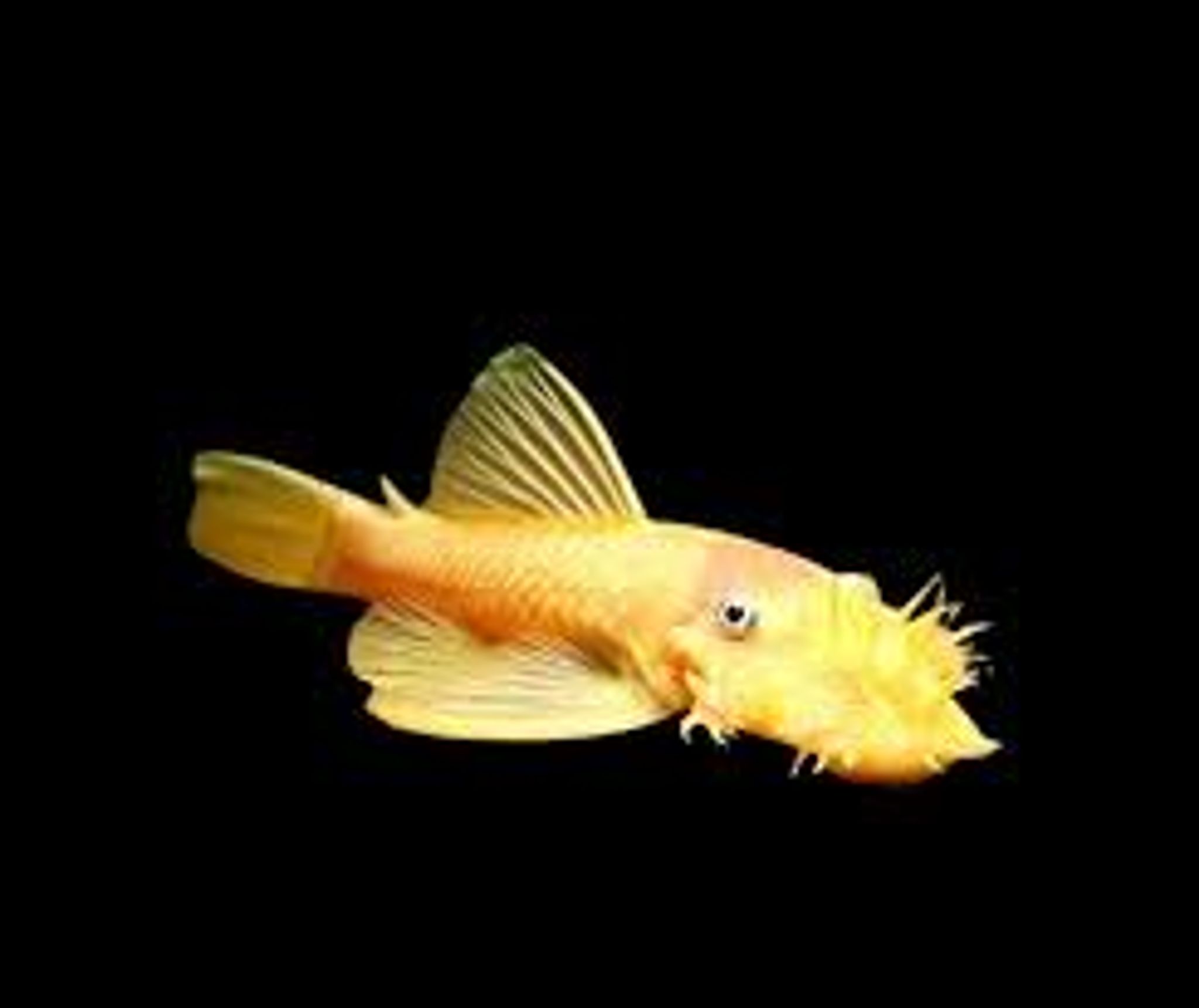

Bristlenose Pleco Care Guide: Tank Size, Diet, Water Parameters and Temperament
The bristlenose pleco (Ancistrus, often sold as "bushynose") is the small, manageable pleco most home aquariums actually need, staying 3–5 inches instead of the 12–18+ inches a common pleco can reach. This guide covers the exact tank size, water parameters, feeding routine and temperament notes to keep one healthy for years, not just the first month.
Quick Spec Box
| Trait | Range |
|---|---|
| Adult size | 3–5 in (8–13 cm) |
| Time to full size | About 1.5–2 years |
| Lifespan | 5–10 years typical, 12+ possible |
| Minimum tank | 20 gal for one adult |
| Comfortable tank | 29–30 gal, +10 gal per extra pleco |
| Temperature | 72–80°F (22–27°C), 74–78°F ideal |
| pH | 6.5–7.5 (tolerates 6.0–7.8) |
| Hardness | 2–15 dGH |
| Ammonia / nitrite | 0 ppm |
| Nitrate | Under 20–40 ppm |
| Diet | ~80–85% plant matter, ~15–20% protein |
| Temperament | Peaceful, nocturnal, males territorial with each other |
What It Is
Bristlenose plecos are armored suckermouth catfish in the family Loricariidae, genus Ancistrus — the fish sold in stores is usually Ancistrus cf. cirrhosus or dolichopterus. Both sexes grow soft, fleshy tentacles on the snout, but males carry noticeably more of them, and they extend further up the head. That difference is the easiest way to tell males from females once the fish matures.
Plecos: Expectations vs. Reality
New keepers often buy "a pleco" expecting a self-running cleanup crew, then discover their fish is outgrowing a 20-gallon tank. Common and sailfin plecos reach 12–18+ inches and need 75–125+ gallon tanks as adults — not realistic for most living rooms. Bristlenose plecos, along with a handful of other small species, are the honest answer for a normal-sized tank, but even they need daily food and regular maintenance. No pleco is a substitute for water changes.
Tank Size and Setup
A single adult bristlenose needs a 20-gallon minimum, though a 29–30 gallon tank is more comfortable and leaves room for more than one fish. Add roughly 10 gallons of volume per additional pleco. A 10-gallon tank is too small for an adult long term, even though juveniles look fine in one at the pet store.
Décor priorities:
- Driftwood is close to essential — bristlenose plecos rasp it for fiber and graze the biofilm that grows on it, and skipping it tends to cause poor digestion and more chewing on live plants.
- Caves or pleco tubes, rocks, and plants give hiding spots and reduce territorial conflict.
- Sand or smooth gravel works fine; substrate depth isn't critical since these fish graze surfaces rather than dig.
- Dim areas help a naturally shy, nocturnal fish settle in.
- Cover intakes so fry and small juveniles don't get pulled into a filter.
Flow and Oxygen
Bristlenose plecos come from well-oxygenated streams, so they do best with strong filtration (they produce a lot of waste for their size) and good surface agitation. A fish gasping at the surface or darting up for air is a sign oxygen is too low — increase flow or surface movement rather than assuming it's normal behavior.
Water Parameters
- Temperature: 72–80°F (22–27°C), with 74–78°F as the ideal middle ground. Sources vary wildly here — some list temperatures as low as the 60s, which is too cool for a tropical fish, while others push into the mid-80s, where oxygen levels drop. Staying in the 72–80°F band avoids both problems.
- pH: 6.5–7.5, tolerating 6.0–7.8. Recommendations elsewhere range from soft/acidic (5.5–7.0) to harder alkaline water (up to 7.8); tank-bred bristlenose plecos do fine across typical US municipal tap water, and stability matters more than hitting an exact number.
- Hardness: soft to moderately hard, about 2–15 dGH. Tank-bred stock handles average US tap water without special adjustment.
- Ammonia and nitrite: 0 ppm at all times.
- Nitrate: under 20–40 ppm.
- Water changes: weekly, 25–30% of tank volume.
Never add a bristlenose pleco to a brand-new or uncycled tank — there's too little biofilm to graze and the fish is sensitive to ammonia spikes before the nitrogen cycle is established.
Diet and Feeding
Bristlenose plecos are grazers, not carnivores. Aim for roughly 80–85% plant-based food and 15–20% protein as treats:
- Plant-based: algae or spirulina wafers, sinking veggie pellets, gel foods
- Protein treats: bloodworms, brine shrimp, shrimp pellets
- Blanched vegetables: zucchini, cucumber, spinach, shelled peas, sweet potato
Weight vegetables down with a fork or a veggie clip so they sink and stay put, and remove leftovers after about 12–24 hours so they don't foul the water.
Feed once a day, or split into two small feedings, and time it around lights-out since this fish is nocturnal. Whether you feed once or twice matters less than the total amount — don't overthink the schedule. A slightly rounded belly means the fish is well fed; a sunken belly is a clear sign it isn't getting enough.
A Sample Weekly Menu
| Day | Offering |
|---|---|
| Mon, Wed, Fri | Algae/spirulina wafer |
| Tue, Thu | Blanched zucchini or cucumber slice (clipped) |
| Sat | Sinking veggie pellets |
| Sun | Small portion of bloodworms or shrimp pellets |
Driftwood should be present every day of the week — it's a constant grazing source, not an occasional supplement.
The Algae Myth
A bristlenose pleco grazes soft algae and biofilm effectively, but it does not touch hair algae, black beard algae, or staghorn algae, and it will not replace routine tank maintenance. Relying on algae alone as the only food source leads to starvation and a visibly sunken belly over time.
Temperament and Tank Mates
Bristlenose plecos are peaceful and shy during the day, becoming bolder once they've settled into a tank — hiding constantly for the first week or two after introduction is normal, not a health problem. Dim lighting and patience usually resolve it.
Males are territorial with other males over caves, so keep one male per small tank. Two males sharing a cramped space typically leads to cave fights and torn fins. Larger tanks with multiple caves spread well apart can support several bristlenose plecos, including mixed groups.
Good tank mates: tetras, rasboras, livebearers, corydoras, gouramis, peaceful barbs, dwarf and medium cichlids, and adult shrimp.
Avoid: fin- or tentacle-nipping fish (tiger barbs, puffers), large aggressive cichlids, and other cave-competing plecos in small tanks. An underfed bristlenose pleco may also suck the slime coat off slow, flat-bodied fish like discus or angelfish, which is another reason feeding matters.
Adult shrimp are generally left alone, and shrimp keepers restocking a community tank can browse shrimp options on FishyHub alongside their pleco. For rounding out a peaceful community, small community fish like tetras and rasboras pair well.
Sexing and Breeding
Sexing becomes reliable at 6–9 months. Males have large, branching bristles that extend up the head and thicker, spinier pectoral fin rays. Females have few or no bristles — usually just a small row along the snout edge.
Bristlenose plecos are among the easiest egg-laying fish to breed. Basic requirements:
- One male, one or more females
- A cave sized to fit the male
- Stable, clean water
A large, cooler water change (dropping the temperature to about 72–74°F) often triggers spawning. Clutches run about 20–100 orange eggs, which the male fans and guards until they hatch in 4–10 days. Fry live off their yolk sacs for a few days before needing food — offer wafers, vegetables, and baby brine shrimp, with driftwood present from the start.
If a tank produces more fry than intended, remove caves or separate the sexes to stop further spawning. Established fry can be raised out and rehomed or traded locally rather than left to overcrowd the tank.
Common Varieties
Albino, longfin, super red (orange), calico, lemon/blue-eyed, and starlight bristlenose plecos are all color or fin variations with identical care needs — the starlight is technically a separate species with white spots, but is kept the same way. Albino eyes are more light-sensitive, so give albino fish extra shade.
Types of Small Plecos Compared
Bristlenose isn't the only nano-to-small pleco option. Here's how the common small species compare:
| Species | Adult size | Min. tank | Temperature | Diet | Difficulty |
|---|---|---|---|---|---|
| Bristlenose | 3–5 in | 20 gal | 72–80°F | Herbivore-leaning | Easy |
| Clown (L104) | 3.5–4 in | 20 gal | 73–82°F | Wood-heavy omnivore | Easy |
| Rubber lip | 4–7 in | 30 gal | 72–80°F | Algae-focused | Easy |
| Zebra (L046) | 3–3.5 in | 20–29 gal | 79–86°F | Protein-leaning omnivore | Intermediate |
| Queen arabesque (L260) | 3.5–4 in | 20–29 gal | 76–82°F | Omnivore, meat-leaning | Intermediate |
| Snowball (L102/L201) | 5–6 in | 30–40 gal | 76–82°F | Omnivore, meat-leaning | Intermediate |
| Tiger (Peckoltia) | 3–4.5 in | 20–30 gal | 74–80°F | Omnivore, carnivore lean | Intermediate |
| Whiptail (Rineloricaria, not a true pleco) | 4–5 in | 20 gal | 72–80°F | Meat-leaning omnivore | Easy |
Larger species like sailfin, common, sunshine (L014), gold nugget (L018/L081/L177), blue phantom (L128), and vampire (L240) plecos reach 7–18+ inches, need warm, high-flow water, are often territorial, and require 50–125 gallon tanks — none of them are drop-in swaps for a bristlenose.
Clown Pleco (L104)
About 3.5–4 inches and comfortable in a 20-gallon tank at 73–82°F. It eats wood heavily, so driftwood isn't optional the way it is for other species — it's a core part of the diet. Temperament is similarly peaceful and shy.
Zebra Pleco (L046)
A small (3–3.5 in), striking, and demanding species. It needs warm water (79–86°F), strong flow, and high oxygen, and leans more toward protein than a bristlenose does. Zebra plecos are expensive and export-restricted, so tank-bred fish are the norm; this is an intermediate-keeper fish, not a beginner substitute.
Snowball and Queen Arabesque
Small, spotted or patterned Hypancistrus species. Queen arabesque (L260) stays around 3.5–4 inches, while snowballs (L102/L201) can reach 5–6 inches and appreciate 30–40 gallon tanks. Both eat more meat than a bristlenose and prefer warm, very clean water.
Tiger Plecos (Peckoltia)
Striped species including the L306 blood-red tiger and red-fin dwarf types, running 3–4.5 inches. They're omnivores with a carnivore lean and do well in 20–30 gallon tanks, though they're rarer and pricier than bristlenose plecos.
Rubber Lip Pleco
At 4–7 inches and needing 30+ gallons, this is probably the closest alternative to a bristlenose for a keeper who wants a dedicated algae grazer with an equally easygoing temperament.
Red Lizard Whiptail Catfish
A related suckermouth fish (Rineloricaria) that isn't technically a true pleco. It needs a sand substrate, eats meatier foods than a bristlenose, and is very peaceful at around 4–5 inches.
Hobbyists comparing these options can browse the full range of plecos, corydoras and bottom dwellers on FishyHub, including the pleco selection directly.
Health: White Fungus and Cottony Growths
Cottony tufts on a pleco usually come from one of two sources: true water-mold fungus, often following a physical injury, or columnaris, a bacterial infection that can look fuzzy or present as a saddle-shaped patch. Check water quality first, since both conditions often follow poor conditions. Plecos are scaleless, so treatments containing copper or malachite green should be dosed at half strength or avoided entirely.
Common Mistakes
- Relying on algae alone as food, leading to starvation and a sunken belly.
- Skipping driftwood, which causes poor digestion and increases plant chewing.
- Keeping two males in a small tank, which leads to cave fights and torn fins.
- Adding the fish to an uncycled tank before enough biofilm has built up.
- Using an uncovered heater — plecos rest against heaters and can get burned; use a heater guard.
- Assuming constant hiding is a problem — it's normal for a new fish; give it dim lighting and time.
- Ignoring chewed plant leaves (on swords or Amazon frogbit roots) — this usually means the fish is underfed or needs more vegetables.
- Letting waste build up — a heavy bioload needs a properly sized filter plus regular gravel vacuuming.
- Overlooking a sudden population boom — remove caves or separate sexes if you don't want fry.
Buying and Legal Notes
When choosing a fish, look for tank-bred stock with a rounded belly and no pinched sides or white patches, and quarantine new arrivals for 2–4 weeks before adding them to an established tank. Never release a bristlenose pleco, or any pleco, into the wild — released plecos are invasive in US waterways including Florida, Texas, and Hawaii. If a tank produces more fish than you can house, rehome or trade them locally instead.
Frequently Asked Questions
Will a bristlenose pleco clean my tank?
It keeps glass and driftwood biofilm down but isn't a substitute for maintenance. It still needs daily food and the tank still needs regular water changes.
Can it live in a 10-gallon tank?
Not as an adult. A 10-gallon works only for a juvenile short-term; the minimum for an adult is 20 gallons.
How many can I keep per tank?
One male per 20–30 gallon tank. Females, or a male with multiple females in a trio-style group, fit better in larger tanks with several spread-out caves.
Does it eat live plants?
Rarely, if it's well fed. Hardy plants like anubias and java fern are the safest choice since they hold up to occasional grazing.
Is it safe with shrimp and snails?
Yes, adult shrimp are generally left alone by a well-fed bristlenose pleco. Any competition with snails over food is harmless.
Why is my pleco hiding or not eating?
It's naturally nocturnal, so daytime hiding is normal, especially in a new fish still settling in. If it persists along with poor appetite, test your water parameters and try feeding at night instead of during the day.
How do I tell males from females?
Check bristle size and placement — males have larger, branching bristles that extend further up the head, while females have few or none. Males also have thicker, spinier pectoral fin rays. This becomes reliable at 6–9 months of age.
Is care different for albino bristlenose plecos?
Care is identical to standard-colored fish. The one difference is that albino eyes are more light-sensitive, so give them extra shaded areas in the tank.
Ready to add a bristlenose or another small pleco to your setup? Browse tank-bred options in the Plecos, Corys & Bottom Dwellers category on FishyHub.


