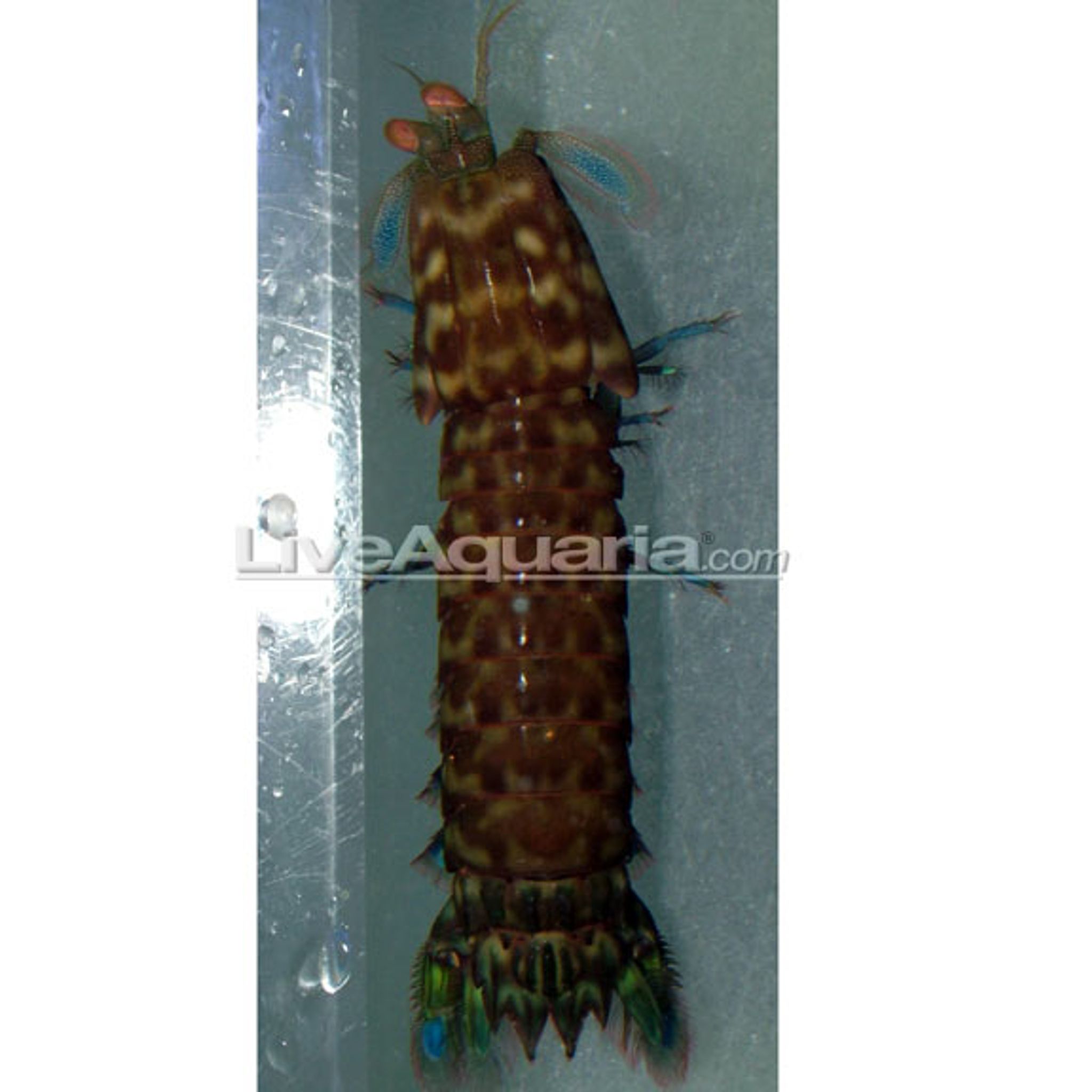
Best Tank Mates for Vampire Shrimp: Safe Fish and Invertebrate Companions
Vampire shrimp are peaceful, shy filter feeders, which means the right tank mates need to be calm enough not to stress them and slow enough not to steal their food. This guide breaks down exactly which fish, shrimp, and snails are safe companions, which animals to avoid entirely, and how the shrimp's biology shapes every compatibility call.
Meet the Vampire Shrimp
The vampire shrimp (Atya gabonensis), sometimes called the African filter shrimp, is a large, nocturnal, and notably peaceful invertebrate. Adults can reach up to 6 inches (15 cm), making them one of the biggest freshwater shrimp commonly kept, yet they pose no threat to tank mates. In good conditions they live 3–5+ years, and unlike dwarf shrimp such as cherry or Amano shrimp, they will not reproduce in a home freshwater aquarium — their larvae require brackish or marine water to develop.
One important clarification before choosing tank mates: vampire shrimp are not the same animal as vampire crabs. Vampire crabs are a separate, semi-terrestrial genus that needs a paludarium-style land-and-water setup and can be aggressive toward smaller tank mates. Because the names sound alike, care advice for one often gets mistakenly applied to the other. If you're shopping for the true filter-feeding shrimp, look specifically for Atya gabonensis rather than any "vampire" crab species.
Invertebrates in the Aquarium: A Quick Primer
Shrimp, snails, and crabs have become staples of freshwater tanks because they control algae and detritus, add low bioload compared to fish, and bring unique movement and color to a display. When mixing any invertebrates into a community tank, a few general rules apply regardless of species:
- Avoid pairing inverts with predatory or highly active, nippy fish.
- Match water parameter needs across all residents — a species that requires very soft, acidic water won't thrive alongside one that needs harder, more alkaline conditions.
- Account for bioload and territory, especially in smaller tanks where crowding raises stress and aggression.
Vampire shrimp fit into this broader invert-keeping hobby as one of the calmest, largest, and most rewarding species to watch, provided their tank mates respect their filter-feeding lifestyle.
Core Compatibility Rule
The simplest way to vet a potential tank mate is to ask three questions: Is it calm? Is it small to medium in size? Will it leave the vampire shrimp's food alone? Species that are non-predatory, unhurried, and not aggressive competitors for food are almost always safe. Anything fast, nippy, or large enough to view the shrimp as prey is a risk — especially right after a molt, when the shrimp's shell is soft and it can't defend itself.
Best Fish Tank Mates
Small, peaceful schooling fish make excellent companions because they largely ignore an adult vampire shrimp and don't compete for the same food source.
- Tetras: cardinal, ember, neon, rummynose, lemon
- Rasboras: harlequin, chili (Boraras), lambchop
- Bottom dwellers: corydoras catfish, otocinclus, kuhli loaches
- Small danios: zebra, pearl
- Other calm community fish: pearl gourami, cherry barbs, guppies
Browsing options for a peaceful shoal is easy when you shop small community fishes alongside bottom-dwelling species like corydoras, both of which pair well with a vampire shrimp's calm temperament.
Fish That Are Fine for the Shrimp, But Risky for Shrimp Fry
Some fish are perfectly safe around an adult vampire shrimp but will happily eat the fry of other, smaller dwarf shrimp species sharing the tank. This includes some barbs, larger danios, and Boraras species. The nuance matters: these fish are not a threat to the vampire shrimp itself, but if you're also trying to breed cherry shrimp or similar dwarf species in the same tank, expect the fry population to take losses.
Best Invertebrate Tank Mates
Other Shrimp
Peaceful dwarf shrimp species coexist well with vampire shrimp because they don't compete aggressively for the same space or food:
- Cherry shrimp
- Amano shrimp
- Ghost shrimp
- Bamboo/wood shrimp
- Blue velvet shrimp
- Tiger shrimp
- Snowball shrimp
Amano shrimp and bamboo/wood shrimp are worth calling out specifically — they're also filter or detritus feeders, which makes them "sibling" species to vampire shrimp in terms of niche and behavior, rather than competitors.
Snails
Algae-eating and scavenging snails occupy a different feeding niche entirely, so they rarely interact negatively with vampire shrimp:
- Nerite snails
- Mystery snails
- Trapdoor snails
- Ramshorn snails
- Malaysian trumpet snails
If you're stocking a mixed invertebrate tank, the shrimp category is a good starting point for sourcing compatible dwarf shrimp species alongside your vampire shrimp.
Species to Avoid Entirely
Some animals are simply incompatible with a shy filter feeder, regardless of tank size or setup:
| Group | Why to Avoid |
|---|---|
| Cichlids | Territorial, often large enough to injure or eat shrimp |
| Goldfish | Messy, cold-water needs conflict with shrimp parameters, may nip |
| Crayfish | Predatory and territorial toward other invertebrates |
| Large or nippy gouramis | Can pick at antennae and legs, especially post-molt |
| Oscars and other large predatory fish | View shrimp as food |
| True crabs | Predatory toward smaller shrimp and snails |
The danger is highest right after a molt, when the shrimp's new shell hasn't hardened yet and it has no way to defend itself.
Water Parameters and Tank Setup
Getting the environment right matters just as much as choosing the right neighbors.
- Temperature: 75–84°F (24–29°C)
- pH: 6.5–7.5 (sources vary slightly on the exact range, but staying within this window and prioritizing stability over hitting an exact number matters more)
- GH: 6–20 dGH
- KH: 2–10 dKH
- Ammonia/nitrite: 0 ppm
- Nitrate: under roughly 20 ppm
For tank size, plan on a 15–20 gallon minimum, with roughly 3–5 gallons per shrimp if keeping more than one. Sand substrate is preferred over gravel because it protects the shrimp's delicate, fan-shaped feeding appendages from abrasion. Since vampire shrimp are filter feeders, moderate-to-strong water current is essential — an extra powerhead or angled filter outflow helps deliver food particles continuously. Round out the setup with driftwood, rock caves, and plants; vampire shrimp are naturally shy and need multiple retreats, especially once tank mates are added.
Feeding Around Tank Mates
Vampire shrimp comb food particles out of the water current using fan-shaped front legs, and they'll also scavenge off the substrate at night. Because they're shy and largely nocturnal, they can easily miss meals if a tank is only fed during the day while faster fish crowd the water column.
- Feed after lights-out when possible, so quicker tank mates aren't competing directly.
- Supplement the natural current-feeding with fine powdered foods: crushed flake, powdered shrimp or algae wafers, and spirulina or phytoplankton powder broadcast into the current.
- Target feeding near a known hiding spot if a tank mate is consistently out-competing the shrimp.
Molting: What to Expect in a Mixed Tank
The General Molt Process
During a molt, the old exoskeleton separates from the body as a new, soft shell forms underneath. The shrimp then absorbs water to expand its body and crack out of the old shell. Because vampire shrimp have a slower metabolism and larger body size than smaller dwarf shrimp species, their molt cycle tends to be less frequent overall — sources describe adult vampire shrimp molting anywhere from roughly every 4–8 weeks in younger, faster-growing individuals, slowing to every couple of months or longer as they mature and growth tapers off.
Calcium and mineral availability directly support healthy molts. This is one reason GH and KH targets matter beyond general water chemistry — a cuttlebone, mineral-rich substrate additive, or remineralizing salt can help ensure the shrimp has what it needs to form a strong new shell.
Why Leftover Shells Matter
After a molt, the shrimp is soft and essentially defenseless for several hours up to about a day. This is the single riskiest window in a mixed-species tank, which is why dense hiding cover matters most immediately before and after molting. It's also why the molted exoskeleton itself is valuable: it's rich in calcium and minerals, and shrimp (or snails) will often consume it. Leave a shed shell in the tank for a few days rather than removing it immediately.
Temporary color fading after a molt is completely normal and typically returns to normal within days — don't mistake it for illness or an attack from a tank mate.
Reading Pre-Molt and Post-Molt Behavior
Before a molt, shrimp often become lethargic and reduce feeding. After a molt, expect pale coloration and increased hiding. Recognizing these patterns helps you avoid mistaking normal molting behavior for illness or predation stress caused by tank mates.
Common Mistakes to Avoid
- Feeding only during the day: shrimp hide when lights are on, especially with faster fish competing for food, and can go hungry. Feed at night or target their hiding spot directly.
- Housing with active or nippy fish: even non-predatory but hyperactive species — large barbs, boisterous cichlids — can stress a naturally shy filter feeder into constant hiding and starvation.
- Removing molted shells immediately: this strips the tank of calcium the shrimp and other invertebrates need. Wait a few days before removing an uneaten shell.
- Low or stagnant water flow: filter feeders depend on current to deliver food particles. A still tank starves them no matter what food you dose.
- Confusing vampire shrimp with vampire crabs: crabs are semi-terrestrial, predatory toward smaller shrimp and snails, and require a completely different land/water setup. Mixing up the two names is a common source of bad tank-mate advice.
- Sudden parameter swings or startling environments: abrupt changes, strong lighting, or vibration can trigger prolonged hiding or even failed molts.
Introducing Vampire Shrimp to an Established Tank
When adding a vampire shrimp to a tank that already has fish, use a slow drip acclimation method rather than a quick temperature-and-dump approach — invertebrates are far more sensitive to sudden parameter shifts than most fish. Also double-check that no copper-based medications have been used in the tank recently, since copper is lethal to shrimp and other invertebrates even in small residual amounts. If you're adding new fish to an existing invertebrate tank, quarantining them first reduces the risk of introducing disease that could affect the whole community.
Frequently Asked Questions
Can vampire shrimp live with betta fish?
Generally yes, if the betta has a calm temperament. Bettas can occasionally nip at antennae or legs, but they usually ignore adult vampire shrimp. Providing ample hiding spots reduces the risk further.
Can vampire shrimp live with other shrimp species?
Yes. Cherry, Amano, ghost, and bamboo/wood shrimp are commonly kept alongside vampire shrimp since none of them compete aggressively for the same food source or space in a way that harms the vampire shrimp.
Will vampire shrimp eat baby fish or shrimp fry?
No. Vampire shrimp are filter and detritus feeders, not predators, and pose no threat to fry of any kind.
Can vampire shrimp be kept with snails?
Yes. Most peaceful, algae-eating snails — nerite, mystery, and trumpet snails among them — are compatible since they occupy a different feeding niche entirely.
Do vampire shrimp need to be kept in groups?
Not strictly, but they are social and shy by nature. In a tank with adequate space, keeping 2–4 or more together tends to make them feel more secure and display more openly.
Are vampire shrimp aggressive toward tank mates despite the name?
No. The name refers to their appearance and habits — red eyes, nocturnal activity, and blood-red color morphs — not their temperament. They're among the most peaceful invertebrates kept in freshwater aquariums.
Can vampire shrimp live in a community tank with cichlids?
This isn't recommended. Most cichlids are too large, territorial, or predatory, and pose a serious risk of injury or predation toward vampire shrimp.
Ready to build out a peaceful community around your vampire shrimp? Browse freshwater livestock on FishyHub to find compatible fish, dwarf shrimp, and snails suited to a calm, filter-feeding setup.


