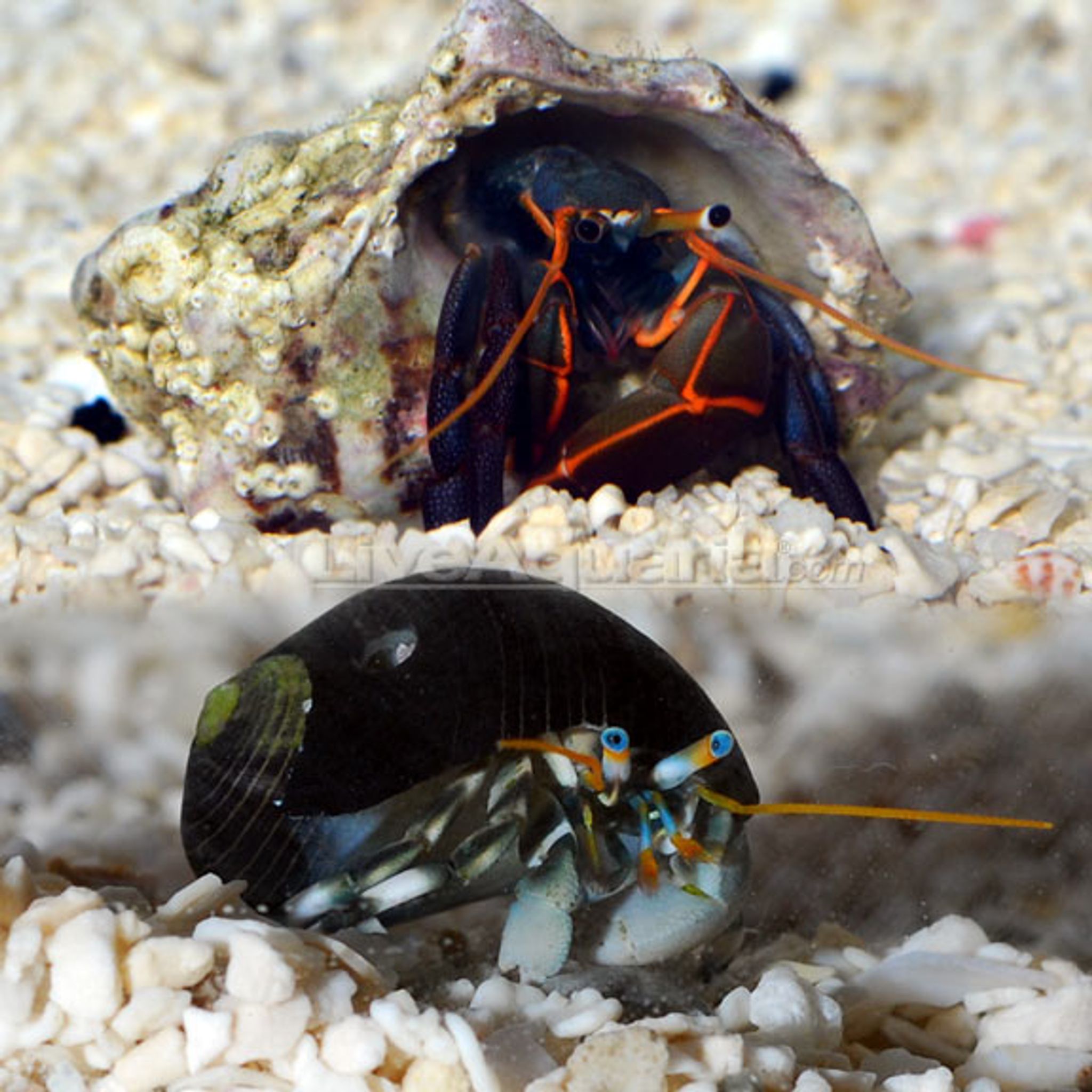

Best Tank Mates for Thai Micro Crab: Safe Fish and Invertebrate Companions
Thai micro crabs are tiny, fully aquatic scavengers that do best with calm, similarly small companions rather than a busy community tank. This guide breaks down exactly which fish and invertebrates coexist peacefully with them, which ones carry real risk, and how to set up the tank so everyone stays safe.
Know the Species Before You Stock
Before picking tank mates, confirm which crab you actually have. "Thai micro crab" almost always refers to Limnopilos naiyanetri, a fully aquatic dwarf crab that never leaves the water and reaches under 1 inch (2.5 cm) across the carapace. It's easily confused with Geosesarma species — sometimes marketed as "vampire crabs" or "tangerine crabs" — which are semi-terrestrial and require land access, humid air space, and a paludarium-style setup.
This distinction matters because the two species need completely different housing. Mixing up the care sheets is one of the most common mistakes new keepers make, and it directly affects which tank mates make sense.
Origin and Temperament
Limnopilos naiyanetri comes from slow-moving streams in Thailand. In the aquarium it is:
- Small — adults stay under 1 inch across the shell
- Nocturnal — most active after lights-out, hiding during the day
- Omnivorous — a scavenger and detritivore that eats algae, biofilm, leftover food, and dead organic matter
- Semi-social but territorial — small groups do fine together, but individuals will squabble over favorite caves if hiding spots are scarce
Because it's slow-moving and weak-swimming, it relies on cover and calm tank mates rather than speed to stay safe.
Tank Basics That Affect Tank Mate Choice
The crab's habitat requirements narrow down which fish and invertebrates will actually thrive alongside it.
- Tank size: 10 gallons (38 L) minimum once you're adding fish tank mates to a small crab group; a 5-gallon (19 L) tank can work for crabs alone but gets cramped fast with any fish added.
- Temperature: 72–78°F (22–26°C)
- pH: 6.5–7.5, soft to moderately hard water
- Water flow: slow to gentle — strong current stresses crabs, which mostly walk and climb rather than swim
- Decor: heavily planted, with driftwood, moss, and leaf litter to create cover and biofilm for grazing
Any tank mate you choose should tolerate these same moderate, stable conditions, and shouldn't need vigorous current or bare-bottom setups that leave crabs exposed.
Safe, Risky, and Avoid: A Stocking Table
Use this table as a quick reference before adding anything to a Thai micro crab tank.
| Category | Examples | Compatibility | Why |
|---|---|---|---|
| Safe fish | Ember, neon, and chili tetras; harlequin and celestial pearl rasboras; endler's livebearers; otocinclus; pygmy or habrosus corydoras | Safe | Small, peaceful, occupy mid/upper water column or graze algae; ignore slow bottom-dwellers |
| Safe invertebrates | Nerite snails, mystery/apple snails | Safe | Shells too tough for a sub-1-inch crab to bother |
| Conditional invertebrates | Neocaridina and caridina shrimp | Generally safe, some risk | Healthy adults usually coexist fine; molting or newborn shrimp are occasionally caught |
| Bonus cleanup crew | Ramshorn and bladder snails | Safe, expected predation | Crabs may pick off a few — most keepers see this as useful pest-snail control |
| Risky fish | Guppies (in numbers), larger barbs | Use caution | Fine in small numbers but can outcompete crabs for food if overstocked |
| Avoid | Tiger barbs, serpae tetras | Avoid | Known fin-nippers that will pick at crab claws and legs |
| Avoid | Angelfish, larger gouramis, larger cichlids | Avoid | Large enough to eat a crab under 1 inch |
| Avoid | Crayfish, clown loaches, aggressive bottom cichlids, other crab species | Avoid | Compete for the same niche, can injure or kill crabs, or fight over territory |
| Avoid | Bettas | Not recommended | Can be aggressive toward small bottom crustaceans and may nip legs/antennae |
Fish That Work Well
The best fish tank mates share three traits: small adult size, a peaceful temperament, and a preference for the middle or top of the water column.
- Small tetras — ember, neon, and chili tetras stay well clear of the substrate and ignore crabs entirely.
- Small rasboras — harlequin rasboras and celestial pearl danios are similarly peaceful and size-appropriate.
- Otocinclus — algae grazers that spend time on glass and driftwood rather than competing with crabs for cave space.
- Pygmy and habrosus corydoras — small corydoras species are gentle enough to share the substrate with crabs without conflict, since they forage differently and rarely compete for the same hiding spots.
- Endler's livebearers — active but non-aggressive; guppies work too, kept in moderate numbers so they don't crowd out the crabs' food.
You can browse a range of appropriately sized nano fish, including tetras, on FishyHub when planning a stocking list.
Invertebrates: The Shrimp Question
Shrimp and Thai micro crabs are often described as a classic pairing, but the full picture is more nuanced. Adult neocaridina or caridina shrimp in a well-planted, well-fed tank generally coexist fine with the crabs. However, crabs are opportunistic scavengers, and a molting shrimp — soft-shelled and temporarily immobile — or a newly hatched shrimplet is a much easier target.
The realistic takeaway: expect some natural attrition among the weakest or smallest shrimp over time, and don't plan a mixed tank around building an exploding shrimp colony. If you want shrimp purely as a display species without worrying about breeding output, this pairing works well. You can browse shrimp on FishyHub for a range of colors and species suited to a planted micro crab setup.
Snails are more straightforward:
- Nerite and mystery/apple snails are safe — their shells are too tough for the crab to damage.
- Ramshorn and bladder snails are fine as extra cleanup crew; occasional predation on them is expected and even welcomed as a way to keep pest-snail populations in check.
Fish and Animals to Avoid
Steer clear of anything that fits one of these categories:
- Large enough to eat a sub-1-inch crab: larger cichlids, larger gouramis, angelfish, and larger barb species.
- Fin- and leg-nippers: tiger barbs and serpae tetras are known to pick at claws and legs, even if they can't swallow the crab whole.
- Aggressive bottom-dwelling competitors: crayfish, clown loaches, and aggressive bottom cichlids compete for the same hiding spots and can injure crabs.
- Other crustaceans: other crab or crayfish species should be avoided — territorial fighting and cross-species predation are both real risks.
- Bettas: while not a guaranteed disaster, bettas can be territorial and may nip at a crab's legs or antennae, so they're not generally recommended.
Feeding Strategy to Reduce Predation Risk
Underfeeding is one of the biggest drivers of crab-on-tank mate conflict. A hungry crab is far more likely to go after a slow shrimp or fry than a well-fed one. Offer a varied diet:
- Algae wafers for grazing
- Blanched vegetables (zucchini, spinach) a couple of times a week
- Protein sources like frozen bloodworms or shrimp pellets to satisfy the crab's omnivorous, scavenging nature
Feeding at night, when crabs are most active, also helps them find food directly instead of hunting live tank mates.
Water Quality and Group Size
Thai micro crabs share the same sensitivities as most freshwater shrimp:
- Avoid copper-based medications entirely if crabs or shrimp are present — copper is toxic to both.
- Fully cycle the tank before adding crabs, and keep ammonia and nitrite at zero.
- Acclimate slowly — sudden parameter swings during introduction stress crabs and shrimp alike and are a common cause of early losses.
For group size, keep crabs in groups of 3–5 or more rather than singly. Provide more caves and hiding spots than there are crabs — this single change does more to reduce both crab-on-crab aggression and incidental stress on shrimp and snails than almost anything else you can do.
Common Mistakes to Avoid
- Adding large or fin-nipping fish that treat the crab as prey or a target.
- Understocking hiding spots, which triggers territorial disputes between crabs and stresses shrimp competing for the same cover.
- Using copper-based medications or letting nitrates climb, harming crabs and shrimp together.
- Assuming this species needs a paludarium or land area — that's vampire crab care, not Limnopilos naiyanetri.
- Underfeeding, which pushes crabs toward hunting shrimp fry, snails, and weaker tank mates.
- Overcrowding the bottom of the tank with too many species competing for the same food and caves.
- Rushing acclimation instead of drip-acclimating slowly over time.
Frequently Asked Questions
Can Thai micro crabs live with shrimp?
Generally yes, with healthy adult shrimp in a well-planted, well-fed tank. Expect occasional predation on molting or baby shrimp — it's not a guaranteed way to run a thriving shrimp breeding colony alongside crabs.
Do Thai micro crabs need to leave the water?
No. The true aquatic species, Limnopilos naiyanetri, stays fully submerged and doesn't need land or humid air space, unlike vampire or land crabs sometimes sold under similar names.
Will Thai micro crabs kill fish?
Not typically. They're too small and slow to catch healthy adult fish, but they will scavenge sick or dying fish and may pick at eggs or fry if given the chance.
Can I keep multiple Thai micro crabs together?
Yes. Keep them in groups of 3–5 or more and provide ample hiding spots to reduce territorial disputes between individuals.
What snails are safe with Thai micro crabs?
Nerite and mystery snails are generally safe thanks to their protective shells. Smaller pest snails like ramshorns or bladder snails may be preyed on occasionally, which many keepers consider a helpful bonus for pest control.
What size tank do I need for Thai micro crabs with fish?
A 10-gallon (38 L) tank or larger is recommended once fish tank mates are added, giving enough swimming room and stable water parameters for everyone.
Are Thai micro crabs aggressive?
They're mostly peaceful scavengers, though they can be territorial toward each other over favorite caves. They're not typically aggressive toward fish tank mates.
Can Thai micro crabs be kept with betta fish?
It's not generally recommended. Bettas can be territorial toward small bottom crustaceans and may nip at a crab's legs or antennae.
Once you've settled on a stocking plan, you can browse compatible nano fish and freshwater invertebrates in FishyHub's freshwater livestock selection to build out a peaceful Thai micro crab community tank.


