
Best Tank Mates for Otocinclus Catfish: Compatible Fish and Species to Avoid
The best tank mates for otocinclus are small, peaceful fish and invertebrates that like the same soft, tropical water: tetras, rasboras, pencilfish, corydoras, kuhli loaches, small gouramis, bettas, shrimp and snails. Skip anything big enough to swallow an oto, anything that hogs food, and anything that needs hard water or cool temperatures. Below is a yes/maybe/no guide, the reasons behind each call, and sample stocking plans for 10–29 gallon planted tanks.
Why Otocinclus Need Careful Pairing
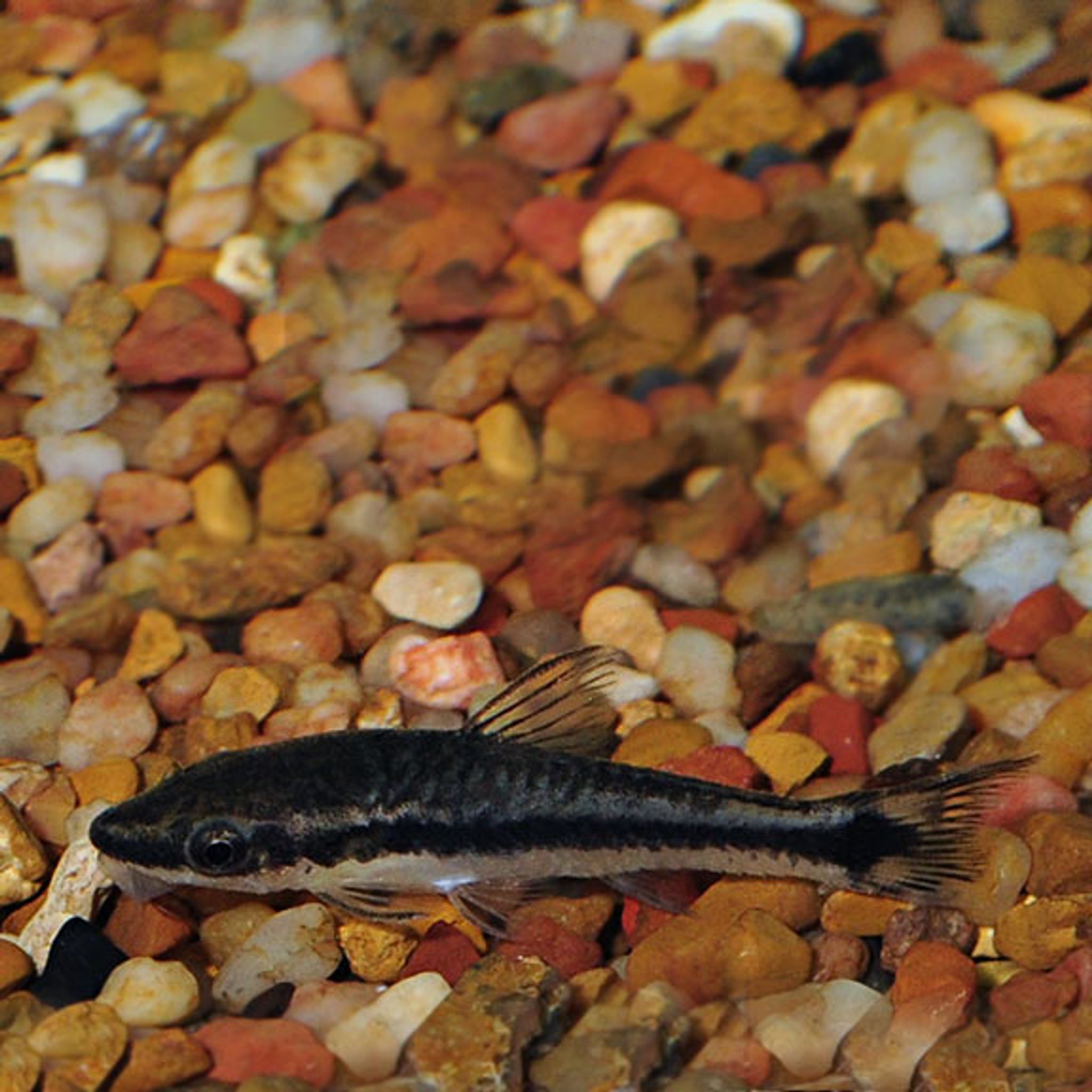
Otocinclus, or "otos," are tiny armored catfish that reach only 1.5–2 inches (4–5 cm). They have no aggression at all, and their only defenses are bony plates and a talent for hiding. So picking tank mates for them mostly comes down to three questions:
- Could this fish eat or injure an oto? (mouth size, predatory habits)
- Will it beat otos to the food? (fast bottom feeders, other algae grazers)
- Does it want the same water? (temperature, pH, hardness)
Know which oto you have
Several species are sold in the US, most commonly Otocinclus vittatus, O. affinis and O. macrospilus. Store labels vary, and different species can share the same "oto" or "dwarf sucker" label. The zebra oto, Otocinclus cocama, is a showier fish that needs pristine water and is less forgiving than the common types. Treat it as an advanced fish and pair it only with very calm species.
Otocinclus Care Basics That Shape Compatibility
| Parameter | Recommended | Notes |
|---|---|---|
| Temperature | 74–78°F (23–26°C) | Safe overlap is 72–79°F (22–26°C); some sources allow up to 82°F (28°C) |
| pH | 6.5–7.5 | Quoted ranges run 6.0–7.5 |
| Hardness | Soft to moderately hard | Keep under about 15 dGH |
| Group size | 6 | At least 5–6; more is better |
| Tank size | 20 gallons (76 L)+ planted | 10 gallons (38 L) works for 5–6 with steady supplemental feeding |
| Lifespan | 3–5 years | With good care |
Sources disagree on minimum tank size (10, 20 or 30 gallons). A 10-gallon tank can hold a small group if you feed them, a planted 20-gallon is the realistic sweet spot because it grows more algae and biofilm, and 30 gallons is more cautious than it needs to be.
Group size also gets debated (4, 5 or 6+). Buy six. Otos are social, and lone fish or pairs tend to hide, stop eating and fade.
Feeding matters as much as tank mates
Otos graze biofilm and soft algae, so they belong in a mature tank, one that has run for several months. Even then, supplement with algae or spirulina wafers and blanched zucchini, cucumber or spinach. Remove leftovers within about 24 hours so they don't foul the water.
Tank Mate Compatibility Chart
| Species | Verdict | Why |
|---|---|---|
| Neon, ember, cardinal, rummy-nose tetras | Yes | Small, peaceful, same soft-water profile |
| Harlequin and chili rasboras | Yes | Stay mid-water, never bother otos |
| Pencilfish | Yes | Gentle, soft-water fish |
| Guppies, endlers | Yes | Small, peaceful livebearers |
| Cherry barbs | Yes | Calm, unlike most barbs |
| Corydoras (including pygmy corys) | Yes | Eat leftovers, not algae |
| Kuhli loaches | Yes | Scavenge in the substrate |
| Honey and dwarf gouramis | Yes | Peaceful surface and mid-water fish |
| Bettas | Yes (usually) | Ignore otos; both do well around 78°F (26°C) |
| Apistogramma, rams | Yes, in a big enough tank | Peaceful dwarf cichlids that need their own space |
| Platies | Maybe | Fine temperament, but prefer harder water |
| Mollies | Maybe (with compromise) | Want harder, more alkaline water than otos |
| Bristlenose pleco | Maybe | Peaceful, but competes for food; 20 gallons+ with extra wafers |
| Siamese algae eater | Maybe | Grows to about 6 in (15 cm), needs 30 gallons+, can outcompete otos |
| Juvenile angelfish | Maybe, short term | Adults may harass or eat otos |
| Tiger barbs, larger barbs | No | Fin-nippers that grab food first |
| Chinese algae eater | No | Gets aggressive and latches onto flat-sided fish |
| Oscars, large cichlids, large catfish, puffers | No | Big mouths and predatory habits |
| African rift cichlids | No | Hard, alkaline water and aggressive behavior |
| Goldfish | No | Cool-water fish with a heavy waste load |
| Crayfish and crabs | No | Catch sleeping or resting fish |
Best Fish Tank Mates for Otocinclus
Small schooling fish
Tetras, rasboras and pencilfish are the classic pairing. They spend their time mid-water, share the same soft, slightly acidic to neutral water, and are too small to threaten an oto. You can browse small community fishes that fit this profile.
Small livebearers
Guppies and endlers are good matches. Platies and mollies get along with otos but prefer harder, more alkaline water. Mollies especially work only as a compromise, with both species kept near the edge of their comfort range, so they're best left out of a soft-water planted tank.
Bettas and gouramis
Bettas usually ignore otos entirely. A 10-gallon tank or larger at around 78°F (26°C) suits both. Honey gouramis and dwarf gouramis are also calm enough.
Dwarf cichlids
Opinions on cichlids range from "avoid them all" to "peaceful ones are fine." The middle ground is best: dwarf South American cichlids such as apistogramma and rams are okay in a tank with enough room and cover. Medium and large cichlids, and all African rift cichlids, are a no. Adult angelfish sit at maybe-to-no. Juveniles are harmless, but a full-grown angel has a mouth large enough to be a risk.
Best Invertebrate Tank Mates
Otos are among the safest fish you can keep with shrimp. They don't eat shrimp or shrimplets, which makes them a favorite in breeding tanks.
- Neocaridina (cherry) and caridina shrimp: fully compatible, including babies.
- Amano shrimp: great partners that go after hair algae.
- Snails: nerite, mystery, ramshorn and rabbit snails all work.
A selection of freshwater shrimps is available if you're building a shrimp-and-oto setup.
Species to Avoid With Otocinclus
- Predators with big mouths: grown angelfish, larger cichlids, oscars, large catfish and puffers will treat otos as food.
- Crayfish and crabs: they catch fish resting on the bottom or glass.
- Fin-nippers and boisterous fish: tiger barbs and larger barbs stress otos and take food first.
- Chinese algae eaters: they become aggressive with age and latch onto flat-sided fish.
- Hard-water specialists: African rift cichlids need water chemistry otos can't handle.
- Goldfish: the wrong temperature range, plus bulk and heavy waste.
The Hidden Risk: Food Competition
More otos die of slow starvation than of attacks. Bristlenose plecos, other plecos, and large groups of fast bottom feeders can clear algae and wafers before otos reach them. To keep otos fed:
- Feed after lights-out, when otos are active and diurnal fish have settled.
- Feed in several spots so one fish can't guard it all.
- Use a vegetable clip to hold zucchini or greens on the glass where otos graze.
- Check bellies: a rounded belly means well fed, and a sunken one means they're losing out.
Ancistrus (Bristlenose Plecos) as Tank Mates
Ancistrus is a huge genus, and scientists keep describing new species. Most bristlenose plecos stay around 4–5 inches (10–13 cm), are peaceful toward other fish, and are territorial mainly toward other plecos. They are compatible with otos as long as food is plentiful. Keep them in 20 gallons or more and add extra wafers so the pleco doesn't vacuum up everything. You can browse plecos, corys and bottom dwellers to plan a bottom crew.
Stick and Twig Catfish (Farlowella, Sturisoma)
These slender loricariids are fellow soft-water algae grazers with the same gentle temperament as otos. They need driftwood, very clean water, and 30 gallons or more. They make excellent but delicate companions, and both they and your otos will need supplemental greens so neither goes hungry.
Best Freshwater Algae Eaters: How Otos Compare
| Algae eater | Best at | Caveats with otos |
|---|---|---|
| Otocinclus | Diatoms (brown algae), soft green film | Need a mature tank and supplements |
| Amano shrimp | Hair algae | Fully compatible |
| Nerite snails | Green spot algae | Fully compatible |
| Siamese algae eater | Black beard algae | Grows to about 6 in, needs 30 gallons+, may outcompete otos |
| Chinese algae eater | Not recommended | Aggressive with age |
| Common pleco | Not recommended | Gets far too large and eats the food |
Otos plus amano shrimp plus nerite snails handles most algae types without the three competing for the same food.
Top Planted-Tank Fish: Algae Eaters and Scavengers
Otos rank near the top as algae grazers for planted tanks. Pair them with scavengers that work a different niche, like corydoras (leftovers on the substrate) and kuhli loaches (sifting through sand), so the bottom crew isn't fighting over the same food.
Aquascaping for otos
- Plants, driftwood and smooth rocks give otos surfaces to graze.
- Broad leaves such as anubias and Amazon swords are favorite resting spots.
- Use fine sand or smooth gravel.
Planted Tank Problem Solving
Otos don't damage plants, but planted tanks come with their own risks:
- Copper: some fertilizers and medications contain it, and otos are sensitive.
- CO2 overdose at night: otos gasping at the surface is a warning sign. Cut CO2 at lights-out and add surface agitation.
- Parameter swings: heavy fertilizing or big trims can spike ammonia or nitrate.
- An overly clean tank: a spotless planted tank can starve otos. Leave some film on the hardscape and feed supplements.
Stocking Order and Buying Tips
Add otos last, after the tank is established and the community is settled. That way there's grazing available and the tank is calm.
When buying in the US:
- Ask how long the otos have been in the store. Pick fish that have been there at least a week.
- Choose fish with rounded bellies and skip any with sunken ones.
- Drip acclimate slowly.
- Remember that wild-caught imports often arrive starved, so plan to feed them heavily at first.
Sample Stocking Plans
| Tank | Stocking |
|---|---|
| 10 gallons (38 L) | 6 otos, cherry shrimp colony, 1 nerite snail |
| 20 gallons (76 L) | 6 otos, 10 ember tetras, 6 pygmy corydoras, a few amano shrimp |
| 29 gallons (110 L) | 8 otos, a school of rasboras, an apistogramma pair or honey gouramis, kuhli loaches |
As a rough rule, scale up by about one oto per 2–3 gallons beyond the base group, but only if there's plenty of food.
Common Mistakes and Troubleshooting
- Adding otos to a new tank (under about 3 months): they starve. Wait, or feed wafers and vegetables daily.
- Keeping one or two: they hide and stress. Buy six.
- Sunken belly: the fish is underfed. Spot-feed blanched zucchini at night.
- Sudden deaths in the first two weeks: usually import stress, starvation or ammonia. Test the water, quarantine new arrivals, and buy stock that has already settled in at the store.
- Plecos or loaches eating everything: set up multiple feeding stations and feed after lights-out.
- Otos darting to the surface: low oxygen or too much CO2. Increase surface agitation.
- Medications: like many catfish, otos are sensitive to copper and some dewormers. Use half doses with caution and move shrimp out first.
Frequently Asked Questions
Can otos live with bettas?
Usually, yes. Bettas tend to ignore otos, and otos stay out of the betta's way. A tank of 10 gallons or more kept around 78°F (26°C) suits both.
Will otos eat shrimp or shrimp babies?
No. Otos graze algae and biofilm and are among the safest tank mates for shrimp, including newborn shrimplets.
Can otos live with angelfish?
Juvenile angelfish are fine, but large adults may harass or eat otos. Treat the pairing as risky unless you're ready to separate them as the angels grow.
How many otos should I keep per tank?
Keep six in a 10–20 gallon tank. In larger tanks, add roughly one more per 2–3 gallons, as long as there's enough algae and supplemental food.
Can I keep otos with a bristlenose pleco or cory catfish?
A bristlenose pleco works if you feed extra wafers, since it competes for the same food. Corydoras are an excellent pairing because they eat leftovers on the substrate while otos graze surfaces.
Do otos get along with goldfish, and do they need other otos?
Goldfish are a poor match: they need cooler water and produce a lot of waste. Otos do need other otos, because they're social and single fish decline.
Build Your Oto Community
A calm, soft-water planted tank with small schooling fish, a scavenger or two and some shrimp gives otos what they need: food, company and safety. When you're ready to stock, browse freshwater livestock on FishyHub to plan a community around your otos.


