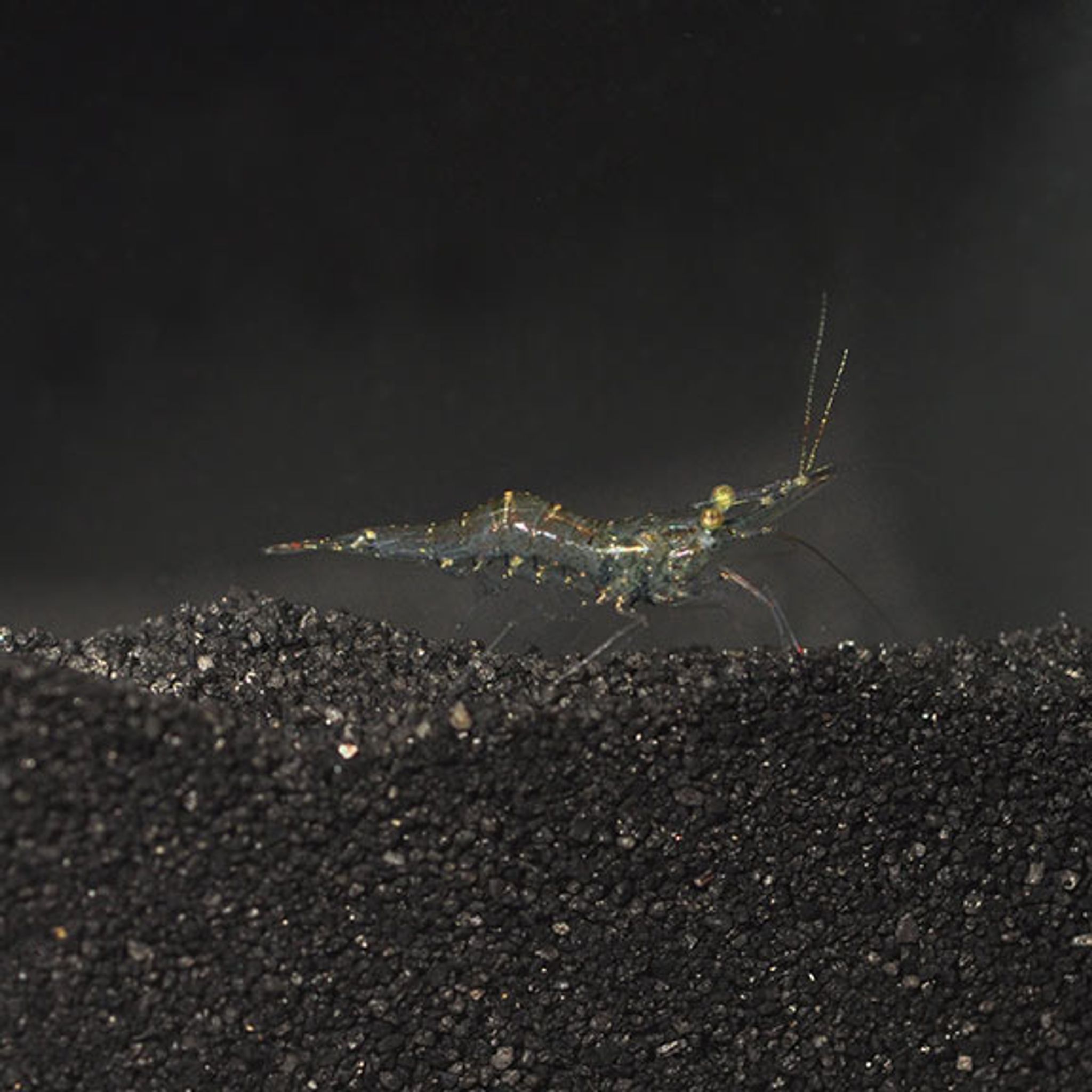
Best Tank Mates for Ghost Shrimp: Safe Fish and Invertebrate Companions
Ghost shrimp are peaceful, translucent scavengers that can share a tank with plenty of community fish, but only if you pick companions too small-mouthed and too calm to see them as a snack. This guide breaks down which fish and invertebrates are genuinely safe, which ones are a gamble, and the setup details that decide whether your shrimp just survive or actually breed.
What Makes Ghost Shrimp Vulnerable in the First Place
Ghost shrimp (Palaemonetes spp., sometimes called glass shrimp) are small, growing to about 1–1.5 inches (2.5–4 cm), and almost see-through. They're sold cheaply, often marketed as feeder stock, but many hobbyists keep them intentionally as cleanup crew and pets because they forage constantly on algae, biofilm, and leftover food.
The core compatibility rule is simple: a tank mate's mouth needs to be too small to swallow a shrimp, and its temperament needs to be calm enough not to chase or nip at one. Anything with a mouth noticeably wider than the shrimp's body is a predation risk — and that risk is highest for juveniles and for adults that have just molted, since a freshly molted shrimp is soft-shelled and defenseless for several hours.
Safe Fish Tank Mates for Ghost Shrimp
The safest fish are small, peaceful, and generally more interested in flake food than in chasing invertebrates around the substrate.
- Neon tetra, ember tetra — classic peaceful nano fish, no interest in hunting shrimp
- Chili rasbora, harlequin rasbora — tiny mouths, schooling temperament
- Celestial pearl danio (galaxy rasbora) — calm, small, good with adult shrimp
- Endler's livebearers and guppies — generally safe, though large male guppies occasionally nip at shrimp antennae or legs
- Otocinclus catfish, pygmy and panda corydoras — bottom-dwelling, algae- and detritus-focused, minimal overlap in aggression
As a rule, favor dwarf or pygmy versions of a species over their larger relatives. You can browse a range of compatible options in FishyHub's small community fish selection or check peaceful bottom dwellers like corydoras.
Compatibility Snapshot
| Species | Risk Level | Notes |
|---|---|---|
| Neon/ember tetra | Low | No predatory interest |
| Chili/harlequin rasbora | Low | Small mouth, peaceful |
| Celestial pearl danio | Low | Calm temperament |
| Guppy, Endler's | Low–moderate | Large males may nip shrimplets |
| Otocinclus, pygmy cory | Low | Bottom-dwelling, non-aggressive |
| Betta | Moderate–high | Highly individual; see below |
| Tiger barb | High | Nippy, opportunistic |
| Angelfish, larger cichlids, oscars | High | Mouth size alone rules them out |
| Goldfish | High | Large mouth, plus cold-water mismatch |
| Clown loach, larger loaches | High | Actively hunt invertebrates |
| Pufferfish | High | Will eat shrimp |
| Crayfish | High | Predatory and territorial |
Fish and Invertebrates to Avoid
Some species are worth flagging clearly as poor matches:
- Angelfish, larger cichlids, and oscars — mouths large enough to inhale a shrimp whole
- Tiger barbs — nippy and opportunistic even toward things they can't fully eat
- Goldfish — a large mouth combined with cold-water needs that don't match a typical shrimp-friendly tropical setup
- Clown loaches and other larger loaches — natural invertebrate hunters
- Pufferfish — shrimp are a preferred food item
- Crayfish — aggressive, territorial, and will actively predate shrimp
The Betta Question
Bettas are the most debated pairing. Some individuals, especially well-fed ones in a spacious, heavily planted tank, tolerate shrimp without issue. Others will hunt them down within days. Because temperament varies so much betta by betta, treat this as a high-risk, individual-dependent pairing rather than a beginner-safe default — fine if you're willing to accept some losses or have a backup plan to separate the shrimp, but not something to count on. If you're set on trying it, you can view current stock in the betta category before deciding.
Invertebrate Tank Mates
Ghost shrimp generally do well with other peaceful invertebrates that occupy a similar niche:
- Nerite snails and mystery snails — among the safest possible tank mates; no predatory behavior at all
- Amano shrimp — larger, equally peaceful algae grazers
- Cherry shrimp and other neocaridina — different genus from ghost shrimp, so crossbreeding isn't a concern, though food competition and slightly different care preferences are worth watching in a mixed setup
Avoid pairing ghost shrimp with aggressive crayfish, which will treat them as prey rather than roommates. FishyHub's shrimp category is a good place to compare species side by side if you're planning a mixed invertebrate tank.
Tank Setup: The Biggest Factor in Shrimp Survival
Species selection matters, but hiding places and plant density matter more. Even a technically "safe" fish can pick off shrimp in a bare tank simply because there's nowhere to retreat.
Aim for:
- Dense planting — java moss, java fern, and thick stem plants give shrimp cover and grazing surface
- Floating plants — dim the light and reduce stress, since shrimp are naturally more active in lower light
- Hardscape hiding spots — caves, driftwood, and leaf litter add vertical and horizontal cover
- A minimum planted tank of roughly 10 gallons (38 L) for a mixed shrimp-and-fish community gives enough space for both territory and hiding cover; smaller tanks work for shrimp-only setups but leave little margin once fish are added.
Keep ghost shrimp in groups of 6 or more. A larger group feels more secure, behaves more naturally and visibly, and gives you a better shot at seeing breeding activity, since losses to natural attrition or occasional predation won't wipe out the whole group.
Water Parameters and Feeding
Ghost shrimp are adaptable but do best with stable conditions:
- Temperature: 65–82°F (18–28°C)
- pH: 7.0–8.0
- Hardness: moderate
They're sensitive to copper-based medications and to ammonia or nitrite spikes, so always check medication and fertilizer labels before dosing a tank that houses them — copper is highly toxic to shrimp and other invertebrates even at doses safe for fish.
For feeding, shrimp mostly forage on biofilm, algae, and fish leftovers, but it's worth supplementing with a sinking algae wafer or blanched vegetables occasionally so they aren't entirely dependent on scraps and don't lose out to faster-swimming fish at feeding time.
Are Ghost Shrimp Nocturnal?
Yes, ghost shrimp are naturally nocturnal scavengers. In a well-fed aquarium they often forage during the day simply because food is abundant and predators are absent — not because daytime activity is their true rhythm. Molting, mating, and hatching mostly happen at night, when shrimp are most vulnerable to predation. Their compound eyes are adapted for low-light foraging, and prolonged, intense lighting can raise stress and lower survival over time. A proper day/night lighting cycle along with shaded hiding spots helps them feel secure, and bold or predatory tank mates will suppress daytime activity even further.
Reasons to Add Shrimp to a Freshwater Aquarium
Beyond compatibility, ghost shrimp bring real benefits to a community tank:
- Natural cleanup crew — they eat algae, leftover food, and detritus, which helps water quality
- Inexpensive and easy to source — a low-cost way to add activity to a tank
- Visual interest — their constant foraging and movement add life to the lower and mid layers
- Live food source — in dedicated feeder setups for larger predatory fish, though that's a different goal from building a coexistence tank
- Easy entry into invertebrate breeding — they breed readily under the right conditions, making them a low-stakes way to try breeding invertebrates
If your goal is a feeder colony, the calculus is different — you're not trying to protect them from predators. This guide focuses on the coexistence case: shrimp that live alongside fish and actually survive to breed.
Common Mistakes to Avoid
- Assuming "peaceful" means "safe" without checking mouth size relative to the shrimp — a fish with a small mouth can still eat shrimplets even if it leaves adults alone
- Skipping hiding places — even nominally safe species will pick off shrimp in a bare or sparsely planted tank
- Using copper-based medications or fertilizers in a shrimp tank without reading the label
- Sudden parameter swings — shrimp are more sensitive to pH, temperature, and ammonia shifts from overstocking than many community fish
- Keeping too few shrimp — small groups are more prone to being wiped out by predation or natural attrition, which prevents breeding
- Confusing ghost shrimp with amano or cherry shrimp — they're similar but not identical in care needs
- Assuming low daytime visibility means illness — it's often just normal nocturnal behavior
Acclimation Matters More Than People Expect
Ghost shrimp die easily from poor acclimation because they're highly sensitive to rapid changes in temperature and water chemistry — more so than most fish. A slow drip acclimation over 30–60 minutes, rather than a quick float-and-dump, meaningfully improves survival odds when introducing new shrimp to an established tank.
Molting Windows and Tank Mate Choice
Freshly molted shrimp are soft-shelled and essentially defenseless for several hours after shedding. This is when even a marginally risky tank mate is most likely to cause a loss, and it's one reason dense cover matters: a molting shrimp needs somewhere to hide until its new shell hardens.
Is It Predation or Just Natural Lifespan?
Ghost shrimp typically live 1–2 years, and a shrinking count over many months may simply reflect natural lifespan rather than active predation. Combine that with their nocturnal habits — reduced daytime visibility is normal, not necessarily a sign of trouble. If losses happen quickly and visibly, predation is more likely; if the decline is gradual over a year or more, natural attrition is a reasonable explanation.
Let Biofilm Establish First
A brand-new tank needs time to develop the biofilm and microorganism layer that shrimp rely on for grazing. Waiting a few weeks after cycling, before adding shrimp, gives them an established food source and lets them perform their cleanup role effectively from day one.
Frequently Asked Questions
Will ghost shrimp get eaten by bettas, tetras, or guppies?
It depends heavily on species and individual temperament. Tetras and guppies are generally low risk, while bettas are a genuine wildcard — some tolerate shrimp fine, others hunt them down, so treat betta pairings as case-by-case rather than a safe default.
Can ghost shrimp live with other shrimp, like cherry or amano shrimp?
Yes, generally. They're peaceful, occupy a similar ecological niche, and won't crossbreed since they're different genera. Watch for competition over food and keep in mind that each species has slightly different care preferences.
Do ghost shrimp need a heater?
They tolerate a fairly wide range of 65–82°F (18–28°C), so they don't strictly require one on their own. In practice, most are kept in tropical community tanks, so the heater is set for the fish's needs and the shrimp simply adapt within that range.
How many ghost shrimp should I keep together?
At least six. A larger group feels more secure, shows more natural and visible behavior, and improves the odds of successful breeding since some losses to attrition or predation won't eliminate the group entirely.
Are ghost shrimp nocturnal — why don't I see them during the day?
Yes, they're naturally nocturnal. Daytime foraging in a home aquarium is opportunistic behavior driven by abundant food and the absence of predators, not their natural rhythm — most molting, mating, and hatching happens at night.
Will ghost shrimp harm my fish or plants?
No. They're scavengers and algae eaters, not predators, so they pose no threat to healthy fish. They may nibble on very soft or already-dying plant tissue, but they won't damage healthy plants.
If you're planning a shrimp-friendly community, start by browsing FishyHub's freshwater livestock selection to compare species compatibility before you buy.


