
Best Tank Mates for Freshwater Stingray: Compatible Fish and Species to Avoid
The best tank mates for a freshwater stingray are large, peaceful fish that live in the middle and upper water, are too big to swallow, and won't beat the ray to food. Silver dollars, geophagus and other calm South American cichlids, clown loaches, bichirs and knifefish head the list, while big plecos, fin nippers, puffers and hard-water species should stay out. Pick the ray first, then choose companions around its footprint, its slow feeding style and its need for soft, warm, very clean water.
Start With the Ray, Not the Fish Count
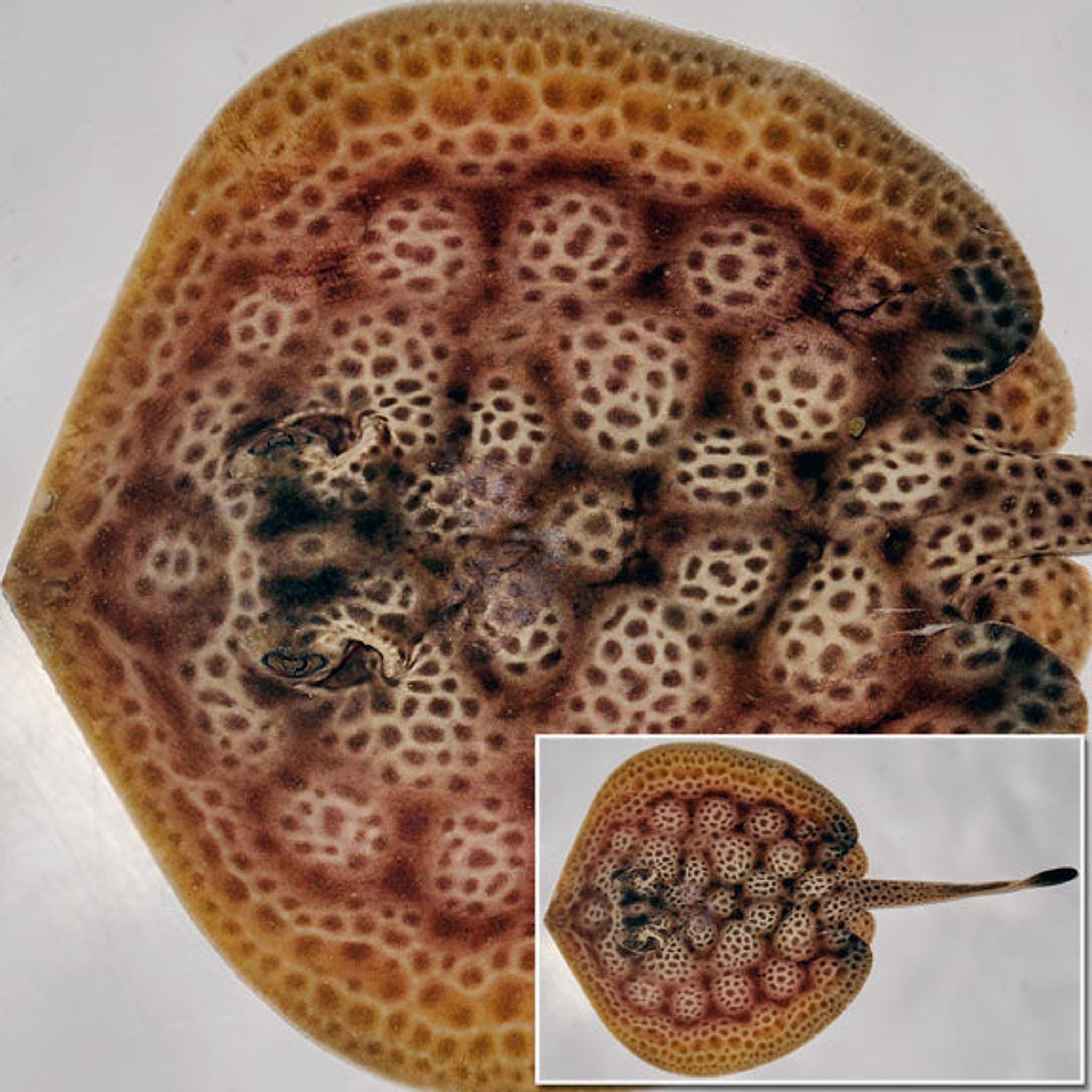
Freshwater stingrays (Potamotrygon species such as motoro, teacup/reticulata, leopoldi, henlei and the many hybrids) are bottom-dwelling predators. They are generally passive but curious, and they explore the sand with their mouths. That leads to two rules:
- Too big to swallow. Small tetras, guppies, shrimp and small loaches will be eaten, usually at night.
- Not a bottom competitor. The sand belongs to the ray. Good companions spend their time in the mid and upper water or claim vertical cover instead of floor space.
The factor keepers most often overlook is food competition. Rays are slow, timid feeders that have to glide over food to eat it. A tank of fast, greedy fish can leave a ray going hungry even when nobody fights. Weigh every candidate by how it behaves at feeding time.
Species and hybrid size change the math
Mate choice depends on which ray you keep. A teacup stays much smaller than a motoro, which can reach a disc of about 24 inches (60 cm), and females grow larger than males. Many hybrids are sold as juveniles with an uncertain adult size. Plan the companions around the largest size your ray could reach, not the size it arrives at.
Tank Size Gates Every Decision
Floor area matters more than height. Rays need a long, wide, fairly shallow footprint to turn and forage.
| Setup | Suggested minimum | Notes |
|---|---|---|
| Teacup/small species, alone or with a few mates | 100+ gal (380+ L); many keepers recommend 180 gal (680 L) | Use the larger figure for permanent housing |
| One adult motoro | 250+ gal (950+ L), about 6 ft (1.8 m) long and wide | Some sources say 150 gal; plan for adult size |
| Ray plus large companions (arowana, big cichlids) | 300+ gal (1,135+ L) | Needed for arowana and aggressive cichlids |
| Each extra adult ray | Add roughly 50–100 gal (190–380 L) | Floor space, not water depth |
Published minimums vary widely. The smaller figures may hold a juvenile for a while, but the larger ones give a better long-term result.
Water Requirements Companions Must Share
Every tank mate has to thrive in the same conditions as the ray:
- Temperature: 76–82°F (24–28°C); some keepers run 78–84°F (26–29°C)
- pH: 6.0–7.0, with many rays tolerating up to about 7.5
- Hardness: soft to moderate, about 3–12 dGH
- Ammonia and nitrite: 0
- Nitrate: under about 20 ppm, ideally 10 ppm or lower
- Maintenance: heavy filtration and large water changes of 30–50% weekly or every other week
Messy companions raise the waste load. That is why oscars and pacu, both big eaters, often push nitrate past what a ray tolerates.
Aquascape for a shared tank
Use soft sand, keep the floor open and skip sharp décor. Put driftwood and rockwork up high or along the back so companions claim vertical territory, not the sand. Cichlids that dig can expose gravel or shift rocks, and either can cut the ray's underside.
Best Tank Mates for Freshwater Stingray
Mid- and upper-water choices
- Silver dollars (group of 6+). Peaceful, fast-moving dither fish that stay off the bottom. Their speed at feeding time means the ray needs target feeding.
- Arowana. A striking surface fish, but a jumper and a predator that competes for food. Only in tanks of about 300 gal (1,135 L) or more.
- Bala sharks. Active schooling fish for long tanks.
- Giant gourami. Calm and slow, but only for large tanks because of its adult size.
- Pacu. Only in huge systems. It grows very large and produces a lot of waste.
- Leporinus. Workable, though some individuals chase tank mates.
Bottom- and mid-water choices (with caveats)
- Geophagus. Among the most recommended companions: peaceful sand-sifters that share soft, warm water. They pick through sand rather than claiming it.
- Severums, festivums and uaru-type cichlids. Calm South American cichlids suited to the same water. Browse American cichlids with adult size in mind.
- Discus or angelfish. Only in large, very clean systems, and only adults (see below).
- Clown loaches in groups. They grow large enough to avoid being eaten.
- Bichirs. Slow bottom fish. Watch that they don't steal the ray's food.
- Datnoids. Large and generally calm with big tank mates.
- Black ghost and other knifefish. Nocturnal and peaceful toward fish too big to eat.
- Fire eel. Burrows and needs space, but is usually compatible.
Quick compatibility guide
| Tank mate | Rating | Main concern |
|---|---|---|
| Geophagus | Excellent | Keep sand soft and clean |
| Silver dollars | Very good | Fast feeders; target-feed the ray |
| Severum / festivum / uaru | Very good | Calm; shares water needs |
| Clown loaches (group) | Good | Buy large enough not to be eaten |
| Bichirs, knifefish, fire eel | Good | Night-time food competition |
| Discus (adults) | Conditional | Needs pristine, warm water |
| Arowana | Conditional | 300+ gal; jumper; feeding competitor |
| Oscar | Borderline | Messy; can bully |
| Convict cichlid | Borderline | Territorial; may nip |
| Red tail catfish | Borderline to avoid | Outgrows tanks; can swallow young rays |
| Common/sailfin pleco | Avoid | Rasps the ray's disc |
Borderline and High-Risk Choices
Oscars can work if they're raised with the ray in a big tank, but they're messy and some bully. Convicts are small yet territorial and may nip. Red tail catfish outgrow most home aquariums and can swallow a juvenile ray.
Opinions are split on aggressive cichlids such as flowerhorn, Jack Dempsey, green terror, red devil and other large Central Americans. Some keepers list them as possible; others advise against them. The safer route is peaceful South Americans first. Attempt aggressive cichlids only with experience, 300+ gal (1,135+ L) and a backup tank ready.
Discus split opinion too. Some keepers pair them successfully. Others point to their strict temperature and cleanliness demands and note that rays eat young discus. If you try it, choose adult discus and keep the water pristine. Browse discus only once your system is stable.
Species to Avoid
- Suckermouth catfish: common and sailfin plecos and other large Hypostomus or Pterygoplichthys. Some sources call them easy, non-aggressive cleanup crew, but experienced keepers report big plecos latching onto rays at night and damaging the disc. Skip them. If you want algae control, a small bristlenose kept with care is the most you should try, or leave algae eaters out entirely.
- Puffers: they bite.
- Fin nippers such as tiger barbs and serpae tetras.
- Freshwater crabs.
- Very small fish, shrimp and snails. They get eaten.
- Large predatory catfish that can swallow a ray.
- Hard or alkaline water species, such as African rift cichlids and livebearers kept in hard water.
- Goldfish. Wrong temperature and too much waste.
Freshwater Stingray Aggression
Rays rarely attack other fish outright. The problems they do cause:
- Eating small fish, especially after lights out.
- Stinging when crowded, startled or cornered. The barb can injure a tank mate that pins the ray.
- Courtship bites. Males bite females during mating, which leaves marks on the disc edges.
- Male squabbles. Two males can quarrel.
- Feeding-time grabbing, the most common flashpoint.
The bigger danger usually runs the other way: fish that nip, rasp or bully the ray. Keep that in mind when you look at any aggressive or suckermouth species.
How to Add Tank Mates Safely
- Add the ray first, or together with calm dither fish, so it settles before competitors arrive.
- Quarantine every newcomer for 4–6 weeks. Parasites and bacterial infections spread fast, and rays react badly to many medications. Avoid copper and some dewormers unless you've researched them for rays.
- Add companions one at a time and watch the ray after each addition.
- Target-feed the ray. Use long feeding tongs or a fixed feeding station, and feed at dusk or after lights out so the ray eats before faster fish notice.
- Keep a rehoming plan. Have a spare tank or a divider ready in case a match fails.
Warning signs of a bad match
- Disc curling (edges rolling up)
- Heavy or rapid breathing
- Refusing food
- Bite marks, rasped patches or white patches on the disc
If you see any of these, test the water first, then watch for harassment, feed separately and remove the new fish if needed.
Common Mistakes and Fixes
- Fast feeders starving the ray. Switch to target feeding and night feeding.
- Adding plecos for algae. Disc wounds follow. Rehome the pleco.
- Small community fish or shrimp. They vanish. Stock only mouth-proof companions.
- Underestimating adult sizes. Plan for the final size of both the ray and its mates.
- Big, messy mates. Oscars and pacu can spike nitrate, which leads to disc curling and appetite loss. Increase water changes and add filtration.
- Sharp décor or dug-up gravel. Keep soft sand and secure rockwork away from the floor.
- Skipping quarantine. It's the easiest way to lose a ray to disease.
Safety and Legal Notes
The tail barb carries venom. Keep your hands where the ray can see them, move slowly and use long tools for maintenance. If you are stung, hot water is the usual first aid, and you should get medical care.
Several US states restrict or ban Potamotrygon rays. Rules change, so check your state's current regulations before you buy.
Frequently Asked Questions
Can freshwater stingrays live with other fish?
Yes. Companions need to be large, peaceful and not bottom-hogging, and they must share the ray's soft, warm, clean water. Geophagus, silver dollars and calm South American cichlids are the most reliable starting points.
Can two stingrays share a tank?
Yes, if there's enough floor space. Plan roughly 50–100 extra gallons (190–380 L) for each additional adult. Male and female pairs will breed, and males bite females during courtship, so expect some disc-edge marks.
Are plecos safe with stingrays?
Large plecos generally aren't. Common and sailfin plecos have been reported latching onto rays at night and damaging the disc. If you want an algae eater, a small bristlenose kept with care is the most you should risk.
Can I keep an oscar or arowana with a stingray?
It's possible in big tanks, about 300 gal (1,135 L) or more for arowana, with close monitoring and target feeding. Both eat quickly, and oscars add a lot of waste, so filtration and water changes have to keep up.
Will a stingray eat my fish?
Anything that fits in its mouth is at risk, especially at night. Small tetras, guppies, shrimp, snails and small loaches are all likely to disappear.
What if my ray stops eating after I add a new fish?
Test the water first, then watch for nipping, rasping or food stealing. Feed the ray separately with tongs or at a feeding station after dark. If it still won't eat, remove the new fish.
Build Around the Ray
A good freshwater stingray community starts with the right tank, stable soft water and companions that leave the sand and the food to the ray. When you're ready to choose large, ray-safe companions, browse monster fishes on FishyHub and plan every addition around adult size.


