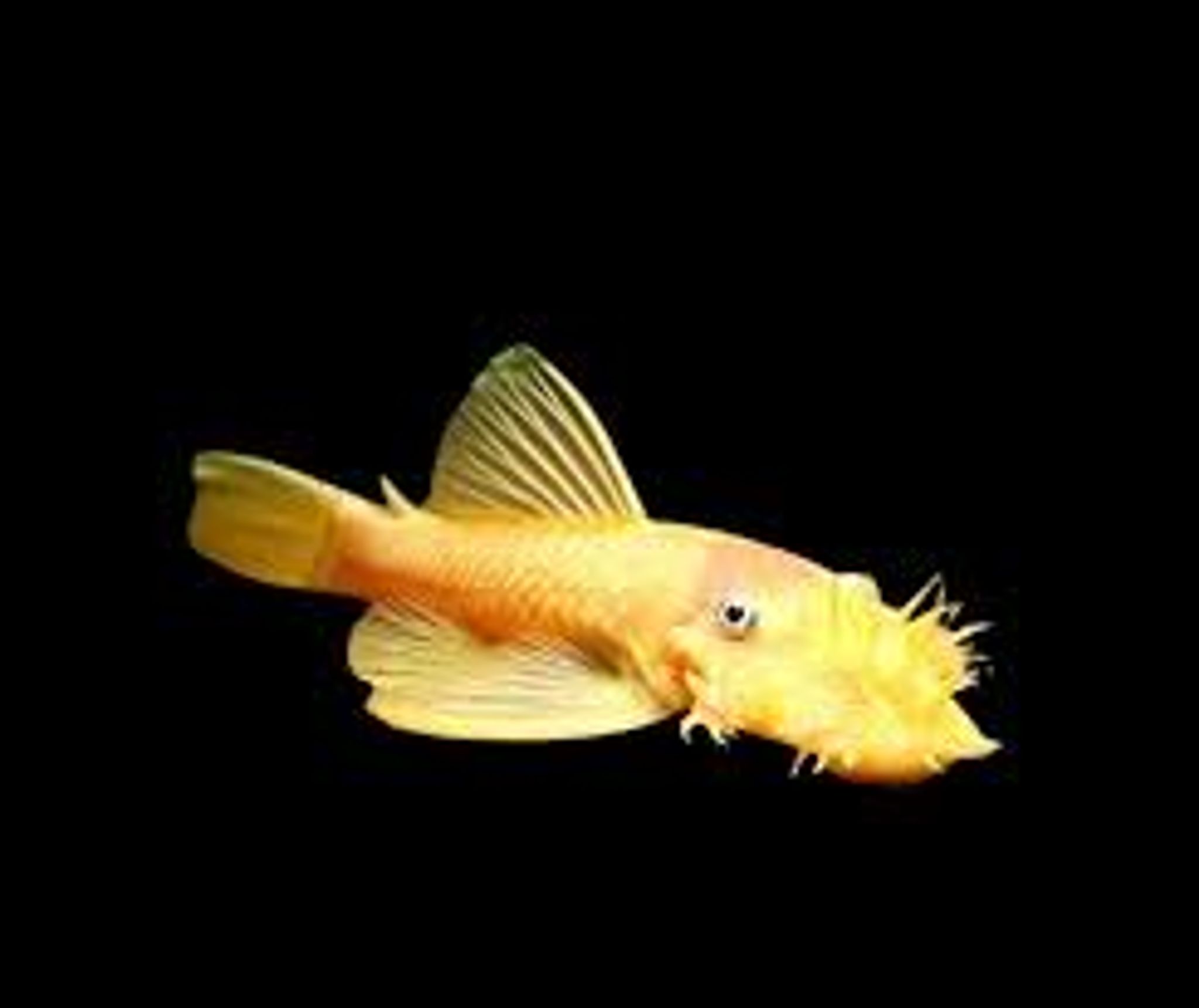

Best Tank Mates for Bristlenose Pleco: Compatible Fish and Species to Avoid
The best tank mates for a bristlenose pleco are peaceful fish that live in the middle and upper water column and like 74–78°F (23–26°C) water: tetras, rasboras, danios, livebearers, gouramis, angelfish, and gentle bottom dwellers like corydoras and kuhli loaches. Avoid large predators, aggressive cichlids, goldfish, and other territorial bottom fish. Below you'll find the reasoning behind each pairing, sample stocking plans for 20 to 55 gallon tanks, and the mistakes that tend to end in torn fins or a starving pleco.
Why the Bristlenose Is the Right-Sized Pleco
Most home aquariums in the US are 20 to 55 gallons, and the bristlenose (Ancistrus sp.) is one of the few plecos that stays small enough for them. A quick profile:
- Adult size: 4–5 inches (10–13 cm). Long-fin and albino or calico males can look larger.
- Temperament: peaceful toward other species. Males can squabble with each other.
- Activity: most active at dusk and through the night.
- Lifespan: 10–12 years or more, so plan the tank for the long term.
The "common pleco" sold in many stores reaches 12–24 inches (30–61 cm). Before buying, confirm the fish is labeled Ancistrus or look for the fleshy bristles on the snout.
Tank and Water Basics
- Tank size: 20 gallons (76 L) is the practical minimum for one adult. Go 29–40 gallons (110–150 L) for a community or a pair.
- Décor: driftwood is essential. Bristlenose rasp it, and the wood supports their digestion. Add caves and use sand or smooth gravel.
- Temperature: 72–80°F (22–27°C), with some sources extending to 82°F (28°C).
- pH: 6.5–7.5, tolerating 6.0–8.0.
- Hardness: soft to moderately hard, roughly 2–15 dGH. Most US tap water works.
- Water quality: ammonia and nitrite at 0, nitrate under 20–40 ppm.
How to Choose Bristlenose Pleco Tank Mates
Run every candidate through four checks:
- Temperament: peaceful or mildly semi-aggressive only.
- Size: big enough that the pleco won't bother it, but not big enough to swallow a 1–2 inch (2.5–5 cm) juvenile pleco.
- Temperature overlap: the ranges should overlap. Since sources set the pleco's upper limit anywhere from 78 to 82°F, aim for 74–78°F (23–26°C), which most community fish share. Many US homes sit near 70–72°F indoors, so a heater set in that 74–78°F band keeps both the pleco and its tank mates comfortable.
- Water layer: fish that live in the mid or upper water column rarely compete with the pleco for space or food.
Compatible Tank Mates at a Glance
| Group | Examples | Water layer | Notes |
|---|---|---|---|
| Schooling fish | Neon, rummy-nose, black skirt and rosy tetras; harlequin rasbora; zebra danios; hatchetfish; pencilfish; glass catfish | Mid to top | Keep in groups; ideal dither fish |
| Livebearers | Guppy, platy, molly, swordtail | Mid to top | Fine in hard or soft tap water |
| Centerpiece fish | Angelfish, pearl/honey/dwarf gourami, calm betta, rainbowfish | Mid to top | Watch for rasping on flat-sided fish |
| Large schoolers | Silver dollars | Mid | Only in 75+ gal (284 L) |
| Bottom dwellers | Corydoras, kuhli loaches, otocinclus | Bottom | Feed enough sinking food |
| Dwarf/peaceful cichlids | Rams, apistogramma, keyhole, blue acara (with care) | Bottom to mid | Need extra caves |
| Large bottom fish | Clown loach | Bottom | Grows to 12 in (30 cm); large tanks only |
| Invertebrates | Nerite and mystery snails; adult Amano and cherry shrimp | Surfaces | Shrimplets may be vacuumed up |
Top and Middle Water Fish
Schooling fish are the easiest match. Tetras, harlequin rasboras, danios, hatchetfish and pencilfish stay out of the pleco's space and make the tank feel active during the day while the pleco hides. Glass catfish are gentle and midwater despite the name. Livebearers like guppies, platies, mollies and swordtails fit well too. You can browse small community fishes on FishyHub to plan a school.
Centerpiece Fish
Angelfish, gouramis (pearl, honey and dwarf) and rainbowfish make good focal points above a bristlenose. Silver dollars are peaceful but belong only in 75+ gallon tanks.
Bettas are debated. Some keepers call them ideal partners, while others say it depends on the fish. A calm betta usually does well with a nocturnal bottom fish in 10–20 gallons, but have a spare tank ready in case either one starts nipping.
Bottom Dwellers
Corydoras, kuhli loaches and otocinclus share the floor peacefully. Clown loaches work only in large tanks, since they grow to about 12 inches and live in groups. Dwarf and peaceful South American cichlids (rams, apistogramma, keyholes, and blue acara with care) can work if there are enough caves for everyone.
Invertebrates
Nerite and mystery snails are safe. Adult Amano and cherry shrimp mostly coexist with a bristlenose. The pleco won't hunt them, but it can accidentally eat tiny shrimplets while grazing.
Corydoras and Bristlenose: A Classic Pairing
These two share the bottom without competing directly: corys sift sand for food, while plecos rasp surfaces. To make it work:
- Use sand so cory barbels stay intact.
- Pick species that like 72–78°F (22–26°C) and skip the hot-water corys.
- Feed plenty of sinking food, because a bristlenose parked on a wafer can outcompete a school of corys.
FishyHub carries a range of corydoras if you're building this setup.
Whiptail Catfish as Bottom Companions
Royal farlowella, twig catfish and other whiptail loricariids are peaceful, slender and poor at competing for food. That makes them good calm companions in 30+ gallon (114 L) tanks. Offer a diet similar to the pleco's, keep pushy feeders out, and hold off until the tank is mature, because whiptails are sensitive to nitrate.
Fish to Avoid
- Large predators: oscars, arowanas and big catfish can swallow a young pleco.
- Aggressive or territorial cichlids: Central American species, Malawi mbuna, Tanganyikan cichlids, jack dempseys and convicts.
- Goldfish: they need colder water, produce heavy waste, and the pleco may rasp their slime coat.
- Fin-nipping barbs in small tanks.
- Other cave-guarding plecos in a small tank.
- Red-tail sharks and other bottom bullies.
Borderline Species
- Tiger barbs: some lists include them, others call them fin-nippers that harass bottom fish. Only keep them in groups of 6+ in 30+ gallons, and never with long-fin bristlenose, bettas or angelfish.
- Siamese algae eater (SAE) and black ghost knifefish: often called compatible, but the SAE reaches about 6 inches (15 cm) and can get territorial with age, and the knifefish grows to around 20 inches (51 cm). Only consider them in 75+ gallon tanks.
Why Fancy Large Plecos Don't Fit
The sunshine pleco (Scobinancistrus aureatus) from Brazil's Xingu River shows the contrast. It grows over 10 inches (25 cm), eats a lot of protein, and needs warm (~82°F / 28°C), very clean, well-oxygenated water with large custom caves. Breeding it is a specialist project. That warm, high-flow, high-protein setup doesn't suit a typical community, and a big loricariid would dominate the caves a bristlenose needs. Keep large or "fancy" plecos out of bristlenose community tanks.
Males, Pairs and Territory
Don't keep two males in a small tank. Plan one male per cave or territory, with roughly 20–30 gallons of floor space per male. A pair or a group of females is much easier. You can sex them by the bristles: males have them along the snout, while females have few or none, and only on the lip edge.
Sample Stocking Plans by Tank Size
Forget the one-inch-per-gallon rule. It ignores how messy plecos are. Stock by adult body mass and filter capacity instead, with filtration turning over 4–6 times the tank volume per hour.
| Tank | Bristlenose | Sample community |
|---|---|---|
| 20 gal (76 L) | 1 adult | Small school of neon tetras or harlequin rasboras, or one calm betta, plus nerite snails |
| 29 gal (110 L) | Pair or trio | School of rummy-nose tetras, a few platies, small group of corydoras |
| 40 gal (151 L) | Pair or trio | Pearl gourami or a pair of rams, school of tetras, kuhli loaches, Amano shrimp |
| 55 gal (208 L) | Up to 2 males with separate caves, plus females | Small group of angelfish, a larger tetra or rainbowfish school, corydoras, otocinclus |
Watch young plecos around bigger fish. A juvenile an inch or two long can fit in an adult angelfish's mouth, so add larger fish only once the pleco has grown. Long-fin bristlenose also get nipped more often than short-fin fish.
Feeding a Bristlenose in a Community Tank
A bristlenose is a grazer, not a pure algae eater. It needs extra food even in a tank with visible algae.
- Offer sinking algae wafers and vegetables such as zucchini, cucumber and blanched spinach.
- Put food in at lights-out, when fast midwater fish are settling down.
- Keep plenty of driftwood surfaces available.
A sunken belly means the pleco is losing the food race. Feed after dark and target-feed near its cave.
Choosing an Algae Eater by Algae Type
| Algae | Best cleanup crew |
|---|---|
| Green film, diatoms on wood and rock | Bristlenose pleco |
| Soft film and diatoms | Otocinclus |
| Green spot | Nerite snails |
| Hair algae | Amano shrimp, SAE (large tanks) |
| Black beard algae | Spot-treatment plus SAE |
| Cyanobacteria ("blue-green algae") | Nothing eats it. Fix flow and nutrients or medicate |
No grazer replaces manual cleaning and water changes.
Breeding Bristlenose and Its Effect on Tank Mates
A male guarding eggs in a cave becomes much more territorial. Eggs hatch in about 4–7 days, and the fry are free-swimming about a week later. Tetras, corys and loaches will all eat fry.
To raise them, set up a 10–20 gallon (38–76 L) grow-out tank with a sponge filter, PVC or clay caves, 74–80°F (23–27°C), and pH 6.5–7.2. A cool water change often triggers spawning.
Introduction Order and Quarantine
- Cycle the tank first, and let biofilm develop.
- Add dither fish (a peaceful schooling species).
- Add the bristlenose once the tank is cycled and has some growth on surfaces.
- Add cichlids last so they don't claim territory before others settle.
Quarantine every new fish for 2–4 weeks before adding it to the main tank.
Common Mistakes and Troubleshooting
- Buying a common pleco by accident: check for bristles or Ancistrus labeling.
- Sunken belly: fast feeders are taking the food. Feed after lights-out and target-feed.
- Rasping marks on angelfish, discus or goldfish: usually a sign of hunger or too little wood. Feed more and add driftwood.
- Two males fighting: torn fins and chasing. Add caves and break up sight lines, or rehome one.
- Fry disappearing with no obvious spawn: tank mates are eating them. Move the cave to a grow-out tank.
- Juveniles stuck on the intake: fit a pre-filter sponge over filter intakes.
Frequently Asked Questions
Can a bristlenose pleco live with a betta?
Usually yes, in 10–20 gallons. The betta uses the upper water and the pleco works the bottom at night. Watch for fin-nipping in either direction and have a backup tank ready.
Can two bristlenose plecos live together?
Yes, as a male-female pair or a group of females. Two males need 40+ gallons and several caves so each can hold its own territory.
Can a bristlenose pleco live with goldfish?
No. Goldfish prefer cooler water than a tropical pleco, produce heavy waste, and may have their slime coat rasped by the pleco at night.
Will a bristlenose pleco eat shrimp or snails?
It won't hunt adult shrimp or snails. Tiny shrimplets are sometimes eaten while it grazes, so breeders often add extra cover.
How many bristlenose plecos can go in a 20 or 29 gallon tank?
One adult in 20 gallons. A pair or trio in 29–40 gallons, with at least one cave each.
Can a bristlenose pleco live with African cichlids?
Some people keep them with mbuna in hard water, but the pleco is often harassed. It's not recommended for beginners. Stick with peaceful community fish or dwarf South American cichlids.
Does a bristlenose pleco clean the whole tank?
No. It grazes algae and biofilm, but it still needs wafers, vegetables and regular tank maintenance.
Build Your Bristlenose Community
A bristlenose is one of the most useful and least demanding fish for a 20–55 gallon community, as long as its tank mates stay peaceful, share its temperature range and leave the bottom to it at night. When you're ready, browse plecos, corys and bottom dwellers on FishyHub, including bristlenose and other plecos.


