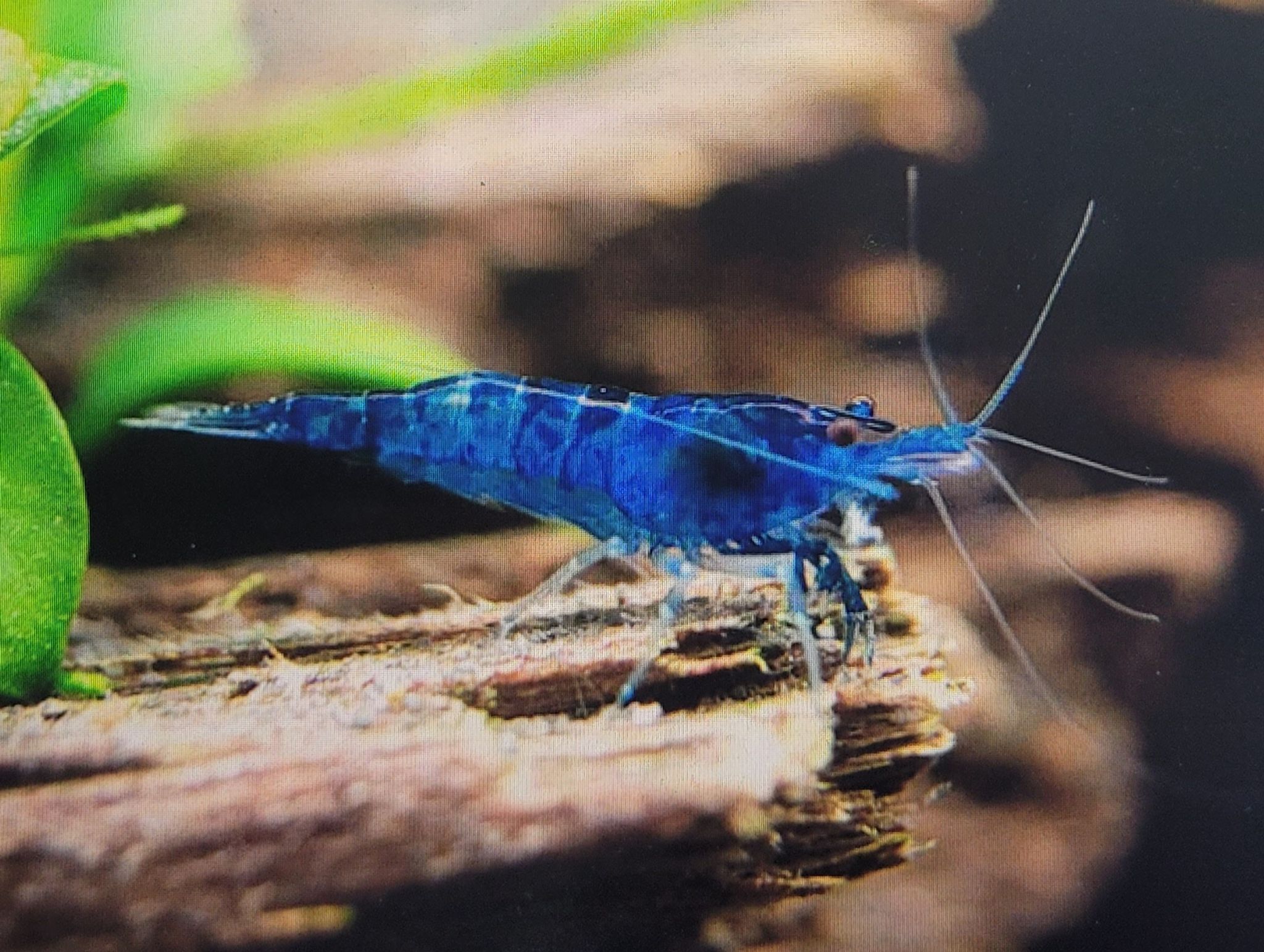
Best Tank Mates for Blue Dream Shrimp: Safe Fish and Invertebrate Companions
Blue Dream Shrimp are small enough to become dinner for almost any fish willing to try, so picking tank mates is really about finding species whose mouths, temperament, and appetite won't threaten them. This guide ranks the safest fish and invertebrates, flags the ones that only work in specific setups, and lays out exactly what to avoid.
Know Your Shrimp First
Blue Dream Shrimp are a color morph of Neocaridina davidi, the same species behind Cherry, Yellow, Orange, and Blue Velvet shrimp. Adults reach about 1–1.5 inches, live roughly 1–2 years, and are peaceful grazers rather than predators of anything in the tank.
Target parameters, aiming for stability over precision:
- Temperature: 65–82°F (18–28°C), with 72–78°F (22–26°C) as the sweet spot for color and activity
- pH: 6.5–7.5 (some sources push this to 8.0, but Neocaridina do best when the number stays steady, not perfect)
- GH: 4–8 (occasionally listed up to 14)
- KH: 2–8
- Nitrate: under 20 ppm, with zero ammonia and nitrite
The tank must be fully cycled before shrimp go in — this is the single biggest cause of early shrimp die-off. A sponge filter or a foam intake guard on a standard filter is essential too, since bare intakes pull in shrimplets and even adults.
Minimum tank size for a shrimp-only setup runs 5–10 gallons (19–38 L). Once fish are added, 10 gallons (38 L) becomes the practical floor — it buffers water quality swings and gives shrimp more room to stay out of a fish's way.
The Golden Rule for Choosing Tank Mates
Before checking any species list, apply this filter:
- Mouth size: if a fish's mouth can fit around a shrimp, assume it eventually will
- Hunting behavior: some fish are built to specifically root out and eat invertebrates, regardless of size
- Speed and temperament: fast, food-aggressive fish will out-compete shrimp at every meal even if they never touch one directly
A fish being labeled "peaceful" toward other fish does not mean it's peaceful toward shrimp. Those are two different questions, and mixing them up is the most common stocking mistake in this hobby.
One more expectation to set early: even with the safest fish on this list, a shrimp colony in a mixed tank will typically plateau rather than explode. Fish pick off a share of newly hatched shrimplets no matter how careful the pairing is. A stable, non-growing population is normal — it's not a sign something is wrong.
Safe Fish Tank Mates
These species are small, peaceful toward invertebrates, and generally leave adult shrimp alone. None of them are guaranteed to ignore shrimplets, but the risk to established shrimp is low.
| Fish | Adult size | Water column | Notes |
|---|---|---|---|
| Chili Rasbora | ~0.7 in | Mid/upper | Tiny mouth, ideal nano companion |
| Celestial Pearl Danio | ~0.8 in | Mid | Peaceful, thrives in planted setups |
| Pygmy/Habrosus Corydoras | ~1 in | Bottom | Sifts substrate, ignores shrimp |
| Sparkling/Pygmy Gourami | ~1.5 in | Upper | Calm, slow-moving |
| Endler's Livebearer | ~1 in | Mid/upper | Active but not shrimp-focused |
| Guppy (low-aggression lines) | ~1.5–2 in | Mid/upper | Fine with adults, will snack on shrimplets |
| Otocinclus Catfish | ~1.5 in | Bottom/glass | Algae grazer, no interest in shrimp |
| Ember Tetra | ~0.8 in | Mid | Mouth too small for adults |
| Green Neon Tetra | ~1 in | Mid | Similar profile to Ember Tetra |
You can browse many of these nano-friendly options in FishyHub's small community fishes selection, and pygmy corydoras specifically under corydoras.
Safe Invertebrate Tank Mates
Invertebrates are generally a much easier pairing than fish, since predation isn't part of the equation for most of them.
- Nerite snails — algae grazers, don't compete meaningfully for food, don't reproduce in freshwater
- Mystery snails — larger cleanup crew, peaceful, easy to spot and manage
- Ramshorn snails — useful biofilm and leftover-food cleanup; can overpopulate if the tank is overfed
- Malaysian Trumpet Snails (MTS) — burrow through substrate, excellent at preventing waste buildup
- Amano shrimp — larger, non-interbreeding, outstanding algae eaters, and calm around Neocaridina
- Other non-Neocaridina shrimp (Bamboo, Vampire, Ghost shrimp) — different feeding niches, generally compatible
You can shop Amano and other companion species directly under FishyHub's freshwater shrimp category.
A Caveat on Assassin Snails
Assassin snails are useful when pest snail populations get out of hand, but they are opportunistic predators and can target weak or freshly molted shrimp. Only add them if snail overpopulation is a bigger problem than the small predation risk they introduce.
High-Risk, Tank-Dependent: Bettas
Betta compatibility is genuinely contested in the hobby, and there's no clean yes/no answer. Some bettas ignore shrimp entirely and coexist for years; a meaningful share will hunt and kill them. Factors that improve the odds:
- Dense planting and moss for shrimp to disappear into
- A larger, well-established shrimp colony (so losses matter less)
- A specific betta's individual temperament, which you can't know in advance
Treat bettas as a gamble, not a safe pick. If maintaining shrimp numbers matters to you, this is not the pairing to bet on.
Fish and Invertebrates to Avoid
| Avoid | Why |
|---|---|
| Larger Gouramis | Mouth size and temperament both work against shrimp |
| Angelfish | Will hunt shrimp as they grow |
| Cichlids (any kind) | Aggressive, invertebrate-eating tendencies |
| Loaches (Yoyo, Clown, etc.) | Notorious, dedicated shrimp hunters |
| Tiger Barbs and other nippy barbs | Fast, aggressive, opportunistic |
| Pea/Dwarf Puffers | Specialized invertebrate eaters — will crack shrimp |
| Crayfish and crabs | Opportunistic shrimp predators |
| Larger Plecos | Can bully shrimp near food, though not usually predatory |
| Any fish over ~2–3 in | General rule of thumb for size-based risk |
If a species falls into any of these categories, keep it in a separate tank rather than hoping planting will offset the risk.
Blue Velvet and Red Rili: Same Rules Apply
Two names cause frequent confusion for shoppers researching this topic:
Blue Velvet Shrimp are essentially the deeper-blue, higher-grade end of the same Blue Dream/Neocaridina davidi lineage. Same parameters, same tank mate rules — if you found care advice for one, it applies to the other.
Red Rili Shrimp are a different Neocaridina color pattern (translucent body with red patches) but the same species. They share identical parameter needs and the same compatibility list as Blue Dream Shrimp.
Mixing Color Morphs
Blue Dream, Blue Velvet, Red Rili, Cherry, Yellow, and Orange shrimp all interbreed freely because they're the same species. If you keep multiple colors together, expect offspring to gradually revert toward brown/wild coloration over generations. This is fine if you don't care about pure color lines — but if you're breeding for a specific look, keep color morphs in separate tanks.
Do Shrimp Eat Snails?
No. Shrimp are grazers and scavengers, not predators — they don't hunt snails. The only overlap is competition for biofilm and leftover food, which is rarely significant since both eat different amounts and neither is territorial about it. The one exception: shrimp will opportunistically pick at a snail that's already dead or dying, which is normal scavenging, not predation.
Feeding a Mixed Tank
Faster fish will out-compete shrimp for food if you feed at the water's surface during the day. A few adjustments help:
- Drop sinking foods (a gel food or wafer works well) near hiding spots and hardscape
- Feed shrimp after lights-out when fish activity drops
- Watch for shrimp actually reaching food, not just fish scattering it
You don't need to feed shrimp on a completely separate schedule, but targeted feeding meaningfully reduces competition.
Setup Checklist for Success
- Cycle the tank fully before adding shrimp — this alone prevents most early losses
- Cover filter intakes with a sponge pre-filter or foam guard
- Plant densely and add moss, driftwood, or rock piles for hiding and molting cover
- Drip-acclimate new shrimp over an hour or more; sudden parameter shifts are far more dangerous to Neocaridina than slow ones
- Quarantine new fish before introducing them to an established shrimp colony — some fish medications and dewormers used during quarantine are lethal to shrimp, so treat before, never during, mixing
- Never use copper-based medications in a mixed shrimp/fish tank — copper is lethal to shrimp at doses fish tolerate fine
Frequently Asked Questions
Can Blue Dream Shrimp live with bettas?
Sometimes, but it's a gamble rather than a safe bet. A heavily planted tank and a laid-back individual betta improve the odds, but there's no guarantee any given betta will leave shrimp alone.
Will Blue Dream Shrimp eat my fish?
No. Shrimp are scavengers and grazers, not predators of fish. If there's a predation risk in a mixed tank, it runs entirely in the other direction.
Do shrimp eat snails?
No, shrimp don't prey on snails. The two typically coexist well and even share cleanup duties, aside from shrimp occasionally scavenging an already-dying snail.
Can I mix Blue Dream with other Neocaridina shrimp colors?
Yes, but they will interbreed, and offspring will gradually lose the distinct color over successive generations. Keep colors separate if you want to preserve a pure line.
What's the smallest tank for a shrimp-and-fish setup?
Ten gallons (38 L) is the practical minimum once fish are added, giving shrimp enough space and water-quality buffer to coexist safely.
Are Amano shrimp good tank mates for Blue Dream Shrimp?
Yes. They're larger, peaceful, don't interbreed with Neocaridina, and are excellent algae eaters that round out a nano cleanup crew well.
Can Blue Dream Shrimp live with Pea Puffers?
No. Pea Puffers are specialized invertebrate eaters and will kill shrimp; they should never be housed together.
Do I need to feed my shrimp separately from my fish?
Not strictly, but dropping food near hiding spots or feeding after lights-out helps shrimp get their share before faster fish outcompete them.
Ready to build out a peaceful nano community? Browse compatible companions in FishyHub's freshwater livestock selection and start stocking with confidence.


