
Best Tank Mates for Assassin Snail: Safe Fish and Invertebrate Companions
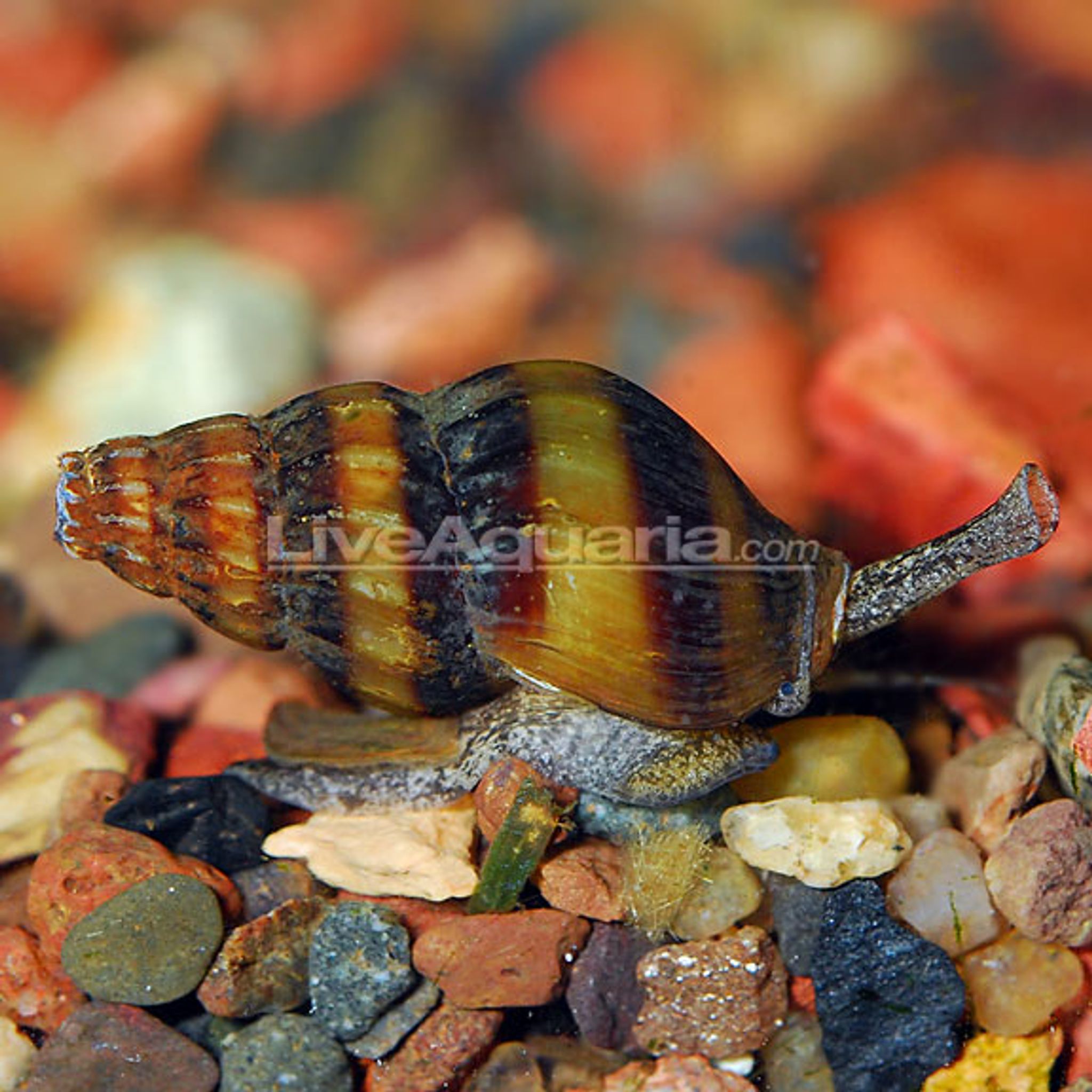
Assassin snails (Clea helena) are prized for clearing out pest snail blooms, but they're only about 1 inch long themselves and can just as easily become someone else's meal. This guide breaks down which fish and invertebrates are safe companions, which will eat your assassins, and which snails your assassins will eat in return.
What You're Working With: Assassin Snail Basics
Clea helena is native to Southeast Asia, grows to roughly 1 inch (2.5 cm), and spends most of its time burrowing through soft substrate. It's slow-moving and mostly nocturnal or crepuscular, meaning it's more active at dawn, dusk, and after lights-out than in the middle of the day.
Temperament-wise, assassin snails are peaceful toward fish and toward any tank mate larger than themselves. They aren't aggressive hunters chasing down anything they can't overpower — their diet is a mix of scavenging dead or decaying matter and actively hunting smaller, weaker snails. That combination of traits is exactly what makes compatibility planning a little more nuanced than "snail-safe" or "snail-unsafe."
Tank Size and Water Parameters
Recommendations for minimum tank size vary widely across the hobby, from as little as 2-3 gallons per snail up to a flat 10-gallon (or even larger) minimum. A reasonable middle ground: there's no strict cutoff below about 5 gallons for a couple of snails, but a 5-10 gallon tank is a comfortable, safe baseline for a small group, scaling up as you add community fish.
| Parameter | Target Range |
|---|---|
| Temperature | 70-80°F (21-27°C) |
| pH | 6.5-8.0 (neutral to slightly alkaline preferred) |
| GH/KH | Moderate to hard, roughly 2-15 dKH |
| Substrate | Sand or other fine, soft substrate for burrowing |
| Minimum tank size | 5-10 gallons for a small group |
Assassin snails do best in neutral-to-slightly-alkaline, moderately hard water because it supports healthy shell growth. Soft, acidic water — the kind found in a heavily planted, CO2-injected, or blackwater-style setup — can lead to pitted or eroding shells over time unless you buffer hardness with crushed coral or a mineral supplement.
Safe Fish Tank Mates
Assassin snails coexist well with small, peaceful community fish that spend most of their time in the mid-to-upper water column, away from the substrate where the snails burrow. Good options include:
- Tetras (neon, cherry, and similar small species)
- Rasboras
- Danios
- Guppies, mollies, and platies
- Dwarf and pearl gourami
- Cherry barbs
- Angelfish (in tanks large enough to support them)
Gentle bottom-dwelling fish are also fine tank mates as long as they aren't inclined to peck at or crack open snail shells. Corydoras and similar peaceful scavenging catfish fit this role nicely — they forage along the substrate without bothering the snails. FishyHub stocks a range of small community fishes and corydoras that pair well with an assassin snail cleanup crew.
Safe Invertebrate Tank Mates
Healthy, adult dwarf shrimp — cherry shrimp, amano shrimp, and similar species — generally coexist fine with assassin snails. The key word is "healthy adult." Assassin snails aren't fast or strong enough to hunt down a strong, mobile shrimp; instead, they target weak, dying, or freshly molted individuals that can't get away.
That distinction matters for shrimp keepers specifically:
- Adult, well-fed shrimp in a mature, established tank are low risk.
- Shrimp fry and freshly molted shrimp are the vulnerable group, since they're slow-moving and soft-shelled right after a molt.
- Providing dense hiding spots — moss, leaf litter, or similar cover — gives molting shrimp somewhere to hide while their new exoskeleton hardens.
Freshwater clams and other non-snail invertebrates are generally safe as well. Anyone building out a shrimp colony alongside assassins can browse shrimp options to stock accordingly.
Unsafe Tank Mates: What Will Eat Your Assassin Snails
Here's the irony of keeping assassin snails: the same animal that hunts down pest snails is itself prey-sized to plenty of other aquarium fish. Avoid housing assassins with:
- Puffer fish of any species — puffers are built to crack shells and will treat assassin snails as food.
- Most loaches, including clown loach, yoyo loach, and other botia species, which specialize in cracking open snail shells.
- Larger cichlids, which are opportunistic enough to eat any snail small enough to swallow or crush.
- Crayfish and other shell-crushing or snail-eating invertebrates.
A common mistake is stocking loaches or puffers specifically to help control a pest snail problem, not realizing these fish will eat the assassin snails too — defeating the purpose of adding them in the first place. If pest snail control is the goal, pick one approach or the other rather than combining predators that compete with each other.
Snails to Keep Away From Assassins
Assassin snails will actively hunt and kill smaller, weaker snail species, including:
- Pest or pond snails
- Ramshorn snails
- Malaysian trumpet snails
- Bladder snails
- Ivory snails
This is, of course, the entire reason most people buy assassin snails — to clear out an unwanted pest snail bloom. One trade-off worth noting: Malaysian trumpet snails are also beneficial substrate-aerating detritivores, so eliminating them entirely may mean losing some of that substrate-turning benefit along with the pest population.
Larger ornamental snails are a gray area. In groups, assassin snails can gang up on and kill bigger species like mystery, nerite, and rabbit snails, especially when the assassins are undernourished or kept in higher numbers. Small or juvenile nerites are noticeably more at risk than large adults with a hardened operculum (the "trapdoor" that seals the shell opening). Treat larger ornamental snails as "at some risk" rather than guaranteed-safe — monitor your snail count and separate species if numbers start dropping.
Group Size and Colony Behavior
Assassin snails do not attack each other and can be kept together safely in groups or colonies. In fact, larger groups hunt pest snails more effectively, which is useful if you're dealing with a heavy infestation. The trade-off is that a bigger group of assassins also raises the risk to ornamental snails, since more hunters working together can overwhelm prey they couldn't take on individually.
Unlike hermaphroditic pest snails that can reproduce explosively on their own, assassin snails have separate sexes and lay single eggs on hard surfaces rather than large egg masses. That means populations grow slowly and won't spiral out of control the way pest snail infestations do — a reassuring detail when planning long-term stocking. It also means hobbyists interested in controlled breeding will need to identify and keep both sexes, though visually sexing individual assassin snails is not something most sources cover in detail.
Feeding Once the Pest Snails Are Gone
Once assassin snails finish clearing out a pest snail population, they still need food — and if they don't get enough, they may turn to scavenging or hunting weaker tank mates out of hunger. Rotate in:
- Sinking carnivore pellets
- Blanched vegetables
- Occasional frozen bloodworms or brine shrimp
This is one of the most common mistakes with assassin snails: owners assume the snails will simply live off algae or leftovers once pest snails are gone, then find shrimp fry, fish eggs, or weak molting shrimp getting picked off. A well-fed assassin snail is a low-risk tank mate; a hungry one is more opportunistic.
Because fish eggs and fry are especially vulnerable to a hungry assassin snail, avoid keeping them in a dedicated breeding or fry grow-out tank.
Setup Essentials for a Compatible Tank
A few setup details reduce stress on both the assassin snails and their tank mates:
- Soft sand or fine substrate so snails can burrow naturally — hard-packed gravel or a bare-bottom setup prevents burrowing and causes stress.
- Stable temperature in the 70-80°F range.
- Moderate-to-hard water, buffered with crushed coral or a mineral additive if your source water runs soft or acidic.
- Décor with hiding spots — driftwood, live plants, and leaf litter — which gives molting shrimp and smaller tank mates somewhere to retreat.
Introducing Assassin Snails to a New Tank
Acclimate new assassin snails slowly, the same as you would any other livestock. It's also worth quarantining new snails before adding them to an established tank, since snails are a common source of hitchhiking parasites or pests. Set expectations accordingly: assassins are slow movers, and it can take several weeks before you notice a meaningful drop in an existing pest snail population.
Frequently Asked Questions
Will assassin snails kill my mystery or nerite snails?
Usually not if you're only keeping a few assassins and your ornamental snails are healthy adults. Risk rises with larger assassin groups, underfed snails, or juvenile mystery and nerite snails that haven't developed a hardened shell yet. There's no absolute guarantee either way, so monitor your snail population over time.
Are assassin snails safe with shrimp?
Generally yes for healthy adult shrimp, since assassins aren't fast enough to catch a strong, actively moving shrimp. Shrimp fry and freshly molted shrimp are more vulnerable and benefit from extra hiding spots like moss or leaf litter.
What fish should never be kept with assassin snails?
Puffers and shell-crushing loaches (clown loach, yoyo loach, and other botia species) top the list, since these fish actively hunt and eat the assassins themselves. Larger cichlids and crayfish are also risky tank mates.
Do assassin snails multiply out of control like pest snails?
No. Assassin snails have separate sexes and lay single eggs rather than reproducing via large egg masses like hermaphroditic pest snails do, so their populations grow slowly and stay manageable.
What do I feed assassin snails after the pest snails are gone?
Offer sinking carnivore pellets or occasional frozen bloodworms and brine shrimp. Without supplemental protein, well-established assassins may start preying on weaker tank mates like molting shrimp or fry.
Can I keep more than one assassin snail together?
Yes — assassin snails don't attack each other and often hunt more effectively in small groups, which is useful against a larger pest snail infestation.
Finding the Right Tank Mates
Matching assassin snails with the right community takes balancing two things at once: protecting the assassins from predators like puffers and loaches, and protecting your other snails and shrimp fry from the assassins themselves. Stock thoughtfully, feed consistently once pest snails are under control, and you'll get a peaceful, low-maintenance cleanup crew. Browse FishyHub's full range of freshwater livestock to build out a compatible community around your assassin snails.


