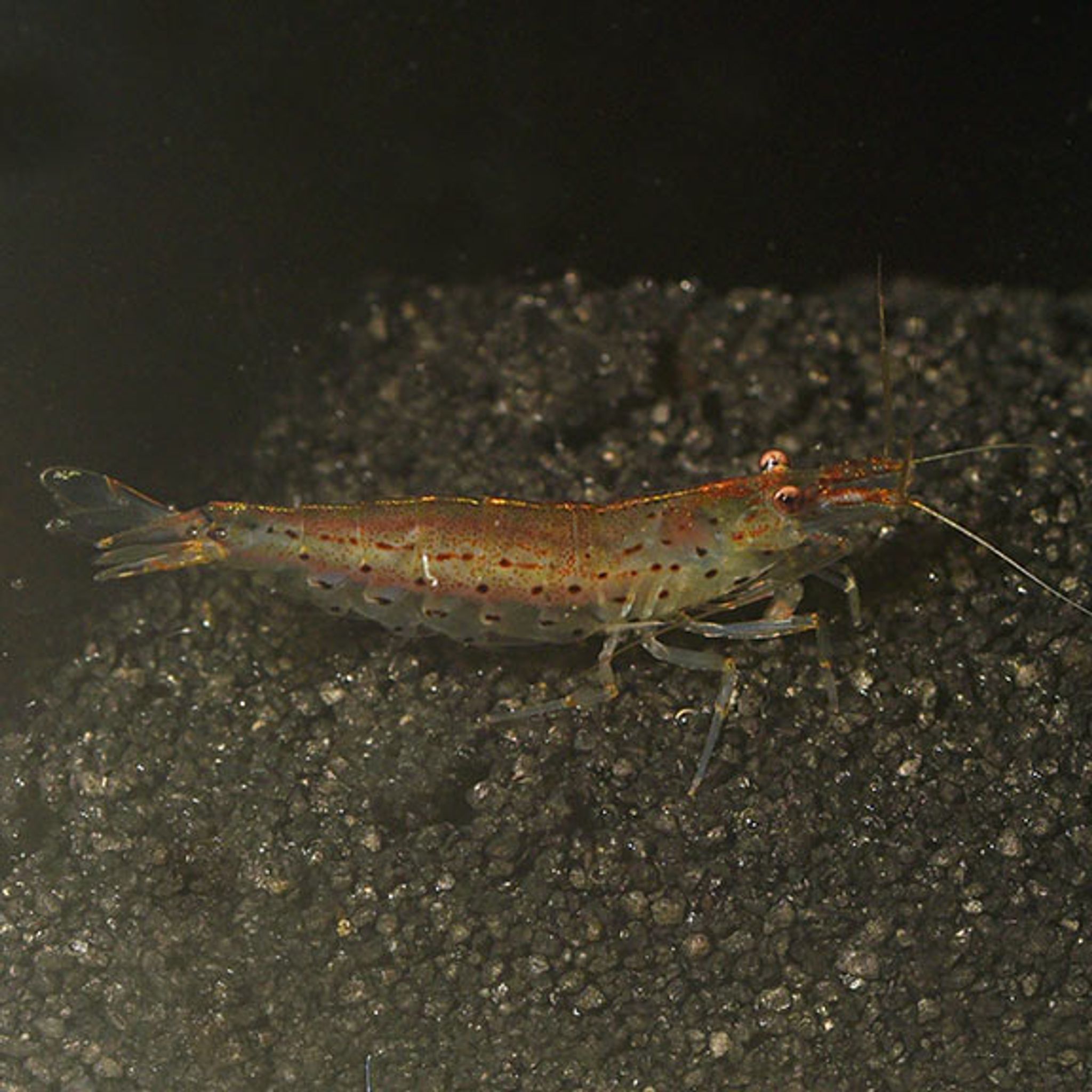

Best Tank Mates for Amano Shrimp: Safe Fish and Invertebrate Companions
Amano shrimp are one of the few shrimp species hardy and large enough to share a tank with a real community of fish, but "shrimp-safe" still depends on which fish, how big your Amano shrimp are, and how much cover the tank offers. This guide breaks tank mates into clear tiers — safe, case-by-case, and avoid — and explains the setup details that determine whether a mixed tank actually works.
Why Amano Shrimp Are More Flexible Than Dwarf Shrimp
Amano shrimp (Caridina multidentata) grow up to 2 inches (5 cm), which is roughly double the size of a cherry or crystal shrimp. They're also fast swimmers and unusually hardy once established. That combination means a fish that would happily pick off a cherry shrimp colony often can't be bothered with, or physically can't fit, an adult Amano.
This is the key point that gets lost in generic "shrimp tank mate" lists: a compatibility list built for Amanos is naturally more permissive than one built for dwarf shrimp. If you've read that neon tetras are "not shrimp safe," that warning is almost always about dwarf shrimp fry, not full-grown Amanos. Size and speed are doing most of the protective work here, not the fish's general reputation for being "peaceful."
The catch is that this advantage only applies to adult Amanos. Juveniles and freshly molted shrimp of any age lose that size and speed edge, which is why molting matters so much (more on that below).
Basic Setup for a Mixed Amano Shrimp Tank
Before picking tank mates, get the environment right:
- Tank size: 10–20 gallons (38–76 L) minimum for a small group.
- Group size: Amano shrimp are more visible and behave more naturally in groups of 5–6 or more; pairs or trios can survive but you'll see less normal foraging activity.
- Temperature: 70–80°F (21–27°C).
- pH: 6.5–7.5, with moderate hardness.
- Cycling: the tank must be fully cycled before shrimp go in — ammonia and nitrite are highly toxic to them, even at levels fish tolerate.
- Cover: dense plantings of Java moss or Java fern, driftwood, and rock caves are not optional decoration — they're what keeps shrimp alive after molting.
You can browse live Amano and other freshwater shrimp to start or expand a colony once the tank is cycled and planted.
Safe Fish Tank Mates
These fish are small-mouthed, non-predatory, and generally ignore adult Amano shrimp:
- Small tetras: neon, ember, and similar nano tetras
- Rasboras: harlequin rasboras and similar peaceful schoolers
- Corydoras catfish: bottom-dwelling and focused on scavenging, not hunting
- Otocinclus: algae grazers with no interest in shrimp
- Small livebearers: guppies and endlers
- Kuhli loaches: shy, nocturnal, and too small-mouthed to bother adult Amanos
- Small peaceful barbs: cherry barbs in particular
A group of small schooling fish plus a colony of Amano shrimp is a reliable, low-drama combination. If you're stocking from scratch, small community fish and corydoras are a good place to start.
Safe Invertebrate Tank Mates
- Nerite snails and mystery snails: peaceful cleanup crew, no competition for the same food niche in a meaningful way
- Other Amano shrimp: they generally coexist without aggression in groups
- Dwarf shrimp (cherry, crystal): Amanos aren't typically predatory toward same-size shrimp, but they will outcompete smaller shrimp for food, so feed in multiple spots if you keep both
Case-by-Case: Assess the Individual Fish
No fish is guaranteed 100% safe with shrimp — the honest rule of thumb is that risk scales with mouth size, aggression, and hiding spots available, not with a fish's general "peaceful" reputation. The following fish fall into a gray zone where outcomes vary by individual:
| Fish | Risk factor | Notes |
|---|---|---|
| Bettas | High variability | Individual temperament decides everything; many hunt shrimp, some ignore them |
| Dwarf gouramis | Moderate | Mouth size is borderline; can pick off juveniles or molting shrimp |
| Larger tetras | Moderate | Fine with adults, risky for juveniles |
| Some rainbowfish | Moderate | Active swimmers that may nip at smaller or newly molted shrimp |
Will a Betta Eat Amano Shrimp?
This is the single most disputed pairing in shrimp-keeping, and the disagreement exists because it's genuinely fish-dependent. Some bettas coexist peacefully with adult Amanos for years; others treat shrimp as a standing snack and will chase them relentlessly. Established, full-grown Amano shrimp have better odds than juveniles simply because they're too big and fast for most bettas to catch outside of a molt.
If you want to try it, add dense cover first, introduce full-grown shrimp rather than juveniles, and watch behavior closely for the first few weeks. Don't market this pairing to yourself as "safe" — treat it as a supervised experiment, and be ready to remove the shrimp (or the betta) if you see targeted hunting. You can view betta stock if you're planning this combination from the start.
Fish and Invertebrates to Avoid
These are poor matches for Amano shrimp regardless of individual temperament, because mouth size or instinct makes predation likely:
- Large or predatory cichlids: oscars and most New World cichlids
- Angelfish: mouth size and hunting instinct make them a consistent threat, especially to molting shrimp
- Larger gouramis: pearl and opaline gouramis
- Goldfish: too messy, prefer cooler water than shrimp do, and may nip at shrimp
- Puffers: specialized invertebrate hunters
- Larger loaches: clown loaches large enough to fit a shrimp in their mouth
- Crayfish and most freshwater crabs: will actively kill and eat shrimp, and often compete aggressively for the same hiding spots
Can Amano Shrimp Live With Angelfish?
Not recommended. Angelfish have both the mouth size and the instinct to eat shrimp, and they're especially effective at picking off Amanos right after a molt when the shrimp are soft and slow. Pair angelfish with faster, larger fish instead, and keep shrimp in a separate setup.
The Molt Window: Why Timing Matters More Than Reputation
Amano shrimp shed their exoskeleton periodically as they grow. For several hours after molting, they are soft-shelled and nearly immobile — this is by far the most dangerous period of their lives in a community tank. A fish that ignores shrimp 95% of the time can still pick off a freshly molted individual simply because it's an easy, motionless target.
This is why cover matters more than almost any other setup decision:
- Dense plants (Java moss, Java fern) give shrimp somewhere to disappear immediately after shedding
- Driftwood and rock caves offer enclosed spaces predatory fish can't easily reach into
- Leftover molted shells should be left in the tank — shrimp eat them back for calcium, and removing shells wastes a free mineral source
If you consistently lose shrimp right after they molt, more hiding cover — not a different fish — is usually the fix.
Algae Control Safe for Shrimp
Amano shrimp are popular specifically because they eat hair algae, diatoms, and soft film algae that many fish ignore. To keep that benefit intact:
- Avoid algaecide chemical treatments — most are toxic to invertebrates at doses that don't bother fish
- Avoid copper-based algae treatments entirely — copper is toxic to shrimp and other invertebrates even in small, fish-safe doses
- Rely on manual removal (scraping, siphoning) and light control (shorter photoperiods, lower intensity) as your shrimp-safe algae strategy
Copper Is a Silent Killer in Shrimp Tanks
Copper toxicity is the most under-discussed hazard for community shrimp keepers. It shows up in two places people don't expect: certain fish medications (especially some anti-parasitic and ich treatments) and some liquid plant fertilizers that include copper as a micronutrient. Either one can cause a mass die-off of shrimp and other invertebrates even at doses labeled safe for fish. Always check the label before dosing anything in a tank that houses shrimp, and treat sick fish in a separate quarantine tank instead.
What Do Amano Shrimp Eat?
Amano shrimp are omnivorous scavengers and detritivores. In an established, planted tank with healthy algae and biofilm growth, they often need minimal extra feeding. Their diet should be:
- Mostly algae and biofilm they graze naturally
- Supplemented with blanched vegetables — zucchini, spinach, kale, or carrot
- Occasional protein — frozen food or sinking shrimp pellets, a couple of times a week
- Leaf litter, especially Indian almond (catappa) leaves, as a popular safe supplement that also releases mild tannins
Feeding Around Fast Fish
Fast-swimming fish will out-race shrimp to food that's dropped mid-water or at the surface. Two habits help:
- Use sinking pellets or wafers rather than floating food, and drop them near known shrimp hiding spots.
- Feed in the evening or after lights-out, when shrimp are naturally more active and fish are winding down — this reduces direct competition significantly.
Because shrimp need far less food than fish, resist the urge to add extra portions "for the shrimp" — overfeeding protein is one of the fastest ways to spike ammonia in a mixed tank.
Do Amano Shrimp Breed in a Community Tank?
Set expectations correctly here: Amano shrimp will mate in freshwater, and females will carry visible eggs, but the larvae require brackish or saltwater conditions to develop into juveniles. In a standard freshwater community tank, hatched larvae simply won't survive, so you shouldn't expect your colony to grow on its own. If you want more Amano shrimp, plan to buy additional adults rather than counting on breeding.
Common Mistakes to Avoid
- Adding shrimp to an uncycled tank. Ammonia and nitrite spikes kill shrimp fast, even at levels fish shrug off.
- Assuming "peaceful" automatically means shrimp-safe. Mouth size and hunting instinct matter far more than a fish's general community-tank reputation.
- Overfeeding protein. Shrimp need much less food than most fish; excess protein drives ammonia spikes.
- Using copper-based medications or fertilizers in a tank with shrimp present.
- Skimping on hiding spots. Shrimp are exposed and vulnerable right after molting without dense plant cover.
- Mixing juvenile shrimp with larger or more assertive fish immediately. Let Amanos reach a larger size before introducing riskier tank mates.
- Confusing Amano shrimp with dwarf shrimp when researching compatibility — Amanos tolerate a noticeably wider range of fish because of their size advantage.
Frequently Asked Questions
Will my betta eat my Amano shrimp?
It depends entirely on the individual betta. Many will chase and kill shrimp, especially smaller or freshly molted ones, while others largely ignore full-grown Amanos. Provide dense cover, introduce adult shrimp rather than juveniles, and watch behavior closely — remove the shrimp if you see targeted hunting.
Can Amano shrimp live with angelfish?
It's not recommended. Angelfish have the mouth size and hunting instinct to eat shrimp, and they're particularly effective during a shrimp's molt when it's soft and slow-moving.
How many Amano shrimp should I keep together?
A group of 5–6 or more gives you better visibility and more natural foraging behavior, though pairs or trios can survive on their own.
Do Amano shrimp breed in a home aquarium?
They mate and females carry eggs in freshwater, but the larvae need brackish or saltwater to develop into juveniles. That means a standard freshwater community tank won't produce surviving offspring, so don't expect population growth.
What snails go well with Amano shrimp?
Nerite and mystery snails are the most common pairing. Neither competes aggressively with shrimp, and both contribute to tank cleanup alongside them.
Can Amano shrimp live with goldfish?
It's not advisable. Goldfish are messy, prefer cooler water than shrimp thrive in, and may nip at or eat shrimp given the chance.
Do Amano shrimp eat other shrimp?
They're food competitors with smaller dwarf shrimp species and can be opportunistic toward very small or newly molted shrimp, but they're not typically predatory toward shrimp of similar size, including other Amanos.
What size tank do I need for Amano shrimp with fish?
A 10–20 gallon (38–76 L) planted tank is a reasonable minimum for a small mixed community, giving enough room for both fish and dense hiding spots for shrimp.
Ready to build out your mixed community? Browse live freshwater shrimp and compatible tank mates in FishyHub's freshwater livestock selection.


