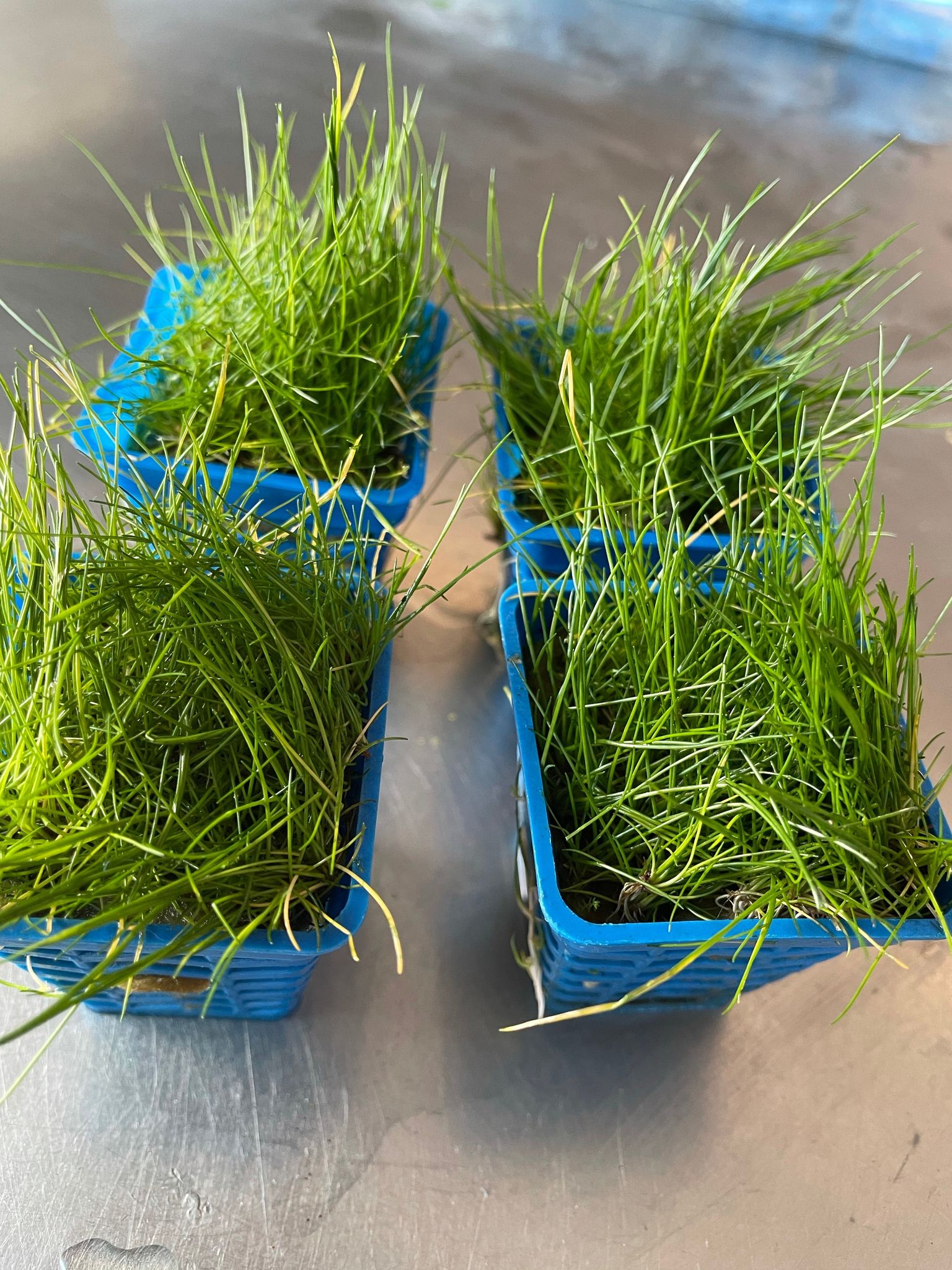

Best Tank Mates and Aquascaping Uses for Subwassertang
Subwassertang looks and grows like a moss but behaves differently underwater, which trips up a lot of new owners when it comes to attaching it and stocking around it. This guide covers which tank mates actually work well with it, how to secure it in an aquascape, and how to keep it algae-free without harming the plant.
What Subwassertang Actually Is
Despite being sold and used as a "moss," Subwassertang (sometimes labeled Süsswassertang or Round Pellia) is technically a fern gametophyte — an immature reproductive stage of a fern that never develops into the mature plant. It has ribbon-like, ruffled, translucent-green fronds that branch and clump together, giving it a fuller, rounder look than the thin filaments of Java moss.
This distinction matters for one big practical reason: it has no rhizoids or true roots, so it cannot grip onto surfaces on its own the way true mosses eventually can.
Water Parameters and Growing Conditions
| Factor | Range / Guidance |
|---|---|
| Temperature | 68–82°F (20–28°C) |
| pH | 6.0–7.5 |
| Water hardness | Soft to moderately hard |
| Light | Low to medium |
| CO2 | Optional, not required |
| Fertilizer | Not needed via substrate; absorbs nutrients from the water column |
| Water flow | Low to moderate |
| Growth rate | Slow at baseline; noticeably faster with CO2/ferts |
| Mature size | Roughly 1–2 inches tall in dense clumps or mats |
Light tolerance is one area where opinions split. Some hobbyists treat it as strictly shade-loving, while others report solid growth under medium light. The safest approach is to start on the low-to-medium end and watch the clump closely — brighter light paired with weak flow or nutrient buildup is the most common trigger for algae taking hold on the fronds.
Growth speed is similarly described inconsistently across sources. The plant's baseline pace is slow no matter what, but adding CO2 and liquid fertilizer measurably speeds up how quickly it thickens into a mat.
How to Attach It (Since It Won't Attach Itself)
Because Subwassertang lacks rhizoids, unsecured clumps drift with the current and can end up pulled into a filter intake. Use one of these methods instead:
- Tying — thread or fishing line wrapped loosely around driftwood or rock, tightened just enough to hold the clump in place.
- Gluing — a small dab of aquarium-safe cyanoacrylate gel applied directly to hardscape, pressing the clump on top.
- Wedging — tucking a portion into a crevice in rock or wood where current can't easily pull it free.
- Leaving it loose — letting it float at the surface or rest unanchored on the substrate as a deliberate design choice.
Unlike Java moss, it doesn't need weeks of "grip time" for rhizoids to take hold, since there are none to grow. Still, give a newly attached clump a few undisturbed weeks so the fronds interlock and fill in around the tie or glue point. Keep flow low to moderate near the attachment — strong current is the main reason fronds tear loose and scatter around the tank.
Best Tank Mates for Subwassertang
Shrimp
Shrimp are the standout pairing. Cherry, Crystal Red, Crystal Black, Amano, and Ghost shrimp all graze biofilm and algae off the fronds without damaging the plant itself, which keeps the mat cleaner over time.
Snails
Nerite, Mystery, Ramshorn, and Malaysian Trumpet snails are all compatible and help break down detritus trapped in the dense growth.
Nano and Peaceful Fish
Small, non-destructive species do well here: small tetras, rasboras, killifish, guppies, and endlers. The common thread is a fish too small and too gentle to uproot or shred the fine fronds. You can browse compatible options in FishyHub's small community fishes selection.
Fry and Breeding Tanks
Dense Subwassertang clumps form a natural labyrinth that fry can hide and forage in. It's a frequent pick for shrimp breeding setups and for tanks raising livebearer or egg-scatterer fry, since the tangled fronds shelter tiny fish and shrimplets from adult tankmates and from each other.
Betta Tanks
It's a strong match for a betta setup: bettas don't eat plants, and they benefit from the cover and resting spots the fronds provide. Keep flow gentle enough that it doesn't stress the betta or tear the clump apart. The same logic extends well to dwarf gourami tanks, which want similarly calm water and appreciate surface-level cover — a pairing that gets little attention but fits the plant's needs closely.
Fish and Animals to Avoid
| Category | Examples | Why |
|---|---|---|
| Large/messy diggers | Goldfish, larger barbs, some cichlids | Dig, uproot, or eat plant matter |
| Herbivorous grazers | Silver dollars | Will strip and eat soft fronds |
| Crayfish | Various species | Often shred clumps, though some hobbyists still keep it in with them as enrichment and simply accept some loss |
Crayfish compatibility is genuinely disputed among hobbyists — some list them as acceptable tank mates, others warn they'll destroy the plant quickly. Treat it as "usable, but expect losses" rather than a firm yes or no, and don't be surprised if a crayfish tank needs regular Subwassertang replacement.
Aquascaping Uses
Foreground Carpet or Cushion
Weighted or tied down low, Subwassertang spreads into a soft, rounded foreground groundcover — a different texture than the tight lawns you get from true carpeting plants.
Hardscape Accent
Tied or glued onto driftwood and rock, it mimics the look of moss but with rounder, leafier fronds instead of Java moss's fine filaments. It reads as fuller and more textured at a distance.
Floating or Mid-Water Drift
Left unattached, it floats at the surface or drifts mid-water, creating a shaded, jungle-style look while doubling as fry cover. This is a common alternative to anchoring it at all.
Paired with True Mosses
Combining Subwassertang with Java moss or Christmas moss creates deliberate textural contrast — fine, filamentous moss against broad, ruffled fronds — in the same hardscape zone.
Above the Waterline in Paludariums
One use case that gets overlooked: Subwassertang can grow emersed, above the waterline, in paludarium and riparium builds. It tolerates the humid, low-light margins of these setups and adds texture to the transition zone between water and land.
It works equally well in low-tech, no-CO2 tanks and in higher-tech scapes, which makes it flexible for beginner and intermediate aquascapers alike.
Propagating and Spreading a Clump
To multiply your stock, simply pull a clump apart by hand into smaller sections, then re-tie or re-glue each piece to a new spot. There's no need for careful cutting around root structures since there aren't any — division is as straightforward as splitting a sponge.
Keeping an Algae-Free Aquascape
Because Subwassertang can't outcompete algae once it establishes on the fronds, prevention matters more than cleanup:
- Keep light moderate and hold the photoperiod to roughly 6–8 hours a day.
- Avoid excess nutrients from overfeeding or overdosing fertilizer.
- Make sure gentle flow actually reaches the clump so detritus doesn't sit and feed algae growth.
- Stock a light clean-up crew — Amano shrimp, nerite snails, and otocinclus — to graze problem spots before they spread.
If hair algae or BBA does take hold on part of a clump, it's usually faster and less stressful for the plant to cut away and discard the affected section and let fresh growth fill back in, rather than trying to scrub or spot-treat it clean.
Maintenance and Common Mistakes
Regular upkeep is simple but easy to skip:
- Trim with sharp scissors or shears periodically to keep clumps compact and prevent them from ballooning into a shapeless mass.
- Rinse or agitate the clump every so often to dislodge trapped detritus and mulm — buildup inside the dense fronds is the main cause of browning or localized rot.
- Never use full-strength liquid-carbon algaecide (glutaraldehyde-based products) or a moss-strength bleach dip on it; both can kill or badly damage the fronds. If you need to treat hitchhikers or pests, a gentler alum dip or a much shorter-duration dip than you'd use on hardier mosses is a safer alternative — or simply remove and discard the affected fronds instead of dipping the whole clump.
The mistakes that trip people up most often:
- Assuming it self-attaches like Java moss, then finding loose fronds drifting into the filter intake.
- Running high light with a long photoperiod, which invites algae the plant can't fight off.
- Skipping rinses and trims, letting detritus turn parts of the clump brown and mushy.
- Using full-strength algaecide or bleach dips meant for tougher mosses.
- Housing it with fish or crustaceans that eat or uproot fine plants and then being surprised by shredded clumps.
- Running flow so strong that loose or floating clumps get pulled toward the intake.
Frequently Asked Questions
Is Subwassertang a moss?
No. It's a fern gametophyte — an immature stage of a fern — that's sold and used like a moss because it looks and behaves similarly. It lacks true roots or rhizoids, which is the key botanical difference.
Does it need CO2?
No. It grows fine without CO2 in low-tech tanks. Adding CO2 and liquid fertilizer simply speeds up its density and overall growth rate.
Will shrimp eat it or just graze on it?
Shrimp graze the biofilm and algae that build up on the fronds rather than eating the plant tissue itself. That makes it a safe, long-term shelter and grazing surface rather than a food source that gets consumed.
How do I attach it to driftwood or rock?
Tie it with thread or fishing line, or use a small amount of aquarium-safe cyanoacrylate glue gel. It doesn't need the weeks of "grip time" Java moss needs for rhizoids to form, but a few undisturbed weeks still help it fill in and look established.
Can it live floating instead of attached?
Yes. It can float freely at the surface or drift mid-water instead of being anchored, and many hobbyists prefer this for fry cover and a shaded, jungle-style look.
Why is my Subwassertang turning brown or melting?
The usual culprits are trapped detritus inside the fronds, poor water quality or stagnant flow, or chemical exposure from algaecide or bleach. Trim away the affected sections and improve flow and water changes to stop it from spreading.
What fish will destroy it?
Larger or plant-eating species like goldfish, silver dollars, larger barbs, and some cichlids are the main risks, along with messy diggers that bury or dislodge loose clumps.
Is it good for a betta tank?
Yes, generally. Bettas don't eat plants and benefit from the cover it provides, as long as the flow around the clump stays gentle enough to avoid stressing the fish or tearing the fronds apart.
Ready to build out a Subwassertang-friendly tank? Browse compatible grazers and cleanup crew options in FishyHub's shrimp category to get started.


