
Aquarium Fish Shipping Costs Across the United States
Shipping live aquarium fish in the US costs more than shipping ordinary parcels because fish travel by fast courier, usually overnight, in insulated boxes with heat or cold packs. The cost rises with box size, distance, weather precautions and how remote the destination is, and the Alaska, Hawaii & territories zone is generally the most expensive and slowest to reach. FishyHub does not hold reliable data on shipping costs by zone or state, so this guide explains what drives the price rather than quoting rates; each independent merchant sets its own shipping.
Key Findings
- FishyHub groups US delivery into five zones: Midwest & Central; East Coast & Northeast; South & Southeast; West Coast & Mountain West; and Alaska, Hawaii & territories.
- FishyHub does not hold reliable US shipping-cost data by zone or state, so this guide describes cost drivers from hobby practice rather than reporting marketplace rates.
- FishyHub data shows the most widely listed US freshwater fish, including guppies, tetras, barbs, catfish and shrimp, sit in the entry-level price tier, where shipping can easily cost more than the fish.
- FishyHub data shows the collector / premium tier in the US includes arowana, flowerhorn, monster fish, tangs, dwarf angelfish, seahorses and LPS corals, where shipping is a smaller part of the total and careful packing matters most.
- FishyHub data shows very high US supply of LPS, SPS and polyp corals, which are often sold as small fragments that pack compactly.
- FishyHub data shows rising US momentum in every livestock category it tracks, which means more merchants listing fish for delivery nationwide.
How Live Fish Are Shipped
A typical US livestock shipment works like this:
- Bagging. Each fish goes into its own bag with clean water and, often, pure oxygen. Some sellers use breathable bags instead.
- Insulation. Bags go into a foam-lined box inside a cardboard outer carton.
- Temperature packs. A heat pack in cold weather or a cold pack in hot weather keeps the box within a safe range.
- Fast courier. Most sellers ship overnight or by priority service so fish spend as little time in the box as possible.
- Timing. Sellers usually ship early in the week to avoid boxes sitting in a depot over a weekend.
Each step adds cost, and none of them can be skipped safely.
What Drives the Cost
Speed
Overnight and priority courier services cost much more than ground shipping, but ground transit is too slow for most live fish. Speed is the single biggest reason fish shipping costs what it does.
Box size and weight
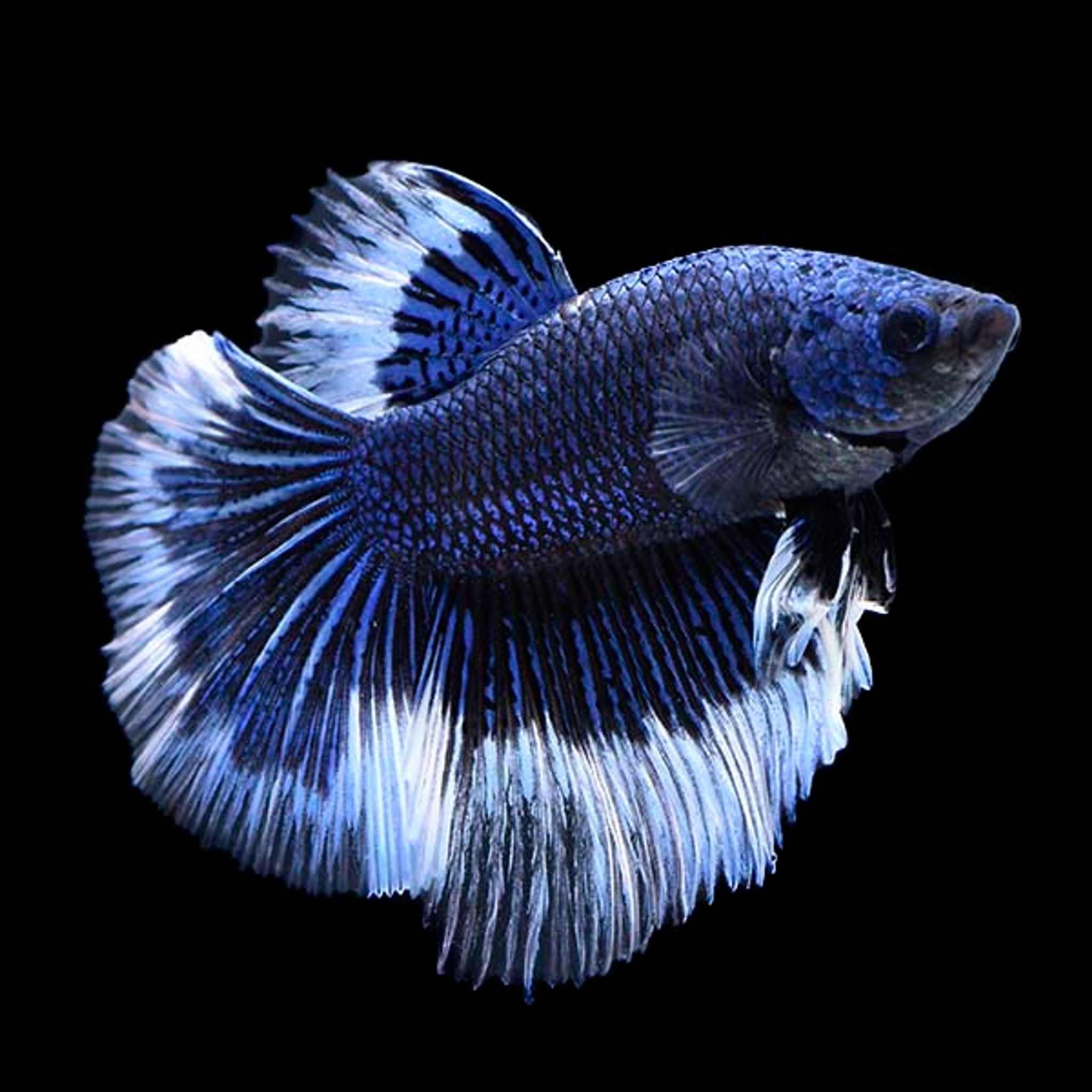
Water is heavy. Larger fish need larger bags and more water, and a bigger box with more insulation. A single betta ships in a small box; a large cichlid, arowana or monster fish needs far more space.
Distance and zone
Shipping inside one region is usually simpler than shipping across the country. A box from one side of the West Coast & Mountain West zone to the other can cover a long distance, while the East Coast & Northeast is compact and densely served by couriers.
Weather
Heat packs in winter and cold packs in summer add a little cost. More importantly, extreme weather can delay shipments: many sellers pause shipping to very cold or very hot areas until conditions improve.
Remote destinations
Alaska, Hawaii and the territories rely on air routes with fewer daily connections, so transit is longer and courier rates are higher. Some sellers do not ship there at all, and Hawaii has its own rules on importing live animals.
Zone by Zone
| FishyHub delivery zone | Main weather concern | What it means for shipping |
|---|---|---|
| Midwest & Central | Hard winters, hot summers | Central location keeps many routes short; heat packs needed much of the year |
| East Coast & Northeast | Cold winters | Dense courier network; winter shipments need heat packs and careful timing |
| South & Southeast | Long, hot summers | Cold packs and early-morning delivery matter from late spring |
| West Coast & Mountain West | Desert heat, mountain cold | Long distances across the zone; weather can differ sharply along the route |
| Alaska, Hawaii & territories | Distance and limited routes | Longer transit, higher courier rates, and not every seller ships there |
The table describes general shipping conditions in each zone from hobby practice. It is not FishyHub cost data.
Why Shipping Matters More for Some Fish Than Others
FishyHub's US price tiers help explain when shipping is a big deal:
- Entry-level fish. Guppies, tetras, rasboras, danios, mollies, platies, swordtails, corydoras, Neocaridina shrimp and snails sit in the entry-level / budget tier. For a small order, the box and courier can cost more than the fish. Buying a group at once spreads the shipping over more animals.
- Mid-range and upper mid-range fish. Bettas, angelfish, discus, goldfish and most marine fish fall here. Shipping is noticeable but proportionate.
- Collector / premium fish. Arowana, flowerhorn, datnoids, tangs, dwarf and large marine angelfish, seahorses and LPS corals are expensive, so shipping is a smaller share of the total. Here the priority is a seller with good packing and a clear live-arrival policy.
How to Keep Shipping Costs Down
- Combine orders. One box with several fish usually costs less per fish than several boxes.
- Buy from one seller where you can. FishyHub is a marketplace of independent merchants, and each ships separately.
- Order in mild weather. Spring and fall avoid the heat and cold packs, and the delays, of extreme seasons.
- Be home on delivery day. A box left on a porch in summer sun or winter cold puts fish at risk.
- Choose smaller fish. Juvenile fish need smaller bags and boxes than adults.
- Read the seller's policy. Check shipping days, live-arrival terms and whether they ship to your zone.
Methodology
This page uses FishyHub's US marketplace over the period from October 2024 to October 2026: the names of its five delivery zones, listed price tiers, active listings, and momentum (new listings, recent year against the one before). Findings are tiers and directions, not figures.
FishyHub does not hold reliable US data on shipping costs by zone or by state, and does not report state-by-state figures. Everything on this page about how shipping works, what drives cost and how zones differ comes from general hobby and courier practice, not from FishyHub marketplace data. Shipping charges are set by each independent merchant and vary with the order.
Frequently Asked Questions
How much does it cost to ship aquarium fish in the US?
It varies by seller, speed, box size, distance and season. FishyHub does not publish shipping-cost data, but overnight courier and insulated packaging make live fish shipping costlier than ordinary parcels.
Why is shipping fish so expensive?
Live fish need fast courier service, insulated boxes, oxygenated bags and heat or cold packs. Water also adds weight.
Is it cheaper to buy several fish at once?
Usually. One box with several fish spreads the courier and packaging cost.
Can live fish be shipped to Alaska or Hawaii?
Often yes, but transit is longer and costs are generally higher, not every seller ships there, and Hawaii restricts some live animal imports.
What is the best time of year to order fish online?
Spring and fall, when mild weather means fewer delays and less need for heat or cold packs.
How to Cite This Page
Source: FishyHub, "Aquarium Fish Shipping Costs Across the United States" (2026), https://fishyhub.com/us/blogs/blog-detail/aquarium-fish-shipping-costs-across-the-united-states


