Aquarium Fish Prices by State: Where Are Fish Cheapest?
Aquarium fish on FishyHub are listed at national prices, so the fish themselves do not get cheaper by moving from one state to another; what changes from state to state is the cost and risk of getting live fish to your door. Fish are cheapest, wherever you live, when you buy species from the entry-level tier, such as guppies, tetras, danios and corydoras, and group them into one shipment. FishyHub does not report state-by-state prices, so this page explains the national tiers and the regional factors, delivery zone, climate and local fish farming, that shape what keepers actually pay.
Key Findings
- FishyHub marketplace data shows aquarium fish are listed at national prices in the US; FishyHub does not report state-level prices or purchases.
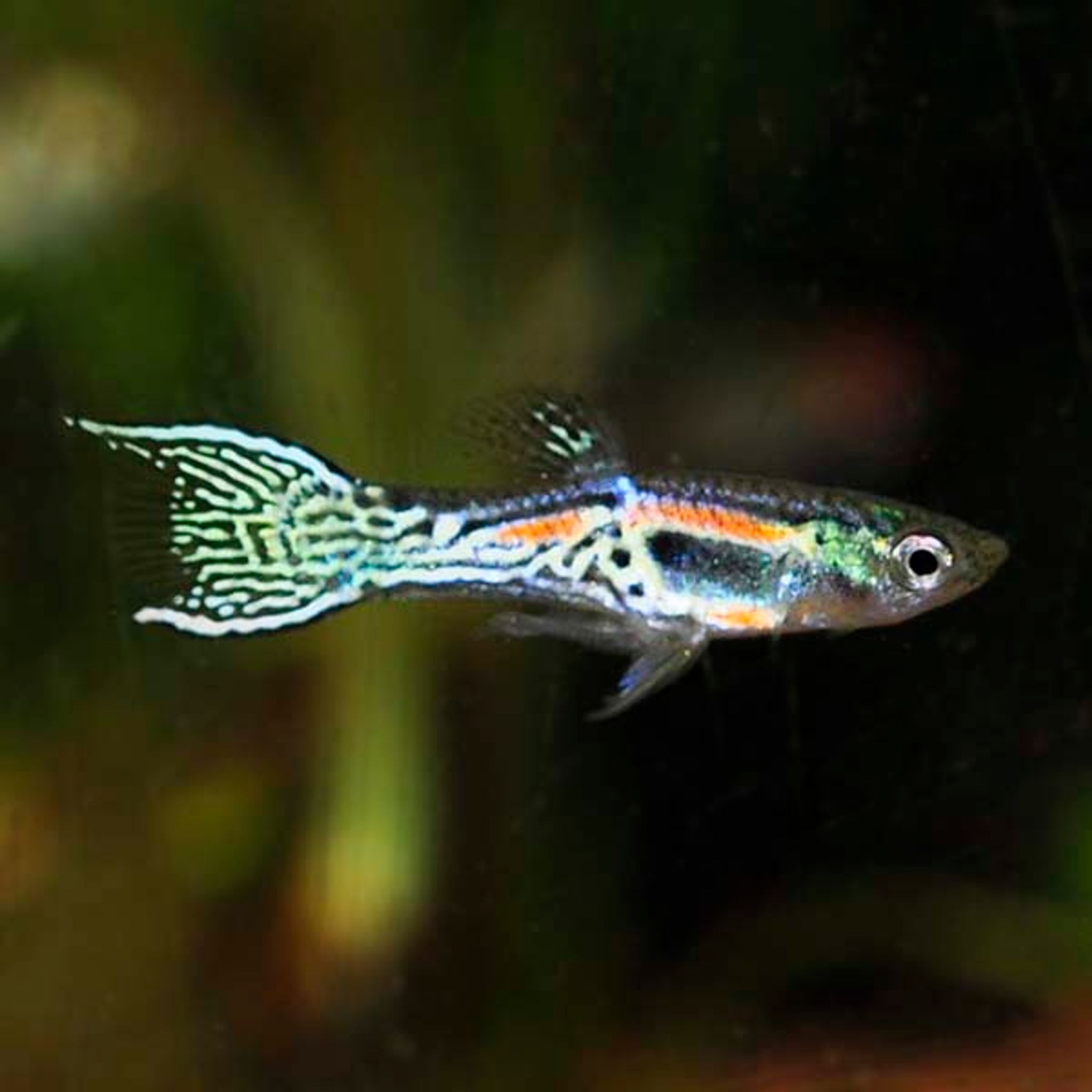
- FishyHub data shows the cheapest freshwater fish in the US, including corydoras, danios, guppies, mollies, platies, rasboras, swordtails and tetras, sit in the entry-level / budget price tier.
- FishyHub data shows the collector / premium tier in the US is led by arowana, flowerhorn and monster fish in freshwater, and by tangs, seahorses and LPS hard corals in saltwater.
- FishyHub data shows a very wide price spread in the US for goldfish, plecos, puffers and rasboras, so the variety chosen moves the price far more than the buyer's location.
- FishyHub organizes US delivery into five zones: Midwest & Central; East Coast & Northeast; South & Southeast; West Coast & Mountain West; and Alaska, Hawaii & territories.
- FishyHub data shows freshwater holds the larger share of US listings, giving buyers in every zone the widest choice in freshwater fish.
- FishyHub data shows new US listings rising across nearly every livestock group in October 2024 to October 2026.
Why Fish Prices Do Not Change at the State Line
A listing on FishyHub carries one price for every US buyer. A tetra listed in one state costs the same to a buyer in Ohio, Texas or Oregon. What varies is everything around the fish:
- Delivery. Live fish ship overnight in insulated boxes, and distance, remoteness and weather all affect the shipping cost and the risk.
- Local choice. Some states have more breeders and fish stores, which gives buyers more options to collect locally.
- Water and climate. Tap water and home temperatures decide which fish are easy, and therefore cheap, to keep in a given region.
So the honest answer to "which state has the cheapest fish?" is that the fish price is national, and the total cost depends on where you are and what you choose.
The National Price Tiers
FishyHub groups US listed prices into tiers. Examples are listed alphabetically.
| Price tier | Freshwater examples | Saltwater examples |
|---|---|---|
| Collector / premium | Arowana, datnoids, flowerhorn, monster fish | LPS hard corals, seahorses, tangs |
| Upper mid-range | Discus, halfmoon bettas, plecos | Clownfish, SPS corals, wrasse |
| Mid-range | Angelfish, cichlids, goldfish, koi | Damselfish, gobies, marine shrimp |
| Entry-level / budget | Corydoras, danios, guppies, rasboras, tetras | Marine snails |
Within a tier, variety matters. FishyHub data shows a very wide price spread for goldfish, plecos, puffers and rasboras in the US: a common rasbora and a rare species, or a standard goldfish and a show-grade fancy, can sit far apart. Choosing the common form saves more than any change of address.
How the Delivery Zones Shape the Total Cost
FishyHub does not hold reliable data on shipping costs by zone, so the notes below are general hobby knowledge about shipping live fish.
| Delivery zone | What affects cost and risk |
|---|---|
| Midwest & Central | Long ground distances; cold winters call for heat packs and careful timing |
| East Coast & Northeast | Dense courier networks; winter cold is the main risk |
| South & Southeast | Summer heat needs cold packs; a strong local fish-farming tradition |
| West Coast & Mountain West | Long distances from many sellers; mountain winters and desert summers |
| Alaska, Hawaii & territories | Remote addresses with fewer courier options; typically the costliest to reach |
The weather effect
Couriers carry fish in insulated boxes, but extreme cold or heat raises the risk of losses. Buyers in the northern Midwest and Northeast often avoid ordering in the depth of winter, while buyers in the Gulf states and the desert Southwest plan around peak summer heat. A shipment that arrives safely in mild weather is the cheapest one.
Grouping orders
Packing and overnight shipping cost roughly the same whether a box holds one fish or a small group. Buyers save most by combining several fish into one order, which matters even more for Alaska, Hawaii and the territories.
Regional Hobby Context
Florida and the South
Florida has a long history of tropical fish farming, with farms supplying livebearers, tetras, cichlids and many other species to stores nationwide. Warm weather across the South & Southeast also means outdoor ponds and tubs can raise fish for much of the year. Buyers in this region often have more local options for common fish.
Hard water regions
Much of the Midwest, Texas and the Southwest has hard, alkaline tap water. Livebearers such as guppies, mollies, platies and swordtails, and African cichlids, thrive in it, so these entry-level and mid-range fish are easy and inexpensive choices there.
Soft water regions
The Pacific Northwest and parts of the Northeast and Southeast have softer water, which suits tetras, rasboras, corydoras and many South American species. Keepers who match fish to their tap water lose fewer fish and spend less on water treatments.
Cold-climate states
In the northern states, heating is a bigger part of the running cost of a tropical tank. Coldwater fish such as goldfish, mid-range on FishyHub in the US, avoid much of that cost indoors.
Where Fish Are Cheapest, in Practice
- Choose entry-level species: corydoras, danios, guppies, platies, rasboras, swordtails or tetras.
- Pick common varieties within groups that have a wide price spread.
- Combine several fish into one shipment.
- Order in mild weather for your zone.
- Match fish to your tap water to avoid losses.
- Compare listings; rising supply across most categories gives buyers more choice.
Methodology
This page uses FishyHub marketplace activity in the US over the period from October 2024 to October 2026: active listings, listed prices grouped into tiers, the spread of prices between varieties, new listings over time and the names of FishyHub's five US delivery zones. Findings are reported as tiers and directions rather than figures.
FishyHub does not report state-by-state prices, purchases or buyer numbers, and holds no reliable data on shipping costs by zone or state. The state comparison on this page is based on hobby context, such as climate, tap water and local fish farming, and on the national marketplace tiers. The US market on FishyHub is new and this data has no US order history.
Frequently Asked Questions
Which state has the cheapest aquarium fish?
FishyHub lists fish at national prices, so the fish cost the same in every state. Total cost differs with shipping, weather and local options, and is usually lowest for buyers in the contiguous states who order in mild weather and group several fish into one box.
Are fish cheaper in Florida?
Florida's fish farms give local buyers more nearby options for common species. On FishyHub, listed prices are the same nationally.
Why does shipping fish to Alaska or Hawaii cost more?
Remote addresses have fewer courier options and longer transit, which raises both cost and risk.
What are the cheapest aquarium fish to buy in the US?
On FishyHub, corydoras, danios, guppies, mollies, platies, rasboras, swordtails and tetras sit in the entry-level / budget tier.
How to Cite This Page
Source: FishyHub, "Aquarium Fish Prices by State: Where Are Fish Cheapest?" (2026), https://fishyhub.com/us/blogs/blog-detail/aquarium-fish-prices-by-state-where-are-fish-cheapest


