America's Most Wanted Aquarium Fish: Demand vs Supply
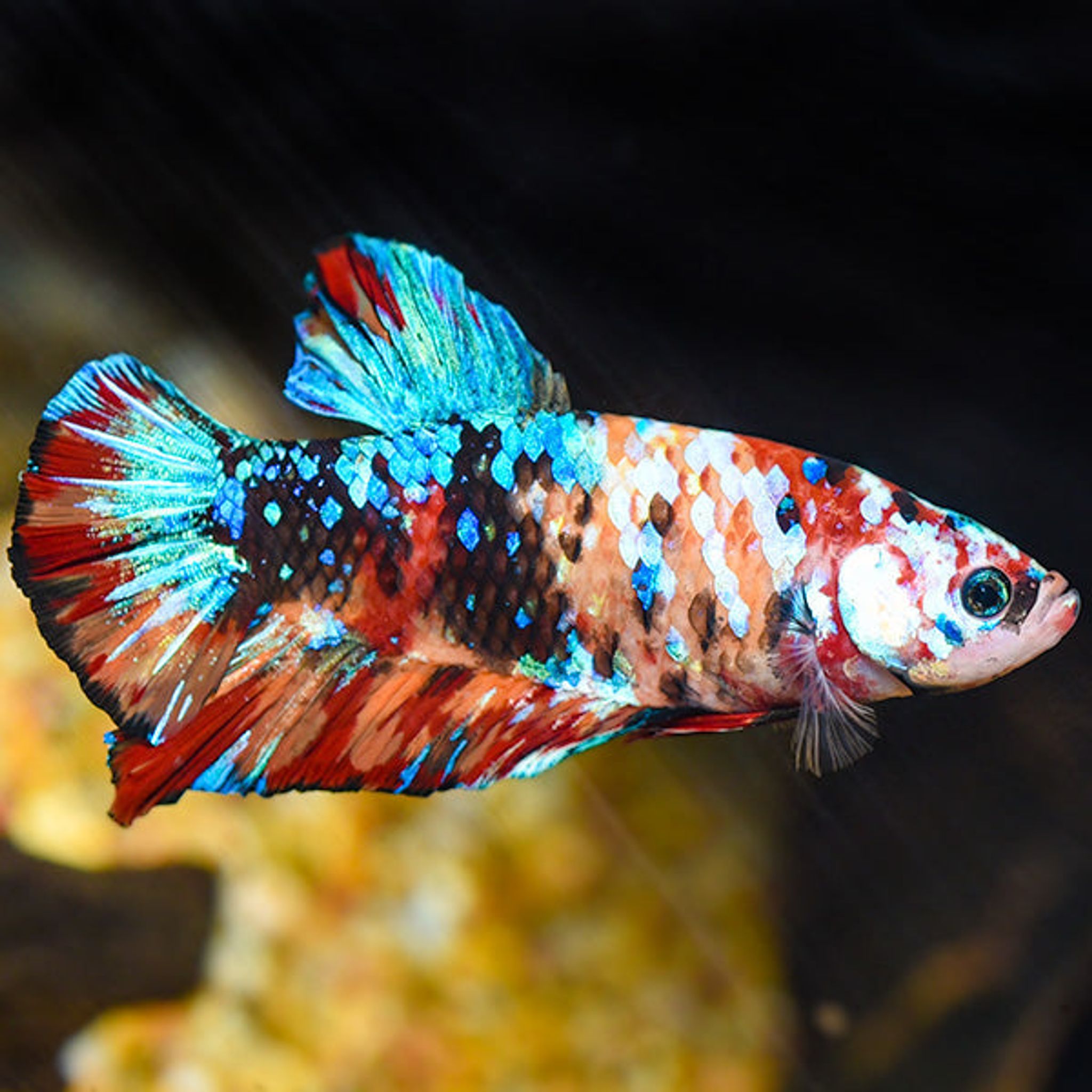
On FishyHub's US marketplace, the clearest case of demand outrunning supply is the giant halfmoon plakat betta: listings are limited, so even moderate buyer interest clearly outpaces the fish on offer. Halfmoon plakats show interest ahead of supply despite high listing levels, while halfmoons are balanced. Beyond bettas, FishyHub cannot yet measure US demand against supply, but its listings show where American stock is thin - arowanas, oscars, fancy goldfish and several unusual marine fish.
Key Findings
- FishyHub data shows demand clearly outpaces supply for giant halfmoon plakat bettas in the US, where listings are limited.
- FishyHub data shows buyer interest in halfmoon plakat bettas runs ahead of supply in the US, even though they have high supply.
- FishyHub data shows halfmoon bettas are balanced between buyer interest and supply in the US.
- FishyHub data shows arowanas, oscars, orandas, ryukins and silver dollars have limited supply in the US.
- FishyHub search data shows oscar is among the terms shoppers search for most across FishyHub's markets, while US oscar listings are limited.
- FishyHub data shows batfish, boxfish, rays, sharks and squirrelfish are among the marine fish with limited supply in the US.
- FishyHub data shows the US demand-versus-supply picture currently covers betta varieties only, because the US market has no order history in this data.
How FishyHub Compares Demand and Supply
FishyHub's demand-versus-supply signal sets buyer activity - purchases, wishlists, likes and "my tank" saves - against the number of active listings. A fish where interest is high but listings are few is "wanted"; a fish with many listings and modest interest gives buyers the upper hand.
In the US, this comparison is currently possible only for betta varieties, because US buyer-interest data covers bettas and the US market does not yet have order history in FishyHub's data. For other fish, this page reports supply tiers on their own and explains, from hobby knowledge, why some fish are hard to find.
Bettas: Where US Demand Outruns Supply
| Betta variety | Buyer interest | Supply | Demand vs supply |
|---|---|---|---|
| Giant halfmoon plakat | Moderate | Limited | Demand clearly outpaces supply |
| Halfmoon | High | High | Balanced |
| Halfmoon plakat | Very high | High | Demand ahead of supply |
Giant halfmoon plakats
Giant bettas are selectively bred to grow much larger than standard bettas, and most breeding lines are in Southeast Asia. Raising a giant takes longer, each fish needs its own space during grow-out, and shipping a larger betta across the Pacific adds cost and risk. That keeps US listings limited. On FishyHub, giants sit in the upper mid-range price tier in the US with a narrow price spread, so the shortage shows up as availability rather than wild price differences.
Halfmoon plakats
Halfmoon plakats already have high supply in the US, yet interest is in the very high tier and still running ahead. They sit in the mid-range price tier, which makes them an accessible way to own a show-quality betta. Buyers who want a particular color - koi, black orchid, solid red - may need to wait for the right fish to be listed.
Halfmoons
Halfmoons are the balanced case: high interest met by high supply. They sit in the upper mid-range tier in the US, and buyers can generally find a good selection.
Where US Supply Is Thin
Outside bettas, FishyHub cannot say whether US demand exceeds supply, but it can show which fish are scarce on the US marketplace. Limited supply does not by itself mean a fish is wanted; some fish are rare because few keepers want them. Where a fish is both scarce in the US and heavily searched, though, the gap is worth noting.
Freshwater fish with limited US supply
Listed alphabetically:
- Arowanas (black and jardini)
- Crowntail, dumbo and veiltail bettas
- Datnoids
- Hatchetfish
- Knifefish
- Orandas and ryukins (fancy goldfish)
- Oscars
- Silver dollars
The oscar gap
Oscar is in FishyHub's very high search tier, which combines its US and Singapore markets, yet US oscar listings are limited. Oscars are a classic American aquarium fish: intelligent, interactive and long-lived. They are also large and messy, so many local fish stores carry only a few juveniles at a time, and few online sellers specialize in them. On FishyHub they sit in the entry-level / budget tier in the US with a narrow price spread.
Arowanas
Arowana is also a very high search term. In the US, arowana listings are limited and sit in the collector / premium tier, with silver arowanas in the upper mid-range tier and moderate supply. Asian arowanas are protected and cannot legally be imported into the US, so American keepers choose from South American species such as the silver and black arowana and Australian species such as the jardini. That legal limit, plus the large tanks these fish need, keeps the market small.
Fancy goldfish
The goldfish category as a whole has very high supply in the US, but orandas and ryukins - fancy, round-bodied varieties - have limited listings. Fancy goldfish are slower to raise to quality and more delicate to ship than common or comet goldfish.
Marine fish with limited US supply
Listed alphabetically:
- Batfish
- Boxfish
- Filefish
- Grunts and sweetlips
- Jawfish
- Pipefish
- Rays
- Scorpion fish
- Sharks
- Squirrelfish
Many of these are specialist fish. Batfish and sharks need very large systems, boxfish can release toxins when stressed, and pipefish need live foods. Rays, sharks and scorpion fish sit in the collector / premium tier in the US. Their limited supply reflects a narrow keeper base as much as any shortage.
Where US Buyers Have the Most Choice
The other side of the picture: on FishyHub's US marketplace, these groups have very high supply (alphabetically) - American cichlids, barbs, butterflyfish, catfish, clownfish, discus, goldfish, guppies, LPS hard corals, marine gobies, plecos, polyps, SPS corals, tangs, tetras and wrasses. For these, buyers can compare several sellers and pick the fish closest to their zone to shorten transit.
Shipping and Scarcity
When a fish is scarce, buyers often end up ordering from a seller far away. FishyHub's US delivery zones are Midwest & Central, East Coast & Northeast, South & Southeast, West Coast & Mountain West, and Alaska, Hawaii & territories. As a general rule, longer routes and remote destinations cost more and add transit time, and extreme summer heat or winter cold calls for insulated boxes with heat or cold packs. FishyHub does not report shipping costs or demand by zone or state.
Methodology
This page is based on FishyHub's US marketplace activity over the period from October 2024 to October 2026. We looked at active listings, listed price tiers, new listings over time, wishlists, likes and "my tank" saves, and search terms. All findings are reported as tiers and directions, not figures.
The US demand-versus-supply comparison covers betta varieties only, because US buyer-interest data currently covers bettas and the US market has no order history in this data. Supply tiers for other fish describe availability, not demand. Search terms combine FishyHub's US and Singapore markets. FishyHub does not report demand by state or delivery zone.
Frequently Asked Questions
What is the hardest betta to find in the US?
On FishyHub, giant halfmoon plakat bettas have limited US supply, and demand clearly outpaces what is listed.
Why are oscars hard to find online?
Oscars grow large and are messy, so few sellers specialize in them. On FishyHub, oscar is a very high search term but US listings are limited.
Can you buy an Asian arowana in the US?
No. Asian arowanas are protected and cannot legally be imported into the US. US listings on FishyHub are South American and Australian species.
Which aquarium fish are easiest to buy in the US?
On FishyHub, barbs, catfish, discus, guppies, plecos and tetras have very high US supply, as do clownfish, tangs and wrasses among marine fish.
How to Cite This Page
Source: FishyHub, "America's Most Wanted Aquarium Fish: Demand vs Supply" (2026), https://fishyhub.com/us/blogs/blog-detail/americas-most-wanted-aquarium-fish-demand-vs-supply


