1–40 of 478
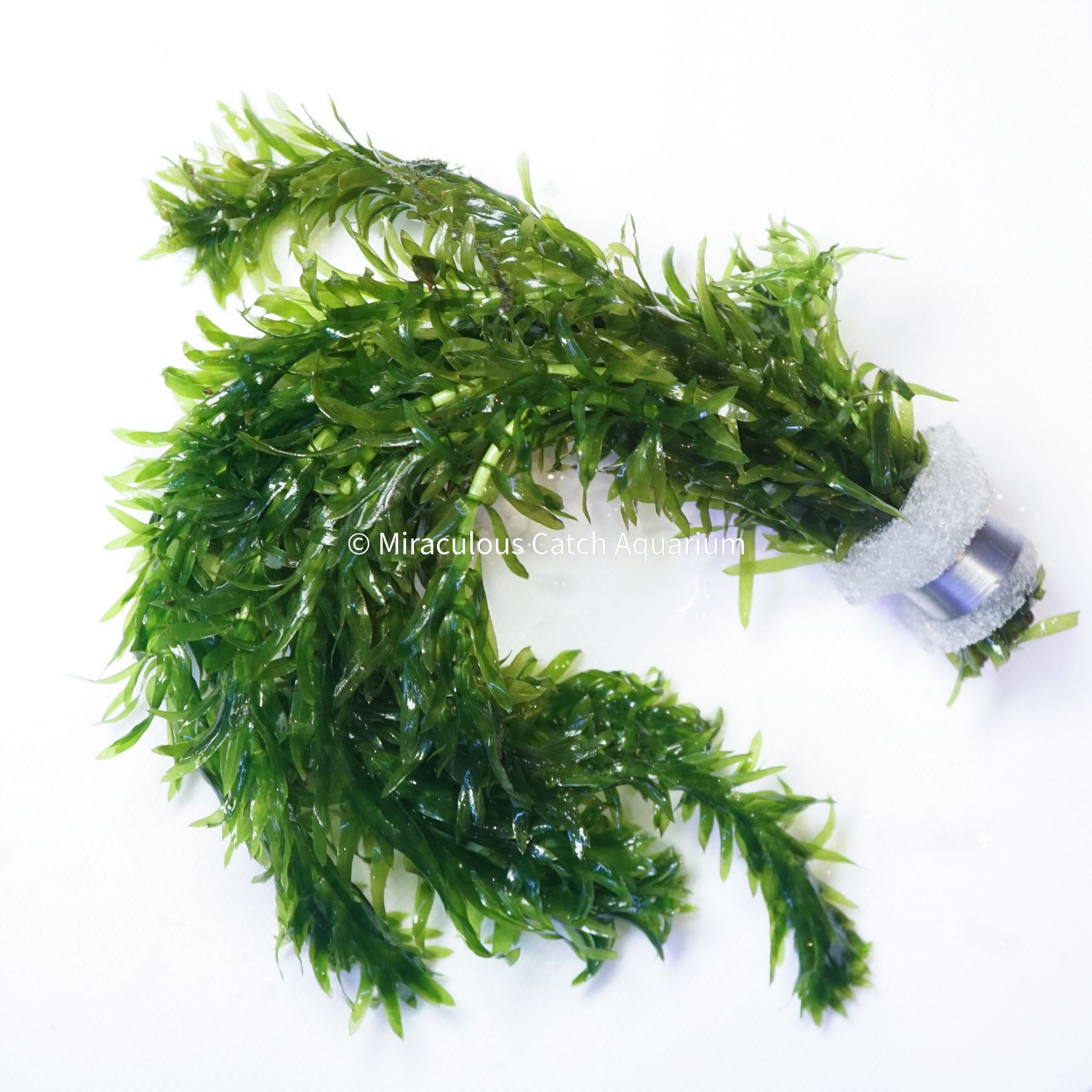
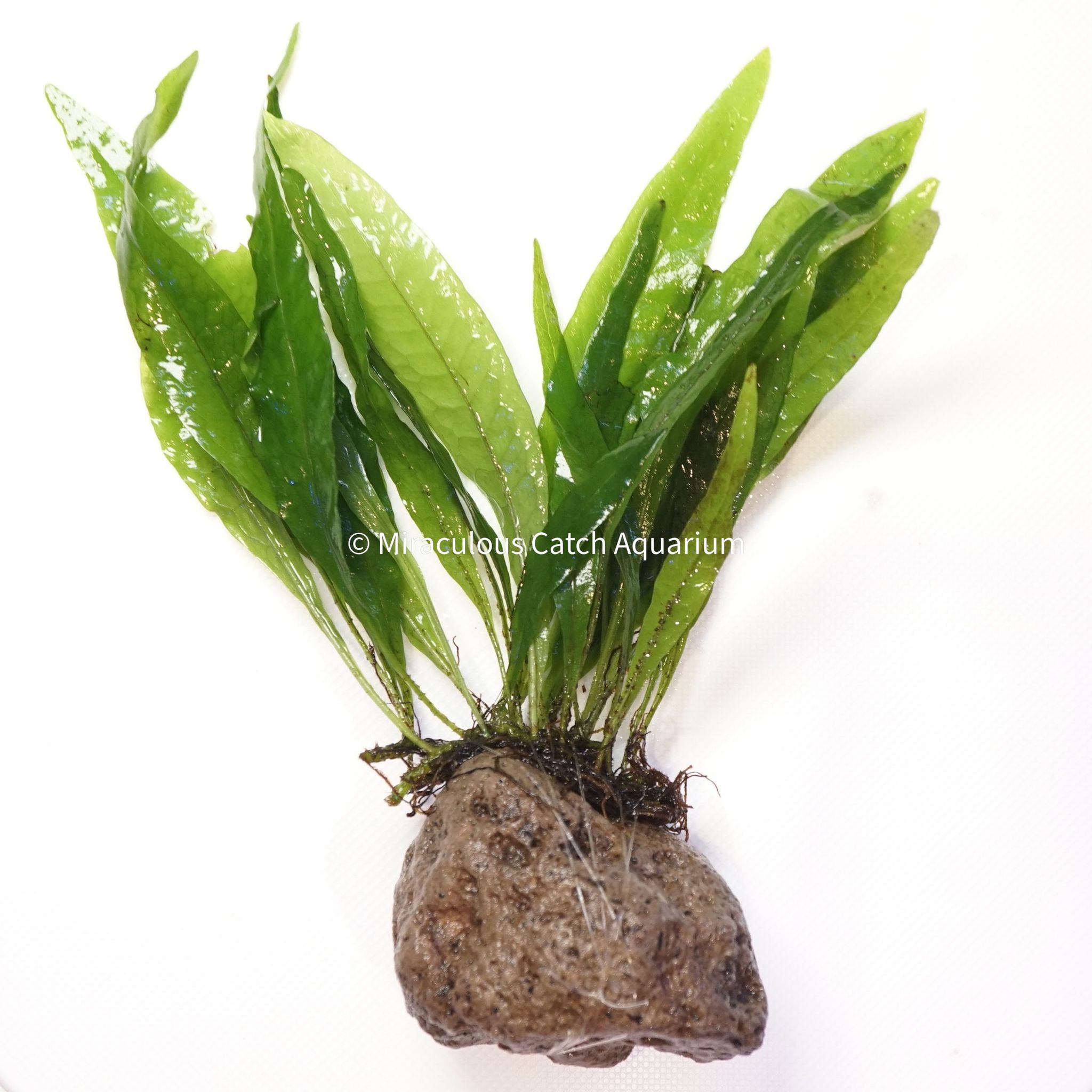
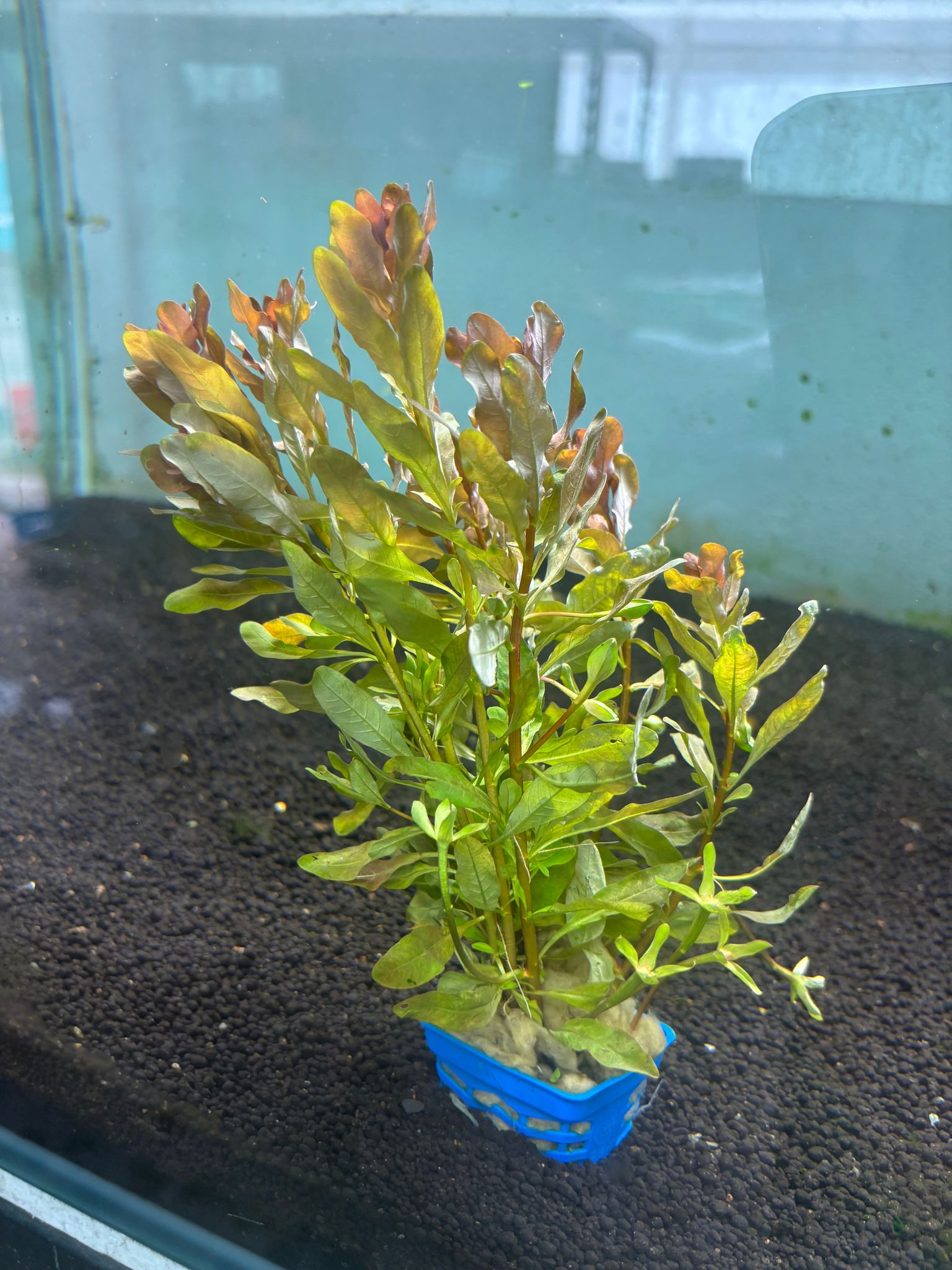
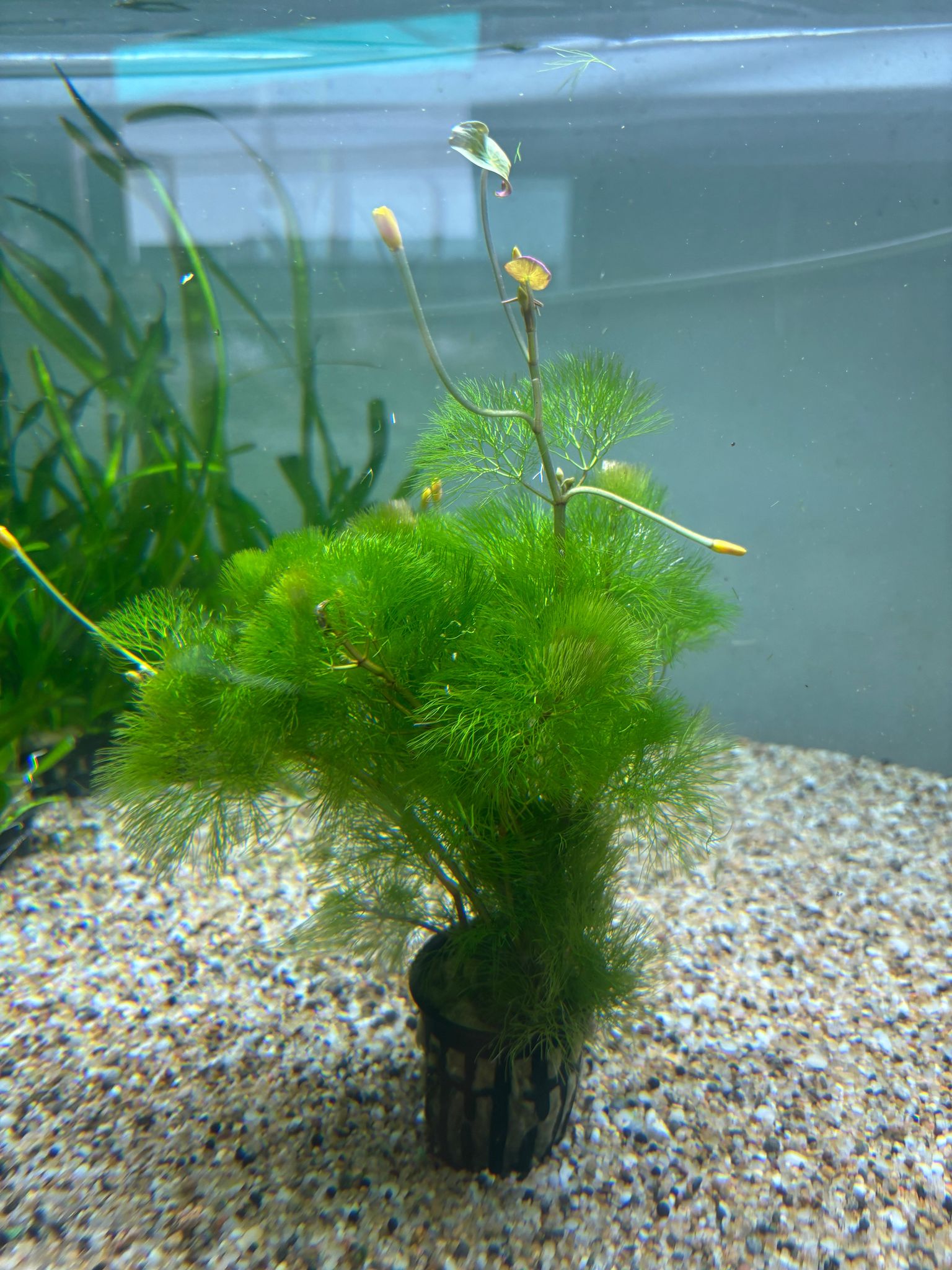
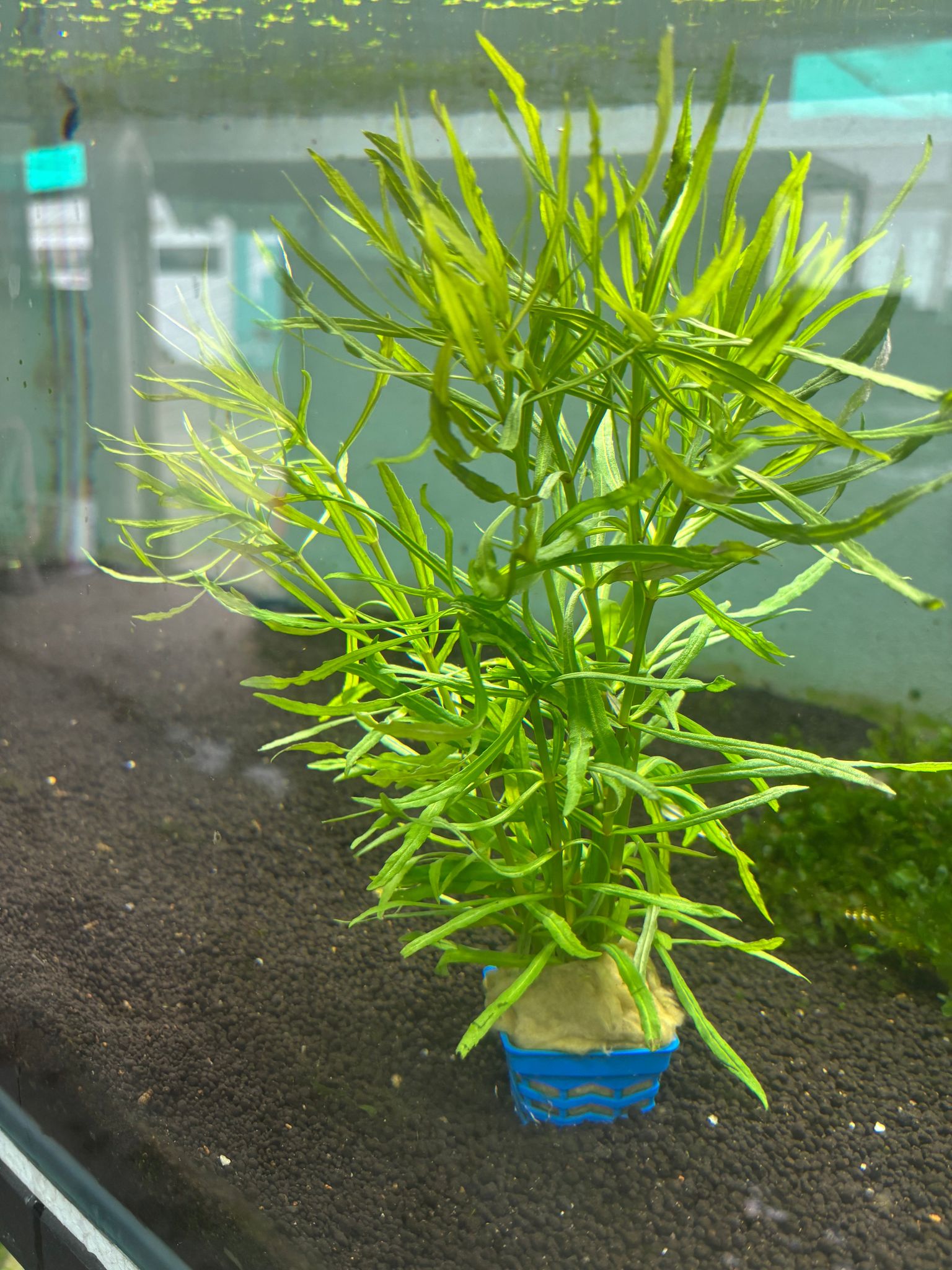
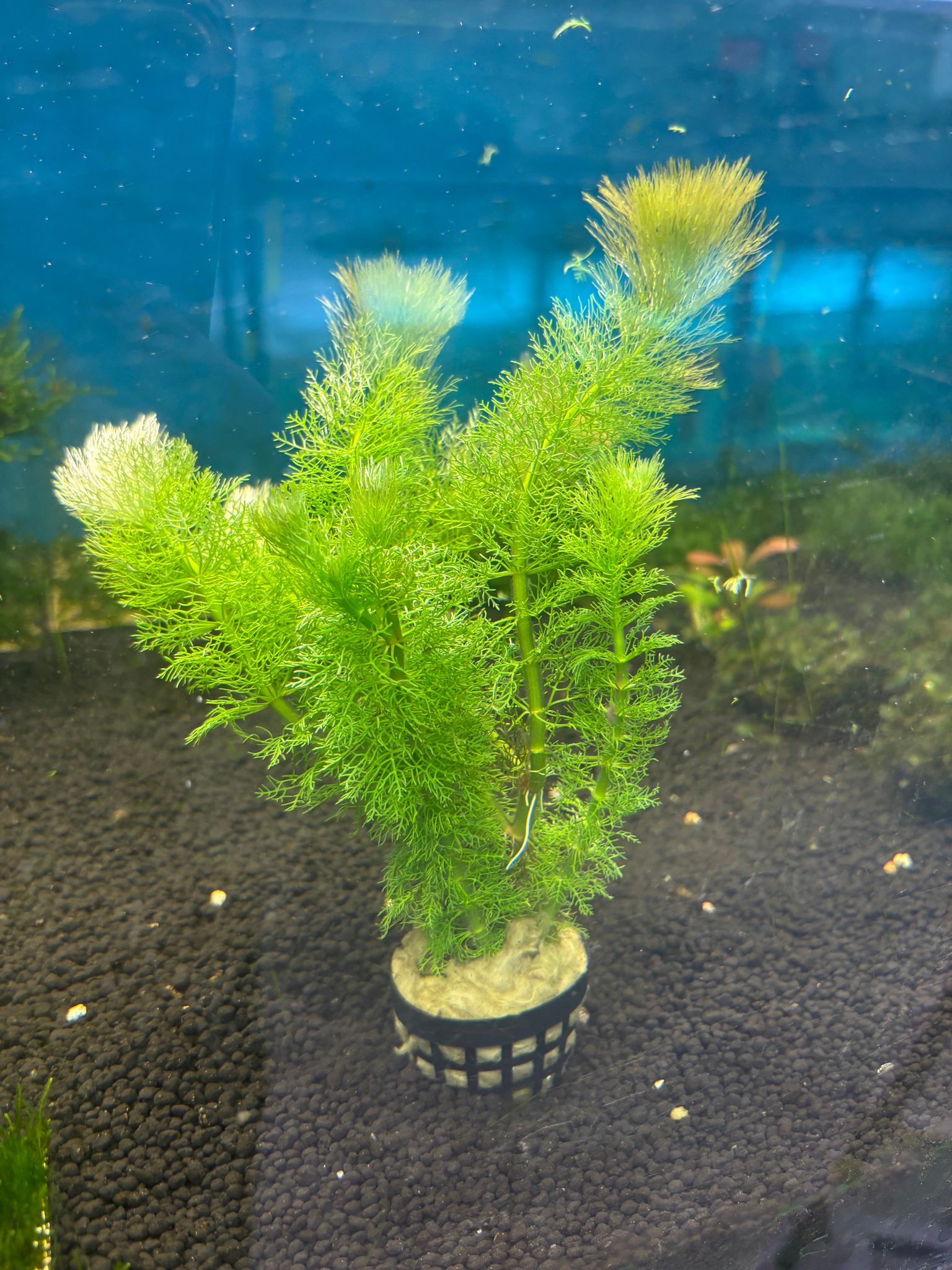
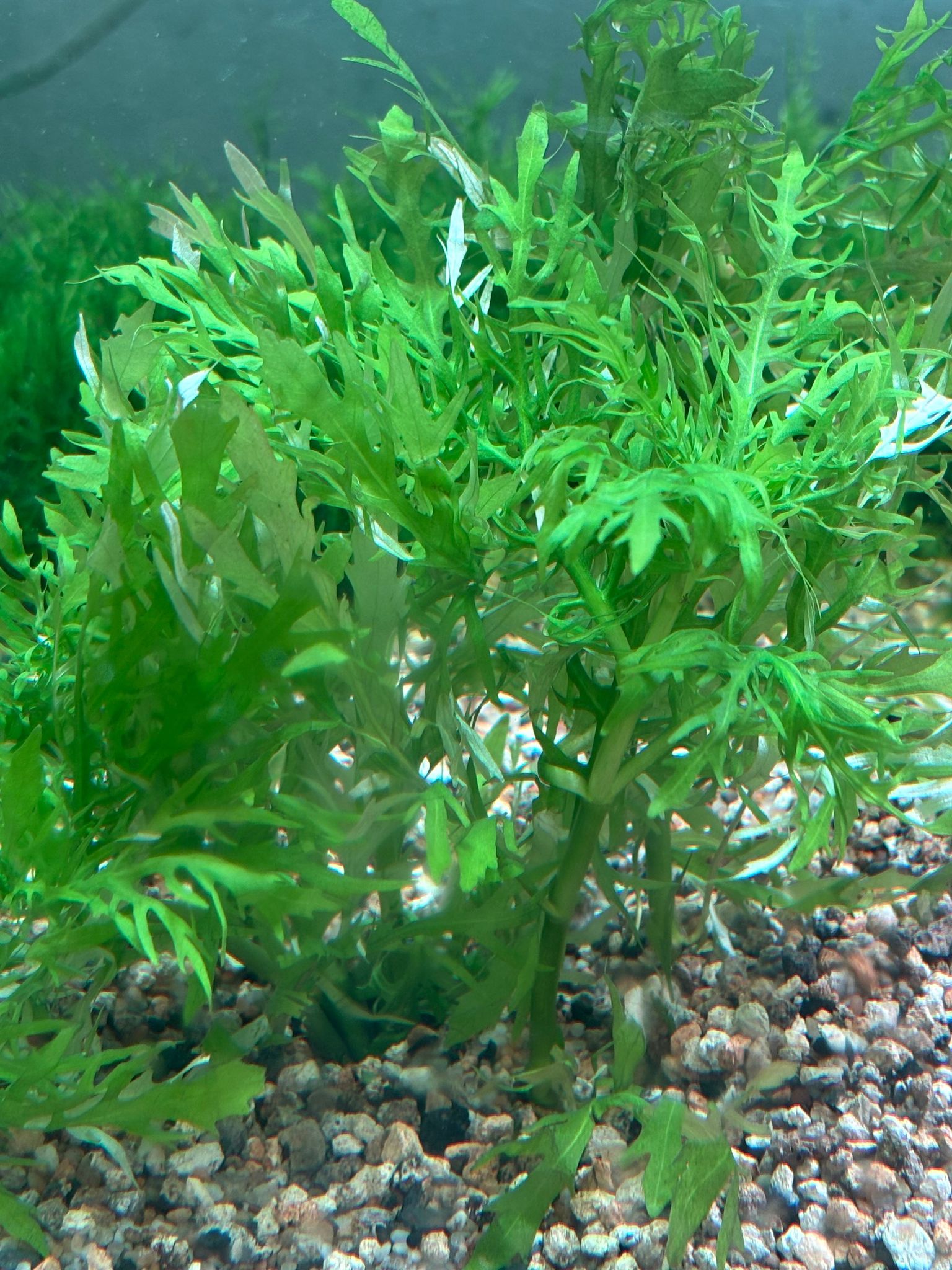
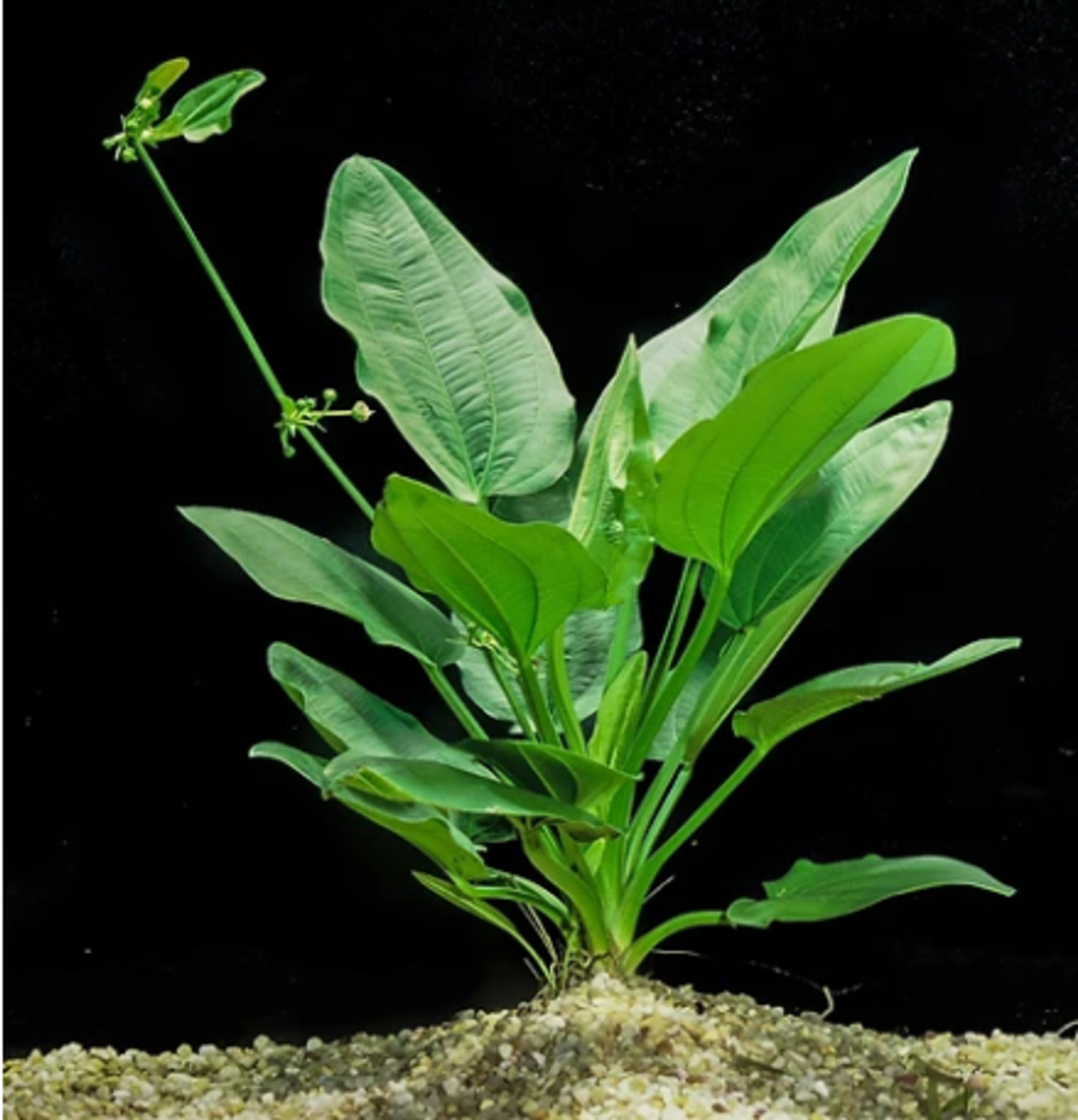
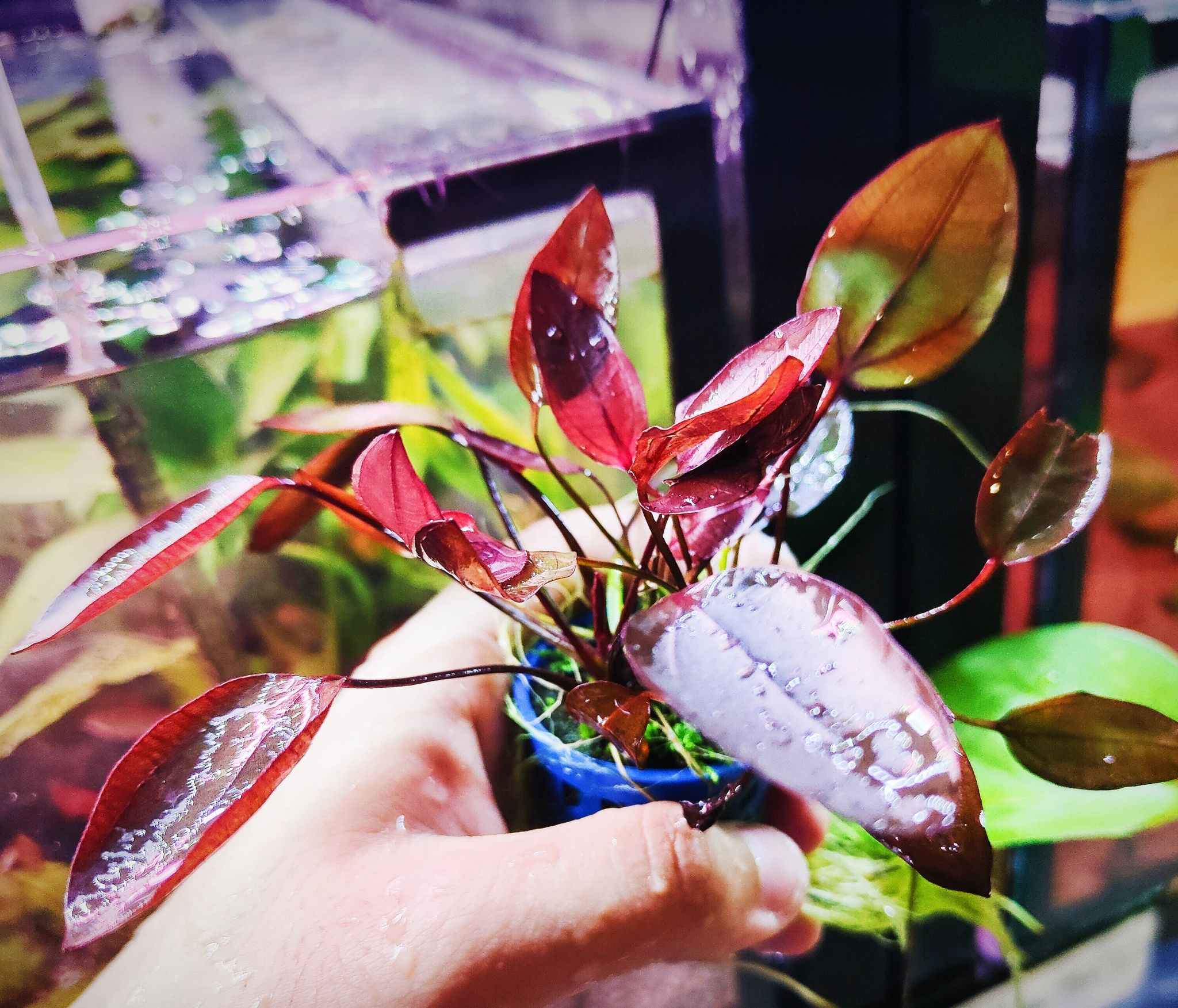

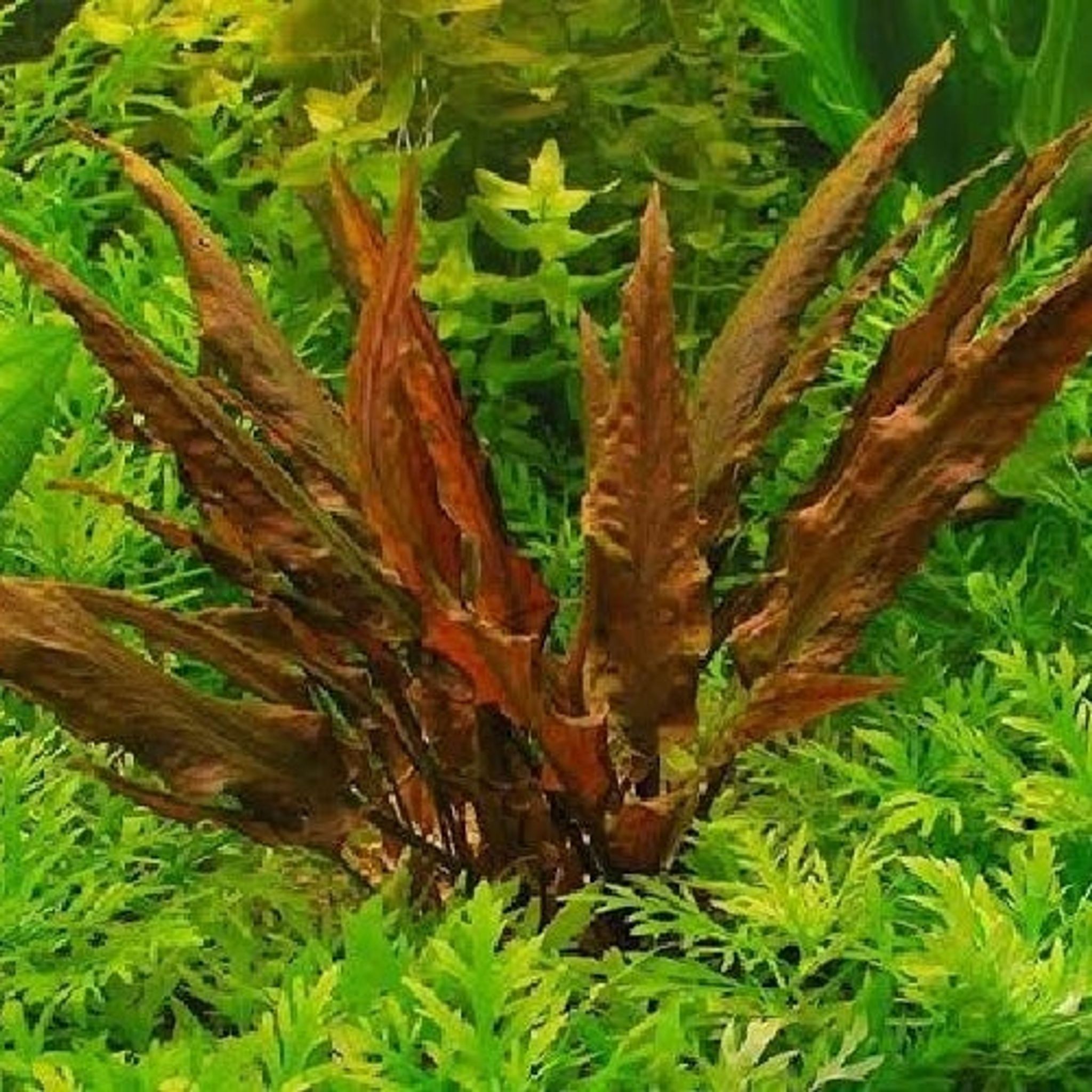
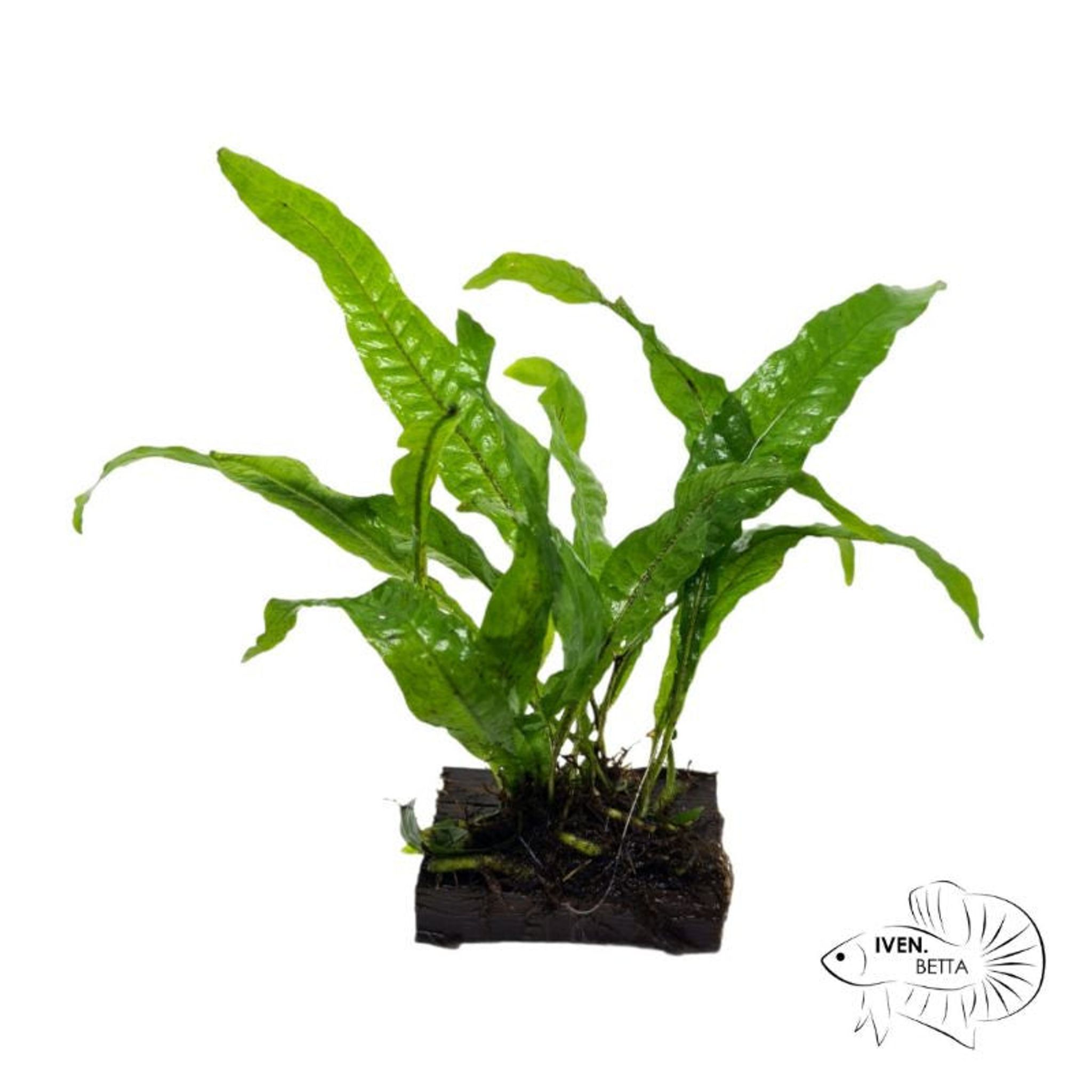
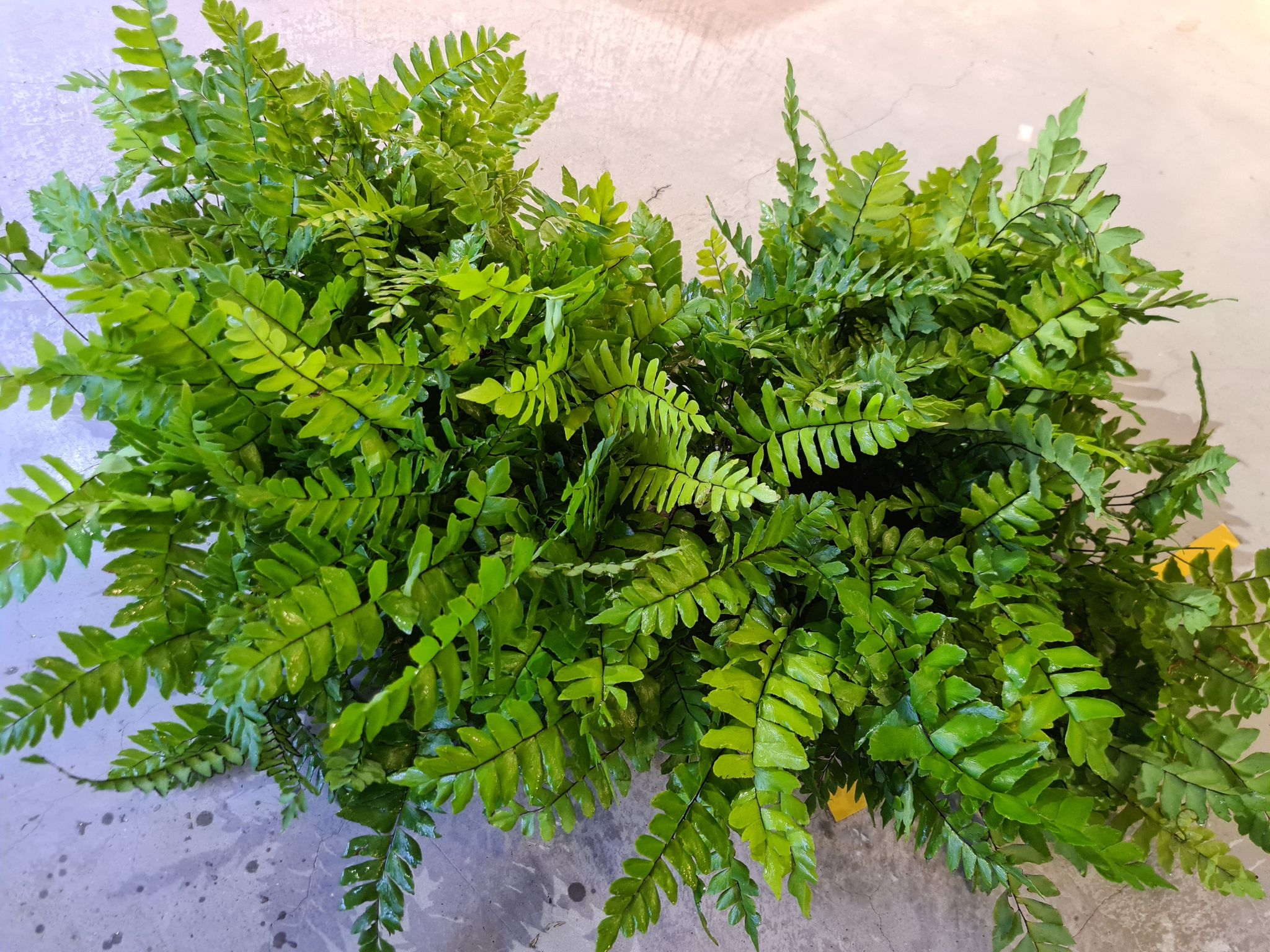
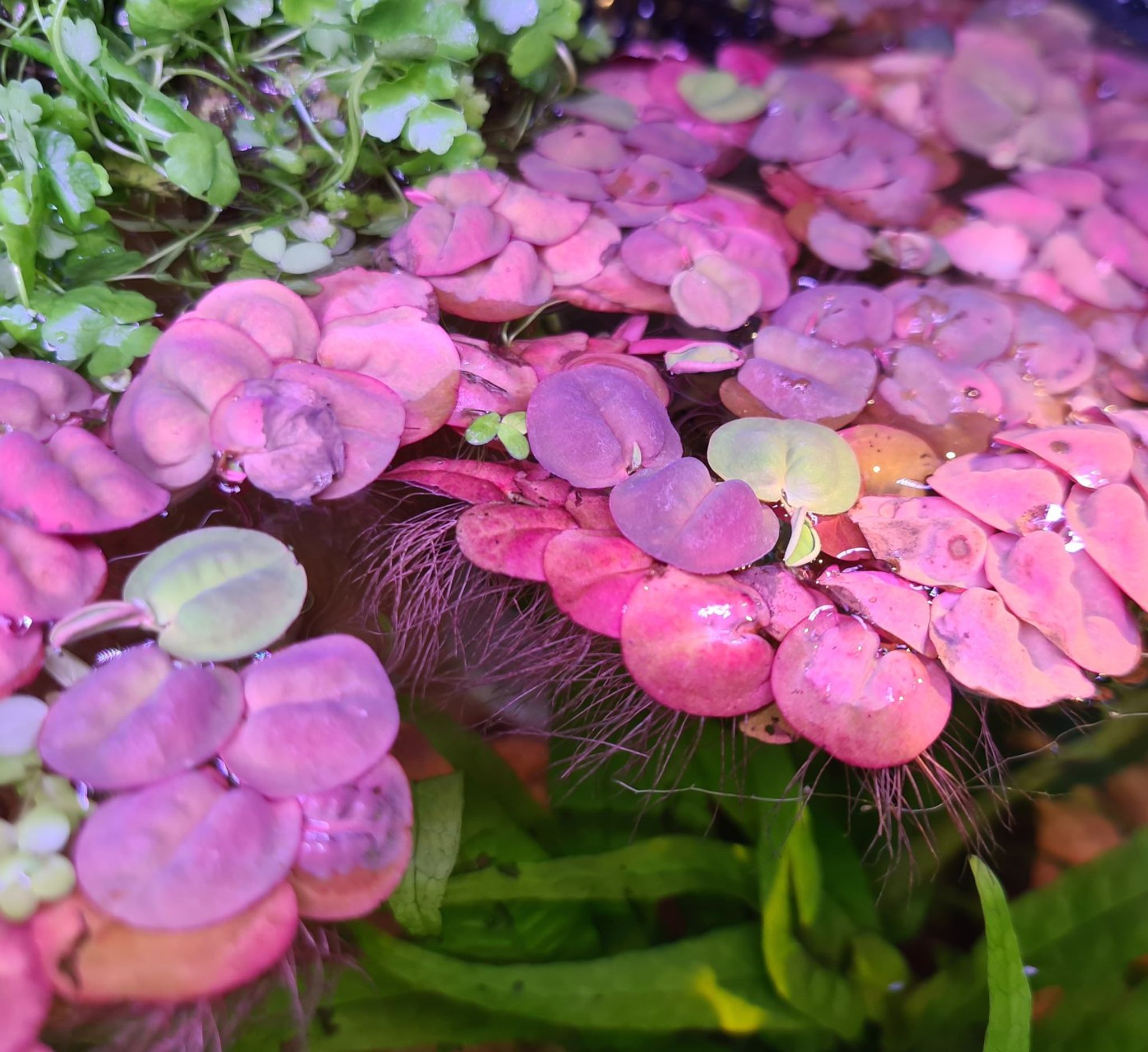
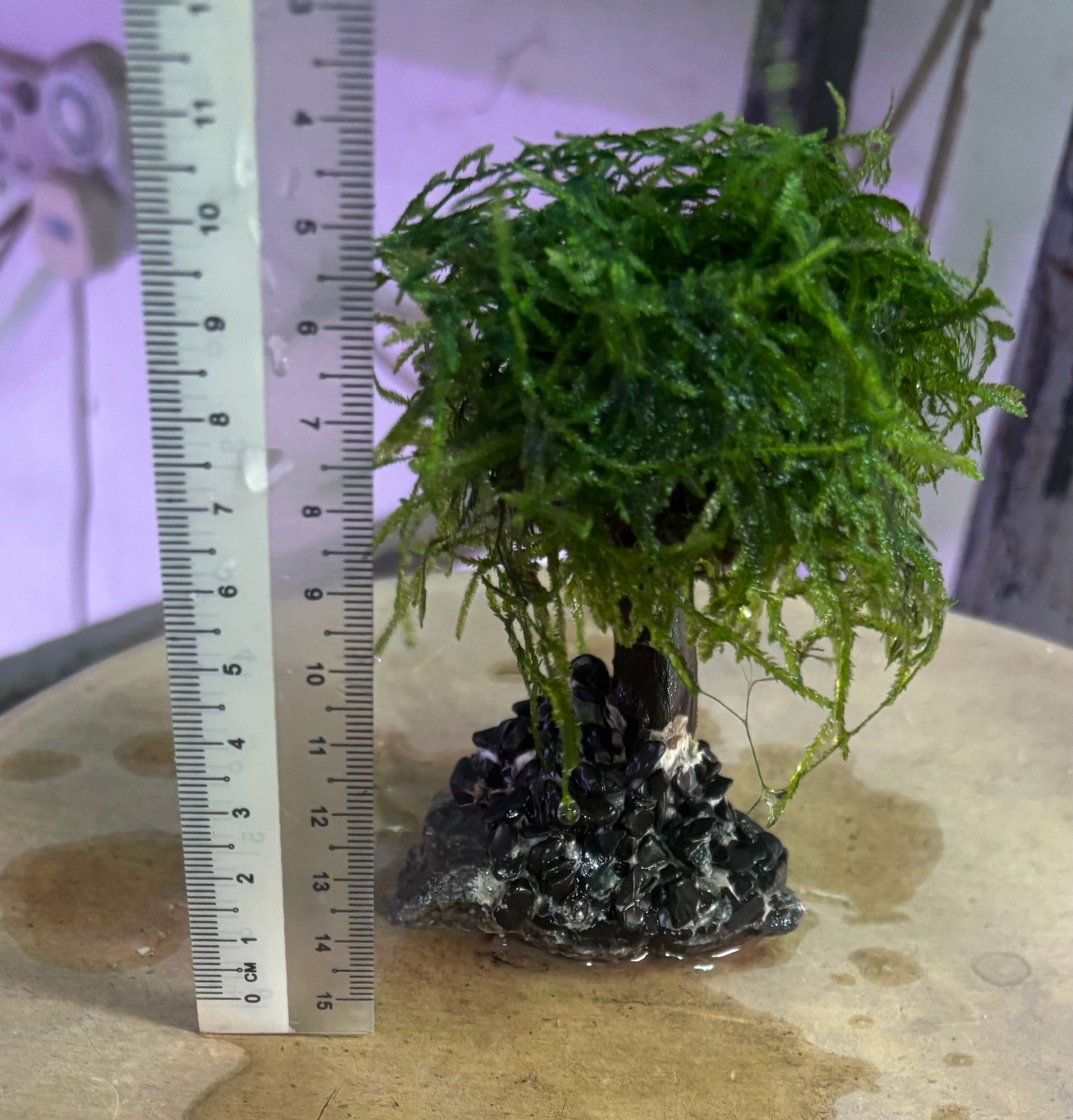
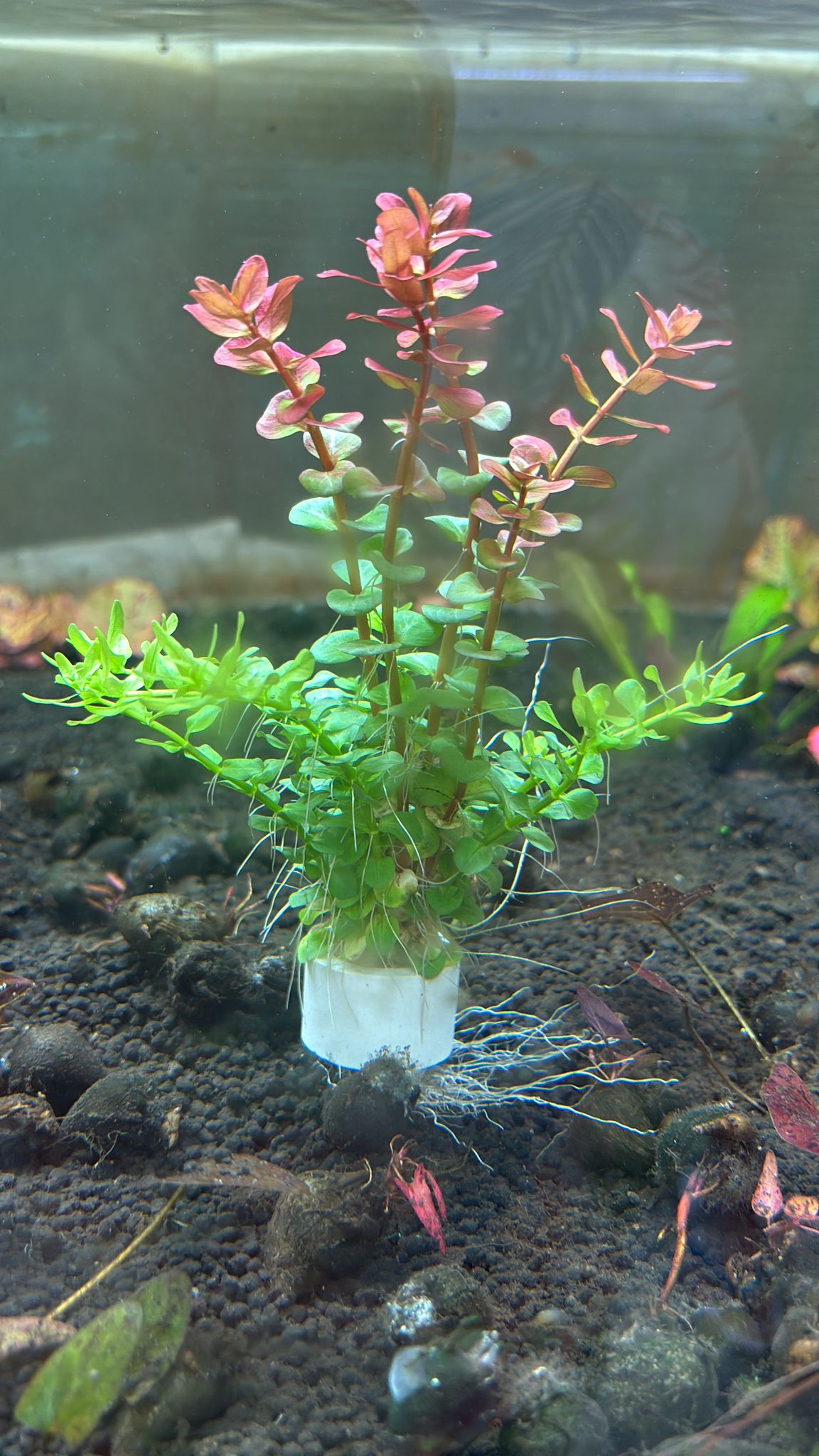
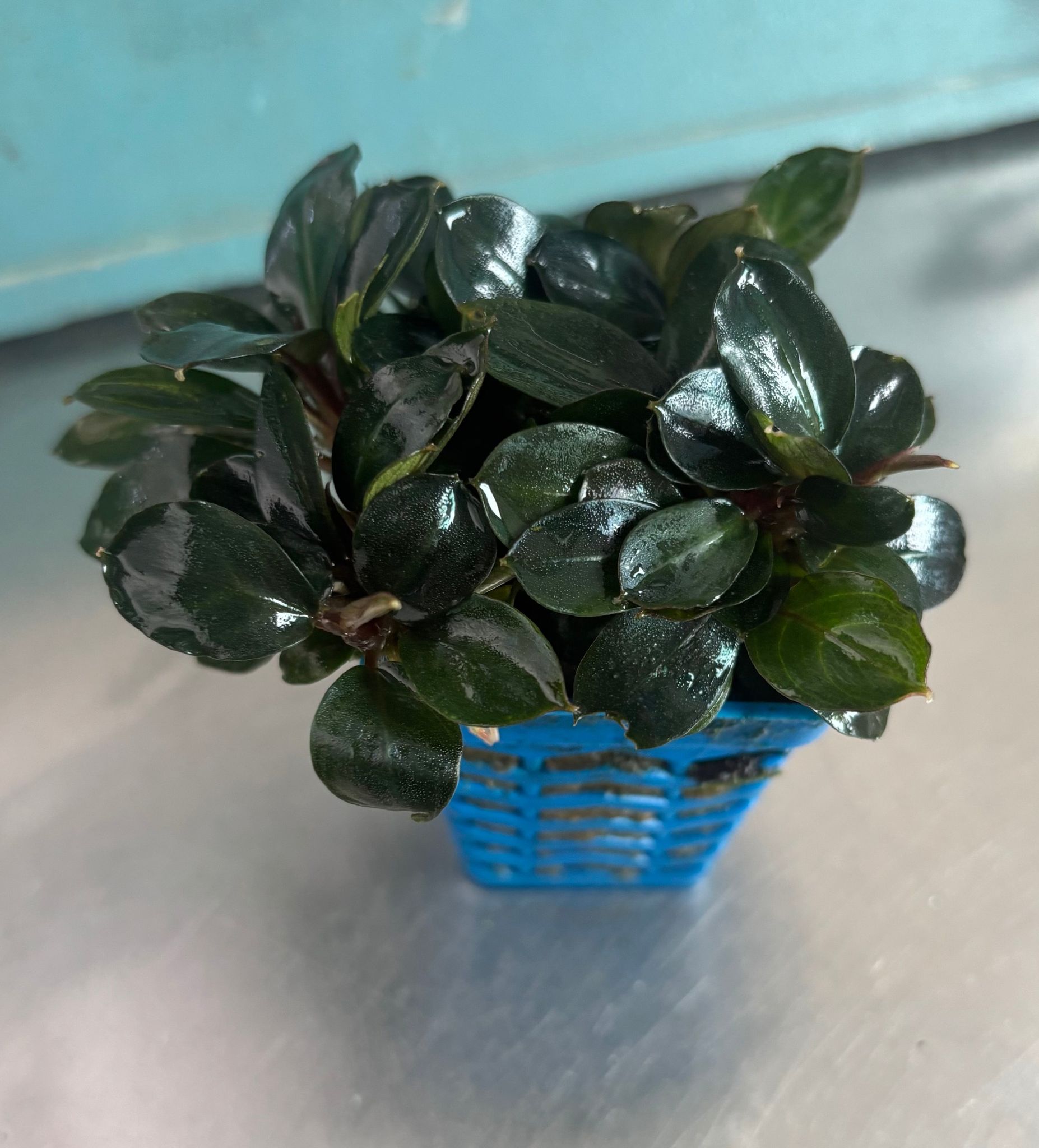
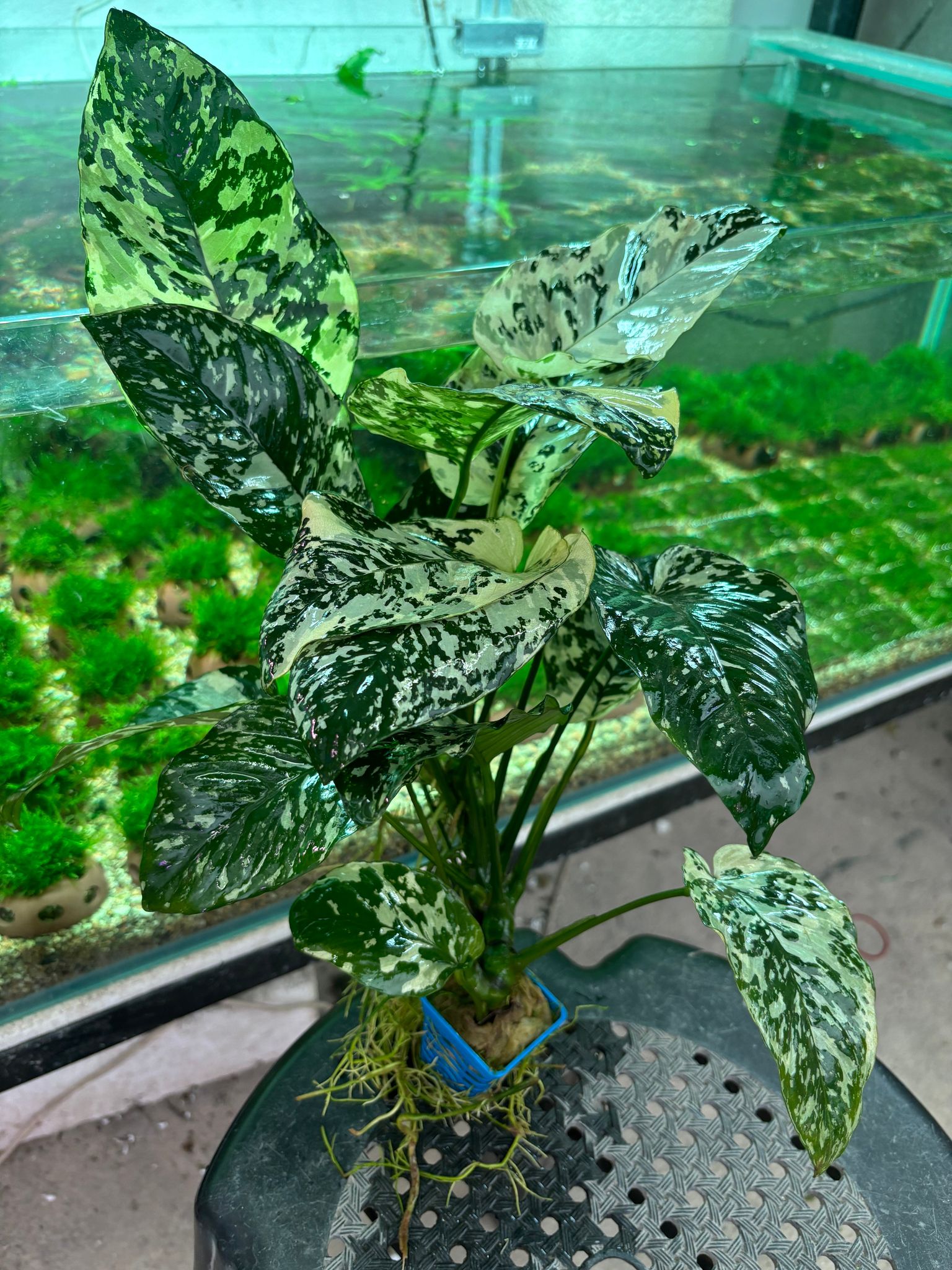
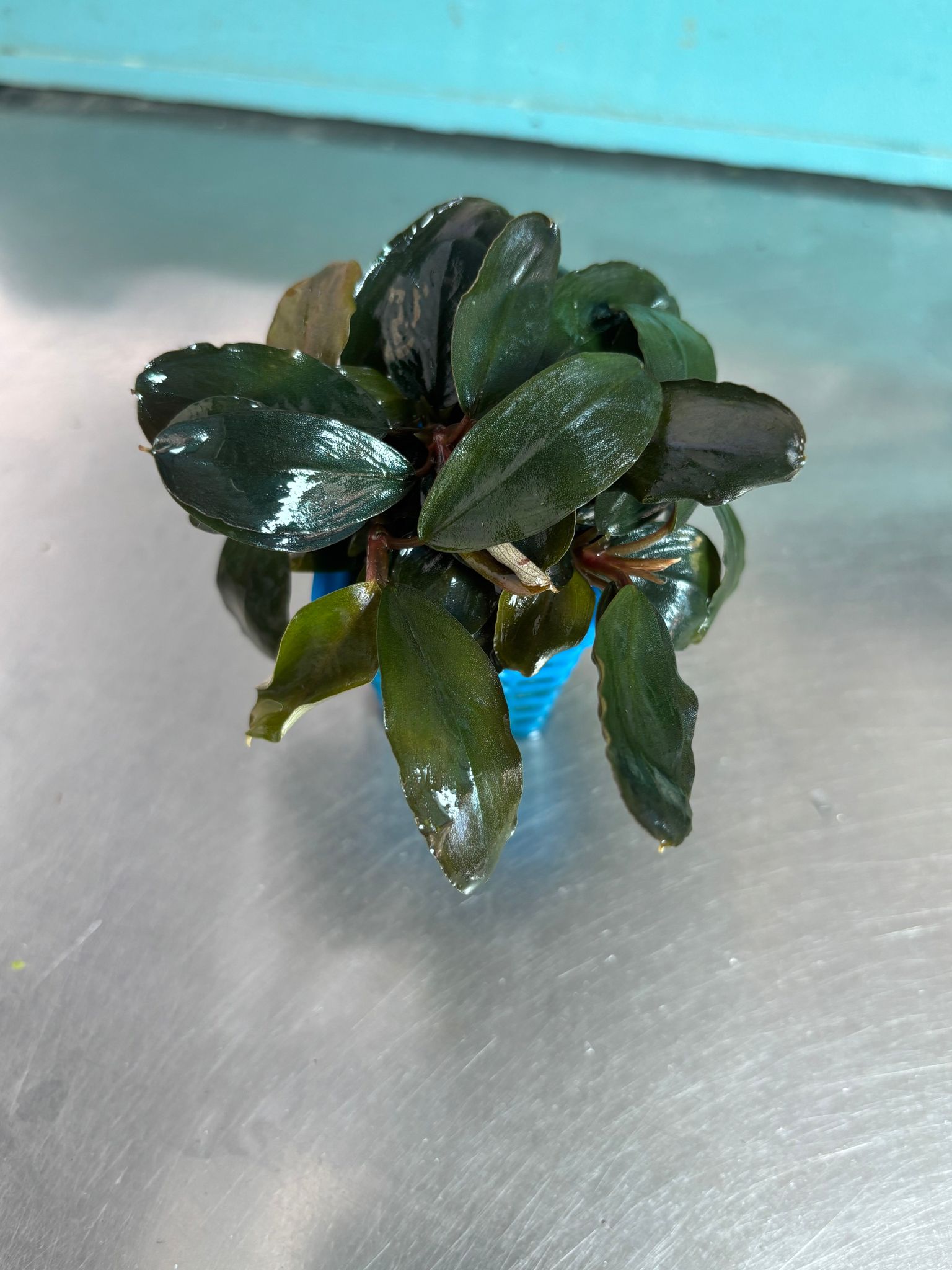
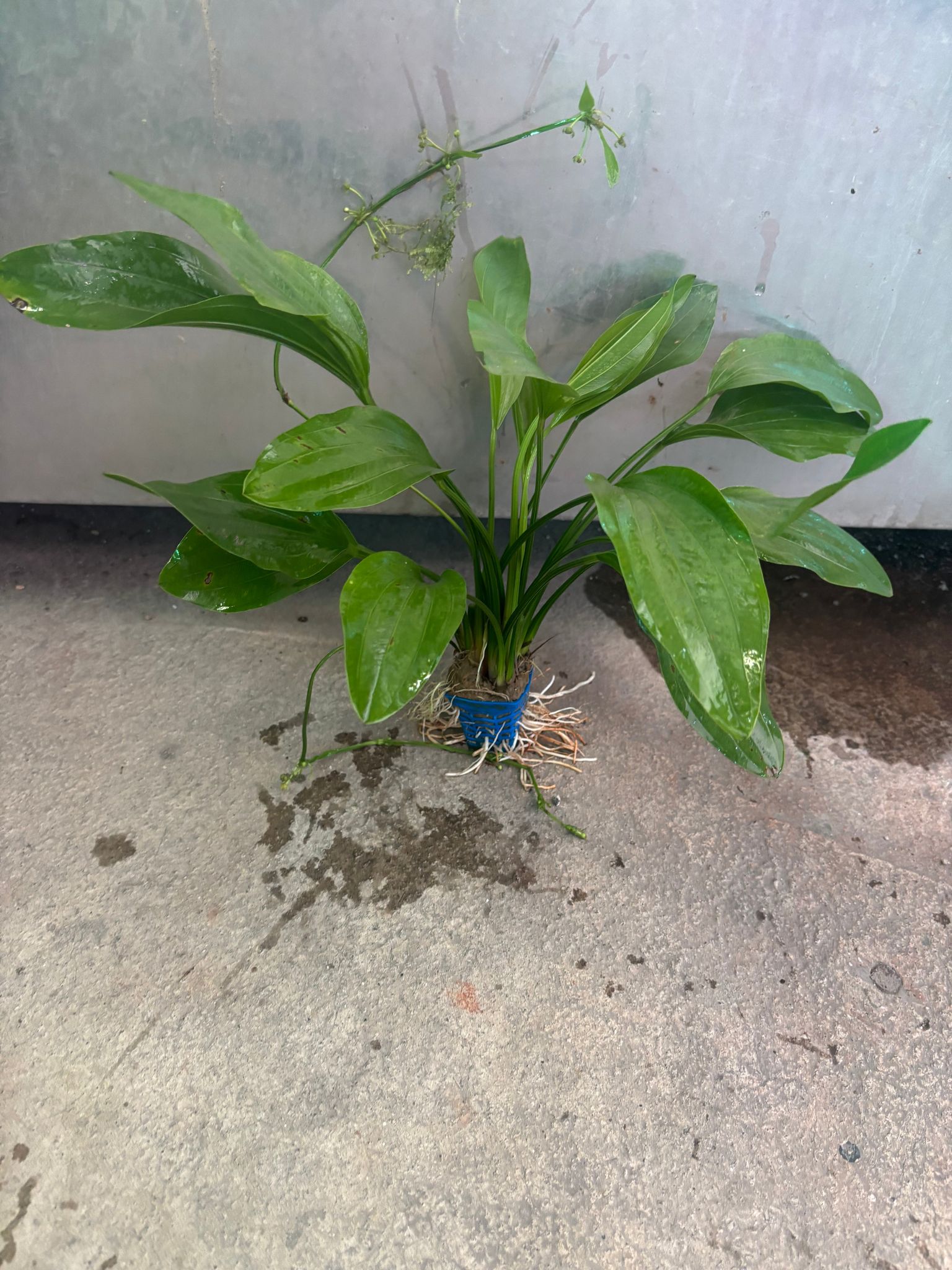
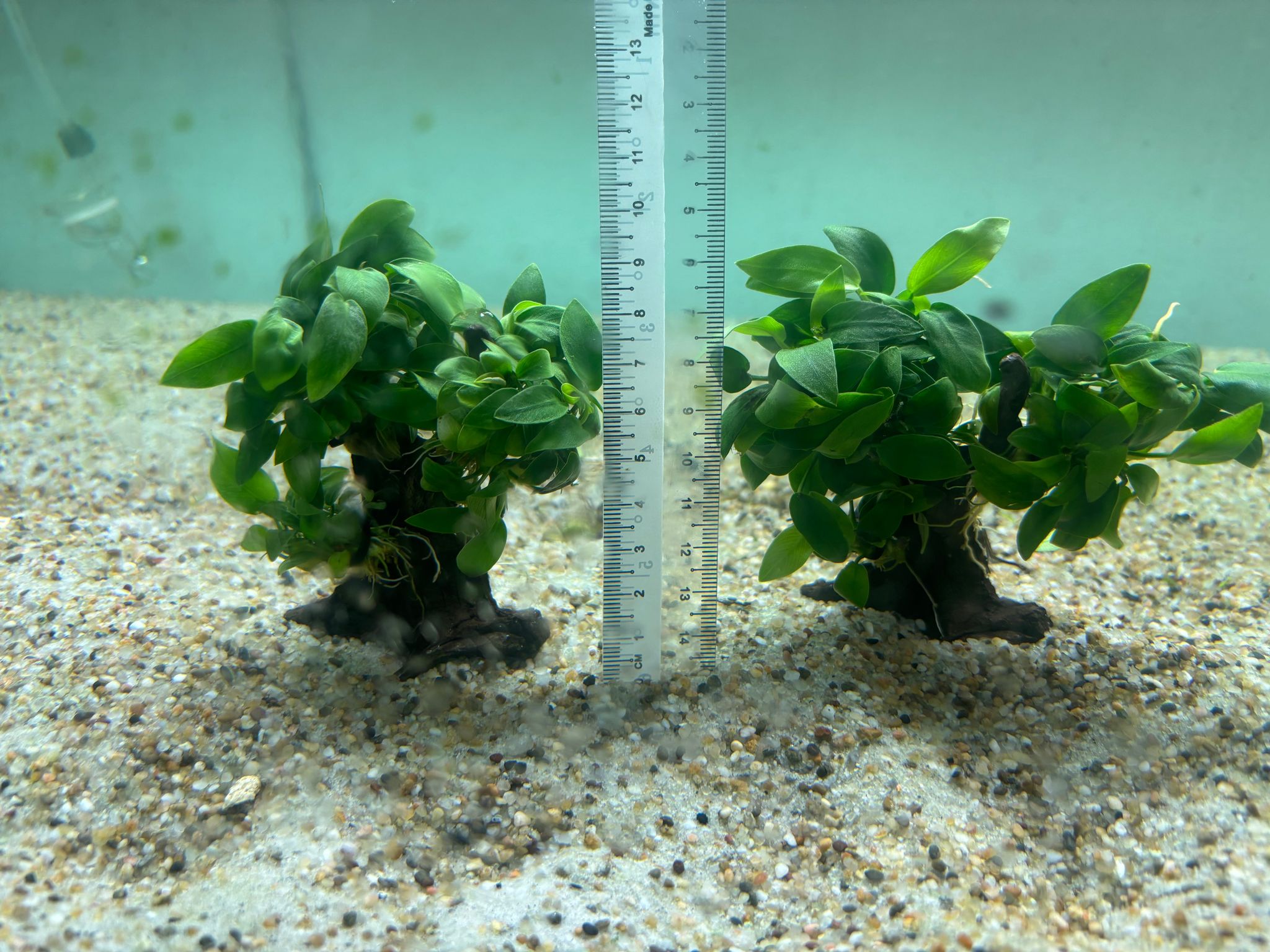
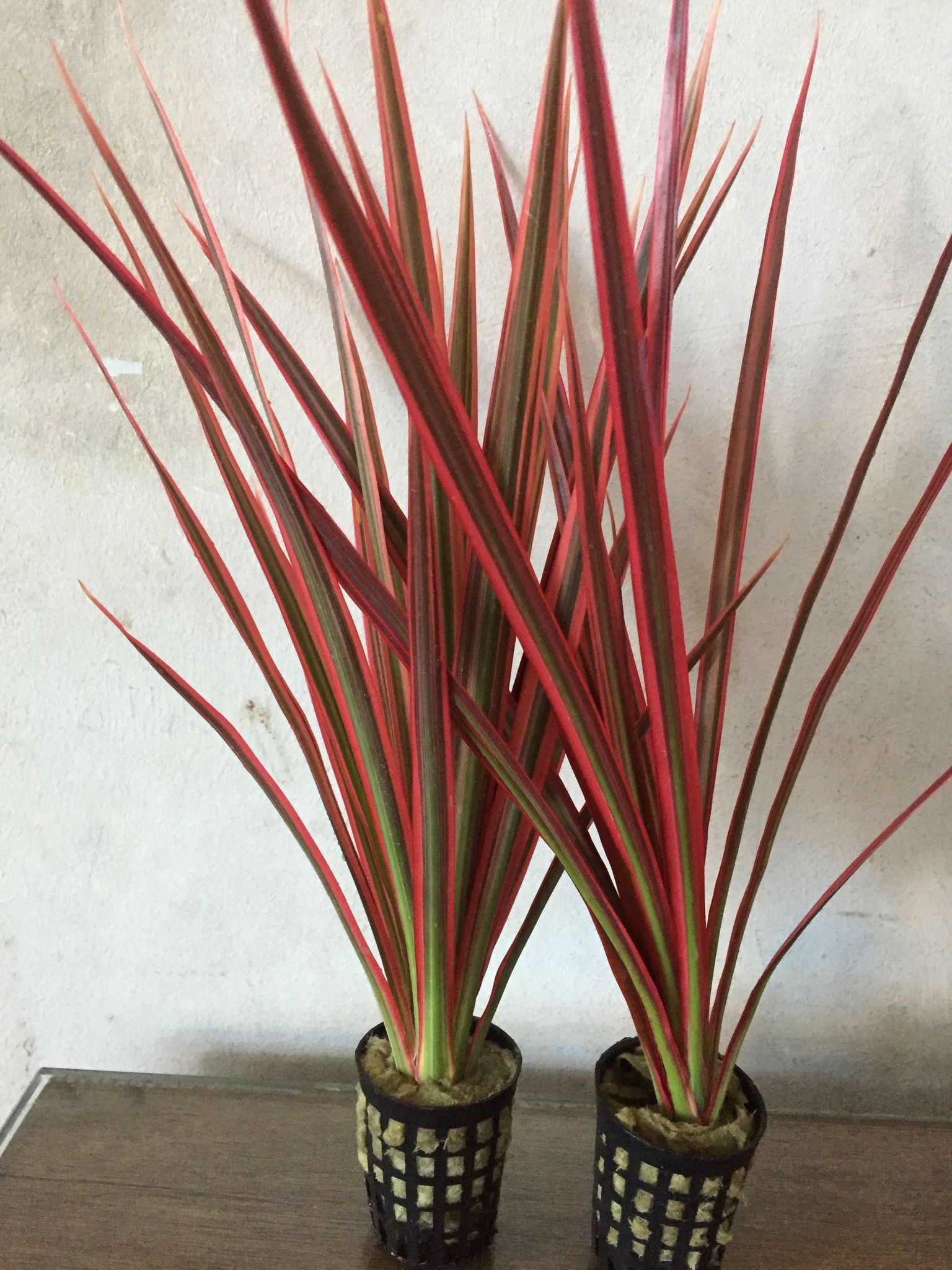
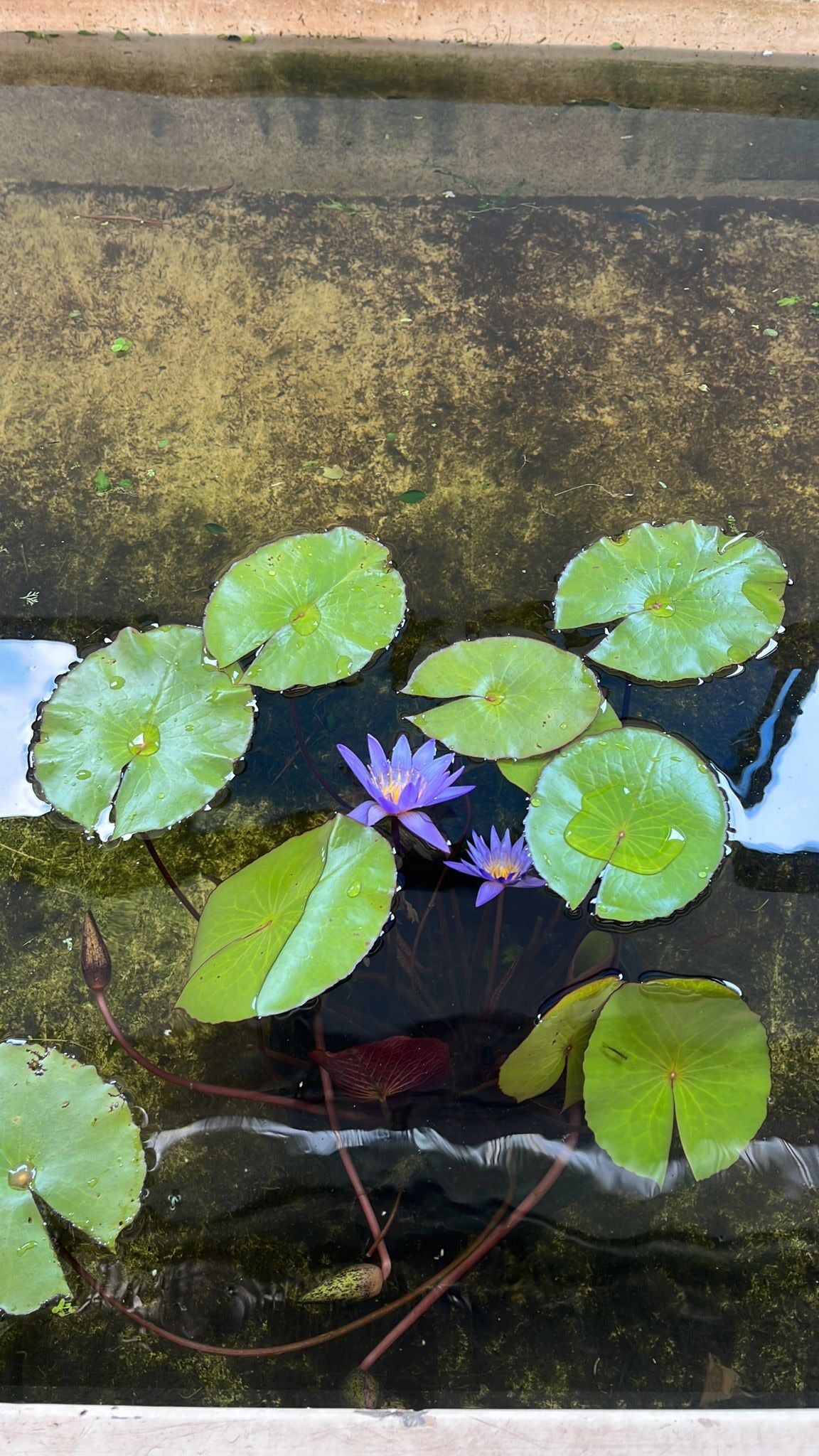
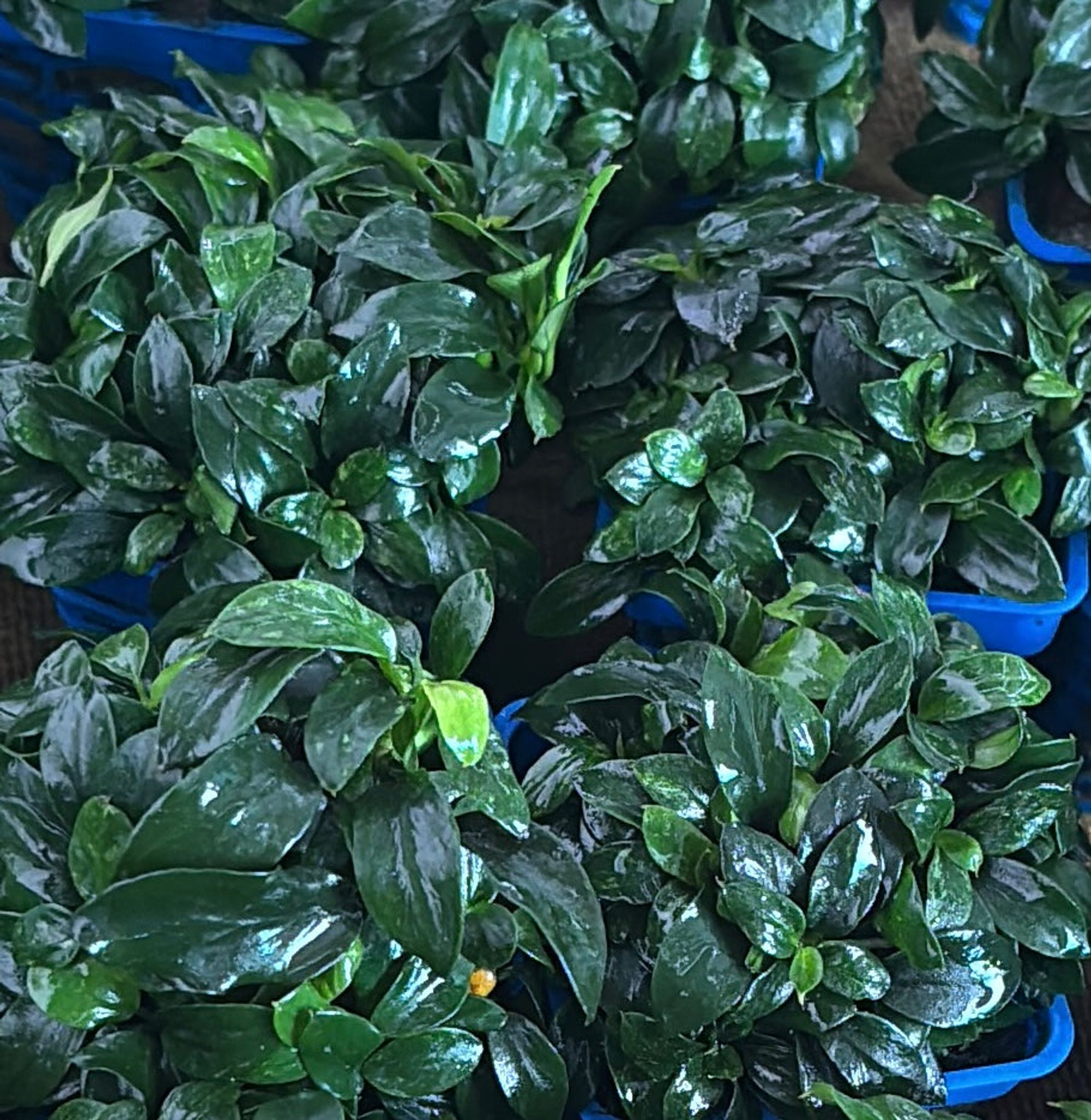
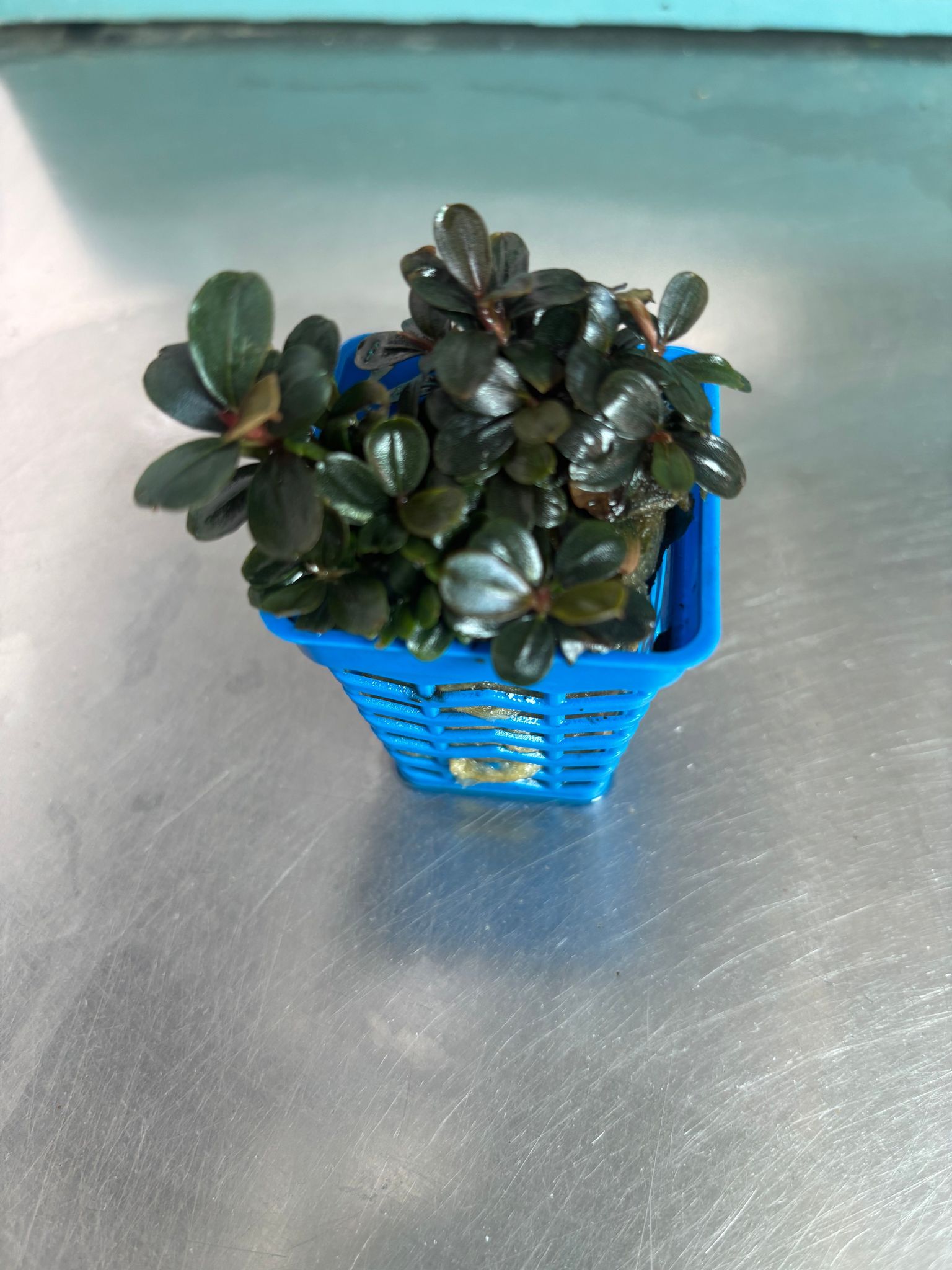
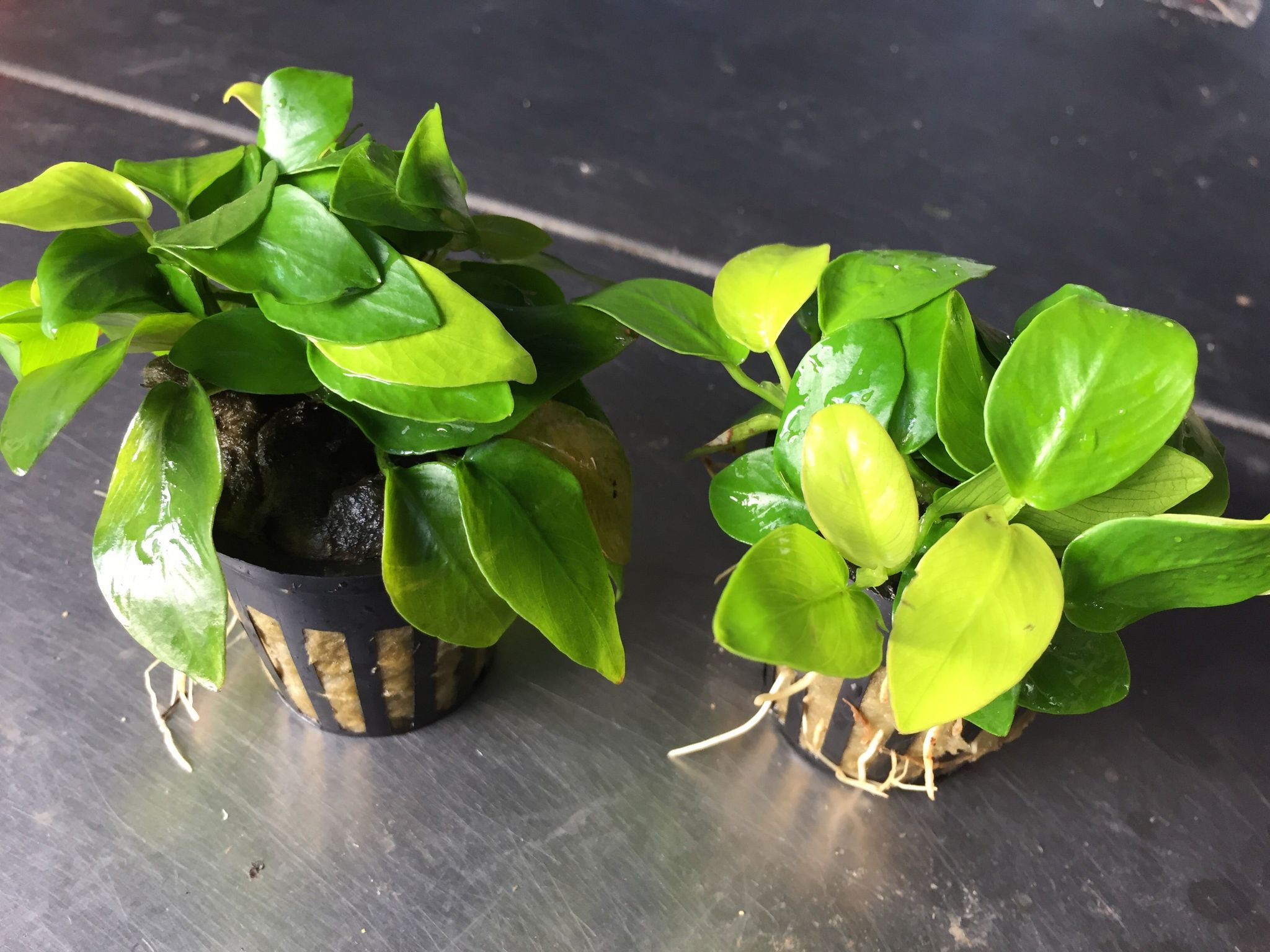
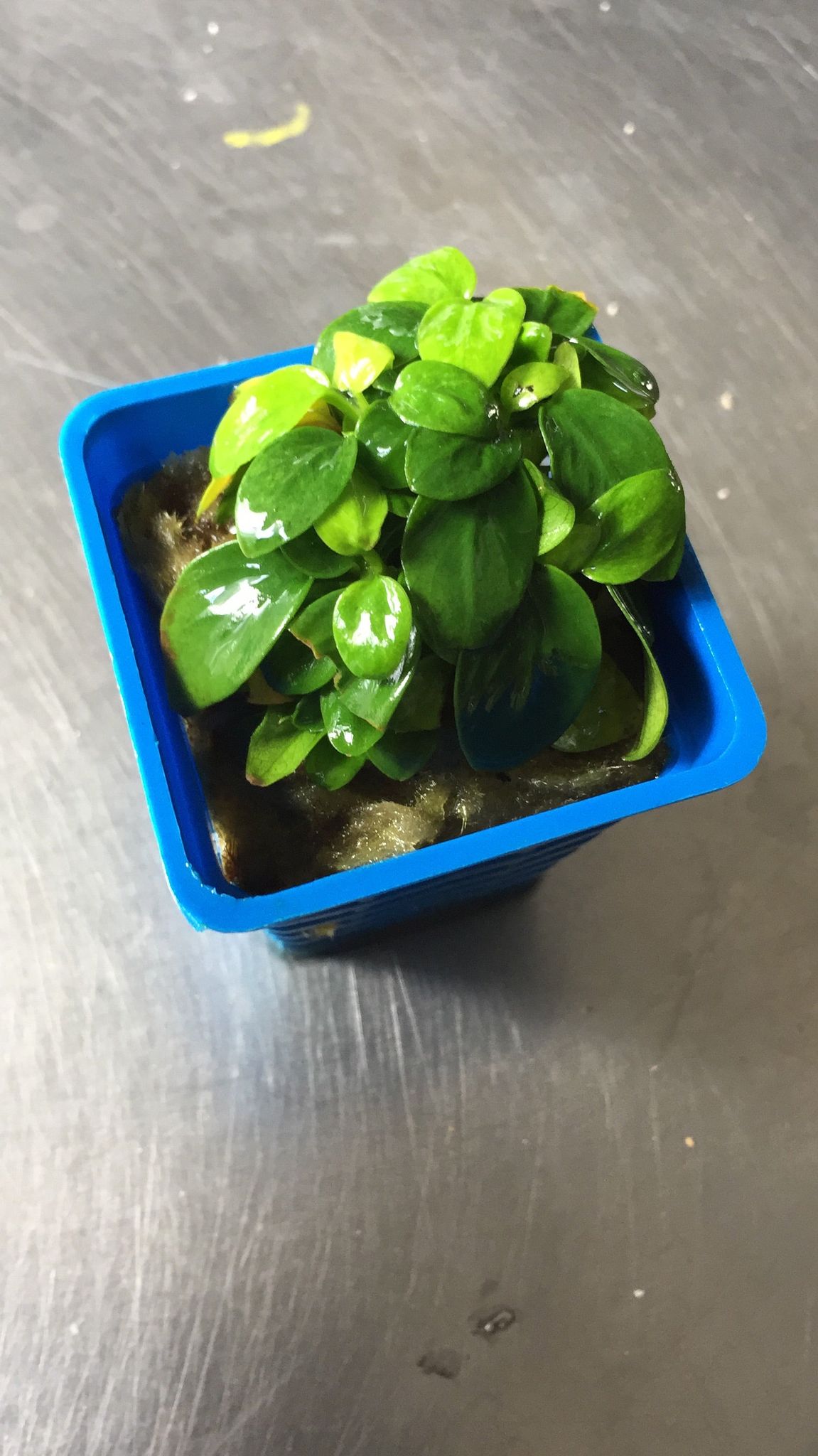
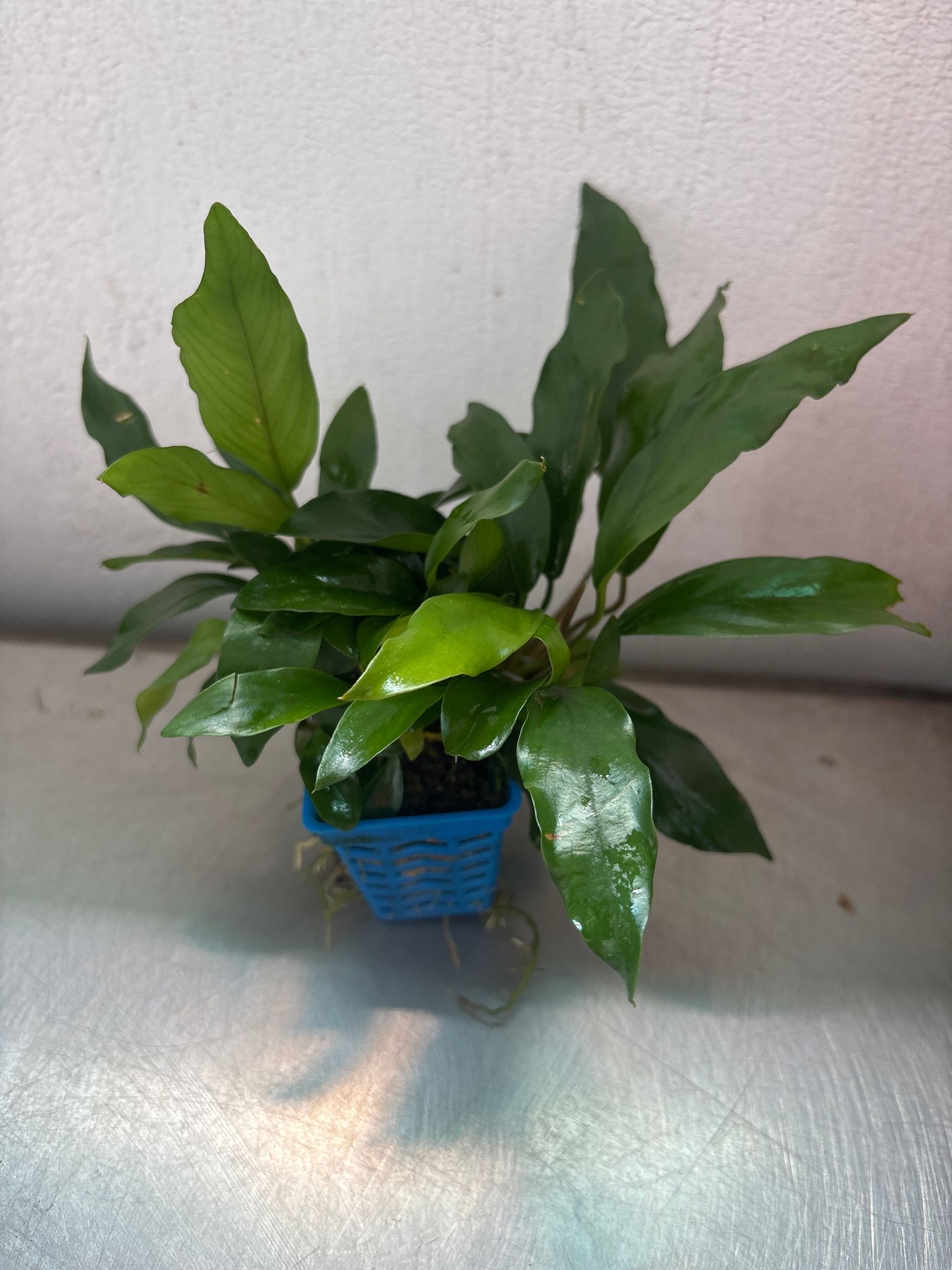
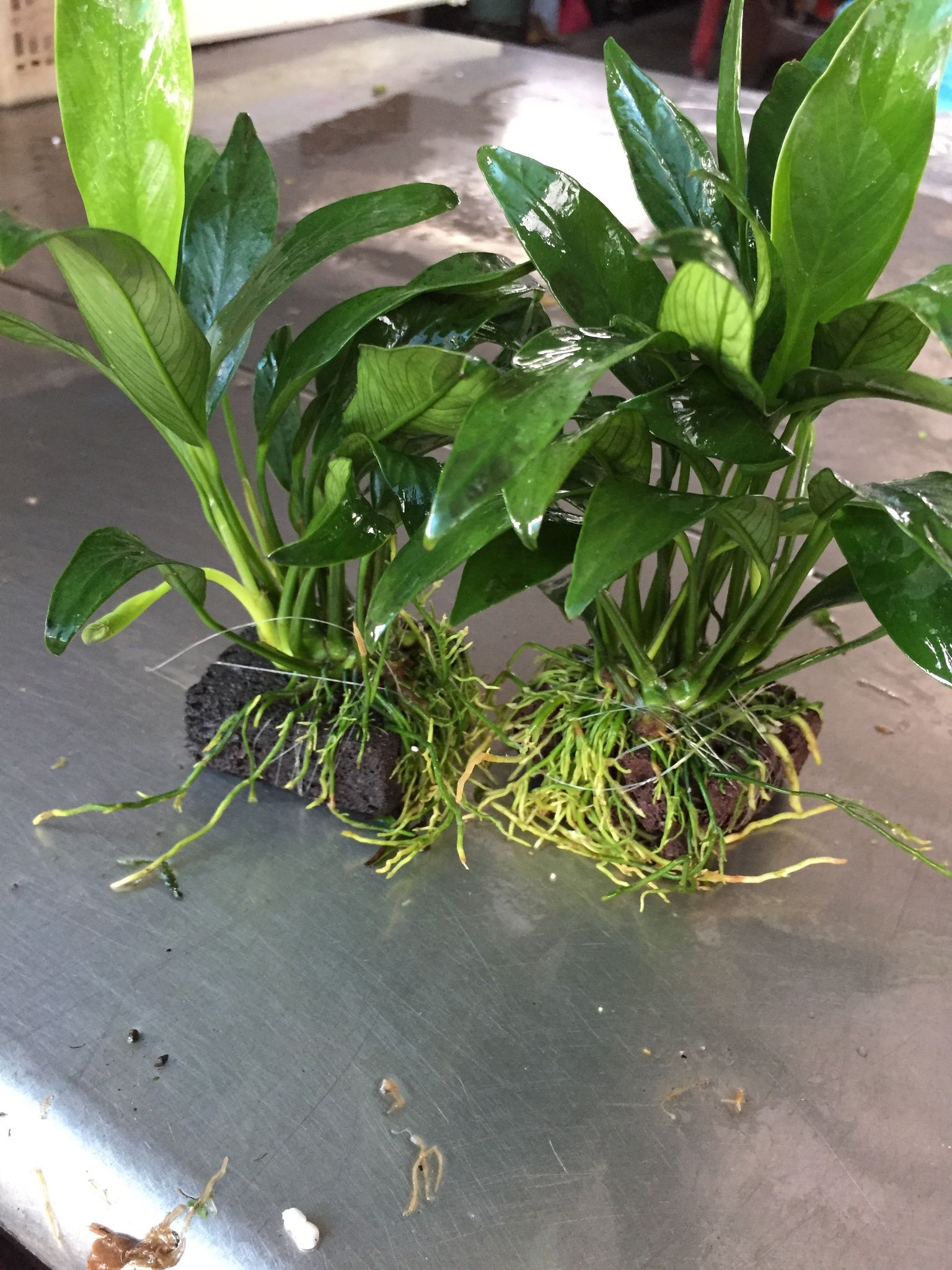
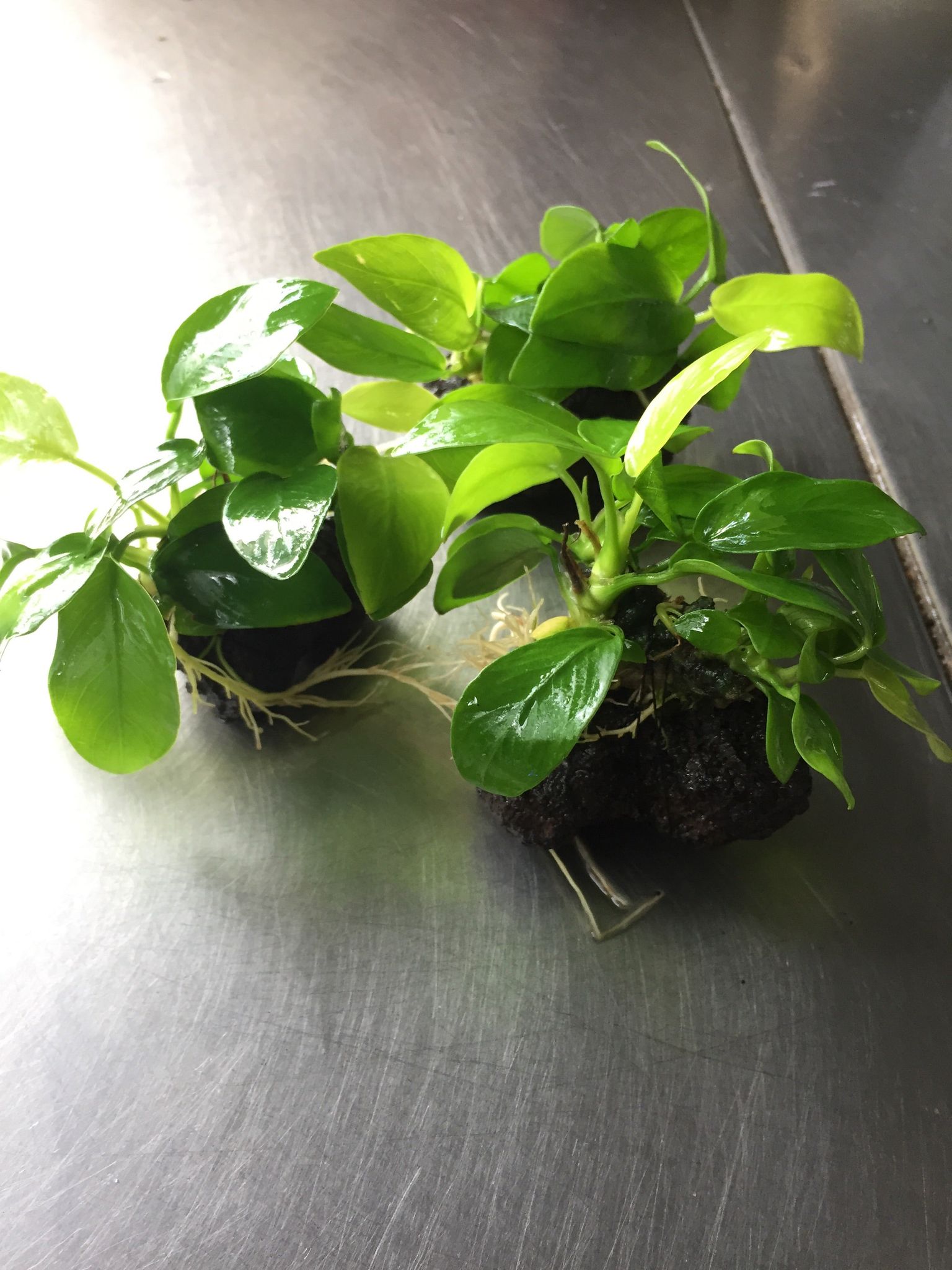
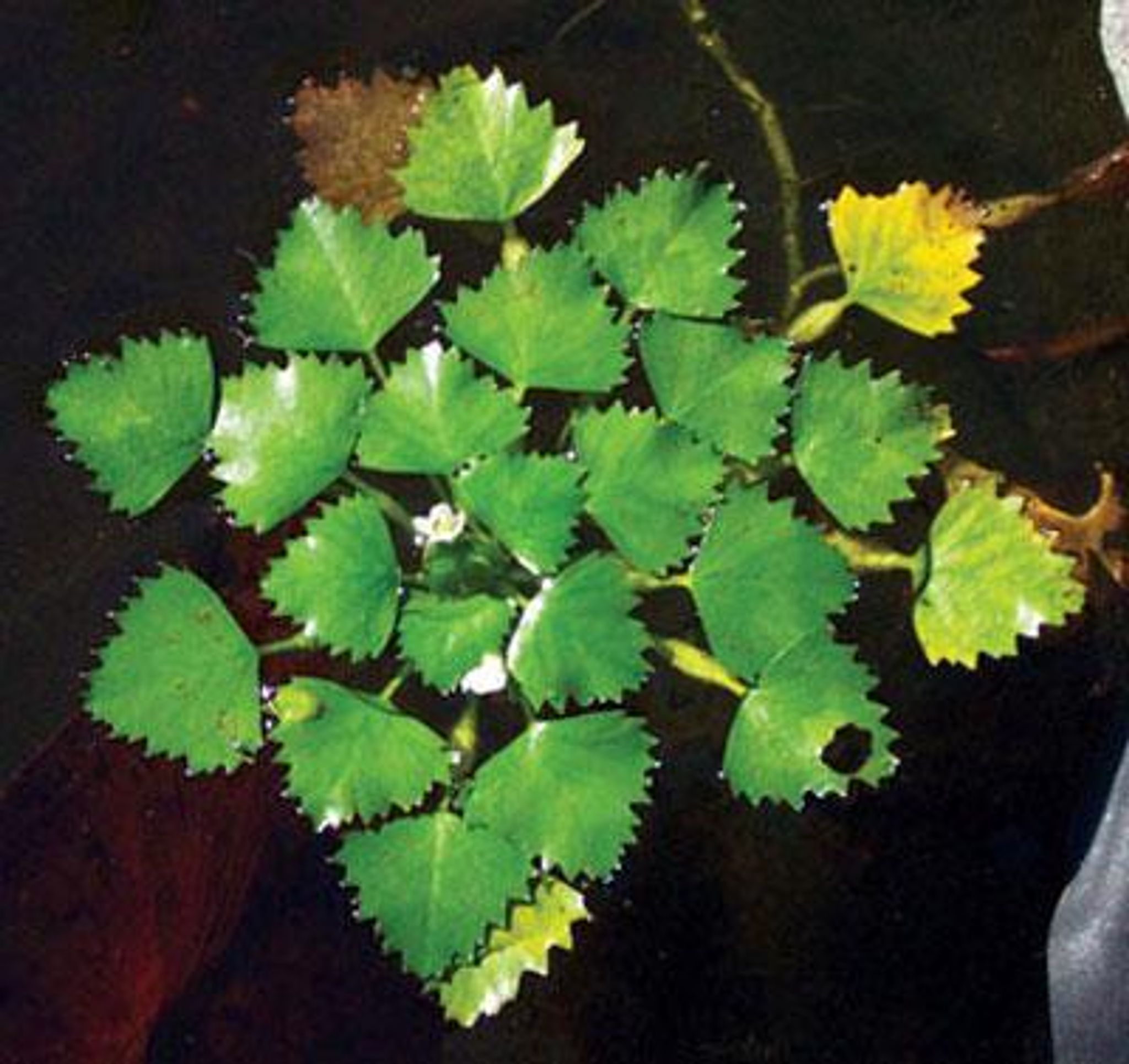
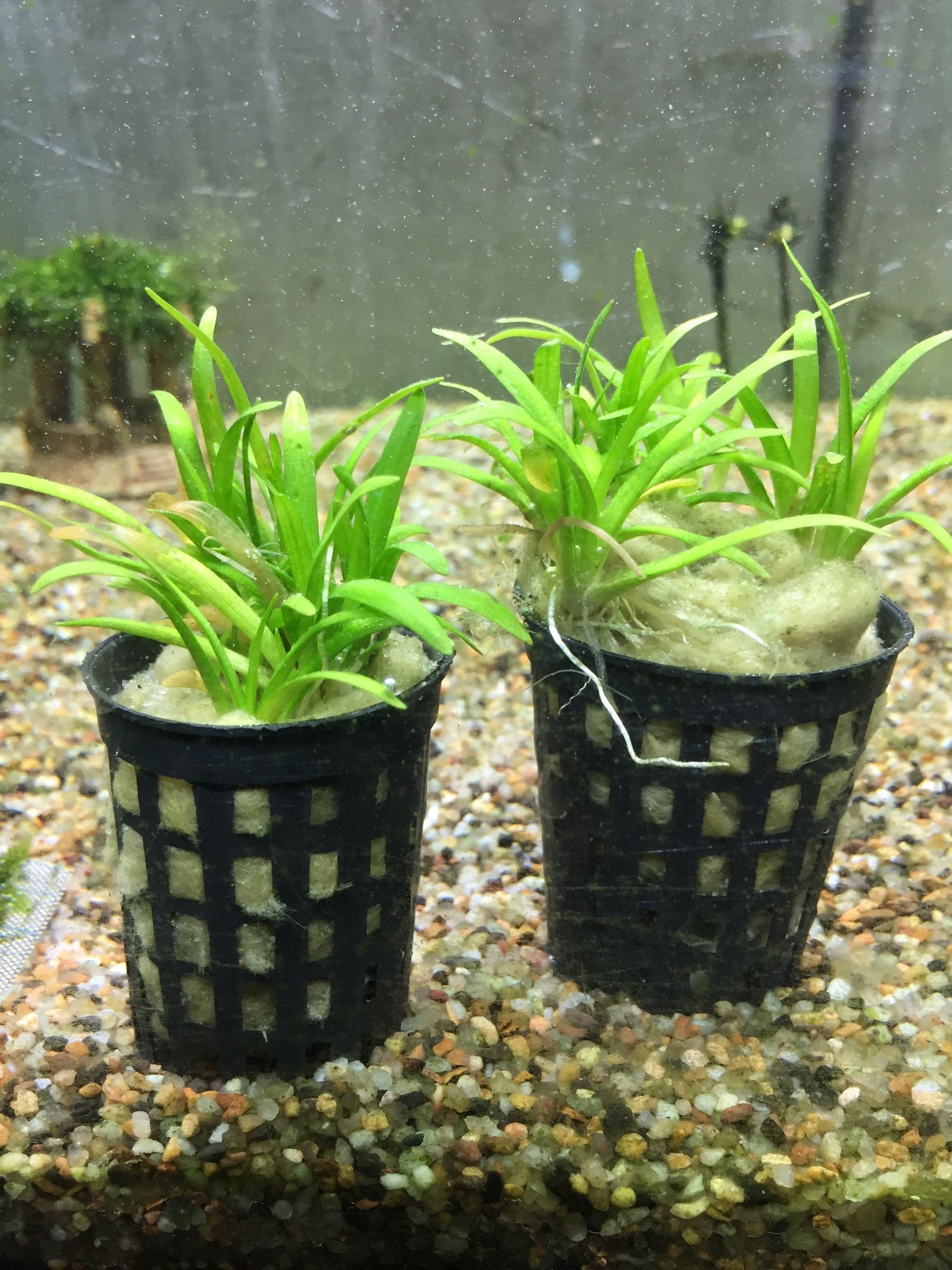
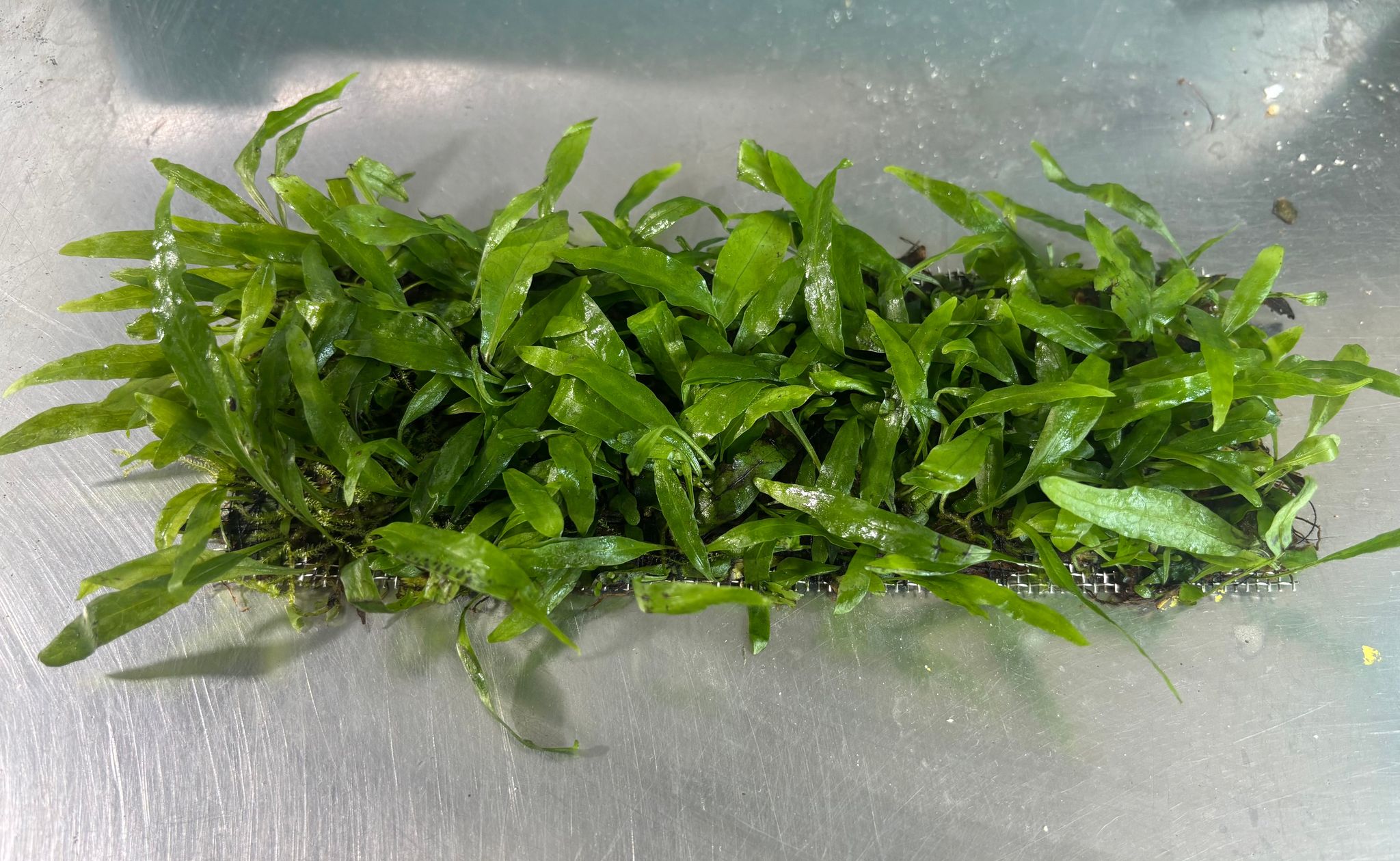
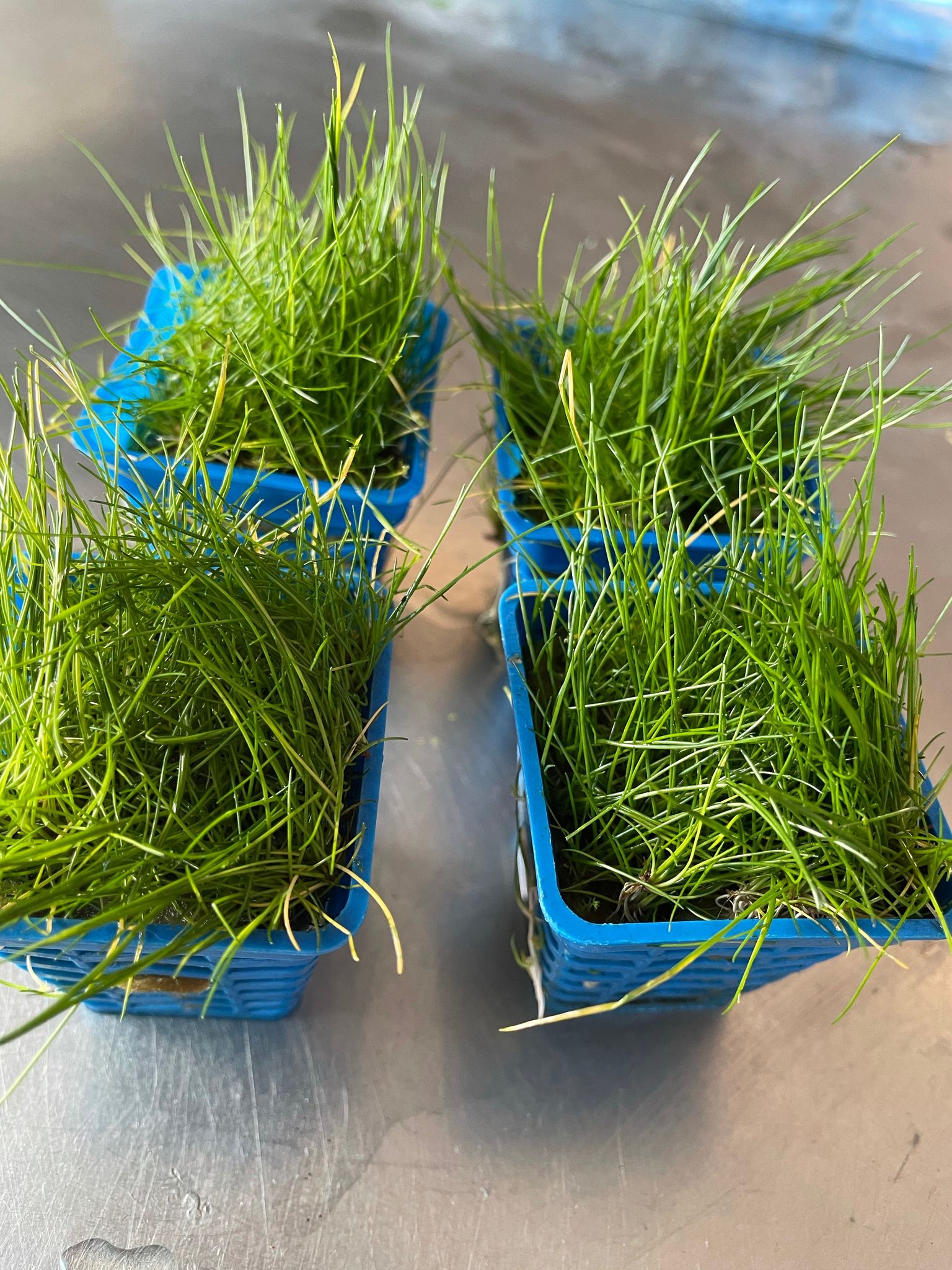
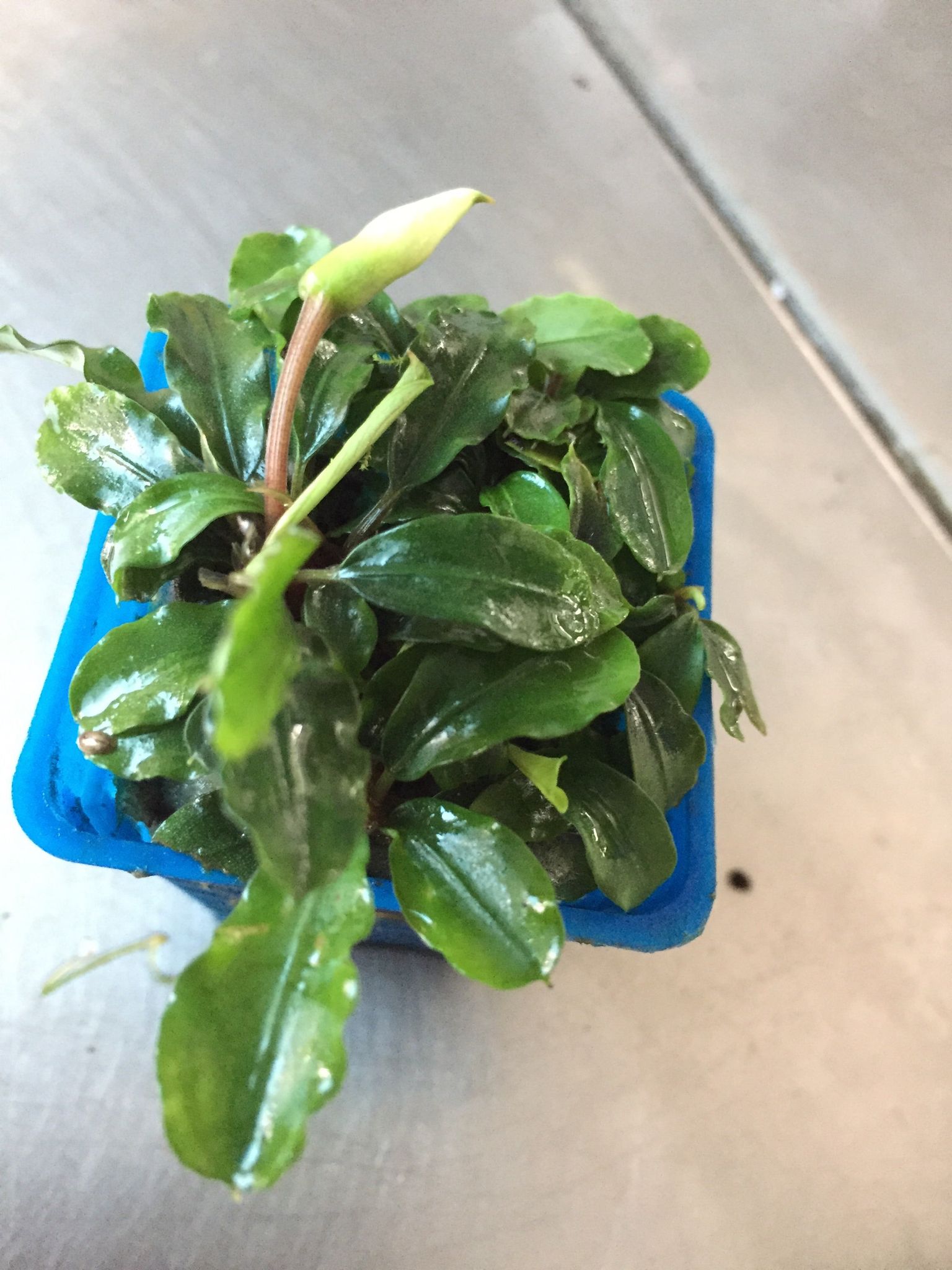
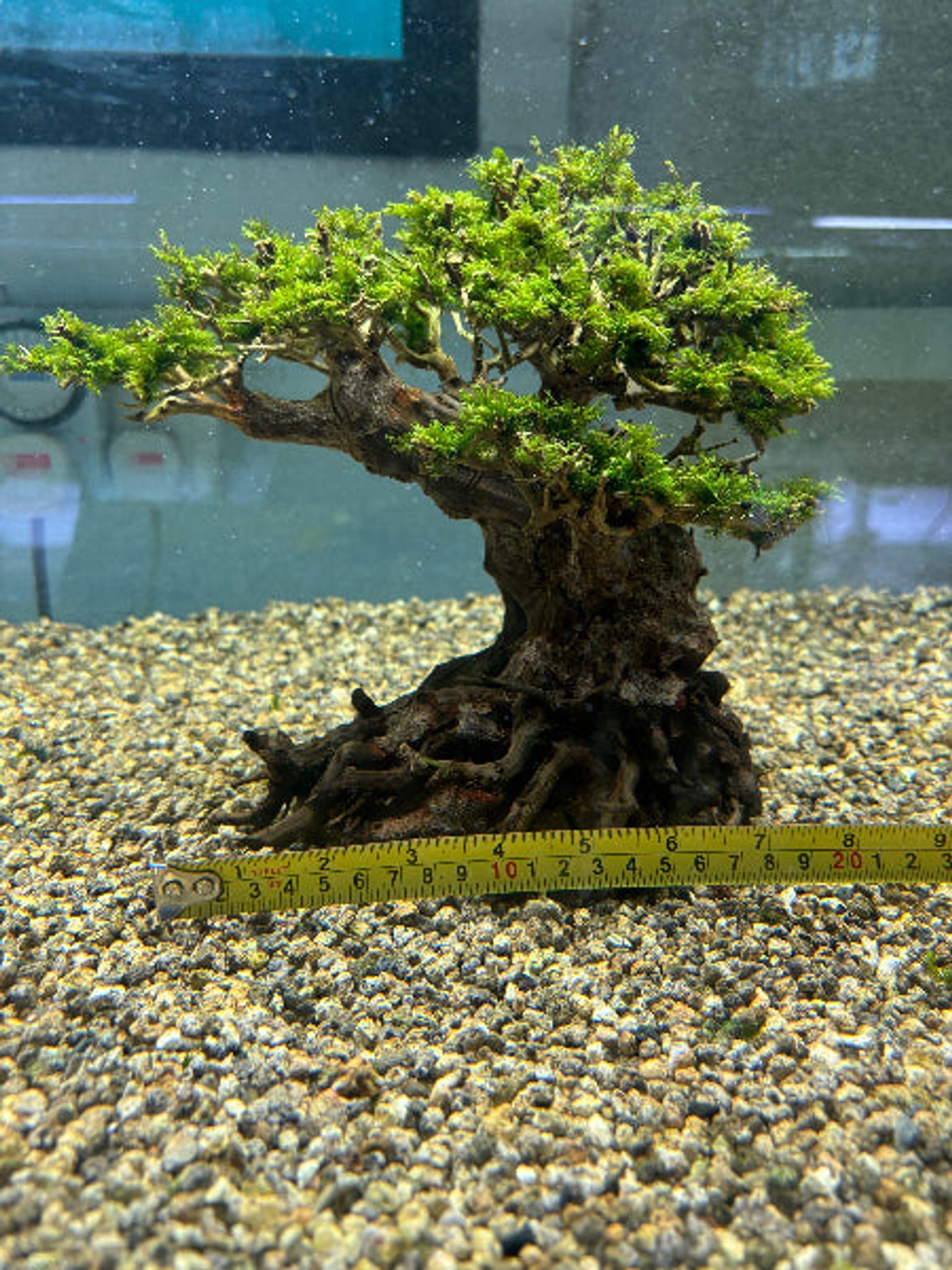
Explore aquatic plants for sale in Singapore from aquarium shops, plant farms and specialist sellers on FishyHub. Compare live aquarium plants, mosses and planted-tank species from multiple sellers in one marketplace.
Aquatic plants can transform an aquarium by adding colour, structure and natural cover for fish and shrimp. From easy low-tech plants to carpeting species and colourful stem plants, there are options for nano tanks, community aquariums and advanced aquascapes.
Aquarium plants are often grouped by where they are used in an aquascape and how they grow. Choosing a mix of foreground, midground and background plants can create depth and make a planted aquarium look more balanced.
Foreground plants stay relatively low and are commonly placed near the front of the aquarium. Some species can spread into carpets, while others form compact clumps that frame rocks and hardscape.
Midground plants help connect shorter foreground plants with taller background growth. Popular options may include compact Cryptocoryne, Anubias, Bucephalandra and other medium-height species.
Background plants are generally taller-growing species used along the rear or sides of an aquarium. Stem plants and Vallisneria are common choices for creating height, movement and dense cover.
Aquarium mosses can be attached to rocks, driftwood or mesh to create natural-looking textures. They are especially popular in shrimp tanks and aquascapes because their fine growth provides cover for small livestock.
Anubias and Bucephalandra are popular epiphyte plants that are usually attached to rocks or wood rather than buried deeply in substrate. Their slow growth and distinctive leaves make them useful in both low-tech and detailed aquascapes.
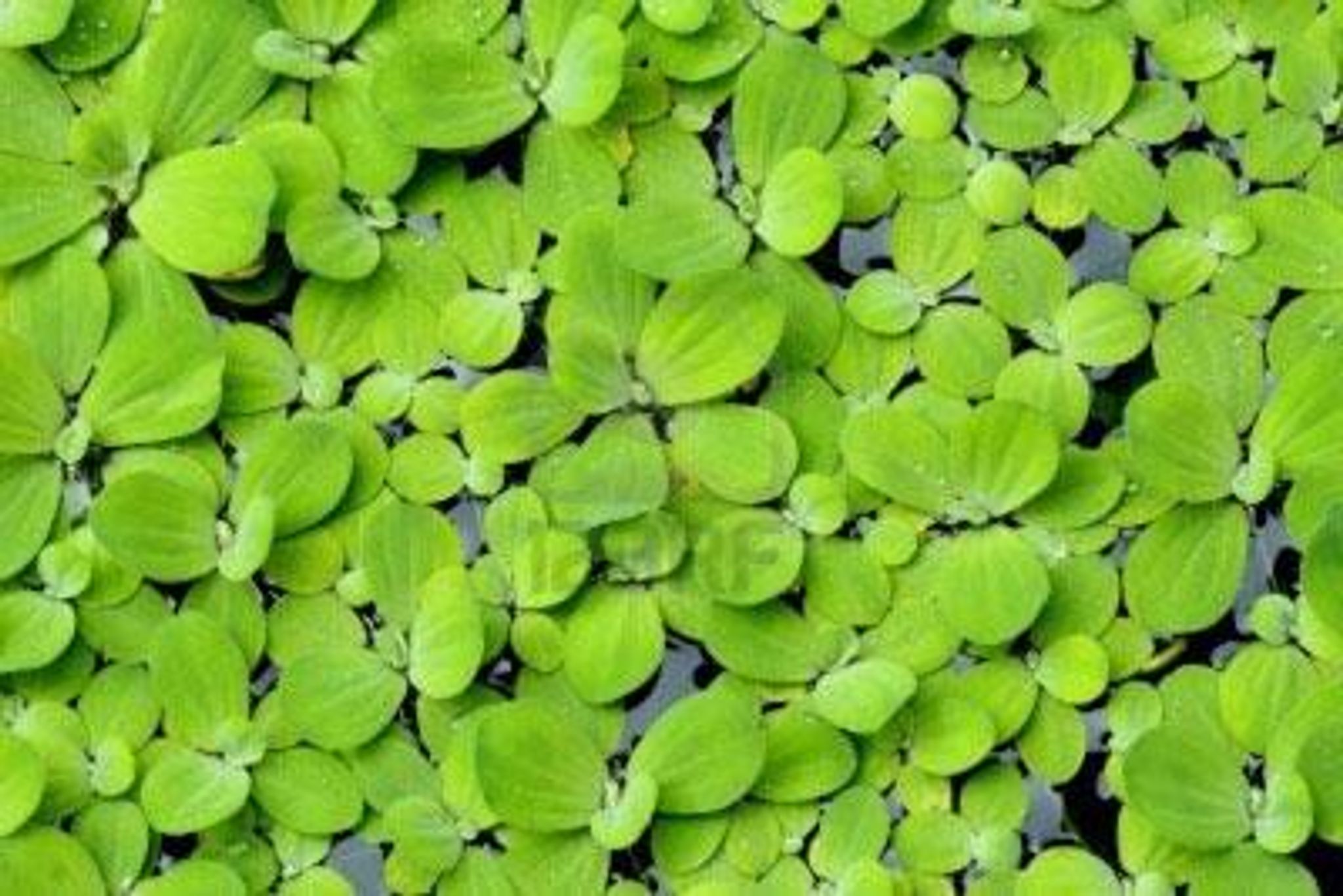
Floating plants grow at the water surface and can provide shade, cover and a more natural environment for some fish. They may also be useful in breeding or shrimp tanks where roots provide shelter.
Tissue culture aquarium plants are grown in sterile conditions and are commonly sold in sealed cups. They can be useful for aquascapers who want clean planting material without hitchhiking snails or algae from traditional submerged stock.
Not every planted tank needs strong lighting or injected CO2. Many hardy aquarium plants can grow well in simpler setups when light, nutrients and water conditions are kept stable.
Beginner-friendly options may include:
Exact requirements still vary by species, so check growth rate, mature size and lighting needs before planting.
Low-tech planted aquariums typically use moderate or lower lighting and do not rely on pressurised CO2 injection. Plant selection is especially important in these setups.
Slow-growing epiphytes, hardy Cryptocoryne, mosses and other adaptable species are commonly chosen for low-tech tanks. Growth may be slower, but maintenance can also be more manageable.
Aquariums with pressurised CO2 and stronger lighting can support a wider range of demanding plants, including many carpeting species and colourful stem plants.
Higher-growth setups usually require more careful balancing of lighting, carbon dioxide and nutrients. Faster plant growth also means more frequent trimming and maintenance.
Carpet plants are low-growing species used to create a green foreground across aquarium substrate. Their requirements range from relatively forgiving to highly demanding.
Before buying a carpeting plant, check whether it needs strong light, nutrient-rich substrate or additional CO2 to achieve the dense growth you want.
Red and orange aquatic plants can create strong visual contrast against green foliage. Many red stem plants develop their best coloration when lighting, nutrients and overall growing conditions are suitable.
Colour intensity can vary significantly between tanks, so the appearance of a plant after purchase may differ from seller photos depending on your aquarium conditions.
Live plants are especially useful in shrimp aquariums because they provide surface area for biofilm and shelter for young shrimp.
Mosses, fine-leaved plants and floating plants are popular choices for shrimp tanks, although plant selection should still match the lighting and water conditions of the aquarium.
Plants can provide shelter, visual barriers and resting areas for Betta fish and peaceful community species.
Broad-leaved plants, floating plants and dense background growth can help create a more natural environment, while leaving enough open swimming space for the fish.
Before buying aquarium plants, consider:
A fast-growing background stem plant and a slow-growing Anubias may both be easy to keep, but they serve very different roles in an aquascape.
When comparing live aquarium plants, look for:
Some aquatic plants are grown above water before sale and may lose older leaves when moved underwater. New submerged growth can look different from the original leaves.
Not all aquarium plants require injected CO2. Many hardy species can grow without a pressurised CO2 system.
More demanding carpeting plants and fast-growing species may benefit substantially from additional CO2, especially when used with stronger lighting.
Aquarium plants need nutrients to grow, but the best fertilisation method depends on the species and setup.
Root-feeding plants may benefit from nutrient-rich substrate or root fertilisers, while stem plants and epiphytes can absorb nutrients from the water column. Avoid adding more fertiliser than the aquarium actually requires.
Planting method depends on the species. Stem and rooted plants are usually placed into the substrate, while many epiphytes should be attached to rocks or driftwood.
Avoid burying the rhizomes of plants such as Anubias and many ferns, as this can cause them to deteriorate. Mosses can be attached to hardscape using suitable thread or aquarium-safe methods.
Aquarium plant prices in Singapore vary depending on species, rarity, portion size, growth form, seller and whether the plant is sold loose, potted or as tissue culture.
Common hardy plants may be relatively affordable, while rare Bucephalandra, premium tissue cultures and uncommon collector plants can cost considerably more.
FishyHub brings aquatic plant listings from aquarium shops, plant farms and specialist sellers across Singapore together in one marketplace, making it easier to compare plants from multiple sources.
When comparing listings, consider:
Seller inventory changes regularly, so available species, plant sizes and prices may change as shops and growers update their listings.
Aquatic plants are available from aquarium shops, specialist plant sellers and aquascaping retailers. FishyHub lets you compare listings from multiple Singapore sellers in one place.
Anubias, Java Fern, selected Cryptocoryne, mosses and Vallisneria are commonly considered relatively hardy, although exact requirements vary by species and aquarium conditions.
Yes. Many aquatic plants can grow without injected CO2, particularly slower-growing and low-tech species. More demanding plants may grow better with additional carbon dioxide.
Mosses, fine-leaved plants and other dense growth are popular because they provide grazing surfaces and shelter for young shrimp.
Broad-leaved plants, floating plants and gentle planted layouts can provide resting places and cover for Bettas. Avoid sharp artificial decorations that could damage long fins.
Tissue culture plants are propagated in sterile conditions and commonly sold in sealed containers. They offer clean planting material and are popular with aquascapers.
Some plants lose older leaves while adapting to new water conditions or switching from above-water to submerged growth. Severe or continuing deterioration can also be related to lighting, nutrients, planting method or water conditions.
Healthy growing plants use nutrients from the aquarium and can contribute to a balanced ecosystem, but they do not replace filtration, water changes or regular aquarium maintenance.
Explore aquatic plants for sale on FishyHub and compare foreground, midground, background, moss, floating, epiphyte and tissue culture plants from sellers across Singapore. Compare plant types, growing requirements and prices to find species suited to your planted aquarium.