1–8 of 8
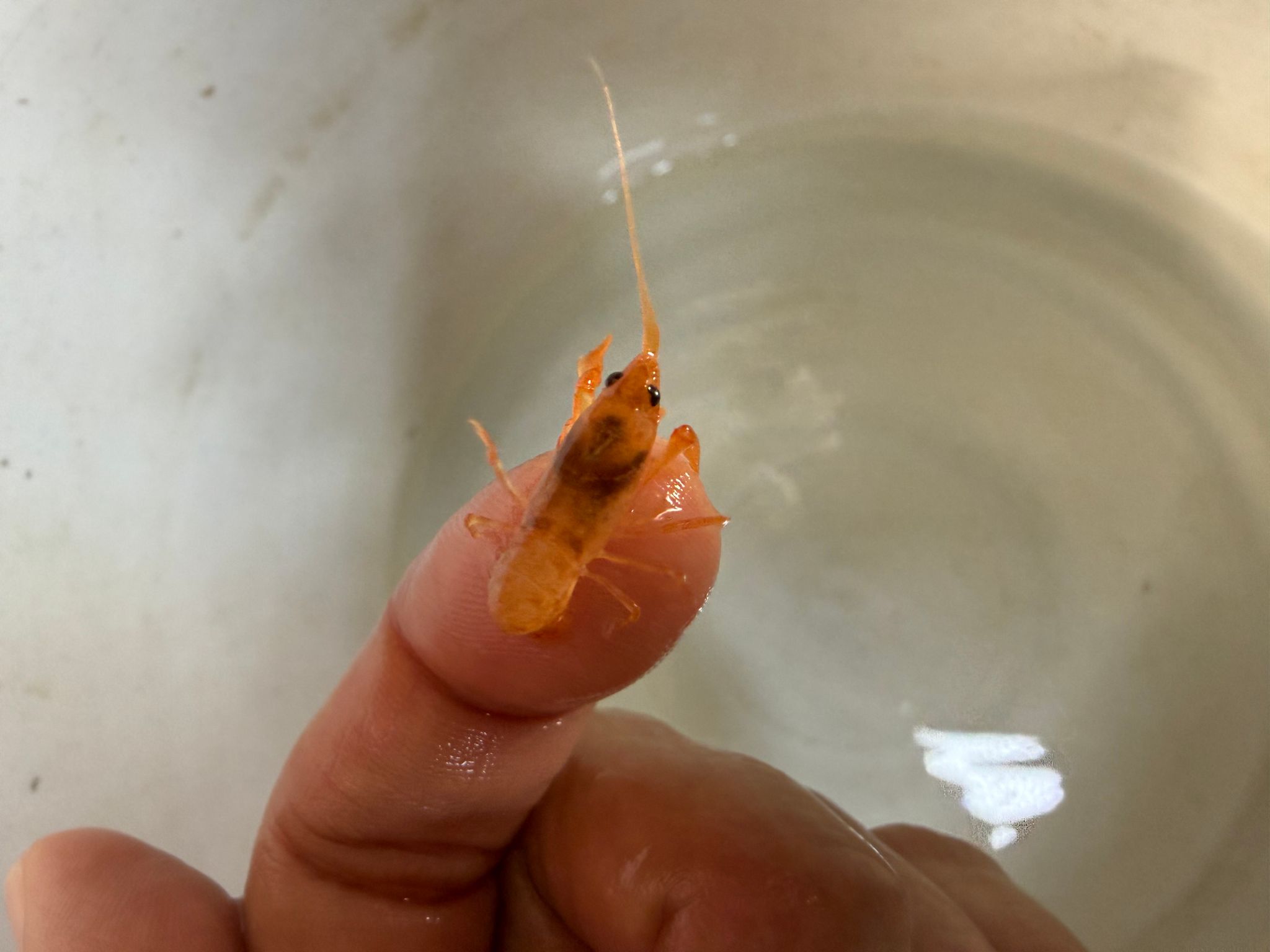
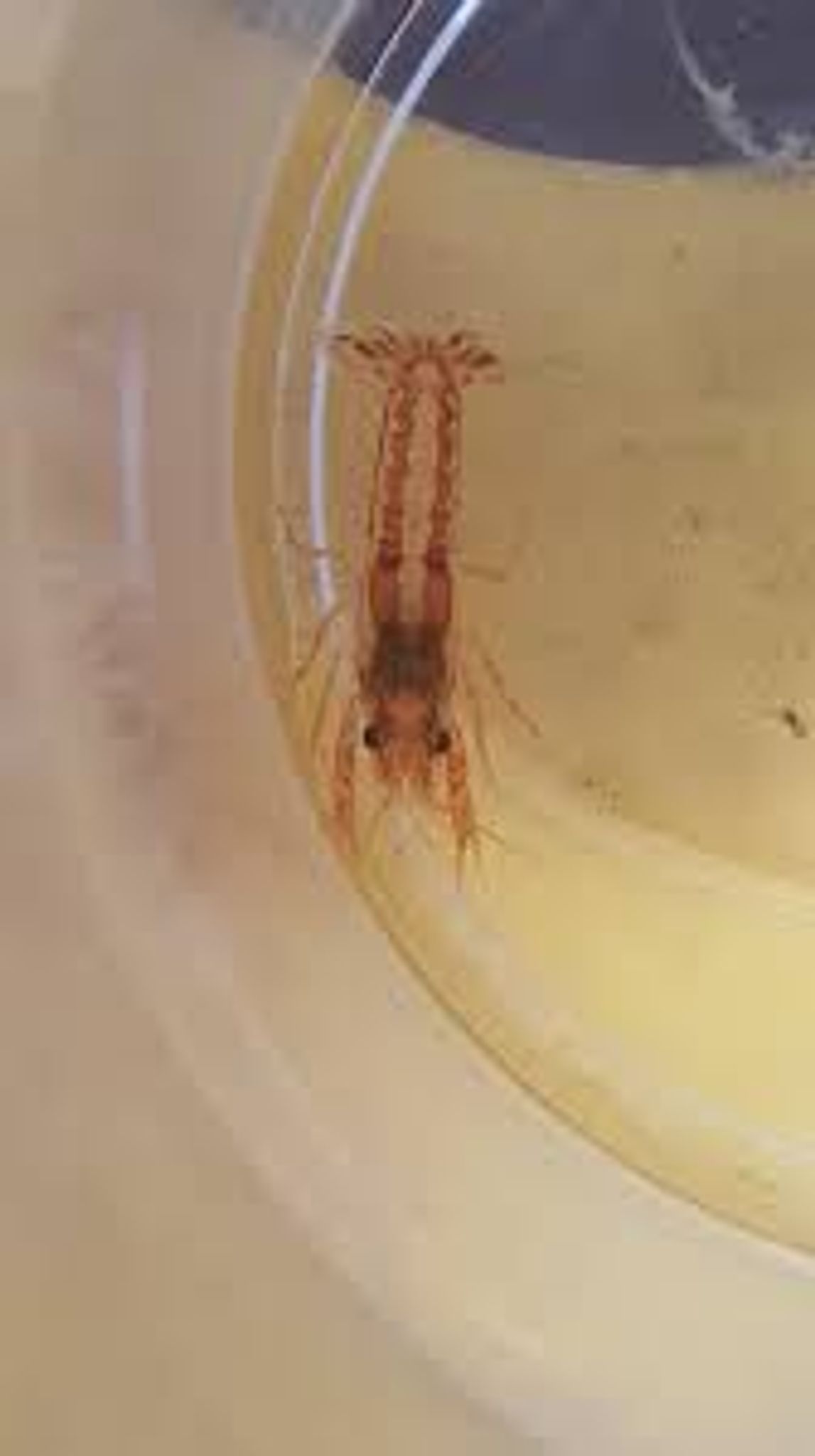
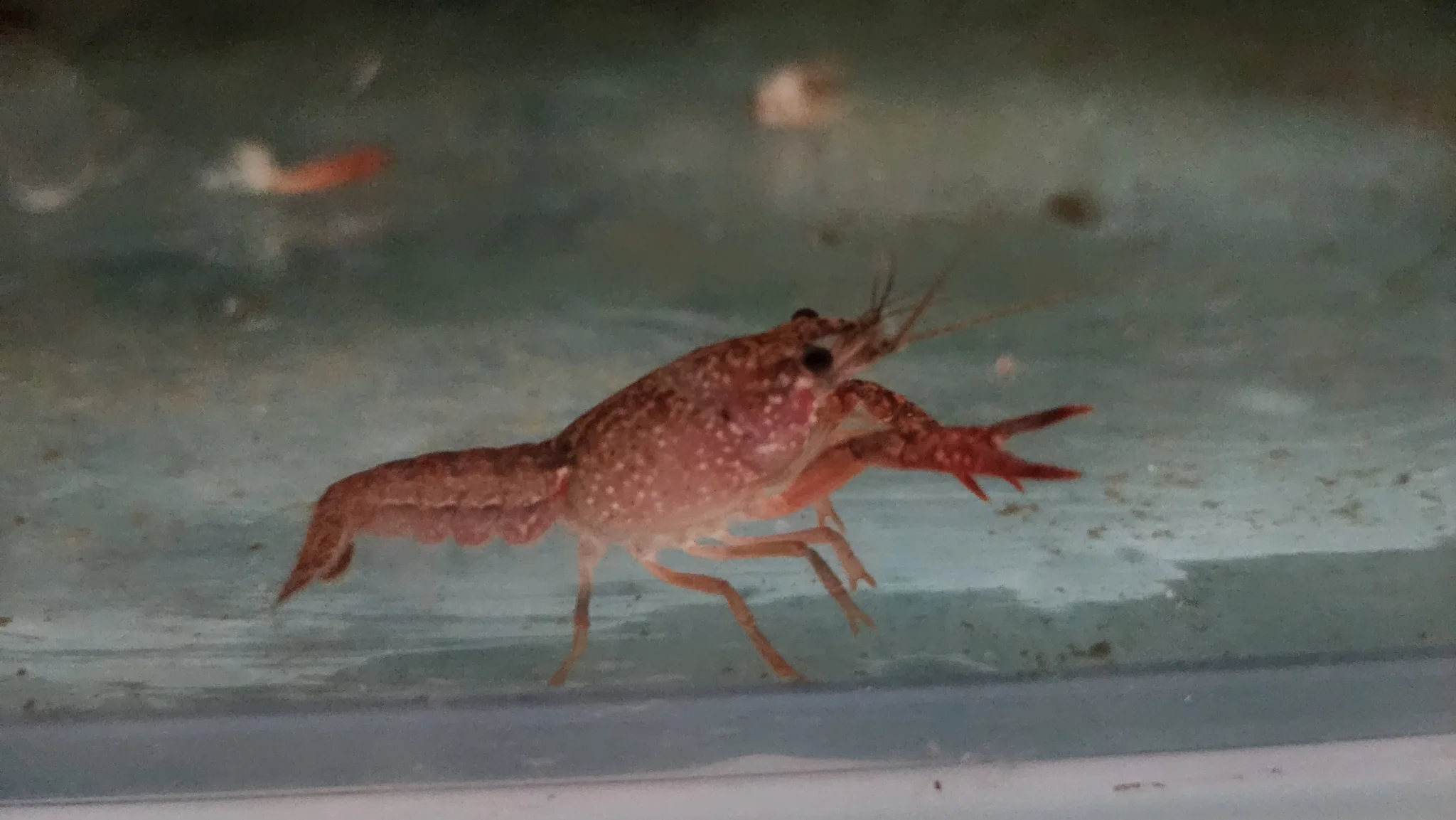
Explore freshwater crayfish for sale in Singapore from aquarium shops, breeders and specialist sellers on FishyHub. Compare dwarf crayfish, colourful aquarium crayfish and other freshwater species by size, appearance and seller.
Crayfish are freshwater crustaceans known for their claws, bold behaviour and unusual appearance. Some species remain relatively small, while others grow much larger and can be highly territorial, so exact species identification is important before choosing one for an aquarium.
Aquarium crayfish come in a range of sizes, colours and temperaments.
Some are kept as feature animals in dedicated tanks, while smaller species may suit carefully planned community or planted setups. Always check the mature size and behaviour of the exact species being offered.
Depending on seller availability, listings may include:
Common names can be inconsistent, so scientific identification is useful when comparing care requirements.
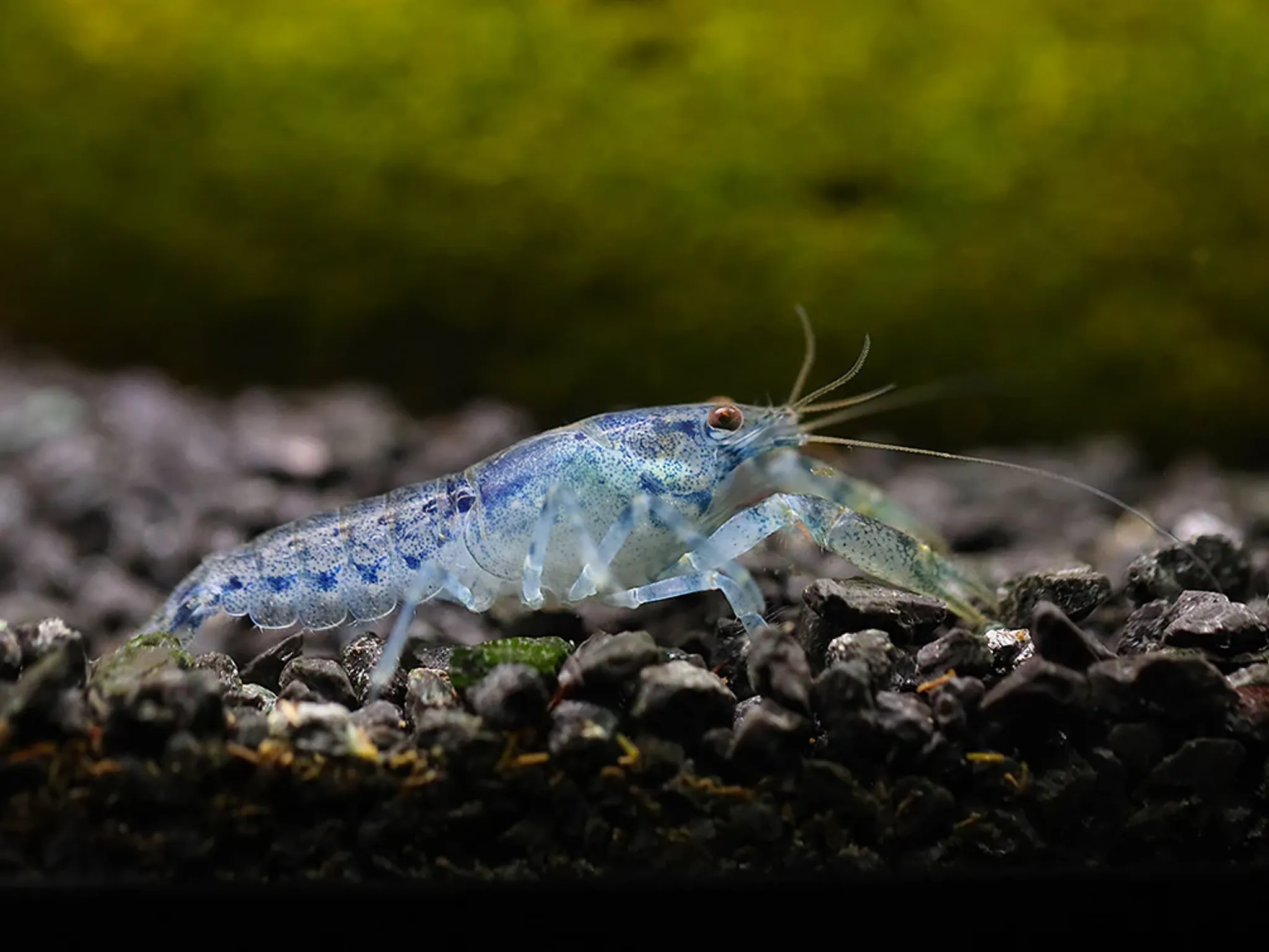
Dwarf crayfish are smaller than many commonly kept freshwater crayfish and can be easier to house in modest-sized aquariums.
They may also be less destructive than larger species, although individual temperament and species behaviour still matter.
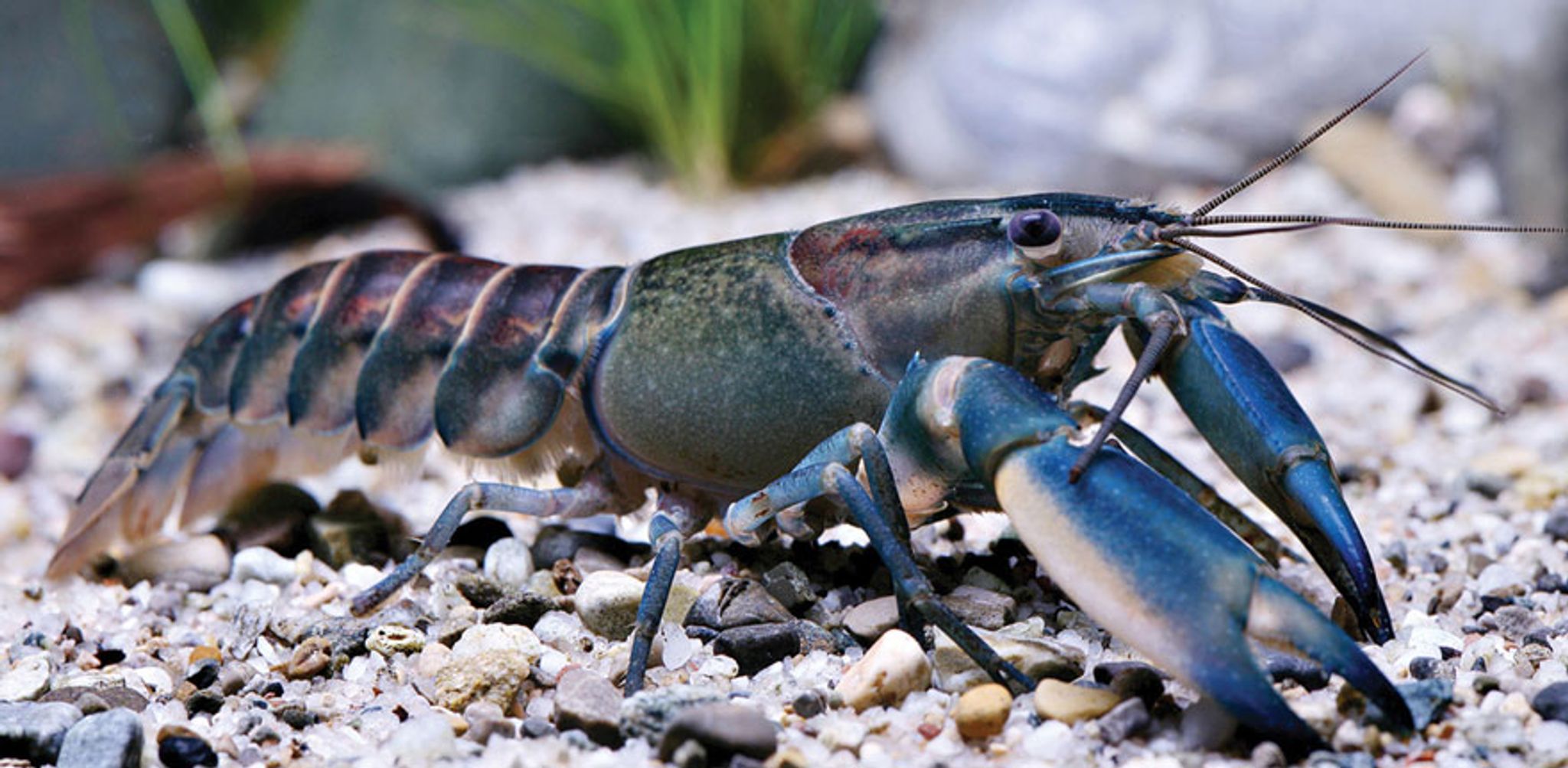
Blue crayfish are popular for their striking coloration and can become prominent display animals.
Some blue forms grow much larger than dwarf species and may be territorial, so tank size and compatibility should be planned around the exact species.
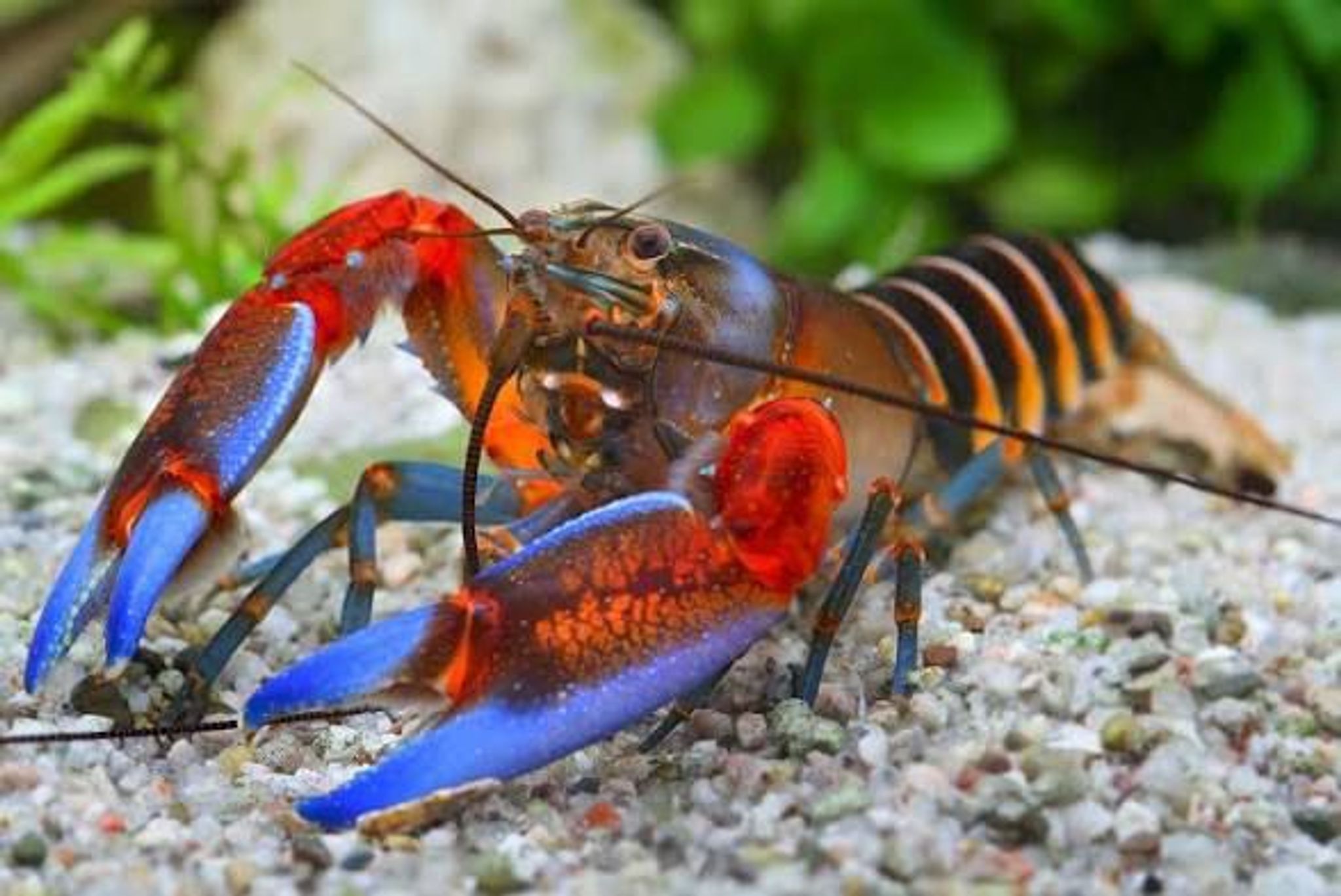
Orange colour forms are especially popular among hobbyists looking for a bright invertebrate display.
Some orange crayfish are dwarf varieties, while others may belong to larger species, so do not judge adult size from colour alone.
Adult crayfish size varies dramatically between species.
Dwarf forms may remain compact, while larger crayfish can require substantially more floor space and stronger filtration. Choose a tank based on mature size rather than the size of a juvenile specimen in a listing.
Suitable tank size depends on species, adult size, number of crayfish and whether other livestock is present.
Floor space matters because crayfish spend much of their time near the substrate. Larger or territorial species also benefit from multiple hiding places and visual separation.
A suitable crayfish setup may include:
Some crayfish are capable climbers, so a secure aquarium cover can be important.
Hiding places are especially important for crayfish because they become vulnerable during and after moulting.
Caves, rock shelters and pieces of wood can provide retreats and reduce direct competition when more than one crayfish is kept.
Sand or fine gravel can work well depending on the species and aquarium design.
Some crayfish dig or rearrange substrate, so expect them to modify the layout over time.
Compatibility with live plants varies greatly.
Larger or more active crayfish may uproot, cut or eat plants, while some dwarf species can be easier to manage in planted aquariums. Even then, no plant should be assumed completely safe.
Crayfish can sometimes coexist with fish, but the combination carries risk.
Slow, bottom-resting or long-finned fish may be particularly vulnerable, while fast midwater fish may be less likely to interact directly. Individual crayfish behaviour can still be unpredictable.
Bettas are generally not an ideal tankmate for many crayfish because their long fins and slower movement can make them vulnerable.
A dedicated setup is often easier to manage than relying on compatibility between a crayfish and a Betta.
Small shrimp can be eaten by crayfish, especially if they are caught during resting or moulting.
Dense plants and hardscape may reduce encounters, but crayfish should not be considered reliably shrimp-safe.
Snails may also be at risk depending on crayfish size and behaviour.
Larger crayfish can sometimes attack or consume snails, so compatibility should not be assumed.
Multiple crayfish can compete for territory, shelter and food.
If more than one is kept, provide substantial floor space and several hiding places so individuals can avoid each other. Some species are considerably more aggressive than others.
Crayfish are active scavengers and often investigate rocks, caves, plants and equipment.
They may dig, move objects and claim shelters, which can make them entertaining to observe but also less suitable for carefully arranged aquascapes.
Aggression varies by species and individual.
Some dwarf species are relatively manageable, while larger crayfish can be highly territorial toward their own kind and other bottom-dwelling animals.
Crayfish are generally opportunistic omnivores and scavengers.
Suitable sinking pellets, wafers, plant-based foods and protein-rich foods may be offered depending on species. A varied diet is usually preferable to relying on leftover fish food alone.
Feed portions appropriate to the size and number of crayfish in the aquarium.
Remove substantial uneaten food if it begins to spoil, as excess organic waste can quickly affect water quality.
Crayfish periodically shed their exoskeleton as they grow.
Newly moulted crayfish are soft and vulnerable, so secure hiding places are especially important during this period.
A shed exoskeleton may be eaten by the crayfish and can provide minerals back to the animal.
Unless there is another reason to remove it, many keepers leave the moult in the aquarium temporarily.
Crayfish need appropriate mineral availability to support exoskeleton development and successful moulting.
Water chemistry and diet should suit the exact species, especially if the aquarium is also keeping livestock with different requirements.
Crayfish can produce a substantial amount of waste relative to their size.
Effective mechanical and biological filtration can help keep the aquarium stable, while filter intakes and cables should be positioned securely.
Crayfish benefit from stable, clean water and regular aquarium maintenance.
Exact temperature, hardness and other water requirements vary by species, so avoid assuming every crayfish thrives under identical conditions.
Some crayfish are effective climbers and may use filter pipes, cables or decor to reach the top of the tank.
A secure cover and careful equipment placement can help reduce escape risk.
Breeding behaviour and reproductive rate vary between crayfish species.
Some species breed readily in captivity, while others require more specialised conditions. Young crayfish may need additional hiding places to reduce losses from aggression or cannibalism.
When comparing crayfish for sale, look for:
Missing limbs do not always mean permanent damage because crayfish can sometimes regenerate appendages over successive moults, but overall condition still matters.
Introduce new crayfish carefully to avoid sudden changes in temperature and water chemistry.
Quarantine can also help reduce the risk of introducing disease or unwanted organisms into an established aquarium.
Crayfish prices in Singapore vary depending on species, colour, size, rarity, breeding difficulty and seller.
Common dwarf or captive-bred forms may be relatively affordable, while uncommon colour morphs or specialist species can cost more.
FishyHub brings freshwater crayfish listings from aquarium shops, breeders and specialist sellers across Singapore together in one marketplace, making it easier to compare available crayfish from multiple sources.
When comparing crayfish listings, consider:
Livestock availability changes regularly, especially for uncommon species and colour forms. Check current Singapore ownership and import requirements where relevant before purchasing unfamiliar crayfish species.
Many aquarium crayfish species are freshwater crustaceans, although care requirements vary between species.
Some are highly territorial, while certain dwarf species can be more manageable. Behaviour varies by species and individual.
Sometimes, but there is always some risk of predation or injury, especially with slow, bottom-dwelling or long-finned fish.
Small shrimp can be eaten, so crayfish should not be considered reliably shrimp-safe.
Some can, especially smaller species, but many crayfish may cut, uproot or eat aquatic plants.
Most are opportunistic omnivores and can eat suitable sinking foods, plant material and protein-rich foods depending on species.
Yes. Shelters are especially important during moulting and when more than one crayfish is kept.
Some can climb surprisingly well, so secure covers and careful equipment placement are recommended.
Explore freshwater crayfish for sale on FishyHub and compare dwarf, blue, orange and other aquarium crayfish from sellers across Singapore. Compare species, adult size, temperament, colour and price to find a suitable crayfish for your freshwater setup.