1–40 of 88
Showing 40 of 88 products


%201787056007679.jpeg?signature=0d21d36973959d793ffbc3a667ffdd9101510174289fa9799a4f2a353e974df3)
%201786253596583.jpeg?signature=e294cbbac41ac4d1a808ad756cc7335c507d6d011c25bd256fc946dd3acf8409)
1785478333708.jpeg?signature=3c8d94987399a92ce466950747e48187261d7c9f6196efcd13af9437f894b483)


%20%20Tiny%20snail1773207448760.jpeg?signature=ad8dcf40c5bb48c6939e58901cba199994ffa8879f20d983f6aa21bdc1f286e1)
1771757760562.jpeg?signature=f3802c5a6b3e93f900620563a8d659daea84972197336dedc635ac86abe3814d)


1757527791314.jpeg?signature=9b68657d38fe872a907b8c7b95ce294be878bbef265ad5c6a998ed0c1acc629e)
1757527020811.jpeg?signature=18a419e02542a82efcea104d58290f7ddd4b3db4f5c24ac3ee4bf5c08cadcb55)
1757526843067.jpeg?signature=b7b57bd853317f416c70a8f749166fec57b78e4ceef4ff82ada315b82984c7c3)
1757526333417.jpeg?signature=a9906a4f1f93af39661a5c88cfc0cbf50b4b1c7b41e234347e1a984e84c2990b)
%201757525644297.jpeg?signature=16677d08c58dcc6091c1db18ceb82ee8404704833d619af627adb3272a8c2535)
1757343338034.jpeg?signature=84452c1616ceabf7b6c41d4dc17ef092c75f2a9226cc6a10592cb9bd84674c7d)
%20crab%20(Cardisoma%20armatum)1757166930604.jpeg?signature=066bdef2d8aeeddb2bde85f29df9c7ab1051d1abca6356c2b82649b2a2a51f07)
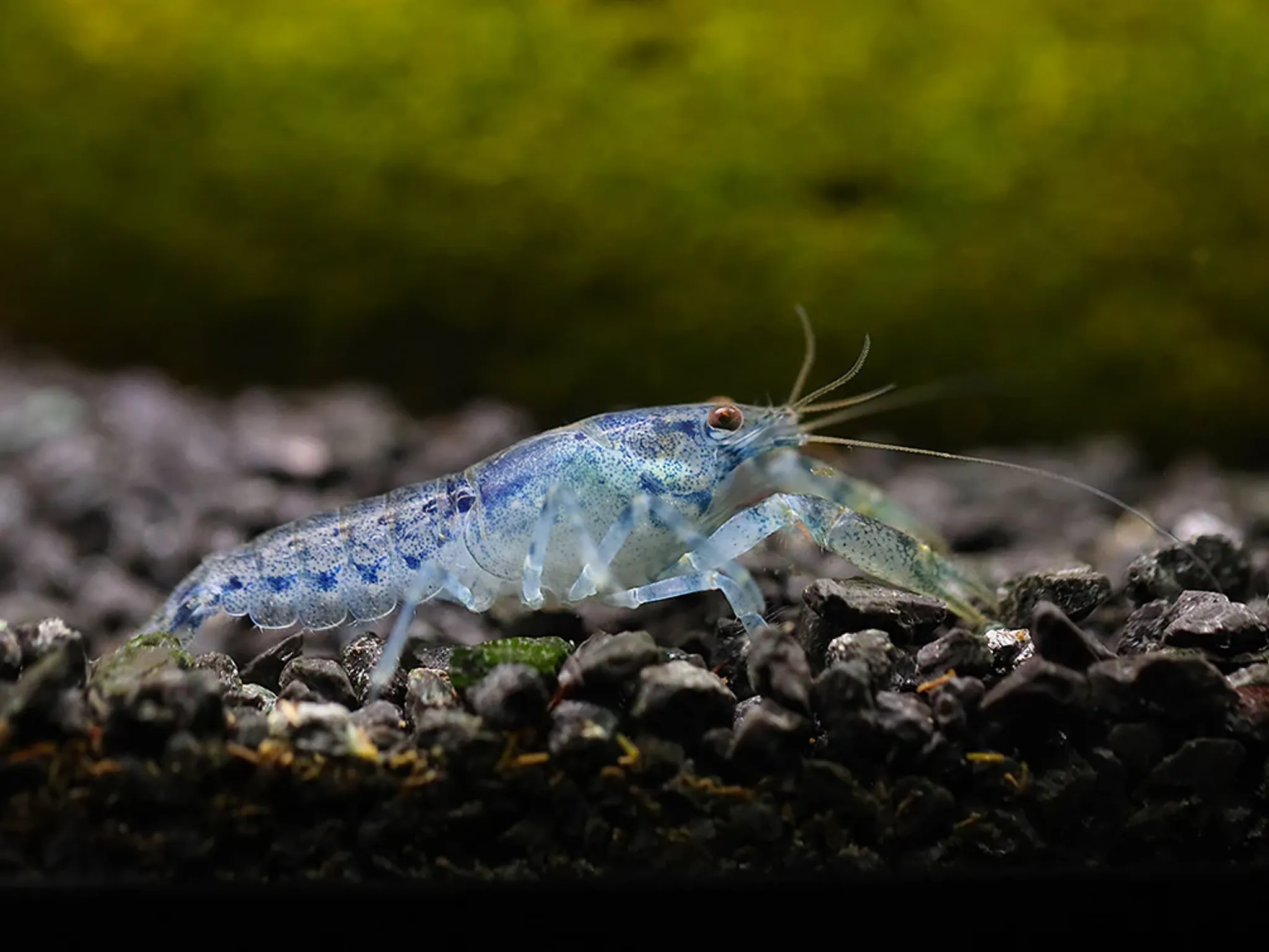
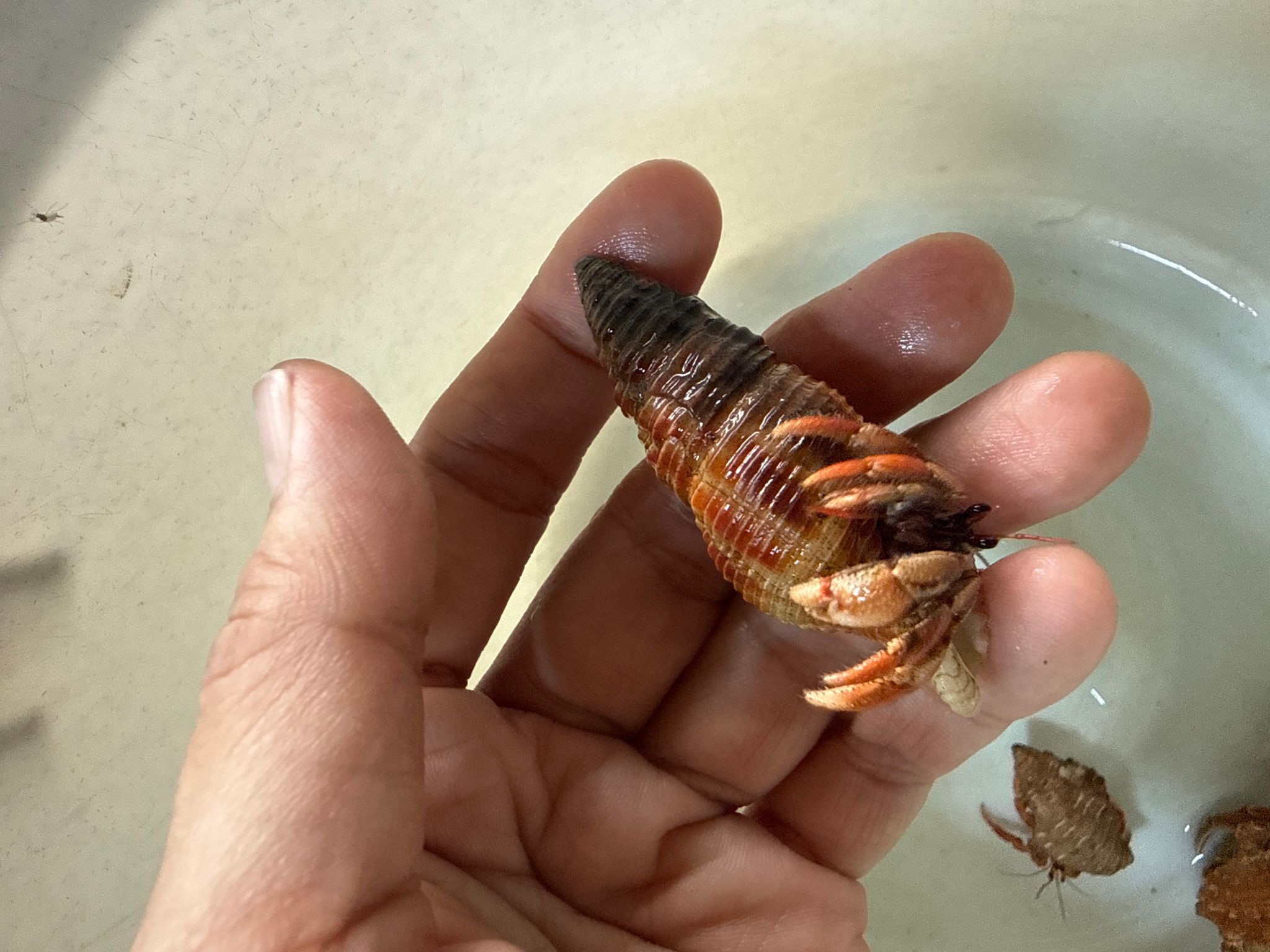
Explore freshwater snails, crayfish, crabs and other aquarium invertebrates for sale in Singapore from aquarium shops, breeders and specialist sellers on FishyHub. Compare different species by size, behaviour, care requirements and seller.
Freshwater invertebrates can add colour, movement and interesting behaviour to an aquarium. Some species are valued for algae grazing or cleanup activity, while others are kept mainly as feature animals. Care and compatibility can vary greatly, so exact species identification is important.
Freshwater aquarium invertebrates include a diverse range of animals beyond fish.
Depending on availability, this category may include:
Each group has different space, feeding and compatibility requirements, so livestock should be chosen according to the exact aquarium setup.
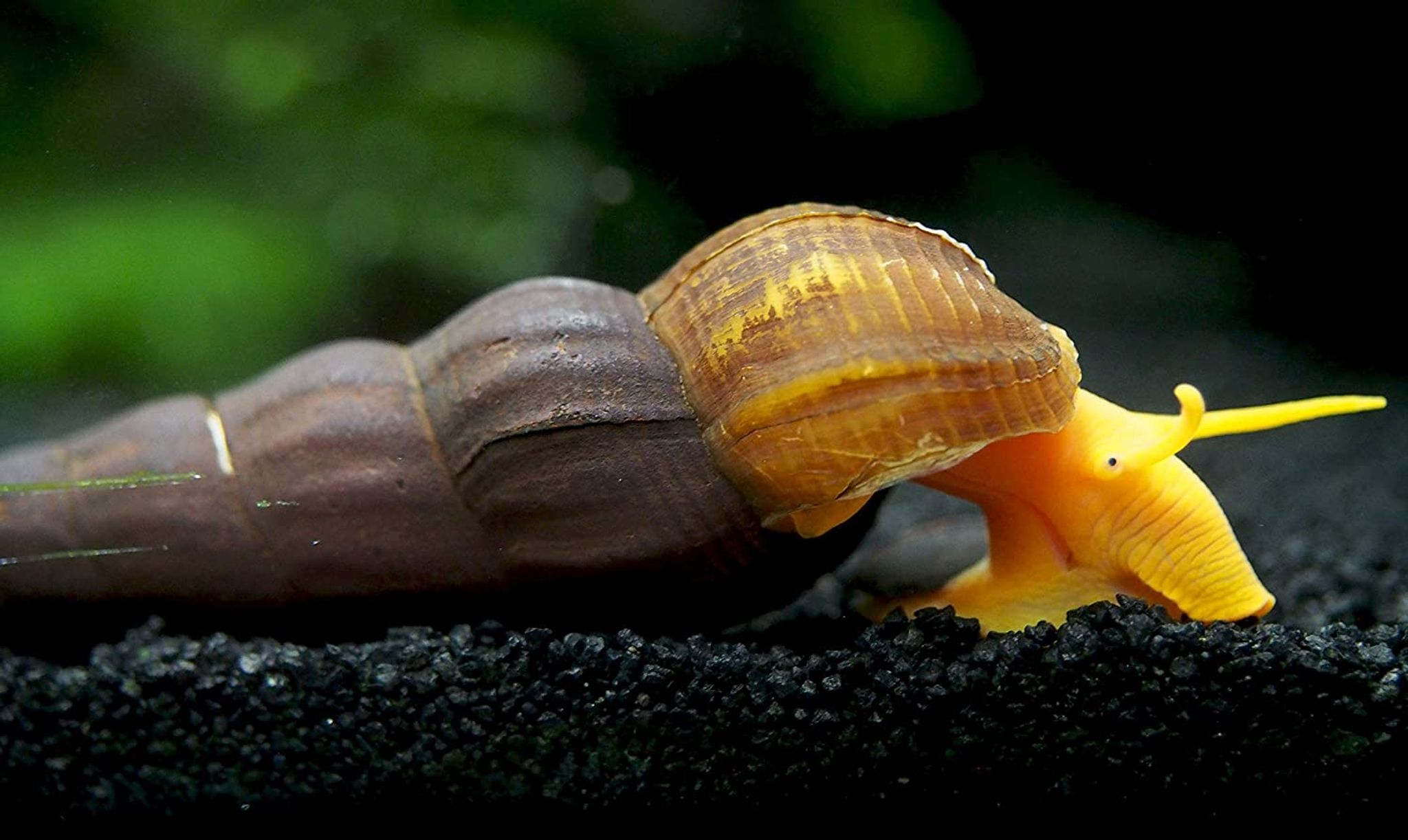
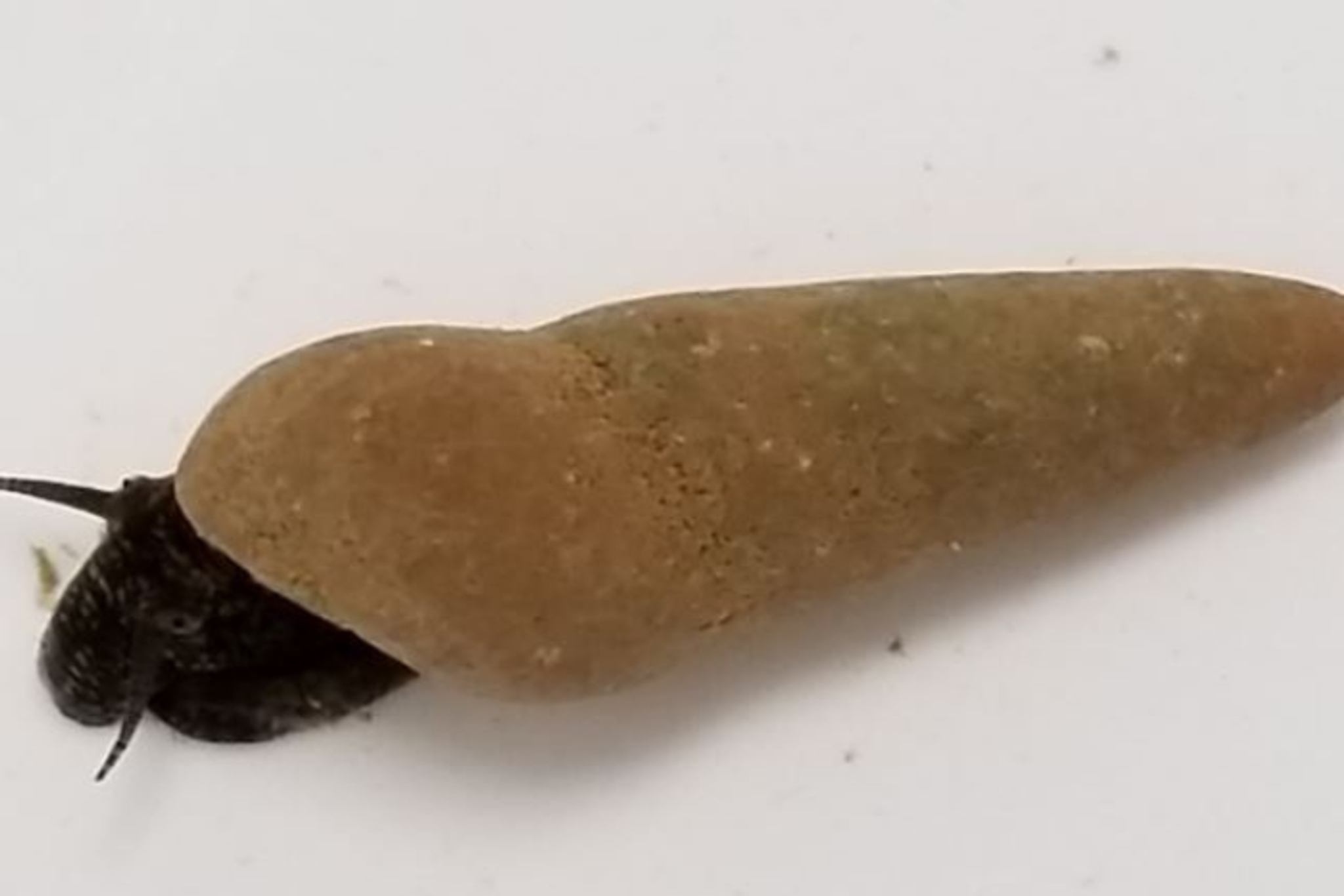
Freshwater snails are among the most commonly kept aquarium invertebrates.
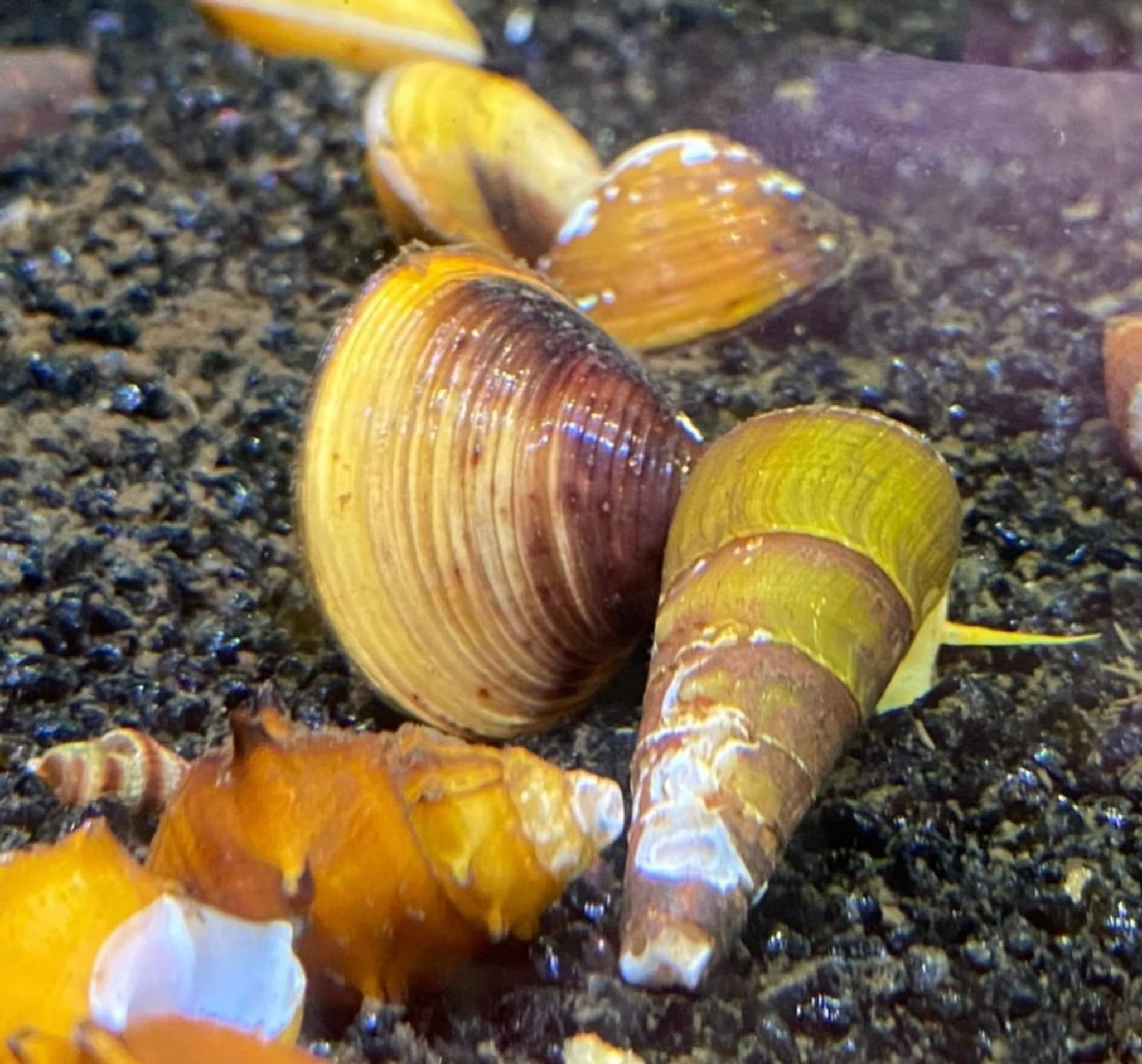
They can provide additional grazing activity and visual interest, with species such as Nerite, Mystery, Ramshorn and Malaysian Trumpet Snails commonly seen in the hobby.
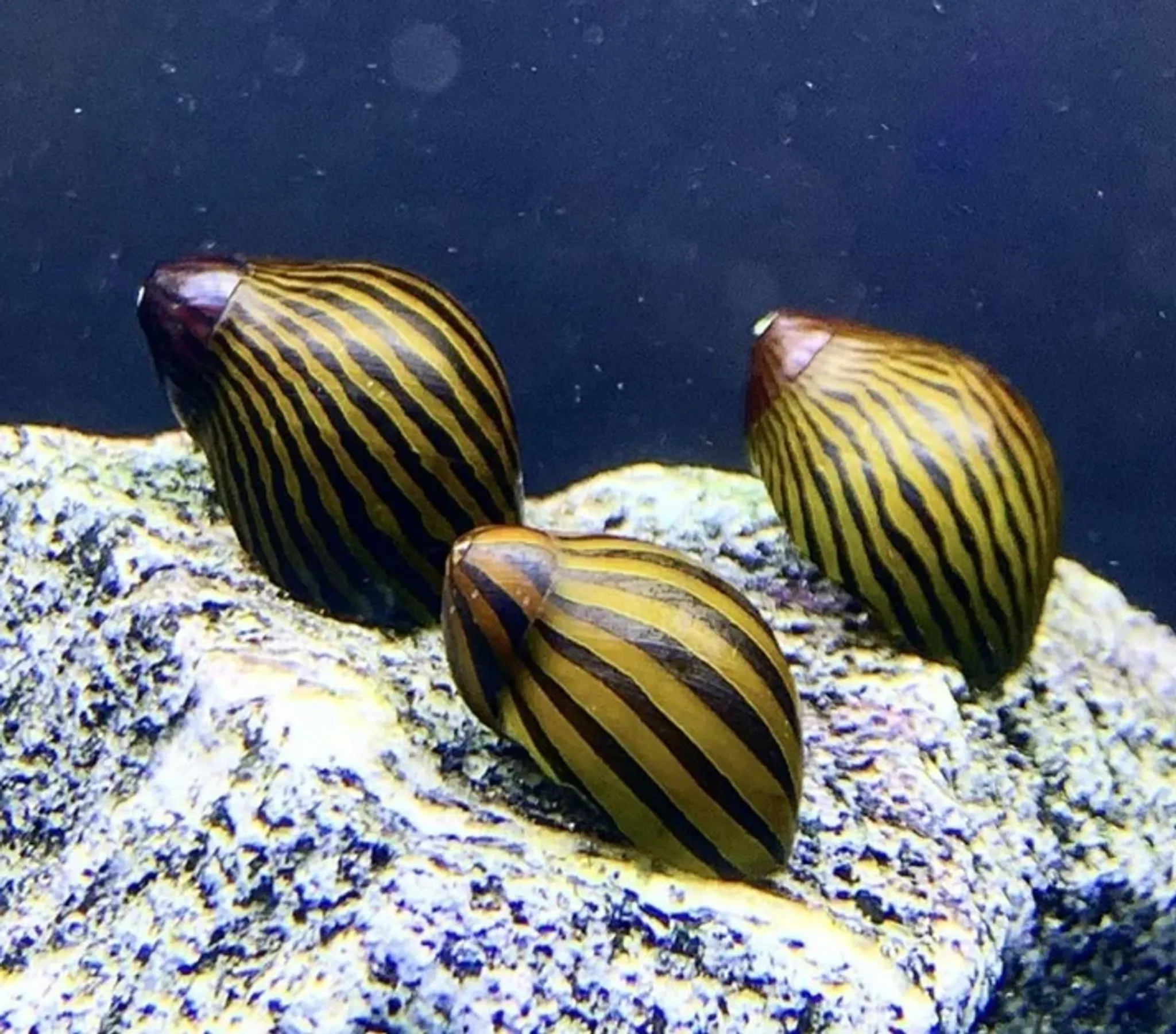
Nerite Snails are popular in freshwater aquariums because of their distinctive shell patterns and algae-grazing behaviour.
They can be useful in planted and community tanks, although the aquarium should still provide appropriate food and stable water conditions.
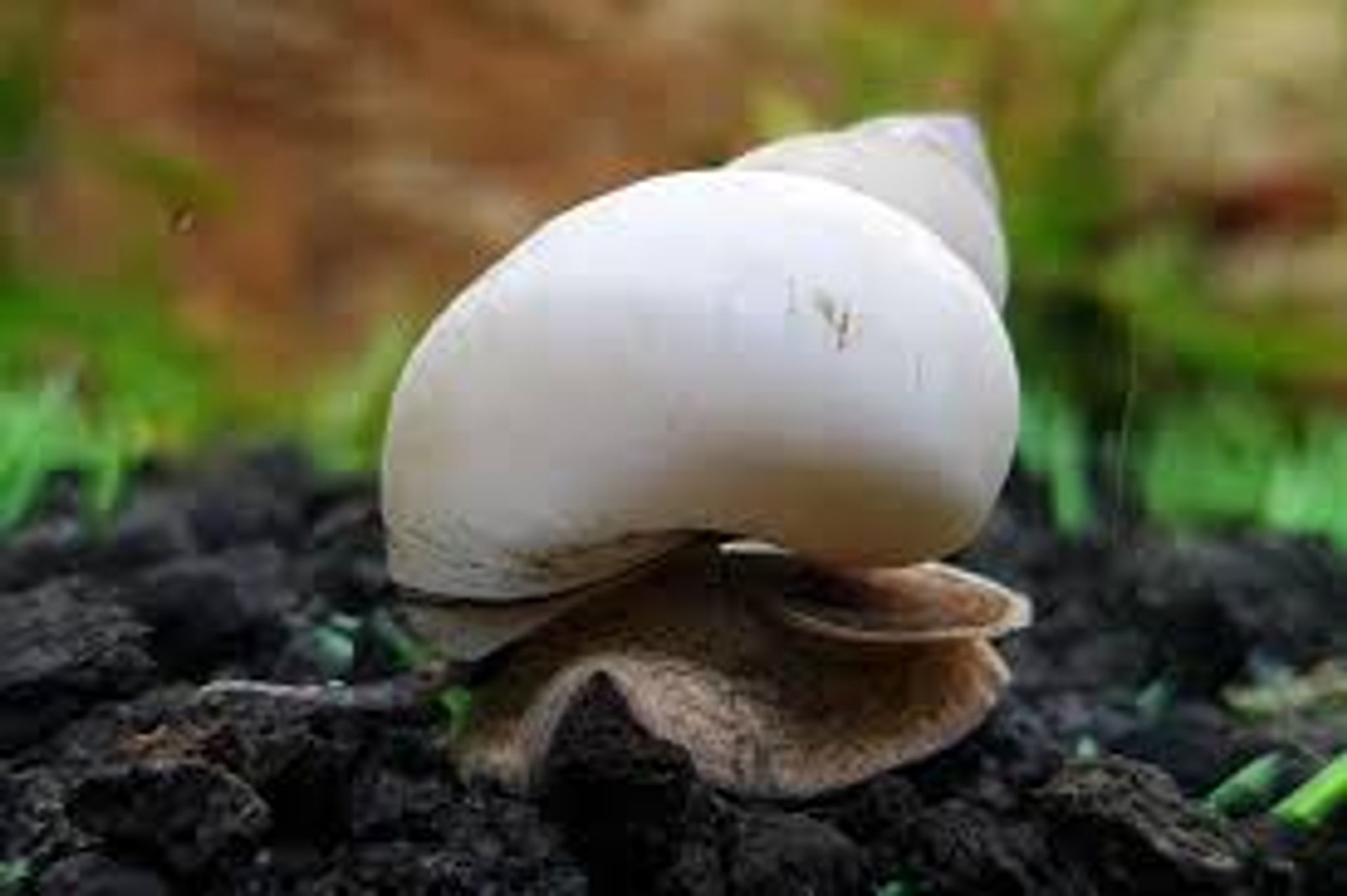
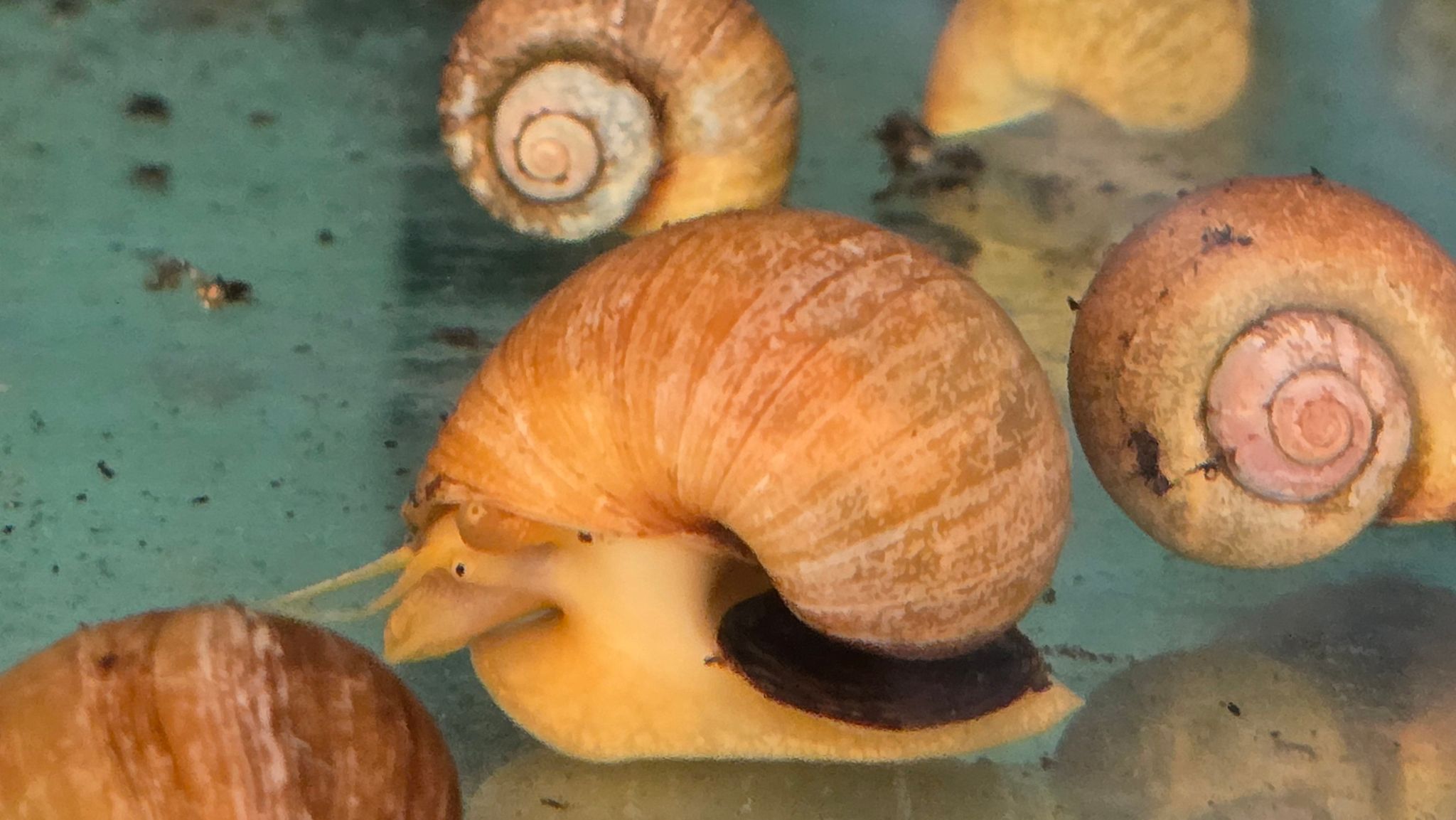
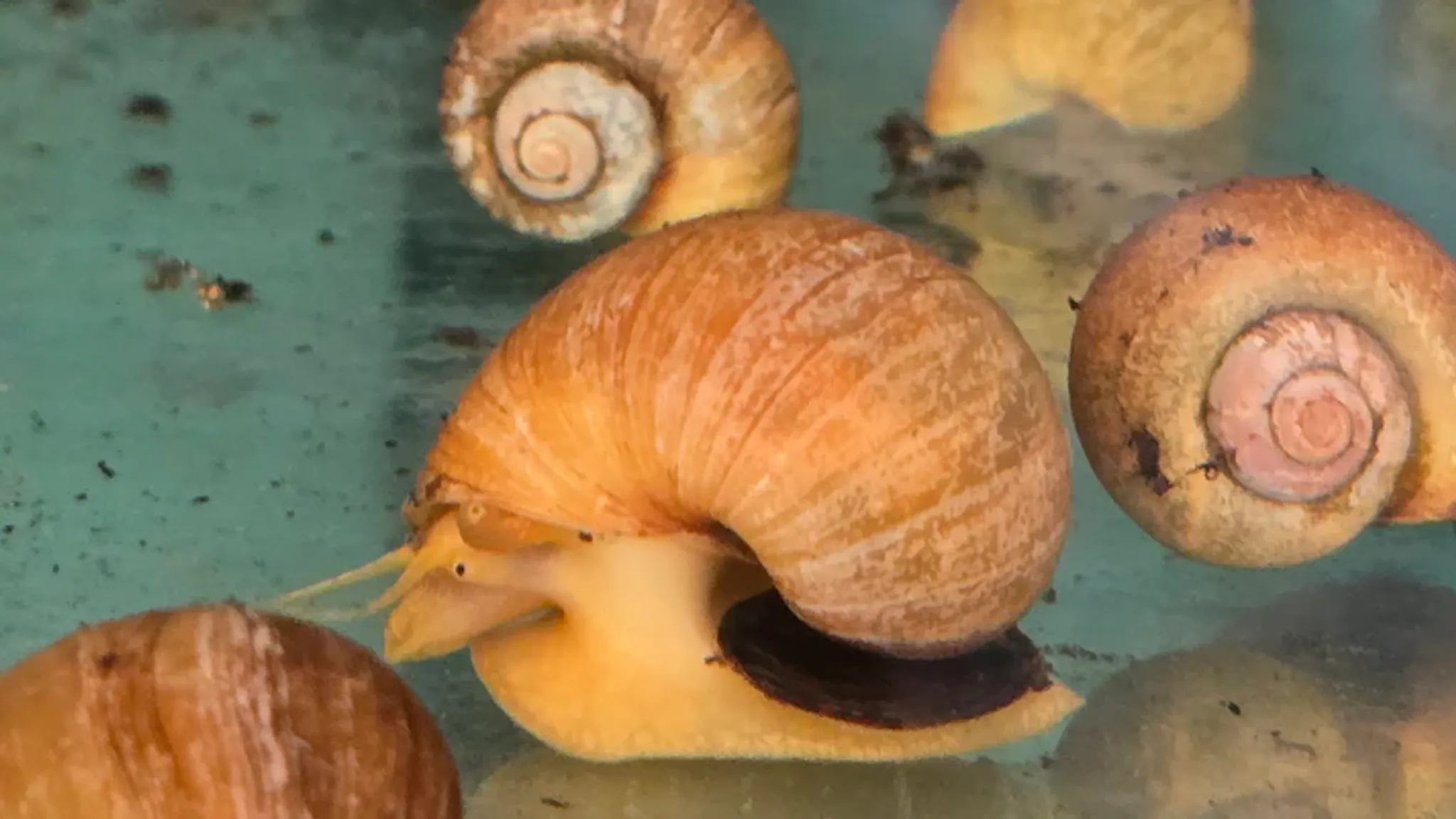
Mystery Snails are larger ornamental snails available in a range of shell and body colours.
Their larger size makes them easy to observe, and they can become feature invertebrates in community aquariums.
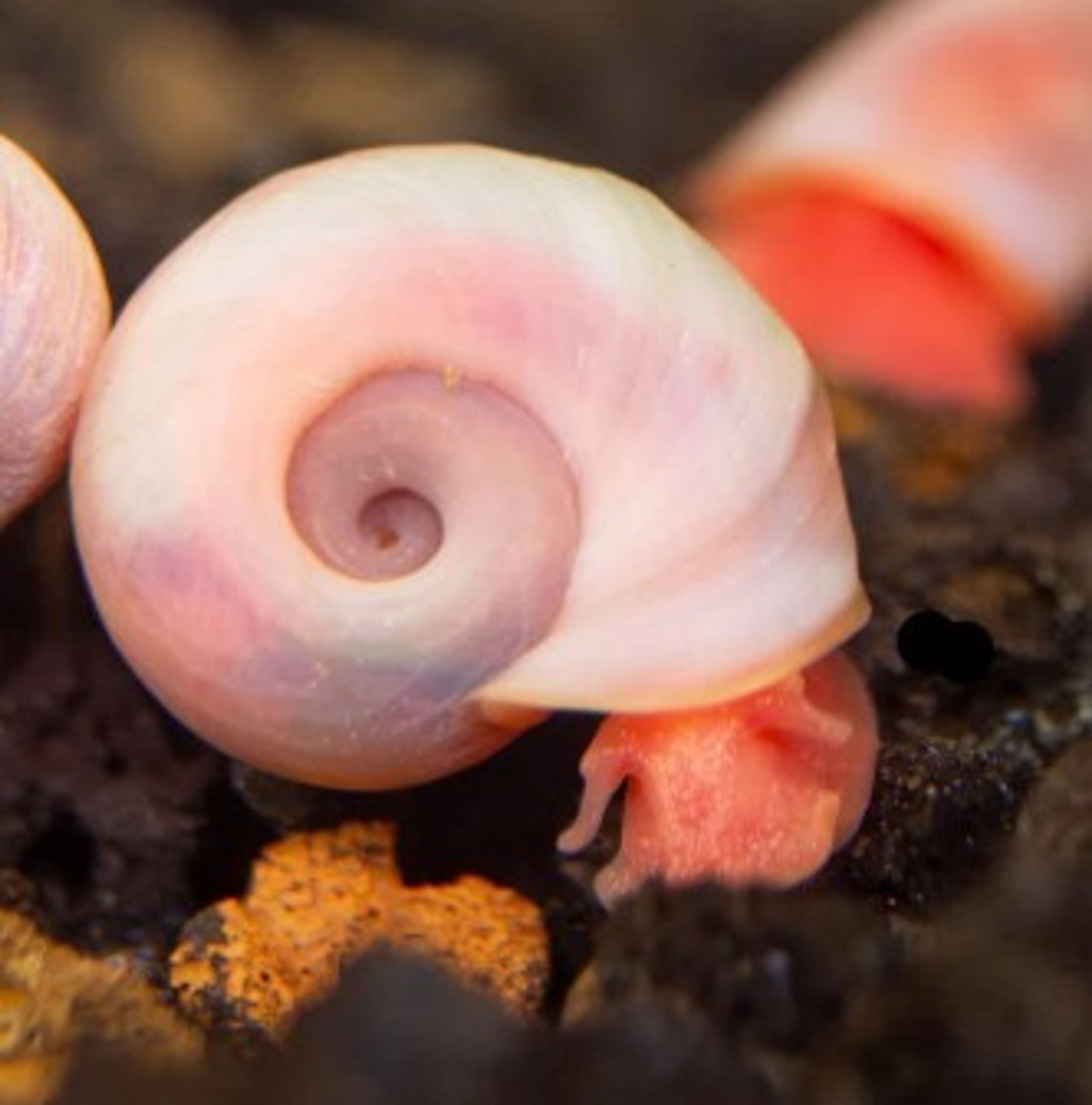
Ramshorn Snails have coiled shells and can reproduce readily when food is abundant.
Their population can increase quickly in heavily fed tanks, so feeding and overall aquarium maintenance influence how many are present.
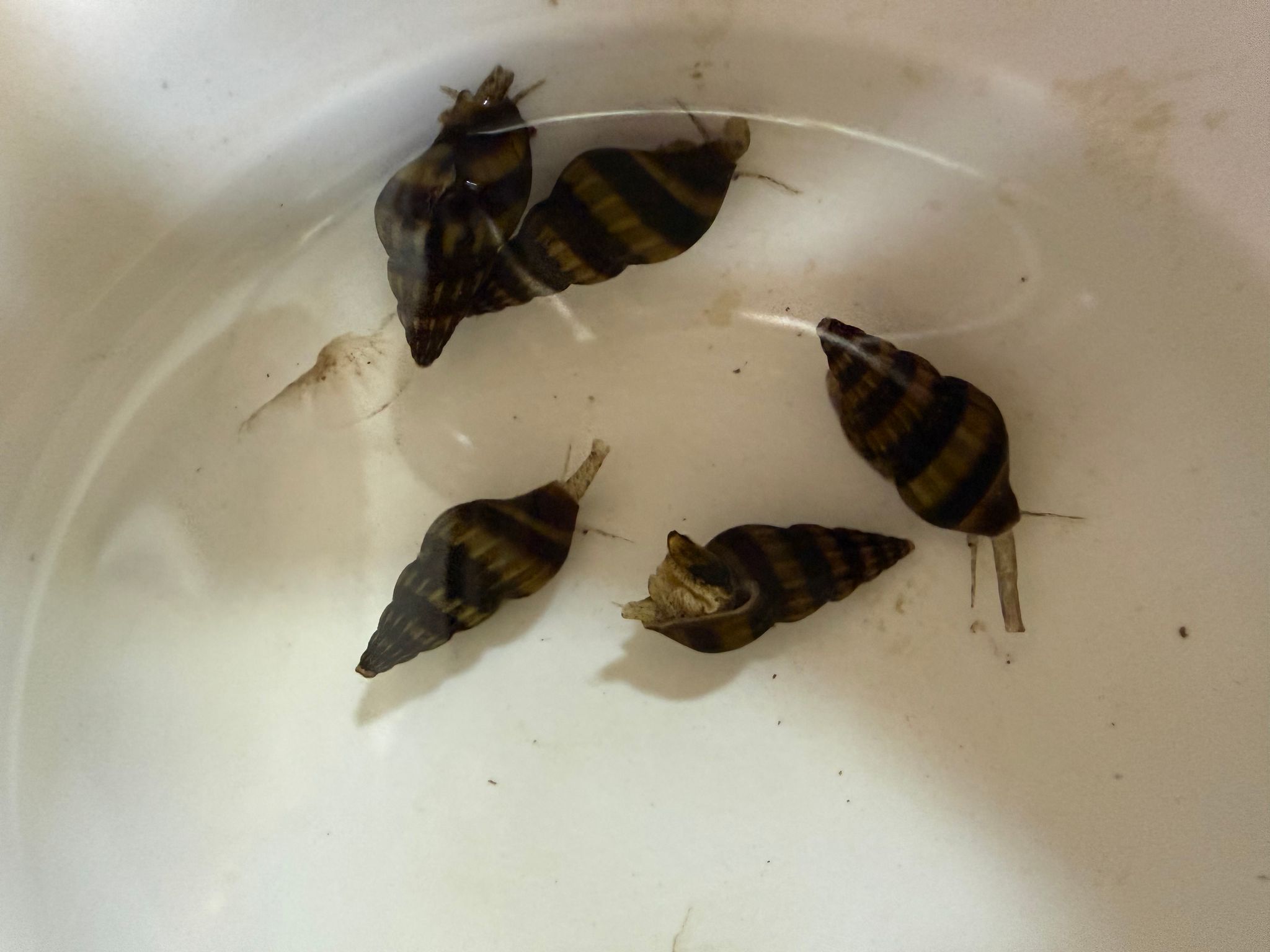
Malaysian Trumpet Snails spend much of their time around or within the substrate.
They are often active after lights-out and can multiply quickly when excess food is available.
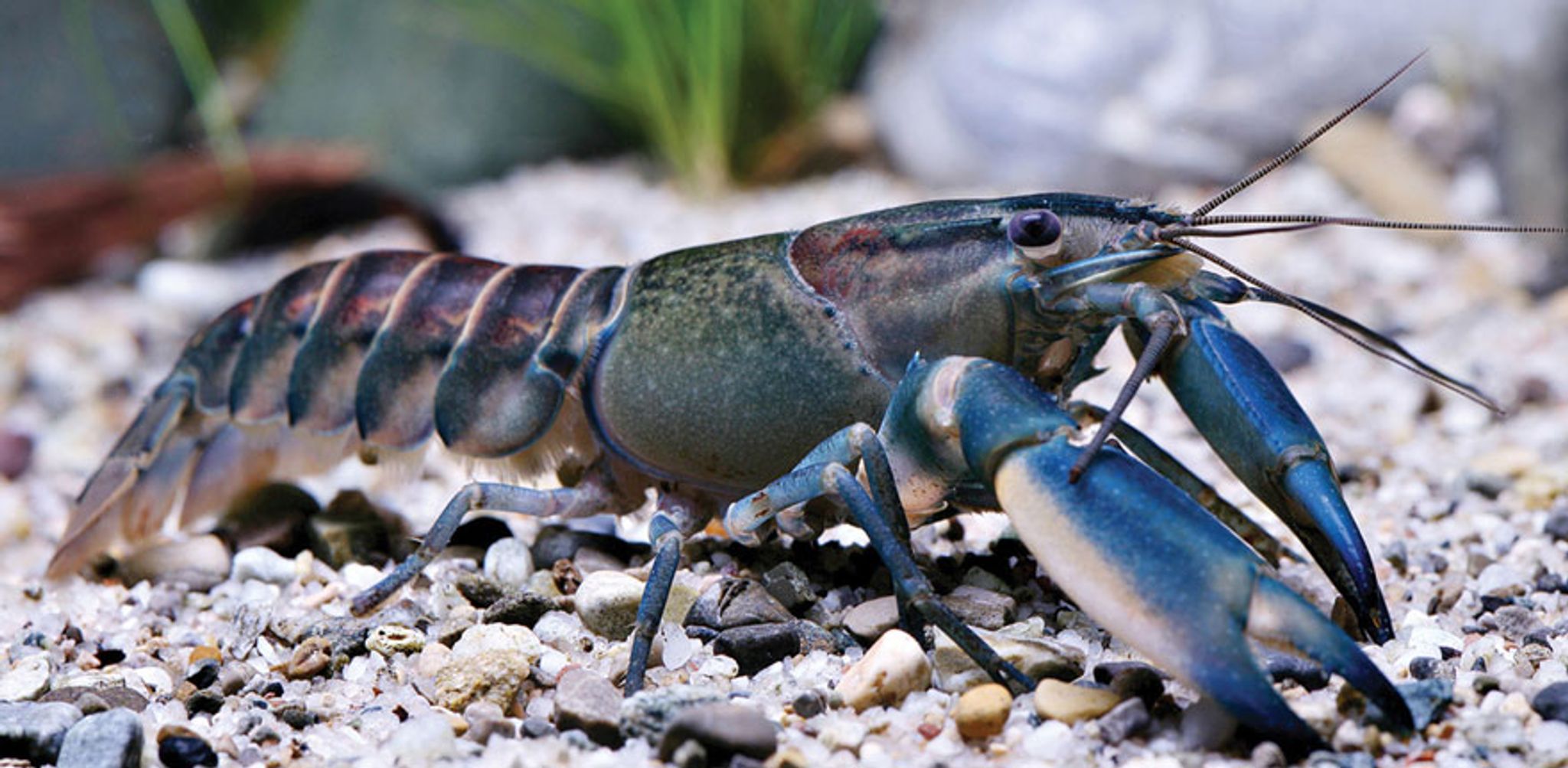
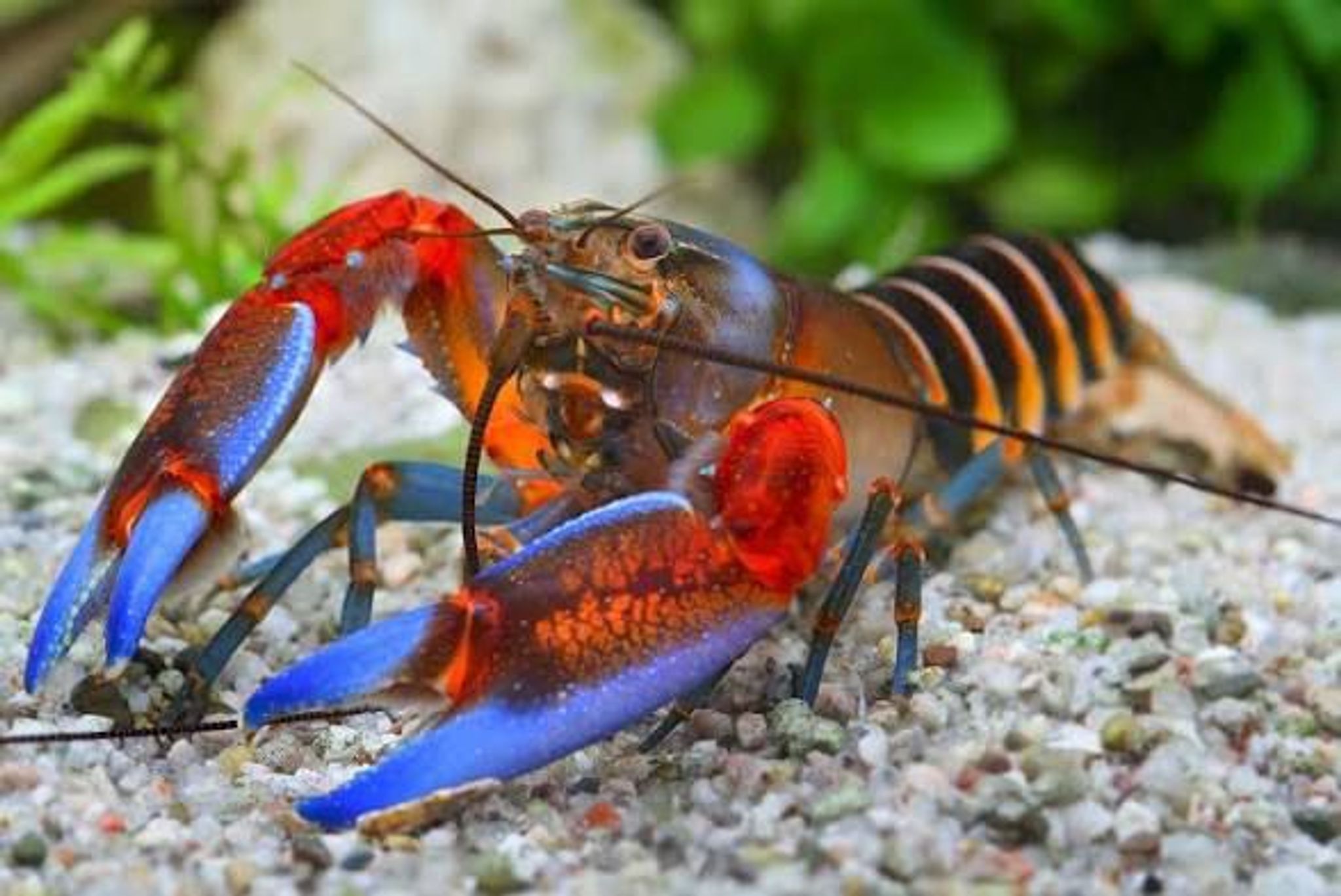
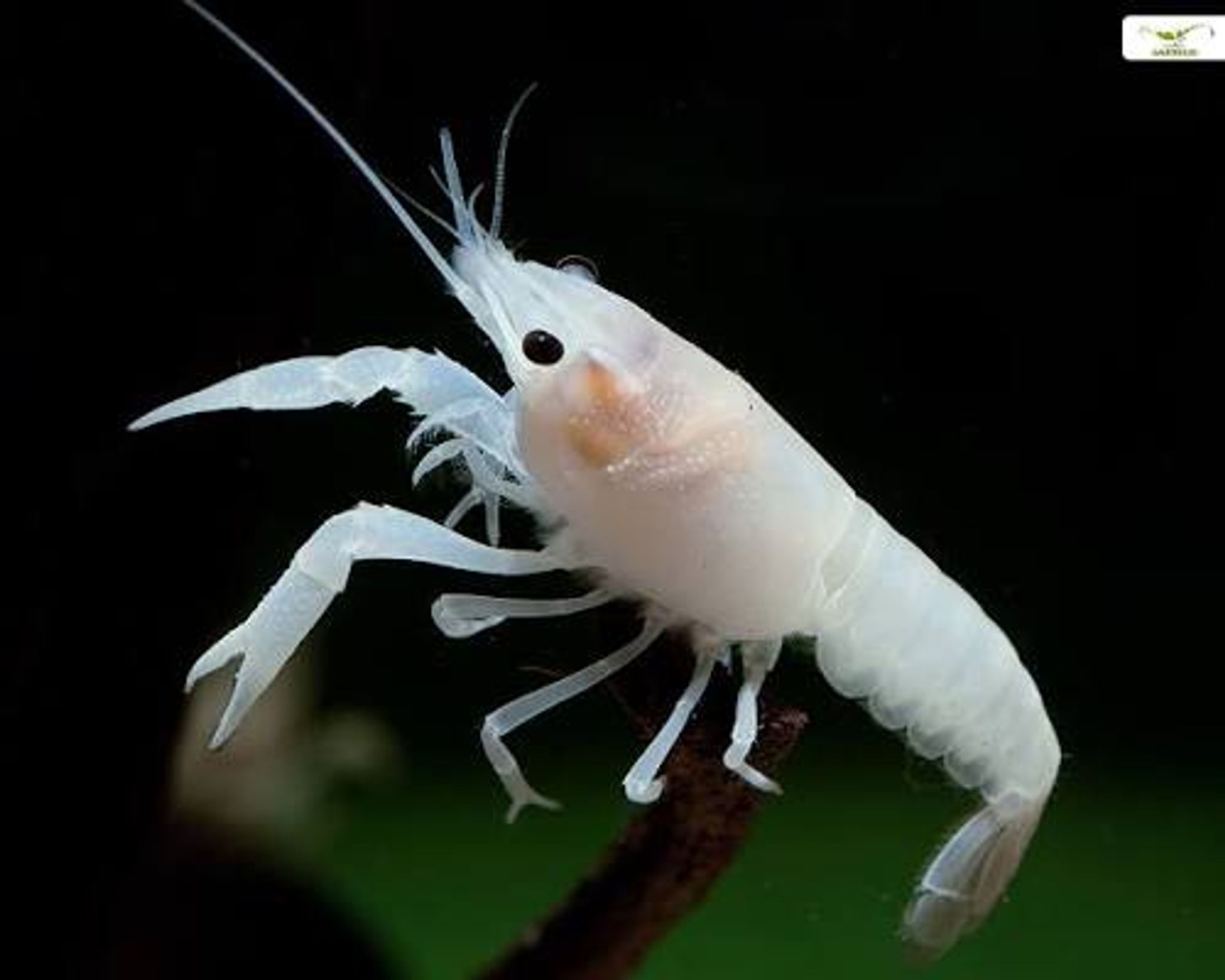
Crayfish are freshwater crustaceans known for their claws, bold behaviour and distinctive appearance.
Some dwarf species remain relatively compact, while larger crayfish can become highly territorial and may require dedicated setups.
Dwarf crayfish are smaller than many commonly kept crayfish and can be easier to accommodate in modest-sized aquariums.
Compatibility still depends on species and individual temperament, especially with shrimp, snails and bottom-dwelling fish.
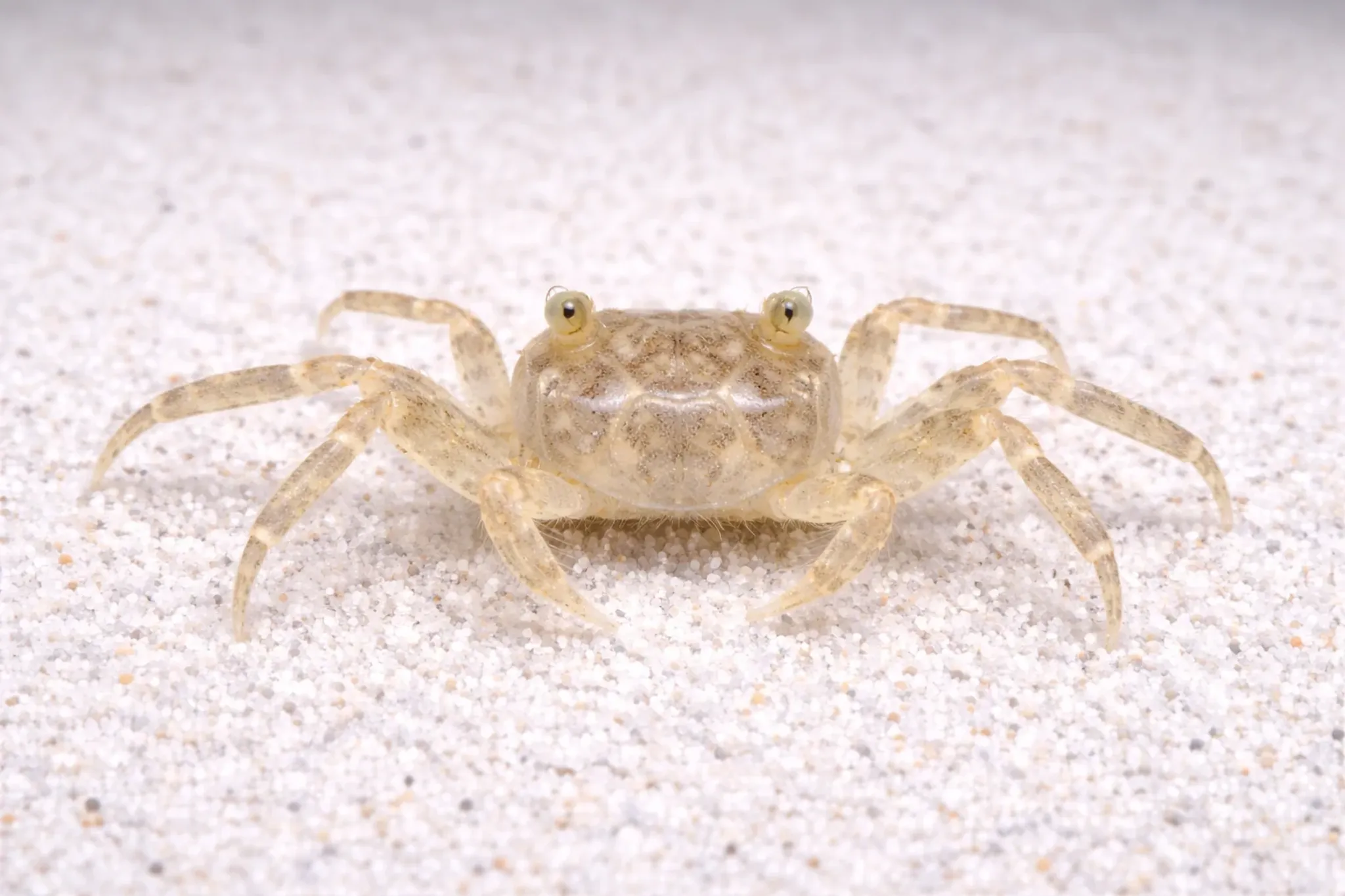
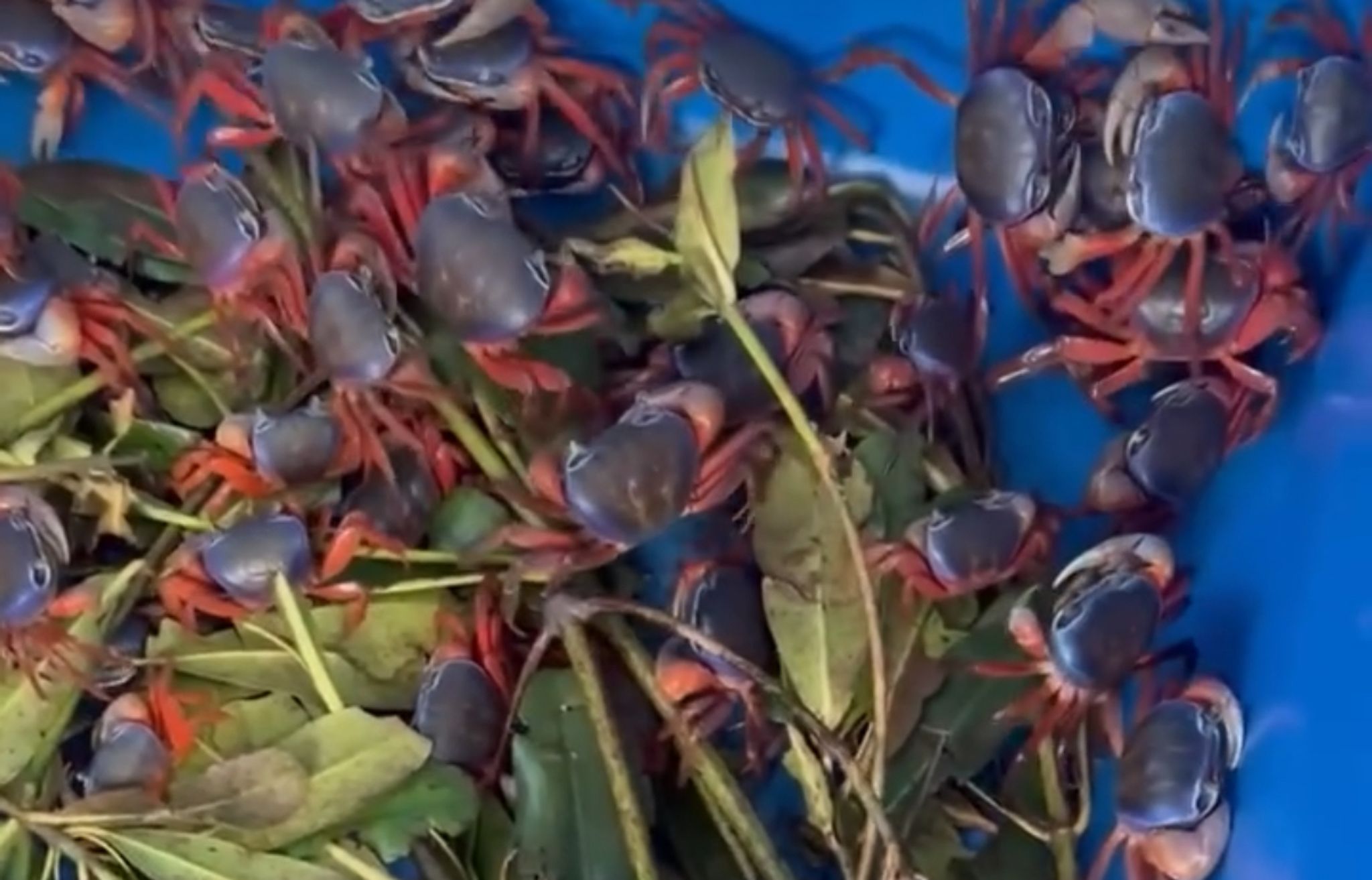
Freshwater and semi-aquatic crabs can be fascinating aquarium or paludarium inhabitants.
Some species require access to land or areas above the water, while others are more aquatic. Exact identification is important before deciding on the enclosure.
Not every animal sold under a freshwater invertebrate category is fully aquatic.
Some crabs and other specialist species may need land areas, humid air space or a paludarium-style environment. Always confirm the natural behaviour of the exact species before purchase.
Many snails work well in planted aquariums and can graze on algae and biofilm.
Larger crayfish and some crabs may dig, cut or uproot plants, so planted-tank compatibility should be checked species by species.
Certain peaceful snails can be useful companions in freshwater shrimp aquariums because they occupy different ecological niches.
Crayfish and predatory or territorial crabs may pose a risk to shrimp, especially juveniles.
Some snails can coexist with Bettas, depending on the fish's temperament and the size of the invertebrate.
Crayfish are generally a more difficult combination because their claws and bottom-oriented behaviour can create injury risks.
Peaceful snails are often easier to integrate into community tanks than larger territorial crustaceans.
Before adding crayfish or crabs, consider whether existing fish spend time near the substrate or may be vulnerable during rest.
Some snails graze on algae and biofilm, but no invertebrate should be treated as a complete substitute for aquarium maintenance.
Their effectiveness also varies according to species and the type of algae present.
Natural algae and biofilm may provide some food, but aquarium snails can need additional feeding if those resources are limited.
Suitable sinking foods and plant-based foods may be offered depending on the species.
Crayfish are generally opportunistic omnivores and scavengers.
Suitable sinking pellets, plant material and protein-rich foods may be offered depending on the species. A varied diet is usually preferable to relying only on leftover fish food.
Crab diets vary significantly between species.
Some are omnivorous scavengers, while others may need a more specialised diet. Feed according to the exact species rather than assuming all freshwater crabs eat the same foods.
Crayfish and crabs periodically shed their exoskeleton as they grow.
Newly moulted animals are soft and vulnerable, so caves, shelters and stable conditions are especially important during this period.
Snails, crayfish and crabs all depend on suitable mineral availability for healthy shells or exoskeletons.
Water chemistry and diet should be matched to the exact species, especially when keeping multiple invertebrates with different needs.
Stable water quality is important for freshwater invertebrates, particularly during moulting and shell growth.
Exact temperature, hardness and pH requirements vary by species, so avoid using one set of parameters for every snail, crayfish or crab.
Effective filtration helps manage waste and maintain stable water conditions.
Filter intakes should be considered carefully for small snails, juveniles or other tiny invertebrates that could enter unprotected equipment.
Caves, driftwood and rock structures can provide important shelters and territorial boundaries.
Hiding places become especially important during moulting and when more than one territorial invertebrate is kept.
Some crayfish and crabs are effective climbers and may use cables, filter pipes or hardscape to reach the top of an aquarium.
A secure cover and careful equipment placement may be necessary depending on the species.
Reproductive behaviour differs between snail species.
Some reproduce readily in freshwater aquariums, while others have more specialised reproductive cycles. Population growth can often be influenced by food availability.
Some crayfish species reproduce readily in captivity.
Young crayfish may need many hiding places because competition and cannibalism can occur as they grow.
When comparing freshwater invertebrates for sale, look for:
Appearance varies naturally between species and colour morphs, so health should not be judged by colour alone.
Prices vary according to species, size, colour, rarity, breeding difficulty and seller.
Common aquarium snails may be relatively affordable, while uncommon crayfish, crabs or specialist invertebrates can cost considerably more.
FishyHub brings freshwater invertebrate listings from aquarium shops, breeders and specialist sellers across Singapore together in one marketplace, making it easier to compare snails, crayfish, crabs and other aquatic invertebrates from multiple sources.
When comparing listings, consider:
Livestock availability changes regularly. Check current Singapore ownership and import requirements where relevant before purchasing unfamiliar or specialist invertebrate species.
Common examples include aquarium snails, crayfish, freshwater crabs and other specialist aquatic invertebrates.
Many are useful and interesting inhabitants, but their feeding, reproduction and water requirements vary by species.
Not always. Some species can catch fish, attack other invertebrates or become territorial, so compatibility must be assessed carefully.
Some are, while others require access to land or a paludarium-style setup. Identify the exact species before choosing an enclosure.
Some peaceful snails can coexist well with shrimp, while crayfish and certain crabs may prey on them.
Many snails and crustaceans need suitable mineral availability for shell or exoskeleton health, but exact requirements vary by species.
Some can climb very effectively, so secure covers may be necessary.
Many snails are well suited to planted tanks, while some crayfish and crabs may damage or uproot plants. Check the exact species before adding it.
Explore freshwater snails, crayfish, crabs and other aquarium invertebrates for sale on FishyHub. Compare species, size, behaviour, care requirements and prices from aquarium sellers and breeders across Singapore to find suitable livestock for your freshwater setup.
