1–4 of 4
Showing 4 of 4 products
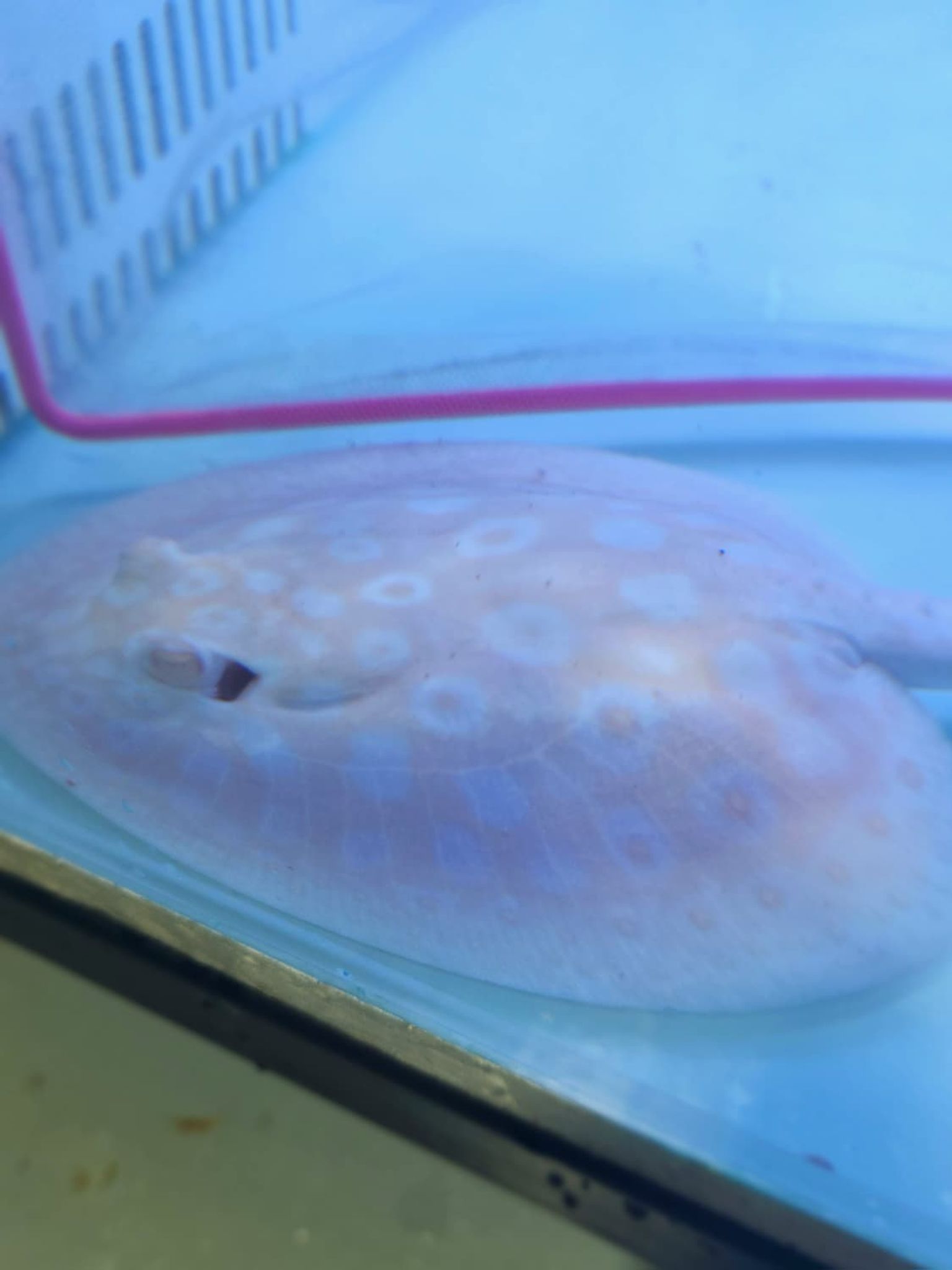
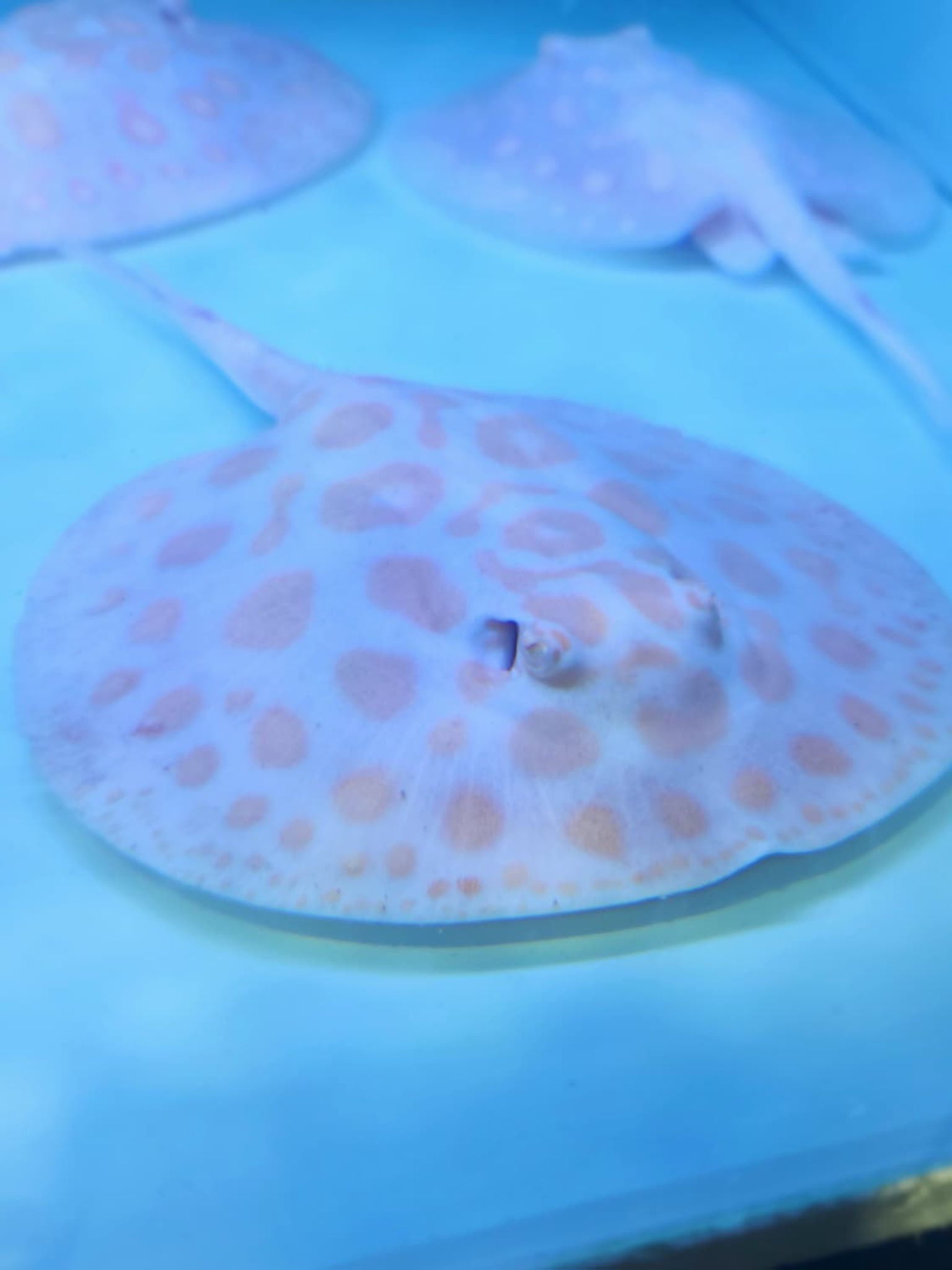
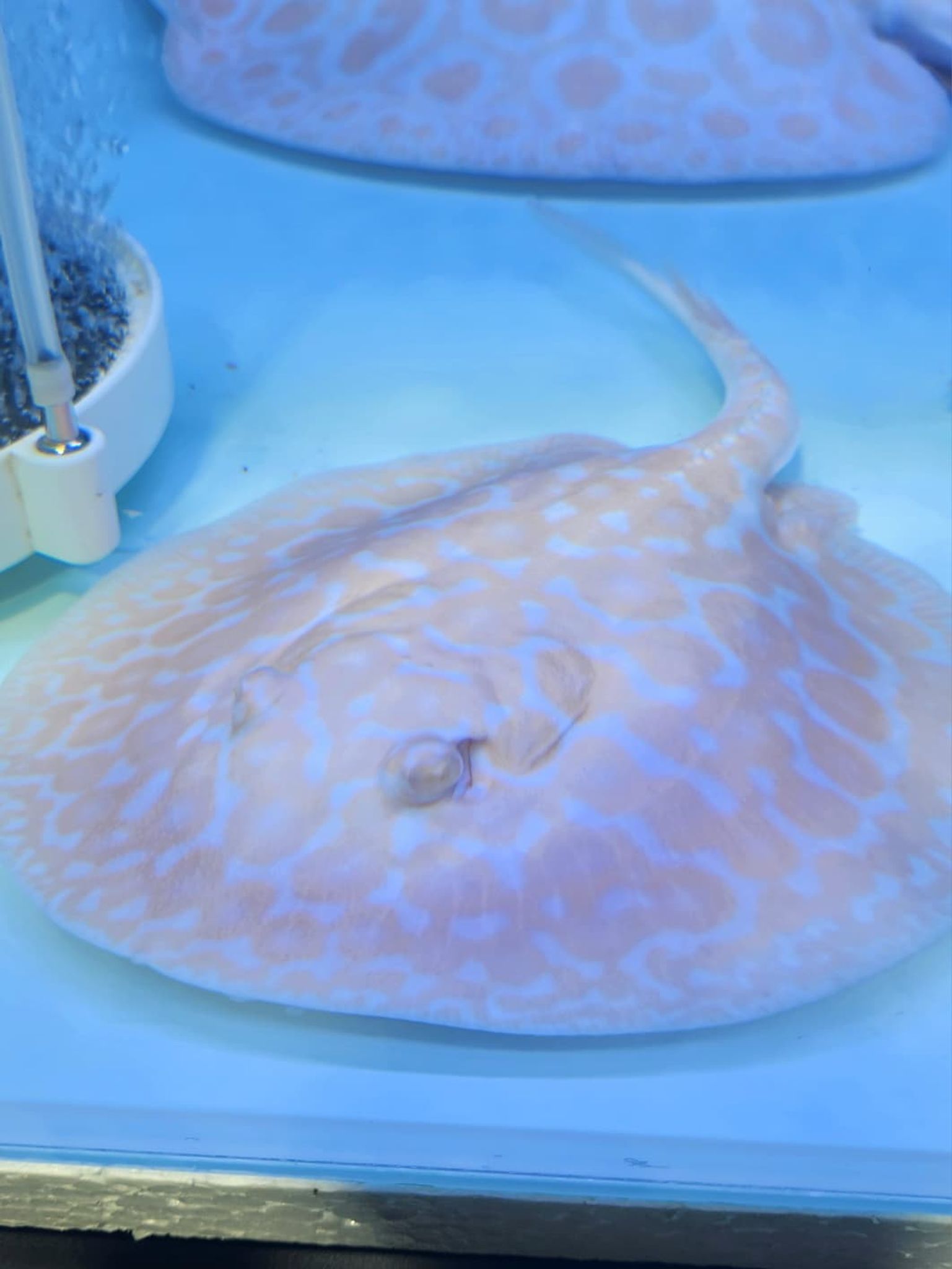
Explore freshwater stingrays for sale in Singapore from aquarium shops, breeders and specialist monster fish sellers on FishyHub. Compare Motoro, Black Diamond, Pearl and other Potamotrygon stingrays by size, pattern and seller.
Freshwater stingrays are striking South American bottom-dwelling fish known for their disc-shaped bodies, patterned skin and graceful movement across the substrate. They require large aquariums, strong filtration and careful long-term planning, making them best suited to experienced aquarists.
Many freshwater stingrays kept in the aquarium hobby belong to the family Potamotrygonidae and originate from South American river systems.
Different species and captive-bred forms vary in adult size, pattern, colour and value, so exact identification matters when comparing listings.
Availability changes regularly, but several Potamotrygon species and captive-bred forms are well known among monster fish keepers.
Motoro Stingrays are among the best-known freshwater stingrays and are typically recognised by their circular spotted pattern. They can become very large and need substantial floor space as adults.
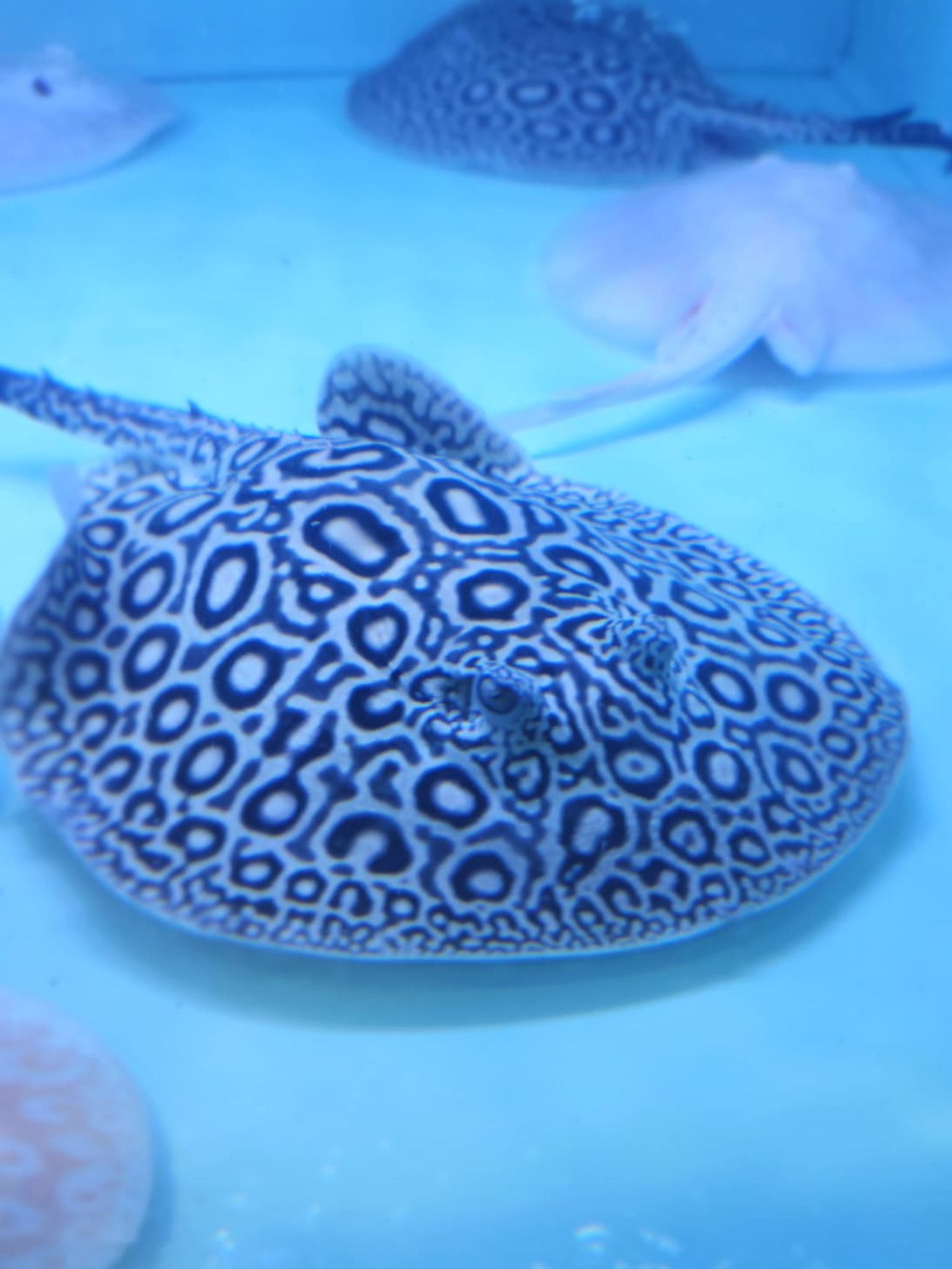
Black Diamond Stingrays are prized for dark body coloration with contrasting white or pale spots. Pattern quality, symmetry, lineage and size can influence how individual rays are valued.
Pearl Stingrays are known for intricate spotting and reticulated patterning. Individual appearance can vary considerably, making pattern an important part of comparing specimens.
Other species, locality forms and captive-bred crosses may appear depending on specialist seller availability. Always confirm the exact identification, expected adult size and care requirements before purchase.
Freshwater stingrays can become very large, with adult disc size varying by species and sex.
Juveniles may appear manageable in shops, but long-term planning should be based on mature disc width and overall body length rather than current size.
Freshwater stingrays need generous floor space because they spend most of their time moving across the bottom.
Aquarium width and length are often more important than excessive height. The tank should allow an adult ray to turn, forage and rest comfortably without constantly contacting walls or decor.
A suitable stingray setup may include:
Large, unstable rocks or sharp decorations should not restrict the ray's movement across the substrate.
Smooth sand is commonly chosen because it allows rays to rest, bury and forage without unnecessary abrasion.
Whatever substrate is used, avoid sharp materials that may damage the underside or disc margins.
Freshwater stingrays may partially bury themselves in substrate while resting or waiting for food.
This is normal behaviour and one reason a smooth, clean bottom is useful.
Freshwater stingrays are carnivorous bottom feeders.
Depending on the ray, suitable sinking carnivore foods and other appropriately sized protein-rich foods can form part of a varied diet. Feeding should be monitored carefully to ensure each ray receives enough food.
Young stingrays can have high nutritional demands and should be observed closely for strong, consistent feeding.
A juvenile with poor body condition or weak feeding response should be assessed carefully before purchase.
Adult stingrays require substantial food, and feeding load can contribute significantly to aquarium waste.
This makes filtration, water quality and feeding management especially important in large predator aquariums.
Suitable tankmates should be large enough not to be eaten, calm enough not to harass the ray and compatible with the same water conditions.
Avoid fish that repeatedly nip, attach to or disturb the stingray's disc.
Arowana and freshwater stingrays are sometimes combined in very large display aquariums because they generally occupy different zones.
Compatibility still depends on mature size, aquarium dimensions, feeding competition and individual behaviour.
Bichirs and stingrays are both bottom-oriented predators, so they may compete for floor space and food.
The aquarium should be large enough that neither fish is constantly interfering with the other's resting and feeding areas.
Oscars may sometimes coexist with stingrays in very large aquariums, but individual aggression and feeding behaviour need monitoring.
Avoid tankmates that repeatedly attack, bite or stress the ray.
Some large catfish may share monster fish aquariums with stingrays, but both can occupy the same bottom territory.
Adult size, mouth size, temperament and competition for food should all be considered carefully.
Plecos require caution as stingray tankmates.
Some Plecos may attach to or rasp at the surface of large fish, which can injure a stingray's sensitive disc. Any combination should be monitored closely rather than assumed safe.
Small fish may be eaten if they are easy for the stingray to capture.
Freshwater stingrays should therefore not be treated as ordinary community fish.
Multiple rays can sometimes be kept together when the aquarium provides enough floor space and filtration.
Size matching, sex, feeding competition and overall stocking should be considered carefully.
Mature male freshwater stingrays have visible claspers near the pelvic fins, while females do not.
This makes sexing mature rays relatively straightforward compared with many aquarium fish.
Freshwater stingrays have been bred successfully in captivity, including many popular Potamotrygon forms.
Breeding requires mature compatible animals, substantial space and careful monitoring, making it an advanced aquarium project.
Young stingrays are often referred to as pups.
Newly acquired pups should be checked carefully for body condition, feeding response and signs of physical damage.
Freshwater stingrays benefit from exceptionally stable, clean water and consistent aquarium maintenance.
Exact water chemistry requirements vary by species and source, but sudden deterioration in water quality can be especially problematic for large, heavily fed rays.
Freshwater stingrays produce substantial waste and require strong biological and mechanical filtration.
Large canister filters, sump systems and other high-capacity filtration approaches may be used depending on aquarium size and stocking. Filtration should be designed around the adult animals rather than only the current juvenile load.
Regular water changes are an important part of maintaining stable conditions in stingray aquariums.
Filtration helps process waste but does not eliminate the need for routine maintenance.
Freshwater stingrays have a defensive spine on the tail that can cause serious injury.
They should be handled with respect and unnecessary direct handling should be avoided. Aquarium maintenance should be planned so the ray has room to move away rather than being cornered.
The tail spine is a defensive structure rather than a hunting weapon.
Aquarists should know where the ray is during maintenance and use appropriate caution around the tail.
Freshwater stingrays are generally not beginner fish.
Their large adult size, feeding requirements, sensitivity to water quality and powerful defensive spine make them more suitable for experienced aquarists with appropriate facilities.
When comparing freshwater stingrays for sale, look for:
Feeding response is especially important because a ray that consistently refuses food can decline quickly.
New stingrays should be introduced carefully to avoid abrupt changes in temperature and water chemistry.
Because stingrays are large, sensitive fish, the destination aquarium should already be fully prepared and stable before the animal arrives.
Freshwater stingray prices in Singapore vary widely according to species, captive-bred line, pattern, size, sex, quality and seller.
Premium patterned rays and uncommon bloodlines can be valued very differently from more commonly available specimens.
FishyHub brings freshwater stingray listings from aquarium shops, breeders and specialist monster fish sellers across Singapore together in one marketplace, making it easier to compare available Potamotrygon from multiple sources.
When comparing stingray listings, consider:
Availability changes regularly, especially for specialist strains, larger rays and premium-patterned specimens.
Yes. Potamotrygon freshwater stingrays are adapted to freshwater river systems in South America.
Yes. They need substantial floor space, especially as they mature.
They are carnivorous bottom feeders and require appropriately sized, protein-rich foods suited to the individual ray.
They are sometimes kept together in very large aquariums because they occupy different levels, but mature size, behaviour and feeding must be considered.
They sometimes can, although both use bottom space and may compete for food.
Caution is needed because some Plecos may attach to or rasp at the stingray's disc.
Their defensive tail spine can cause serious injury, so unnecessary handling should be avoided and aquarium maintenance should be carried out carefully.
Generally no. Their large size, high filtration needs, specialised care and defensive spine make them better suited to experienced keepers.
Explore freshwater stingrays for sale on FishyHub and compare Motoro, Black Diamond, Pearl and other Potamotrygon stingrays from aquarium sellers and breeders across Singapore. Compare species, disc size, pattern, sex, condition and price to find a suitable ray for your large freshwater aquarium.