41–80 of 91
Showing 40 of 91 products
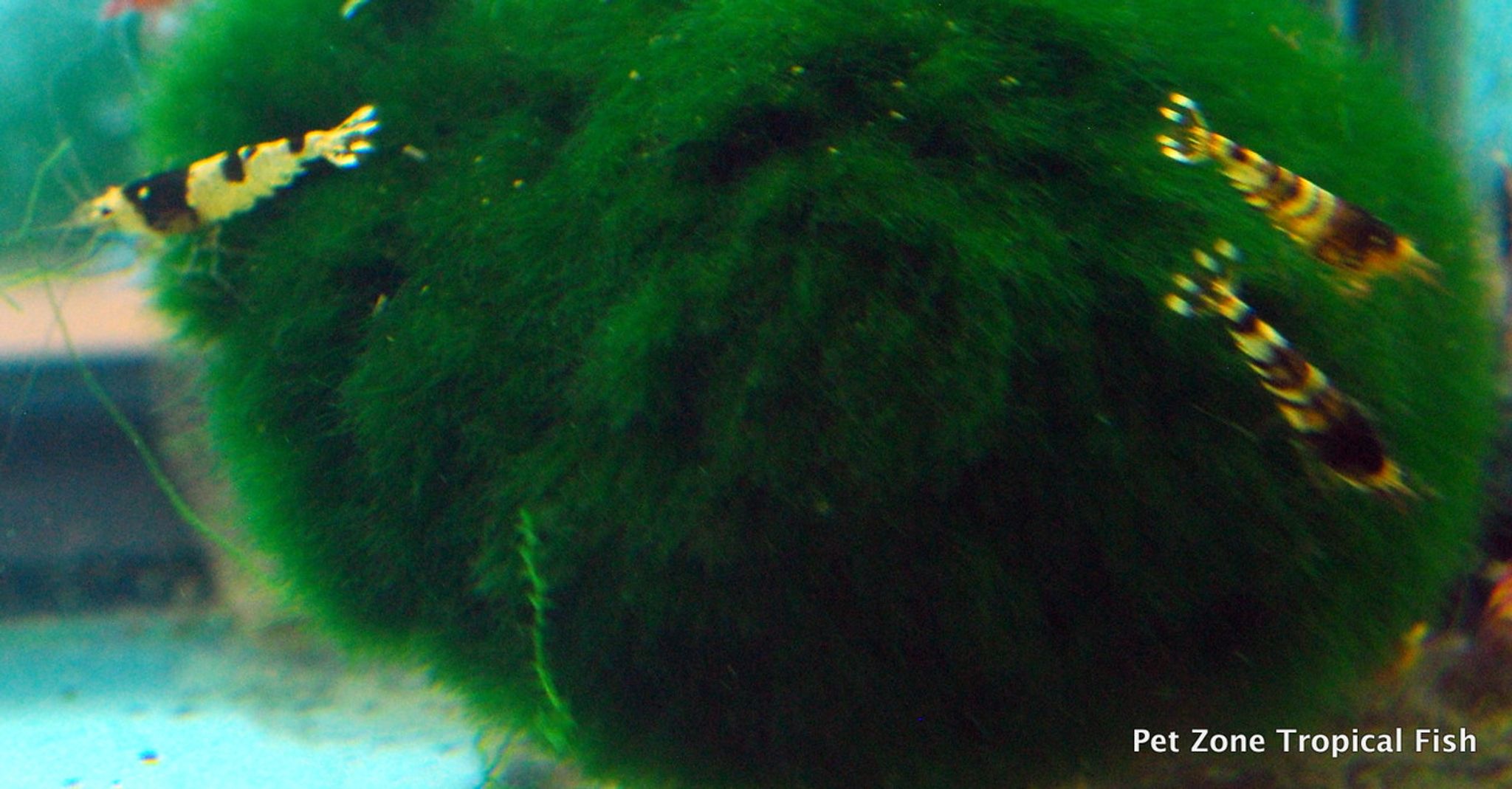

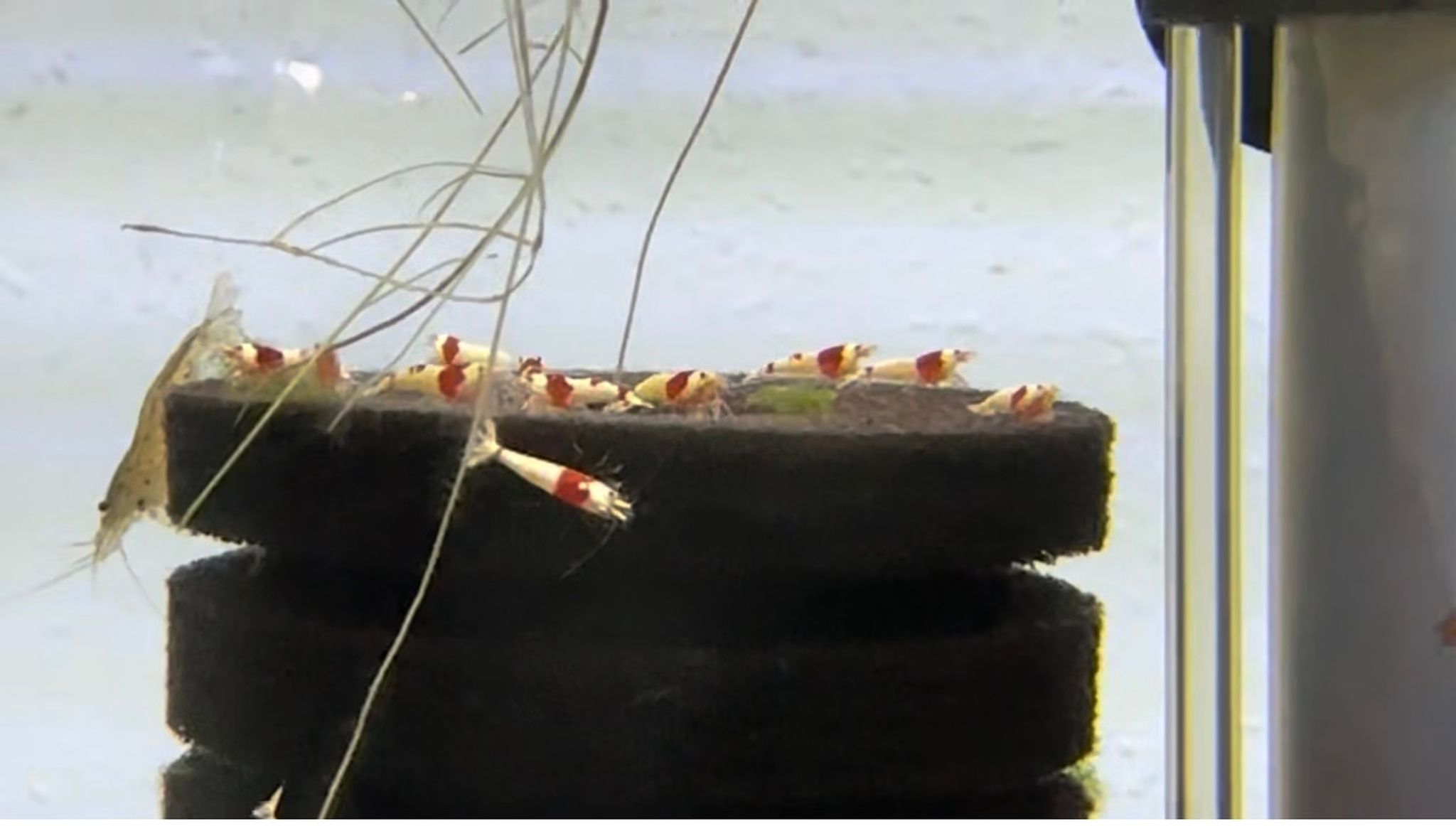
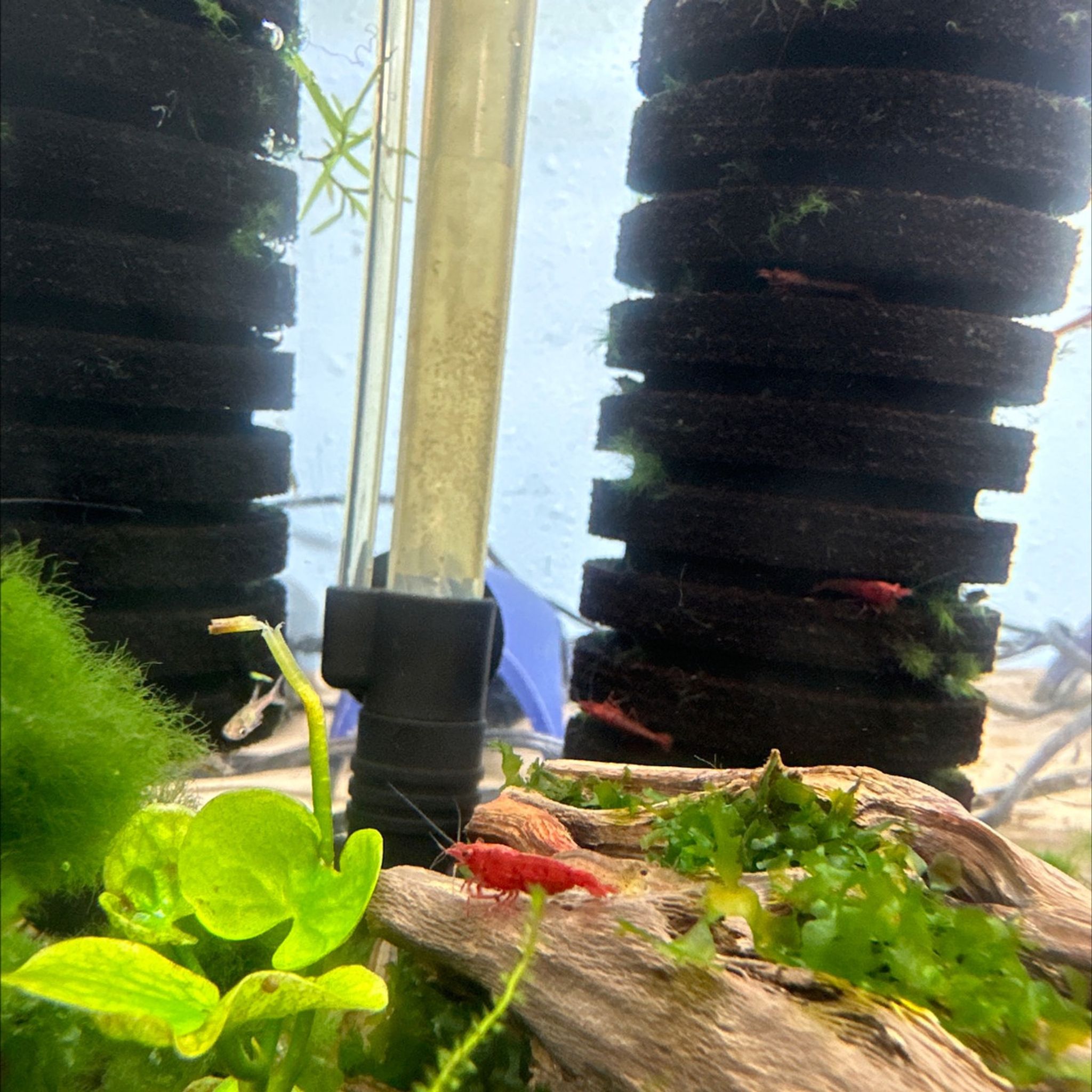
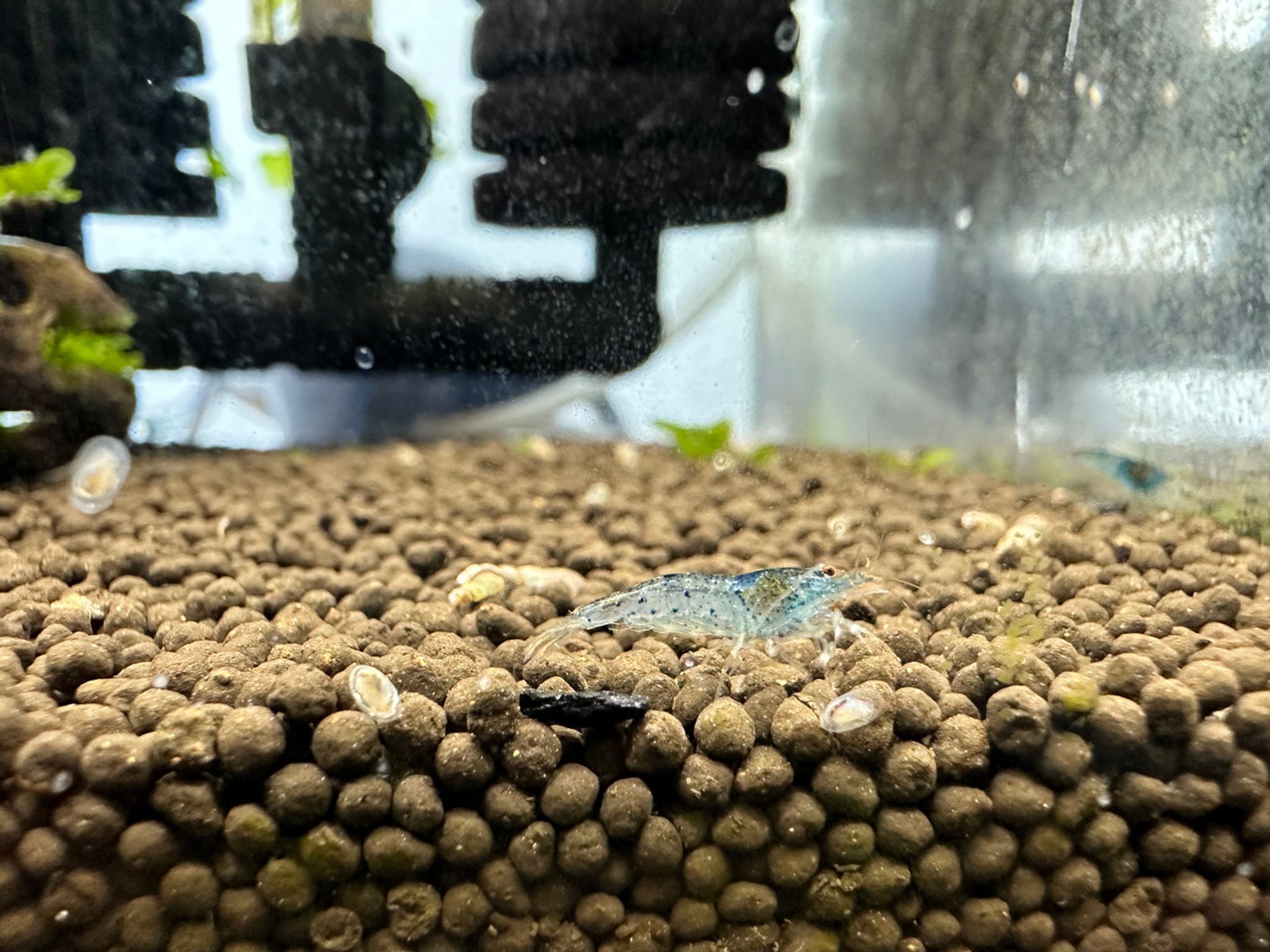
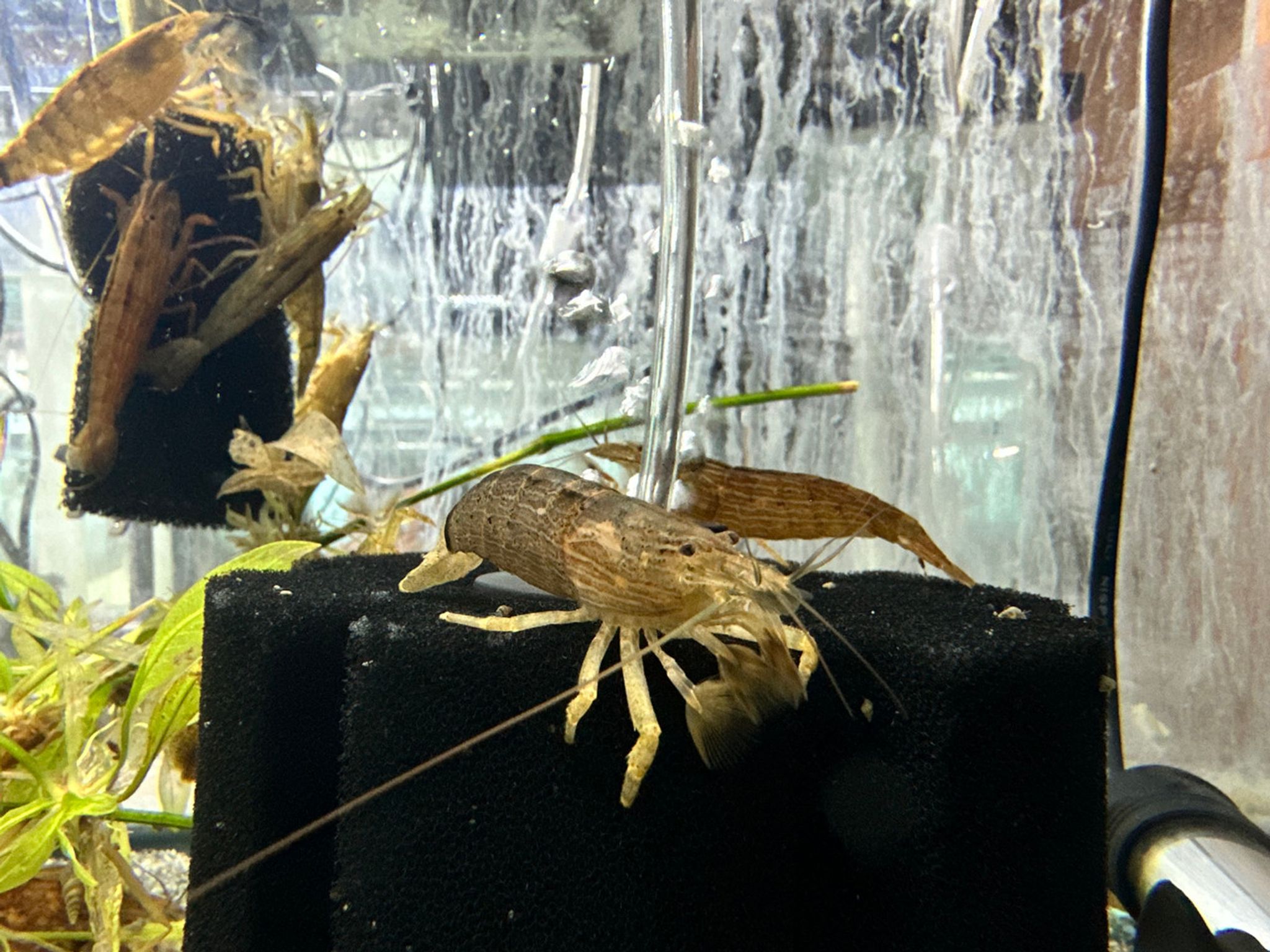
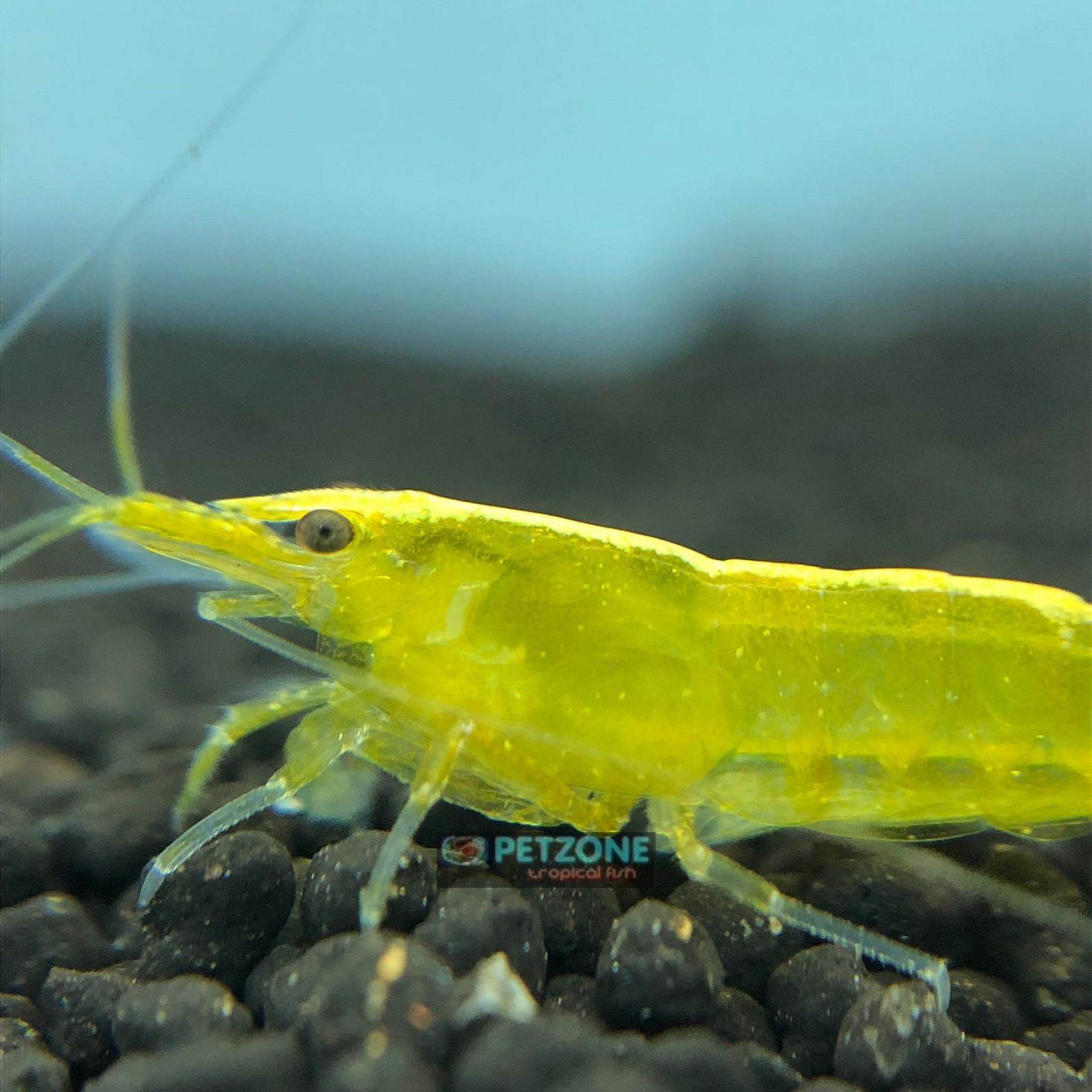
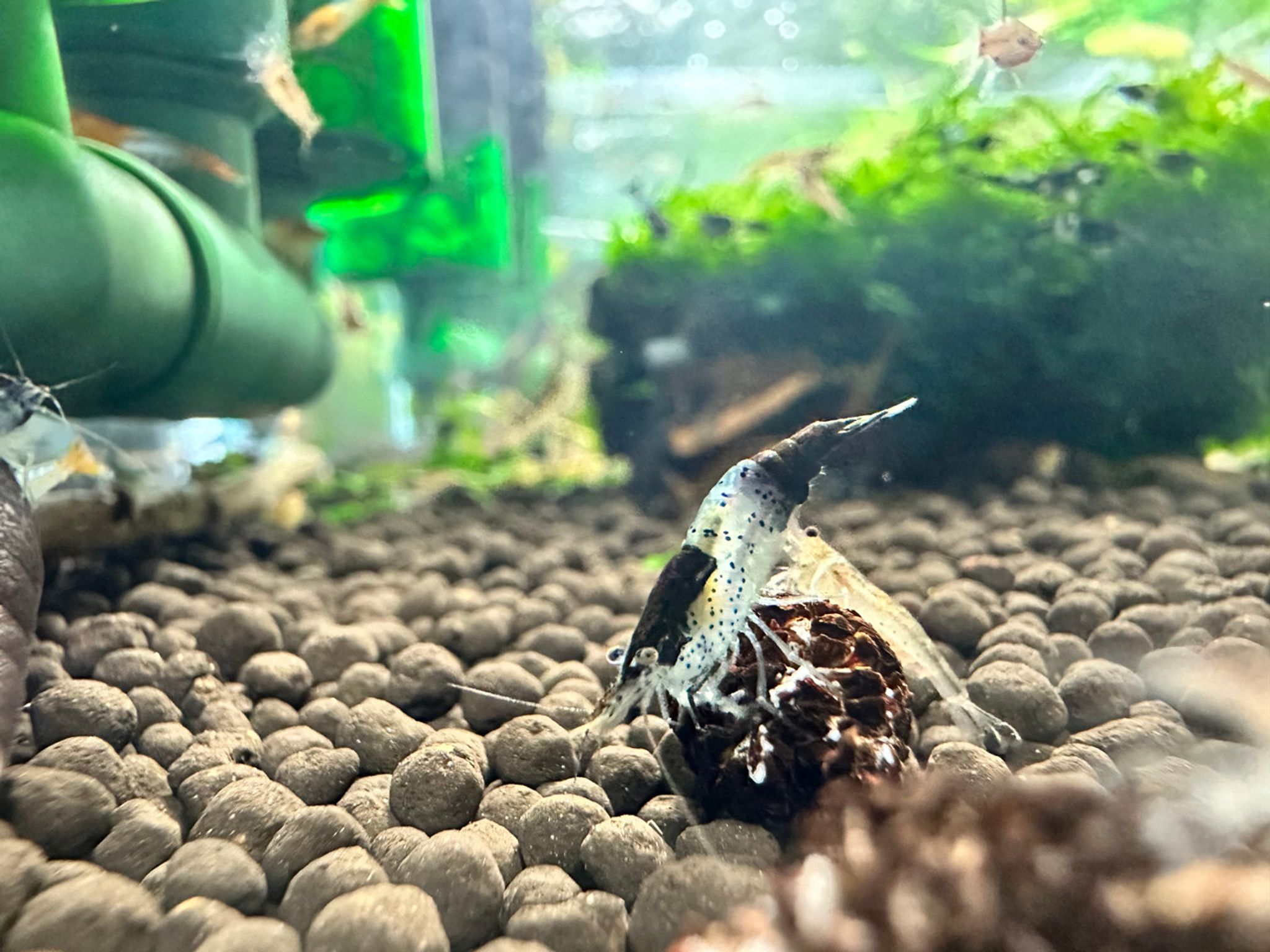
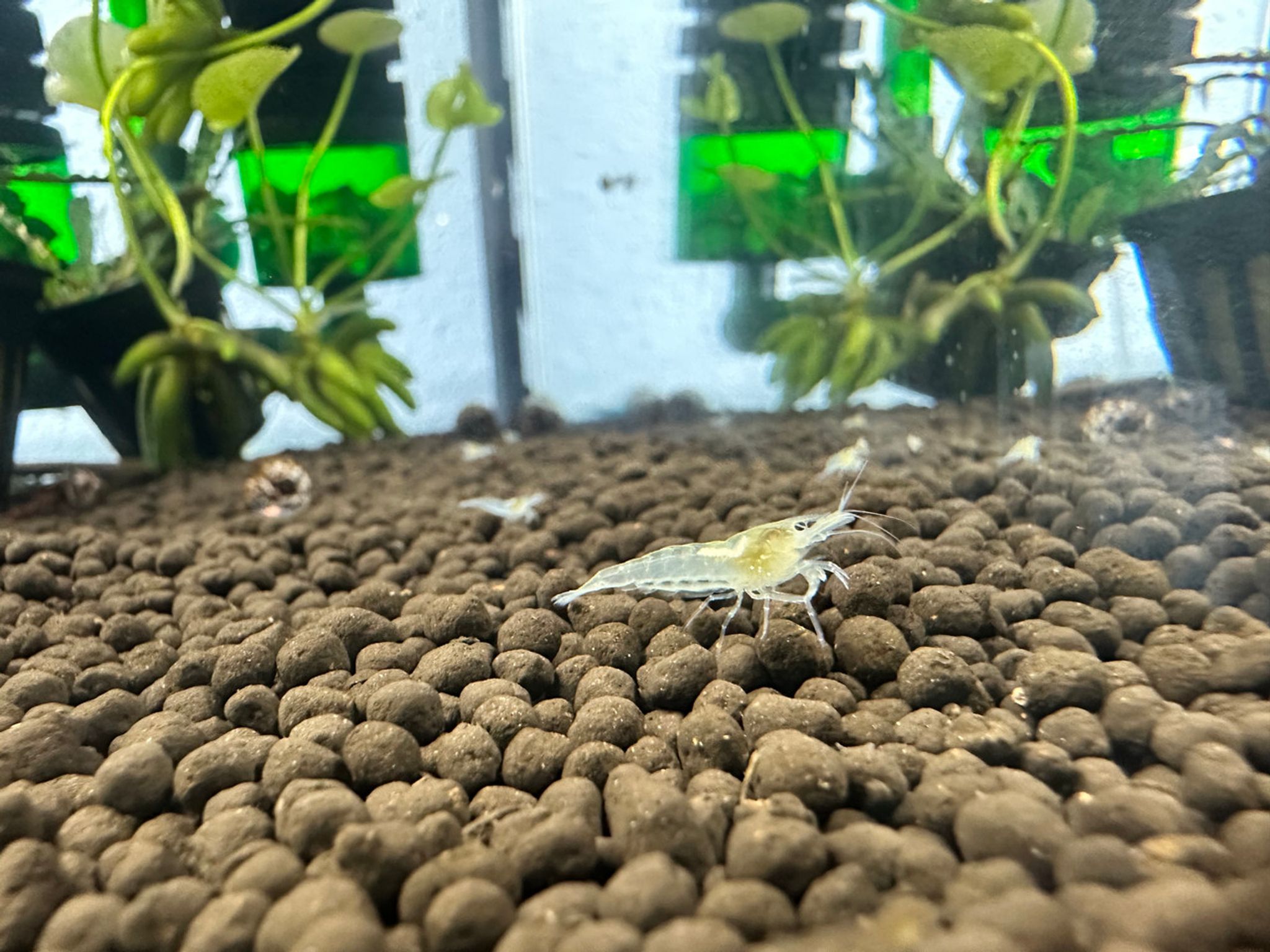

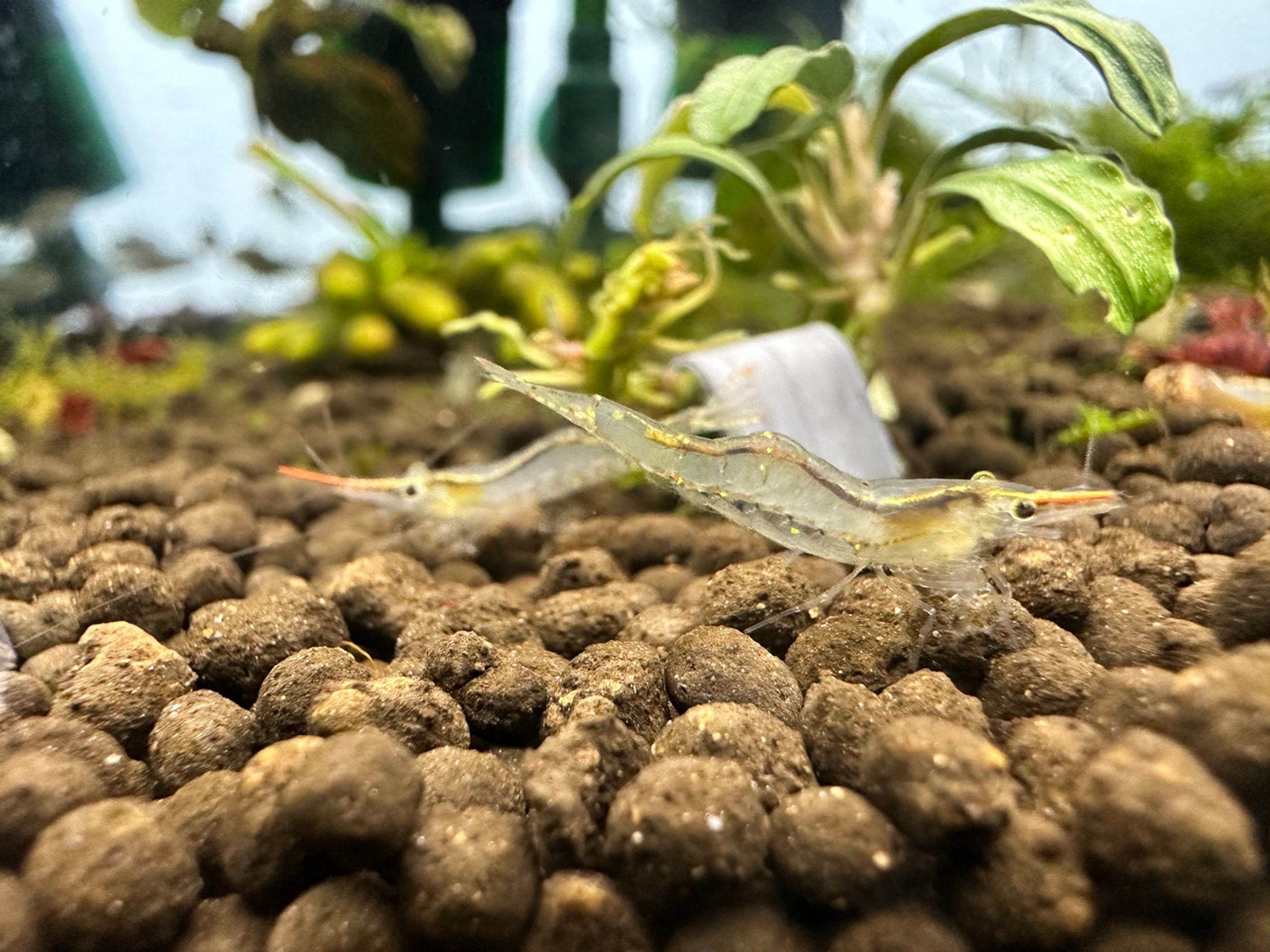
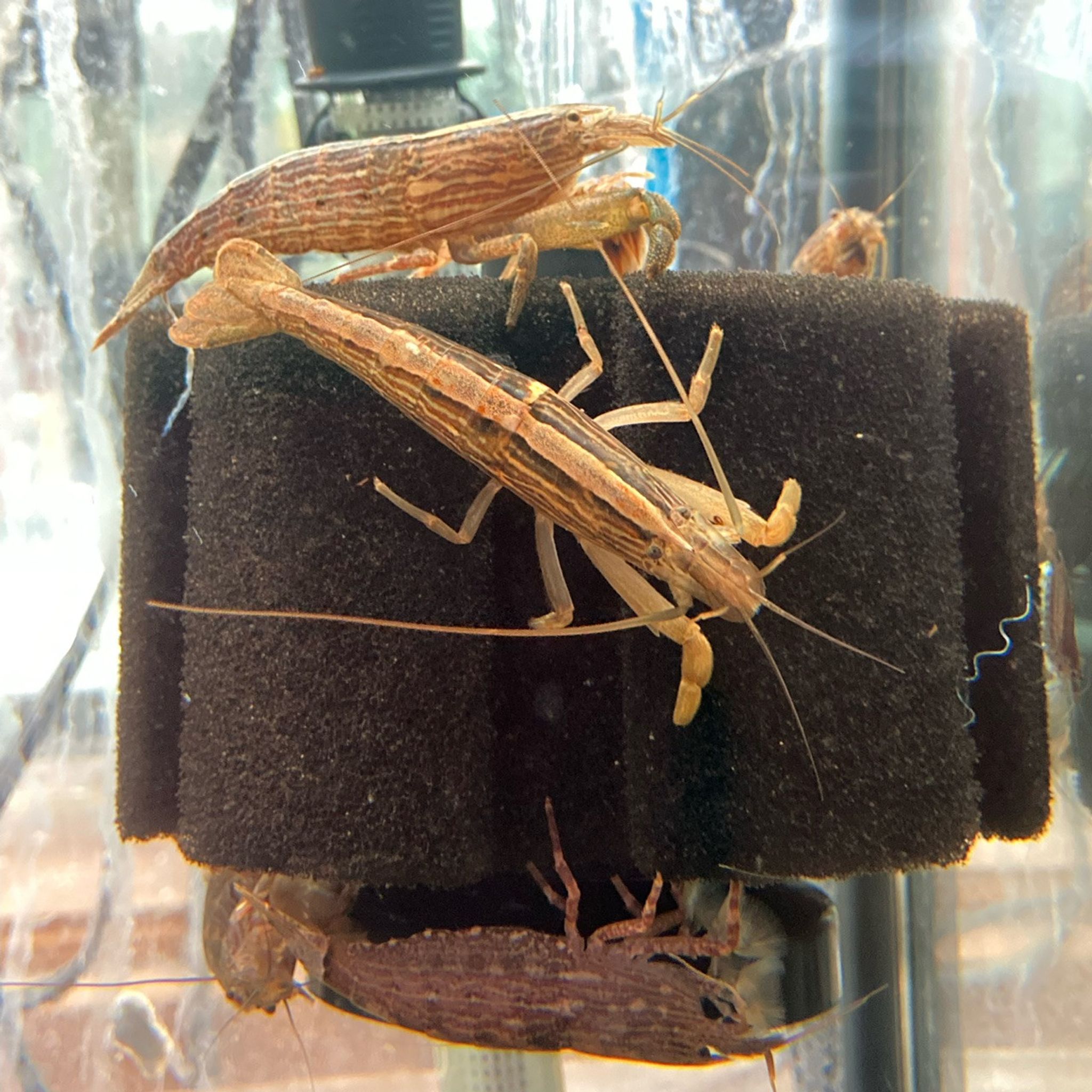
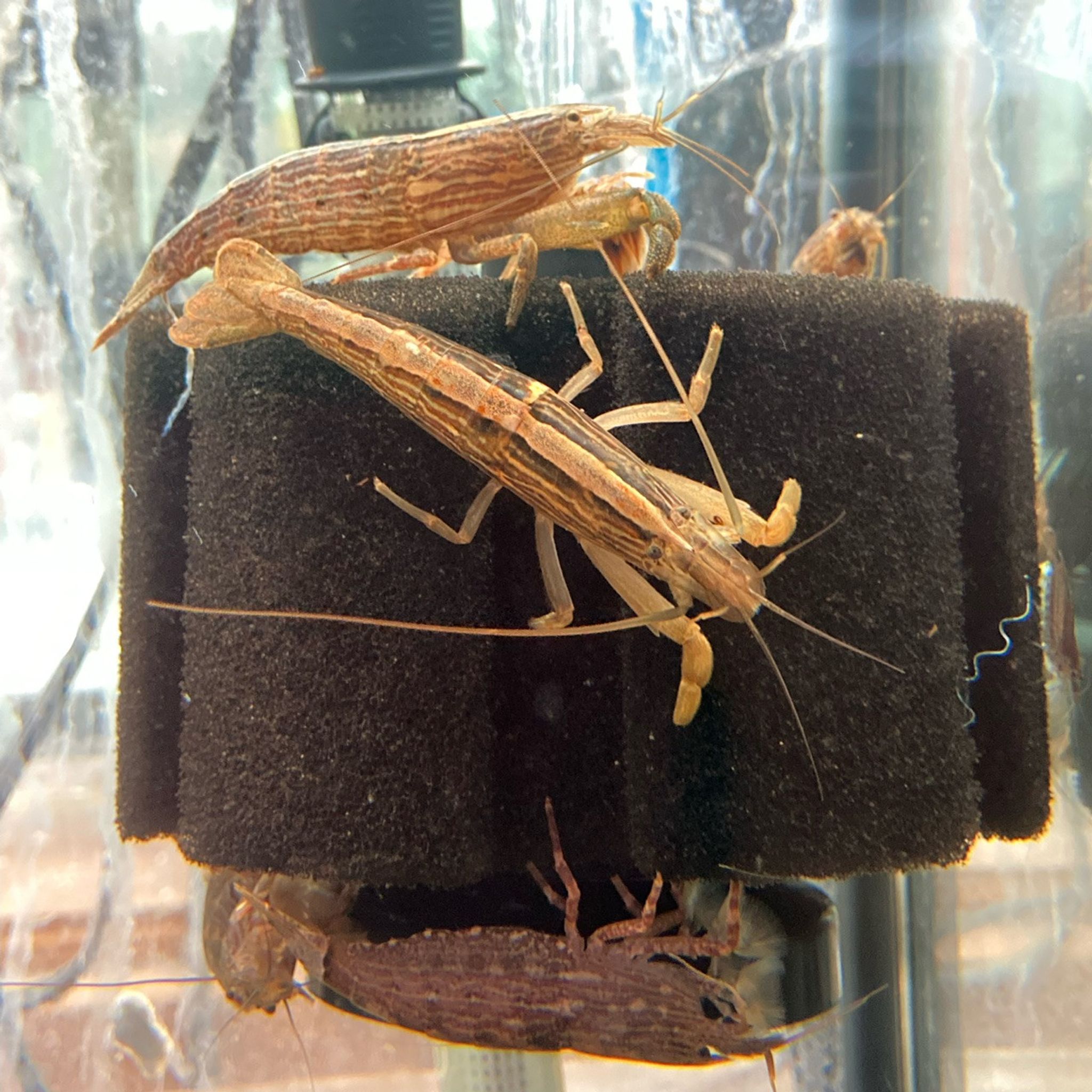
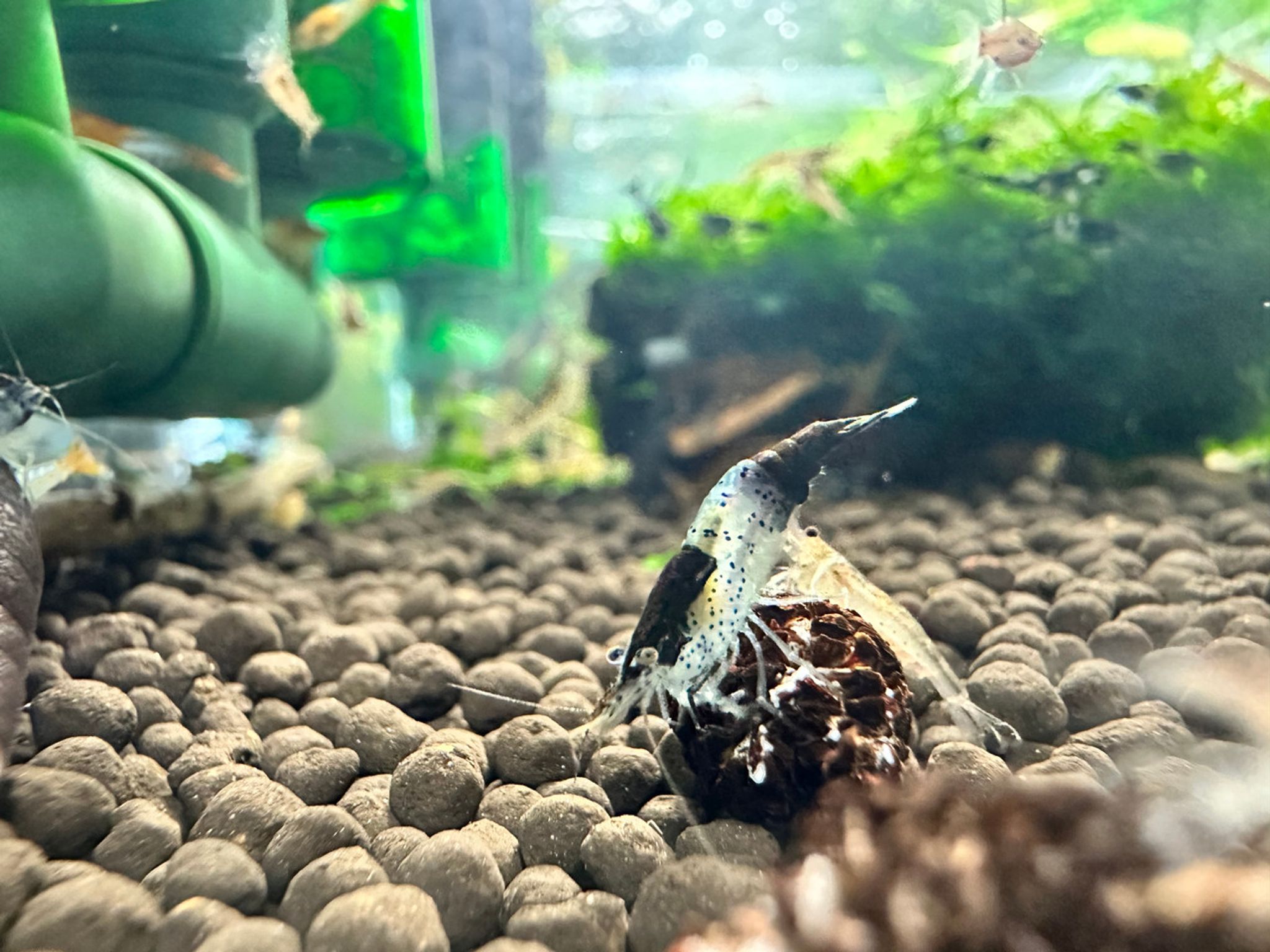
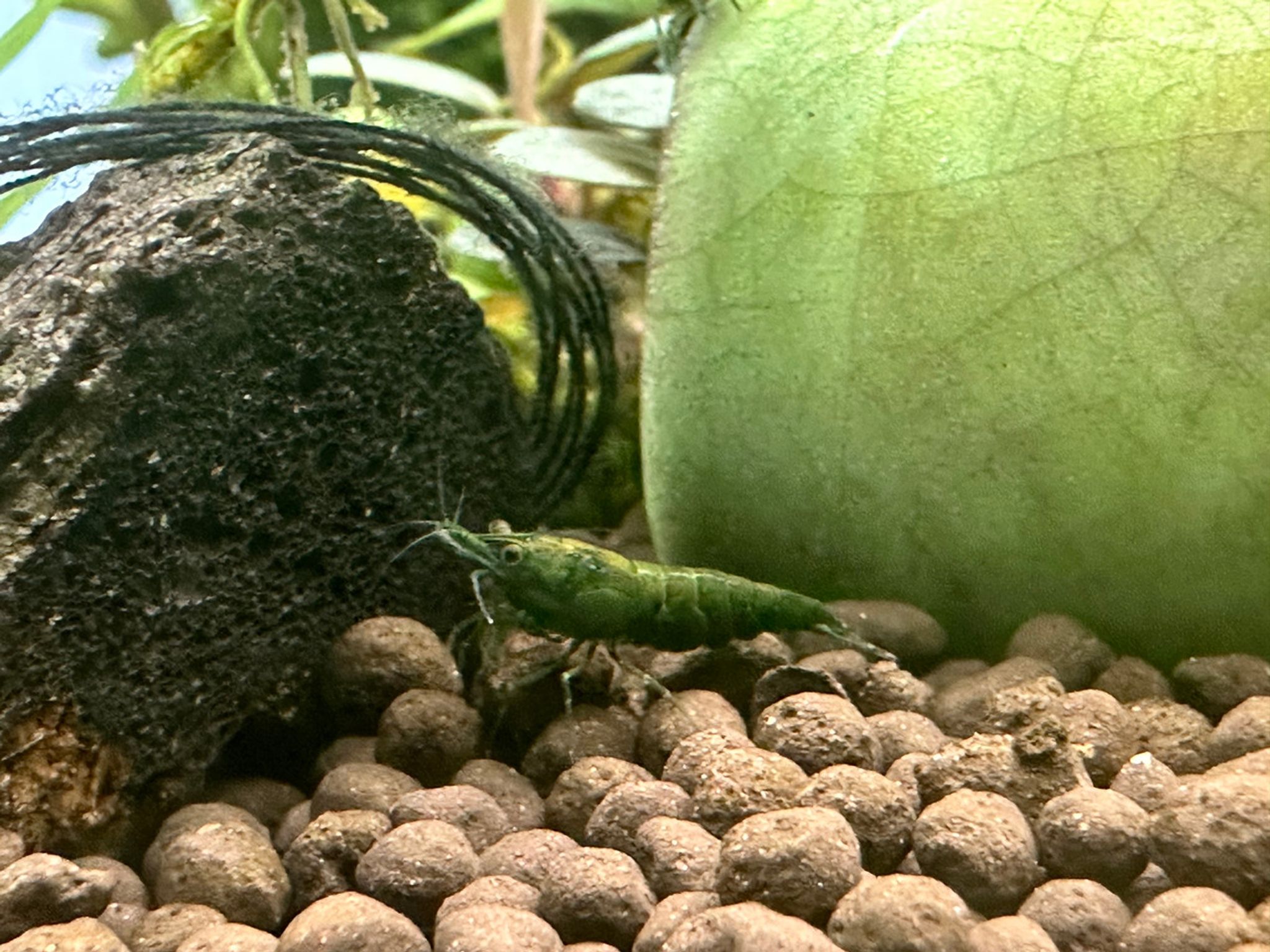
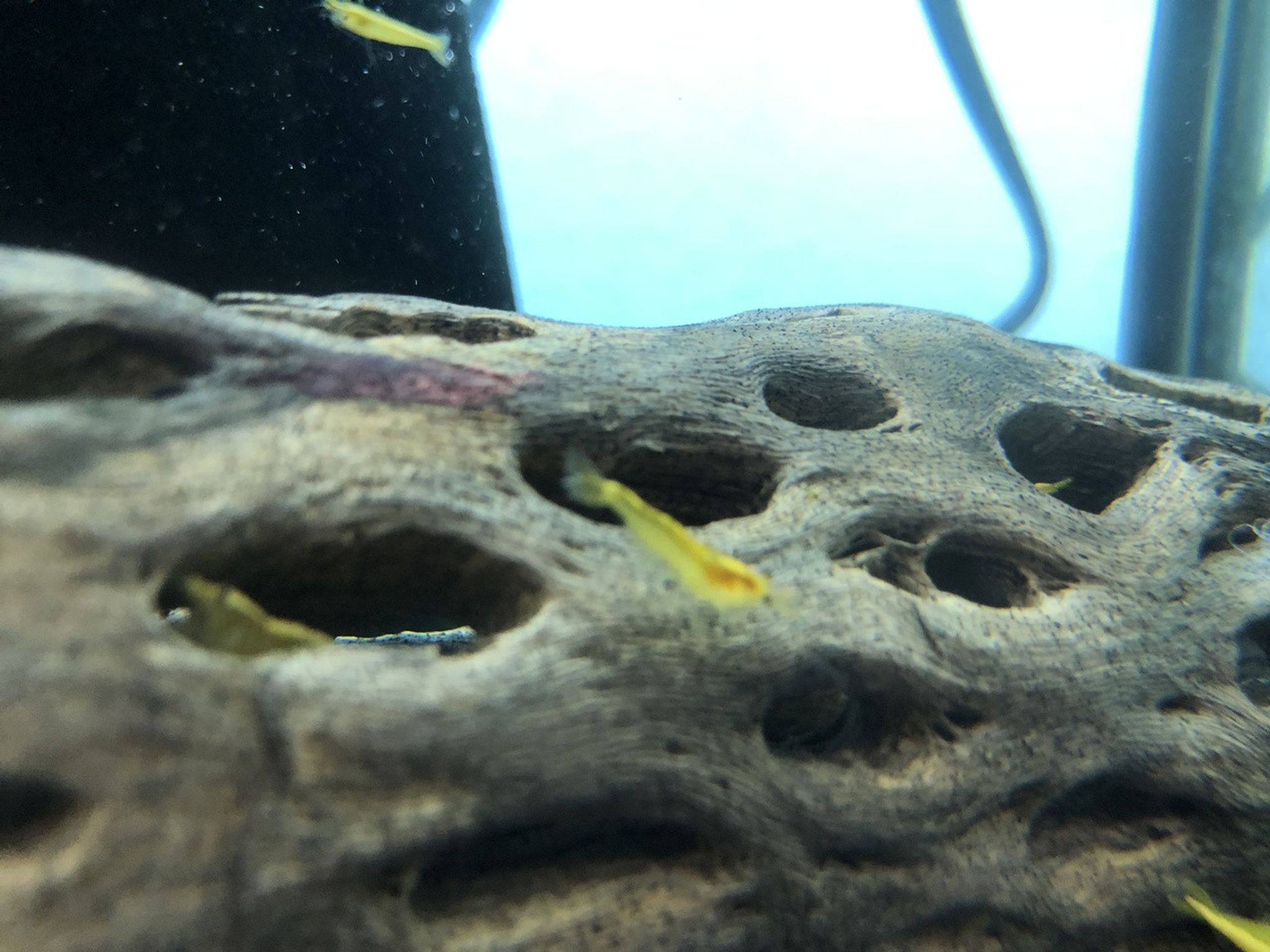
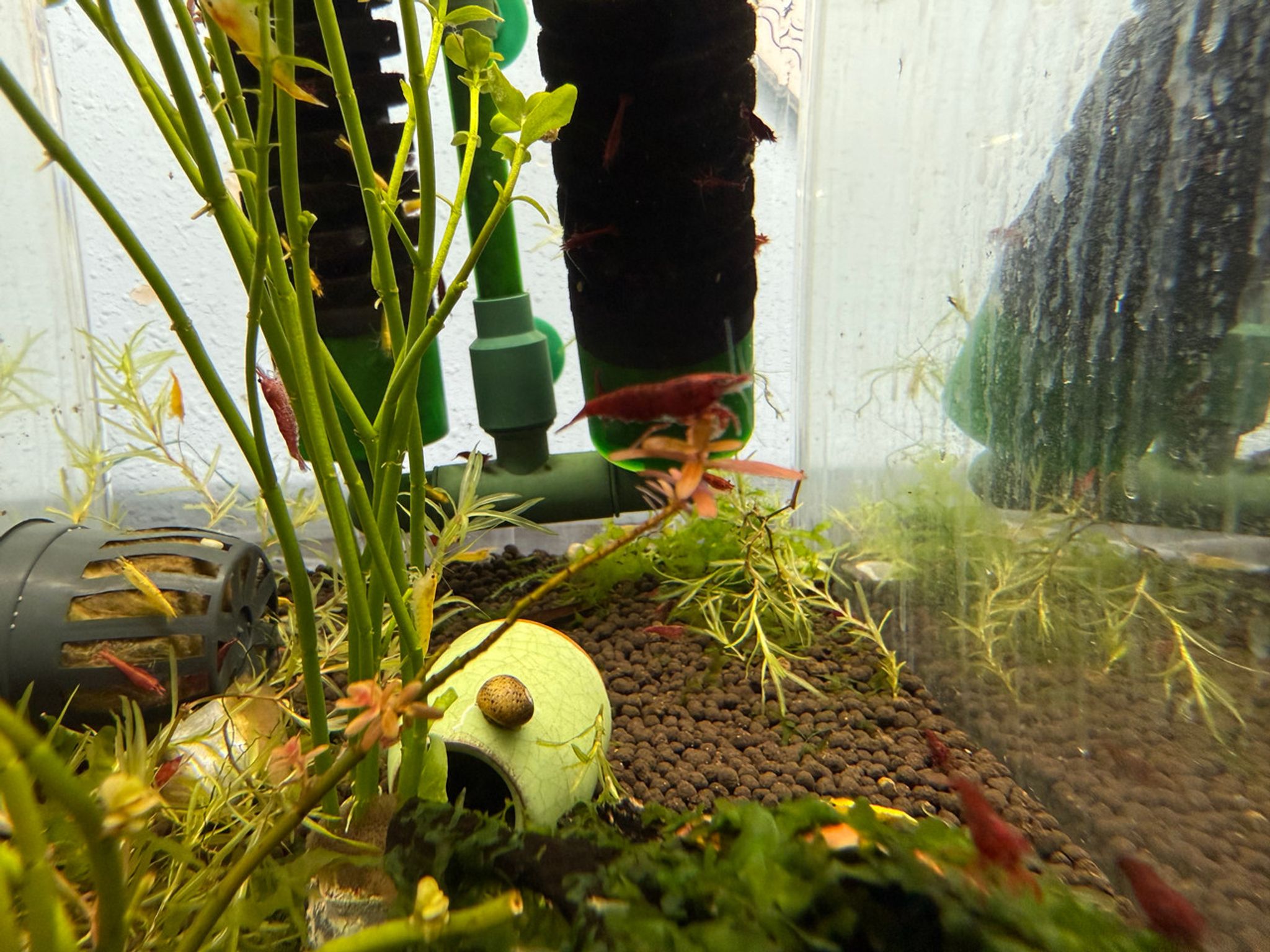
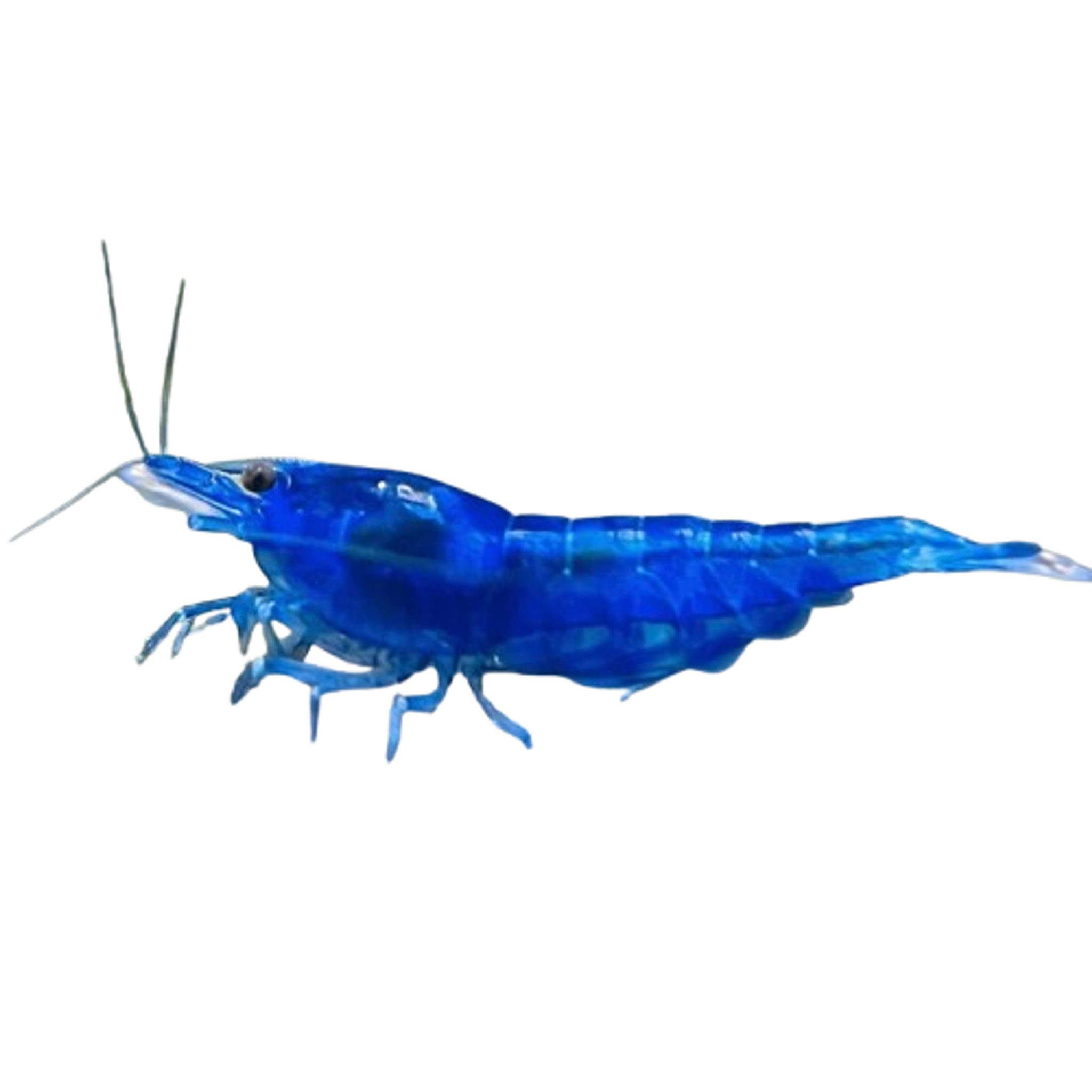
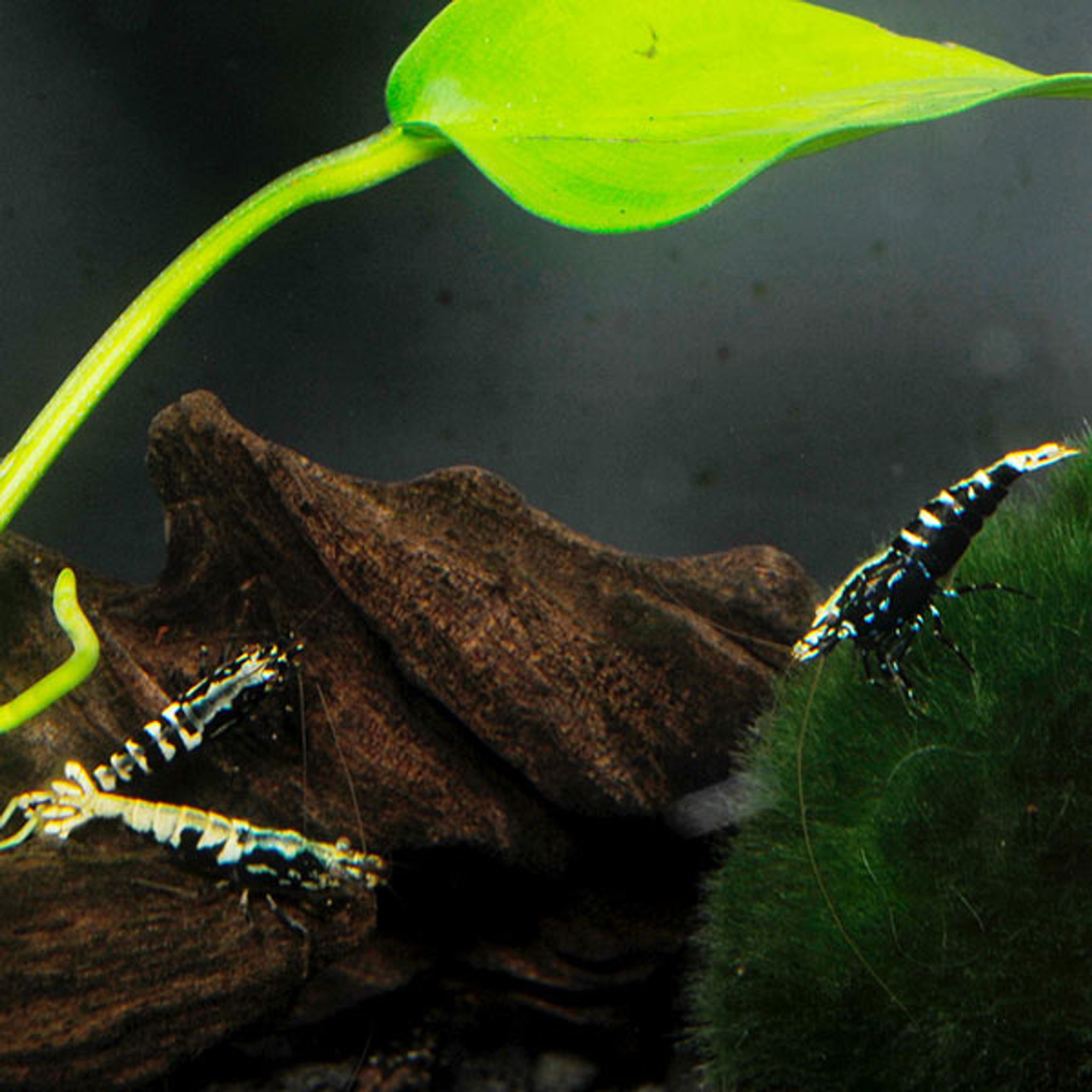
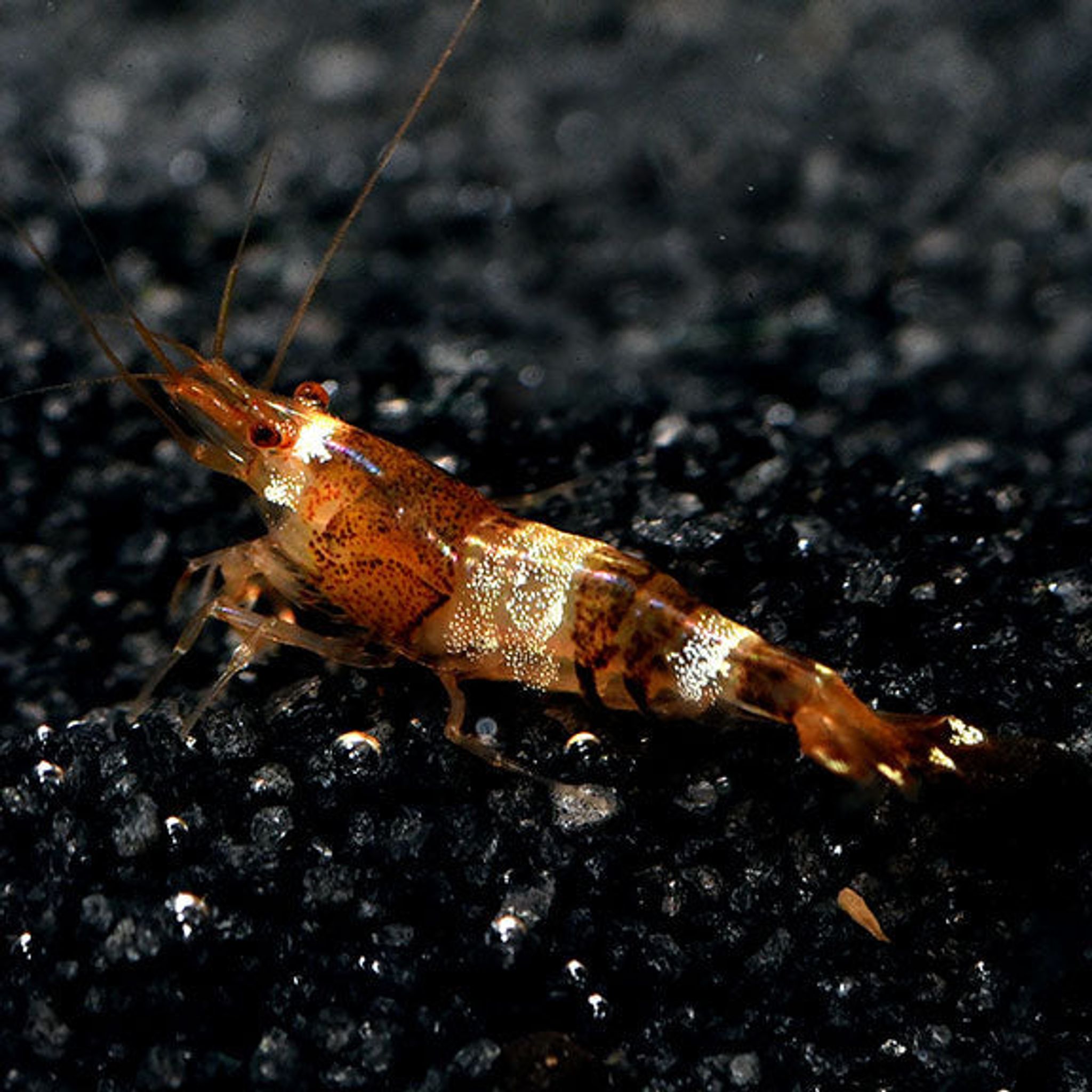
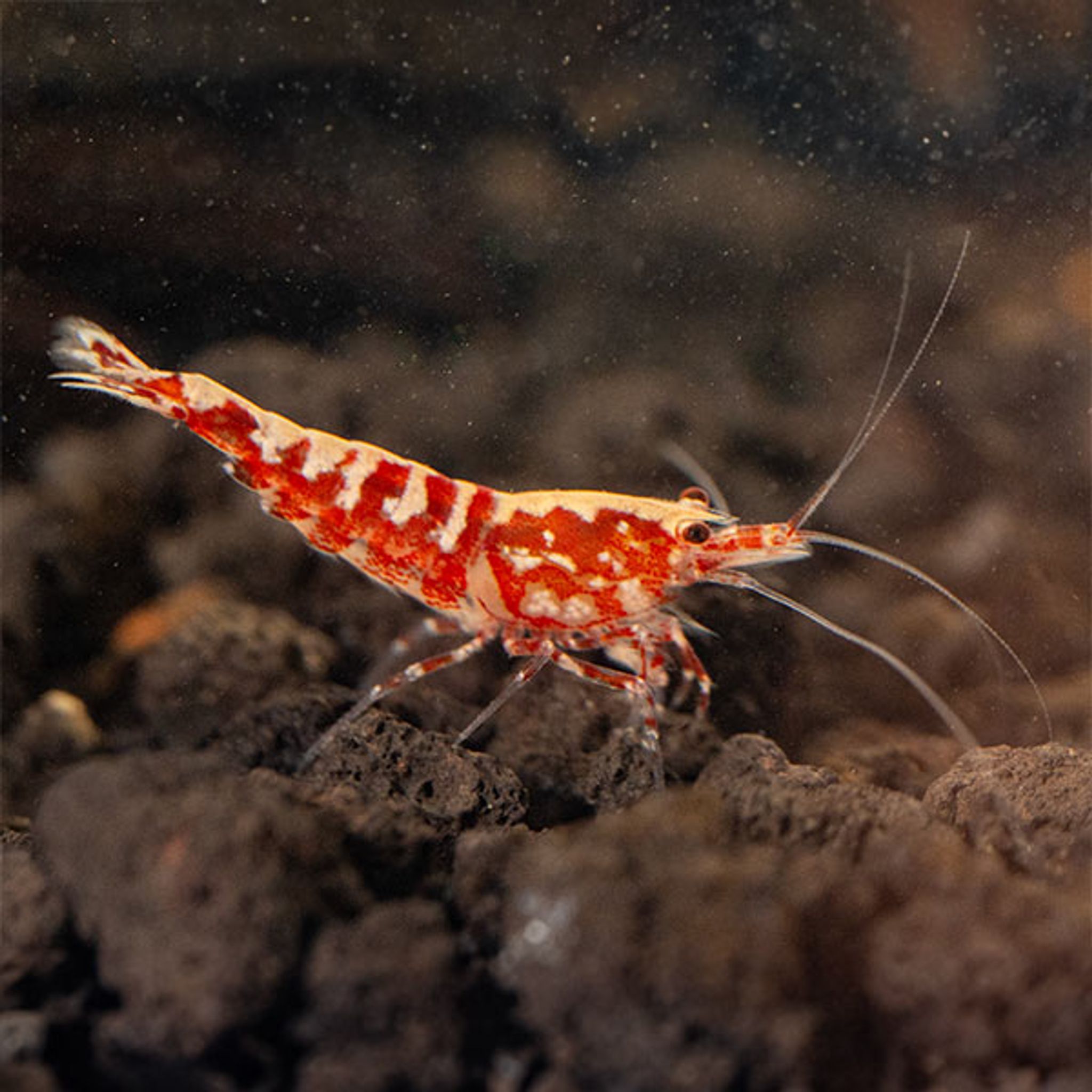
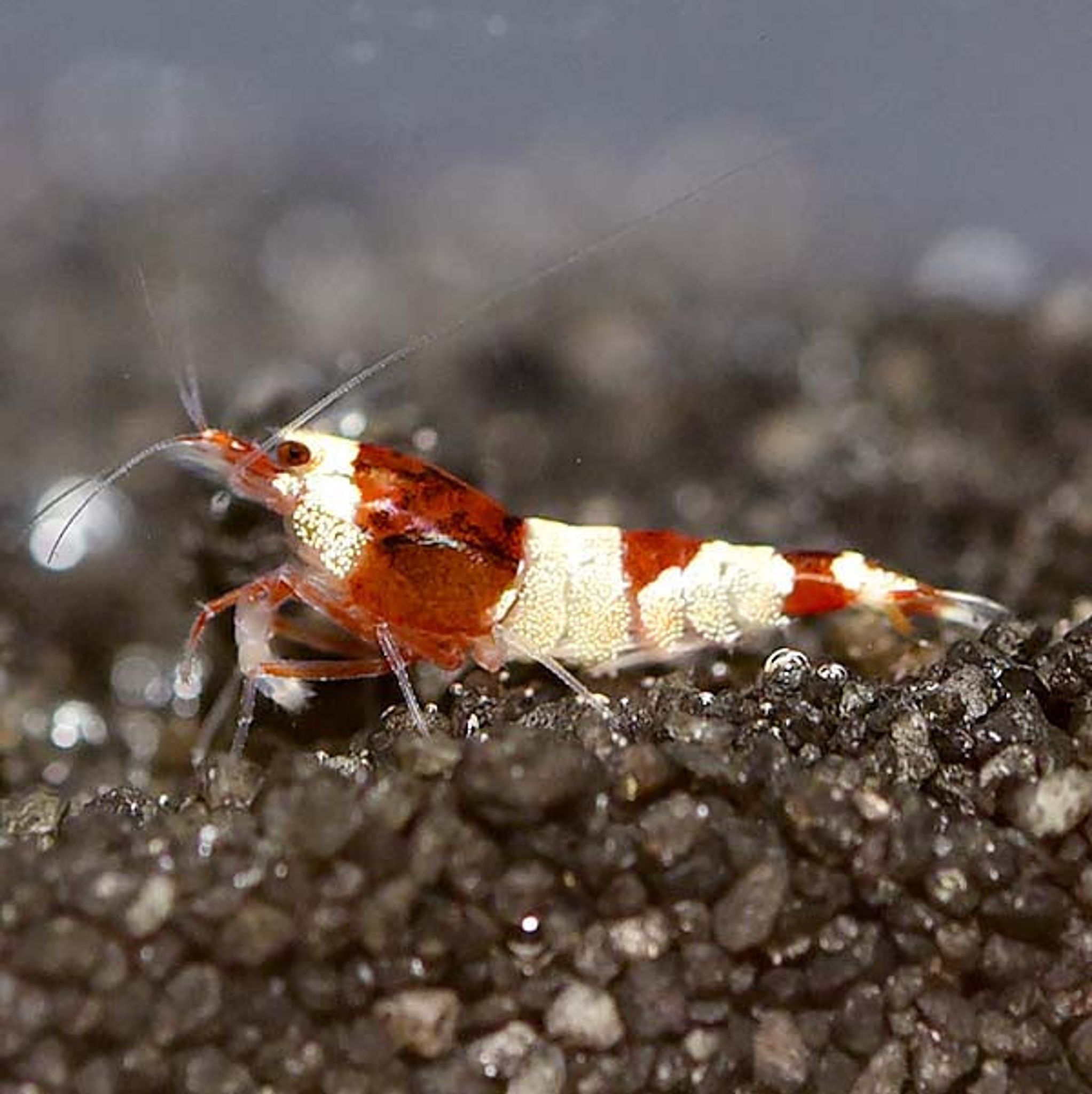
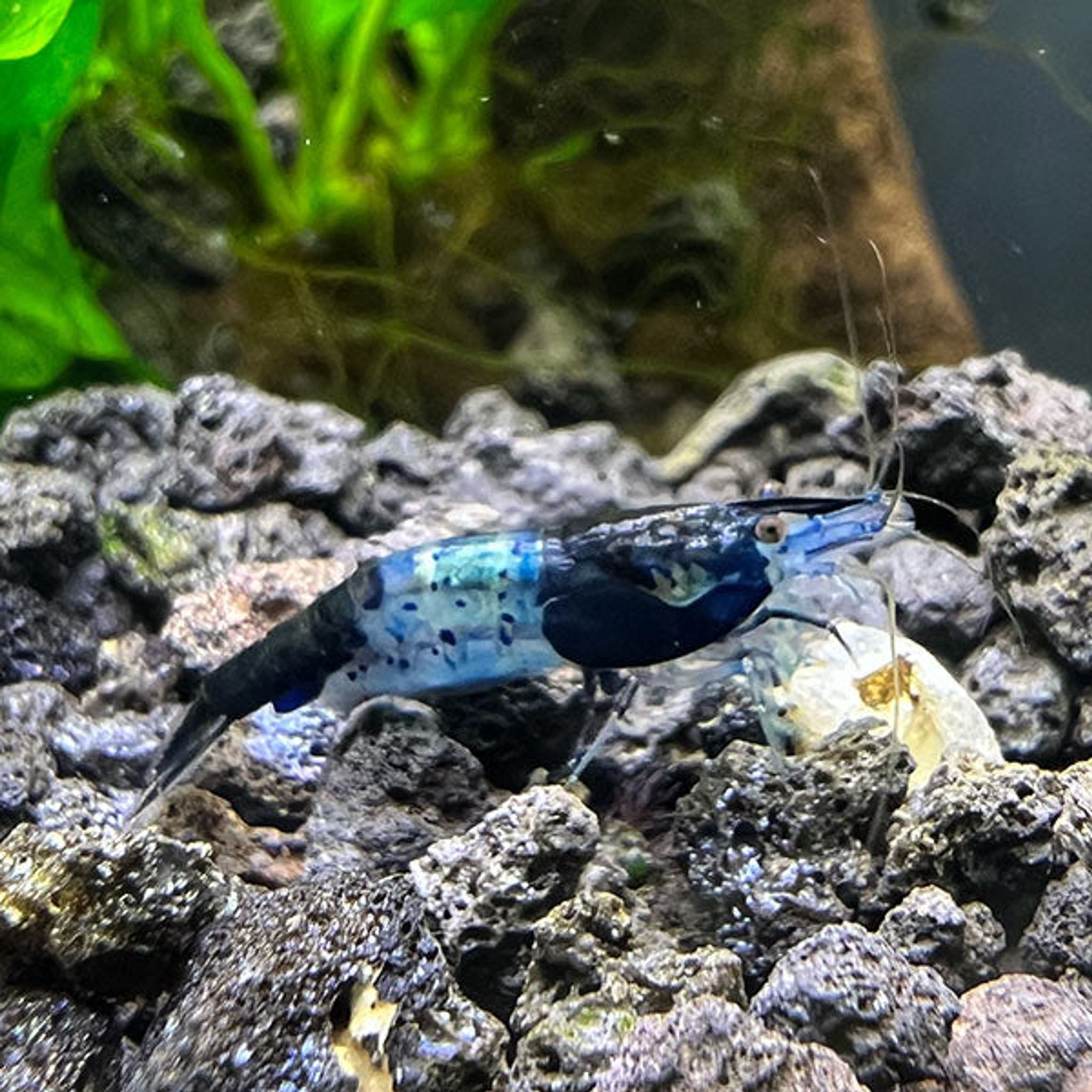
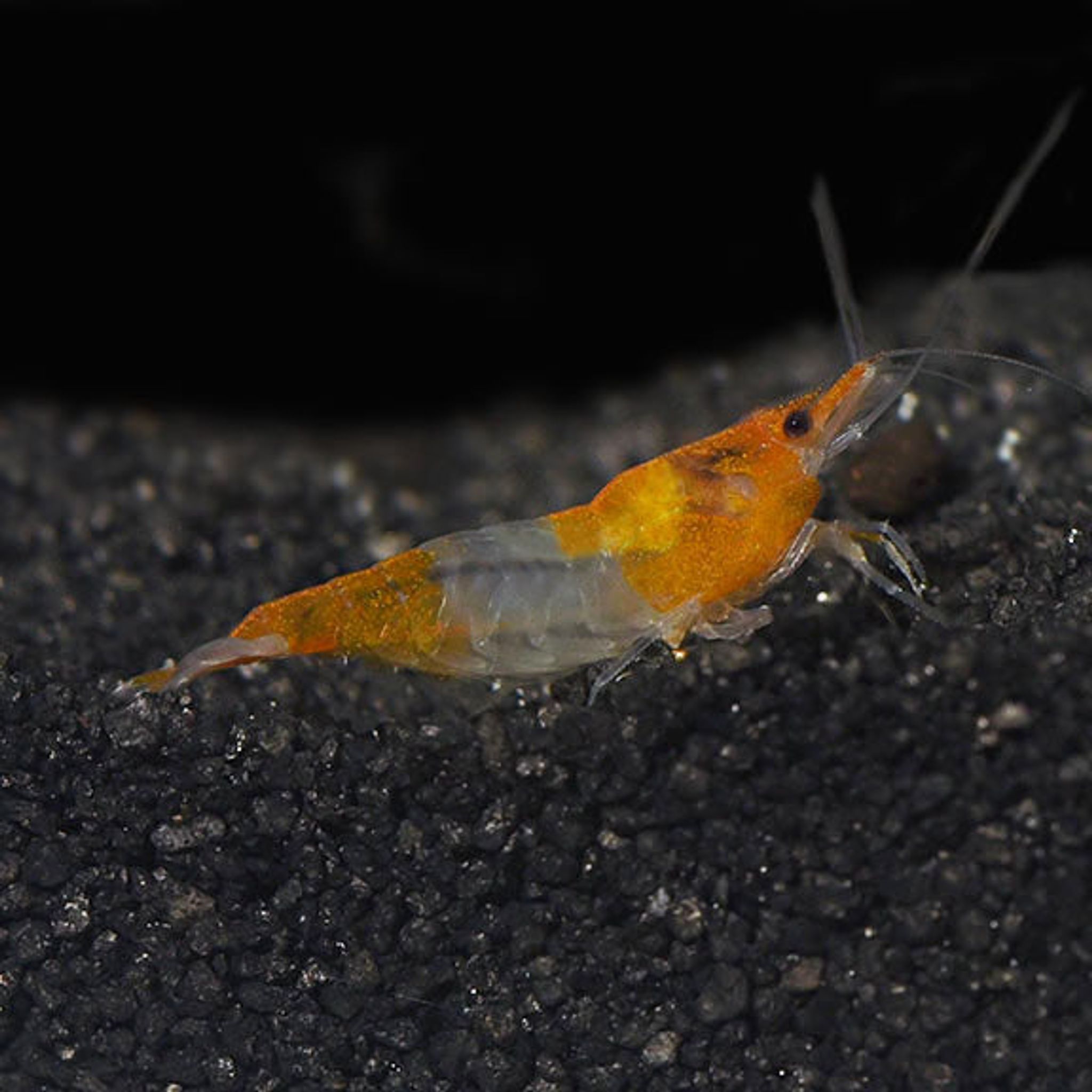
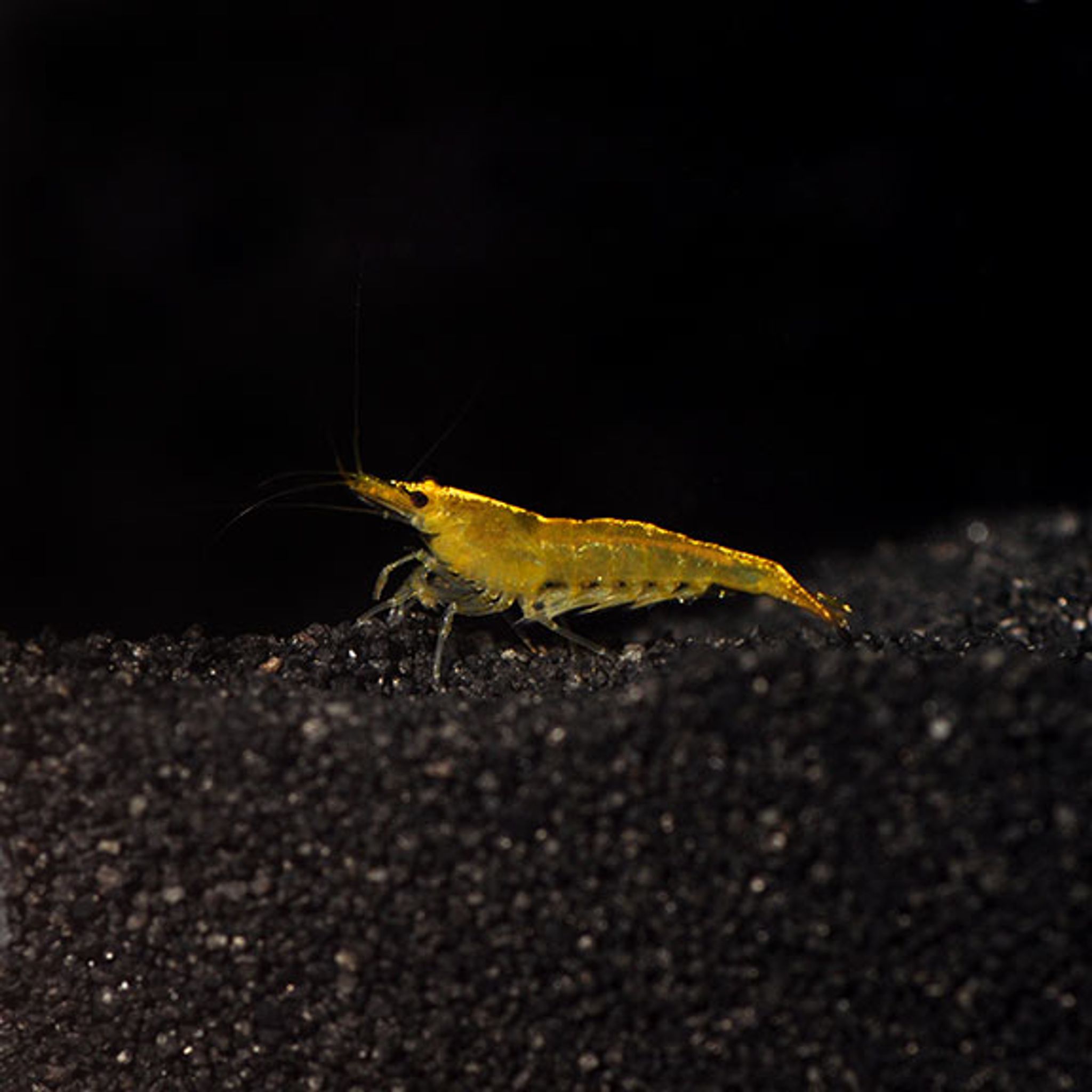

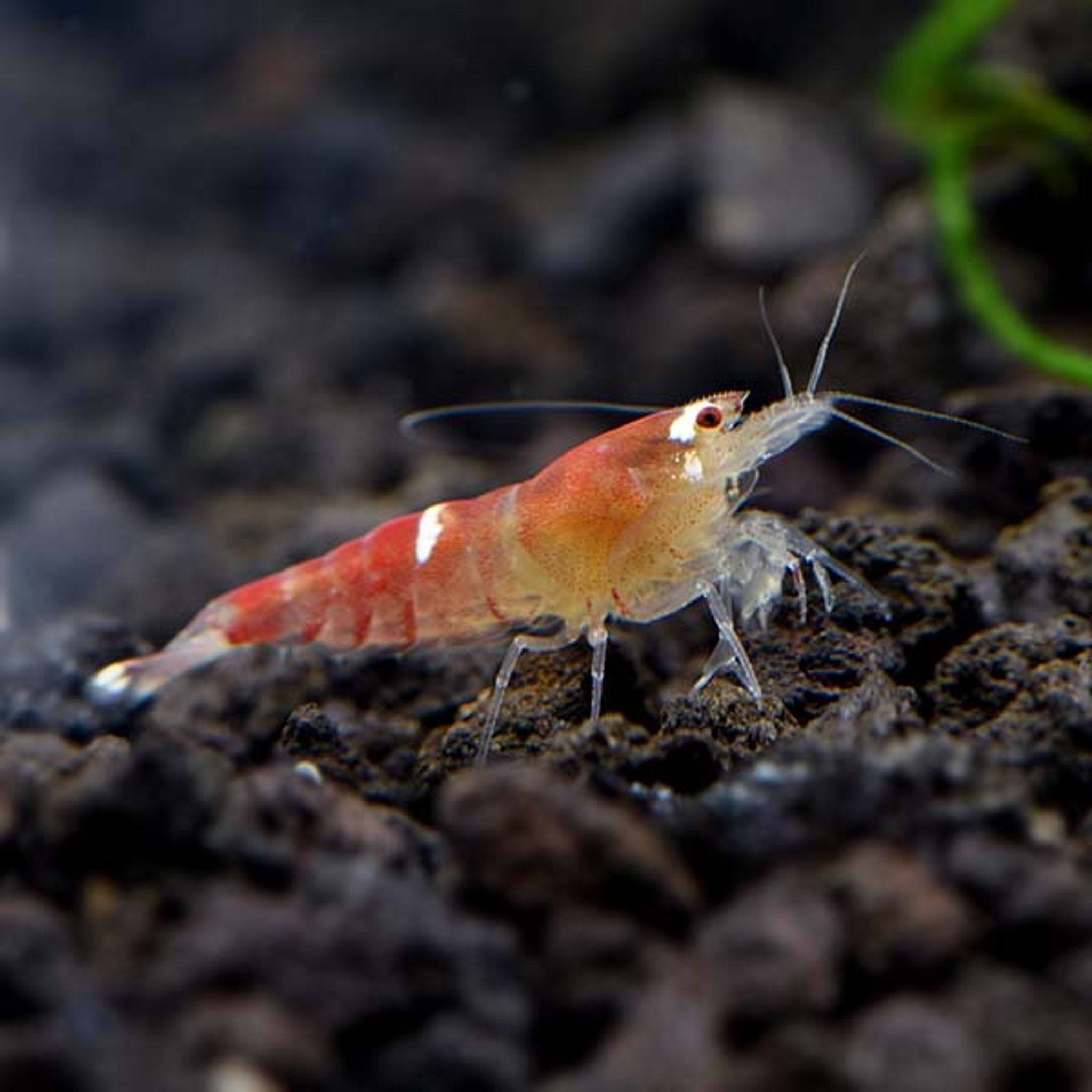
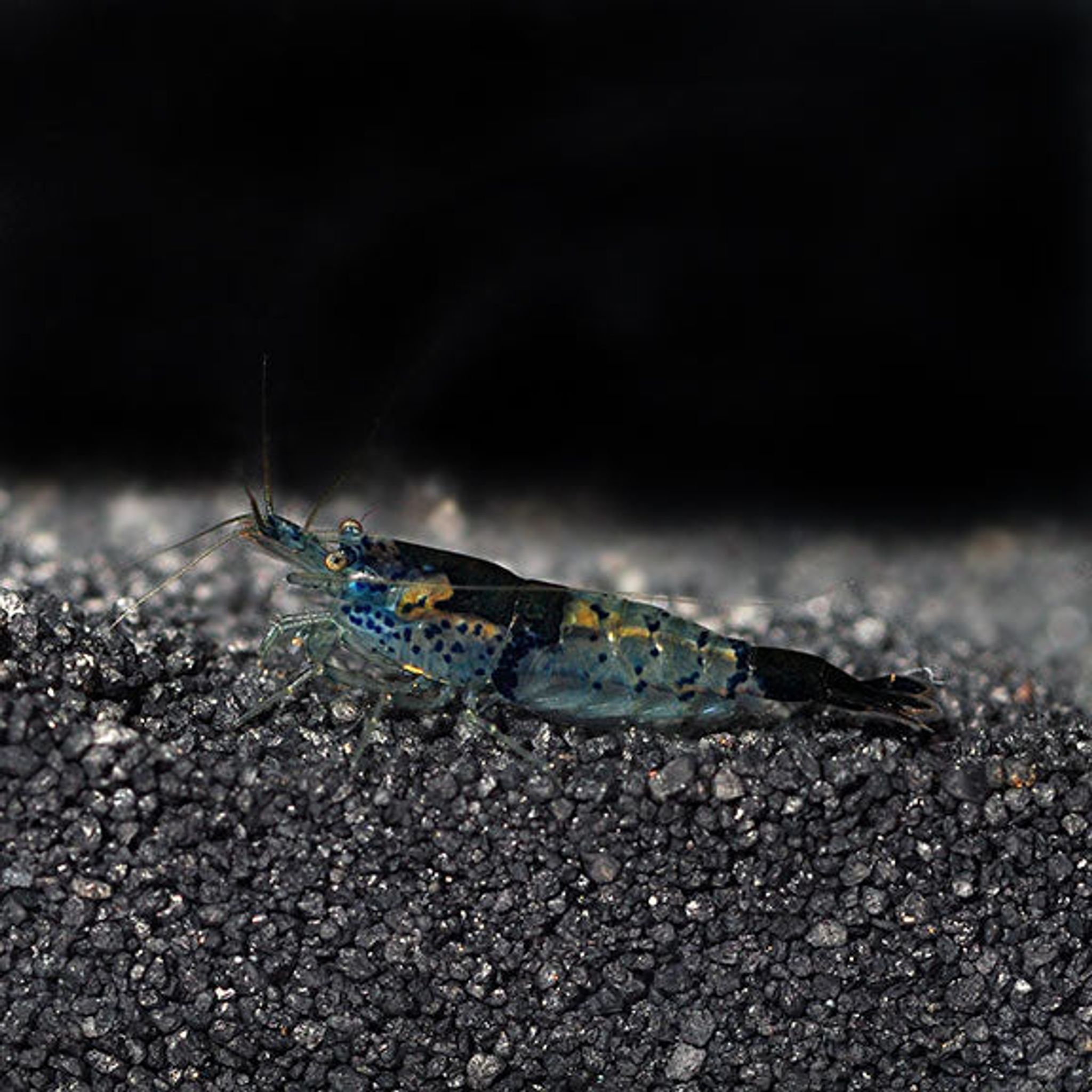
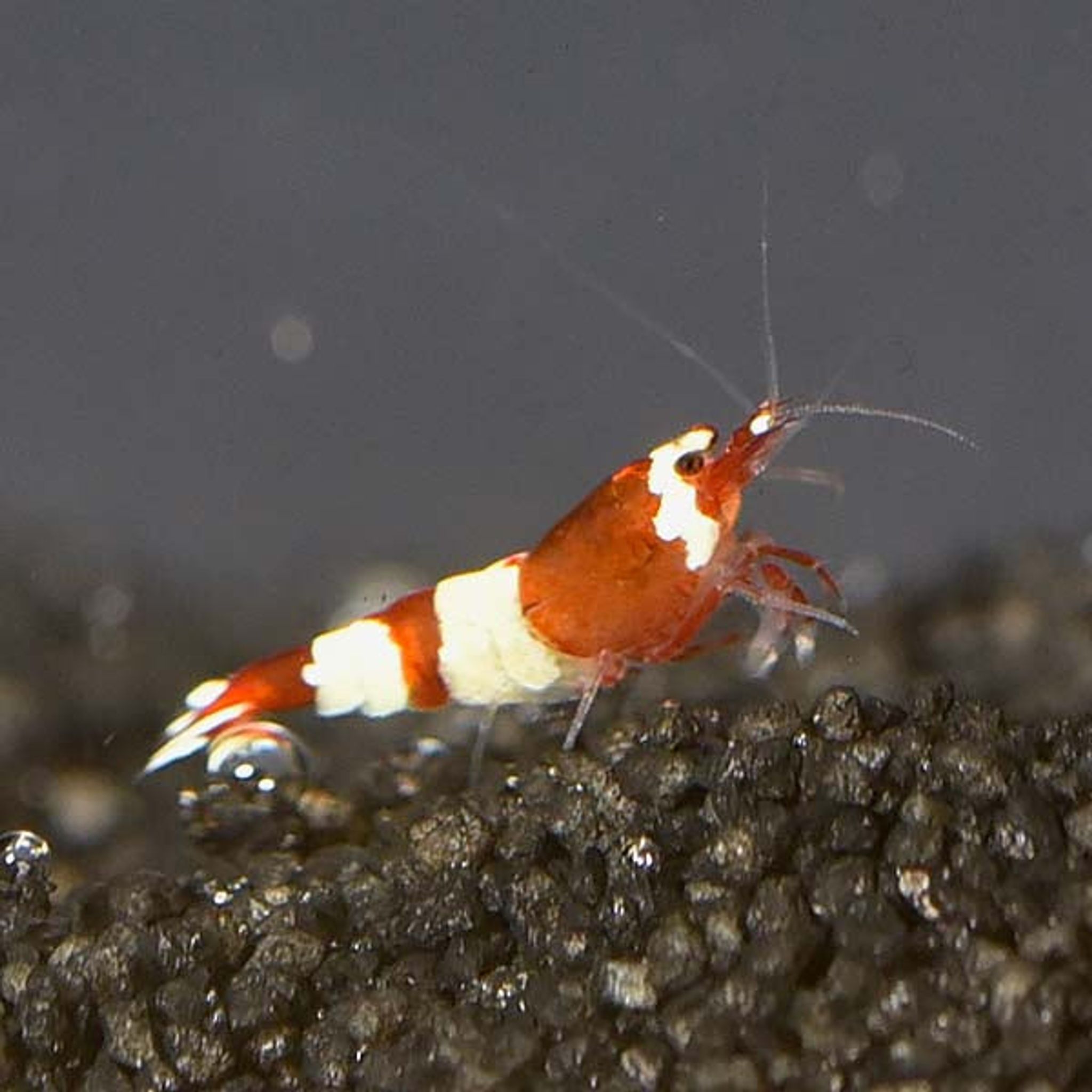
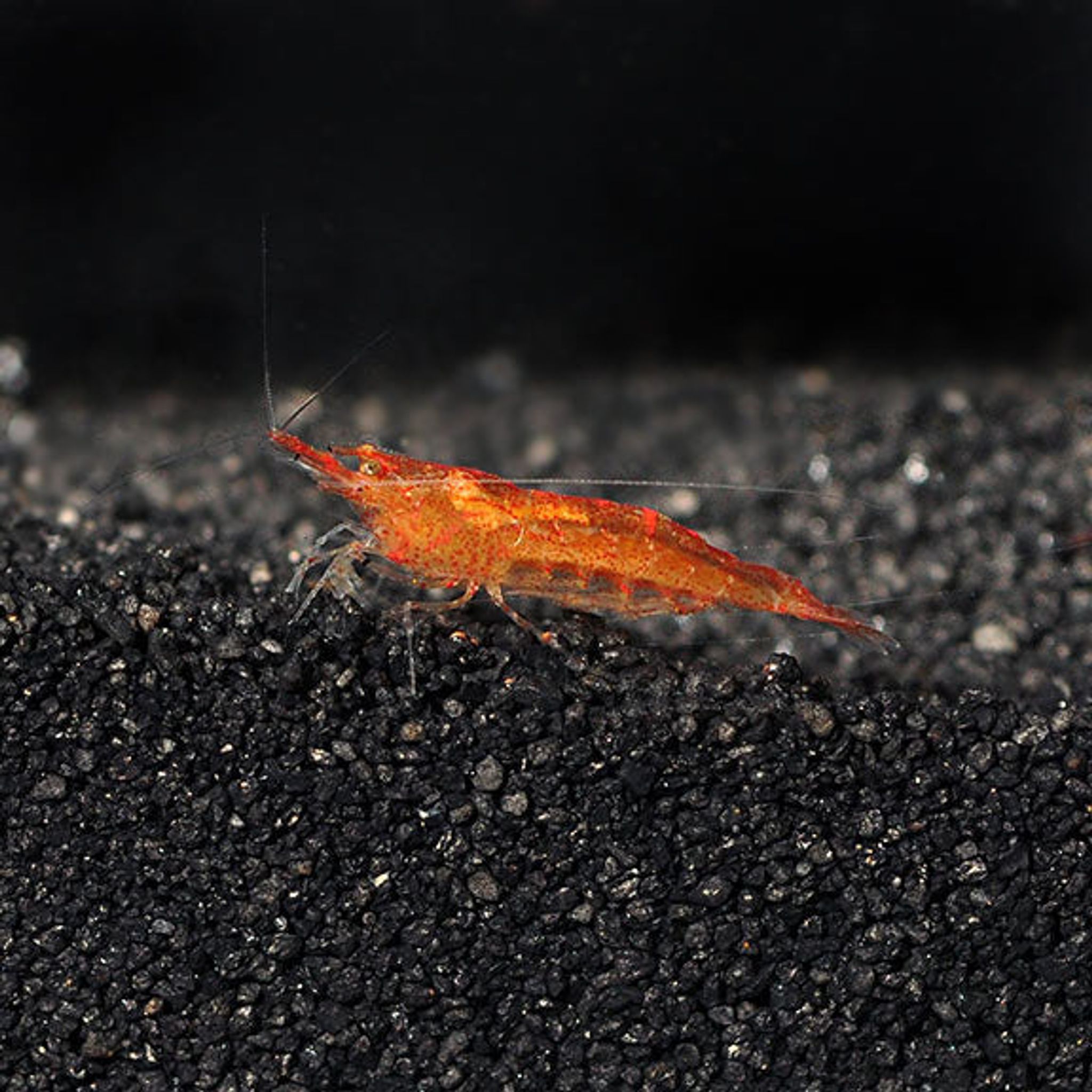
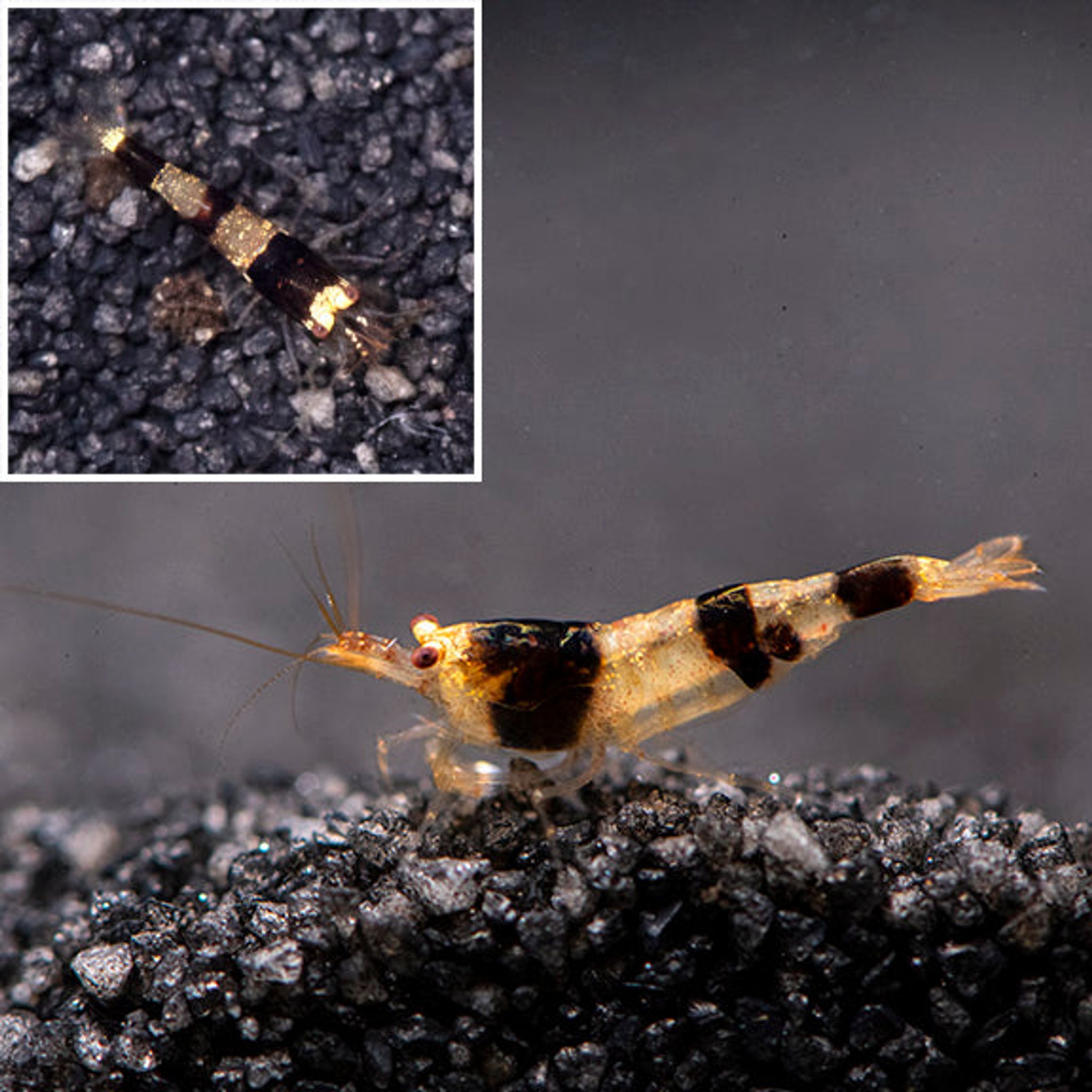
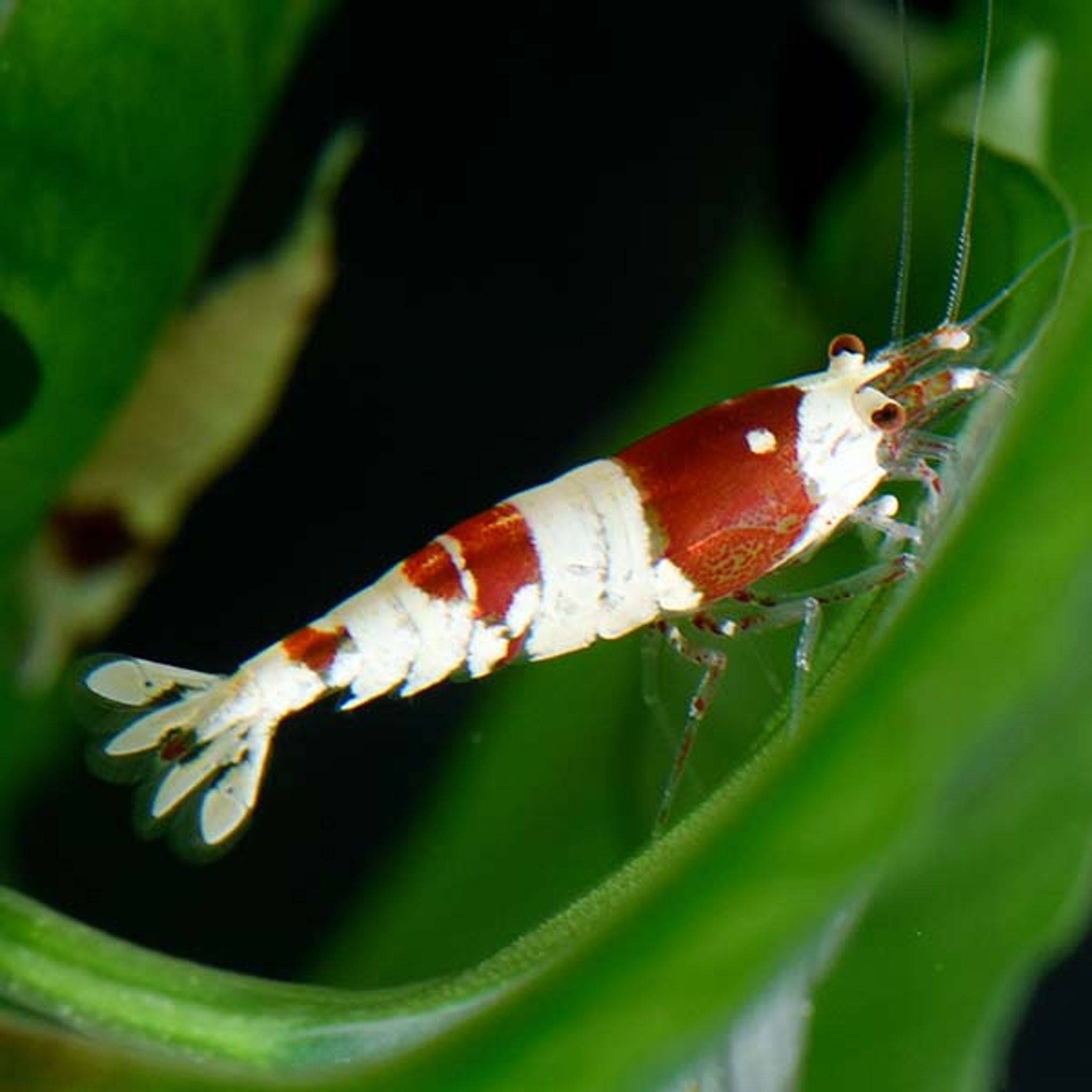
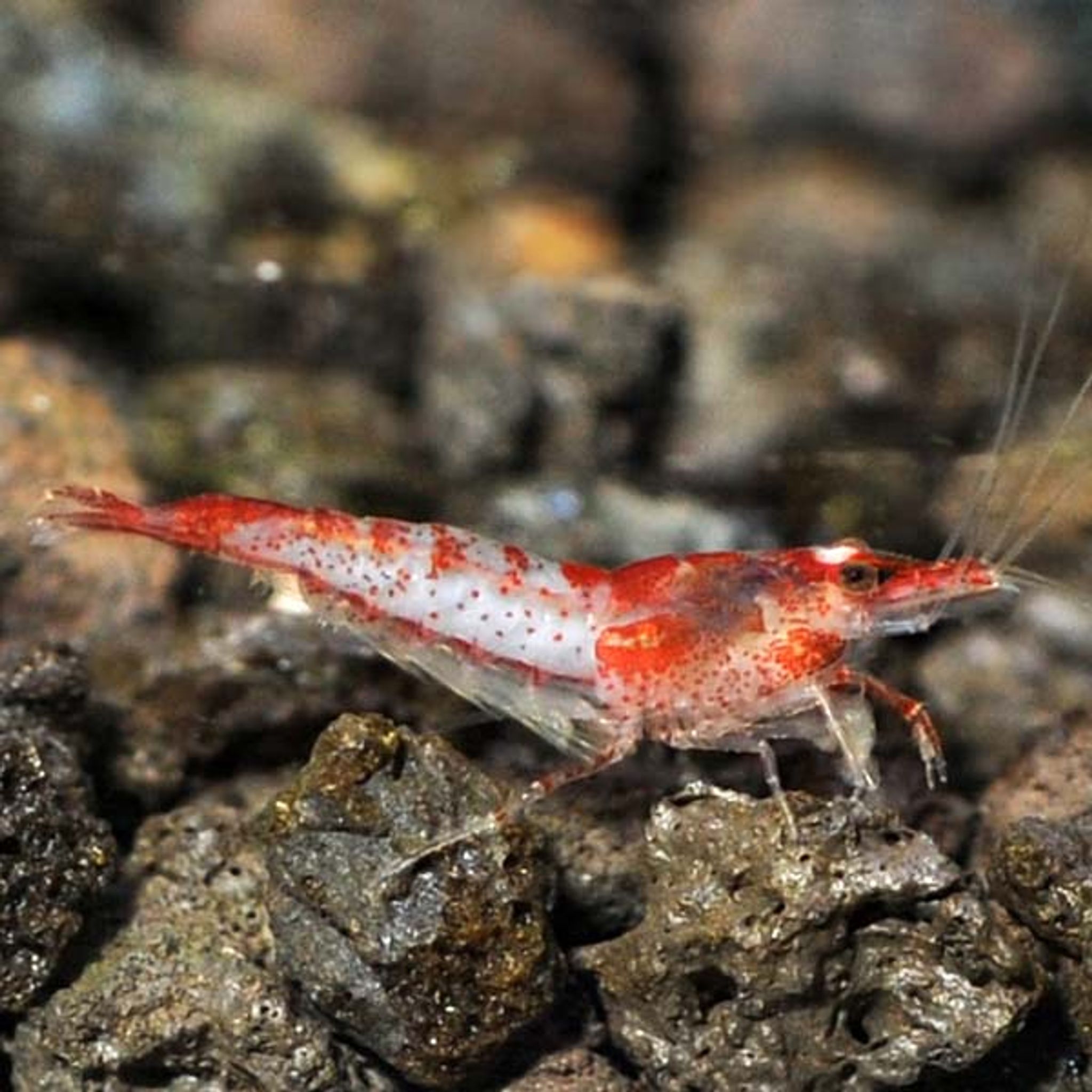
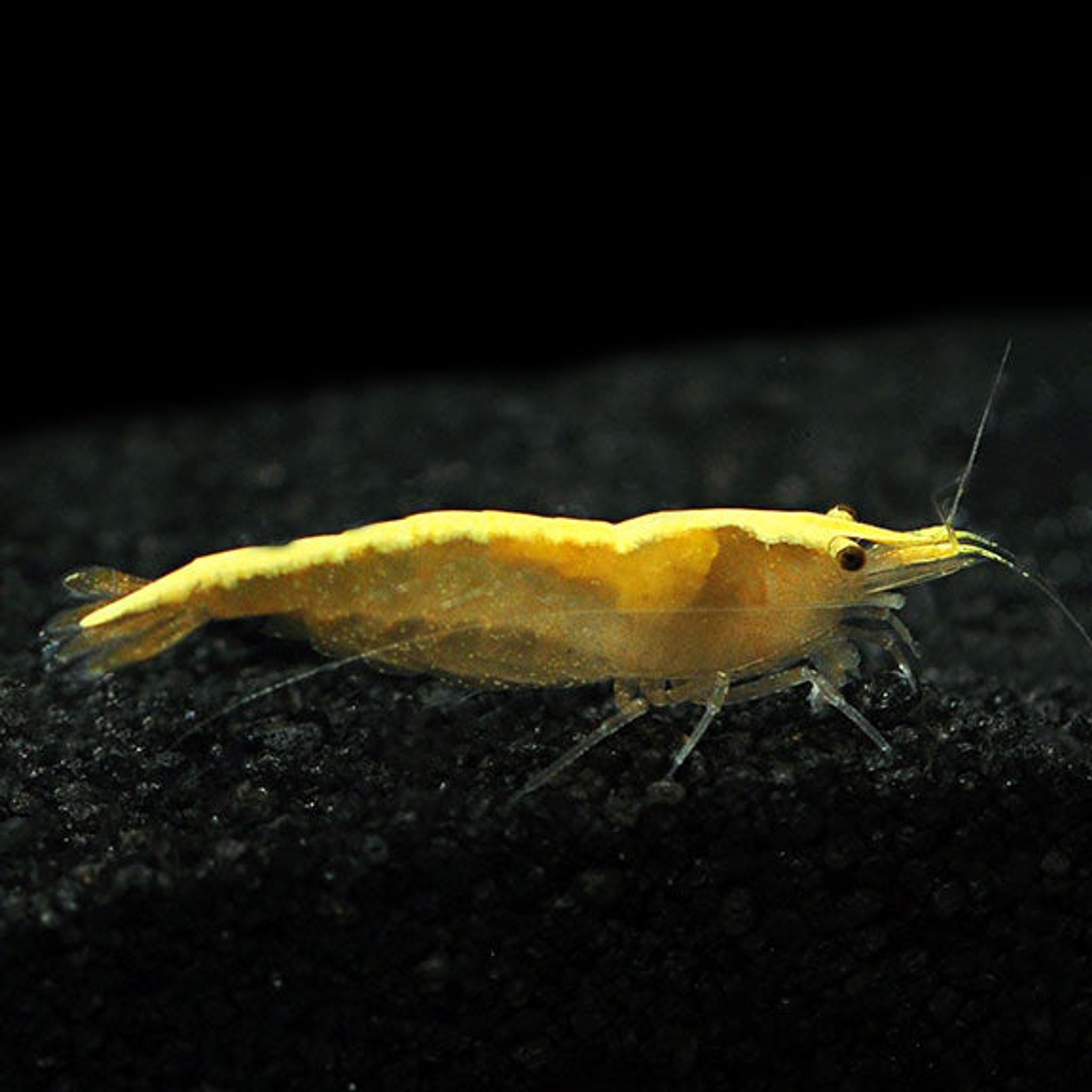
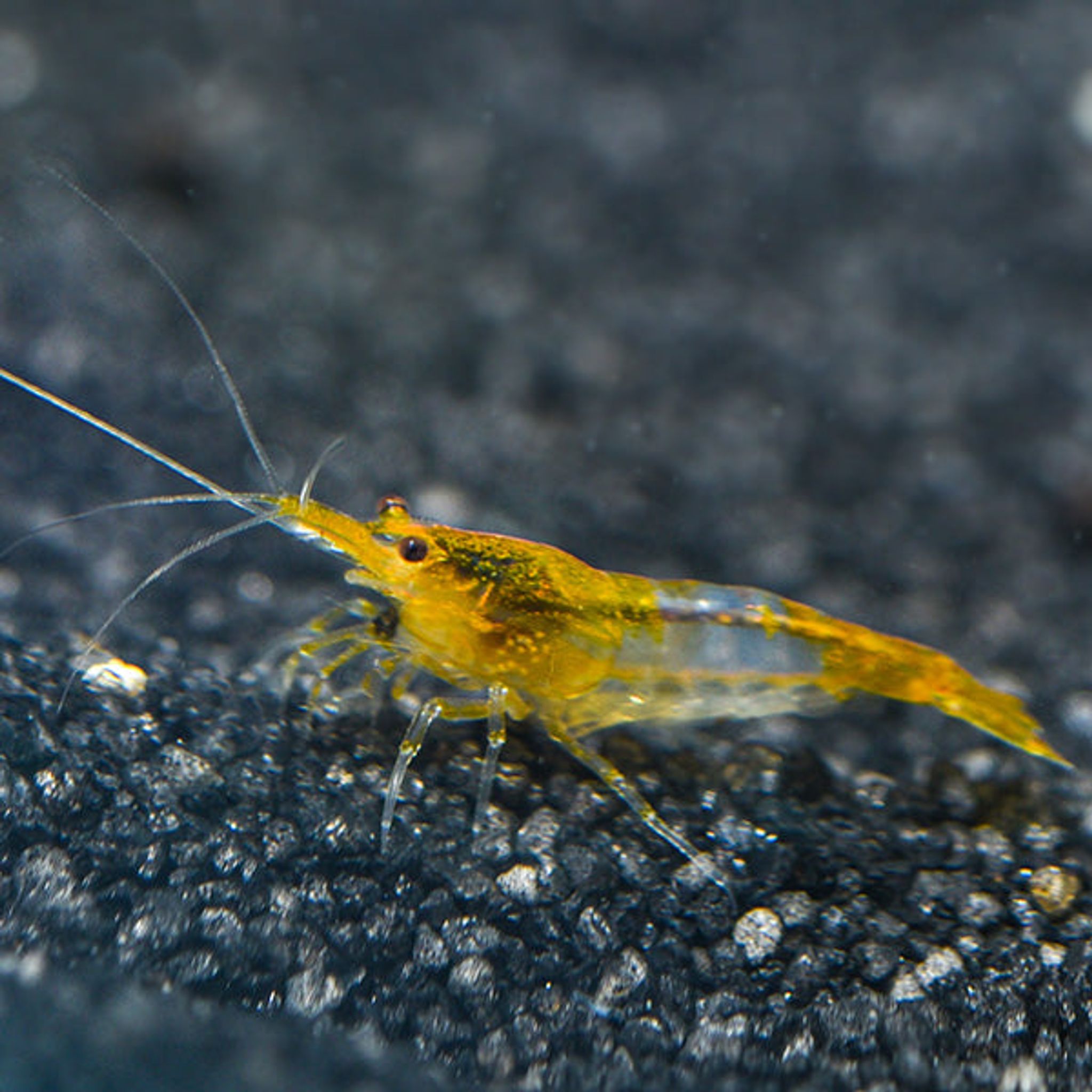
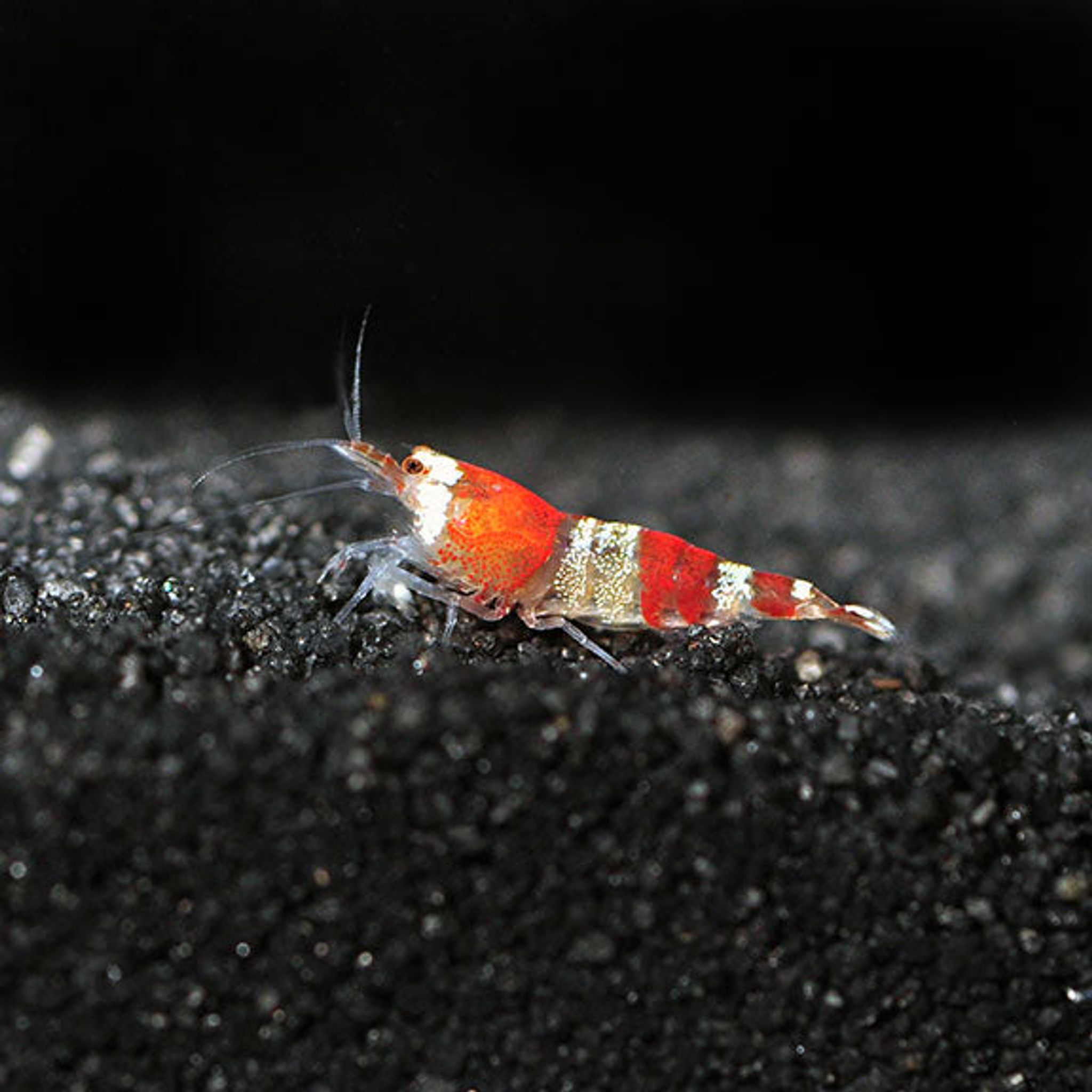
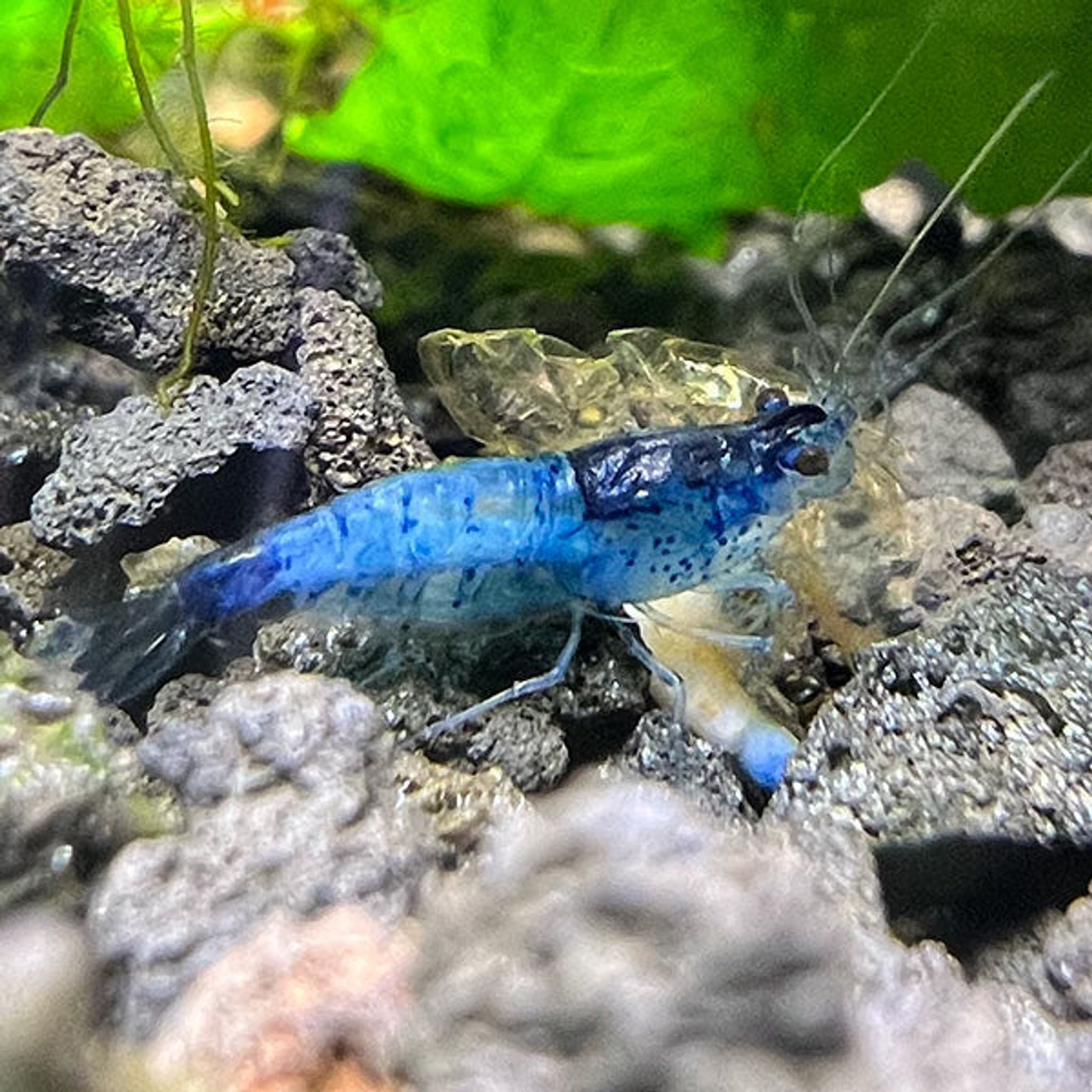
Shop freshwater shrimp online from aquarium stores, breeders and specialist aquatic livestock sellers across the United States on FishyHub. Compare Neocaridina, Caridina, Amano Shrimp, Cherry Shrimp, Blue Dream Shrimp and other aquarium shrimp by color, grade, size and seller.
Freshwater shrimp are popular in planted and nano aquariums because of their color, grazing behavior and small size. FishyHub helps U.S. hobbyists compare freshwater shrimp listings from multiple sellers in one marketplace.
Buying freshwater shrimp online gives hobbyists access to a broader range of species, color morphs, grades and breeder lines than may be available from a single local aquarium store.
Compare exact species, color, grade, current size, water requirements, breeder information and shipping options before choosing shrimp for your aquarium.
Popular freshwater shrimp in the aquarium hobby include:
Neocaridina shrimp are among the most popular freshwater aquarium shrimp and are available in many bright colors.
Cherry, Blue Dream, Yellow, Orange and Green Jade are examples of popular Neocaridina color lines. Different color lines can have different breeder names, so compare seller photos and descriptions carefully.
Caridina shrimp include many highly patterned and selectively bred varieties such as Crystal Red, Crystal Black, Blue Bolt, Taiwan Bee and Pinto shrimp.
Many Caridina lines have more specific water requirements than common Neocaridina, so exact species and breeder recommendations should be considered before purchase.
Cherry Shrimp are one of the best-known freshwater aquarium shrimp and are valued for vivid red coloration and active grazing behavior.
Red intensity can vary by grade, breeder line, age and individual shrimp.
Blue Dream Shrimp are Neocaridina selected for rich blue coloration.
Color coverage and shade vary by breeder line, so compare actual listing photos when choosing shrimp.
Crystal Red Shrimp are patterned Caridina known for alternating red and white markings.
They are popular among shrimp keepers who want more specialized breeding projects and carefully controlled water conditions.
Blue Bolt Shrimp are Caridina known for pale blue to intense blue coloration and selective breeding history.
Color intensity can vary greatly between individual shrimp and breeder lines.
Pinto Shrimp are highly patterned Caridina-type shrimp available in striking black, red and white combinations.
Pattern names and grading can differ between breeders, making clear photos and lineage information particularly useful when buying online.
Amano Shrimp are larger, transparent-gray freshwater shrimp widely known for grazing algae and biofilm.
They can be useful members of planted aquariums, but they still require adequate feeding and should not be treated as automatic algae-removal tools.
Freshwater shrimp are especially popular in planted tanks because plants, mosses and hardscape create grazing surfaces and hiding places.
Biofilm growing on leaves, wood and rock can provide natural grazing opportunities, while dense cover can help protect smaller shrimp and shrimplets.
Their small adult size makes many freshwater shrimp popular choices for nano aquariums.
Small water volume can change quickly, so stable water quality and careful stocking remain important even when the animals themselves are tiny.
Shrimp-only tanks allow hobbyists to focus on breeding, color selection and colony development without fish predation.
Mosses, plants, wood and mature biofilm can create a productive environment for both adults and young shrimp.
Neocaridina and Caridina are two major shrimp groups in the freshwater aquarium hobby.
Neocaridina are often considered more adaptable, while many ornamental Caridina lines require more specialized water chemistry. Exact requirements should always be checked for the shrimp being purchased.
Most ornamental freshwater shrimp remain small, though adult size varies by species.
Amano Shrimp generally become larger than common Neocaridina and many Caridina varieties.
Shrimp can be sensitive to sudden changes in water conditions.
Temperature, hardness, pH and mineral content should be matched to the exact shrimp species and breeder line rather than applying one universal range to every shrimp.
Stability is especially important for shrimp because rapid shifts in water chemistry can interfere with molting and general health.
Make changes gradually and avoid repeatedly chasing water parameters unless there is a clear husbandry reason.
Shrimp shed their exoskeleton as they grow.
Newly molted shrimp may hide while the new exoskeleton hardens, and suitable mineral balance supports normal molting.
Freshwater shrimp can be sensitive to copper at harmful concentrations.
Medications and treatments should be checked carefully before use in shrimp aquariums rather than assuming every fish medication is safe for invertebrates.
Freshwater shrimp spend much of their time grazing biofilm, algae and tiny food particles from aquarium surfaces.
They can also be offered suitable shrimp foods and supplemental foods when natural grazing is insufficient.
Many freshwater shrimp graze algae and biofilm, but their effectiveness varies by species and algae type.
Shrimp should not be expected to solve every algae problem or replace normal aquarium maintenance.
Shrimp should have access to enough food without leaving excessive uneaten material in the aquarium.
Overfeeding can reduce water quality, while underfeeding can become a problem in clean or newly established tanks with limited biofilm.
Shrimp compatibility depends heavily on the fish species and the size of the shrimp.
Many fish will eat shrimplets, and larger or predatory fish may consume adult shrimp as well.
Some small peaceful Tetras can coexist with adult shrimp, but baby shrimp may be eaten.
Dense plants and mosses can improve survival for shrimplets, but complete safety is never guaranteed.
Small Rasboras can sometimes coexist with adult shrimp in planted aquariums.
Tiny shrimplets remain vulnerable to opportunistic feeding.
Betta compatibility with shrimp varies by individual fish.
Some Bettas ignore adult shrimp, while others actively hunt them, so shrimp should never be described as automatically safe with Bettas.
Adult shrimp may coexist with Guppies, but Guppies can readily consume newborn shrimp.
Heavy planting and hiding spaces can improve survival for young shrimp.
Many Corydoras can coexist with adult shrimp, but tiny shrimplets may still be eaten opportunistically.
Make sure both shrimp and Corydoras receive appropriate food rather than relying on leftovers.
Freshwater shrimp and many aquarium snails can coexist peacefully because they often graze different surfaces and food particles.
Stocking should still be adjusted to available food and overall biological load.
Many ornamental freshwater shrimp can reproduce successfully in well-established aquariums.
Breeding success depends on species, water conditions, food availability and whether fish or other predators are present.
Neocaridina can form growing colonies when kept in stable aquariums with suitable food and minimal predation.
Mixing different color lines can produce offspring with less predictable coloration, so breeders often maintain separate colonies when preserving a strain.
Caridina breeding can be more demanding because many ornamental lines require carefully managed water chemistry.
Breeder guidance can be especially valuable when working with premium Crystal, Taiwan Bee, Pinto or related shrimp.
Some freshwater shrimp are sold using breeder grades based on color intensity, pattern coverage or other visible traits.
Grade terminology is not always standardized across breeders, so compare actual photos, lineage and seller descriptions rather than relying on grade names alone.
Mature males and females can differ in body size, shape and coloration depending on species.
Females are often larger and fuller-bodied, but sexing can be difficult in juveniles.
Some Neocaridina shrimp can be approachable for newer hobbyists with a stable, mature aquarium.
More specialized Caridina lines may require greater attention to water chemistry and mineral balance.
When comparing freshwater shrimp for sale, look for:
Newly shipped shrimp can be sensitive to changes in water chemistry.
Prepare a stable aquarium before arrival and follow the seller's acclimation guidance for the exact shrimp being introduced.
Observation before introduction can help reduce the risk of adding unhealthy shrimp, unwanted hitchhikers or pests to an established aquarium.
Avoid treatments that are unsafe for invertebrates and monitor new shrimp for normal grazing, movement and molting.
Freshwater shrimp prices vary according to species, color, grade, breeder line, rarity, current size and seller.
Common Neocaridina and premium Caridina such as Blue Bolt, Taiwan Bee or specialty Pinto shrimp can differ significantly in price, so compare exact shrimp, grade and breeder information rather than price alone.
FishyHub brings freshwater shrimp listings from aquarium stores, breeders and specialist aquatic livestock sellers together in one marketplace.
When comparing freshwater shrimp online, consider:
Shipping availability depends on the seller, destination, shrimp species, weather and livestock-shipping policy.
Review packaging, delivery timing and live-arrival terms before ordering, and make sure the aquarium is stable and prepared before the shrimp arrive.
Yes. Aquarium stores, breeders and specialist sellers offer many freshwater shrimp online across the U.S., depending on species availability and seller shipping coverage.
They are different shrimp groups with different breeding histories and husbandry needs. Neocaridina are often more adaptable, while many ornamental Caridina require more specialized water conditions.
Cherry Shrimp can be suitable for newer hobbyists when kept in a stable, mature aquarium with appropriate water conditions.
Many shrimp graze algae and biofilm, but they do not eat every algae type and should not replace normal aquarium maintenance.
Some can, but many fish will eat shrimplets and larger fish may also eat adult shrimp. Compatibility should be checked species by species.
Some combinations are possible, but their preferred water conditions may differ, so compatibility depends on the exact shrimp strains being kept.
Yes. Harmful copper exposure can be dangerous to shrimp, so medications and treatments should be checked carefully before use.
FishyHub helps U.S. hobbyists compare freshwater shrimp from aquarium stores, breeders and specialist aquatic livestock sellers in one marketplace.
Explore freshwater shrimp for sale on FishyHub and compare Neocaridina, Caridina, Cherry Shrimp, Blue Dream Shrimp, Crystal Red Shrimp, Blue Bolt Shrimp, Amano Shrimp and other ornamental varieties. Discover listings from aquarium stores and breeders across the United States, and compare species, color, grade, breeder, price and shipping options before choosing shrimp for your aquarium.
