1–25 of 25
Showing 25 of 25 products
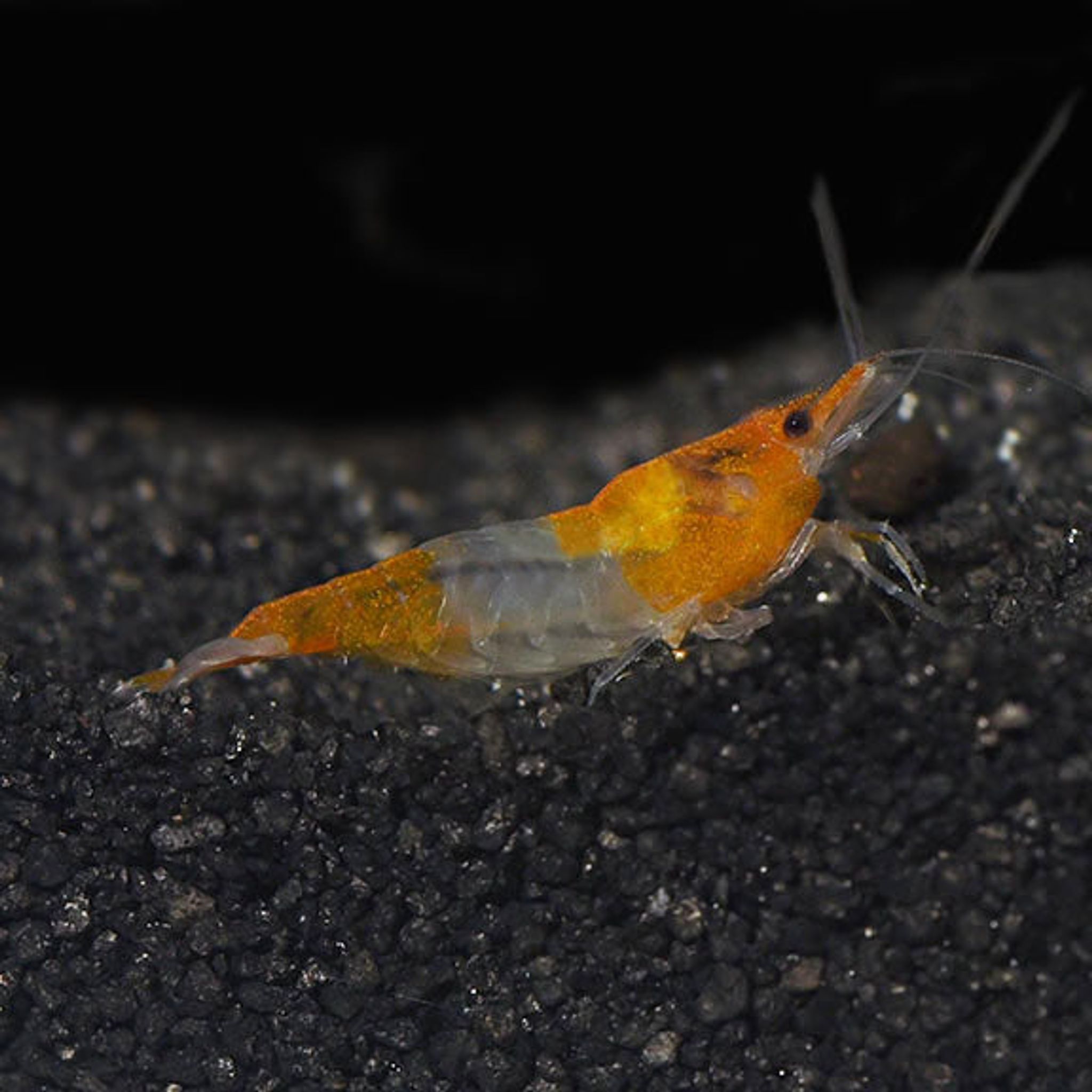
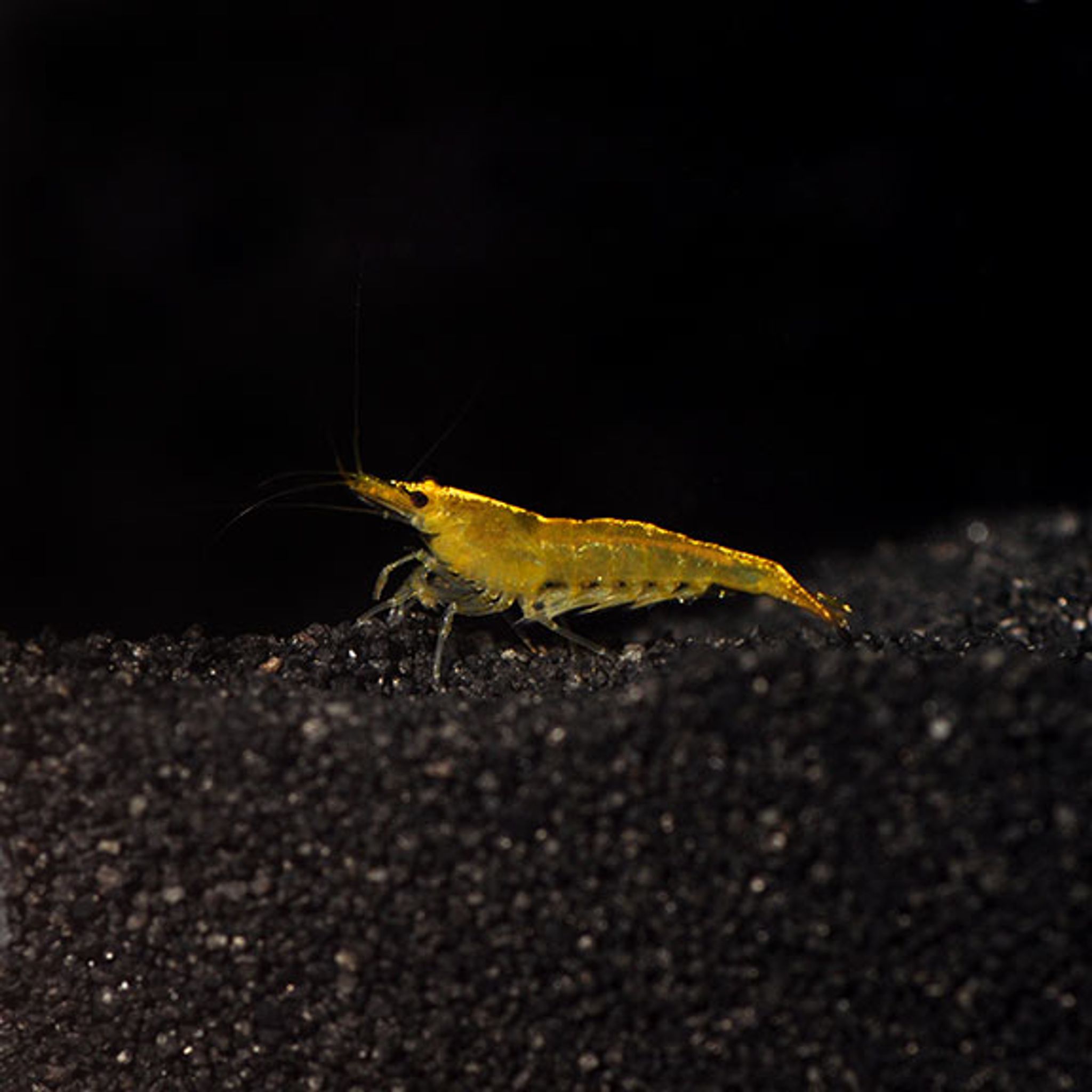

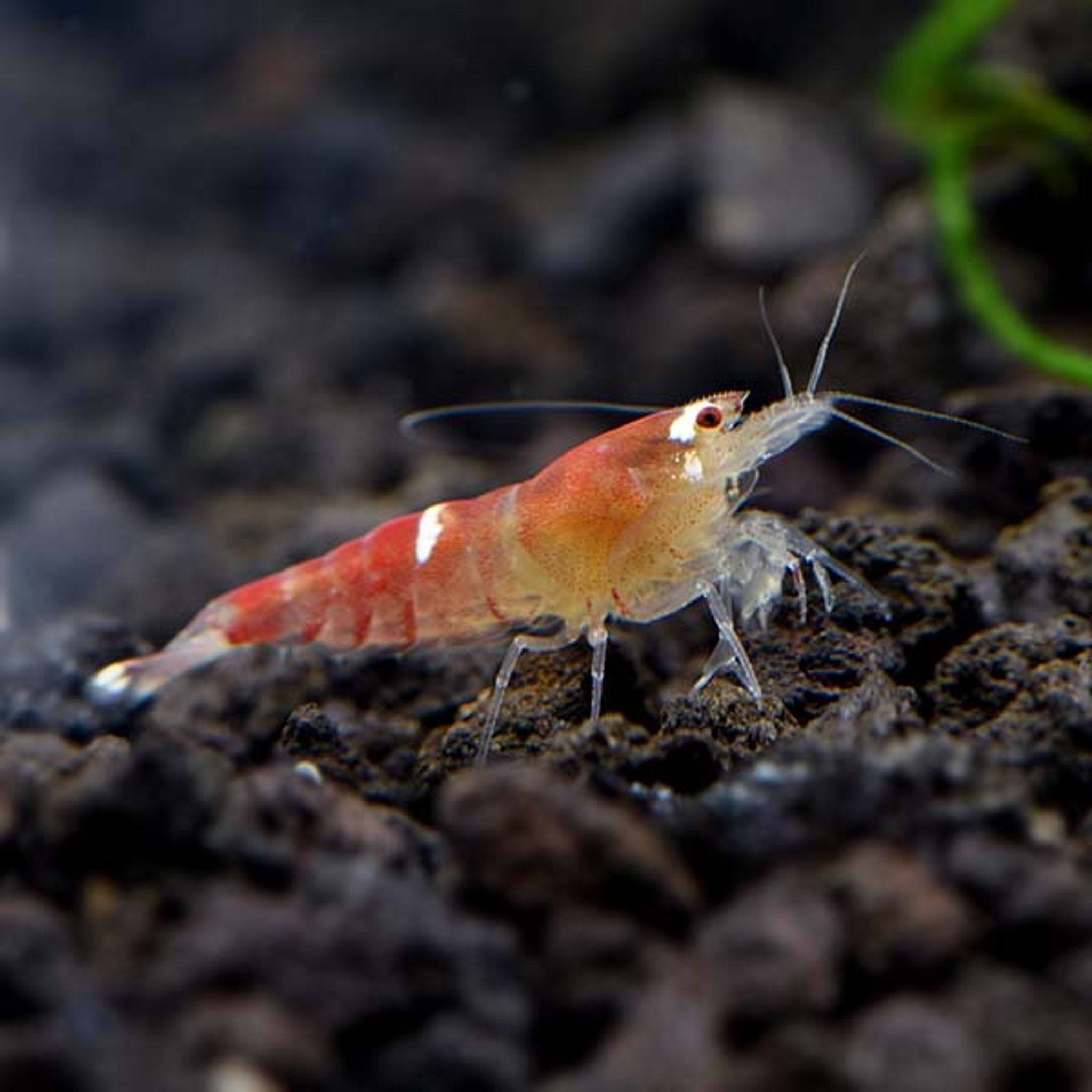
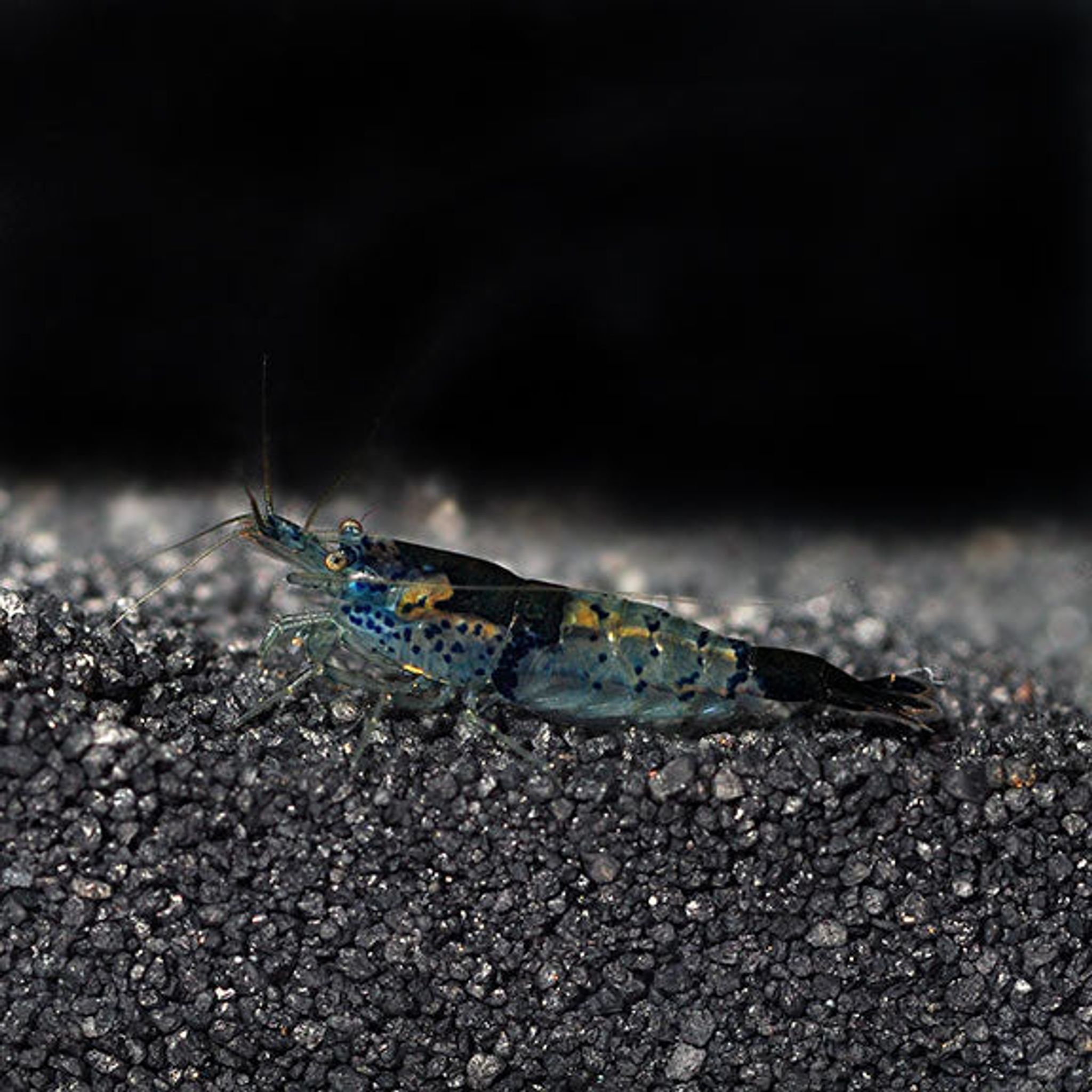
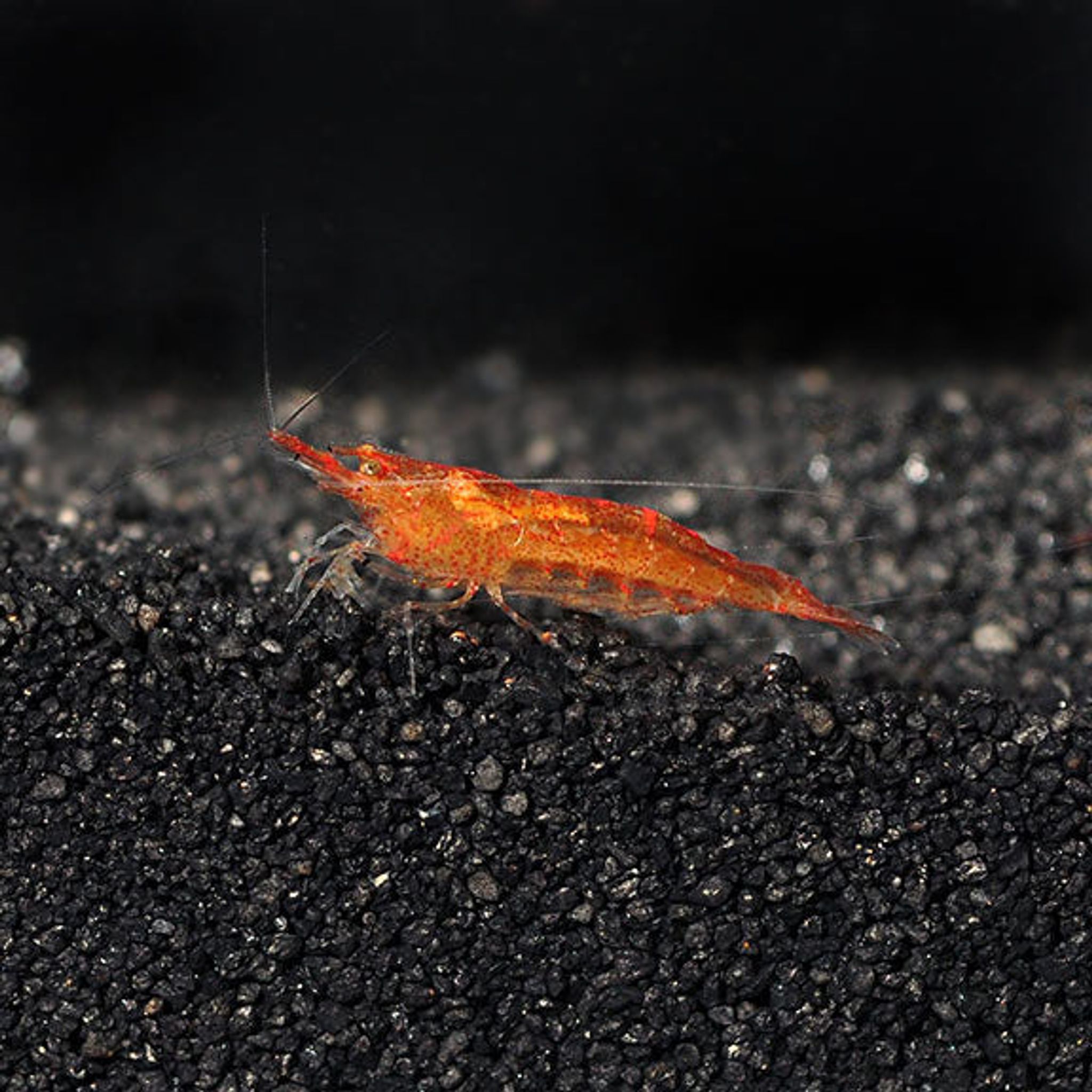
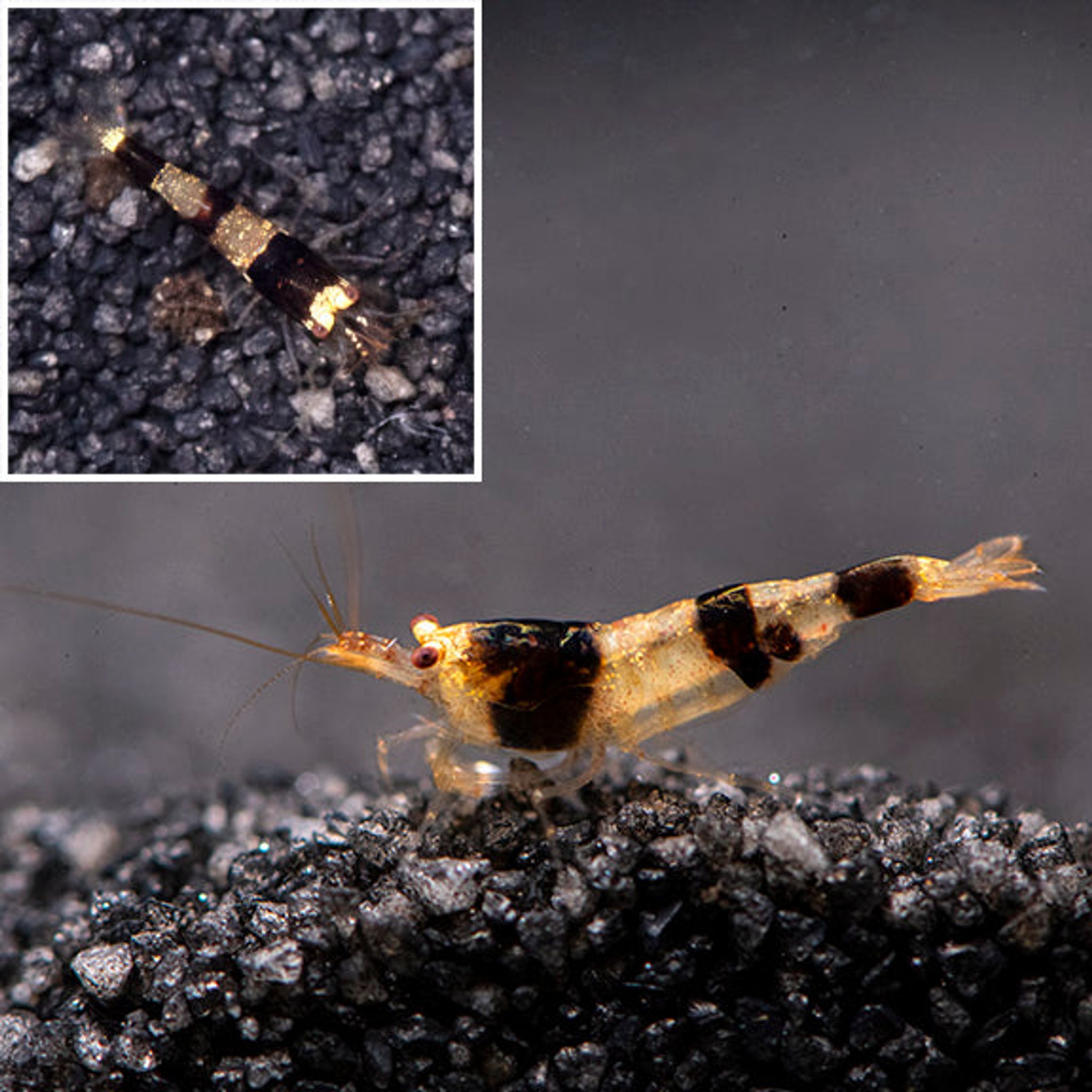
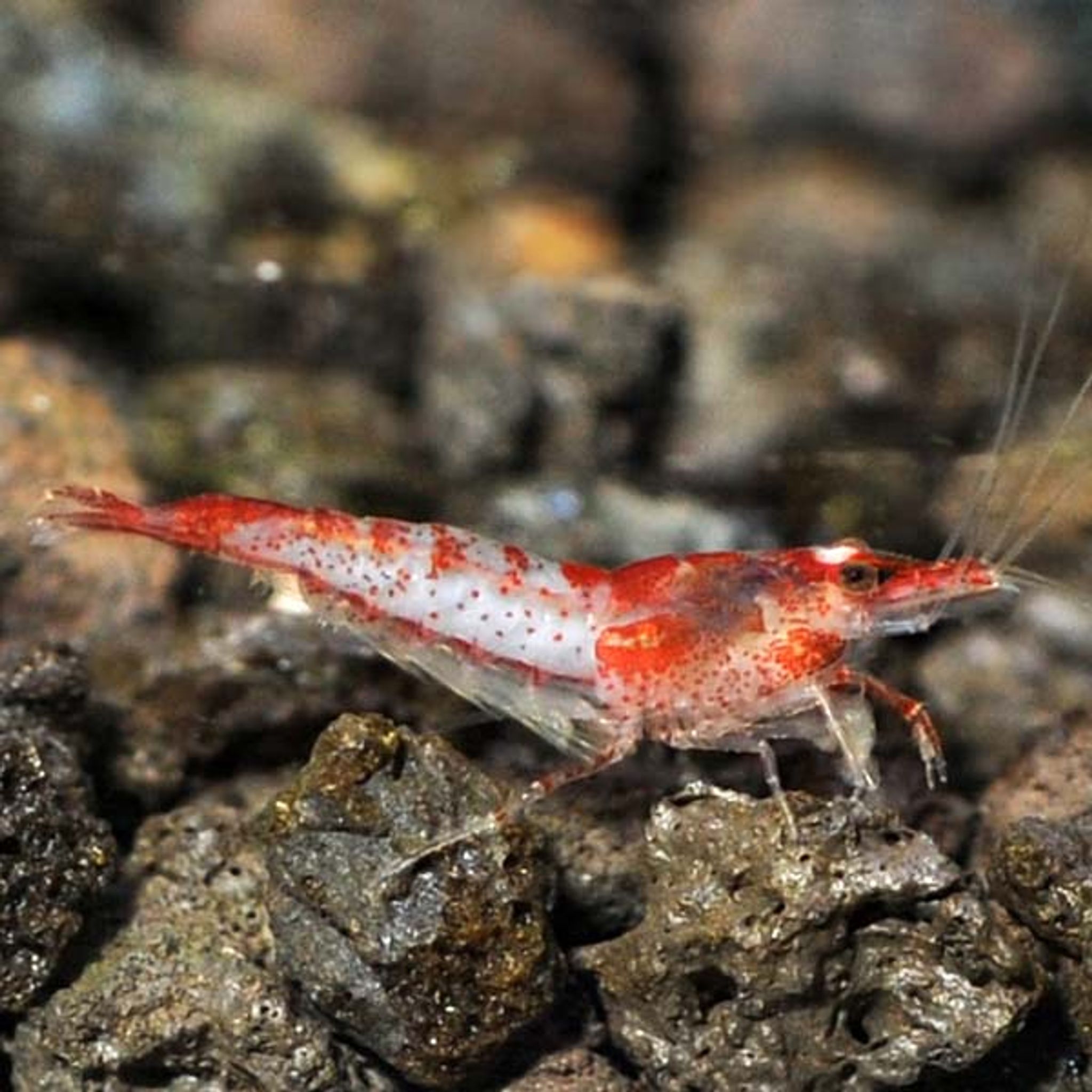
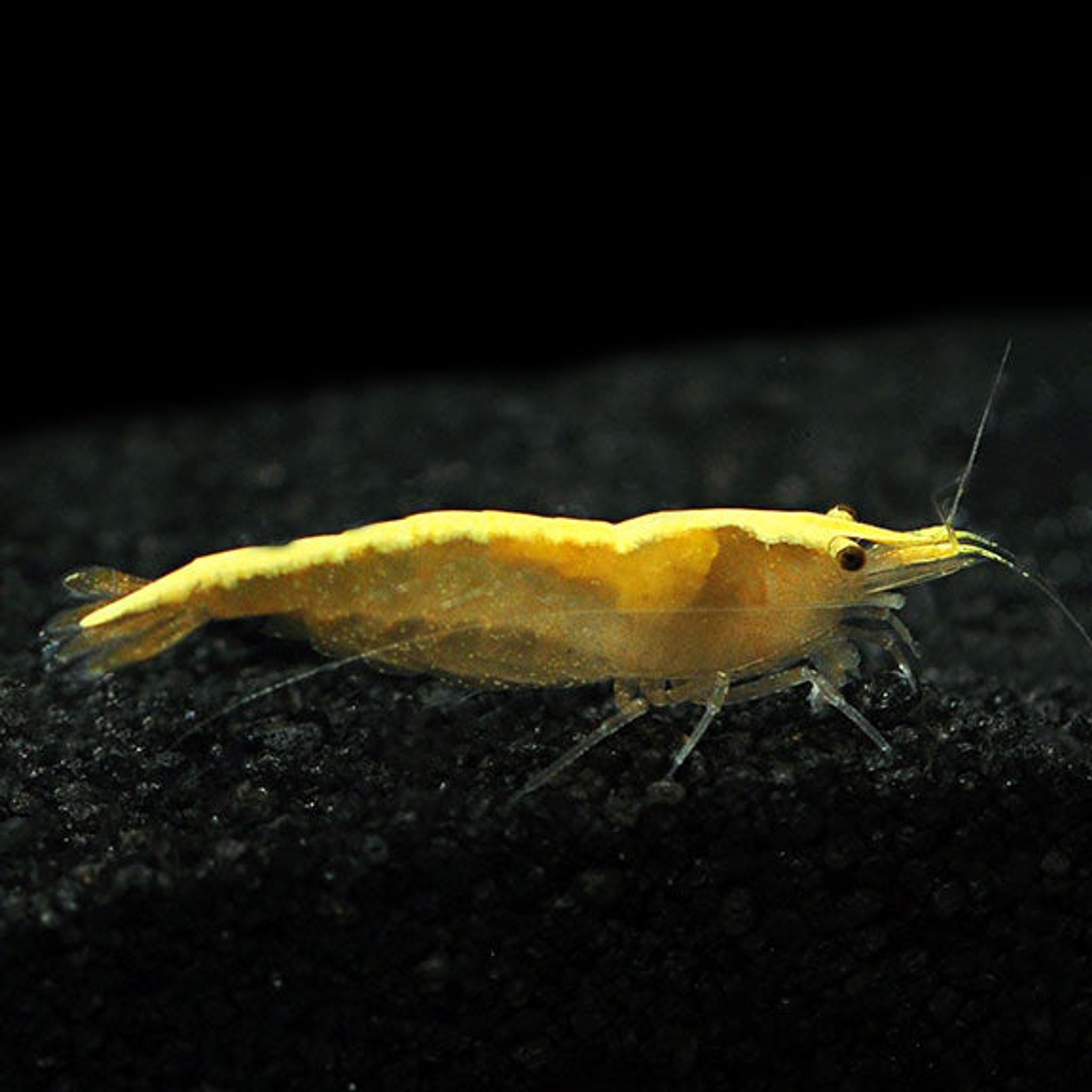
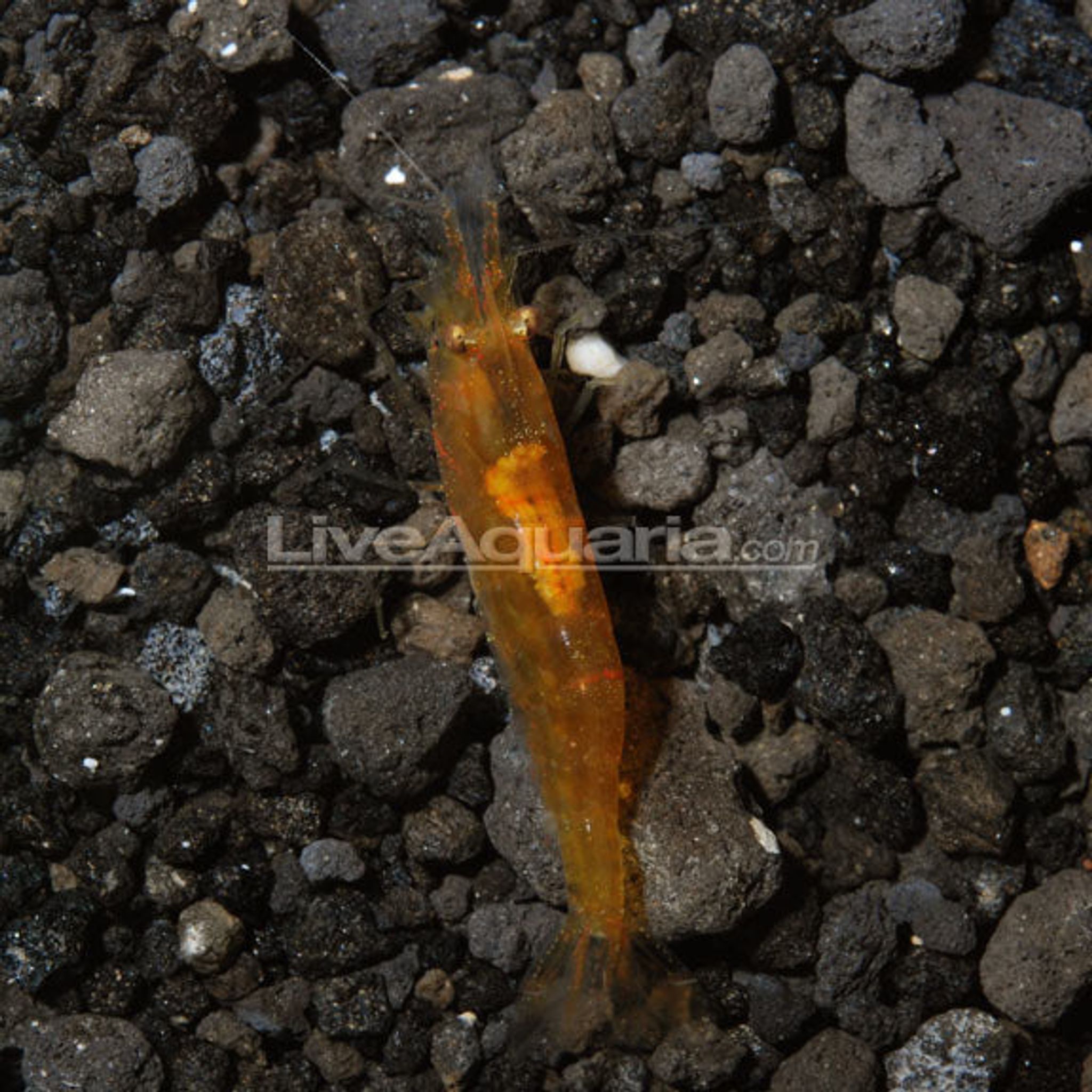
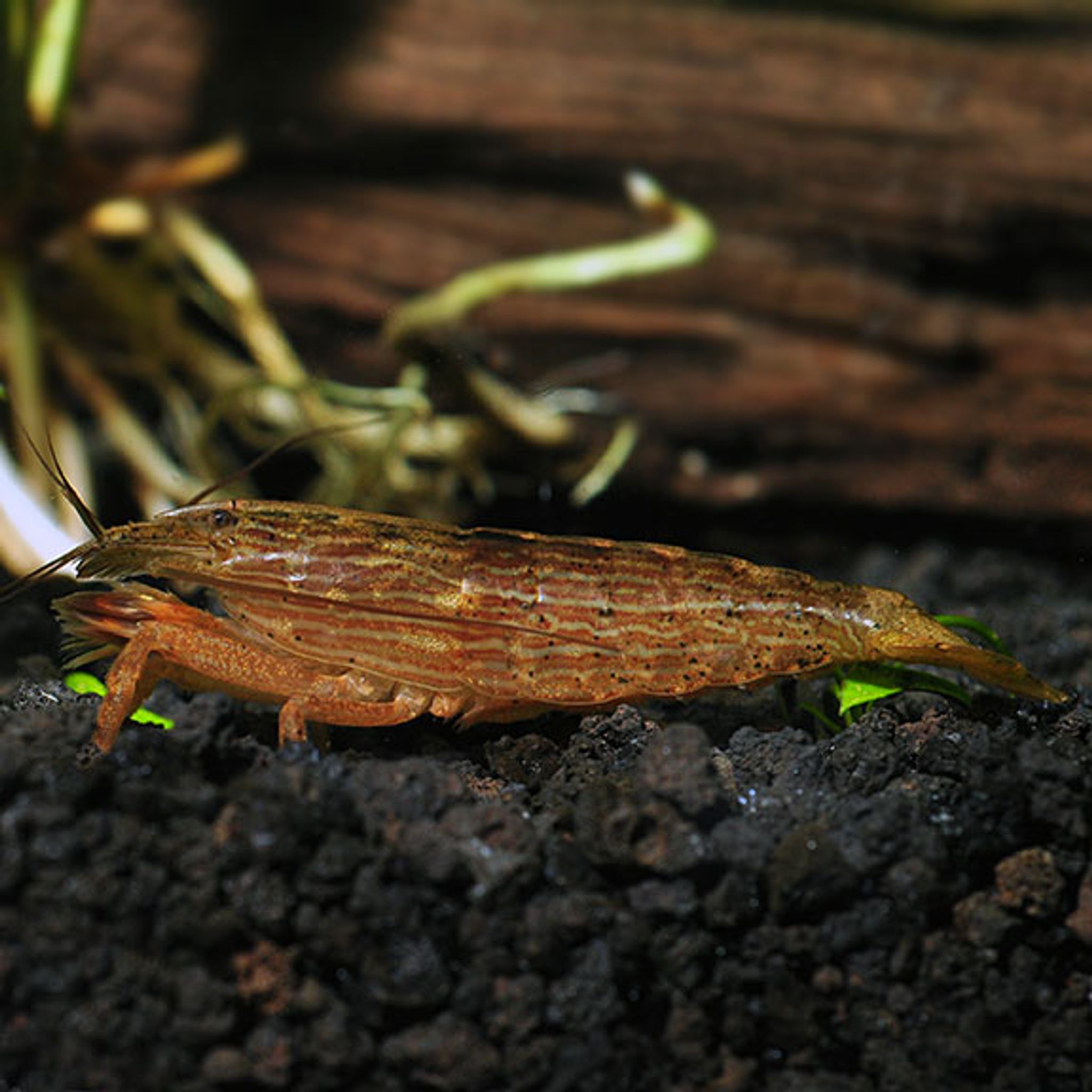
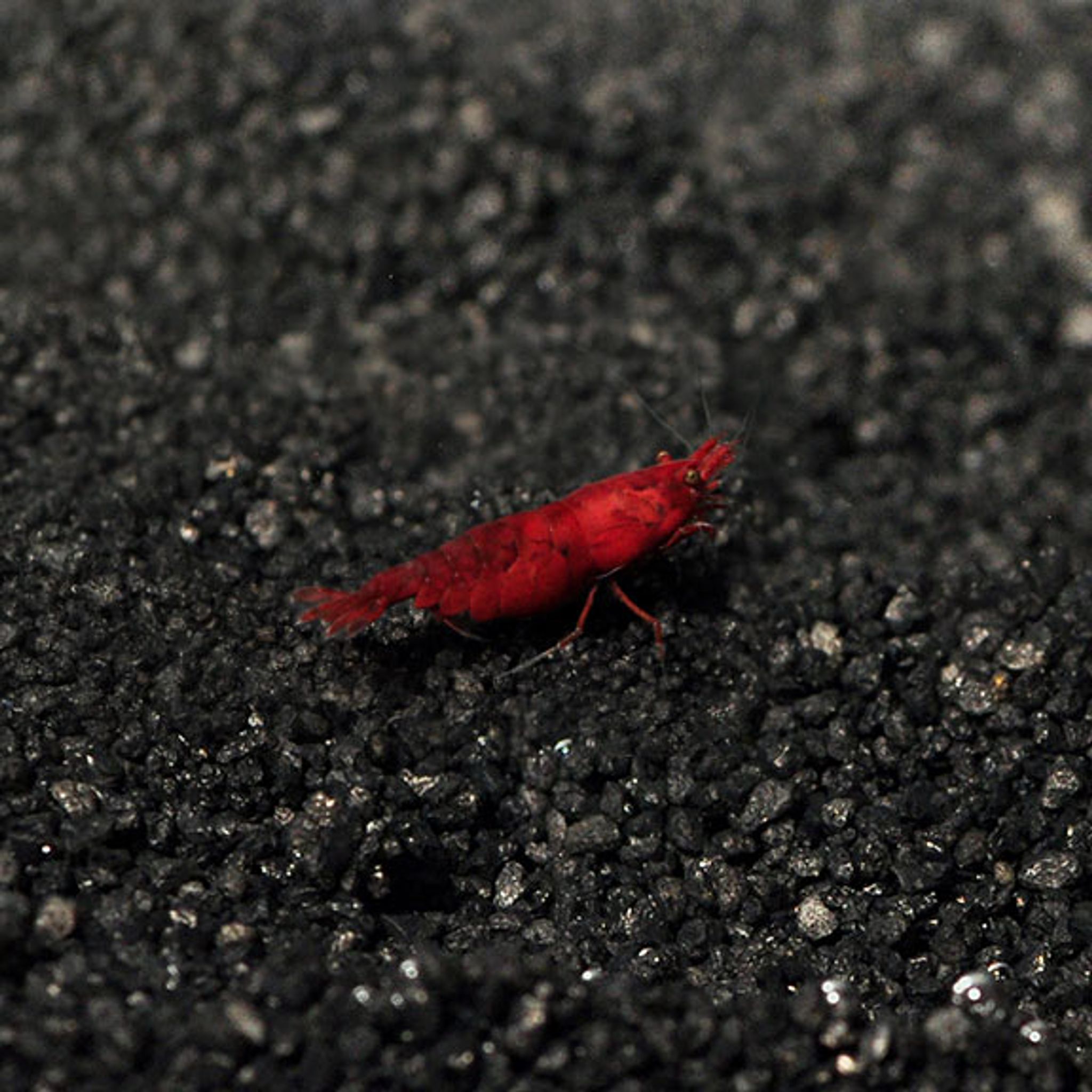
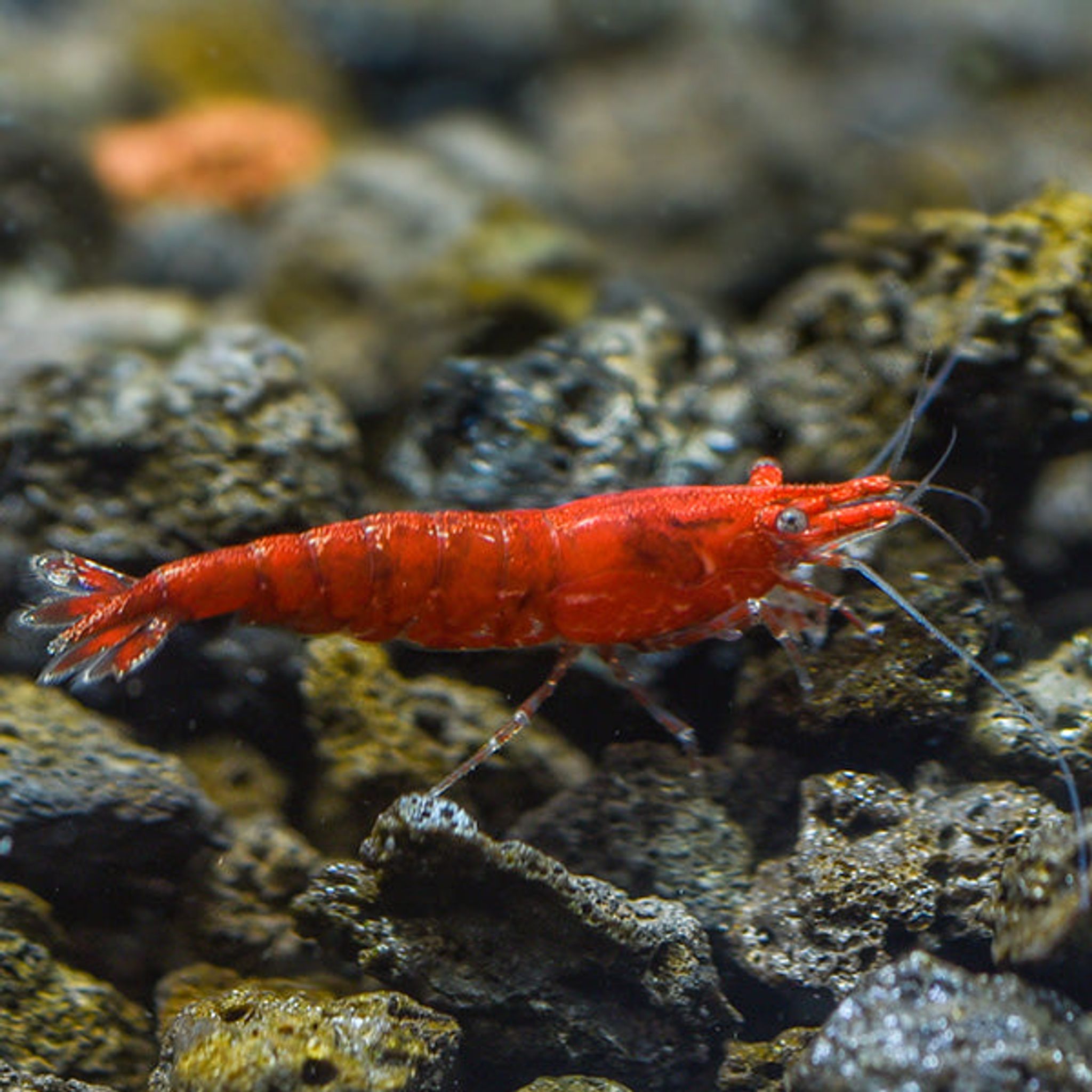
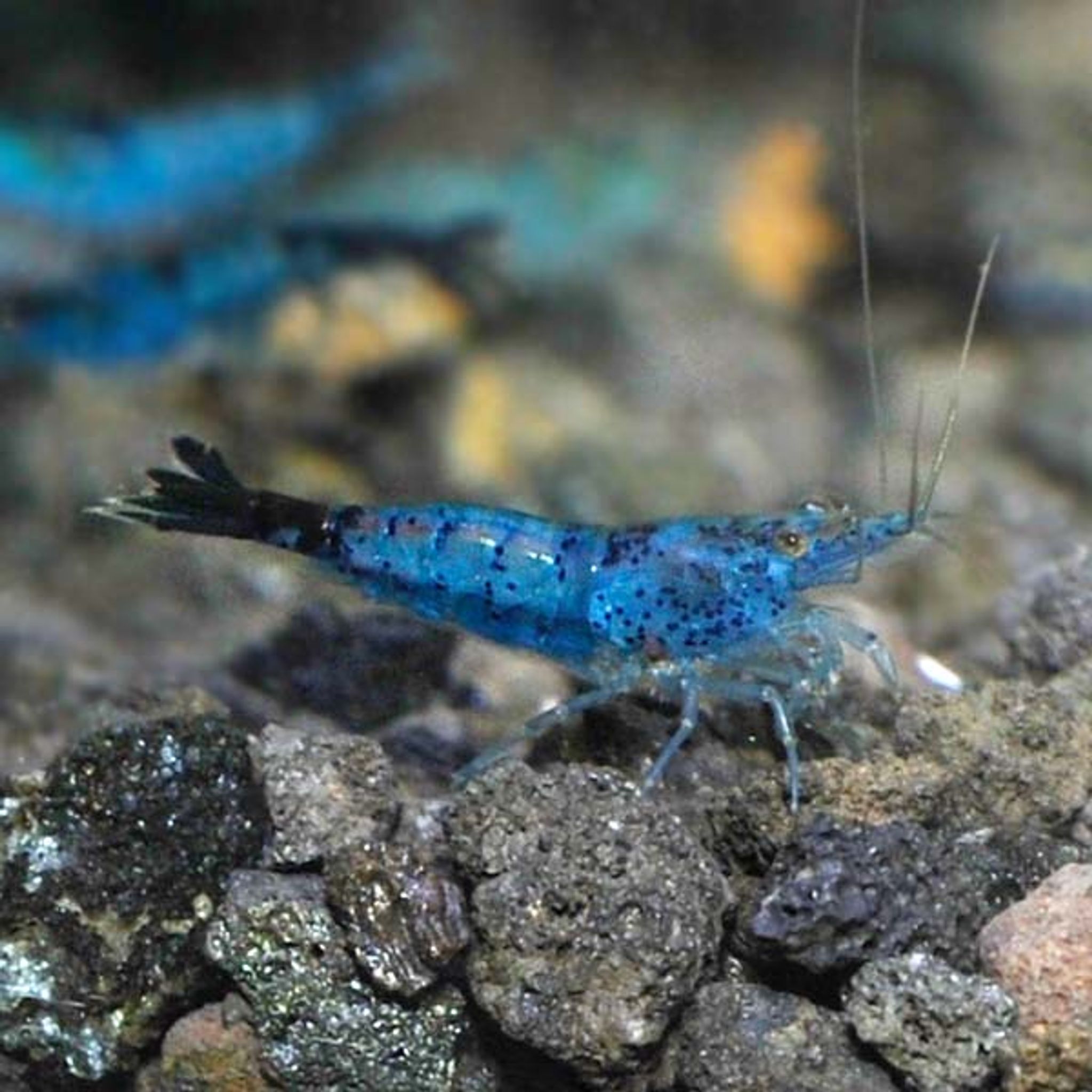
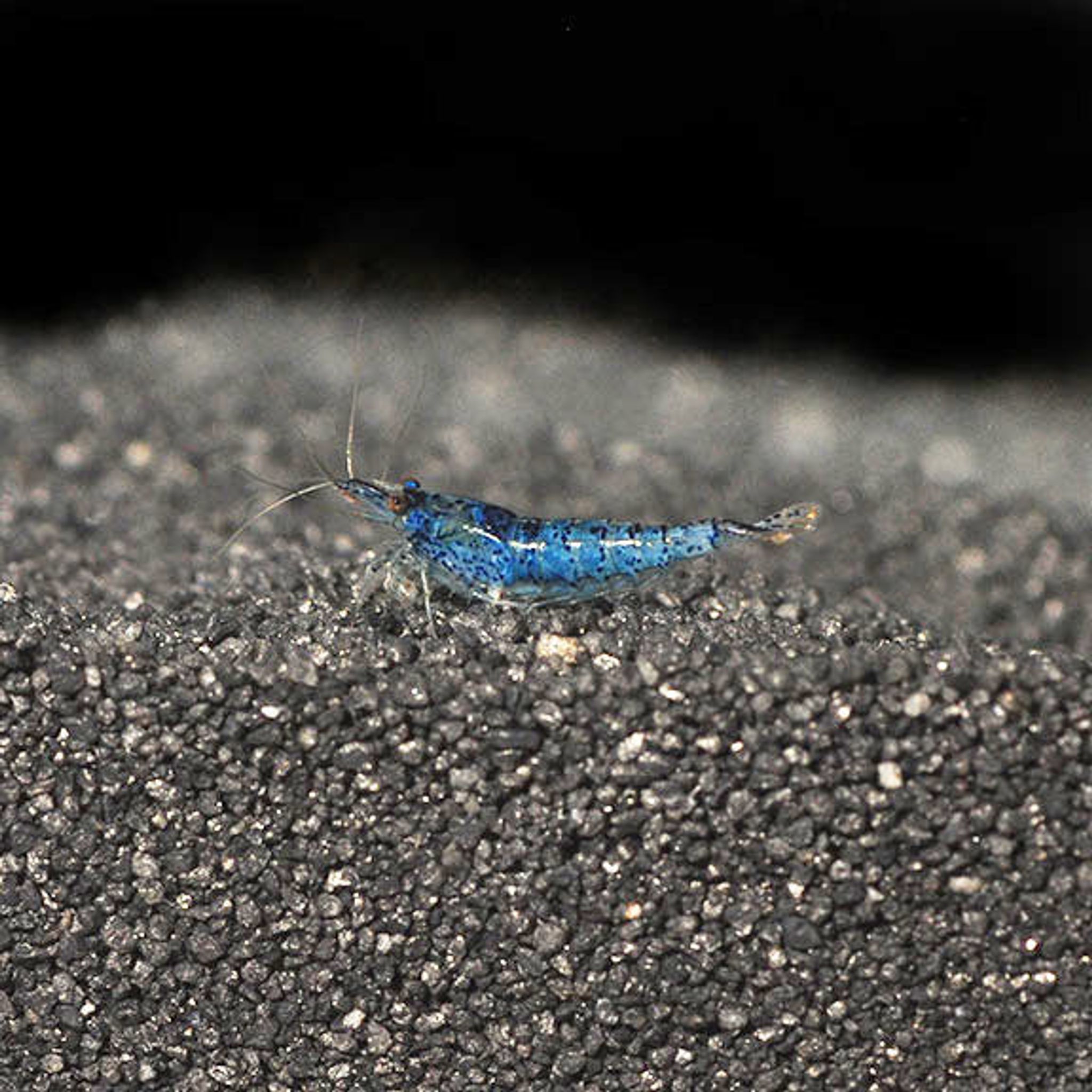
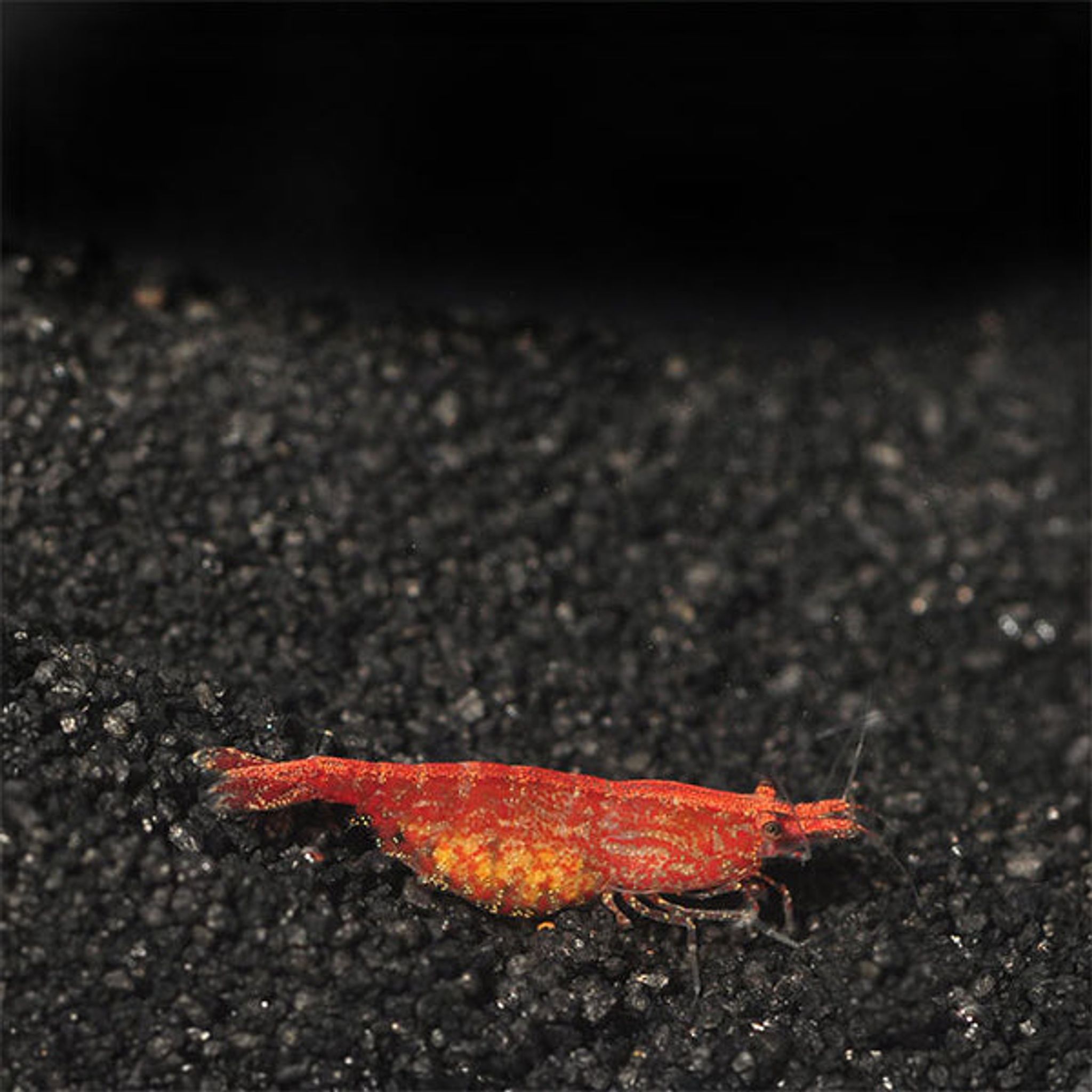
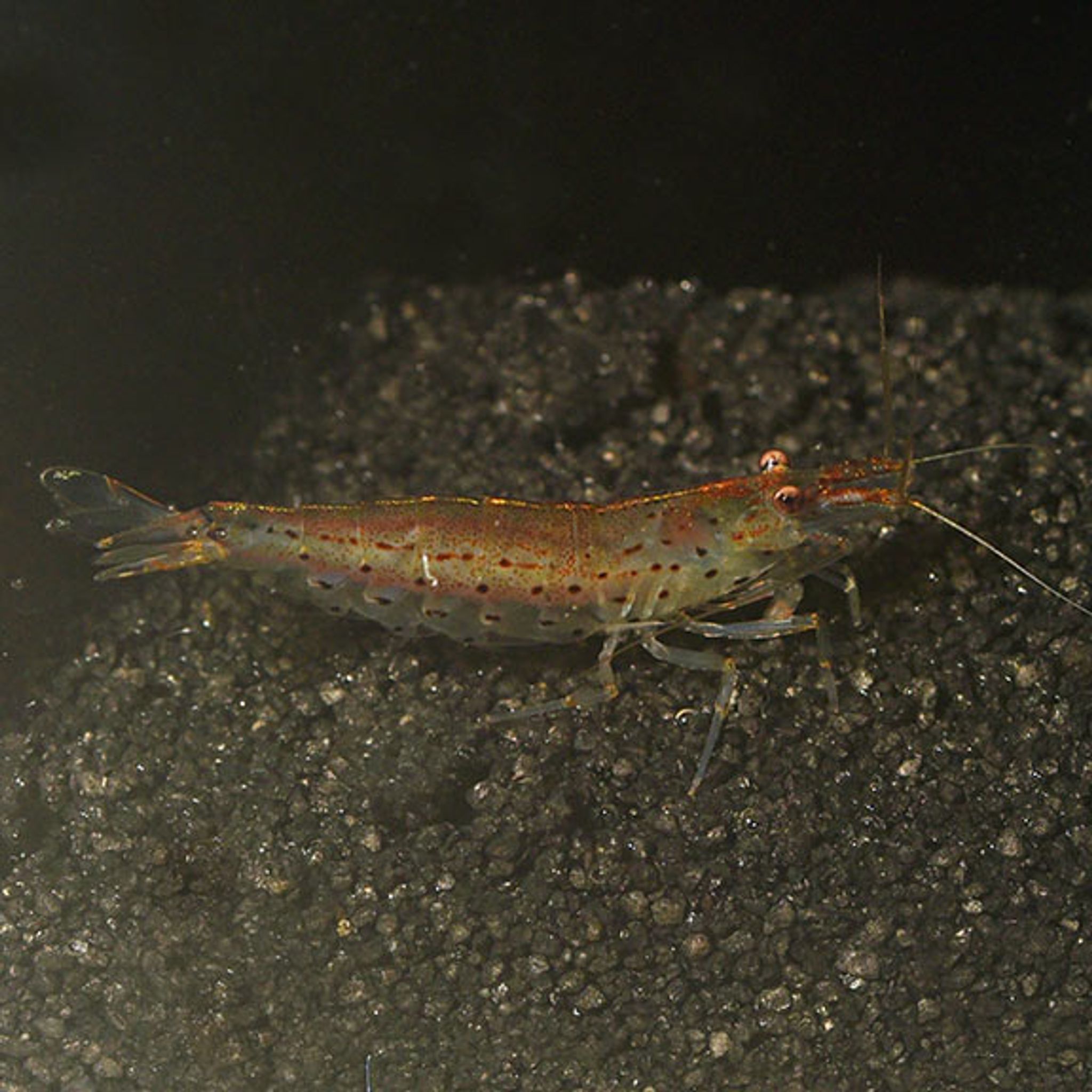
Shop Neocaridina shrimp online from aquarium stores, breeders and specialist aquatic livestock sellers across the United States on FishyHub. Compare Cherry Shrimp, Blue Dream Shrimp, Yellow Shrimp, Orange Shrimp, Green Jade Shrimp, Rili Shrimp and other Neocaridina color lines by color, grade, size and seller.
Neocaridina shrimp are among the most popular freshwater aquarium shrimp because of their bright colors, active grazing behavior and suitability for planted and nano aquariums. FishyHub helps U.S. hobbyists compare Neocaridina listings from multiple sellers in one marketplace.
Buying Neocaridina shrimp online gives hobbyists access to a wider range of color lines, grades and breeder stock than may be available from a single local aquarium store.
Compare exact color variety, current size, grade, breeder information, water requirements and shipping options before choosing Neocaridina for your aquarium.
Popular Neocaridina color varieties include:
Cherry Shrimp are one of the best-known Neocaridina varieties and are selected for red coloration.
Red intensity can range from translucent red to deeper solid coloration depending on breeder line, grade, age and individual shrimp.
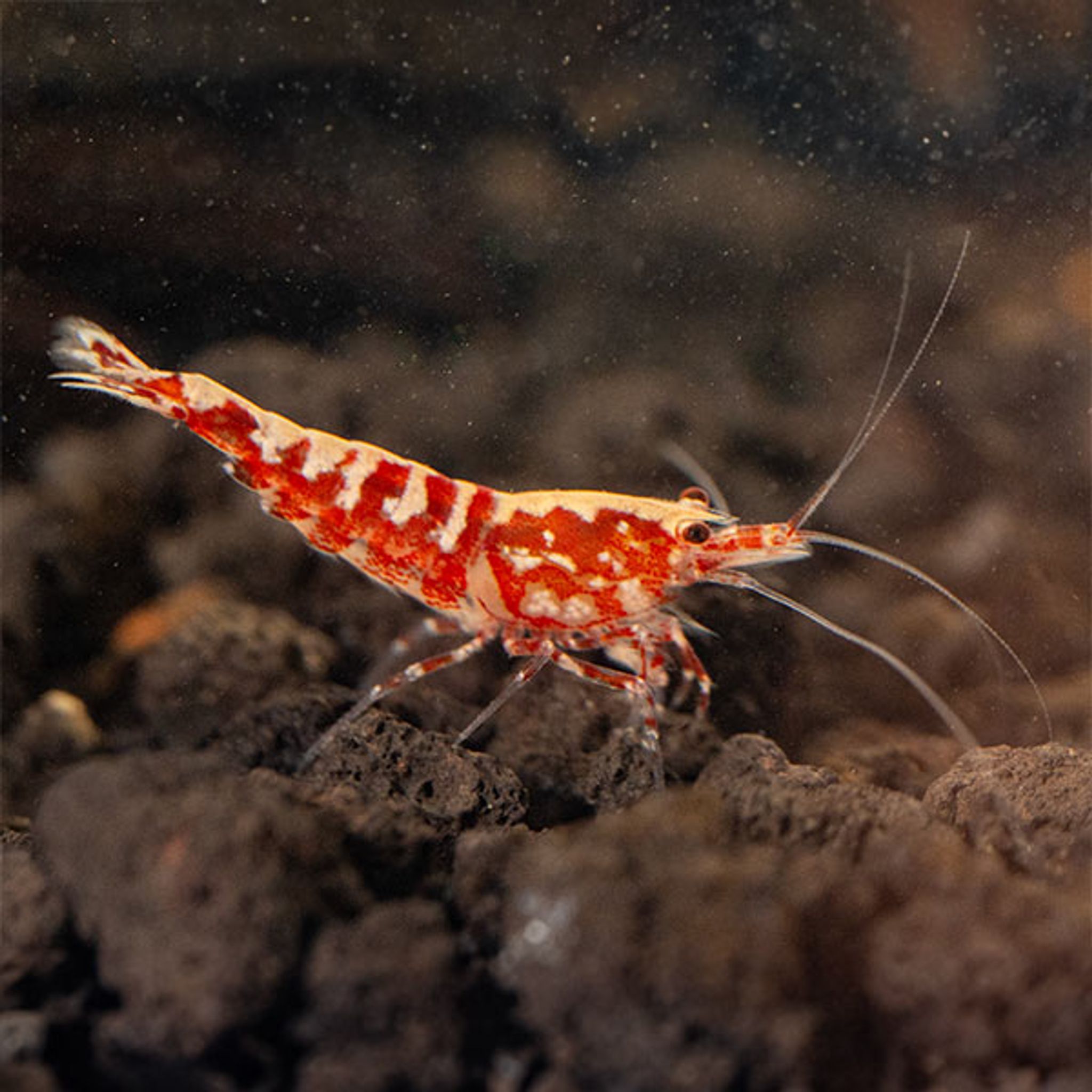
Fire Red Shrimp are selectively bred Neocaridina with stronger red coverage than many standard Cherry Shrimp.
Grade names can vary between breeders, so actual photos and seller descriptions are more useful than relying on the name alone.
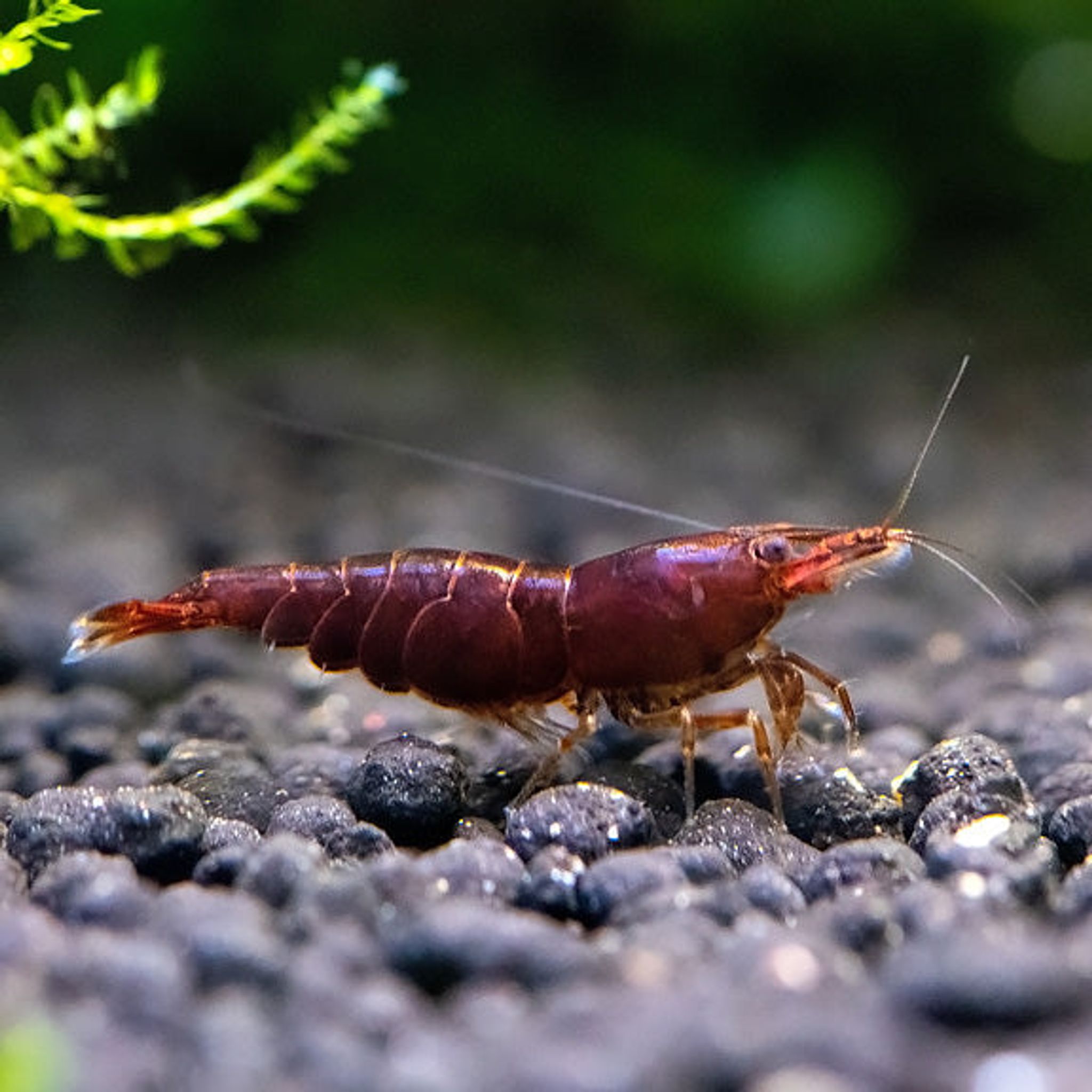
Bloody Mary Shrimp are known for deep red coloration that can appear different in tone and transparency from other red Neocaridina lines.
As with other color strains, appearance varies by breeder line and individual shrimp.
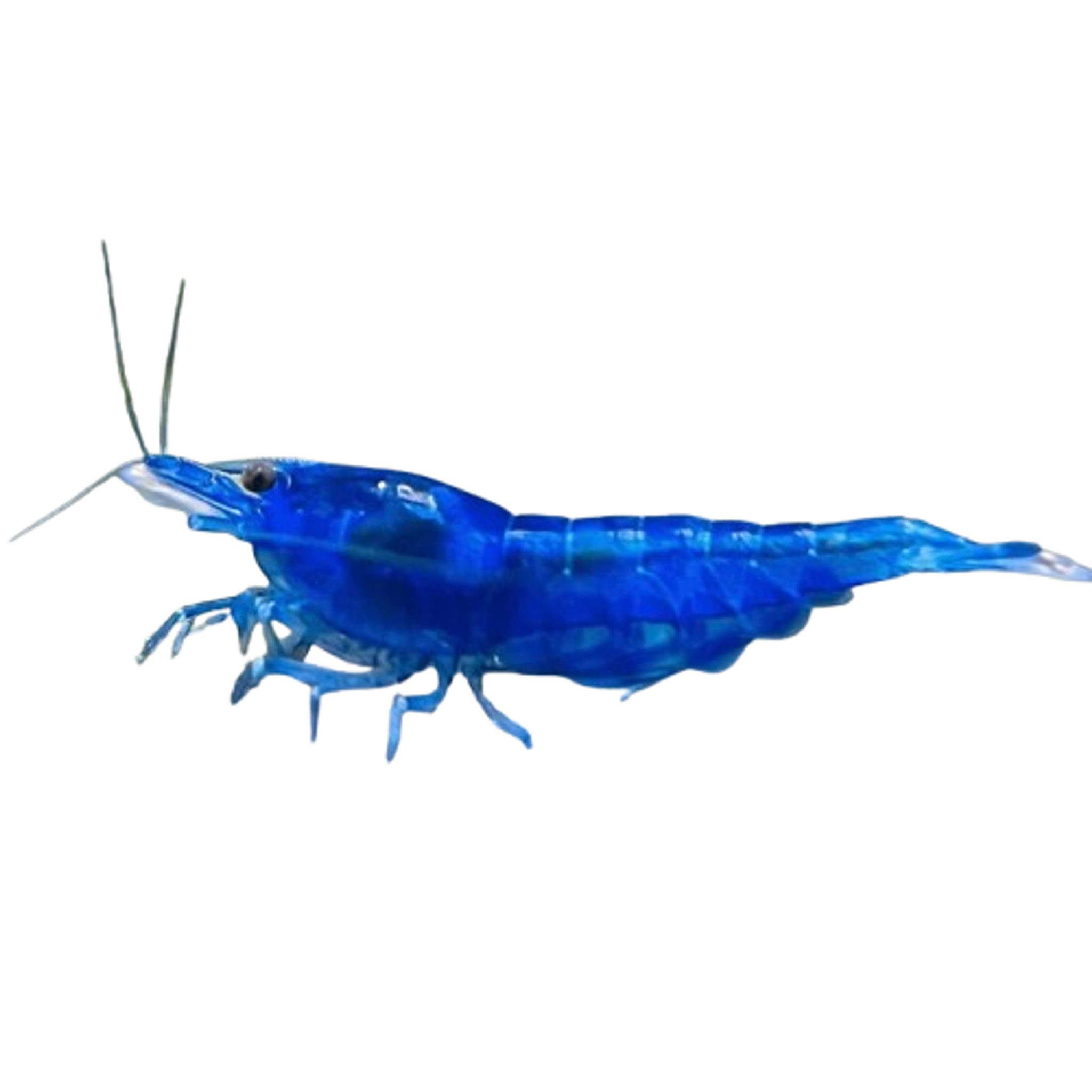
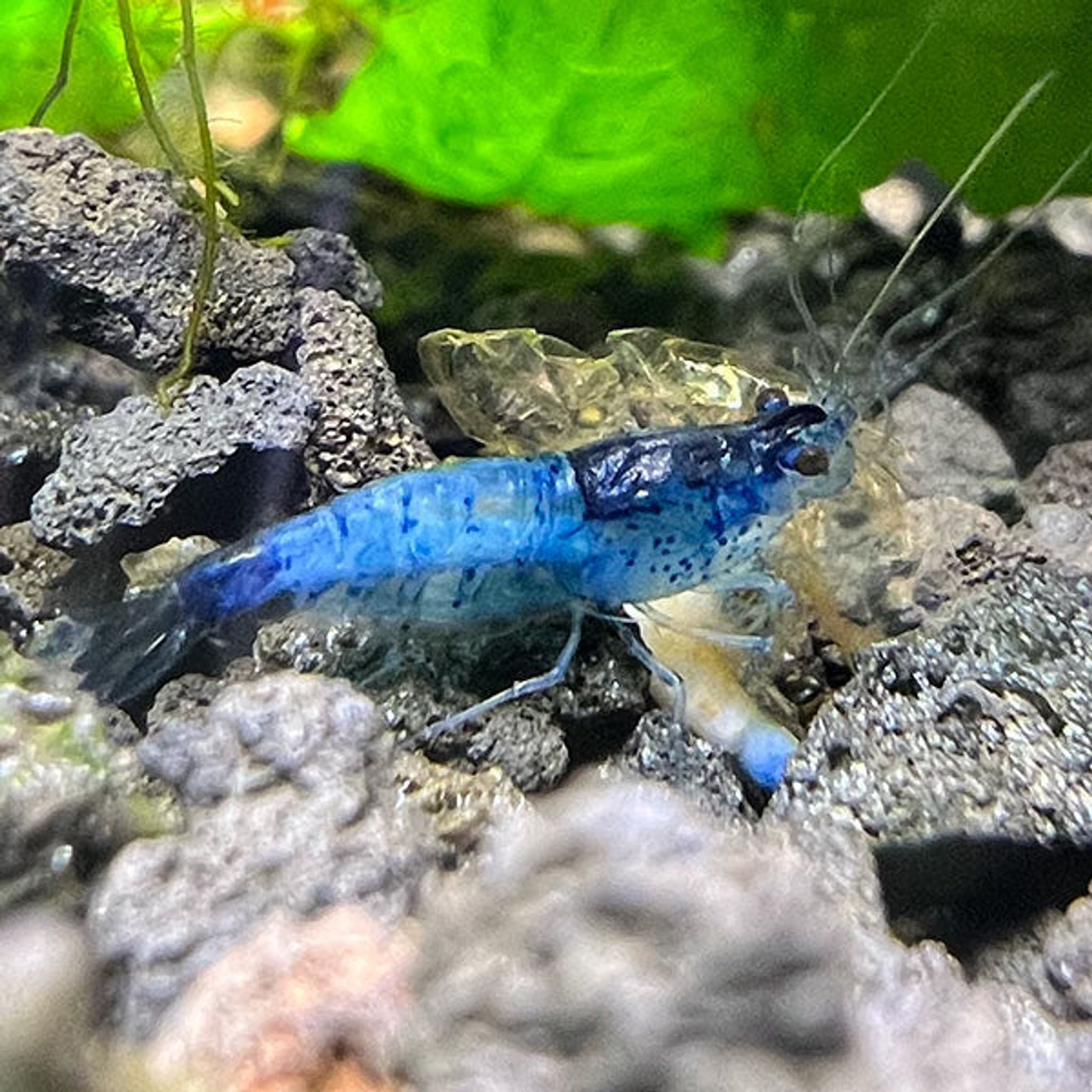
Blue Dream Shrimp are popular Neocaridina selected for rich blue coloration.
Some lines are nearly solid dark blue, while others are lighter or more translucent, so compare actual listing photos when buying online.
Blue Velvet is a trade name used for certain blue Neocaridina lines.
Naming conventions are not fully standardized across breeders, so Blue Velvet and Blue Dream listings should be compared by actual color, lineage and seller description.
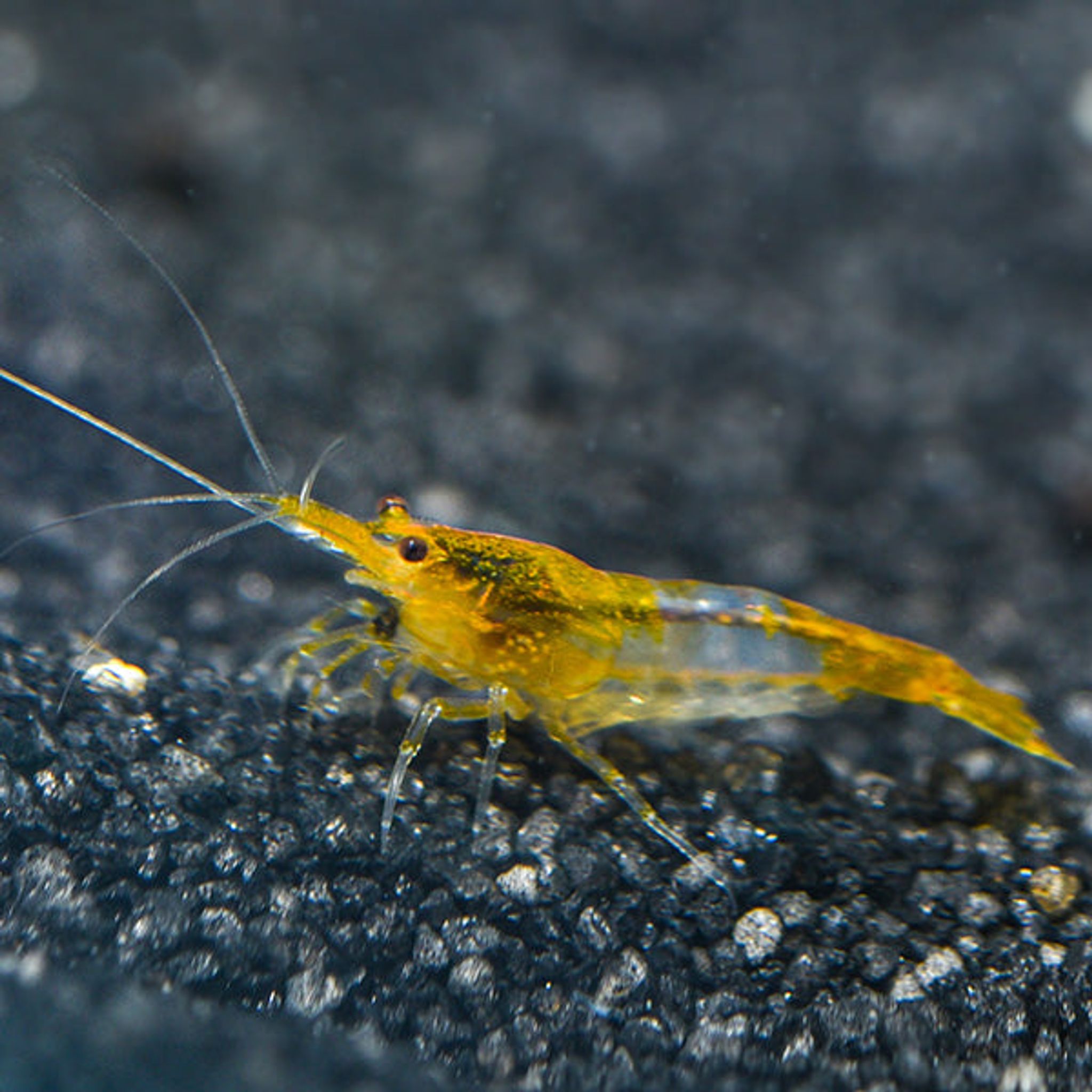
Yellow Neocaridina are selected for bright yellow to golden coloration.
Some lines may also show a lighter dorsal stripe as they mature.
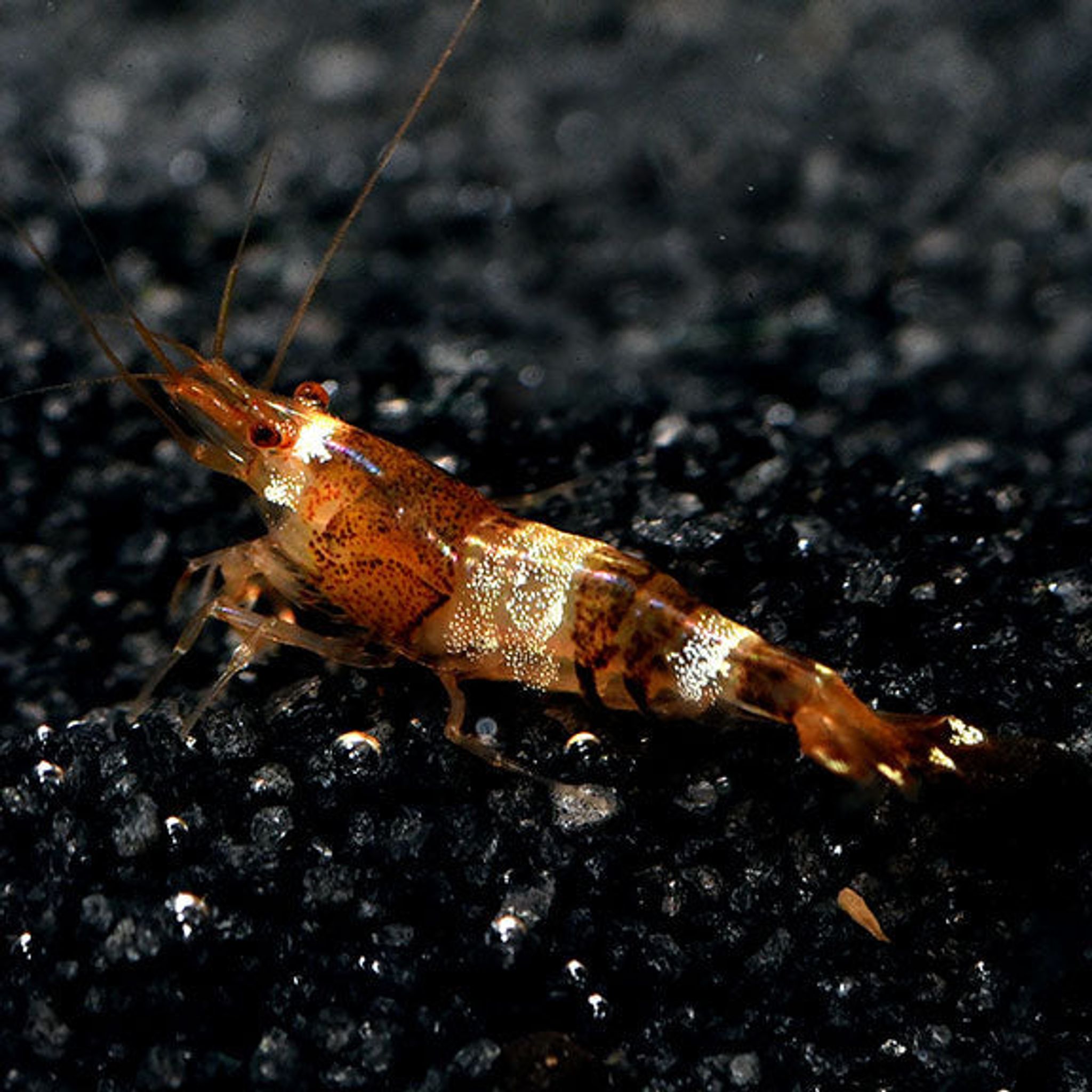
Orange Neocaridina range from pale orange to vivid tangerine-like coloration depending on the breeder line.
They can create strong contrast against green aquatic plants and dark substrate.
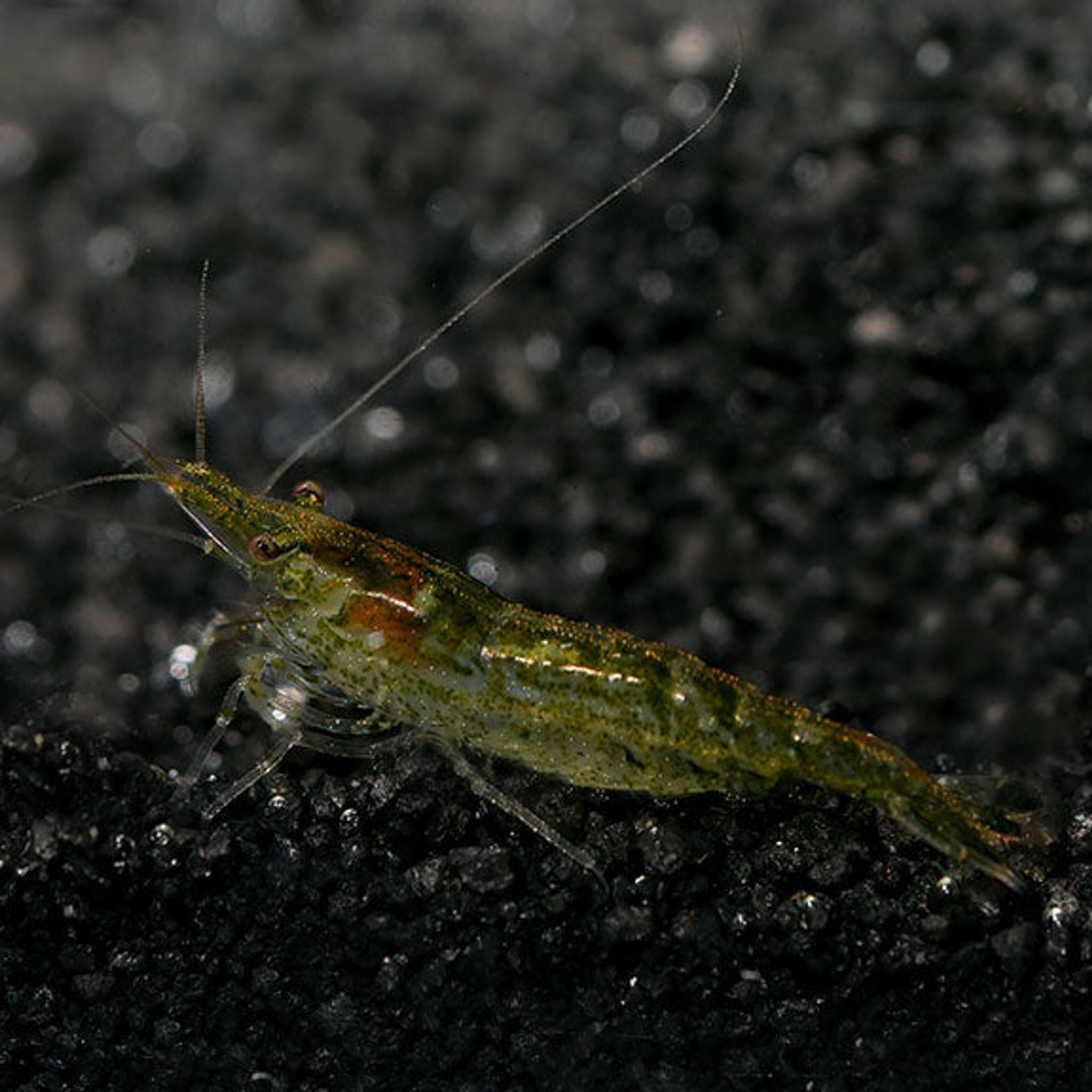
Green Jade Shrimp are Neocaridina selected for green coloration ranging from olive and jade tones to darker green.
Green intensity can vary considerably, so clear photos are especially useful when comparing listings.
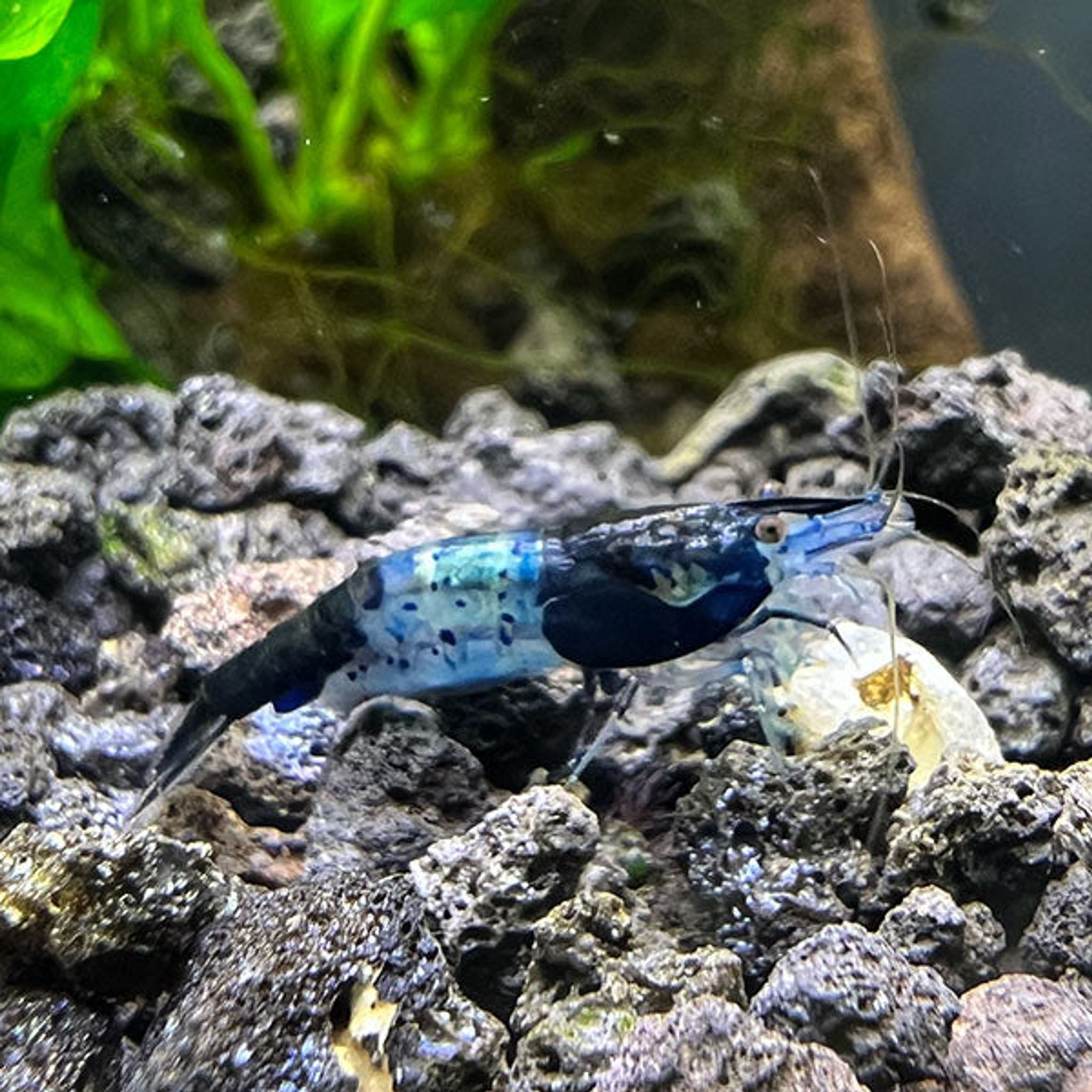
Black Rose Shrimp are dark Neocaridina selected for deep brown-black to nearly solid black coloration.
Their darker appearance can be especially striking against pale substrate and bright plants.
Rili Shrimp are Neocaridina selectively bred for areas of solid color separated by clear or translucent body sections.
Red Rili, Blue Rili and Orange Rili are common examples, though exact pattern coverage varies by individual shrimp and breeder line.
Neocaridina are small freshwater shrimp widely kept in planted, nano and shrimp-only aquariums.
Through selective breeding, hobbyists have developed a large range of red, blue, yellow, orange, green, black and patterned color lines.
Neocaridina remain small throughout adulthood, making them well suited to planted and nano aquariums.
Females are often larger and fuller-bodied than males once mature.
Mature female Neocaridina are often larger, deeper-bodied and more strongly colored than males.
Sexing juveniles can be difficult, so mixed groups are usually easier for hobbyists who want to establish a breeding colony.
Neocaridina are popular in planted aquariums because they graze biofilm and small food particles from leaves, wood, rock and other surfaces.
Mosses and dense plants also provide shelter for young shrimp and increase the number of surfaces available for grazing.
Their small size makes Neocaridina popular in nano aquariums.
Small tanks can change quickly, so stable water quality, careful feeding and controlled stocking remain important.
A mature aquarium with stable water, gentle filtration and plenty of grazing surfaces can provide a good environment for Neocaridina.
Plants, mosses, wood, leaf litter and rockwork can all increase cover and biofilm availability.
Sponge filters are popular in shrimp aquariums because they provide biological filtration while reducing the risk of tiny shrimplets being pulled into a powerful intake.
Other filters can also work when intakes are appropriately protected.
Neocaridina are often considered adaptable compared with more specialized ornamental shrimp, but they still benefit from stable water chemistry.
Temperature, hardness, pH and mineral content should be appropriate to the breeder line being purchased rather than adjusted constantly toward one universal target.
Rapid changes in water chemistry can stress shrimp and interfere with normal molting.
A stable, mature aquarium is generally a better starting point than a newly established tank with rapidly changing conditions.
Neocaridina periodically shed their exoskeleton as they grow.
Newly molted shrimp may hide until their new shell hardens, and suitable mineral balance supports normal molting.
Freshwater shrimp can be sensitive to harmful concentrations of copper.
Medications and treatments should be checked for shrimp safety before being added to a Neocaridina aquarium.
Neocaridina spend much of their time grazing biofilm, algae and tiny food particles from aquarium surfaces.
Supplemental shrimp foods can be offered when natural grazing is limited or when supporting a growing colony.
Neocaridina may graze some soft algae and biofilm.
They should not be expected to remove every type of algae or replace regular aquarium maintenance.
Feed enough to support the colony without leaving large amounts of uneaten food in the aquarium.
Overfeeding can reduce water quality, while very clean tanks may require supplemental food if natural biofilm is limited.
Neocaridina compatibility depends on the fish species and the size of the shrimp.
Many fish will eat shrimplets, and larger or predatory species may also consume adult shrimp.
Betta compatibility with Neocaridina depends heavily on the individual Betta.
Some ignore adult shrimp, while others actively hunt them, and shrimplets are especially vulnerable.
Adult Neocaridina may coexist with Guppies in planted tanks, but newborn shrimp are likely to be eaten if discovered.
Mosses and dense plants can increase hiding opportunities for young shrimp.
Some small peaceful Tetras can coexist with adult Neocaridina.
Shrimplets remain vulnerable to predation, so a fish-free shrimp tank is generally more effective when maximizing colony growth.
Small Rasboras may coexist with adult Neocaridina in planted community aquariums.
Even very small fish can eat newborn shrimp, so dense cover is useful when breeding is desired.
Many Corydoras can coexist with adult Neocaridina when water conditions are compatible.
Tiny shrimplets may still be eaten opportunistically, and both groups should receive suitable foods rather than relying on leftovers.
Neocaridina and many aquarium snails can coexist well in planted and shrimp-focused aquariums.
Both groups contribute to the aquarium bioload, so food and stocking should still be managed appropriately.
Neocaridina can reproduce readily when kept in stable water with suitable food and minimal predation.
Females carry developing eggs beneath the abdomen before releasing fully formed miniature shrimp.
Newborn Neocaridina are tiny versions of the adults and immediately begin grazing on biofilm and fine food particles.
Mature planted tanks with moss and biofilm provide more feeding surfaces and shelter for young shrimp.
Different Neocaridina color lines can generally share the same aquarium when their care requirements are compatible.
However, breeding different color lines together can produce offspring with less predictable coloration, so breeders often keep strains separate.
Many Neocaridina colors have been developed through generations of selective breeding.
Crossing unrelated color lines can produce mixed results over time, which is why dedicated breeding colonies are useful for maintaining consistent color.
Some sellers use grades to describe color coverage, intensity or pattern quality in Neocaridina shrimp.
Grading terminology is not fully standardized, so compare actual photos and breeder descriptions rather than assuming one seller's grade is identical to another's.
Neocaridina can be a good introduction to freshwater shrimp keeping when the aquarium is stable and mature.
Their relative adaptability does not mean they tolerate poor water quality or sudden changes, so basic aquarium stability remains essential.
When comparing Neocaridina shrimp for sale, look for:
Newly shipped Neocaridina can be sensitive to differences in water chemistry.
Prepare a stable aquarium before arrival and follow the seller's acclimation guidance for the exact shrimp being introduced.
Observation before introduction can help reduce the risk of adding unhealthy shrimp or unwanted hitchhikers to an established aquarium.
Monitor new shrimp for normal grazing, movement, molting and body condition before combining them with an established breeding colony.
Neocaridina prices vary according to color line, grade, breeder, current size, rarity, availability and seller.
Standard Cherry Shrimp and specialty Green Jade, Bloody Mary, Black Rose or high-grade blue lines can differ significantly in price, so compare exact shrimp and breeder information rather than price alone.
FishyHub brings Neocaridina listings from aquarium stores, breeders and specialist aquatic livestock sellers together in one marketplace.
When comparing Neocaridina shrimp online, consider:
Shipping availability depends on the seller, destination, shrimp variety, weather and livestock-shipping policy.
Review packaging, delivery timing and live-arrival terms before ordering, and make sure the aquarium is stable and prepared before the shrimp arrive.
Yes. Aquarium stores, breeders and specialist sellers offer many Neocaridina color varieties online across the U.S., depending on availability and seller shipping coverage.
Yes. Cherry Shrimp are one of the most familiar selectively bred Neocaridina color forms.
Yes. Blue Dream is a popular blue Neocaridina line selected for strong blue coloration.
Yes, but if different color lines breed together, future generations may produce less predictable coloration.
They graze some algae and biofilm, but they do not remove every algae type and should not replace regular aquarium maintenance.
Some adult shrimp can coexist with small peaceful fish, but shrimplets are vulnerable and larger fish may also eat adults.
They can be, provided the aquarium is stable, mature and appropriate for freshwater shrimp.
FishyHub helps U.S. hobbyists compare Neocaridina shrimp from aquarium stores, breeders and specialist aquatic livestock sellers in one marketplace.
Explore Neocaridina shrimp for sale on FishyHub and compare Cherry Shrimp, Blue Dream Shrimp, Yellow Shrimp, Orange Shrimp, Green Jade Shrimp, Rili Shrimp and other colorful freshwater varieties. Discover listings from aquarium stores and breeders across the United States, and compare color, grade, breeder, price and shipping options before choosing Neocaridina for your aquarium.
