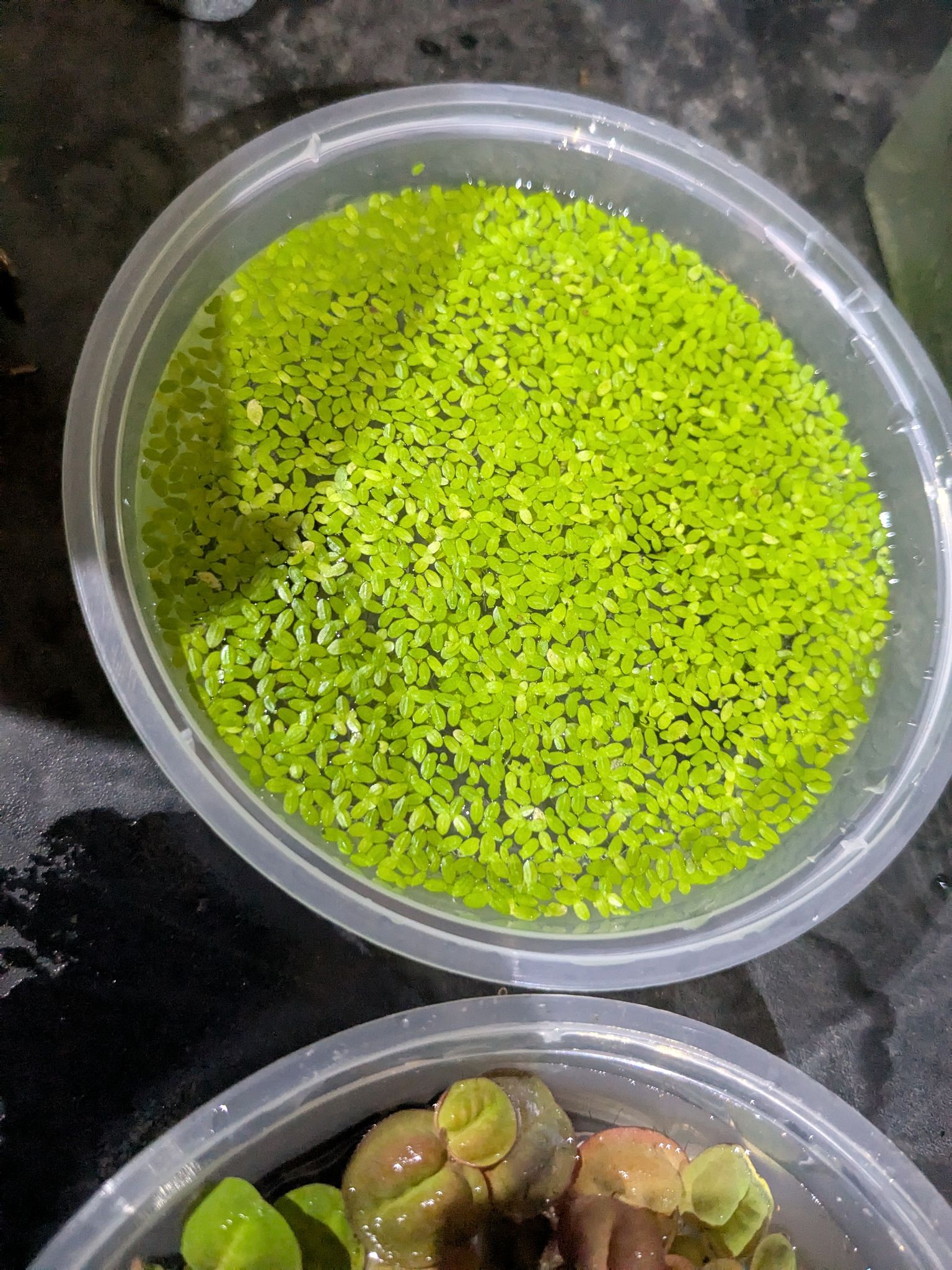

Why Is My Duckweed Melting or Turning Brown? Causes and Fixes
Duckweed (Lemna spp.) is one of the fastest-growing plants in the hobby, which is exactly why it's also one of the fastest to show trouble. When fronds go from bright green to yellow, brown, translucent, or mushy within days, the cause is almost always environmental rather than a "disease." This guide walks through the most common triggers and gives you a prioritized checklist to bring your floating mat back to health.
Why Duckweed Matters in a Tank
Duckweed earns its keep as a nutrient-export plant, a shade source, and cover for fry and shrimp. Its tiny fronds absorb nitrogen, potassium, and other nutrients directly from the water column at an unusually fast rate, and that same speed is a double-edged sword: a healthy mat can double in days, but a stressed one collapses just as quickly. Because it reacts so visibly and so fast, browning duckweed is often an early-warning sign of a bigger issue in the tank — an undetected ammonia source, a copper contaminant, or a chemistry swing — rather than a problem isolated to the plant itself.
Reading the Symptoms: Yellowing vs. Browning vs. Melting
Not all discoloration means the same thing. Matching the visual symptom to the likely cause speeds up diagnosis considerably.
| Symptom | Typical timeline | Most likely cause |
|---|---|---|
| Pale yellow, thinning fronds | Gradual, over 1–2 weeks | Nutrient deficiency (nitrogen, potassium, iron) or chronic low light |
| Bottom-layer fronds yellow while top stays green | Ongoing | Self-shading from an overly thick mat |
| Brownish, burnt-looking edges | Sudden, within days | Low pH / acidic water stress |
| Yellow-to-brown, uniform discoloration | Sudden or gradual | High pH / alkaline water stress |
| Brown patches after a specific event | 1–3 days after the trigger | Ammonia/nitrite spike, medication, or a parameter shock |
| Translucent leaves with browned roots | During or right after treatment | Certain medications, especially combined with raised temperature |
| Mushy, disintegrating fronds ("melt") | Rapid, 2–5 days | Major environmental change (new tank, big water change, transplant) |
| Bleached, whitish-green patches | Days, in bright window or outdoor light | Direct/harsh sunlight exposure |
As a general rule: chronic yellowing points toward light or nutrient deficiency, while sudden browning or melting points toward water-parameter instability, a toxin, or transition shock. Both explanations show up in hobbyist discussions, and treating them as two separate diagnostic paths — rather than one universal cause — is the fastest way to narrow things down.
The Leading Causes
Insufficient or Uneven Light
Duckweed wants medium-to-high, fairly direct light to photosynthesize efficiently. In a covered or shaded tank, or under a weak fixture, fronds thin out, pale, and eventually die off. As a practical target, aim for a roughly 6500K-range spectrum, unobstructed exposure directly beneath the fixture, and 8–10 hours of light per day. A dedicated LED lamp positioned so the duckweed isn't shaded by tank hoods, overhanging decor, or tall stem plants makes a measurable difference.
A thick duckweed mat can also shade itself: the top layer thrives while fronds packed underneath get starved of light and gas exchange. If your mat covers more than roughly half the surface, thin it out regularly.
Indoor tanks near windows deserve a mention too — as days shorten in fall and winter, ambient window light drops off, and a mat that looked fine in summer can start yellowing purely from reduced seasonal light. This is easy to miss because nothing else in the tank has changed.
Nutrient Deficiency
Because duckweed absorbs nutrients so aggressively, it can literally strip a tank clean and then starve — especially in low-nutrient or heavily planted setups, or shortly after a large water change dilutes dissolved nutrients. Nitrogen deficiency shows up first as yellowing, with potassium and iron deficiencies contributing to blotchy or brown discoloration.
That said, don't treat fertilizer as an automatic fix. Some hobbyists report duckweed continuing to whiten or die even while dosing normally, which usually means the real driver is light, flow, or a hidden toxin like copper rather than a nutrient gap. Use fertilizer as one lever among several, not the first and only response.
Unstable Water Chemistry
Ammonia or nitrite spikes — common in newly set up or overstocked tanks — stress and brown duckweed fronds quickly. This makes duckweed a useful early indicator: if it starts browning with no obvious light or flow change, testing your water is the first move, not the last.
pH extremes matter too. Very acidic water tends to produce brownish, burnt-looking edges, while very alkaline water more often causes a uniform yellow-to-brown fade. Stability matters as much as the absolute number — a pH that swings by a full point in a day is harder on duckweed than a pH that sits steadily at a slightly non-ideal level.
Temperature Swings
Duckweed tolerates a fairly wide comfortable range of roughly 60–90°F (15–32°C), but sudden swings — chilling, overheating, or a heater malfunction — can trigger browning or melting even within that range. Temperature shocks frequently arrive bundled with another change, such as a water change using water that's noticeably colder or warmer than the tank.
Medications
Certain treatments, particularly metronidazole-type medications, can brown duckweed roots and turn leaves translucent — and the effect is often worse at raised treatment temperatures. If symptoms started right after dosing anything, that's your prime suspect. When practical, consider temporarily relocating floaters to a separate container during a medication course rather than risking the whole culture. Browse water conditioners and additives if you need to stabilize parameters after a treatment course, and check medications for dosing details before combining a treatment with a heat bump.
Water Flow and Surface Agitation
Duckweed evolved for still or slow-moving water. Strong filter output, powerheads, or heavy surface ripple can flip fronds upside down, damage roots, and stunt growth. Reduce flow at the water's surface, redirect an outflow away from the floating mat, or use a floating-plant ring or baffle to give the culture a calmer zone.
There's a related, often-overlooked mechanical issue: duckweed pulls CO2 from the air, not from the water column. A surface skimmer or aggressive ripple that keeps submerging fronds can effectively suffocate them by cutting off that air contact — a physical cause that's easy to mistake for a chemistry problem.
Direct or Harsh Sunlight
Sources disagree here, and both are partly right. Indoor moderate-to-high LED light is generally fine and even beneficial. But unfiltered, unshaded outdoor or windowsill sun — especially through glass that traps heat — can overheat and bleach duckweed within days. If your setup gets strong direct sun, partial shade cloth or positioning restores green color in about a week.
Transition or "Melt" Shock
Melting after a transplant, a new tank, a new water source, a large water change, or a fertilizer dosing change is frequently a normal transition response rather than a fatal problem. The plant sheds older growth and then bounces back if the underlying conditions are otherwise sound. Don't panic and start stacking additional changes on top of the first one — that usually compounds the stress instead of resolving it.
UV Sterilizers and Duckweed
A UV sterilizer only affects free-floating microorganisms passing through its flow path — it has no direct effect on organisms or conditions on a plant's surface, so it won't cause or fix duckweed browning by itself. There is an indirect wrinkle worth knowing: a UV unit strips out a lot of free-floating algae and bacteria, which can shift nutrient competition in the water column. Running UV continuously in a heavily planted tank can also gradually degrade dosed liquid fertilizers and trace elements, which could contribute to nutrient-deficiency browning over time — an indirect link that's easy to overlook when troubleshooting.
Fix Checklist: What to Do, in Order
- Test ammonia, nitrite, and pH. Confirm ammonia and nitrite read 0 ppm and pH is stable day to day, not just at one reading.
- Review the recent timeline. Ask whether a medication, new filter, moved tank location, added CO2, or a big water change happened right before symptoms appeared — this is usually the fastest diagnostic shortcut.
- Make modest water changes, roughly 20–30% weekly, rather than one large "reset" change that risks shocking the plant further.
- Check and adjust light. Aim for 8–10 hours a day of unobstructed, moderate-to-high light; add shade if the tank gets direct outdoor sun.
- Reduce surface flow so fronds stay upright and in contact with air, not submerged or constantly flipping.
- Dose a balanced liquid fertilizer with nitrogen and potassium if parameters and light check out and yellowing persists — avoid copper-based products if shrimp or snails share the tank.
- Skim off dead or browning fronds promptly; decaying duckweed releases ammonia and consumes oxygen as it breaks down, so leaving it in the water compounds the original problem.
- Thin a thick mat so well under half the surface stays covered, preventing the bottom layer from self-shading.
- Be patient. Once the cause is corrected, healthy fronds typically show visible recovery within 1–2 weeks.
Common Mistakes to Avoid
- Assuming disease. Duckweed rarely gets "sick" in a pathogen sense — nearly every case traces back to light, flow, or water chemistry.
- Overdosing fertilizer as a first response without testing water first, which risks an algae bloom or an ammonia spike on top of the original issue.
- Doing one huge water change to "fix" things fast — this often shocks the plant further than the problem it was meant to solve.
- Letting a mat grow unchecked, causing the underlying layer to starve for light and gas exchange.
- Leaving dead fronds in the water, where they foul parameters and can trigger a cascade of further melting.
- Skipping the timeline review and treating symptoms without identifying what actually changed recently.
- Using copper-based fertilizers or algaecides in a tank with shrimp or snails — effective on plant color, but potentially devastating to invertebrates. Check any shrimp you're keeping against a product's copper content before dosing.
Frequently Asked Questions
Is melting duckweed contagious to my other plants?
No. Melting is a response to shared environmental conditions, not a spreading disease. That said, poor water quality from decaying duckweed can stress other plants and fish sharing the tank, so it's worth removing dead material promptly regardless.
Will my duckweed come back on its own?
Often, yes — if the underlying cause (light, flow, or water parameters) is corrected within a week or two and enough healthy fronds remain to regrow. A near-total wipeout is harder to recover from than a partial one, since duckweed regrows from surviving fronds.
Should I remove all the brown duckweed?
Yes. Skim out dead or browning fronds as soon as you notice them, since decaying material pollutes the water and shades the healthy fronds still trying to recover.
Can too much duckweed cause it to die on its own?
Yes. A dense mat blocks light and air contact for the fronds trapped underneath, so thinning the cover regularly — keeping well under half the surface covered — prevents this kind of self-inflicted die-off.
Does duckweed need fertilizer?
Not strictly to survive, but supplemental nitrogen and potassium speed recovery and growth, particularly in low-nutrient or heavily planted tanks. Avoid copper-based products if shrimp are present.
Can medications hurt my duckweed?
Yes. Certain treatments dosed alongside raised temperature can brown roots and make leaves translucent. If you're running a medication course, consider temporarily relocating floaters to a separate container.
Is duckweed melting linked to an uncycled tank?
Yes. Ammonia and nitrite spikes in a new, not-yet-cycled tank are one of the most common early causes of duckweed browning, making it a useful early-warning sign to test water rather than assume a plant-specific problem.
Can a water change fix browning duckweed?
A moderate partial change can help if ammonia, nitrite, or pH are off. But changing too much water at once creates its own parameter swing, which can cause more melting rather than less — stick to smaller, more frequent changes.
Once your water parameters, light, and flow are dialed in, a healthy duckweed culture is low-maintenance and genuinely useful for nutrient export and fry cover. If you're setting up or refreshing your lighting to get that steady 8–10 hour photoperiod right, browse FishyHub's lighting selection to find a fixture suited to your tank size.


