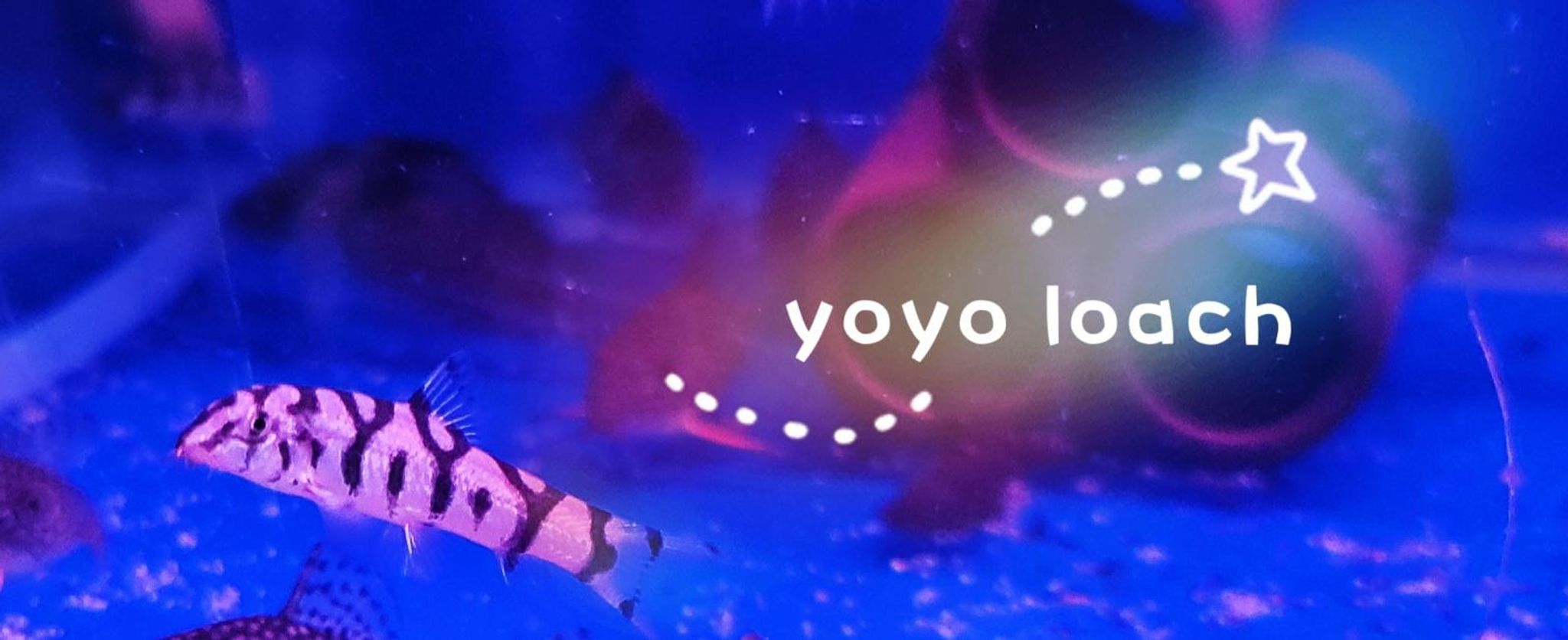

What Do Yoyo Loach Eat? A Practical Feeding Guide
Yoyo loaches are opportunistic omnivores that will eat almost any sinking food you offer them, so the real challenge isn't getting them to eat — it's feeding the right mix, in the right amount, at the right time. This guide covers a daily staple diet, a realistic weekly rotation, portion rules, and the most common feeding mistakes that lead to bloated or underfed fish.
Yoyo Loach Basics That Affect Feeding
The yoyo loach (Botia almorhae, sometimes called the Pakistani loach) comes from fast-flowing rivers in Pakistan and northern India, where it forages constantly along the riverbed for insects, worms, and plant debris. That foraging instinct carries straight into the aquarium.
A few facts that directly shape how you should feed them:
- Adult size: roughly 4–6 inches (10–15 cm)
- Lifespan: 8–10+ years with consistent care
- Social needs: best kept in groups of 4–6 or more
- Feeding style: bottom-oriented, opportunistic, and assertive at mealtime
Because they're a long-lived, active group fish, feeding isn't a one-time decision — it's a routine you'll be running for close to a decade, so it's worth getting the basics right early.
The Core Diet: What to Feed Daily
Yoyo loaches rarely feed at the surface, so sinking food is essential. A floating flake gets snapped up by faster mid-water fish long before it reaches the substrate.
Build the daily staple around:
- Sinking pellets or wafers — algae/spirulina wafers and general bottom-feeder pellets are the backbone of the diet
- Occasional biofilm and algae grazing — loaches will pick at natural biofilm on decor and substrate between meals
This staple should make up the majority of what they eat week to week, with everything else layered in as supplements rather than replacements.
Supplementing With Frozen and Live Foods
Two to three times a week, add frozen or live protein to round out the diet:
- Bloodworms
- Brine shrimp
- Daphnia
- Mosquito larvae
- Tubifex
- Bristle worms
- Earthworms — chop for smaller fish, offer whole to larger adults
These foods boost protein intake and tend to trigger more active, natural feeding behavior, especially if loaches have gone shy in a new tank.
Vegetables and Occasional Treats
Yoyo loaches are true omnivores, and skipping plant matter leaves a gap in their diet. Offer these occasionally:
- Blanched zucchini
- Blanched cucumber
- Blanched spinach
- Shelled peas
For treats, small chunks of shrimp, beef heart, or freeze-dried krill work well — but keep these as occasional extras, not staples, since they're richer and less balanced than a proper pellet or wafer diet. A freeze-dried food option is a convenient way to rotate in this kind of treat without keeping frozen stock on hand.
A Simple Way to Think About Balance
Rather than tracking exact nutritional ratios, hobbyists can use a rough mental split:
| Food type | Share of diet | Frequency |
|---|---|---|
| Sinking pellets/wafers | Majority (staple) | Daily |
| Frozen/live protein | Regular supplement | 2–3x per week |
| Vegetables | Occasional | 1–2x per week |
| Protein treats (shrimp, beef heart, krill) | Rare | A few times per month |
This keeps the diet varied without overcomplicating feeding day to day.
Do Yoyo Loaches Eat Snails?
Yes — and they're good at it. Yoyo loaches have strong pharyngeal (throat) teeth that crush shells, and you'll often hear an audible clicking or crunching sound as they work through a snail. This makes them a popular choice for pest snail control in freshwater tanks.
That said, snails should be treated as a bonus, not a dietary plan. A tank's pest snail population is finite — once it's cleared out, that food source disappears. Loaches that have come to rely on snails as their main food can end up malnourished when the population crashes. Keep offering pellets, frozen foods, and vegetables on a regular schedule even while snails are being actively hunted down.
How Often and How Much to Feed
Feeding frequency is one of the more debated points in loach care. Some sources say once daily is fine for healthy adults; others recommend two to three smaller meals to mimic natural grazing. In practice:
- Default: feed 1–2 times daily for a typical mixed community tank
- Increase frequency for juveniles, thin or recovering fish, or larger groups where competition for food is high
For portions, use a specific, testable rule rather than a vague "a little food": offer only what the group can finish within 1–2 minutes, and remove any excess. Yoyo loaches eat readily and are prone to overeating, so this window matters more for them than for many other community fish.
Best Time to Feed
Yoyo loaches lean toward dusk and nighttime activity. Feeding during bright daytime lighting often means faster, more surface-oriented tankmates grab the food before it even reaches the bottom. Try:
- Feeding as tank lights are dimming, or shortly after they go off
- Watching for loaches to emerge from hiding once the room is dimmer
This single change — shifting feeding time later in the day — solves a surprising number of "my loach never seems to eat" complaints.
Feeding a Group, Not Just "a Loach"
Since yoyo loaches do best in groups of 4–6 or more, feeding decisions need to account for the whole group, not a single fish. More mouths means:
- More total food per feeding session
- More waste and bioload, which affects filtration needs
- More potential for food fights, where bolder individuals monopolize a single portion
Scale portions to the group size, and watch during feeding to confirm every fish is getting access — not just the two or three boldest ones.
Tank Mates and Feeding Competition
Yoyo loaches are assertive, competitive eaters. In a mixed bottom-dweller setup, they can easily outcompete shyer species for food, including some corydoras and smaller, more timid loaches.
Practical fixes:
- Spot-feed timid tankmates in a separate area of the tank, away from where loaches congregate
- Feed mid- and top-water fish their own food near the surface so they're not competing for sinking food at all
- Watch first few feedings with any new tank mate combination to see who actually gets fed
If you're stocking a bottom-dweller community and want to browse compatible species, FishyHub's loach category is a useful starting point for comparing options.
Feeding in Planted or Shrimp Tanks
Loaches and delicate tank setups need a slightly different approach:
- Planted tanks: target-feed near open substrate areas rather than scattering food throughout, so loaches don't uproot or disturb plants while foraging
- Shrimp tanks: yoyo loaches can and will prey on small or molting dwarf shrimp. Well-fed adults with plenty of shrimp hiding spots (dense plants, caves, leaf litter) reduce the risk but don't eliminate it — this is a real compatibility consideration, not just a theoretical one
Feeding Juveniles
Young yoyo loaches grow faster and need more frequent, protein-rich meals than adults. For juveniles:
- Feed smaller portions more often — 2–3 times daily
- Offer baby brine shrimp and crushed (not whole) pellets sized for their mouths
- Increase frozen food frequency slightly compared to the adult schedule above
As they mature and reach a few inches in length, you can gradually shift them onto the standard adult schedule.
Feeding During Recovery or Illness
Sick or stressed loaches often need a gentler feeding approach. When a fish looks off:
- Reduce portion size and offer softer foods (thawed frozen foods over dry pellets)
- Feed less frequently until appetite and behavior normalize
- Avoid rich treats like beef heart or krill until the fish is clearly recovered
The same applies to newly quarantined or wild-caught imports that refuse food at first — this is common and not usually a sign of a serious problem. Tempt appetite with live or frozen foods, keep lighting dim, and minimize disturbance around the tank until feeding resumes.
A Simple Weekly Feeding Rotation
Here's a template that covers staples, protein, vegetables, and a fasting day in one week:
| Day | Feeding |
|---|---|
| Monday | Sinking pellets/wafers |
| Tuesday | Bloodworms or brine shrimp |
| Wednesday | Sinking pellets/wafers |
| Thursday | Blanched zucchini or peas |
| Friday | Daphnia or mosquito larvae |
| Saturday | Sinking pellets/wafers + small treat (freeze-dried krill) |
| Sunday | Fasting day (no feeding, or a small vegetable only) |
Adjust frequency within each day based on your group size and the 1–2 minute consumption rule.
Common Feeding Mistakes to Avoid
- Overfeeding: leads to bloating, lethargy, or a visibly rounded belly. Cut portions and add one fasting day per week if you notice this.
- Food not reaching the bottom: floating flakes get intercepted by surface fish. Switch to sinking pellets or wafers, or pre-soak food briefly so it sinks faster.
- Relying on snails as a full diet: works only while the pest population lasts. Keep a varied staple diet running regardless of snail availability.
- Feeding only in bright light: loaches may not come out to eat. Shift feeding to dusk or after lights-out.
- Ignoring group size: portions sized for a single fish shortchange a group of 4+. Scale up and watch for even access.
- Letting uneaten food sit: leftover sinking food fouls the substrate and degrades water quality. Siphon it out during routine water changes.
Frequently Asked Questions
What is the best staple food for yoyo loaches?
Sinking pellets or wafers, particularly algae or spirulina-based ones, make the best daily staple. They reach the bottom reliably and provide a consistent nutritional base that frozen and live foods can supplement.
How often should I feed yoyo loaches?
Once or twice daily works for most adult loaches in a community tank. Offer only enough food for the group to finish within 1–2 minutes, and increase frequency slightly for juveniles or larger groups.
Do yoyo loaches eat snails?
Yes. They're effective snail predators, using strong pharyngeal teeth to crush shells — often with an audible clicking sound. Snails shouldn't be their only food source, though, since the supply is finite and not nutritionally complete on its own.
Can yoyo loaches eat vegetables?
Yes. Blanched zucchini, cucumber, spinach, and shelled peas are good occasional additions that round out their omnivorous diet.
Why is my yoyo loach not eating?
Check water temperature and parameters first, then consider recent stress or new-tank acclimation. Also try feeding later in the day, since loaches are more active at dusk, and watch whether faster tankmates are grabbing the food before it reaches the bottom.
Can yoyo loaches be overfed?
Yes. They eat readily and can overeat, which leads to bloating and lethargy. Strict portion control using the 1–2 minute rule, plus an occasional fasting day, keeps this in check.
What live or frozen foods do yoyo loaches like best?
Bloodworms, brine shrimp, daphnia, mosquito larvae, and earthworms are all well accepted. Offer these as supplements 2–3 times a week alongside the daily pellet or wafer staple.
Will yoyo loaches eat shrimp in the tank?
They can, particularly small or molting dwarf shrimp. Well-fed adults with plenty of hiding spots for shrimp reduce the risk but don't eliminate it, so caution is warranted when mixing the two in the same tank.
Ready to add yoyo loaches to your setup or round out a bottom-dweller community? Browse available stock in FishyHub's loach category and pair them with the right sinking foods from Food & Supplements.


