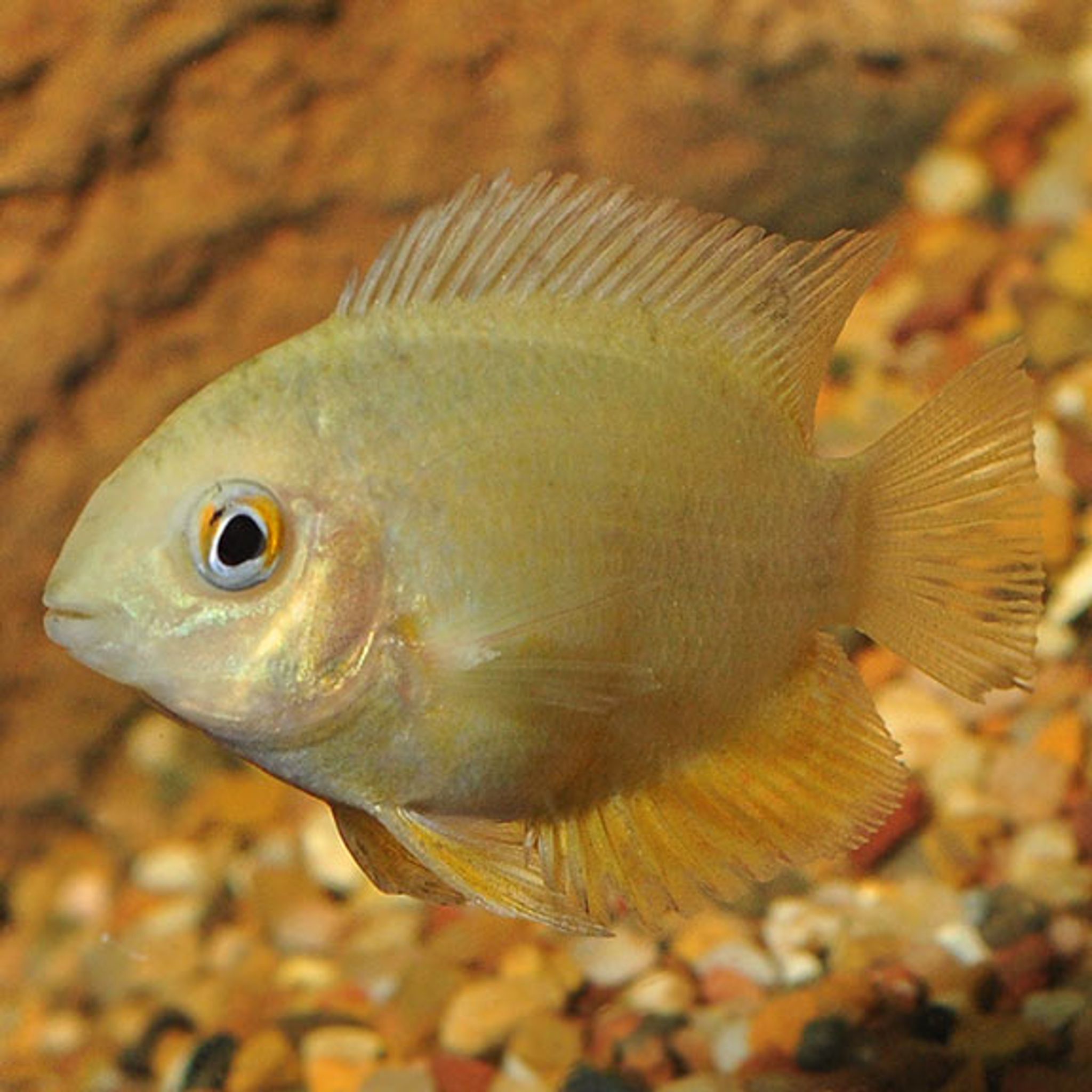

What Do Severum Eat? A Practical Feeding Guide
Severums are omnivores with a strong appetite for plant matter, and getting that balance right is the difference between a healthy, colorful fish and one that shreds your plants or bloats from a rich diet. This guide breaks down exactly what to feed, how much, how often, and what to avoid, at every life stage.
What severums eat in the wild
In their native South American waterways, severums spend much of their time grazing on algae, soft plant material, detritus, fallen fruit, and seeds. They round this out with insects, larvae, and small invertebrates picked off rocks, wood, and leaf litter.
This matters for how you feed them at home: severums are omnivores with a pronounced plant-eating bias. Some older care sheets call them carnivorous, but that's a minority view — the consensus, and the safer one to plan around, is "vegetable-forward omnivore." Treat vegetables as a foundation food, not a garnish, and your severum will be healthier and far less interested in your live plants.
The daily foundation: pellets and vegetables
A quality cichlid pellet as the staple
Feed a high-quality cichlid-formulated pellet, ideally one built around spirulina or other algae, as the daily base. Pellets are generally a better fit than flakes once a severum is past the fry stage — their larger adult mouths handle pellets more efficiently, and pellets hold together better in a busy, messy tank.
Match pellet size to fish size:
- Under about 3 inches: crushed or small-diameter pellets
- 3–4 inches: junior/medium cichlid pellets
- Over 4 inches (adults reach roughly 6–8 inches): standard-size cichlid pellets
Sinking pellets and wafers are worth prioritizing over floating flakes, since severums often forage mid-water or near the bottom rather than at the surface. Food that floats untouched just fouls the water.
Vegetables should be a real habit, not a treat
This is where many feeding routines fall short. Vegetable matter needs to show up several times a week, in real quantity — not as an occasional afterthought. Good options include:
- Blanched zucchini and cucumber
- Blanched spinach and lettuce
- Shelled peas (blanched)
- Dandelion greens
- Nori or other seaweed sheets
- Spirulina wafers
Blanching (a brief dip in boiling water) softens produce so it sinks and is easy to tear apart. Clip leafy greens or seaweed sheets to a veggie clip or a weighted holder so they stay put instead of drifting into the filter intake.
Protein add-ins: rotate, don't rely on
Protein foods are a supplement to the vegetable-and-pellet base, not the main event. Offer these 2–3 times a week:
- Bloodworms
- Brine shrimp
- Mysis shrimp
- Daphnia
- Earthworms
- Mosquito larvae
Frozen or freeze-dried is the better default over live food, since live foods carry a higher risk of introducing parasites. Live food is fine occasionally if it comes from a trusted, quarantined source, but it shouldn't be the routine choice.
Avoid beef heart and liver entirely. Both are far too rich and fatty for a severum's digestive system, and repeated feeding of these foods is linked to bloating and to fouled, poor-quality water from the fat residue they leave behind.
A simple weekly rotation
One thing most feeding advice skips is a concrete ratio. As a practical target, aim for roughly 60–70% plant-based feedings and 30–40% protein-based feedings across the week. Here's what that looks like in practice for an adult severum:
| Day | Morning feeding | Evening feeding |
|---|---|---|
| Monday | Cichlid pellet | Blanched zucchini or spinach |
| Tuesday | Cichlid pellet | Frozen bloodworms or brine shrimp |
| Wednesday | Cichlid pellet | Spirulina wafer |
| Thursday | Cichlid pellet | Blanched peas or cucumber |
| Friday | Cichlid pellet | Frozen mysis or daphnia |
| Saturday | Cichlid pellet | Nori sheet |
| Sunday | Fasting day — no food | Fasting day — no food |
Adjust portions and swap items freely, but keep that overall plant-to-protein balance and keep the weekly fast day in place.
Feeding schedule by life stage
Fry
Newly free-swimming fry can't handle adult food yet. Start with infusoria and newly hatched baby brine shrimp, offered in multiple small feedings throughout the day. As they grow, step up to crushed flake or pellet dust, then move to larger crushed pieces.
Juveniles
Juvenile severums do well on 2–3 feedings a day of smaller, crushed pellets alongside finely chopped vegetables. More frequent, smaller meals support the faster growth rate at this stage without overwhelming a still-developing digestive system.
Adults
Adult severums are typically fed twice a day, with portions sized to what the fish clears in about 2–5 minutes. Beyond that window, you're just adding waste to the tank. Include one fasting day per week — skipping food entirely for a day supports digestion and helps prevent obesity and bloat in a fish known for eating aggressively whenever food appears.
If you're conditioning a breeding pair for spawning, a few weeks of slightly higher-protein, more frequent feeding beforehand can help — but that's a temporary adjustment, not the everyday routine.
Severums and live plants
Severums are notorious for uprooting or shredding soft-leaved aquarium plants, and the root cause is almost always insufficient dietary greens. A fish that isn't getting enough plant matter from its food will simply go get it from your plants.
If you want a planted severum tank, lean on tougher species that are more likely to survive the grazing:
- Anubias
- Java fern
- Bolbitis
- Mature, well-established sword plants
Even with tough plants, keeping vegetables in the regular rotation is the real fix — it's far more effective than plant choice alone.
Color development and diet
Diet also plays into coloration. Foods rich in spirulina and other carotenoid sources can help enhance the reds and golds in varieties like red-spotted or gold severums over time. It's not an overnight change, but a consistently varied diet with algae-based pellets and vegetables supports better color than a protein-heavy one.
Introducing new or fussy severums to prepared food
Recently shipped or wild-caught severums sometimes refuse pellets at first. A practical fix is a soak-and-tempt approach: mix a small amount of thawed frozen bloodworms in with pellets so the scent draws the fish in, then gradually reduce the bloodworm ratio over a week or two as the fish accepts the pellets on their own.
Portion sizing and overfeeding signals
Watch for these warning signs that you're feeding too much or too rich a diet:
- Bloated, rounded bellies that don't return to normal shape
- Leftover food sitting on the substrate after 5 minutes
- Cloudy water or a sudden ammonia/nitrite spike
- A fish that still "begs" right after a normal-sized meal (severums are big eaters and will act hungry regardless)
If you see these signs, cut portions back, shift the balance further toward vegetables, and make sure the weekly fast day is actually happening.
Common feeding mistakes to avoid
- Overfeeding rich protein (or feeding beef heart/liver at all) — leads to bloating and water quality crashes. Anchor the diet in pellets and vegetables instead.
- Skipping vegetables — the fish compensates by grazing on tank plants and can develop digestive problems.
- Feeding to the fish's begging behavior rather than a set portion — severums will always act hungry; stick to the 2–5 minute rule.
- Not scaling pellet size up as the fish grows — small pellets meant for a 2-inch juvenile won't adequately feed a 7-inch adult.
- Ignoring diet-linked disease risk — a poor, unbalanced diet low in vitamin C, calcium, and phosphorus is associated with Head and Lateral Line Erosion (HLLE) in cichlids. A varied diet with regular vegetables and quality pellets, paired with good water quality, helps prevent it.
- Only offering floating flakes to a fish that forages lower in the tank — mix in sinking pellets and wafers so food is actually eaten.
Water quality and feeding go together
Severums are large, messy eaters, and uneaten food fouls water fast. Keep these parameters in mind alongside your feeding routine:
- Temperature: roughly 75–84°F (24–29°C)
- pH: 6.0–7.5
- Hardness: moderately soft to medium
Strong filtration and consistent water changes matter more with a big, heavy-feeding cichlid than with smaller community fish, so budget for that when planning the tank. You can browse cichlid-formulated foods and freeze-dried protein options to build out a rotation that fits this routine.
Frequently Asked Questions
Do severums need vegetables, or is pellet food enough?
Vegetables should be a real, regular part of the diet, offered several times a week. Pellets alone often don't provide enough plant matter, and a severum that isn't getting enough greens from food will often turn to grazing on tank plants instead.
How often should I feed my severum?
Twice daily is standard for adults, plus one fasting day per week to support digestion. Juveniles and fry benefit from more frequent, smaller feedings since they're growing faster and have smaller stomachs.
Can severums eat human food like lettuce or peas from the kitchen?
Yes, as long as it's blanched (briefly softened in hot water), plain and unseasoned, and cut into small pieces. Spinach, zucchini, cucumber, and shelled peas are all common, inexpensive choices.
Will severums eat my live plants?
Often, yes, especially if they aren't getting enough vegetables in their regular diet. Soft-leaved plants are most at risk, while tougher plants like anubias, java fern, and bolbitis are more likely to survive.
What should I feed severum fry?
Start with infusoria and newly hatched baby brine shrimp for the first feedings. As the fry grow large enough, move them to crushed flake or pellet dust, then eventually whole small pellets.
Is feeding bloodworms bad for severums?
Not in moderation. Bloodworms make a fine protein supplement 2–3 times a week, but shouldn't be a daily staple. Frozen or freeze-dried bloodworms are preferable to live ones, which carry a higher parasite risk.
Why is my severum's belly bloated, and how do I fix it?
Bloating is usually the result of overfeeding or a diet too heavy in rich protein, such as beef heart. Cut portion sizes, shift the balance toward fiber-rich vegetables, and make sure a weekly fasting day is part of the routine.
Do severums eat other fish or fry in a community tank?
They can be opportunistic and may pick off very small fish or fry if given the chance. It's best to avoid housing severums with nano fish or other tiny tankmates that could be seen as a snack.
Ready to set up or restock a severum tank? You can browse American cichlids and cichlid-suited food and supplements on FishyHub to put this feeding plan into practice.


