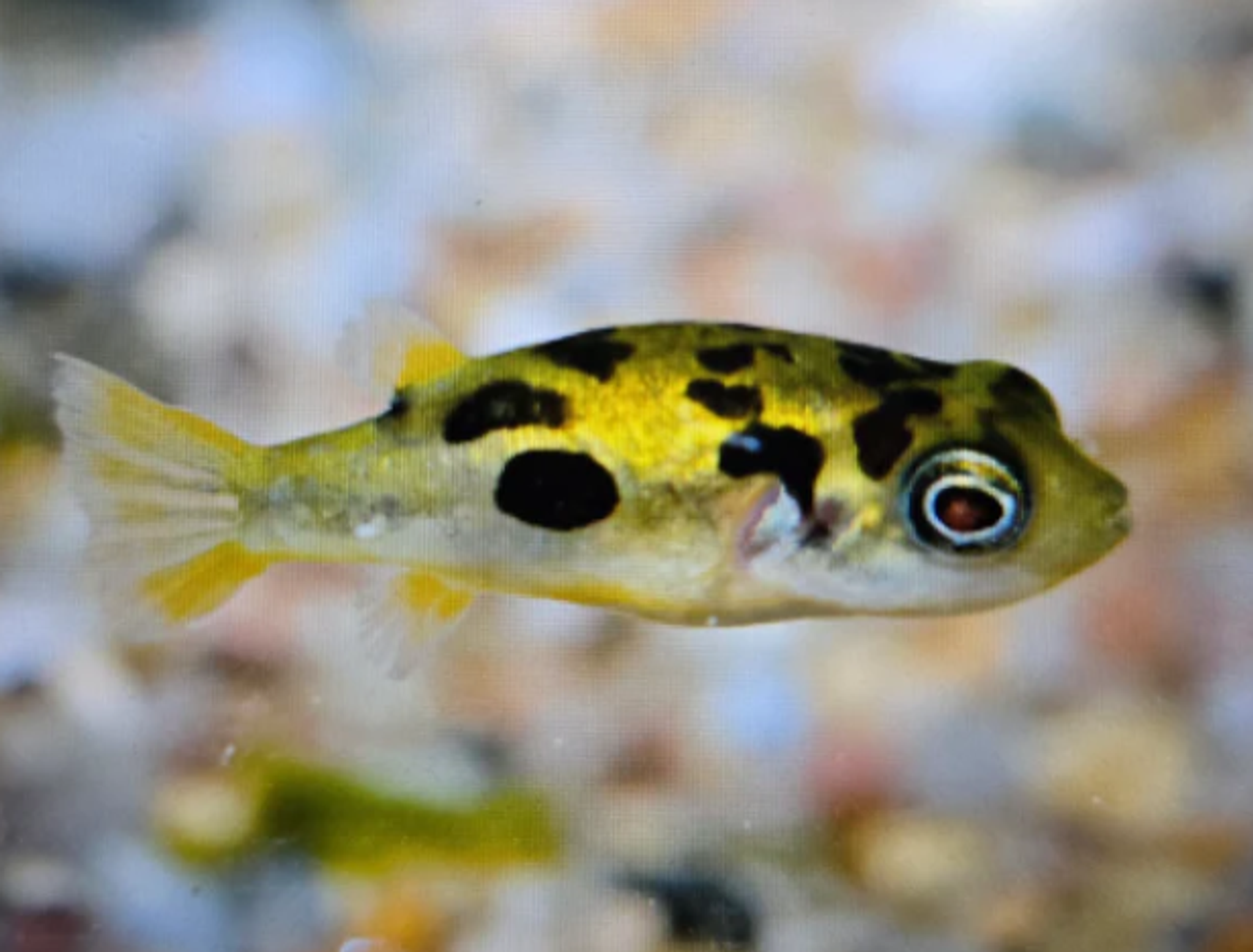
What Do Pea Puffer Eat? A Practical Feeding Guide
Pea puffers (Carinotetraodon travancoricus) are strict carnivores that will largely ignore flakes and standard pellets, which is why so many new keepers watch their fish starve slowly while food sits untouched. This guide covers exactly what to feed, how much, how often, and how to keep a steady supply of the hard-shelled foods this species needs to stay healthy.
Why Pea Puffers Are Different From Community Fish
In the wild, pea puffers hunt small aquatic snails, insect larvae, tiny crustaceans, and other invertebrates. They are not omnivores that can adapt to a plant-based or grain-based diet the way many community fish can. Their mouths and feeding behavior are built around cracking, chasing, and tearing live or meaty prey, not grazing on flake dust.
This matters for two reasons. First, a puffer offered only flakes will typically refuse to eat and slowly decline. Second, pea puffers have continuously growing beak-like teeth that require regular hard, crunchy food to wear down — a detail that shapes almost every feeding decision covered below.
The Core Diet: What to Actually Feed
Most home aquarists build a pea puffer's diet around a rotating list of frozen and live foods, roughly in order of importance:
- Small aquatic snails — bladder snails and small ramshorn snails, about 1/4 to 1/2 inch (0.6–1.3 cm) in shell diameter
- Bloodworms — frozen or live, calorie-dense and widely accepted
- Brine shrimp — frozen or live, a good everyday protein
- Daphnia — live or frozen, useful for variety and lower fat content
- Mysis shrimp — frozen, larger and meatier than brine shrimp
- Blackworms — live, often used to trigger interest in reluctant eaters
- Amphipods/scuds — live or frozen, another good rotation item
A frozen-and-live combination is the practical baseline for most keepers. An all-live diet is closer to natural feeding but demands more culturing effort than most people want to maintain long-term.
Quick Reference: Food Options
| Food | Form | Role in the diet | Notes |
|---|---|---|---|
| Bladder/ramshorn snails | Live | Dental wear, staple | 1–3 small snails per puffer per day or every other day |
| Bloodworms | Frozen/live | Everyday protein | Calorie-dense; don't feed as the sole staple |
| Brine shrimp | Frozen/live | Everyday protein | Widely accepted, good rotation base |
| Daphnia | Frozen/live | Variety, lighter meal | Lower fat than bloodworms |
| Mysis shrimp | Frozen | Everyday protein | Larger bite size, good for adults |
| Blackworms | Live | Appetite trigger | Especially useful for new or picky puffers |
| Amphipods/scuds | Live/frozen | Variety, occasional hard shell | Good rotation item |
Browse frozen and freeze-dried options for building this rotation in FishyHub's Freeze Dried Food selection.
Why Snails Matter for Teeth
Pea puffer teeth are actually fused beak plates that grow continuously throughout the fish's life, similar to a rodent's incisors. Crunching hard snail shells wears these plates down naturally. A diet made up only of soft foods like bloodworms and brine shrimp does not provide this wear.
Over months, an all-soft diet leads to overgrown teeth. The beak eventually prevents the puffer from closing its mouth properly, which means it can no longer eat effectively. At that point, the only fix is manual trimming by an experienced keeper or a veterinarian — a stressful and avoidable procedure.
The real requirement is not "snails every single day," but something hard to crack on a regular basis, at minimum 2–4 times per week. Snails are simply the most convenient and natural way to deliver that. Occasional shelled shrimp or other crunchy items can supplement the same function, but snails remain the easiest to source and dose consistently.
Recommended snail dosing: roughly 1–3 small snails per puffer per day, or every other day if you're also rotating in other proteins. Bladder snails and small ramshorns are ideal because their shells are thin and easy to crack. Malaysian trumpet snails, by contrast, have tougher shells and are better used as substrate cleaners than as a primary dental-wear food.
Feeding Schedule and Portion Sizes
Frequency: Once daily is standard for adult pea puffers. Some keepers also build in one fasting day per week to support digestion and prevent overfeeding, though this should be treated as a useful tool rather than a strict rule — especially helpful if a puffer looks noticeably round or sluggish. Juveniles and fry generally need two or more smaller feedings per day to support growth.
Portion size: Feed only what the puffer clears in about 1–2 minutes. Puffers are prone to overeating and obesity, and any uneaten food fouls the water quickly given how protein-heavy this diet already is.
Sample Weekly Rotation
| Day | Primary food | Notes |
|---|---|---|
| Mon | 1–2 bladder/ramshorn snails | Dental wear |
| Tue | Frozen bloodworms | Small portion |
| Wed | Live or frozen brine shrimp | |
| Thu | 1–2 snails + daphnia | Dental wear + variety |
| Fri | Frozen mysis shrimp | |
| Sat | Live blackworms or scuds | |
| Sun | Optional fasting day | Skip or feed a very light snack |
Adjust portions and specific days to fit your fish's condition — this is a template, not a mandate. The goal is variety across the week with hard-shelled food appearing at least twice.
Setting Up a Snail Culture
Relying on store trips for snails is inconvenient and risky if supply runs short. A small dedicated culture container solves this:
- Container: A 2–5 gallon (7.5–19 L) tub or spare tank works well — no filtration required, just an air stone for gentle circulation.
- Starter stock: Pest snails pulled from a planted tank, or a small purchased colony of ramshorn or bladder snails.
- Substrate: A thin layer of gravel or bare-bottom both work; bare-bottom makes harvesting easier.
- Feeding the culture: Algae wafers or blanched vegetable scraps (zucchini, spinach) a few times a week keeps the colony reproducing steadily.
- Timeline: Expect 4–6 weeks before the culture is producing enough snails to keep pace with one puffer's needs.
- Harvesting: Pick snails in the target size range (1/4–1/2 inch shell) and leave smaller ones to keep growing.
A single culture tub can sustain one puffer indefinitely, though it may struggle to keep up if snails become the only food source — which is another reason to rotate in frozen proteins rather than depending on snails alone.
Quarantine note: Only add snails from a source you trust, or quarantine them briefly before feeding. Snails pulled from an unquarantined tank can carry parasites or disease into your puffer's tank.
Getting a Picky or New Puffer to Eat
New arrivals, especially wild-caught or imported fish, often refuse frozen food at first and may need live food to trigger a feeding response. A simple transition approach:
- Start with live blackworms, live brine shrimp, or live snails for the first several days.
- Once the puffer is feeding reliably and looks alert at feeding time, mix in a small amount of frozen bloodworms or brine shrimp alongside the live food.
- Gradually increase the frozen portion and reduce live portion over one to two weeks.
- If the puffer stops eating during this transition, drop back to live food for a few more days before trying again.
Frozen foods are an acceptable, more convenient substitute for their live equivalents, and most established pea puffers accept them readily. Live food remains most valuable for picky new arrivals, underweight fish, and — separately — for the ongoing dental-wear role that snails play.
Feeding in a Group Tank vs. a Single-Puffer Tank
Pea puffers can be territorial and competitive at feeding time, particularly when kept in small groups. In a group or species tank, faster or more aggressive individuals can out-compete slower ones, leaving some fish undernourished even though food was offered.
Spot-feeding at multiple points around the tank — rather than dropping food in one spot — gives every puffer a fair chance to eat and reduces stress-driven competition. In a single-puffer nano tank, this isn't a concern, and feeding can be simpler and more concentrated.
Water Quality Considerations
Because the entire diet is protein-heavy and messy — snail shells, bloodworm juice, and uneaten frozen food all break down quickly — pea puffer tanks need more attentive water management than a typical community setup. Good mechanical and biological filtration, along with more frequent small water changes, helps keep ammonia and nitrate from building up between changes. Removing uneaten food promptly after each feeding also goes a long way toward keeping water parameters stable.
Common Feeding Mistakes to Avoid
- Relying on flakes or pellets alone — the single most common beginner mistake; puffers will not thrive on this and will eventually starve.
- Skipping snails entirely — leads to overgrown teeth months later, at which point the fish can't close its mouth and needs manual trimming.
- Overfeeding bloodworms as the sole staple — causes bloating, constipation, and nutritional gaps over time.
- Feeding too much or too often — leads to obesity and ammonia spikes from leftover food.
- Expecting instant acceptance from a new puffer — most need live food first to trigger interest before transitioning to frozen.
- Adding unquarantined snails — risks introducing parasites or disease to the tank.
- Ignoring competition in group tanks — some individuals get out-competed at feeding time and fall behind; spot-feed across the tank to prevent this.
Frequently Asked Questions
Will pea puffers eat flakes or pellets?
Essentially no. Pea puffers are carnivores that respond to movement and meaty, live-like food, not dry flakes or pellets. A small minority of keepers report occasional success with soft, worm-shaped sinking foods, but this should never be relied on as a primary diet.
How many snails does a pea puffer need per day?
Roughly 1–3 small snails daily, or every other day if you're also feeding other proteins in rotation. Size them so the puffer can crack the shell without difficulty — about 1/4 to 1/2 inch in diameter.
Can I feed only frozen bloodworms?
This isn't recommended as a sole diet. Bloodworms lack the dental-wear benefit that snails provide, and overusing them as the only food can cause bloating and nutritional gaps over time. Rotate in brine shrimp, daphnia, mysis, and snails alongside them.
Why is my pea puffer not eating?
New arrivals often need live food, such as live blackworms or brine shrimp, to trigger a feeding response before they'll accept frozen alternatives. Also check water quality and stress from tankmates, and keep in mind that puffers naturally eat less periodically, so one skipped meal isn't necessarily a problem.
How do I keep a steady supply of snails?
Set up a small dedicated culture tub with pest, ramshorn, or bladder snails, feeding them algae wafers or vegetable scraps a few times a week. It typically takes about a month to establish a culture that can keep pace with one puffer's needs.
What happens if a pea puffer's teeth get too long?
Overgrown teeth prevent the fish from closing its mouth properly, which stops it from eating normally. At that point it may need the teeth trimmed by an experienced keeper or a veterinarian. Preventing this with regular hard-shelled food is far easier than treating it after the fact.
Do pea puffers eat other tank inhabitants?
Yes. Pea puffers are known to hunt small snails, shrimp, and fry sharing their tank, which is part of why they're popular for controlling snail overpopulation. This same instinct makes them risky tankmates for dedicated shrimp colonies.
How much should I feed at each meal?
Offer an amount the puffer can finish in about 1–2 minutes, then remove any uneaten food promptly to protect water quality. It's easier to feed a small amount twice than to overfeed once.
Building a rotation of frozen proteins and dental-wear foods is easiest with a steady supply on hand — browse FishyHub's Food & Supplements selection to stock up before your next feeding cycle.


