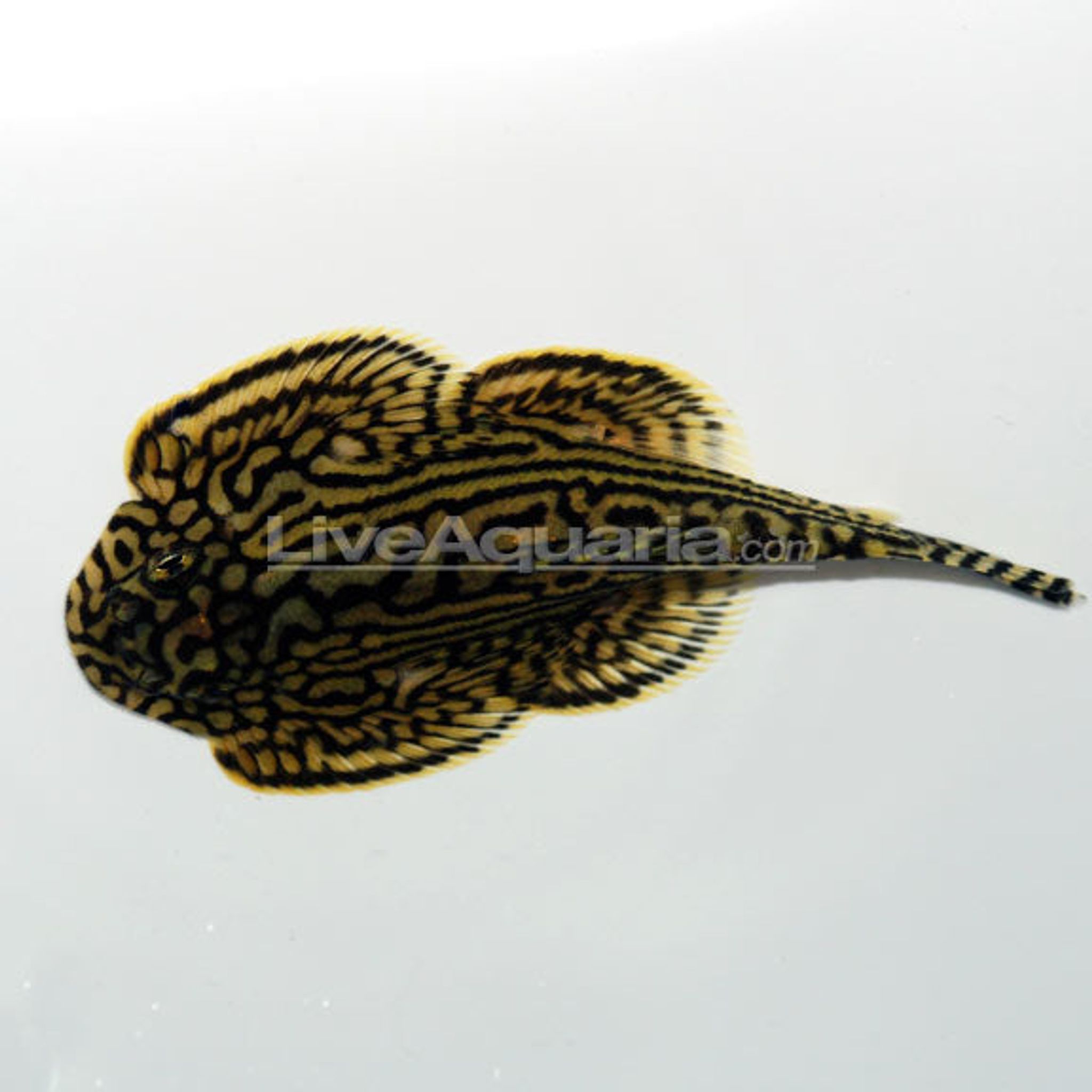

What Do Hillstream Loach Eat? A Practical Feeding Guide
Hillstream loaches eat mostly algae and biofilm, but that alone will not keep one alive long-term — they also need rotated protein and vegetable foods, delivered in a way that gets past faster tankmates. This guide covers exactly what to feed, how often, and why so many hillstream loaches quietly waste away even in tanks where food is being added every day.
Why "They Just Eat Algae" Is Incomplete
Hillstream loaches are omnivores, not dedicated algae-eaters. In their native fast-flowing streams, they graze a layer called aufwuchs — a thin film of algae, diatoms, bacteria, and microscopic organisms that coats rocks in current. Mixed into that biofilm are small invertebrates and insect larvae, which make up the protein side of their natural diet.
That distinction matters for feeding at home:
- Algae and biofilm are the staple, but a tank with none of it will effectively starve a hillstream loach.
- The diet still needs occasional animal protein to match what they'd pick out of aufwuchs in the wild.
- A loach in a spotless, newly set-up tank has no natural food source to fall back on between feedings, which is the single biggest reason new keepers see thin, listless fish within weeks.
Building a Food Base Before You Add Loaches
Because algae and biofilm are the foundation of the diet, the tank itself needs to be ready before a hillstream loach goes in it.
- Run the tank fully cycled for at least a few months so a visible algae/biofilm layer has time to form on glass, rocks, and driftwood.
- Keep the lighting on a normal daily cycle — some light is what feeds the algae layer the loach will graze.
- Resist scrubbing every surface clean; leave rocks and glass with a light green or brown film rather than pristine.
- Use smooth rocks and driftwood as dedicated grazing surfaces — they hold biofilm well and won't scratch the loach's flat, scaleless underside.
A tank that looks "too clean" to a fishkeeper's eye is often exactly the problem: no biofilm means no passive food source between feedings.
Core Foods to Rotate
Rely on a rotation rather than one product. A reasonable weekly mix looks like this:
| Food type | Examples | Role in the diet |
|---|---|---|
| Algae wafers | Sinking algae wafers, broken into small pieces | Daily staple |
| Gel food | A Repashy-style prepared gel, softened | Frequent staple, good for vitamins |
| Blanched vegetables | Zucchini, cucumber, spinach, kale, romaine/lettuce | 2–3 times a week |
| Frozen/live protein | Bloodworms, brine shrimp, daphnia, glassworms, tubifex | 1–2 times a week |
| Background grazing | Natural algae/biofilm on hardscape | Continuous, between feedings |
Vegetables should be blanched or boiled until soft — hillstream loaches can't tear through raw, tough leaves with their small mouths. Acceptance varies between individuals, so expect some trial and error with which vegetable a given loach actually eats.
Protein foods matter but should stay a minor part of the diet — roughly once or twice a week is a reasonable target. Feeding meaty foods more often than that skews the diet away from the plant/algae base it needs and can foul the water faster than a loach can clean it up.
Food Size Is Not Optional
Hillstream loaches have small, sucker-like mouths adapted for grazing thin films, not biting off chunks. Standard flakes, pellets, or wafers sized for community fish are often simply too large — the loach will crawl over the food and leave it untouched. Crush wafers and break flake food into small pieces before it goes in, especially in a tank with mixed stocking.
Feeding Frequency and Portion Control
- Feed once daily, or split into two very small feedings, rather than one large meal — this better matches their natural pattern of near-constant grazing.
- Between target feedings, let them work the algae/biofilm on rocks and glass; that grazing is doing real nutritional work, not just keeping them occupied.
- Portion to what clears in about 2–3 minutes. If food is left over, cut the next day's portion — hillstream loaches are sensitive to declining water quality, and leftover food breaks down quickly.
- In a mature, well-lit, heavily algae-covered tank, active supplemental feeding can be light. In a newer or low-light setup, supplemental feeding needs to be the main food source until the tank catches up.
Feeding Around Faster Tankmates
This is where most feeding problems actually happen — not from a lack of food in the tank, but from a hillstream loach never reaching it.
Hillstream loaches are slow, deliberate bottom-grazers. Faster mid-water and surface fish will clean out flakes and even sinking food long before a loach gets there, and the loach can lose visible condition over months while food is clearly going into the tank every day.
A practical fix:
- Feed floating flakes to mid/top-water fish first, timed to pull their attention away from the substrate.
- Once the faster fish are occupied, drop sinking wafers or gel food directly near the loach — ideally onto its usual grazing rock or a spot on the glass it already frequents.
- Consider feeding after lights-dim or lights-out, since many hillstream loaches are more active at dusk and night and will forage more readily once the tank quiets down.
- In a multi-loach tank, spread food across several grazing points rather than one spot — even loaches establish a pecking order at a single feeding site, and one dominant individual can crowd out the others.
Water Flow: A Feeding Prerequisite, Not a Separate Issue
Feeding technique won't matter if the loach isn't in a state to forage. Hillstream loaches evolved in fast, highly oxygenated streams, and that background shapes their day-to-day behavior in the tank.
- They need strong, felt current — the kind produced by a powerhead or wavemaker, not the gentle flow from a standard hang-on-back filter alone.
- Low flow and low dissolved oxygen make loaches lethargic and reduce foraging activity — a stressed, oxygen-starved loach simply won't graze normally, even with plenty of food available.
- If a loach seems uninterested in food that's clearly reaching it, check flow and oxygenation before assuming it's a diet problem.
Core Tank Conditions That Support Feeding
Feeding success is tied closely to overall husbandry. The table below summarizes the ranges that keep a hillstream loach active enough to eat well.
| Parameter | Range | Notes |
|---|---|---|
| Temperature | 65–80°F (18–27°C) | 65–75°F (18–24°C) is the safer, more natural target; higher temps are tolerated but reduce dissolved oxygen |
| pH | 6.5–8.0 | Middle of that range, around 7.0–7.8, suits most keepers |
| General hardness | Roughly 3–15 dGH | Moderate hardness is fine |
| Substrate | Smooth sand or fine gravel | Sharp or rough substrate can injure their scaleless underside |
| Tank size | 20 gallons (76 L) minimum for a small group of 3 | 40+ gallons (150+ L) is more ideal for stable water quality and flow |
| Group size | 3 or more | Avoid keeping singly |
| Lid | Tight-fitting | Hillstream loaches can climb and escape |
On temperature specifically, sources vary: some insist on strict coolwater conditions, others report success at standard tropical temperatures. Treating 65–75°F as the safer baseline — while accepting that many setups run fine up to 80°F — balances both views without ignoring the oxygen tradeoff at the warmer end.
On tank size, the honest range across sources runs from 20 to 55 gallons. A 20-gallon long tank with strong flow can work for a small group of three, but 40 gallons or more gives more room for adequate current and more stable water parameters as the group grows.
Malnutrition vs. Illness: Reading the Signs
Because hillstream loaches are scaleless and thin-skinned, poor nutrition and poor water quality both show up fast, and they can look similar at first glance. Watch for:
- Sunken belly and visibly reduced body condition — often nutritional, especially if paired with normal water parameters.
- Clamped fins and reduced grazing activity — can point either way, but worth checking flow and feeding technique first.
- Ich, "skinny disease" (wasting from bacterial infection or malnutrition), and fungal infections — these are more likely once a loach is already underfed or stressed, since a thin, scaleless fish has less resilience.
- Belly or skin abrasions from rough substrate — these can look like a feeding problem (the fish stops eating) when the real issue is an injury or secondary infection from sharp gravel.
If a loach is losing weight, work through the likely causes in order: competition from faster fish, insufficient flow or oxygen, food sized wrong for its mouth, or a tank that hasn't built up enough biofilm yet — before assuming disease.
A Sample 7-Day Rotation
A simple week to start from, adjustable based on leftovers and individual acceptance:
- Monday: Algae wafer (crushed)
- Tuesday: Blanched zucchini or cucumber
- Wednesday: Gel food
- Thursday: Frozen bloodworms or brine shrimp
- Friday: Algae wafer (crushed)
- Saturday: Blanched spinach or kale
- Sunday: Gel food, plus grazing on tank biofilm only (light feeding day)
This keeps meaty protein to about twice a week, vegetables and gel as the steady middle ground, and leaves room for natural grazing to fill in the rest.
A Brief Note on Breeding
Breeding hillstream loaches in the aquarium is considered difficult. It's not something a feeding routine alone will trigger, but consistently well-fed adults on a varied, rotated diet are in better condition to show breeding behavior than fish surviving on algae alone. Treat good nutrition as a supporting factor, not a breeding method in itself.
Once the tank has a stocked, established grazing surface, browsing the loach category on FishyHub is a reasonable next step for adding to a small group, and a freeze-dried food selection can round out the protein side of the rotation above.
Frequently Asked Questions
Can hillstream loaches survive on algae alone?
No. Algae and biofilm form the base of the diet, but a tank with limited algae growth will underfeed a hillstream loach over time. Supplemental wafers, gel food, vegetables, and occasional protein are necessary, not optional.
How often should I feed hillstream loaches?
Feed a small portion once daily, letting them graze on tank biofilm the rest of the time. Adjust the next day's portion down if food is left over after 2–3 minutes.
What vegetables do hillstream loaches eat?
Blanched zucchini, cucumber, spinach, kale, and romaine or lettuce are common choices. Vegetables need to be softened by blanching or boiling first, and acceptance varies by individual fish.
Do hillstream loaches need meaty food?
Yes, but only in small amounts — roughly once or twice a week. Bloodworms, brine shrimp, daphnia, and other small live or frozen invertebrates cover this part of the diet without overloading it with protein.
Why is my hillstream loach not eating or losing weight?
The most common causes are competition from faster tankmates clearing the food first, insufficient water flow or oxygen, food that's too large for its mouth, or a tank that hasn't built up enough algae/biofilm yet. Rule these out before assuming illness.
Do hillstream loaches eat at night?
Many are more active and forage more at dusk and after dark. Feeding once the lights are dimmed or off can noticeably improve how much food a shy or slow-feeding loach actually gets.
What tank conditions help them get enough food naturally?
A mature tank with steady lighting to sustain algae and biofilm, smooth rocks or driftwood as grazing surfaces, and strong current from a powerhead or wavemaker all support normal foraging. Weak flow or an under-established tank reduces how much a loach eats even when food is present.
For the flow this species needs to forage properly, a powerhead or filter upgrade is worth checking alongside the feeding routine above, and FishyHub's broader stock of bottom-dwelling species can be browsed in the same Plecos, Corys & Bottom Dwellers category.


