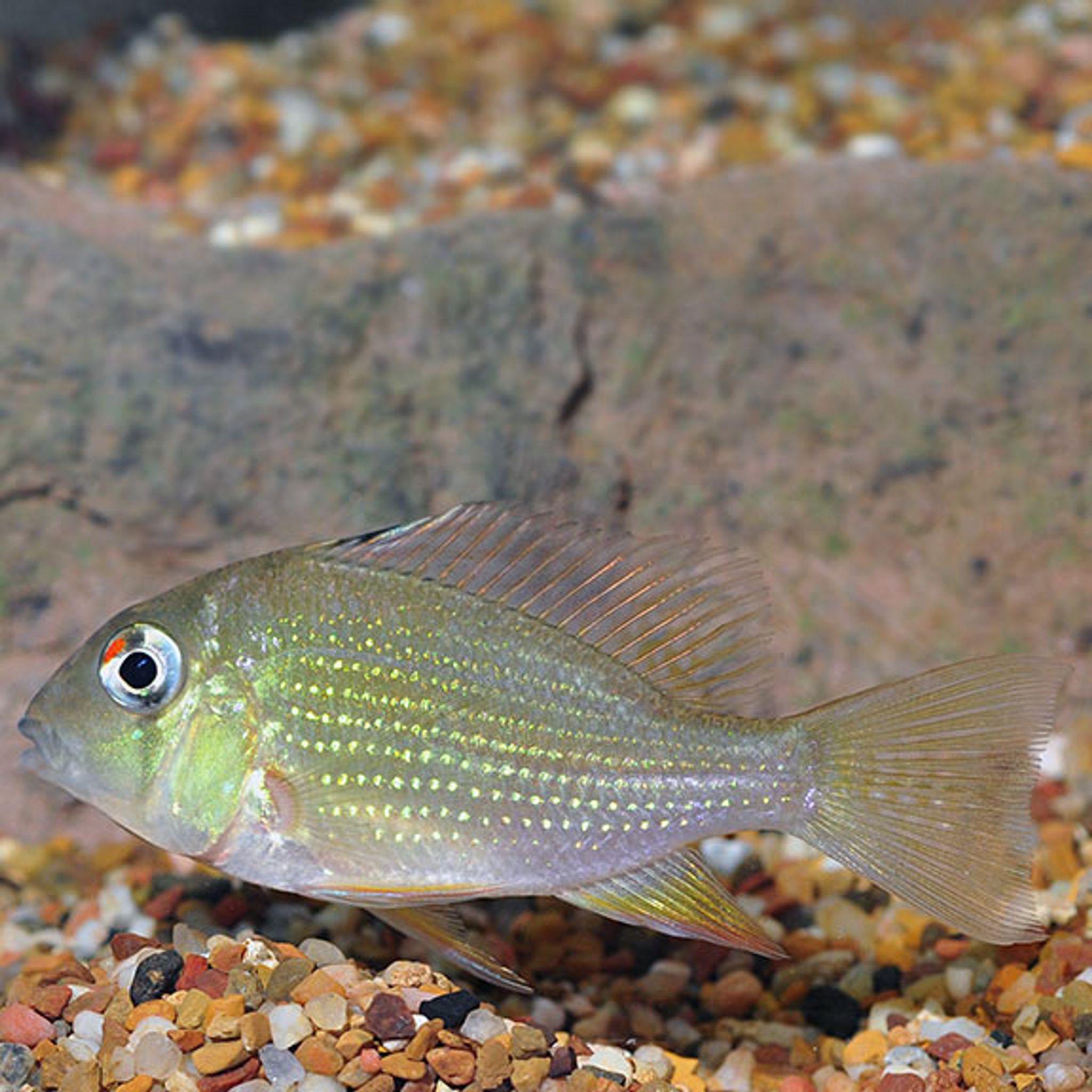

What Do Geophagus Eat? A Practical Feeding Guide
Geophagus, commonly called eartheaters, are substrate-sifting cichlids that need a diet built around their natural feeding style, not a standard cichlid pellet dropped in once a day. This guide breaks down exactly what to feed, how much, how often, and how substrate and water quality tie directly into feeding success.
Why Geophagus Feed Differently Than Other Cichlids
In the wild, Geophagus scoop mouthfuls of sand and sediment, sift it through their gills, and eat the small invertebrates, insect larvae, worms, crustaceans, plant matter, and detritus trapped in that mouthful, spitting out the leftover substrate. This is where the name "eartheater" comes from.
Because of this behavior, a captive diet should mimic a varied, protein-plus-plant omnivore diet rather than treat them as pure carnivores. Feeding format and substrate choice matter just as much as the ingredients themselves.
Best Commercial Foods for Geophagus
Look for products designed to sink and reach the lower water column, since eartheaters feed low in the tank and often ignore food floating at the surface.
- Sinking cichlid pellets or granules formulated for omnivores — the everyday staple.
- Spirulina-based flakes or pellets to cover the plant/fiber side of their diet.
- Freeze-dried foods (bloodworms, brine shrimp, krill) as occasional supplements, not a full replacement for fresh or frozen options.
Size the food to the fish: small granules for juveniles, larger sinking pellets for adults 6 inches (15 cm) and up. Oversized pellets can cause choking or outright refusal in smaller fish, so match the food to the mouth, not just the tank's total population.
A Weekly Feeding Rotation
Relying on a single food type long-term is one of the most common causes of dull color and nutritional deficiency in Geophagus. A simple rotation covers the bases without much extra effort:
| Day | Food |
|---|---|
| Monday | Sinking cichlid pellets |
| Tuesday | Frozen bloodworms or mysis shrimp |
| Wednesday | Blanched zucchini or spirulina pellets |
| Thursday | Frozen brine shrimp or daphnia |
| Friday | Sinking pellets + a few blackworms |
| Saturday | Blanched peas or spinach |
| Sunday | Fasting day (adults only) |
Adjust portions and skip the fasting day for juveniles, who need more frequent, smaller meals to support growth.
Protein and Meaty Foods
Rotate in a mix of:
- Frozen or live bloodworms
- Blackworms
- Brine shrimp
- Mysis shrimp
- Daphnia
- Small earthworms
Frozen is generally the safer default. Live foods carry a higher risk of parasites and bacteria unless sourced from a trusted, quarantined supply. Live blackworms or earthworms are commonly used to condition breeders or boost color, but treat them as an occasional addition rather than a routine staple.
The Plant and Fiber Component
Because wild Geophagus consume a meaningful amount of plant matter and detritus while sifting, skipping vegetables entirely is a mistake. Blanched zucchini, peas, and spinach, along with spirulina-based pellets or flakes, support digestion and help reduce bloat risk. A practical middle ground is to include a plant-based food a few times a week rather than treating it as a rare afterthought.
How Much and How Often to Feed
Feeding frequency should scale with age and size:
| Life Stage | Frequency | Portion Guidance |
|---|---|---|
| Fry (free-swimming) | Multiple times daily | Baby brine shrimp, crushed micro-pellets |
| Juveniles | 2–3 times daily | Small amounts finished in 2–3 minutes |
| Adults | 1–2 times daily | Small portions; consider one fasting day weekly |
The general portion rule: only feed what the fish will consume in 2–3 minutes, and remove any uneaten food promptly to protect water quality. Sources differ on adult frequency — some recommend twice daily, others once daily plus a weekly fast to prevent obesity and bloat. Erring toward less rather than more is the safer approach, since Geophagus overeat easily when food is constantly available.
Temperature and Appetite
Geophagus are typically kept at 75–82°F (24–28°C) with a pH of 6.0–7.5, reflecting their South American, soft-acidic native waters. Appetite and metabolism run faster at the warmer end of that range, so fish kept closer to 82°F (28°C) may do better with slightly smaller, more frequent meals rather than one large feeding.
Feeding Fry and Juveniles
Once fry are free-swimming, offer baby brine shrimp and crushed micro-pellets multiple times a day for the first weeks to months. Frequent, protein-rich, small meals support fast and even growth. If adults share the tank, feed fry separately when practical so they aren't outcompeted for food.
Feeding During Breeding and Mouthbrooding
Many Geophagus species, including red-striped/Geophagus surinamensis-type eartheaters, are mouthbrooders. A holding female may refuse food entirely for 2–4 weeks while carrying eggs or fry in her mouth. This is normal, not illness. Keep food available for other tank occupants, don't try to force-feed her, and resume her normal feeding schedule once the fry are released. Monitor her body condition rather than her appetite during this period.
Substrate: Feeding Behavior Starts With the Tank Floor
Diet and substrate are directly linked for eartheaters. Fine sand, not gravel, lets them perform natural sifting behavior. Sharp or coarse gravel can irritate or damage their mouths and gills over repeated sifting. Set up open sifting areas rather than covering the entire floor with decor, and check that any substrate you choose is smooth-grained.
Water Quality and Filtration for Messy Sifters
Geophagus are heavy feeders that stir waste into the water column as they sift, making them messier than many other cichlids. This means:
- Stronger mechanical and biological filtration than a comparably sized, less messy fish would need.
- More frequent water changes — 25–30% weekly is a typical recommendation.
- Regular substrate vacuuming, since sifting stirs debris and uneaten food breaks down faster into ammonia.
Filtration capacity should be matched to feeding style and tankmate choice before stocking, not adjusted after water quality already suffers. You can compare options for filtration and substrate to build a setup suited to sifting cichlids.
Signs of a Good Diet vs. Malnutrition
| Good Diet | Malnutrition or Poor Diet |
|---|---|
| Bright, vivid color | Pale or faded color |
| Active, regular sifting behavior | Lethargy, reduced activity |
| Steady, even growth | Sunken belly, stunted growth |
| Firm body condition | Susceptibility to hole-in-the-head (HITH) disease |
A long-term single-food diet or vitamin deficiency is sometimes linked to hole-in-the-head/HLLE symptoms. Rotating foods, including vegetable matter, and occasionally soaking food in a multivitamin supplement can help offset nutrient loss, especially from frozen foods. Garlic-soaked foods are also commonly used as an appetite stimulant for reluctant eaters.
Common Feeding Mistakes to Avoid
- Overfeeding — leads to bloating, water quality decline, and ammonia spikes. Feed smaller amounts more often and remove leftovers.
- Floating flake food only — eartheaters feed low in the tank and may not get enough from surface food; prioritize sinking formats.
- One food type long-term — causes nutritional gaps and dull color; rotate proteins and plant matter.
- Sharp gravel substrate — irritates mouths and gills during sifting; switch to fine sand.
- Mistaking mouthbrooding fasting for illness — check body condition, not just appetite, before assuming something is wrong.
- Undersized filtration for a messy eater — leads to declining water quality and stress-related disease over time.
- Oversized pellets for juveniles — causes choking or refusal; size food to the fish.
Suitable Geophagus and other South American cichlids can be browsed in FishyHub's American cichlids category, and appropriate sinking foods are available in the food and supplements category.
Frequently Asked Questions
How often should I feed my Geophagus?
Feed adults once or twice daily in small portions, and consider adding one fasting day per week to prevent obesity and bloat. Juveniles need more frequent feeding, typically 2–3 times daily, since they're actively growing.
What is the best staple food for Geophagus?
A quality sinking cichlid pellet or granule sized appropriately for the fish's mouth works as the everyday staple. Supplement it regularly with frozen meaty foods and some plant-based food to round out the diet.
Do Geophagus need sand instead of gravel?
Yes. Fine sand lets them perform their natural sifting behavior safely, while sharp gravel can injure their mouths and gills over repeated use. A sand substrate is considered essential for long-term eartheater health.
Can I feed live food to Geophagus?
Yes, live bloodworms, blackworms, or earthworms can be given as an occasional treat, and some keepers use them to condition breeders. Frozen versions of the same foods are generally safer and just as effective, so source any live food carefully from a trusted, quarantined supply.
Why is my Geophagus not eating?
Check first for breeding or mouthbrooding behavior, since a holding female may stop eating for 2–4 weeks and this is normal. If that doesn't apply, consider stress, poor water quality, or illness as other possible causes and monitor body condition closely.
Do Geophagus eat plants or vegetables?
Yes, they benefit from occasional blanched vegetables like zucchini, peas, or spinach, as well as spirulina-based foods that reflect their natural detritus and plant intake. They aren't strict herbivores, so vegetables should complement rather than replace protein sources.
How much should I feed at each meal?
Only offer what the fish can consume within 2–3 minutes, and remove any uneaten leftovers right away. This portion guideline applies at every life stage and helps prevent both overfeeding and water quality problems.
How do I feed a tank with fry present?
Offer baby brine shrimp and crushed micro-pellets multiple times daily once fry are free-swimming. If adults are present in the same tank, feed fry separately when possible so they aren't outcompeted for food.
Ready to set up or expand a Geophagus tank? Explore FishyHub's full range of freshwater cichlids to find species that fit your feeding routine and tank setup.


