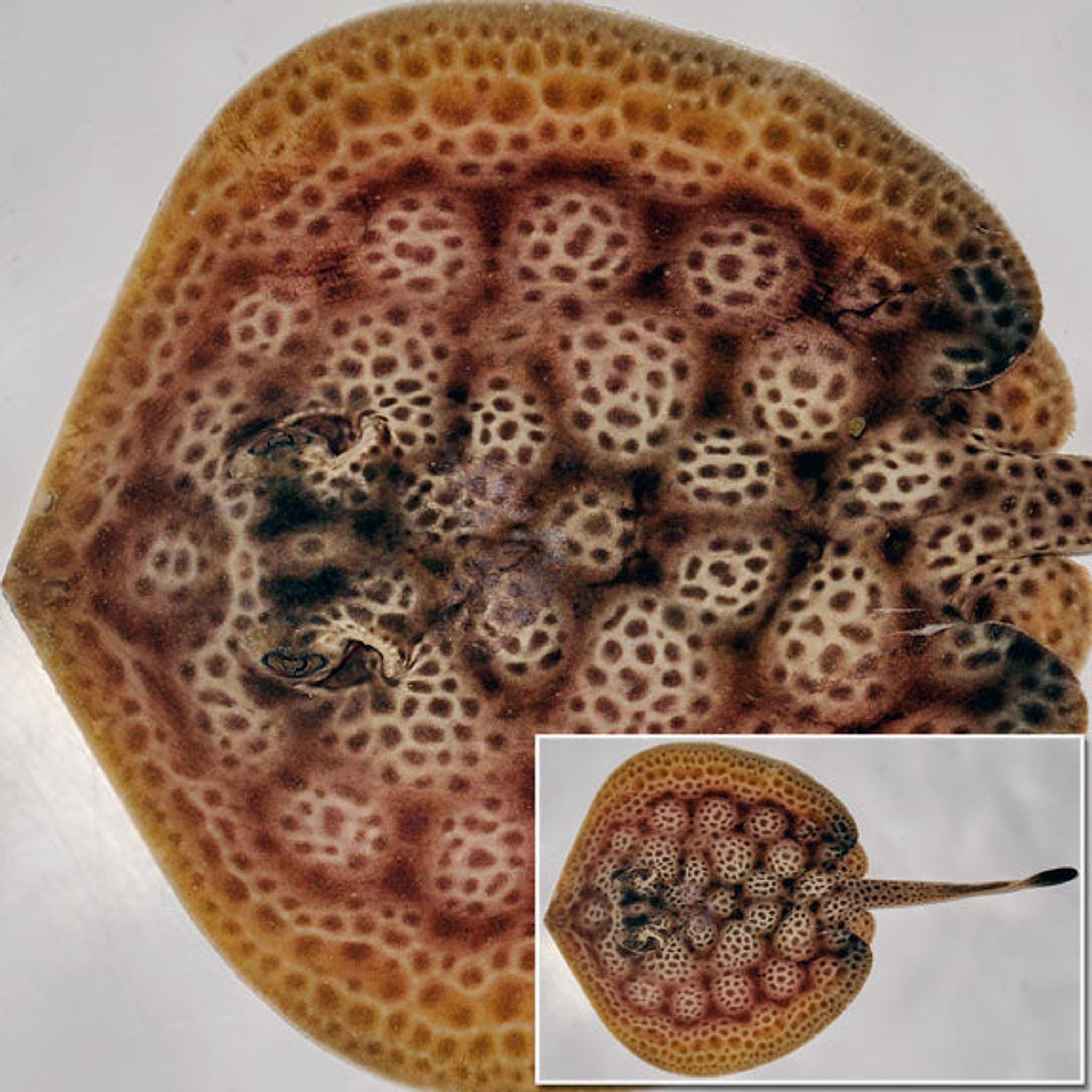

What Do Freshwater Stingray Eat? A Practical Feeding Guide
Freshwater stingrays are carnivorous bottom-feeders that need meaty, sinking foods delivered to the substrate, not flakes floated on the surface. This guide covers exactly what to feed a ray at each life stage, how much, how often, and how to sidestep the two things that kill more captive rays than anything else: starvation in shy new arrivals and water fouling from overfeeding.
Why Stingrays Are a Different Feeding Challenge
Freshwater stingrays (Potamotrygon species such as motoro, reticulatus, leopoldi, and hystrix) are routinely ranked among the most exotic freshwater fish available to hobbyists, alongside animals like arowana, freshwater pufferfish, and elephantnose fish. Their appeal is obvious: a disc-shaped body, a gliding swimming style unlike any other freshwater fish, and genuine individual personality once settled in.
That novelty comes with real responsibility. Rays need a large, mature tank, sand rather than gravel, tightly controlled water quality, and a feeding routine built around live and frozen protein rather than convenience foods. This is not a first-fish purchase — treat it as an advanced-hobbyist commitment before you treat it as a feeding question.
What Freshwater Stingrays Eat in the Wild
In their natural river habitat, freshwater stingrays hunt along the bottom for:
- Worms and insect larvae
- Small crustaceans
- Snails
- Small fish
They locate prey by scent and touch rather than sight, which is the single most important fact for feeding them in captivity: food that stays in the water column or on the surface may never register as food to a ray at all.
Core Staple Foods for Captive Rays
Build a rotating menu from these staples rather than relying on one item:
| Food | Notes |
|---|---|
| Live or frozen blackworms | Best acceptance rate; ideal first food |
| Earthworms | Chemical-free, garden-sourced or store-bought; excellent lean staple |
| Whole shrimp (raw table shrimp or krill) | Rich; use in moderation to avoid excess fat |
| Mussel or clam meat | Good variety item, moderately rich |
| Bloodworms | Useful supplement, not a sole diet |
| Tilapia or other lean whitefish, cut to size | Lean protein, good for regular rotation |
Rotate three to four of these protein sources over time. Earthworms and lean whitefish are the leaner options; shrimp and mussel are richer. Balancing the two groups helps prevent both nutritional gaps and obesity.
A Note on Prepared Pellets
Some keepers successfully train an established ray onto sinking carnivore or predator pellets as a supplement. Others find their rays largely ignore dry foods entirely. Treat pellets as worth trying once a ray is settled and eating reliably — never as a primary food, and never as the first thing offered to a new or stressed ray.
Getting a New Ray Eating
Newly acquired or juvenile rays are frequently shy or stressed and will often accept only live food at first. Live blackworms or live earthworms are the most reliable starter food for a new arrival. From there, move to frozen and prepared foods gradually rather than all at once:
- Start with live blackworms or earthworms exclusively for the first several days.
- Once the ray is feeding confidently, mix in small amounts of thawed frozen versions of the same foods alongside the live ones.
- Gradually shift the ratio toward frozen/prepared items over several weeks as acceptance holds steady.
- Reintroduce a small amount of live food any time the ray goes off its food, then repeat the weaning step.
If a new ray refuses food outright, this is usually transport or new-tank stress rather than illness. Offer live blackworms or earthworms at night with the lights off, keep disturbance to a minimum, and be patient — full acceptance can take several days.
How Much and How Often to Feed
Feeding frequency should scale with age and body size, but sources disagree on exact frequency for adults — some recommend daily small feedings, others 3–4 times per week. The practical resolution is to let body condition, not the calendar, set the schedule:
- Juveniles (roughly under 6–8 inches / 15–20 cm disc diameter): daily or every other day.
- Adults in an established tank: 3–4 times per week is the practical default, since overfeeding is a bigger risk than underfeeding once a ray is grown.
- Portion size: feed only what the ray clears in a few minutes. Uneaten food should not be sitting on the sand 15 minutes after feeding.
Portions should also scale with the species itself: a small-growing "teacup" type Potamotrygon has a much smaller adult appetite than a large-growing species like motoro or leopoldi. Judge portion size against disc size, not just the calendar age of the fish.
Reading Body Condition Instead of Guessing
A simple visual check beats vague impressions of "looks thin" or "looks fat":
| Body condition | What it looks like | Action |
|---|---|---|
| Well-fed | Slightly rounded disc, visible fat pads around the eyes and disc edge | Maintain current schedule |
| Underfed | Sunken disc, visible "hips" or outline near the eyes and body edge | Increase frequency; confirm the ray is actually getting food |
| Overweight | Notably domed or bulging disc, sluggish movement | Reduce shrimp/mussel ratio; feed leaner worms and whitefish more often |
Check this weekly rather than daily — feeding decisions based on a single day's appearance lead to unnecessary overfeeding.
Feeding Technique: Getting Food to the Ray
Because rays hunt by scent and touch along the bottom, sinking food is non-negotiable. Floating or slow-sinking foods may never be detected.
- Use feeding tongs or a skewer to place food directly near the ray rather than dropping it in open water.
- Target-feed individually when faster tankmates — plecos, cichlids, and similar bottom or mid-water competitors — are present, so the ray isn't out-competed for food.
- Always use tongs or a feeding stick instead of bare hands. This isn't just about hygiene: keeping fingers away from the disc reduces the chance of accidental contact with the tail barb.
- Cut whole shrimp, fish, or large worms down to a size the ray can take comfortably, especially for juveniles, to avoid choking or injury.
If a ray isn't eating despite food being offered, check whether tankmates are stealing it before assuming the ray itself is the problem — a thin ray that is otherwise active and alert may simply be losing the food race, not refusing to eat.
Foods to Avoid
- Feeder fish, especially feeder goldfish: some older advice lists them as an acceptable variety item, but current guidance leans strongly against them due to thiaminase content and disease or parasite risk. If ever used, they should be quarantined first and treated as a rare exception, never a routine food.
- Mammalian meat such as beef heart in excess: high in fat relative to a fish's nutritional needs.
- Any food too large to be taken safely, which risks choking or physical injury to the ray's mouth and gill area.
Freshwater stingrays can and will eat small enough tankmates opportunistically in the wild sense of the term, so choose tankmates too large to be swallowed and unlikely to nip at the ray's disc or tail.
Water Quality Is Part of the Feeding Routine
Stingrays are unusually heavy waste producers relative to their size, and they're extremely sensitive to ammonia and nitrite. This makes cleanup a feeding-routine step, not a separate chore:
- Siphon uneaten food within 10–15 minutes of feeding to prevent ammonia spikes.
- Maintain 0 ppm ammonia and nitrite, low nitrate, stable pH around 6.8–7.6, temperature 75–82°F (24–28°C), and soft-to-moderate water hardness.
- Run strong filtration and stay on a frequent water-change schedule regardless of how carefully you portion food — the bioload from a stingray's diet is simply heavier than most community fish.
- Use sand, not gravel, as substrate. Rays root through the bottom while hunting for food, and gravel can abrade the sensitive skin on their underside.
You can browse substrate options suited to bottom-dwelling species and check current stock of protein-based feeding items in the food and supplements category on FishyHub.
Common Feeding Problems and Fixes
| Problem | Likely cause | Fix |
|---|---|---|
| New ray won't eat | Transport/new-tank stress | Live blackworms/earthworms, lights off, minimal disturbance, patience over several days |
| Ray not eating with tankmates around | Faster fish stealing food | Target-feed with tongs away from competitors |
| Ammonia spike after feeding | Uneaten food left in tank | Siphon leftovers within 10–15 minutes; ensure adequate filtration |
| Ray looks thin despite feeding | Tankmates stealing food, food not reaching bottom, or illness | Confirm food reaches the ray; rule out parasites if eating well but still losing condition |
| Obese or overly domed disc | Too much rich food (shrimp/mussel) | Shift ratio toward leaner worms and whitefish, feed slightly less often |
| Choking or mouth injury | Food pieces too large | Cut shrimp, fish, and worms to a size the ray can take comfortably |
If you're building out a semi-aggressive or exotic freshwater setup around a stingray, it's worth browsing the broader monster fish and large freshwater species category on FishyHub for compatible large-bodied tankmates that won't compete for food or nip at the ray.
Frequently Asked Questions
Can freshwater stingrays eat flake or pellet food?
Generally no, not as a primary diet. Carnivore-specific sinking pellets can sometimes be trained in as a supplement once a ray is established and eating reliably, but they shouldn't replace live or frozen protein.
How often should I feed a freshwater stingray?
Juveniles do well fed daily or every other day. Adults in an established tank typically do fine on 3–4 feedings per week, adjusted based on body condition rather than a fixed schedule.
What is the best first food for a new stingray?
Live blackworms or live earthworms have the highest acceptance rate for stressed or newly arrived rays, well ahead of frozen or prepared alternatives.
Can stingrays eat goldfish?
It's not recommended as routine food. Feeder goldfish carry thiaminase and elevated disease or parasite risk, so they should be avoided as a staple diet even though some older advice lists them as acceptable.
Do stingrays eat other fish in the tank?
They can eat tankmates small enough to swallow opportunistically. Choose tankmates too large to be taken and unlikely to nip at the ray's disc or tail.
How do I know if my stingray is getting enough food?
Check disc and body condition. A healthy, well-fed ray has a slightly rounded disc with visible fat pads near the eyes and disc edge; a sunken disc or a visible body outline near the eyes signals underfeeding.
Is it safe to hand-feed a stingray?
Use tongs or a feeding stick rather than bare fingers. This keeps hands away from the disc and reduces the risk of accidental contact with the tail barb.
Freshwater stingrays reward the extra effort with one of the most distinctive feeding and behavior patterns in the freshwater hobby. Once your protein rotation, portioning, and water-quality routine are dialed in, browse FishyHub's freshwater livestock category for stingrays and compatible tankmates suited to a large, mature setup.


