What Do Ember Tetra Eat? A Practical Feeding Guide
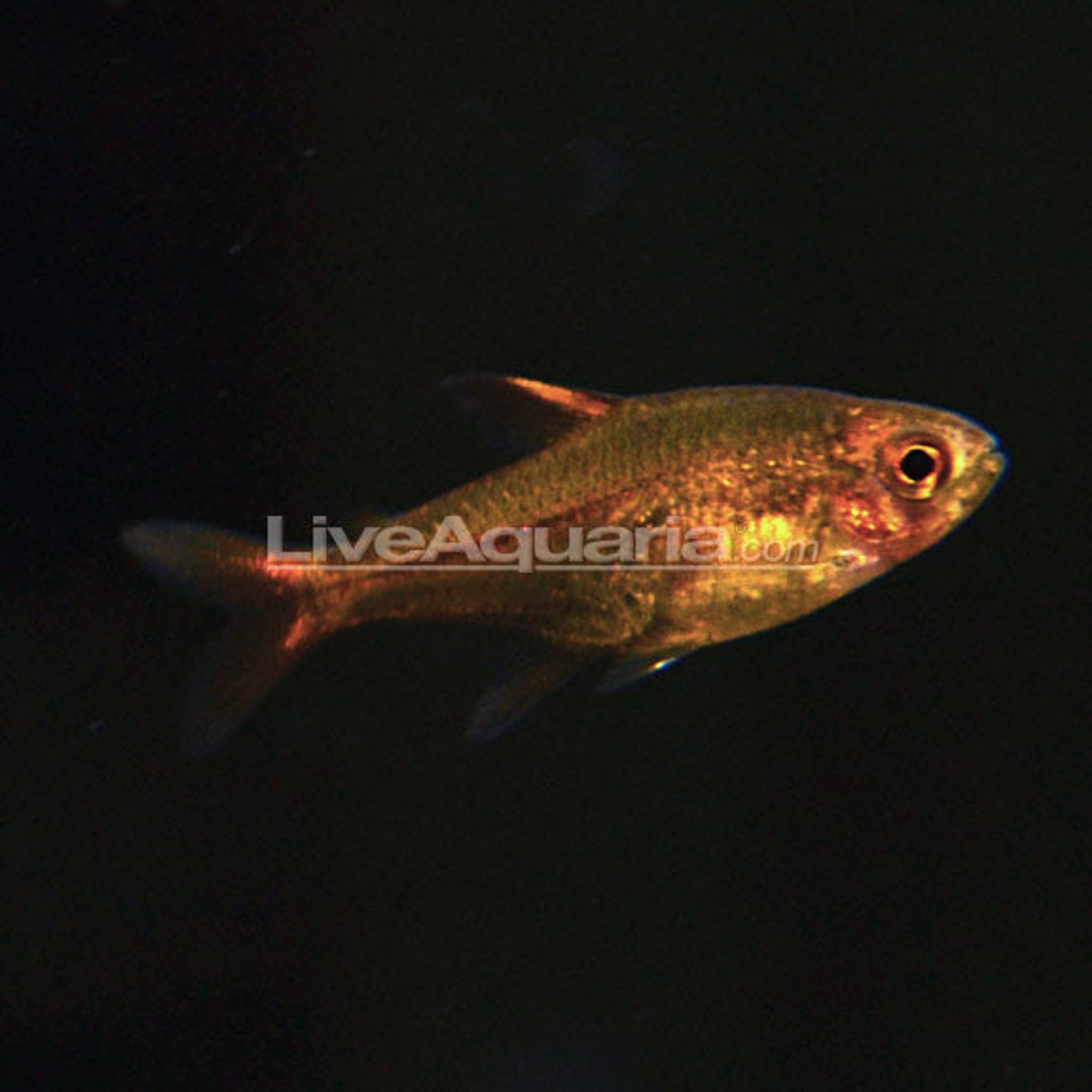
Ember tetras (Hyphessobrycon amandae) are omnivores that need tiny, varied meals rather than a single go-to food. This guide breaks down what to feed them, how much a "meal" actually looks like for a fish under an inch long, and how to avoid the overfeeding mistakes that cause the most harm in the small tanks they're usually kept in.
What Ember Tetras Eat in the Wild
In their native habitat, ember tetras graze almost constantly on zooplankton, tiny insects and insect larvae, algae, and detritus. There's no single "ember tetra food" in nature — it's a constant trickle of small, varied bites throughout the day. That's the model to copy in the aquarium: a rotation of foods rather than reliance on one product.
Two physical facts should drive every feeding decision you make:
- Mouth size: an adult ember tetra is under 1 inch (about 2 cm) long, with a mouth to match. Food needs to be genuinely small and, ideally, slow-sinking or suspended in the water column — not fast-dropping standard pellets.
- Stomach capacity: roughly the size of the fish's own eye. That's a useful visual anchor — if what you're about to drop in looks bigger than that per fish, it's too much.
Building a Balanced Diet
Staple food
The everyday base of the diet should be a high-quality micro-pellet or finely crushed/ground flake formulated for small tropical fish. Regular-size flakes aren't automatically off-limits — embers will nibble pieces off a floating flake — but crushing flakes by hand or choosing dedicated micro-pellets is the lower-risk choice, especially in tanks under 10 gallons (38 L), because it reduces uneaten waste sitting on the substrate.
You can browse micro-pellet and flake options formulated for small fish under Food & Supplements to find something sized appropriately for a nano species like tetras.
Frozen and live food, 2–4 times a week
Supplementing the staple with frozen or live foods 2–4 times a week noticeably improves color intensity and breeding condition. Good options include:
- Newly hatched or frozen baby brine shrimp
- Daphnia
- Cyclops
- Microworms
Freeze-dried as a practical substitute
Freeze-dried daphnia, cyclops, and baby brine shrimp are a convenient stand-in when live or frozen food isn't on hand. The one caveat: rehydrate the food in a small cup of tank water first, or crush it into smaller flecks, before adding it. Dry freeze-dried food dropped in whole can float, get gulped, and cause bloating in a fish this small.
Vegetable matter
Ember tetras also benefit from occasional crushed spirulina flakes or algae wafer crumbs. It's a small piece of the diet, but it rounds out the omnivore profile and mirrors the algae component of their wild diet.
How Much and How Often
Feeding frequency
Twice a day is the baseline that works for most home schedules and is enough to keep embers healthy. If you're home enough to manage it, splitting the same total amount into three smaller feedings can support slightly better growth and coloration — the point isn't to feed more overall, just to spread the same portion across more, smaller meals, closer to how they graze in the wild.
The portion rule
Feed only what the group can finish in 1–2 minutes. Some sources allow up to 2–3 minutes, but the safer target for a nano tank is on the tighter end — anything still floating or sinking uneaten past that window should be removed with a turkey baster or fine net rather than left to break down in the water.
There's no gram scale that makes sense for a fish this small, so use a visual gauge instead:
| Visual reference | Appropriate for embers? |
|---|---|
| A pinch of flake between two fingers | Too much for a small school |
| A few dust-sized flake crumbs scattered across the surface | About right for one feeding |
| A standard-size pellet | Too large — will sit uneaten |
| A micro-pellet or crushed flake fragment | Correctly sized |
| Food gone in under 2 minutes | Portion was correct |
| Food still visible after 2–3 minutes | Portion was too large — remove it |
Spread it around
Ember tetras are shy schoolers. In a newly stocked or stressed group, bolder fish will camp near the feeding spot while timid individuals hang back. Distribute food across two or three spots in the tank rather than dumping it in one place, so quieter fish in the shoal actually get their share.
Where Sources Disagree
A few points don't have one universal answer, so here's a practical middle ground:
- Frequency: 2x/day is sufficient for most tanks; 3–4x/day in tiny portions is a nice-to-have for dedicated setups chasing better growth or color, never an excuse to increase the total daily amount.
- Eat window: cited ranges run from 60 seconds to 2–3 minutes. Aim for gone within 1–2 minutes and siphon out anything that lingers past that.
- Flakes vs. micro-pellets: standard flakes are workable since embers pick pieces off them, but crushing flakes or using micro-pellets is the safer default, particularly under 10 gallons.
Feeding Fry
Breeding pairs will scatter eggs into fine-leaved plants or moss, and the resulting fry need a very specific feeding progression, since their mouths start out microscopic:
- First few days: infusoria or vinegar eels — the fry's mouths are too small for anything else.
- After the yolk sac is absorbed: powdered fry food, offered in tiny amounts multiple times a day.
- After roughly 1–2 weeks, once mouths have grown enough: baby brine shrimp nauplii, which drive rapid growth.
Fry produce a disproportionate amount of waste relative to their size, so pair frequent small feedings with frequent small water changes to keep ammonia in check in a fry-rearing container.
Conditioning for Breeding
Feeding connects directly to spawning readiness, something that doesn't get much attention elsewhere. Conditioning a group with live or frozen foods — daphnia and baby brine shrimp in particular — for 1–2 weeks is a well-known trigger that pushes embers into breeding condition. If you're hoping for a spawn, this is the lever to pull before anything else.
Food-Free and Insect-Based Diets
Plant- and insect-protein formulas that skip fishmeal entirely (built from ingredients like mealworm or black soldier fly larvae, plus algae) are a modern, valid alternative worth rotating in. They tend to be:
- Closer to the natural insect- and zooplankton-leaning diet embers eat in the wild
- Less reliant on wild-caught forage fish as an ingredient source
- Highly digestible, which generally means less waste and lower ammonia load per feeding
They aren't a replacement for variety — no single food, fish-free or otherwise, covers every nutritional need — but they slot naturally into a rotation alongside micro-pellets and frozen foods.
Reading the Label and Keeping Food Fresh
Two habits protect both fish health and your food budget:
- Check the ingredient list for named protein sources rather than a vague "fish meal" entry, and look for a best-by or opened-on date.
- Buy small containers you'll use up within about 3 months of opening. Dry foods lose nutritional value over time — vitamin C in particular degrades once the container is opened — and food from a container that's been open for many months can contribute to dull color and weaker immune response, even though it still looks fine.
Store opened food sealed, in a cool, dry, dark spot, away from humidity and direct light.
A Mature Planted Tank Does Some of the Work
Ember tetras are almost always kept in aquascaped nano tanks, and that setup isn't incidental to feeding. A well-established planted tank grows biofilm and microorganisms on leaves, wood, and substrate that the fish graze on between meals. That grazing pressure means a mature planted tank is genuinely more forgiving of an imperfect feeding schedule and reduces the odds of a missed cue turning into overfeeding.
Water Quality and Appetite
Embers do best in warm, soft, slightly acidic water — roughly 73–84°F (23–29°C) and pH 5.5–7.0. Temperature also affects metabolism: warmer water within that range speeds digestion and appetite, so fish in the upper end of the range will typically show more interest in food than the same fish kept cooler.
More importantly: poor water quality caused by overfeeding is a bigger threat to ember tetras than underfeeding ever is. In the small tanks this species is usually kept in, excess food breaks down fast and pushes ammonia and nitrite up before it's visually obvious.
Feeding While You're Away
For trips longer than a few days, three approaches work, in order of reliability:
- A trusted sitter with pre-portioned food — measure out each day's amount in advance (a pill organizer works well for this), and put the rest of the container out of sight so there's no temptation to "just add a little more."
- A calibrated automatic feeder, tested and run for at least a week beforehand so you know it dispenses the right amount and doesn't jam.
- No feeding at all for short trips — healthy adult embers can typically go 3–4 days without food with no ill effects, which is a genuinely low-risk fallback if a sitter isn't available.
Avoid slow-release vacation feeding blocks. They tend to add unnecessary binders and preservatives, and a block that crumbles or dissolves unevenly can cloud the water in a tank this small.
Common Feeding Mistakes
| Mistake | Why it's a problem |
|---|---|
| Overfeeding | The single most damaging mistake — drives ammonia/nitrite spikes, cloudy water, and bloating in small tanks |
| Feeding food too large for their mouths | Standard pellets or unbroken flakes sit uneaten and foul the water |
| One large feeding per day | Increases waste per feeding and causes boom-bust digestion |
| Not removing leftover food | The single biggest fix for cloudy water and algae blooms tied to feeding |
| Flake-only diet long term | Skipping variety is linked to dulled color and weaker immune response |
| Letting a sitter free-feed | Commonly wipes out entire nano tanks while owners are away |
| Feeding old, degraded food | Reduced vitamin content, especially vitamin C, contributes to poor color and health |
Frequently Asked Questions
How often should I feed ember tetras?
Twice a day is the standard baseline and works well for most home schedules. Splitting the same total amount into three smaller feedings is a nice-to-have for growth and color if your schedule allows it, but it shouldn't mean feeding more overall.
What is the best staple food for ember tetras?
A high-quality micro-pellet or finely crushed flake made for small tropical fish, used as the everyday base and rotated with frozen or live foods a few times a week. No single product should be the whole diet long-term.
Can ember tetras eat baby brine shrimp?
Yes. Freshly hatched or frozen baby brine shrimp is one of the best supplemental foods for growth, color intensity, and getting adults into breeding condition.
Do ember tetra fry need special food?
Yes. Newly hatched fry need infusoria or vinegar eels first, then powdered fry food once the yolk sac is gone, then baby brine shrimp nauplii after about 1–2 weeks once their mouths are large enough.
How long can ember tetras go without food?
Healthy adults can typically fast for 3–4 days without any ill effects, which makes short trips manageable without a sitter or feeder.
How do I feed my fish while on vacation?
Pre-portion food for a sitter (a pill organizer works well) with the rest of the container put away, or use an automatic feeder that you've calibrated and test-run for at least a week beforehand. Avoid slow-release feeding blocks, which can cloud the water.
Is fish-free or insect-based food good for ember tetras?
Yes. Insect- and plant-protein formulas without fishmeal are closer to the natural insect and zooplankton diet embers eat in the wild, are highly digestible, and work well rotated in alongside micro-pellets and frozen foods.
How much food is too much for ember tetras?
Any amount that isn't fully eaten within 1–2 minutes is too much for the group. Remove uneaten food promptly rather than letting it break down in the tank.
Getting the portions and rotation right matters more for a fish this small than almost any other care decision. You can browse micro-pellets, frozen options, and freeze-dried foods sized for nano fish on FishyHub to put together a feeding rotation that fits your ember tetra tank.


