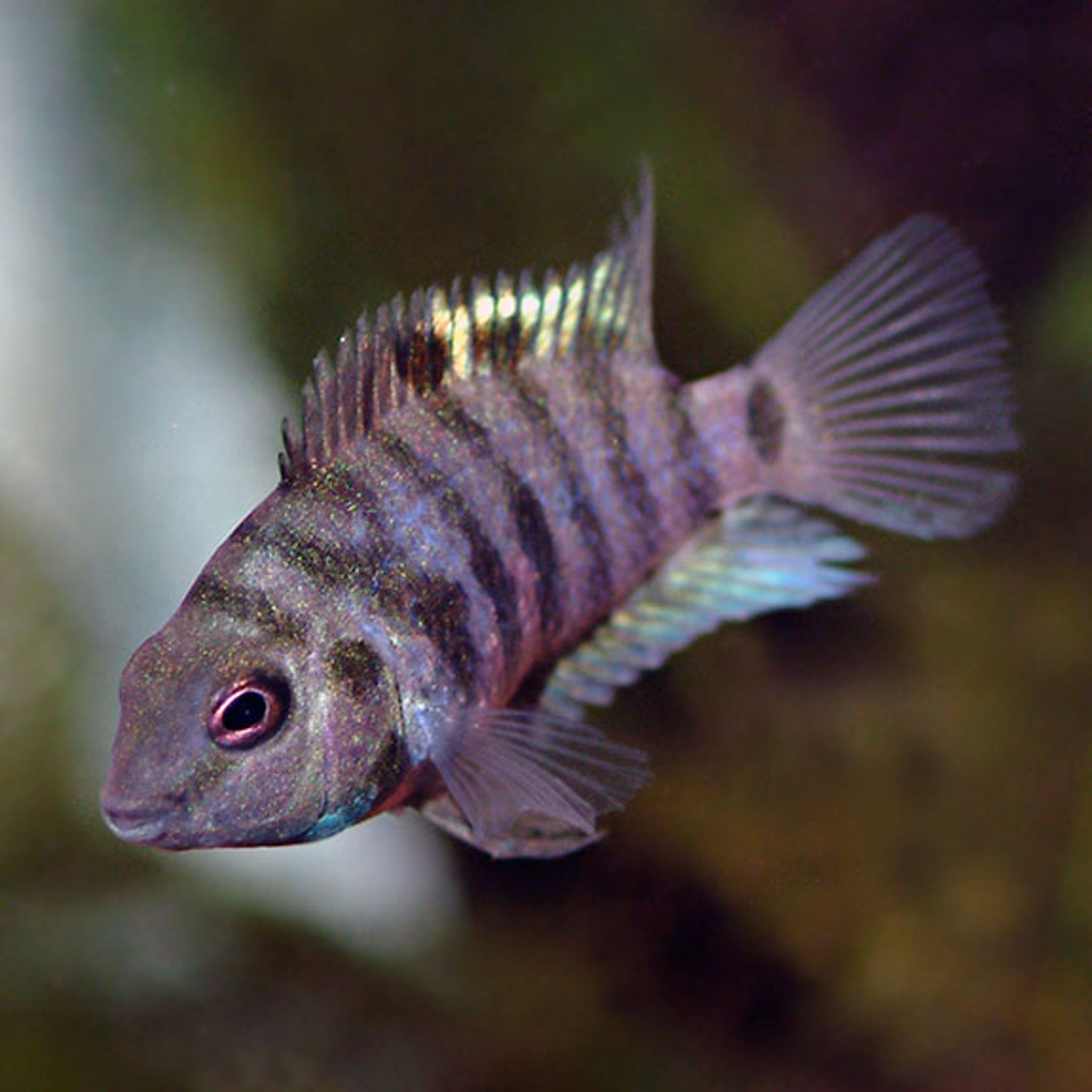

What Do Convict Cichlid Eat? A Practical Feeding Guide
Convict cichlids are omnivores that will eat almost anything you put in the tank, which is exactly why so many owners get their feeding wrong. This guide covers the staple diet, a realistic weekly rotation, exact portion and timing rules, fry-rearing steps after a spawn, and the mistakes that quietly hurt an otherwise tough, easy-to-keep fish.
What Convict Cichlids Eat in the Wild
In their native range, convict cichlids feed on small insects and insect larvae (including mosquito larvae), crustaceans, and a fair amount of plant and algae matter scraped from rocks. This wild diet is the reason convicts thrive on a mixed omnivore diet in the aquarium rather than a straight meat or straight vegetable menu — they need both animal protein and fiber-rich plant material to stay healthy long-term.
Convicts are not picky. Left to their own devices, they'll eat flakes, pellets, frozen food, live food, and even leftover food meant for tankmates. That's convenient, but it also means portion control is entirely the owner's responsibility — the fish will never tell you when to stop.
The Base Diet: What to Feed Daily
A high-quality cichlid-formulated pellet or flake should make up roughly 60–70% of a convict's diet. Look specifically for a cichlid-specific formula rather than a generic tropical flake — cichlid formulas are built around a higher protein content and often include spirulina or other plant-based ingredients that better match an omnivore's needs. You can browse cichlid-appropriate options in Food & Supplements if you want to compare pellet and flake formulas side by side.
Protein Supplements (2–4x per Week)
Rotate in meaty foods a few times a week to round out the amino acid profile that pellets alone can't fully cover:
- Frozen or live bloodworms
- Blackworms or tubifex worms
- Brine shrimp
- Daphnia
Plant Matter (1–2x per Week)
Convicts need fiber, and skipping this is one of the most common feeding mistakes. Offer:
- Blanched zucchini or cucumber
- Peas (shelled)
- Lettuce or spinach
- Broccoli florets
- A spirulina-based pellet as an easy substitute if fresh veggies aren't practical
Treat foods — freeze-dried krill, the occasional bloodworm cube — are fine in small amounts but should never replace the staple pellet as the backbone of the diet.
How Often and How Much to Feed
Feed adult convicts 2–3 small meals a day, offering only what they can clear in 2–3 minutes per feeding. If food is still sitting on the substrate after a few minutes, you fed too much. For most home aquarists, twice a day — once in the morning, once in the evening — is the practical default; scale up to three feedings a day for juveniles or an actively breeding pair with higher energy demands.
Juveniles and growing fish need more frequent feeding and a higher proportion of protein to fuel growth, since they're putting on body mass much faster than adults.
| Life stage | Feedings per day | Diet emphasis | Portion guide |
|---|---|---|---|
| Fry (newly free-swimming) | 3+ | Baby brine shrimp, crushed flake later | Amount cleared in under 1 minute |
| Juveniles | 3 | Higher protein ratio, smaller pellet size | Amount cleared in 2–3 minutes |
| Adults | 2–3 | 60–70% pellet, rotate protein and veggies | Amount cleared in 2–3 minutes |
| Breeding pairs | 3 | Extra protein to support egg production | Amount cleared in 2–3 minutes |
A useful rule of thumb when the "2–3 minute" guideline still feels vague: aim for a pinch of dry food per fish per feeding, roughly equivalent to what would fit on the surface area of one eye — better to underfeed slightly and add a second small feeding than to dump in a large pinch once.
Convicts also tolerate a periodic fasting day well. Skipping food one day a week is a common maintenance practice in cichlid keeping generally, and it gives the gut a break without any risk to a species this hardy.
Feeding Convict Cichlid Fry
Convicts are famous for breeding readily, and a lot of readers land on this topic specifically because they suddenly have a tank full of fry to feed.
Timeline From Egg to Free-Swimming
Eggs typically hatch in roughly 3–5 days, with warmer water speeding this up. After hatching, fry remain attached to the yolk sac in a wriggler stage before becoming free-swimming about 5–7 days later — again, faster in warmer water. Total time from spawning to free-swimming fry commonly runs anywhere from about a week to just under two weeks depending on temperature.
What to Feed Fry, Week by Week
- Day 1–2 after free-swimming: Newly-hatched brine shrimp (nauplii) is the reliable universal starter for this species. Convict fry are unusually large compared to many cichlid fry, so most keepers can skip infusoria or liquid fry food entirely and go straight to brine shrimp; those foods remain optional if you want an extra transition step.
- Week 2–3: Continue brine shrimp as the primary food, feeding 3 or more small meals a day. Fry have tiny stomachs and burn through energy fast, so frequent small feedings matter more than large ones.
- Week 3–4 onward: Begin introducing finely crushed flake or pellet alongside brine shrimp. Crush it between your fingers or with a mortar and pestle until it's a fine powder — adult-sized pellets are a common reason fry fail to grow, since fry simply can't eat or process food that's too large for their mouths.
- Week 5+: Gradually reduce brine shrimp frequency as fry take to crushed dry food, working toward a normal juvenile diet by roughly 6–8 weeks post-free-swimming, depending on growth rate.
Parental Care and Clutch Details
Convicts are attentive, biparental fish — both parents typically guard eggs and fry, which is part of why breeding happens so easily even for beginners. Clutch size ranges widely, from a few dozen eggs up to a few hundred in a well-conditioned pair. Some keepers separate the male if he becomes overly aggressive toward the female or fry, though in a large enough tank both parents often coexist fine through the whole cycle.
If you're sourcing live foods like mosquito larvae or wild-collected blackworms to feed fry or adults, be aware of the parasite and disease risk that comes with anything collected outdoors rather than raised in controlled conditions — rinse thoroughly and consider it an occasional supplement rather than a routine staple.
Tank Setup and Water Conditions That Affect Feeding
Convicts dig and rearrange substrate constantly, which stirs up debris and uneaten food particles. A few setup choices make feeding cleanup easier:
- Substrate: A sand or fine-gravel substrate supports natural foraging behavior without trapping excess food in large gaps.
- Filtration: Because convicts are messy, enthusiastic diggers, run filtration rated for a bioload heavier than the tank size alone would suggest.
- Hiding spots: Rockwork and caves reduce territorial stress, which in turn helps maintain a normal, consistent appetite.
Water temperature affects metabolism directly: convicts generally tolerate 75–84°F (24–29°C), with spawning and fry-rearing favoring the warmer end of that range, around 80–84°F. pH in the 6.5–8 range and moderately hard water are both well tolerated. Warmer water raises metabolic rate and feeding needs, but stability matters more than hitting an exact number — swings in temperature are a common, overlooked cause of appetite loss.
Tank size also ties directly into feeding: 20–30 gallons (76–114 L) minimum for a single fish or pair, and 40–55+ gallons (151–208 L) if keeping tankmates or running a breeding setup. Undersized or overstocked tanks concentrate waste from frequent feedings quickly, which is a fast route to a water quality crash.
Tank Mates, Aggression, and Feeding Dynamics
Convicts are territorial and can be genuinely aggressive, especially a guarding pair. That temperament carries over into feeding: a convict will often out-compete slower or more timid tankmates for food, leaving those fish underfed even when plenty of food is going into the tank. If you keep tankmates at all, choose similarly robust species and watch feedings closely to confirm everyone is actually getting food — or keep convicts alone or as a single breeding pair, which is a common and low-stress approach.
Color Variants: Pink and Albino Convicts
Pink and albino convict variants eat exactly the same diet as standard-colored convicts — there's no special formula required. Foods containing natural carotenoids, such as shrimp-based proteins and spirulina, do help maintain vivid coloration over time, which matters more visibly in lighter-colored variants where pigment is easier to see fade or intensify.
Common Feeding Mistakes to Avoid
| Mistake | Why it's a problem | Fix |
|---|---|---|
| Flakes only, long-term | Creates nutritional gaps despite convicts looking healthy short-term | Rotate in frozen/live protein and veggies weekly |
| Overfeeding because they beg at the glass | Convicts beg aggressively regardless of hunger; this isn't a reliable signal | Stick to fixed feeding times and the 2–3 minute rule |
| Skipping vegetables | Can cause digestive issues and bloat in an omnivore that needs fiber | Add blanched veggies or a spirulina pellet 1–2x/week |
| Same food size for fry and adults | Fry can starve trying to eat pellets too large to swallow | Crush food finely or use dedicated fry food until fry grow |
| Excess uneaten food plus digging habits | Fouls water faster than in less messy species | Portion carefully, run strong filtration, do regular partial water changes |
| Assuming hardiness means neglect is fine | Appetite loss usually signals a real problem, not pickiness | Check temperature and water parameters first when appetite drops |
Frequently Asked Questions
How often should I feed convict cichlids?
Feed adults 2–3 times daily in small portions that get fully eaten within 2–3 minutes. Twice a day (morning and evening) is a practical default for most home aquariums, moving to three feedings for juveniles or breeding pairs with higher energy needs.
What is the best staple food for convict cichlids?
A quality cichlid-formulated pellet or flake designed for omnivorous cichlids should be the staple, making up 60–70% of the diet. Supplement it with protein and vegetable matter through the week rather than relying on it exclusively.
Do convict cichlids eat other fish?
They can, particularly if they're territorial or guarding a brood — convicts may harass or eat much smaller fish, as well as fry from other species sharing the tank. This aggression is a normal part of their temperament, not a sign of an unusual individual.
What do convict cichlid fry eat?
Newly-hatched brine shrimp is the primary and most reliable starter food once fry become free-swimming, since convict fry are large enough to eat it right away. As fry grow over several weeks, gradually add finely crushed flake or pellet alongside the brine shrimp.
Can convict cichlids eat vegetables?
Yes — blanched zucchini, peas, spinach, lettuce, cucumber, or broccoli offered 1–2 times a week supply fiber that a meat-and-pellet-only diet lacks. A spirulina-based pellet works as a convenient substitute when fresh vegetables aren't on hand.
How long can convict cichlids go without food?
Convicts generally tolerate about a week without food thanks to their hardiness, which is useful to know if you're briefly away. It's not something to rely on routinely, though — regular, portioned feeding stays the goal.
Why is my convict cichlid not eating?
Loss of appetite in a species this tough usually points to stress, poor water quality, temperature swings, illness, or a recent tank disturbance rather than pickiness. Check water parameters and temperature stability first before assuming anything else.
Do convict cichlids need live food?
No — a high-quality pellet-only diet can support a convict cichlid perfectly well. Live or frozen protein isn't required, but it does add variety, can support faster growth, and helps enhance coloration, especially in pink and albino variants.
Convict cichlids reward a simple, consistent feeding routine more than an elaborate one — the main job is portion control, not variety for its own sake. For pellets, frozen protein, and other staples to build that rotation, browse Food & Supplements and the freeze-dried options under Freeze Dried Food, or check current stock of convicts and their relatives in American Cichlids on FishyHub.


