
What Do Common Pleco Eat? A Practical Feeding Guide
Common Plecos (Hypostomus plecostomus) need far more than tank algae to stay healthy — they're omnivores that lean toward plant matter and biofilm as adults, with occasional protein rounding things out. This guide covers exactly what to feed, how much, how often, and the mistakes that quietly starve or overfeed this popular bottom-dweller.
The "Algae Eater" Myth
Common Plecos are sold in big-box stores as an all-purpose algae solution, and that reputation is only partly true. In the wild, this species grazes on algae and biofilm, but it also eats decaying wood, soft plant matter, and small invertebrates. Algae is one part of a broader diet, not the whole menu.
Relying on tank algae alone is one of the most common beginner mistakes with this fish. A pleco that only has algae to eat will slowly lose weight, develop a sunken belly, and eventually starve — even in a tank that looks "green enough" to a human eye. Algae wafers, vegetables, and pellets are required supplements, not occasional treats.
What Common Plecos Actually Eat
A Sinking Wafer or Pellet Base
Because Common Plecos have a sucker-shaped mouth built for rasping surfaces, they graze rather than gulp. Floating flake food made for mid-water fish is largely wasted on them. The base of the diet should be:
- Sinking algae wafers or bottom-feeder pellets that reach the substrate before crumbling
- Ingredients that list spirulina or algae near the top, not just fish meal
- A batch small enough to be cleared within a few hours, not overnight
You can browse sinking wafers and other bottom-feeder foods in FishyHub's Food & Supplements category.
Fresh Vegetables, 3–5 Times a Week
Vegetables make up a large share of a healthy Common Pleco's diet. Good options include:
- Zucchini
- Cucumber
- Squash
- Blanched spinach or kale
- Romaine or leaf lettuce
- Shelled peas
- Carrots
Prep matters. Wash the vegetable, then blanch or lightly boil it for 1–2 minutes to soften fibrous skins and make it easier to rasp. Weigh the piece down with a veggie clip or a fork so it sinks and stays put, and remove any uneaten portion within 24 hours — sooner if the water starts to cloud. Left-over vegetable matter breaks down quickly and adds directly to the ammonia load.
Occasional Protein
Common Plecos aren't strict herbivores, and a small amount of protein 1–2 times a week supports growth without causing problems:
- Bloodworms
- Brine shrimp
- Sinking carnivore or shrimp pellets
Keep portions small. This species carries a heavy bioload as an adult, and too much protein or fat compounds that further — it's a documented contributor to obesity and bloat in large, slow-moving bottom dwellers like this one. Protein should read as a supplement, not a main course.
Driftwood: Part of the Diet, Not Just Decor
Common Plecos rasp wood fibers to aid digestion, so a piece of aquarium-safe driftwood belongs in every tank housing this species — it's functional, not aesthetic. Fish kept without any wood to graze on are more prone to digestive issues over time. If your tank doesn't already have a piece, look for aquarium-safe driftwood sized for your setup before adding a pleco.
How Often to Feed
Feeding frequency is where sources disagree most. Some guides recommend daily feeding regardless of age; others say adults barely need to be fed at all because they graze continuously on biofilm and leftovers. A practical middle ground:
| Life stage | Feeding frequency | Notes |
|---|---|---|
| Juveniles (under 4–6 in / 10–15 cm) | Daily | Faster metabolism, actively growing |
| Adults (6–12+ in / 15–30+ cm) | Every 1–3 days | Grazes on biofilm between meals |
| Any age | Adjust by appetite | Slow to finish? Stretch the interval further |
Watch belly fullness and how quickly food disappears rather than following a rigid schedule. Overfeeding is a bigger risk than underfeeding for this species — a healthy adult can comfortably go two or three days between deliberate feedings.
Feed After Lights-Out
Common Plecos are primarily nocturnal and feed most actively in the dark. Drop food in around the time the lights go off, or right before you turn in, and check in the morning to see what's left. Owners who only look during the day often assume their pleco "isn't eating," when it's simply waiting for darkness.
A Simple Weekly Feeding Routine
A day-by-day structure takes the guesswork out of portioning:
| Day | What to offer |
|---|---|
| Monday | Sinking algae wafer |
| Tuesday | Blanched zucchini or cucumber |
| Wednesday | Sinking algae wafer |
| Thursday | Small portion of bloodworms or brine shrimp |
| Friday | Blanched spinach or kale |
| Saturday | Sinking algae wafer |
| Sunday | Light day / fasting — let it graze on biofilm and driftwood |
Adjust portions to what disappears within a few hours. Any uneaten food left to rot is a direct path to ammonia spikes and cloudy water — a genuinely important point, since it's the single most common water-quality complaint tied to pleco keeping.
The Tank Size Reality Check
Feeding a Common Pleco well means feeding a fish that keeps growing. This species commonly reaches 12–24 inches (30–60 cm) and needs 75+ gallons (280+ liters) as an adult — some keepers cite 100+ gallons for full growth. A 20 or 29-gallon "starter" tank is fine for a juvenile but becomes inadequate within a year or two.
This matters directly for feeding: the bigger the fish gets on a good diet, the more waste it produces, and the more filtration and water-change frequency you need to keep up. Undersized tanks compound two problems at once — stunted growth and worse water quality from a waste load the filter can't handle. Strong filtration, good water flow, and driftwood/hiding spots are all part of supporting a well-fed adult long-term.
Target water parameters: 72–82°F (22–28°C), pH around 6.5–7.5, with good oxygenation and frequent partial water changes given the heavier bioload.
Not All "Algae Eaters" Are Equal
Common Plecos are often marketed as a universal algae fix, but they're not the most efficient choice for soft algae in a community tank. Otocinclus catfish, nerite snails, and Amano shrimp are all more effective against green film, diatom (brown), and hair algae — and they stay small enough for nano and community setups where a 12–24 inch pleco simply doesn't fit.
It also helps to know what a pleco (or any grazer) genuinely can't fix. Soft algae — green film, diatoms, hair or string algae — responds to grazing fish and cleanup crews. Tougher growths, including black beard/staghorn algae and blue-green "algae" (which is actually cyanobacteria, not true algae), generally need manual removal, improved flow, or targeted treatment rather than a fish to eat it away. No single species handles every algae problem in a tank.
Not Every Pleco Eats This Way
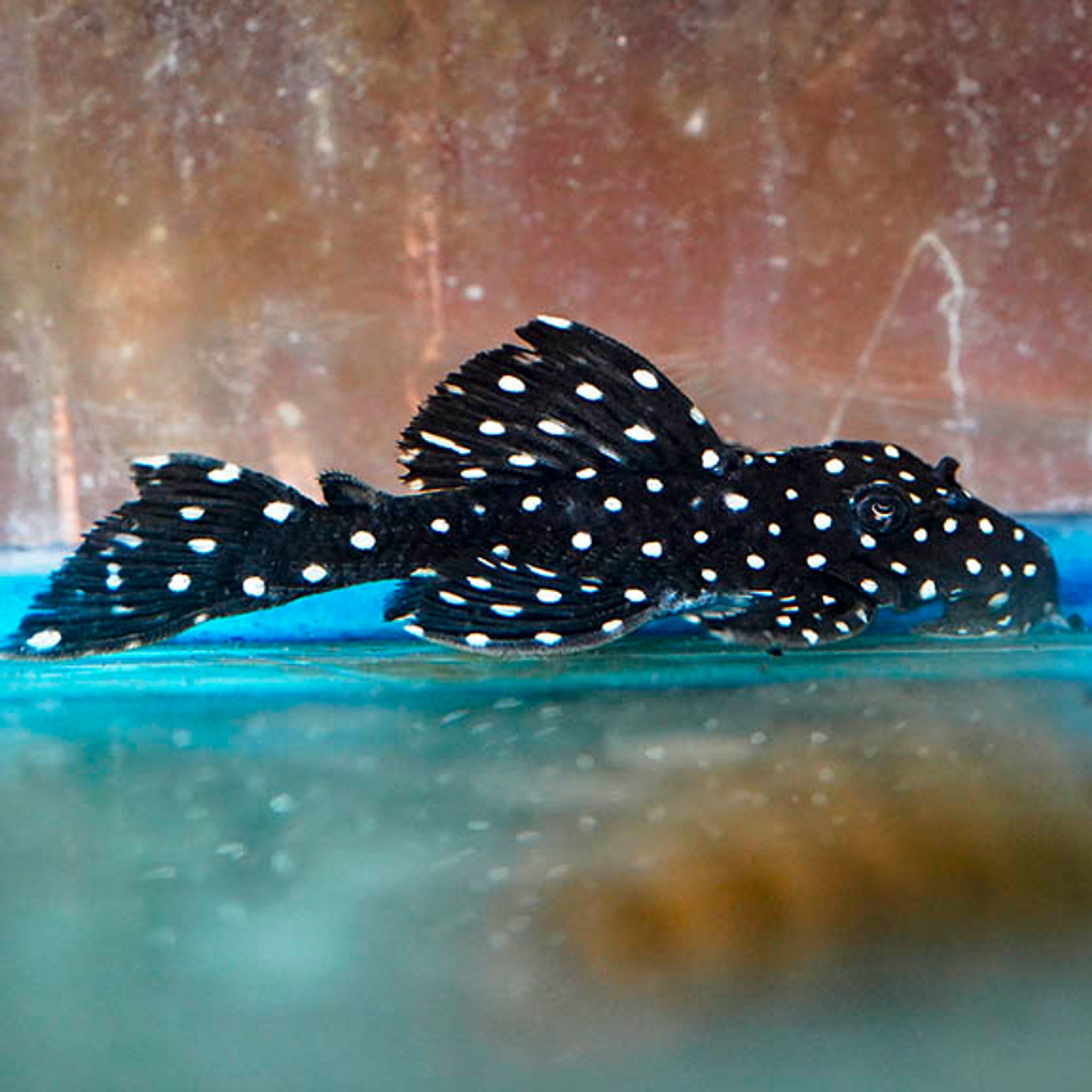
"Pleco" covers a huge family of catfish, and feeding advice for the Common Pleco doesn't transfer to all of them. Specialty and rarer species — L-number plecos like Peckoltia or Hypancistrus — lean far more carnivorous, need regular meaty foods, and sometimes ignore vegetables entirely. They also often require different breeding setups, including caves and softer, more acidic water. If you bought a smaller, more colorfully patterned pleco from a specialty seller rather than a big-box store, double-check its species before assuming this feeding plan applies — misidentifying the fish is a common reason owners report "my pleco won't eat vegetables" or "my pleco got way bigger than expected."
Tank Mates
Common Plecos do well with peaceful community fish — tetras, rasboras, barbs, and gouramis all make suitable mid- and top-water companions. Avoid nippy or highly aggressive species, which can stress a slow-moving bottom dweller that isn't built to compete for food or defend itself. Because it's a large adult fish, also plan tank mates around the eventual 75+ gallon setup, not just the juvenile-stage tank.
Common Mistakes to Avoid
- Treating algae as a complete diet — leads to slow starvation and a sunken belly over time
- Overfeeding vegetables or wafers and leaving leftovers to rot, causing ammonia spikes and ironically fueling algae blooms
- Buying without researching adult size, resulting in stunted growth or the need to rehome later
- Feeding only floating flakes, which a bottom-dwelling sucker-mouth fish can't access efficiently
- Skipping driftwood, which is linked to digestive issues over time
- Not checking at night, mistaking normal nocturnal behavior for a feeding problem
- Confusing a Common Pleco with a rarer species and applying the wrong diet or tank-size expectations
If you've realized your Common Pleco has outgrown its tank, look into local aquarium clubs, larger-tank keepers, or livestock retailers before rehoming — this is a genuinely common scenario for a fish that starts small and grows fast, and it's worth planning for early rather than as an emergency.
Frequently Asked Questions
Do Common Plecos really eat algae?
Partially. They graze on algae and biofilm, but algae alone doesn't provide enough nutrition to sustain a Common Pleco long-term. A varied diet of sinking wafers, vegetables, and occasional protein is necessary for the fish to thrive.
How often should I feed my pleco?
Feed juveniles daily and taper to every 1–3 days for adults, since they continue grazing on biofilm and driftwood between deliberate feedings. Adjust based on how quickly food is cleared and how full the fish's belly looks.
Can plecos eat fish flakes or pellets meant for other fish?
Leftover flakes from other fish are a minor supplement at best and shouldn't be relied on. Common Plecos need sinking wafers and vegetables as the actual base of their diet, since flakes are designed to float rather than reach the bottom.
Do plecos need driftwood?
Yes. Driftwood gives them fiber to rasp for digestion and a natural grazing surface — it's a functional part of the diet, not just decoration, and tanks without it are linked to more digestive issues.
What vegetables are safe for plecos?
Zucchini, cucumber, squash, spinach, kale, lettuce, peas, and carrots are all safe choices. Blanch or lightly boil them for 1–2 minutes, then clip or weigh them down so they sink and stay accessible.
Why is my pleco not eating during the day?
This is normal — Common Plecos are nocturnal and feed most actively after lights-out. Offer food in the evening and check the tank the next morning to confirm it's being eaten.
How big will my Common Pleco get, and does that change feeding?
Common Plecos often reach 12–24 inches (30–60 cm) as adults, which means larger portions, a bigger tank (75+ gallons), and stronger filtration to manage the resulting waste load. Feeding plans should scale with the fish, not stay fixed at juvenile-size portions.
Can I keep a Common Pleco with other fish?
Yes, peaceful community species like tetras, rasboras, barbs, and gouramis make good tank mates. Avoid aggressive or nippy fish, and don't rely on the pleco as your only algae control — smaller grazers handle soft algae more effectively.
Ready to add a Common Pleco or a smaller, more efficient algae-control species to your setup? Browse available bottom dwellers in FishyHub's Plecos, Corys & Bottom Dwellers category.


