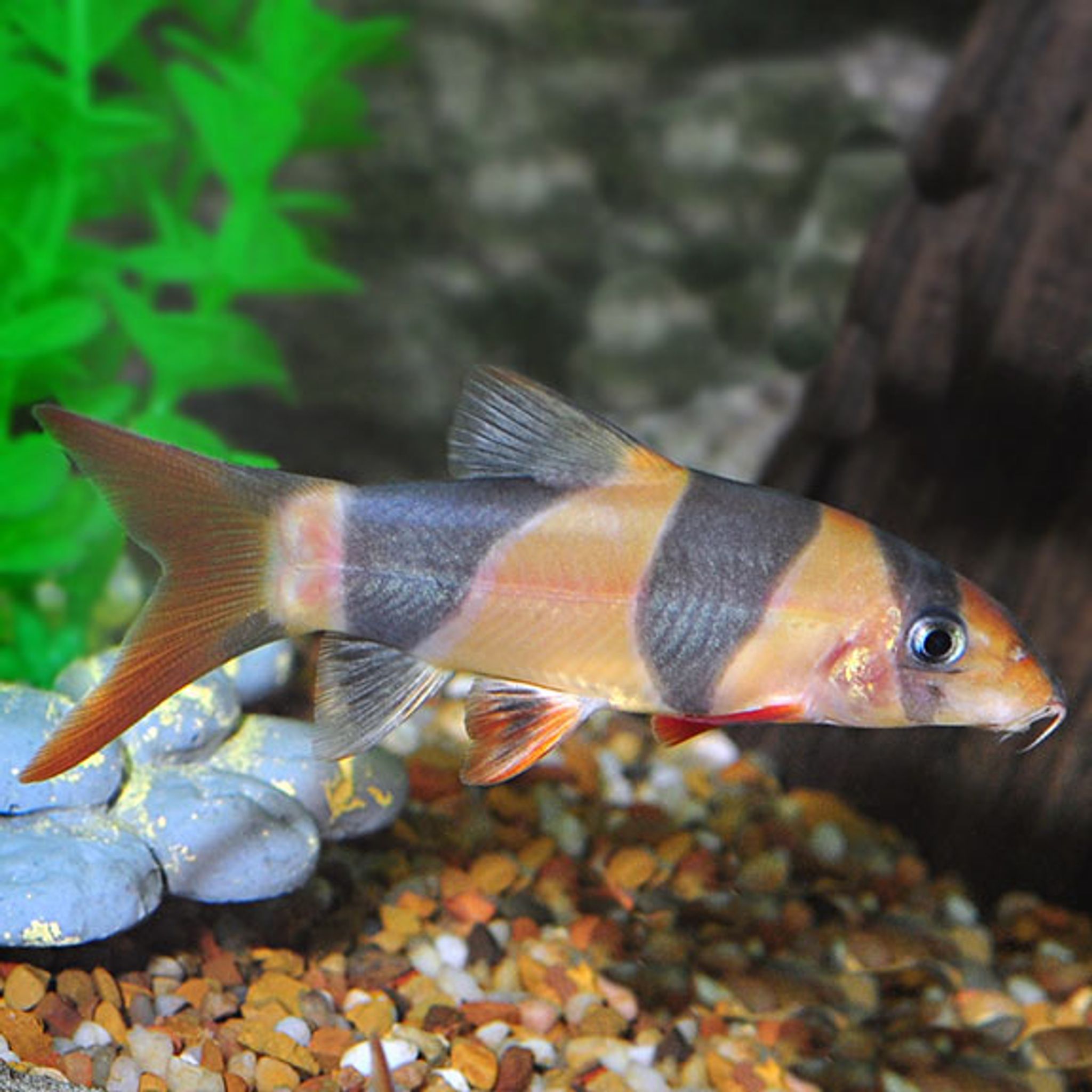

What Do Clown Loach Eat? A Practical Feeding Guide
Clown loaches eat a mix of sinking pellets or wafers, meaty foods like bloodworms and snails, and blanched vegetables, offered in small portions once or twice a day. This guide breaks down exactly how much, how often, and how to feed them so they thrive without starving tankmates or fouling the water.
What Clown Loaches Eat in Nature and at Home
Clown loaches are omnivorous, opportunistic scavengers that forage along the substrate and in crevices using sensitive barbels around their mouths to locate food by touch and smell. In the wild they root through leaf litter and sediment for insect larvae, worms, small mollusks, and plant matter. In a home aquarium, that translates into a diet built around a reliable sinking staple, regular meaty protein, occasional live or fresh invertebrates, and vegetables a couple times a week.
Because they hunt by feel rather than sight alone, food placement matters as much as food type. A loach that never finds the food is a loach that looks "picky" when it's actually just missing every meal.
The Daily Staple: Sinking Pellets and Wafers
The foundation of a clown loach diet should be a high-quality sinking pellet or wafer formulated for bottom feeders. Look for shrimp-based or algae-based formulas, since these tend to combine the protein and plant content loaches need in one product. A sinking pellet or wafer diet works well as the everyday base because it reaches the bottom reliably and holds together long enough for a slower-moving loach to find it before it disintegrates.
As a label-reading benchmark, sinking foods aimed at omnivorous bottom dwellers typically run in the 30–40% protein range, with the remainder made up of plant matter, fiber, and binders. That ratio is a reasonable target when comparing products, since a food skewed heavily toward protein without any vegetable content won't round out the diet on its own.
Leftover flakes that drift down after other fish finish eating are also readily eaten, and loaches benefit from this natural cleanup role. That said, scraps should be a bonus, not the diet itself — relying only on what other fish miss leaves nutrition to chance.
Protein and Meaty Foods for Growth
Several times a week, clown loaches benefit from meatier foods that support growth, color, and overall vigor:
- Bloodworms (frozen or freeze-dried)
- Tubifex worms
- Blackworms
- Brine shrimp
- Small shrimp
- Earthworms (chopped for smaller loaches)
Fresh, frozen, or freeze-dried versions all work, and rotating between them adds variety. Two to three feedings of a protein-rich food per week, alongside the daily pellet staple, is a workable pattern for most tanks.
Vegetables: The Often-Skipped Half of the Diet
Clown loaches are not purely carnivorous, and a diet that leans entirely on meaty foods can lead to poor digestion over time. A couple of times a week, offer blanched vegetables such as:
- Zucchini
- Cucumber
- Carrot
- Sweet potato
- Spinach
Blanching softens the vegetable enough for a loach to rasp at it, and a weighted clip or a slice pinned near a hiding spot keeps it from floating away before it's found. A gel-based food or an algae wafer is a convenient middle ground here, since many combine protein and plant content in a single sinking piece — useful on nights when preparing fresh vegetables isn't practical.
Do Clown Loaches Eat Snails?
Yes — and this is one of the most talked-about parts of keeping them. Clown loaches actively hunt snails, using pharyngeal (throat) teeth to crush smaller shells outright, while larger snails may be pulled bodily from their shells. This makes them a genuinely useful tool against common pest snails like ramshorn, bladder, and Malaysian trumpet snails.
A few caveats worth knowing before counting on this:
- Size matters. A loach will typically go after snails small to medium relative to its own mouth; very large, well-established snails may be left alone.
- A heavy infestation may still need manual removal or a trap alongside the loaches, since a severe outbreak can outbreed what a few loaches eat in a given week.
- Snail availability is inconsistent, and buying feeder snails from a shop regularly gets expensive fast. Snails work best as a supplemental protein source and enrichment activity, not the backbone of the diet.
- Ornamental or expensive snails and shrimp are fair game too. If you're planning to add show snails or a shrimp colony, keep them in a separate tank from clown loaches.
Shell material also plays a role beyond pest control: crushing shells gives loaches a source of calcium and helps condition the pharyngeal teeth and jaw structures they use for feeding generally, similar to how grit benefits some other omnivores. An occasional shelled snack has value even outside of infestation control.
How Often and How Much to Feed
Small portions once or twice daily is the general rule of thumb, adjusted to your tank's bioload and how well the fish are digesting. Feed only what's consumed within 2–3 minutes; anything left after that is excess that will break down and affect water quality rather than nutrition that gets used.
Because clown loaches prefer warmer water — roughly 78–86°F (25.5–30°C) — their metabolism runs higher than many community fish kept at the same temperature. That means they need proportionally more food relative to their size than you might assume, and underfeeding is a more common mistake than overfeeding when a tank runs warm.
| Life Stage | Size | Feeding Frequency | Portion Size |
|---|---|---|---|
| Juvenile | Under 3–4 in (7.5–10 cm) | 2x daily | Small, crumbled pellets/wafers |
| Sub-adult | 4–8 in (10–20 cm) | 1–2x daily | Moderate, whole small wafers |
| Adult | 8–12+ in (20–30+ cm) | 1–2x daily | Larger portions, same frequency |
Clown loaches grow slowly and can live 15–25 years or more, with adults in long-term care commonly reaching 8–12 inches (occasionally cited up to 12–13 inches for exceptional wild specimens). That growth happens over many years, not months, so portion increases should track size gradually rather than being adjusted on a set schedule. Feeding a clown loach well is a long-term commitment that spans well beyond the juvenile stage most owners plan around.
Getting Food to the Bottom — and to the Loach
A surprisingly common feeding mistake is offering food that never actually reaches a loach. Floating flakes and slow-sinking pellets get intercepted by faster fish in the water column, leaving bottom dwellers underfed even though the tank "looks" well fed. A few fixes:
- Choose pellets or wafers that sink promptly rather than floating or dissolving on the surface.
- Drop food near known hiding spots — under driftwood, near rock piles, or by the loach's regular resting spot.
- Feed after lights dim or once tank lights are off, since clown loaches lean shy and somewhat nocturnal, especially when younger or newly introduced.
- Use consistent timing and a consistent feeding spot so loaches learn to expect food there.
For newly introduced or unusually shy loaches, mixing in an odor-rich frozen or live food (like bloodworms or a small piece of shrimp) near the feeding spot can help trigger a feeding response faster than dry pellets alone.
Managing Feeding Competition With Tankmates
As clown loaches mature, they become more food-competitive and semi-aggressive at feeding time, which can crowd out slower or shier tankmates. If you're noticing other fish looking thin while the loaches look well-fed, try:
- Spot-feeding sinking food directly to the loaches in their preferred area, separate from where other fish are fed.
- Feeding after lights are dimmed, when diurnal fish are less active and less likely to intercept sinking food first.
- Keeping confident dither or schooling fish in the tank, which can help loaches feel secure enough to come out and feed visibly rather than waiting for the tank to clear.
Feeding and Water Quality
Clown loaches have hearty appetites, and that appetite translates directly into bioload. A tank that's feeding loaches properly needs filtration sized to match — not just for the loaches, but for the extra waste generated by frequent protein feeding. A sponge or hang-on filter rated appropriately for your tank volume, combined with prompt removal of uneaten food, keeps ammonia and nitrite from creeping up between water changes. If you're stocking loaches in a larger setup, matching feeding volume to your filtration capacity — rather than just "how much they'll eat" — is the safer way to plan portions.
Common Feeding Mistakes to Avoid
- Overloading on protein without vegetables, which can lead to bloating or sluggish digestion over time.
- Feeding only floating foods, leaving bottom-dwelling loaches consistently underfed.
- Assuming loaches alone will clear a heavy snail infestation — manual removal is often still needed.
- Underfeeding relative to a warm tank's bioload, since higher temperatures speed up metabolism.
- Adding loaches to a tank with valuable ornamental snails or shrimp without realizing they'll be eaten.
- Skipping quarantine on live foods like snails and worms, which can carry parasites — rinse thoroughly or source from a farmed, quarantined supply rather than wild-caught material.
- Not providing enough hiding spots, which can make loaches too stressed or outcompeted to feed confidently.
Frequently Asked Questions
What is the best staple food for clown loaches?
A quality sinking pellet or wafer designed for bottom feeders, ideally shrimp- or algae-based, works well as the everyday staple. Round it out with protein foods a few times a week and vegetables once or twice a week for a complete diet.
Do clown loaches eat snails?
Yes — they actively hunt and crush small snails with their pharyngeal teeth and can pull larger ones from their shells. They're genuinely useful against common pest snails, but a severe infestation may still need manual removal alongside the loaches.
How often should I feed clown loaches?
Small portions once or twice a day is the standard approach, with the amount adjusted based on your tank's bioload and water quality. Feed only what's eaten within two to three minutes to avoid excess waste.
Can clown loaches eat flake food?
Yes, especially sinking leftovers that other fish miss during feeding, and loaches will readily eat these as cleanup. Flakes alone aren't a complete staple, though, since a dedicated sinking pellet or wafer offers more consistent nutrition.
Will clown loaches eat my other fish's food and leave them hungry?
As they grow, clown loaches can become more competitive at feeding time and may out-compete slower or shy tankmates. Spot-feeding sinking food directly to the loaches, away from other fish, helps balance things out.
Do clown loaches need live food?
Live food isn't required, but live, frozen, or freeze-dried protein foods like bloodworms, brine shrimp, and snails support growth and give loaches enrichment through natural foraging behavior.
What vegetables can clown loaches eat?
Blanched zucchini, cucumber, carrot, sweet potato, and spinach are all good options offered a couple of times a week. Blanching softens them enough for loaches to graze on comfortably.
Why is my clown loach not eating?
Common causes include stress, poor water quality, being outcompeted by faster tankmates, or food simply not reaching the bottom where the loach can find it. Check water parameters first, then adjust feeding method — try spot-feeding after lights dim and adding more hiding spots.
Ready to add clown loaches to your setup or round out their diet? Browse available loaches and bottom-feeder supplies on FishyHub to get started.


