
What Do Bristlenose Pleco Eat? A Practical Feeding Guide
Bristlenose plecos (Ancistrus spp.) are omnivores that graze algae and detritus in the wild, but algae alone will not sustain one in a home aquarium. A practical diet leans on a daily sinking wafer, blanched vegetables a few times a week, occasional protein, and a permanent piece of driftwood. Below is a complete feeding routine, portion sizes in US measurements, and fixes for the mistakes that most often stunt or starve these fish.
The Bristlenose Diet at a Glance
Bristlenose plecos are labeled "algae eaters," and it's true that they'll pick at biofilm and algae growing on glass, decor, and driftwood all day. But a single aquarium rarely produces enough algae to meet an adult pleco's caloric needs, especially in a well-maintained tank with low algae growth. That means feeding is not optional — it's the difference between a fish that stays a healthy 4-5 inches and one that slowly thins out over months.
A workable diet has three tiers:
- Staple (daily): sinking algae wafers or bottom-feeder pellets, ideally with spirulina or vegetable content.
- Supplement (2-4 times a week): blanched fresh vegetables, rotated for variety.
- Occasional treat (once a week or less): small amounts of bloodworms, brine shrimp, or shrimp pellets.
- Constant, non-food fiber source: a piece of driftwood, kept in the tank at all times.
Sources don't always agree on how often vegetables belong in the rotation — some treat wafers and veggies as an everyday combo, while others correctly treat veggies as a supplement layered onto a daily pellet base. The sensible middle ground: feed a sinking wafer or pellet every day, and add fresh vegetables 2-4 times a week rather than daily. That keeps nutrition varied without leaving excess plant matter to rot between feedings.
Core Staple: Wafers and Sinking Pellets
Algae wafers and bottom-feeder pellets should make up the backbone of the diet. Look for a formula that lists vegetable matter or spirulina among the first few ingredients rather than one built mainly around fish meal, since bristlenose don't need a meat-heavy formula the way true carnivorous plecos do. A rotating selection of sinking foods is easy to browse in FishyHub's Food & Supplements category, including freeze-dried options for occasional variety.
Portioning in real terms: for one adult bristlenose, 1-2 wafers per day (roughly nickel-sized pieces) is a reasonable starting point. Adjust up if you're feeding a tank with multiple plecos or other bottom feeders sharing the meal, and adjust down if wafers are still sitting untouched after a few hours.
Vegetables: What to Feed and How to Prepare Them
Fresh vegetables round out the diet with fiber and micronutrients that a dry wafer alone won't fully cover. The best options for bristlenose are:
- Zucchini
- Cucumber
- Blanched spinach
- Broccoli (small florets or stems)
- Shelled peas
- Carrots
- Romaine or other leafy greens
Blanching Method
Raw vegetables are tough and can cloud the water before a pleco makes much progress on them. Blanching softens the flesh so it's easier to graze and lowers the risk of contamination:
- Slice the vegetable into pleco-sized pieces (roughly 1-inch chunks or thin coins).
- Drop the pieces into boiling water for 1-3 minutes — just long enough to soften, not cook through.
- Immediately transfer to an ice bath to stop the cooking process.
- Cool completely before placing in the tank.
Getting Vegetables to Sink and Stay Put
Bristlenose rarely feed at the surface, so a floating piece of zucchini is effectively invisible to them. Some feeding advice treats sinking as optional if the food lands near a favorite hiding spot, but in practice food needs to sink and stay anchored — otherwise it drifts, gets ignored, or gets grabbed by faster mid-water fish. Use a veggie clip, a feeding fork, or a small food-safe skewer to weigh pieces down against the glass or a piece of decor.
Timing matters just as much as prep: remove any uneaten vegetable matter within a couple of hours, and never leave it in longer than overnight. Decomposing plant matter drives up ammonia and nitrite faster than most keepers expect, particularly in smaller tanks.
Protein and Treats — Used Sparingly
Bloodworms, brine shrimp, and small amounts of shrimp pellets are fine as occasional treats, roughly once a week or less. Bristlenose don't need much animal protein compared to dedicated carnivorous species, and regularly feeding meaty foods to a bristlenose mostly just adds unnecessary bioload without any real nutritional benefit. Treat protein as a rare bonus, not a diet component.
Don't Confuse Bristlenose With Other Plecos
"Pleco" gets used as a catch-all term, but feeding needs vary a lot across species:
| Pleco type | Examples | Primary diet |
|---|---|---|
| Bristlenose (omnivore/algae grazer) | Common bristlenose, various Ancistrus colors | Wafers, blanched veggies, occasional protein |
| Wood specialists (xylivores) | Royal/Panaque-type plecos | Driftwood + vegetables — not meat-based despite sometimes being lumped in as "carnivorous" |
| True carnivorous plecos | Zebra, vampire/leopard, gold nugget, some clown-types | Bloodworms, brine shrimp, snails, shrimp — need real meaty foods regularly |
That middle row matters: wood-eating species are sometimes mislabeled as carnivorous because they rasp driftwood constantly, but they're actually eating wood fiber and algae, not meat. If your collection includes several pleco types, feeding them all a bristlenose-style diet will underfeed the true carnivores, while feeding everyone a meat-heavy diet will overfeed and pollute the water around your bristlenose. Browse species-specific options under Plecos, Corys & Bottom Dwellers if you're planning a mixed bottom-feeder setup.
Driftwood: Not a Calorie Source, But Not Optional Either
Bristlenose rasp wood fiber to aid digestion, the same as most Ancistrus-type plecos. Driftwood doesn't provide meaningful calories, but without something to rasp, bristlenose can develop digestive issues over time. Keep a piece of driftwood sized appropriately for your tank in permanently, and don't be alarmed by visible rasp marks or grooves developing on it — that's normal wear from a fish doing exactly what it's supposed to do.
Feeding Frequency and Timing by Life Stage
| Life stage | Feeding frequency | Notes |
|---|---|---|
| Fry (just free-swimming) | Several small feedings a day | Start with infusoria-level foods before graduating to crushed wafers |
| Juvenile | 2x per day | Smaller, more frequent meals support faster growth |
| Adult | Once per day | A daily wafer/pellet, with veggies 2-4x/week |
Bristlenose are largely nocturnal, so they forage most actively after dark. Feeding during the day when the fish is tucked into a cave or behind driftwood often means the food gets picked off by other tankmates before the pleco even notices it. Drop food in shortly before lights-out or after dimming for the best uptake.
General portion rule: offer only what the pleco (and any tankmates sharing the meal) will clear in 2-3 hours. A golf-ball-sized chunk of vegetable or 1-2 wafers per adult per day is a solid starting point — scale up or down based on tank size and the number of fish feeding.
Water Quality and Appetite
Feeding behavior is closely tied to water conditions. Bristlenose do best around 73-81°F (23-27°C), pH 6.5-7.5, with soft-to-moderate hardness. Poor water quality — high ammonia, nitrite, or simply a tank overdue for maintenance — tends to suppress appetite before any other visible symptom shows up. A single adult bristlenose (4-5 inches) isn't a heavy bioload contributor on its own, but a well-fed one still adds waste, so factor feeding volume into your filtration and water-change schedule rather than treating it as negligible.
Conditioning for Breeding
Diet quality feeds directly into breeding success, though the two topics often get treated separately. In the weeks leading up to breeding, a varied diet with a bit more protein and fresh vegetable content helps condition adults for spawning. Breeding itself is typically triggered by good diet plus clean, slightly warmer water and a cave or pipe for the male to guard.
Once eggs are laid, the male fans and guards them and often stops eating almost entirely during this period — that's normal behavior, not illness, and it resolves once the fry hatch. Fry initially live off their yolk sac, then need infusoria-level foods for the first stretch before they're ready to graduate to crushed algae wafers and finely blanched vegetables.
Sexing Bristlenose: Why It Affects Feeding Expectations
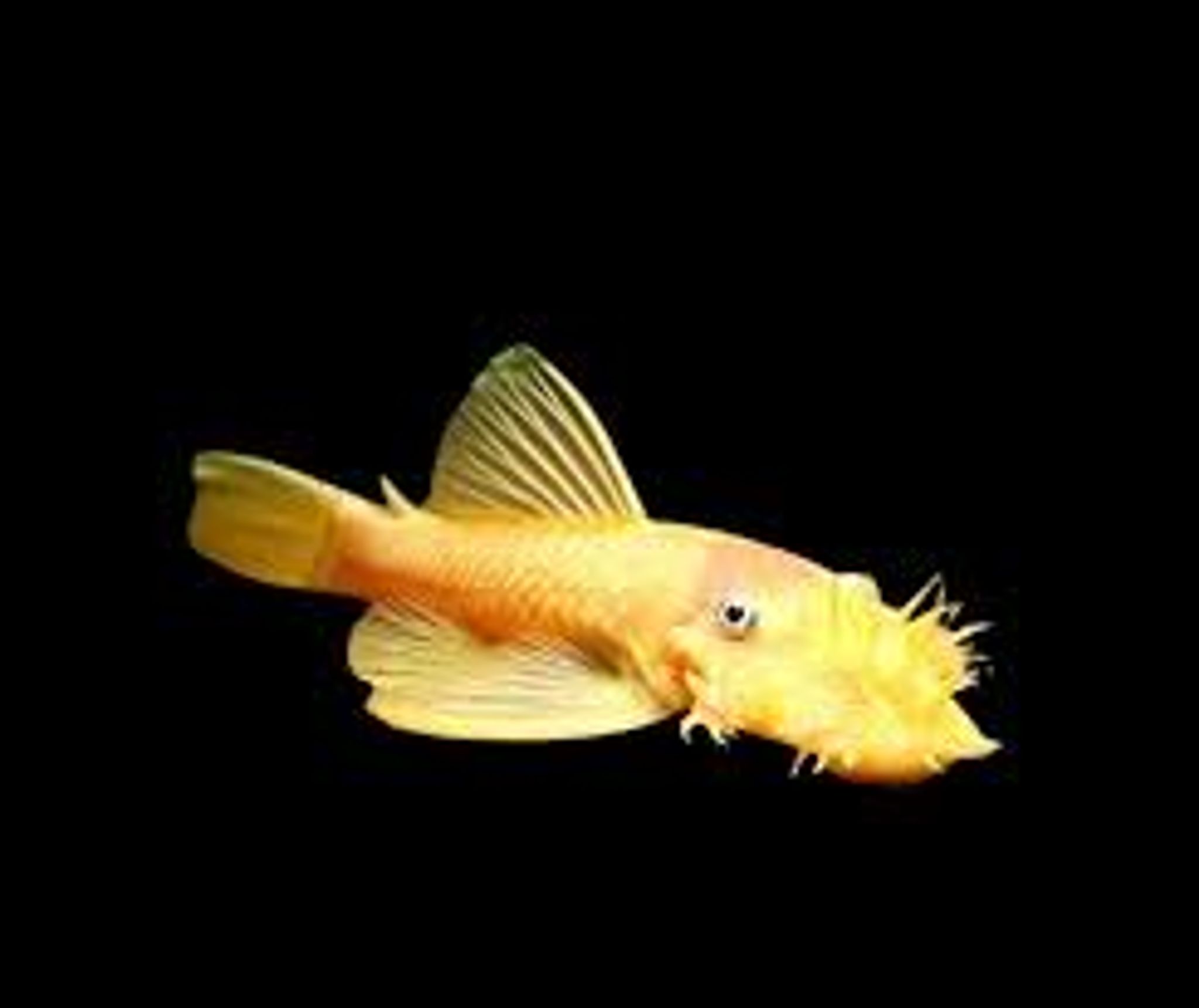
Knowing the sex of your plecos helps explain feeding behavior, especially around breeding season. Mature males develop prominent, branching bristle-like growths (odontodes) on the snout that can extend up toward the forehead; females have minimal to no bristles, sometimes just a few short ones at the very tip of the snout. Males also tend to have broader heads. These bristles typically develop as the fish matures, somewhere between 4-6 months and a year old. If a mature male suddenly stops eating and you notice pronounced bristles and guarding behavior near a cave, that's very likely breeding, not a health problem.
Common Feeding Mistakes
- Assuming algae alone is enough: a tank rarely grows enough algae to sustain an adult pleco long-term; without added wafers and veggies, the fish will visibly thin out over weeks or months.
- Leaving vegetables in too long: uneaten plant matter fouls water and spikes ammonia/nitrite — pull leftovers within a few hours to overnight, never longer.
- Skipping driftwood: without wood fiber to rasp, digestive problems can develop over time.
- Feeding only during the day: food gets eaten by other fish or ignored while the pleco hides; switch to dusk or after lights-out.
- Overfeeding protein: treating a bristlenose like a carnivorous pleco adds unnecessary waste without any nutritional upside.
- Not weighing down vegetables: floating veggies get ignored, and keepers often mistake presentation problems for "my pleco won't eat vegetables."
- Mistaking breeding refusal for illness: a guarding male skipping meals is normal and temporary.
Frequently Asked Questions
Do bristlenose plecos eat algae wafers?
Yes — algae wafers are a core staple of their diet. Look for a sinking wafer formulated for bottom feeders, ideally with some vegetable or spirulina content in the ingredient list.
How often should I feed my bristlenose pleco?
Once daily is enough for adults using a sinking wafer or pellet, with fresh vegetables added a few times a week rather than every day. Juveniles benefit from more frequent, smaller feedings to support faster growth.
Do bristlenose plecos need driftwood?
Yes. It isn't a calorie source, but the wood fiber aids digestion, and bristlenose can develop digestive issues without something to rasp. Keep a piece in the tank at all times.
Can bristlenose plecos eat meat or bloodworms?
Small amounts occasionally are fine, but it's not required and shouldn't replace their plant-based staple. Bristlenose need far less animal protein than true carnivorous pleco species.
Will my pleco eat algae off the glass and decor, and is that enough?
They'll graze algae readily, but in most home aquariums it's a supplement, not a complete diet. You still need to provide wafers and vegetables regularly.
Why is my pleco not eating?
Check water parameters first, since poor water quality suppresses appetite. Then check feeding time (try after lights-out), presentation (make sure food is sinking and staying put), and rule out breeding or egg-guarding behavior in mature males.
What vegetables can I feed my pleco?
Zucchini, cucumber, blanched spinach, broccoli, shelled peas, romaine, and carrots all work well. Blanch them for 1-3 minutes, then sink them with a clip or fork so they stay put.
How can I tell if my bristlenose is male or female?
Mature males grow branching, tentacle-like bristles on the snout, sometimes extending toward the forehead. Females have little to no bristles, usually just a few short ones at the tip.
Once your feeding routine is dialed in, you can browse sinking wafers, blanched-veggie alternatives, and other bottom-feeder essentials in FishyHub's Plecos, Corys & Bottom Dwellers category.


